REVIEW · ROME
Rome: Ancient Rome Nighttime Sightseeing Tour
Book on GetYourGuide →Operated by Romes Ultimate · Bookable on GetYourGuide
Rome feels more human after dark. This 3-hour night walk strings together the Forum-area classics and the grand piazzas you see in paintings, but in street-level context. It starts in Rione Monti, one of the oldest residential neighborhoods, and guides you through Rome’s changing power centers—ancient, Renaissance, and modern.
Two things I like a lot: the focus on major squares you’ll recognize fast (Piazza Quirinale and Piazza Campidoglio), and the way the guide brings the sites to life in an interactive, not lecture-only, style. One consideration: it runs rain or shine and you’ll be on your feet the whole time, so comfortable shoes matter.
In This Review
- Key highlights at a glance
- Why this Rome night walk works so well
- From Rione Monti: starting in Rome’s oldest residential vibe
- Piazza Quirinale: seeing elite Rome’s power center at night
- Trajan’s Forum: the first shopping-mall idea, explained in place
- Piazza Campidoglio: Michelangelo’s design seen as urban planning
- Palazzo Venezia, Vittorio Emanuele II, and Rome’s modern layers
- Piazza Colonna ending: government square + your included nightcap
- What you’re really paying for: value of this $82 night tour
- Who this tour suits best (and who should skip)
- Practical tips for a smoother night (especially for photos)
- Should you book this Rome: Ancient Rome Nighttime Sightseeing Tour?
- FAQ
- How long is the Rome: Ancient Rome Nighttime Sightseeing Tour?
- What sites are included during the tour?
- Is a drink included?
- What time of day is this tour?
- Do I need to speak Italian?
- Does the tour run in bad weather?
- What should I bring?
- Is this tour suitable for people with mobility impairments?
- Is there a cancellation policy?
Key highlights at a glance
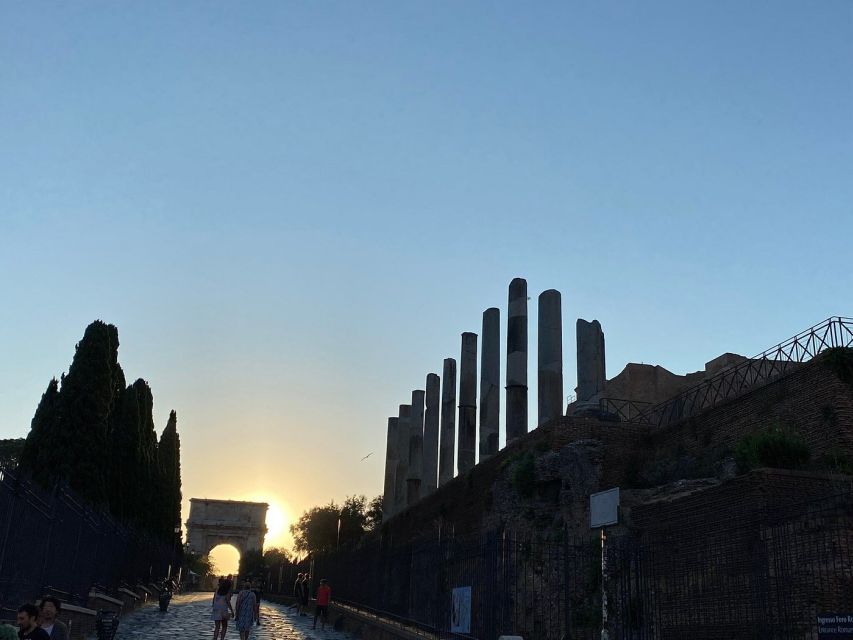
- Rione Monti start: begin in Rome’s older living fabric, not just the postcard cores
- Piazza Quirinale at night: see the seat of elite Roman influence in a calmer, quieter setting
- Trajan’s Forum stop: learn why it’s tied to the world’s first shopping-mall idea
- Piazza Campidoglio: Michelangelo’s design, viewed as an urban plan you can walk around
- Palazzo Venezia + Vittorio Emanuele II: watch how Renaissance and modern Italy share the same map
- Piazza Colonna ending + drink: finish at the government hub with a included nightcap
Why this Rome night walk works so well
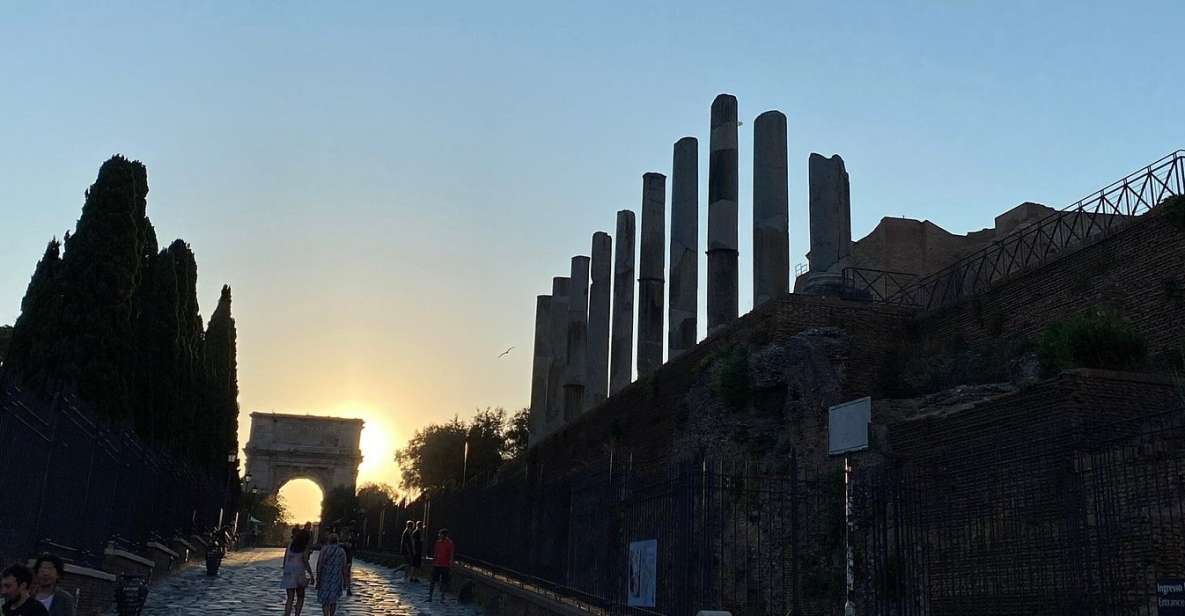
A lot of Rome tours tell you what you’re looking at. This one also helps you place it—where power sat, where people gathered, and how the city keeps reusing old space for new meaning. At night, the monuments don’t feel like museum objects. They feel like city scenes.
You also get a clean slice of “Rome across eras.” You start with an ancient residential zone (Rione Monti), then move toward Imperial Rome (Trajan’s Forum), then into Renaissance planning (Michelangelo’s Campidoglio), and finally toward Italy’s modern state presence (Piazza Colonna). If you want the highlights without spending your whole trip stuck in one era, this format makes sense.
The tour is 3 hours and keeps the pace designed for walking between key points. That’s a sweet spot for first-timers and repeat visitors alike—long enough to learn, short enough that you still have energy left for dinner.
You can also read our reviews of more tours and experiences in Rome.
From Rione Monti: starting in Rome’s oldest residential vibe
You kick things off in Rione Monti, described as the oldest residential area in Rome. That matters because it changes the feeling of the tour right away. Instead of starting in a totally monumental zone, you begin where people have lived through centuries of Rome’s shifting identity.
This start point also sets up the “by night” advantage. The streets and corners around Monti tend to feel less like a stage set and more like a neighborhood. You get a sense that Rome isn’t only ruins and grand viewpoints—it’s lived-in space.
You’ll move from that older residential atmosphere toward major squares and formal architecture. It’s a smart progression: small scale first, then big symbolic spaces.
Piazza Quirinale: seeing elite Rome’s power center at night
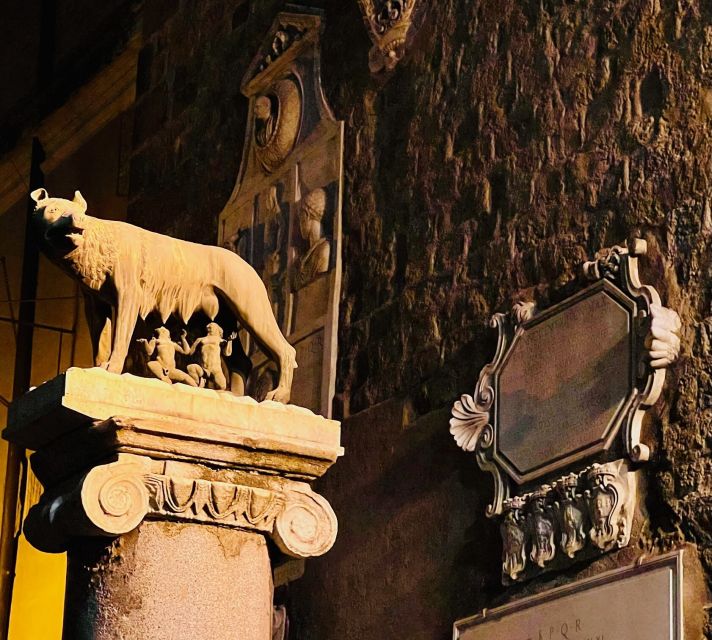
The guide takes you to Piazza Quirinale, called the seat of the Roman elite across the ages. At night, that theme lands differently. You’re not just seeing a famous square—you’re imagining who used it, what it represented, and why that location stayed important.
Piazza Quirinale is tied to government and status imagery in Rome’s story. Being there at night helps you focus on layout and dominance: where the space opens, where sightlines pull your eyes, and how the architecture frames authority.
If you’re the type who likes to understand a city’s “who mattered and where” map, this stop delivers. It’s also an anchor point for the rest of the itinerary, because after this you shift toward imperial structures and then the Renaissance redesign of Rome’s public face.
Trajan’s Forum: the first shopping-mall idea, explained in place
Next you reach Trajan’s Forum, described as the largest and last Imperial Forum built in Rome. This is one of those stops where knowing a detail helps you see the whole complex differently. The tour specifically frames it as the site of the world’s first shopping mall.
That’s a big claim, but the value here isn’t the slogan—it’s the way the forum functioned. In modern terms, you’re looking at a civic machine where commerce, public life, and architecture met. When you stand in the area, you can understand why it could feel like a built system for gathering and buying, not just a monument to emperors.
A drawback here is also practical: it’s a concentrated site, and the walking between points means you’ll want to keep your eyes up and be ready to move. If you’re hoping for lots of slow, independent exploring, this tour is better as a guided orientation than a full self-guided deep dive.
Still, for many people, Trajan’s Forum is the “aha” moment of the night. It turns Imperial power into something you can picture as everyday space.
Piazza Campidoglio: Michelangelo’s design seen as urban planning
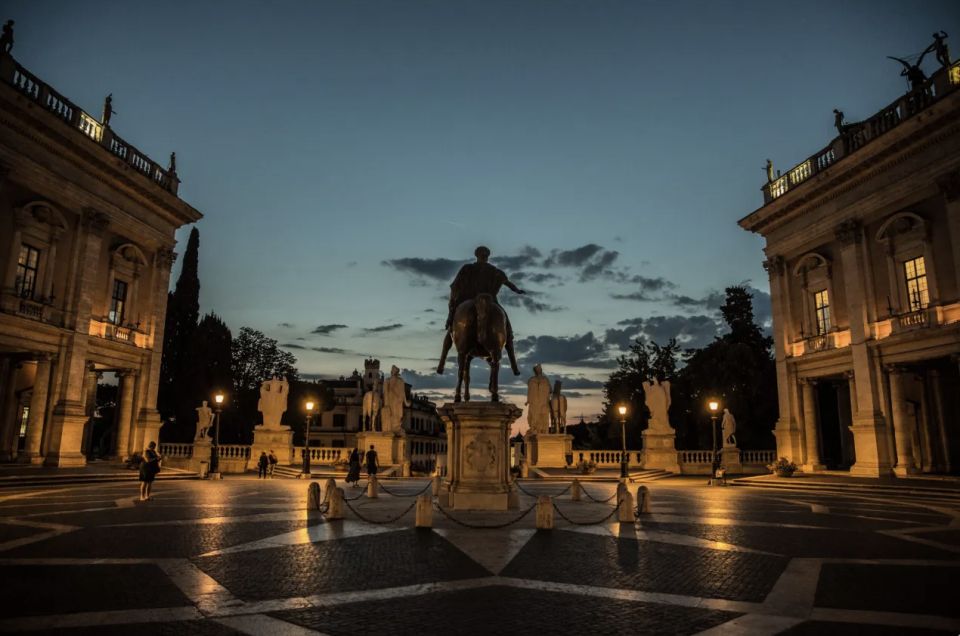
Then comes Piazza Campidoglio, where you get to see Michelangelo’s famous design. This isn’t only about admiring sculpture or looking for the obvious famous angle. The real lesson is how Michelangelo reshaped the square as a stage for movement, sightlines, and order.
The tour frames it as the Renaissance side of Rome’s story—how later artists and architects took the ancient city and reorganized it into something legible and grand. Campidoglio is perfect for that theme because it’s designed. You’re meant to walk around it and feel the plan.
At night, the square can feel extra theatrical. Even without pretending the lighting is a “cinematic experience,” the setting helps you notice form and geometry—how the space directs attention.
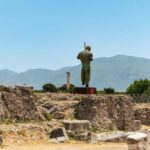

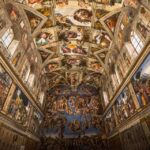
Palazzo Venezia, Vittorio Emanuele II, and Rome’s modern layers
After Campidoglio, the itinerary takes you toward Palazzo Venezia, described as the central hub of Rome. The big idea here is that Rome’s “center” isn’t one single moment. It’s a stack of eras.
Palazzo Venezia sits near the Unification Monument of Vittorio Emanuele II, and the tour highlights that pairing. That’s a useful connection: you start in ancient forums, then you shift into Renaissance planning, and now you’re looking at modern Italy’s symbols in the same broad Rome geography.
This stop is valuable for anyone who wants the city’s evolution in plain language. You’re not only seeing monuments—you’re seeing how Rome reclaims space for new meanings, generation after generation.
Piazza Colonna ending: government square + your included nightcap
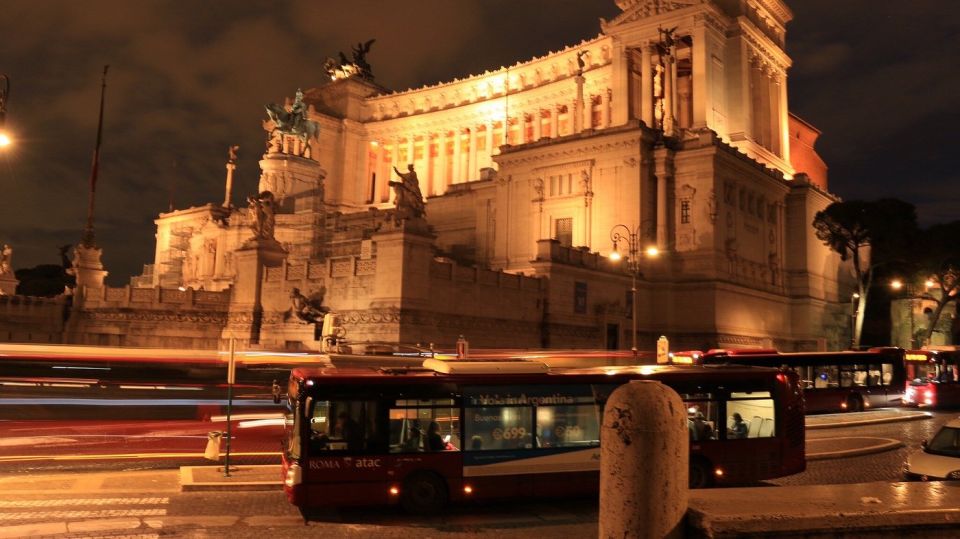
The tour concludes at Piazza Colonna, described as the seat of the government of Italy. Finishing here closes the loop. You began in an old residential neighborhood, then tracked through elite Roman identity and imperial architecture, and now you end where the modern state presents itself.
It’s also a smart time management choice. By the time you reach Piazza Colonna, you’ve had your main walking circuit, and you’re ready for an easy transition into the evening.
Then you wind down with a complimentary drink at the nearby Highlander Pub. That’s not a small perk. After a few hours of standing and walking, a included nightcap turns the tour from a straight sightseeing loop into something more social and relaxed—exactly when you’ll want to ask follow-up questions about what you’ve seen.
What you’re really paying for: value of this $82 night tour
The price is listed at $82 per person for 3 hours. On the surface, that’s not “cheap.” But value in Rome often comes down to what’s included and how efficiently you cover key areas.
Here’s the practical value equation:
- You get a live tour guide (English or Spanish), which is the main cost driver.
- The group is small, which usually means better pacing and more room for questions.
- You get a nightcap: a glass of wine or a cocktail.
- You’re covering several major zones in a short time: Rione Monti, Piazza Quirinale, Trajan’s Forum, Piazza Campidoglio, Palazzo Venezia/Vittorio Emanuele II area, and Piazza Colonna.
That mix matters if you’re trying to build a first-pass Rome map. Instead of spending your time figuring out connections on your own, you get an guided route that links the city’s big stages.
One quality detail that comes through in the experience style is the guide’s tendency to make it interactive. In at least one instance, the guide Dimitri used humor and built questions into the walk, and even gave extra time to answer questions, plus brought the group to the Highlander Pub afterward. Even if your guide isn’t the same person, the structure supports that kind of lively pace.
Who this tour suits best (and who should skip)
This tour is a great fit if you:
- Want major Roman sites without doing a full-day marathon
- Prefer a guided route that connects ancient, Renaissance, and modern Rome
- Like learning through conversation, not only standing and listening
- Can handle several hours of walking on uneven city surfaces
It’s specifically noted as not suitable for people with mobility impairments. If that’s you, it’s best to look for an option designed around accessibility, because this one is structured as an evening stroll between landmarks.
Practical tips for a smoother night (especially for photos)
- Wear comfortable shoes. You’re on foot for the full experience.
- Keep your camera ready, but don’t treat every stop like a photo-only moment. These squares work better when you also watch how the architecture guides your eye.
- Bring patience for night pacing. Rome moves slower at night if you’re looking closely, and your guide will likely pause for key explanations.
Rain or shine is part of the plan. If weather is messy, having footwear that handles wet sidewalks keeps the experience comfortable.
Should you book this Rome: Ancient Rome Nighttime Sightseeing Tour?
If you want an efficient, story-connected night route through Rione Monti, Trajan’s Forum, Piazza Campidoglio, and Piazza Colonna, I think this is worth booking. The included drink at the end is a nice finish, and the small-group format plus lively guide approach can turn it from sightseeing into understanding.
Skip it if you need an accessible route, or if you dislike walking tours. Also, if you already have a very deep background and want long, slow time at one single site, this may feel too “varied” for your taste. But for most people—first timers and returning visitors who want the big map of Rome—this tour is a smart evening plan.
FAQ
How long is the Rome: Ancient Rome Nighttime Sightseeing Tour?
The tour lasts 3 hours.
What sites are included during the tour?
You’ll visit Rione Monti, Piazza Quirinale, Trajan’s Forum, Piazza Campidoglio, Palazzo Venezia near the Unification Monument of Vittorio Emanuele II, and end at Piazza Colonna.
Is a drink included?
Yes. You’ll get a complimentary nightcap, either a glass of wine or a cocktail.
What time of day is this tour?
It is a nighttime sightseeing tour.
Do I need to speak Italian?
No. The live tour guide is available in English and Spanish.
Does the tour run in bad weather?
Yes. It will take place rain or shine.
What should I bring?
Bring comfortable shoes.
Is this tour suitable for people with mobility impairments?
No. It is not suitable for people with mobility impairments.
Is there a cancellation policy?
Yes. You can cancel up to 24 hours in advance for a full refund.