REVIEW · ROME
Ostia Antica Tour with Transfer: Private or Group of Max. 8
Book on GetYourGuide →Operated by Touriks · Bookable on GetYourGuide
Roman ruins, but with breathing room.
An Ostia Antica outing here is interesting because you trade Rome’s worst crowds for a remarkably preserved port city, guided by an expert and paired with included transport from central Rome.
I like the small group option (max 8)—it keeps the atmosphere calm and the questions flowing. I also like that you get headsets, so you can actually follow the stories while walking.
One drawback to consider: this is not set up for reduced mobility or wheelchair users, and you’ll cover a moderate amount of walking.
In This Review
- Key takeaways before you go
- Where You Start: The Touriks Meeting Point and Getting Rolling Fast
- City-Centre Transfer: Why the Logistics Actually Help
- Choosing Small Group or Private: The Difference You’ll Feel
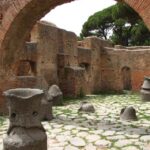
- The Guided Walk in Ostia Antica: What You’ll Actually See
- Mosaics and the Roman Harbor Feeling
- Theatre and Entertainment: How Romans Filled Their Free Time
- Decumanus Maximus and the City Street Grid
- Neighbourhood Life: Insulae and Domus
- Forum, Temples, and the Spiritual Side
- Secret Underground Temples: The Mithraeum
- Headsets, Pacing, and How to Get the Most from the 2 Hours
- What’s Not Included: Food, Drinks, and Planning Your Break
- Ending the Tour: Train Back to Rome or Beach Time
- Languages and the Guide Experience
- Price and Value: Is $123.48 Worth It?
- Who This Tour Suits Best (and Who Should Think Twice)
- Should You Book This Ostia Antica Tour?
- FAQ
- Where do I meet the tour?
- How long is the tour?
- What is included in the price?
- Do I need to buy Ostia Antica tickets?
- What languages are available?
- What should I bring, and what items are not allowed?
- Is this tour wheelchair accessible?
Key takeaways before you go
- Max 8 or private keeps the pace more human than the big-bus scene
- Headsets included help you catch every detail even when you’re moving
- Transfers from central Rome save time and stress on the way in and out
- Entrance fees + guide + skip-the-line access means fewer gaps in your day
- You finish with options to return to Rome or continue toward the beach by train
- Underground and “mystical” stops add more than straight-up archaeology sightseeing
Where You Start: The Touriks Meeting Point and Getting Rolling Fast
You meet at Touriks, Via di San Giovanni in Laterano 132, 00184 Rome. Plan to arrive about 15 minutes early, because once you’re matched to your group and settled, the van ride starts.
The good news is the transport is built in from the city centre. That matters in Rome, where “just figure it out” often turns into time loss, wrong turns, and buses that feel like they run on vibes rather than schedules.
You’ll take a private van to Ostia Antica, roughly 30 minutes. That’s long enough to settle in, but not so long that you lose the morning (or afternoon) to transit.
You can also read our reviews of more private tours in Rome


City-Centre Transfer: Why the Logistics Actually Help
This tour removes the two common pain points of Ostia Antica: getting there and managing your stuff. The transfer is included, so you don’t need to research routes on the spot.
If you choose the return transfer option, there’s also a luggage deposit in the city-centre office. That’s a practical touch if you’re pairing the day with other plans in Rome later, or if you simply don’t want a heavy bag on your back during the walking.
The trade-off is simple: this isn’t a “come and go on your own schedule” experience. You’ll be on the tour’s timeline, and the day flows from the van to the park and then onward.
Choosing Small Group or Private: The Difference You’ll Feel
You can book either a small group capped at 8 people (guaranteed) or a private option. In practice, that changes the feel of the tour more than you might expect.
In a small group, you’re more likely to hear the guide’s explanations without them constantly scanning the room to keep everyone together. It also tends to make the walk feel like a guided outing instead of a moving lecture hall.
If you go private, you should expect a more flexible experience. You can ask questions at a natural pace, and the guide can likely tailor the focus if your interests lean more toward religion, architecture, daily life, or Roman entertainment.
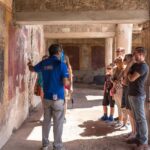
And this is where the guide really matters. People name guides such as Mario and Francesca for storytelling that makes the ruins feel like real places—not just stone.
The Guided Walk in Ostia Antica: What You’ll Actually See
Once you arrive at Ostia Antica, you get a guided portion of about 2 hours. Then you hop back in the van for the return—again, around 30 minutes—ending back at the meeting point.
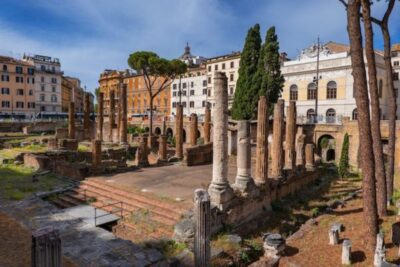
The key value here is how much variety you cover in that window. Ostia isn’t only ruins; it’s a snapshot of how Romans lived, worked, worshiped, and entertained in a major port city.
Expect to move through major areas tied to public life and city structure. Think harbor-era grand spaces, then down to the street grid, then into the spiritual side, including underground connections that many visitors don’t plan for.
Mosaics and the Roman Harbor Feeling
One of the first “wow” moments is the harbor atmosphere—Ostia was a working port city, and the scale helps you understand why it mattered. You’ll also spend time around the Baths of Neptune, including the mosaics people tend to remember.
Even if you’re not a “mosaic person,” the mosaics do a job. They show how decoration, leisure, and civic pride could mix in places meant for daily routine.
You can also read our reviews of more tours and experiences in Rome






Theatre and Entertainment: How Romans Filled Their Free Time
You’ll also see the Roman Theatre, a stop that helps you connect the dots between architecture and everyday culture. When you stand where performances happened, the site stops being an isolated archaeology stop and turns into a window on entertainment.
If you like human-scale history, this is a good angle. Theatre layouts tell you about crowds, seating, visibility, and how public life was designed.
Decumanus Maximus and the City Street Grid
Next you’ll walk along the Decumanus Maximus, one of the key street axes of the city. This is the sort of stop that feels “simple” on a map, but it teaches you the real logic of Roman urban planning.
Walking a main thoroughfare helps you visualize movement through the city: how people got from market areas to public buildings, and how the city’s layout structured daily life.
Neighbourhood Life: Insulae and Domus
You’ll also explore the insulae and lavish domus. This contrast is a big reason Ostia feels more complete than some other ruin sites.
- Insulae help explain how ordinary residents lived in multi-story housing.
- Domus (larger homes) show a different world of space, style, and status.
If you want the “what did people eat, how did they live, who had what” side of history, this is where the tour helps you most.
Forum, Temples, and the Spiritual Side
Ostia’s Forum and Temples give you the civic-religious core of Roman urban life. The guide’s job here is important: without context, temples can look like the same kind of stone you’ve seen in other sites.
With context, you start seeing why rituals and public religion were part of politics, identity, and community routines.
Secret Underground Temples: The Mithraeum
The highlight many people remember for atmosphere is the underground Mithraeum. It brings a more mysterious edge to the day, and it’s one of those places where the physical setting shapes the story.
This stop is also a reminder that Roman religion wasn’t just temples in the open. It also included cult practices tied to secretive or semi-hidden spaces.
It’s the kind of theme that makes you look at the remains differently after you leave the park.
Headsets, Pacing, and How to Get the Most from the 2 Hours
Headsets are included, which is a big deal at archaeological sites. You won’t constantly strain your ears when the guide turns, when you move around corners, or when another group wanders nearby.
The tour is around 2.5 hours total, with transit time included. That’s a sweet spot: you get enough time to see the highlights, but not so much that you melt before the end.
Comfort matters. Wear shoes you can trust for uneven ground, and expect a moderate walking load. This isn’t described as wheelchair-friendly, and that lines up with reality at many ancient sites.
What’s Not Included: Food, Drinks, and Planning Your Break
Food and drinks aren’t included. That means you should plan a snack or meal around the tour timing, especially if you’re pairing it with travel connections back to Rome.
Also check your bag situation before you go. The tour rules say luggage or large bags are not allowed, plus no drones and no weapons/sharp objects. If you’re traveling with a larger case, you’ll want to use the allowed luggage options tied to the meeting office plan you choose.
Ending the Tour: Train Back to Rome or Beach Time
After the guided walk ends, you can choose what comes next. You can go back to the city centre or head toward the nearby beach area using public transportation.
A train ticket for the return to Rome is included unless you specifically choose return transfer during booking. So you’re not stuck paying extra for getting back, but you do have to confirm which option you selected at checkout.
If you want beach time, you can do that too. You’ll receive public transport tickets for the nearby beach option, which is helpful if you don’t want to spend extra time figuring out routes.
The tour activity ends back at the meeting point, but the key here is that you’re given choices after the park visit. I like that approach: you’re not forced into a single straight-line itinerary all day.
Languages and the Guide Experience
The guide is available in multiple languages: English, German, French, Portuguese, Spanish, and Italian. That matters because archaeological sites are all about nuance—small details in layout, symbols, and stories are what make things click.
And the guide’s storytelling seems to be a major reason people rate this highly. Names like Mario and Francesca show up for making the ancient ruins feel real through explanations tied to Roman culture.
You’re also getting a licensed guide and entrance fees included, plus skip-the-line access. That combination helps you spend more time inside the site and less time waiting around.
Price and Value: Is $123.48 Worth It?
At $123.48 per person, you’re paying for a tight package: expert guide, entrance fees, headsets, and transportation from central Rome (with an option for return transfer and luggage deposit).
Is it cheap? No. But value isn’t only about lowest price. For Ostia Antica, the expensive part for many people is time and coordination—figuring out how you’ll get there, where you’ll store bags, and how you’ll re-pack for the return.
This tour tackles those issues directly. You also get a structured 2-hour guided visit, which is key at Ostia: it’s easier to understand what you’re seeing when someone frames it in context, especially for things like the Mithraeum and how Roman daily life fits together.
If you like history but don’t want the day to turn into logistics, the price starts to look reasonable.
Who This Tour Suits Best (and Who Should Think Twice)
This works especially well if you want:
- a smaller-group feel (max 8)
- an expert guide with stories that connect buildings to daily life
- included transport from central Rome
- a quick, focused visit rather than a full-day wandering plan
It’s also a solid pick for families with kids. One of the strongest positive themes linked to the experience is how the guide’s storytelling can work even when you’re traveling with younger visitors.
The main mismatch is mobility. If you need wheelchair access or have limited walking ability, this is not recommended.
Should You Book This Ostia Antica Tour?
Book it if you want Ostia Antica to feel organized, understandable, and efficient. The combo of guide + headsets + included entrance fees + transfers is built for people who want the best parts of the site without turning the day into a transportation project.
Skip it if mobility is a concern, or if you’d rather build your own schedule completely. Also think about food planning since food and drinks aren’t included.
If you’re aiming for something like Pompeii’s atmosphere without the worst crowd energy, this is one of the more practical ways to do it: you get the archaeology, the Roman port-life context, and even the underground mysticism, all in a tidy 2.5-hour window.
FAQ
Where do I meet the tour?
You meet at TouriksPoint at Via di San Giovanni in Laterano 132, 00184 Rome. Arrive about 15 minutes before your scheduled start time.
How long is the tour?
The total duration is about 2.5 hours. The guided time inside Ostia Antica is about 2 hours, with van time included before and after.
What is included in the price?
It includes an expert licensed guide, entrance fees to Ostia Antica, headsets, private transfer from the city-centre office, and a train ticket for the return to Rome unless you select return transfer during booking. Return transfer and luggage deposit are available only if you choose those options during purchase.
Do I need to buy Ostia Antica tickets?
Entrance fees are included, and you skip the ticket line.
What languages are available?
The live guide is available in English, German, French, Portuguese, Spanish, and Italian.
What should I bring, and what items are not allowed?
Bring a passport or ID card and wear comfortable shoes. Luggage or large bags, drones, weapons, and sharp objects are not allowed.
Is this tour wheelchair accessible?
No. It’s not recommended for people with reduced mobility or for wheelchair users.