REVIEW · ROME
Rome: Catacombs and Capuchin Crypt Guided Tour with Transfer
Book on GetYourGuide →Operated by the tour guy · Bookable on GetYourGuide
Something about bones in Rome hits different.
This guided combo pairs the Capuchin Crypt with underground early-Christian catacombs—plus transport so you don’t burn your day figuring out buses. You get guided context (not just staring at skulls), and the tour route also gives you quick passes by big Roman monuments like the Aurelian Wall.
I especially like the way the stops are paced. The Capuchin Crypt gets real attention (about 50 minutes), and I like that you’re not just rushed through—guides like Maria and Monica are praised for making the story click, with humor and clear explanations that fit what you’re seeing. I also love the comfort factor: air-conditioned round-trip transport from central meeting points makes the scary part stay in the tunnels, not on the streets.
One thing to consider: this is not a slow, lingering crawl. Some people feel the catacombs portion can be a bit tight on time, and if you’re at the back of a larger group you may struggle to hear unless the audio system works well. Also, it’s not suitable if you have claustrophobia or mobility needs, since the sites involve stairs and narrow underground passages.
In This Review
- Key highlights worth planning for
- Capuchin Crypts: five bone chapels and the story behind 4,000 monks
- St. Callixtus catacombs: underground cemeteries, paintings, and papal tombs
- Appian Way and Aurelian Wall: quick passes that still give you context
- Transfers from central Rome: air-conditioned comfort that saves your energy
- The VIP after-hours option: quieter catacombs when night falls
- What to wear and bring so the day stays smooth
- Value check: is $41 worth it?
- Who this tour is best for
- Should you book this Rome bones-and-tunnels tour?
- FAQ
- How long is the tour?
- Where do I meet the guide?
- Is entry included, and do I skip the ticket line?
- Is photography allowed inside the sites?
- What should I wear or bring?
- Is the tour suitable for wheelchair users or people with mobility impairments?
- Does the price include transportation?
Key highlights worth planning for
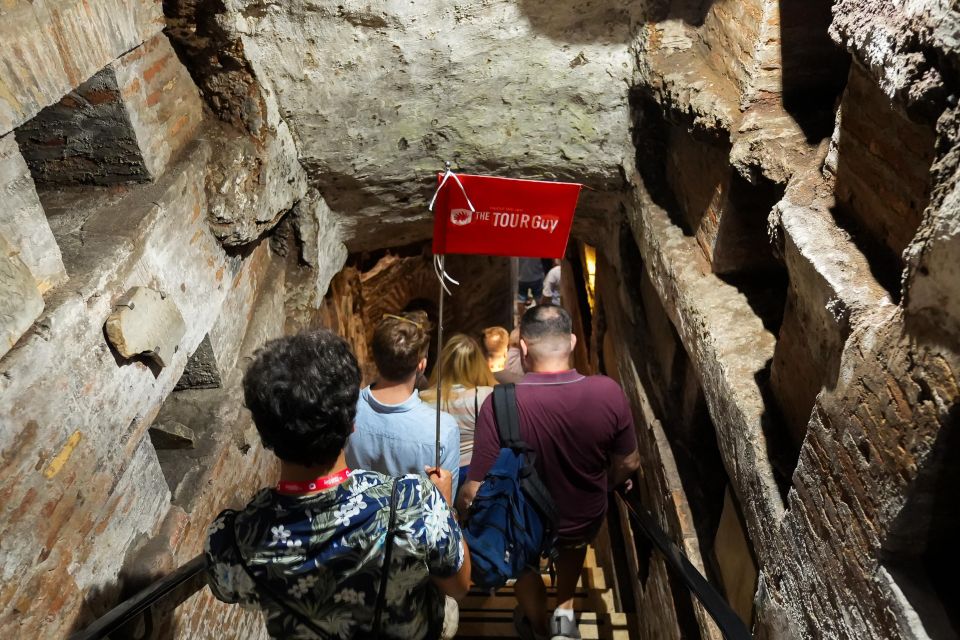
- Capuchin Crypt ossuary: bones arranged in a chapel-like display, including five bone chapels
- Underground catacombs: guided descent into well-preserved burial galleries and rooms
- Air-conditioned transfers: hassle-free round-trip rides from central Rome
- Skip-the-line entry: time saved at the Capuchin Crypts
- Appian Way and Aurelian Wall pass-by views: quick Roman-history snapshots on the way
Capuchin Crypts: five bone chapels and the story behind 4,000 monks
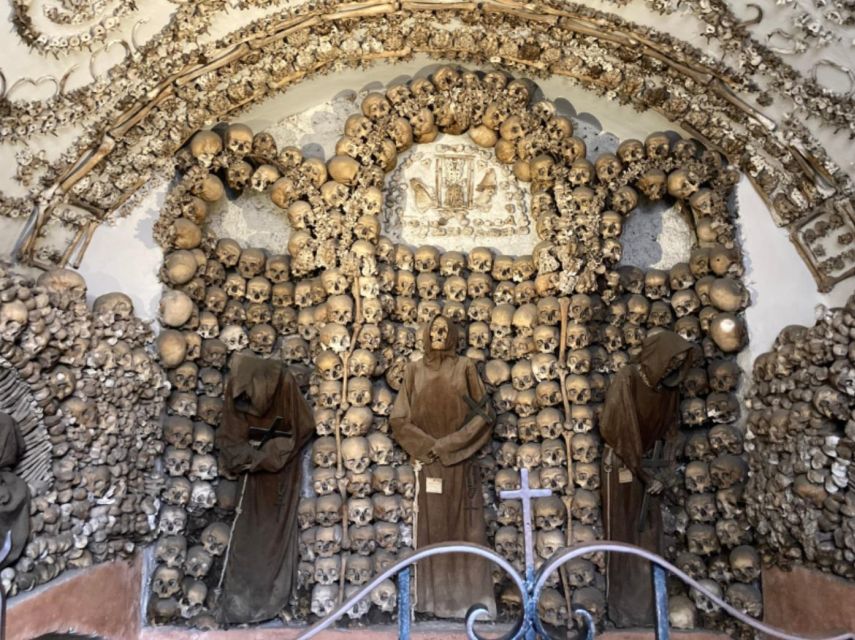
The Capuchin Crypt is the kind of site that makes you stop mid-step and start thinking. You’re walking through rooms decorated with the remains of thousands of friars—commonly cited as around 4,000 monks—arranged with such care that it feels more like a designed space than a random collection. It’s macabre, yes, but it’s also about the old human need to make sense of death.
What makes the experience work is the framing from your guide. I like how guides (names that show up often include Maria, David, Monica, Fiona, and Matteo) explain the “why” behind the ossuary display: how these remains were collected, how the Capuchin approach turned mourning into ritual, and how the decorations connect to ideas about life, death, and eternity. When the narration is good, you’re not just looking at skulls—you’re watching a message get communicated in bone.
There’s also a practical angle to this stop. Dress code is strict here and at other religious sites you’ll visit: you’ll need covered shoulders and knees, meaning no shorts and no sleeveless shirts. If you show up unprepared, you may be refused entry, which would be a real bummer for a tour that’s already timed to match site opening hours.
Finally, timing matters. You typically get around 50 minutes at the Capuchin Crypt, and that’s just enough to see the main ossuary areas without turning it into an all-day emotional marathon. If you’re sensitive to religious or death-related imagery, this is exactly the place to gauge how you’re feeling.
You can also read our reviews of more guided tours in Rome


St. Callixtus catacombs: underground cemeteries, paintings, and papal tombs
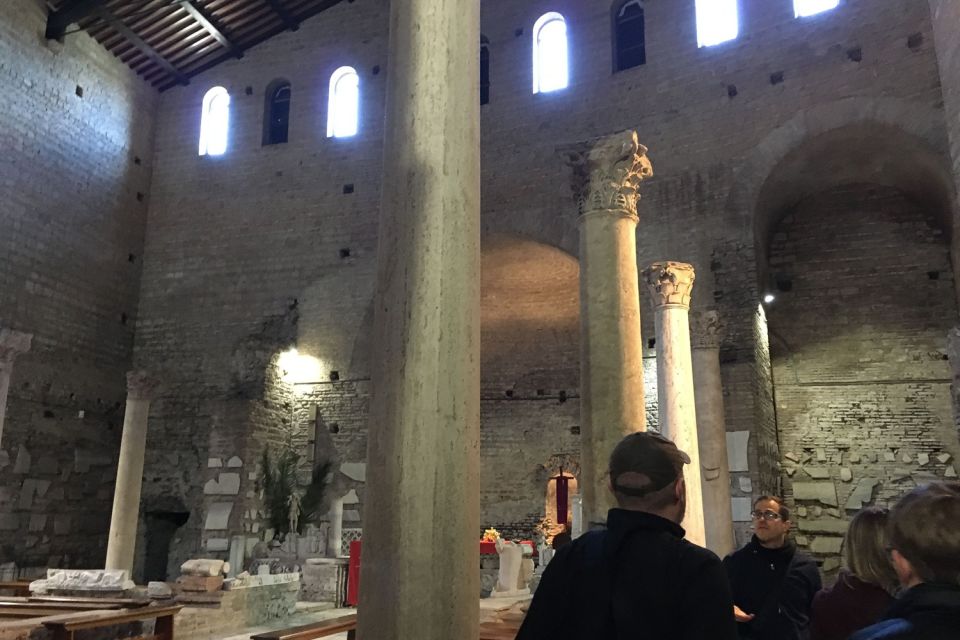
After you leave the crypt’s strange, bone-decorated halls, the tour shifts to a different kind of eerie: Rome’s early-Christian underworld. The itinerary targets the catacombs of Rome (often associated with St. Callixtus), and you’ll view the cemeteries from ground level before descending. That “look from above” piece helps because you can understand the site’s scale and layout instead of feeling like you just dropped into a tunnel without context.
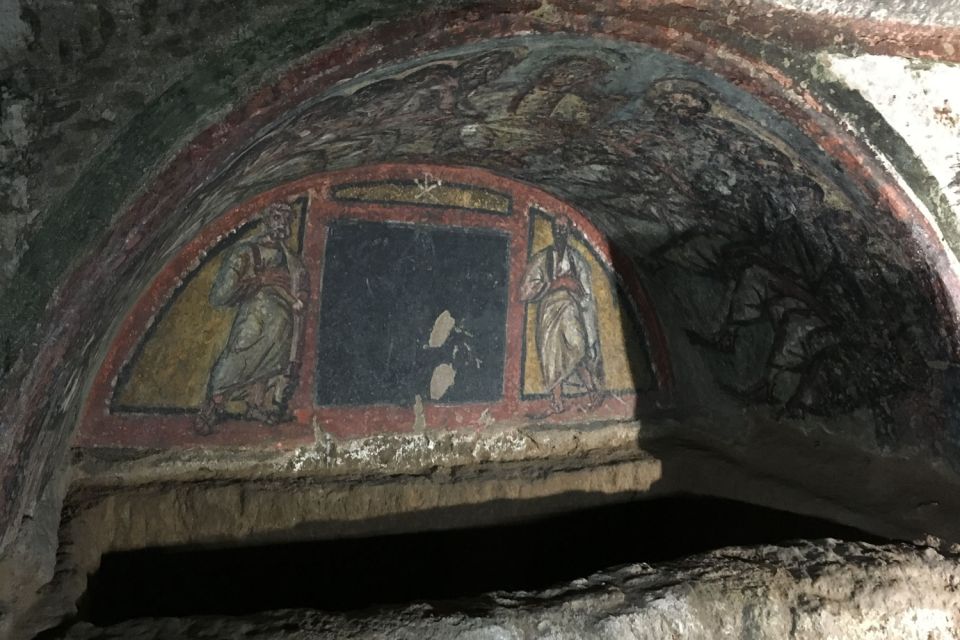
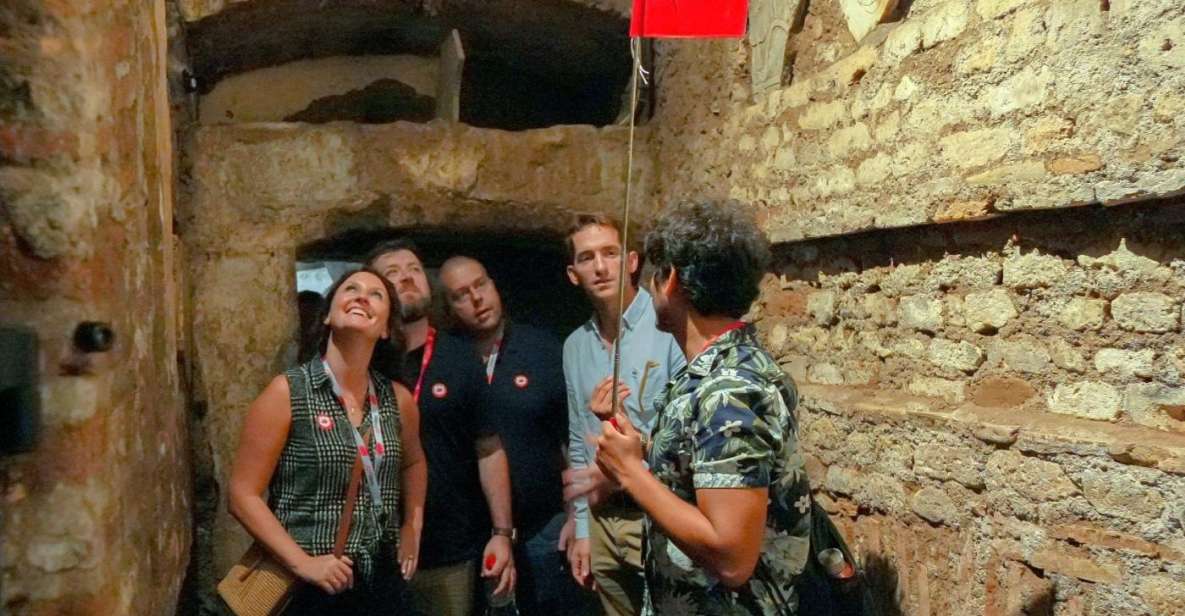
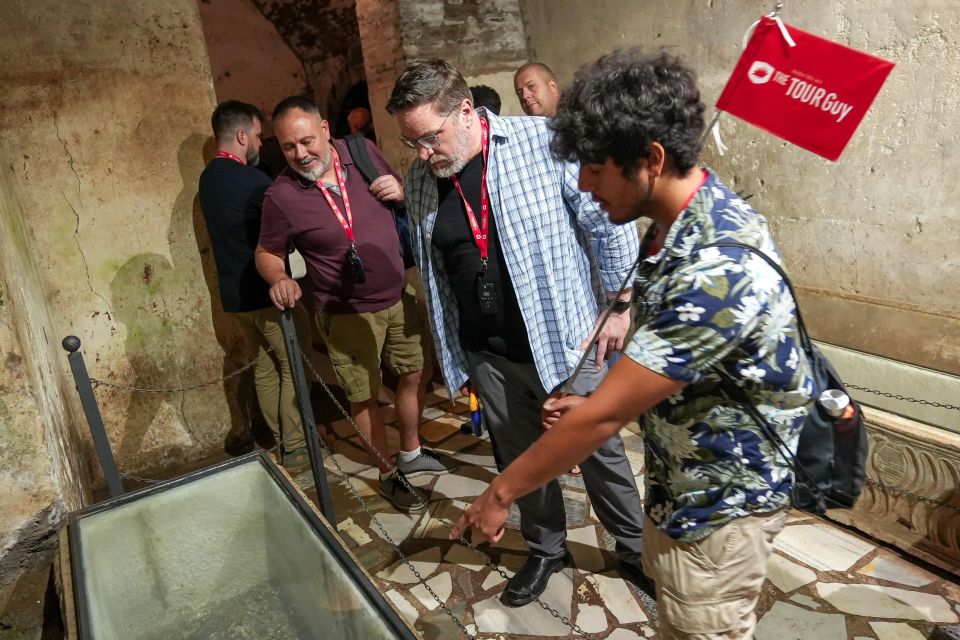
Once underground, the catacombs become a lesson in how the early Christian community used underground spaces for burial and memory. Your guide points out where martyrs and pontiffs are laid to rest, and you’ll also see areas with preserved artworks—especially paintings that help you connect dates and people to images you can actually recognize. There’s something quietly powerful about the fact that these spaces are not ruined in the way you might expect; they’re maintained well enough that you can still follow what you’re shown.
Pace is the main tradeoff here. The tour is short overall (about 2.5 to 3.5 hours), and that means you get a guided experience that’s efficient rather than leisurely. Some guides are praised for being engaging, but you might still feel the catacombs section is a bit rushed depending on the group size and the day’s schedule. If you need extra time for photos or slower looking (and you can’t take photos inside anyway), mentally plan for “see the highlights, learn the story, move on.”
Another important consideration is audio. Several guides are praised for explanation and humor, but there have also been reports about microphones or receivers cutting out on the vehicle ride. If your guide is using a radio system, position yourself so you can hear well (and don’t be shy about asking if the sound is weak where you’re standing). Underground sound can be tricky, especially in tight spaces.
And because you’re going underground, this is not the tour for everyone. The tour is not suitable for people with claustrophobia, since narrow passages and enclosed burial tunnels are part of the experience.
Appian Way and Aurelian Wall: quick passes that still give you context
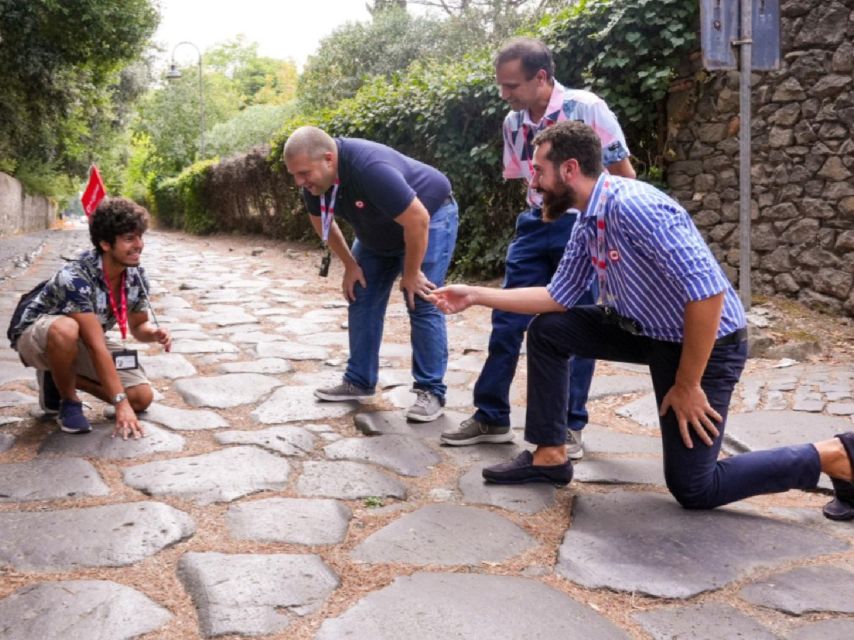
You won’t spend hours on the Appian Way or the Aurelian Wall, but you do get short pass-by moments that make the whole day feel more Roman. On the way back, the route includes a brief look at the Appian Way—described as a vital artery of the Roman Empire—and you’ll also pass by the Aurelian Wall, which reflects Rome’s long defensive history and city evolution.
These segments are short (think minutes, not hours), so treat them as orientation, not as a full sight trip. The real value is what your guide can connect: why a road mattered for movement, troops, and commerce, and how walls changed what Rome meant over time. When your guide ties the streets you see outside to the underground places you visited, the day stops feeling like separate attractions and starts feeling like one story.
If you want more time for the Appian Way itself, this tour won’t replace a longer walking or biking plan. But as a first-day Rome outing—or for a half-day when you want the big contrasts—these quick stops are a nice payoff.
Transfers from central Rome: air-conditioned comfort that saves your energy
Rome days can grind you down fast. This tour helps by building in private, climate-controlled round-trip transportation from central areas, with transfers between sites in an air-conditioned vehicle. That means less time in lines for public buses and less time overheating while you try to read street signs.
Meeting point flexibility is helpful too. You’ll meet near Piazza Barberini (or in some cases Fontana del Tritone), and then you’re dropped off back near central points, depending on the option booked. The practical win is that you can keep your day moving afterward—grab lunch nearby or continue exploring without a major transit struggle.
That said, there are occasional drop-off quirks that matter if you’re picky about convenience. Some people have reported being dropped off somewhere not as close to where they expected. If you’re staying far from the center, it’s smart to check your exact return drop-off option before you assume it ends right where you started.
Also note the time pacing inside the vehicles. A few people experienced radio or receiver issues on the van ride, which can affect how much you absorb from the narration while you’re traveling. If sound matters to you, try to sit where you can hear best and keep your expectations realistic: the main guided content is the crypt and catacombs.
The VIP after-hours option: quieter catacombs when night falls
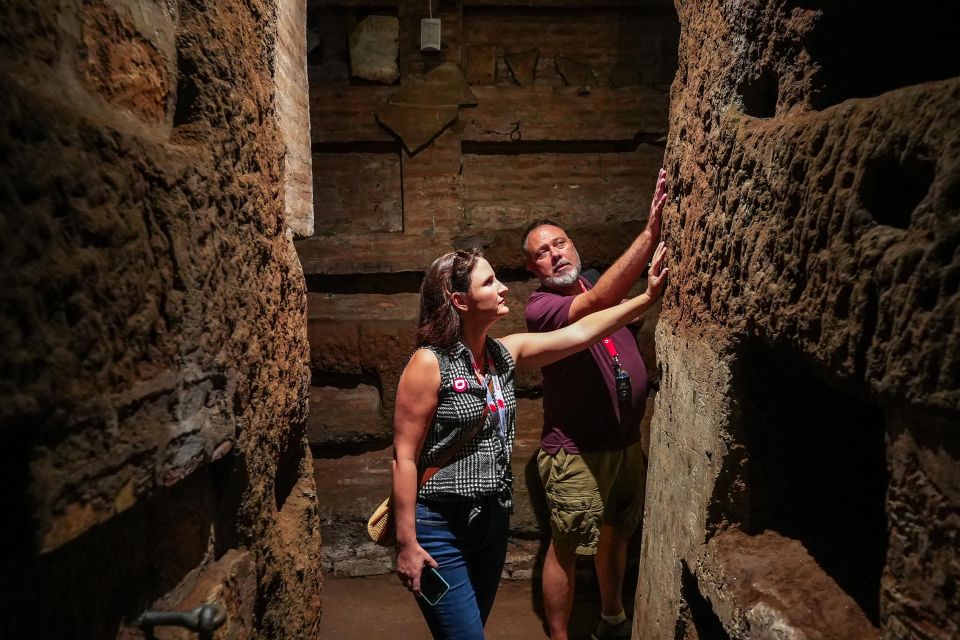
If you’re drawn to the idea of the catacombs without the day crowd, the VIP After-Hours option is the upgrade to consider. It’s designed as a private visit to the catacombs with last-entry access to the Capuchin Crypts, and then you explore the catacombs after hours as night falls.
The length is shorter than the daytime tour—about 2.5 hours rather than up to 3.5—so you still get that “special access” feeling without turning your whole morning into an all-day production. Night settings can change the mood in an obvious way, but the bigger advantage is usually the feel of the group and pacing: fewer interruptions, more control over the experience, and a better chance to focus on the details your guide points out.
If your main goal is atmosphere and you’re sensitive to crowds, this is the version I’d lean toward. If you just want a solid, efficient first-time overview, the daytime tour is still a strong value.
You can also read our reviews of more tours and experiences in Rome



What to wear and bring so the day stays smooth
This tour is practical about what you need, because entry rules can be strict. You should wear comfortable shoes, and it helps to bring a light jacket depending on the season. Sunscreen is recommended in warmer months since you’ll likely spend time walking before and after the underground parts.
The big clothing constraint is coverage. Your shoulders and knees must be covered, and that likely means planning your outfit rather than hoping you can “make it work” on the spot. No shorts. No sleeveless shirts. If you show up in the wrong outfit, it can cost you entry.
Other no-go items include baby strollers, and the tour can’t accommodate wheelchairs or guests who need special walking assistance. Since the catacombs involve underground corridors, narrow spaces, and stairways, this isn’t built for mobility restrictions or people who struggle with enclosed environments.
Value check: is $41 worth it?
At around $41 per person, this tour looks like a bargain on paper—but the value depends on what’s included. Here, the price lines up with the big costs that usually add up in Rome: entry fees for the Capuchin Crypts and guided catacombs access, plus round-trip private transport from central Rome and between stops.
That combination matters because it saves you three common pain points:
- Time: skip-the-line entry helps at the crypt
- Effort: air-conditioned transfers reduce commuting stress
- Context: you get live guiding for what you’d otherwise interpret alone
If you were to try assembling this day DIY—finding sites, lining up entry, and figuring out transit—you’d likely burn more time (and probably more money) than the tour charges. This is one of those experiences where you’re paying for the whole package to run on schedule.
The only situation where I’d hesitate is if you already know you won’t enjoy underground sites. If the idea of tunnels and enclosed burial spaces sounds like a hard no, spend your money on a different Rome theme that fits you better.
Who this tour is best for
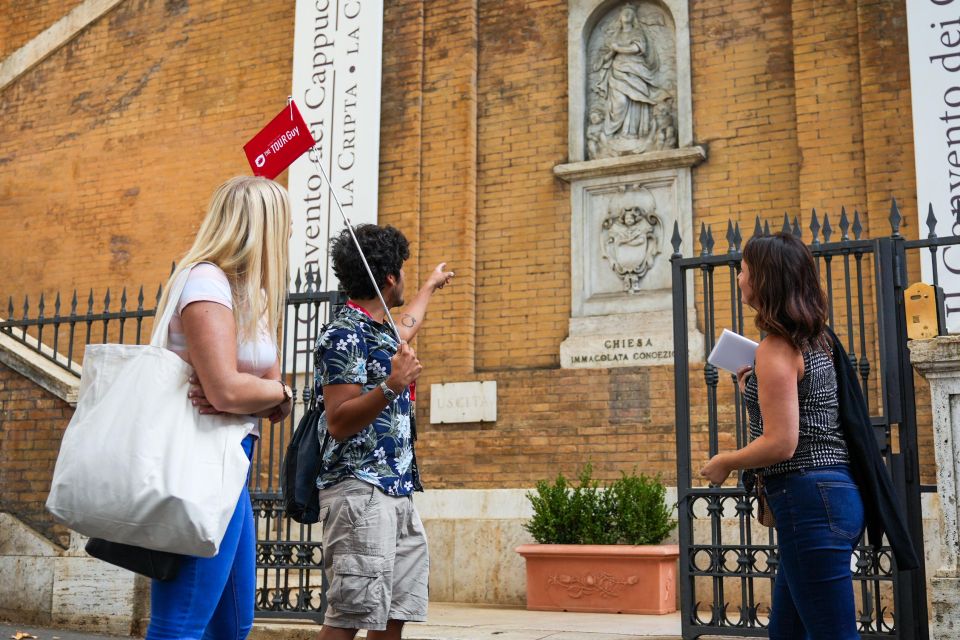
I’d book this tour if you want a “Rome underground” day that balances shock value with solid explanation. It’s a great fit for first-time visitors who want something memorable beyond the usual ruins-and-fonts routine.
It’s also a good match if you appreciate efficient logistics. You get a morning-style arc: bones above ground, then catacombs below, then quick Roman landmarks on the return.
If you’re not comfortable with death imagery, religious sites, or claustrophobic spaces, then skip it. And if you need accessibility support, this tour isn’t designed to meet those needs.
Should you book this Rome bones-and-tunnels tour?
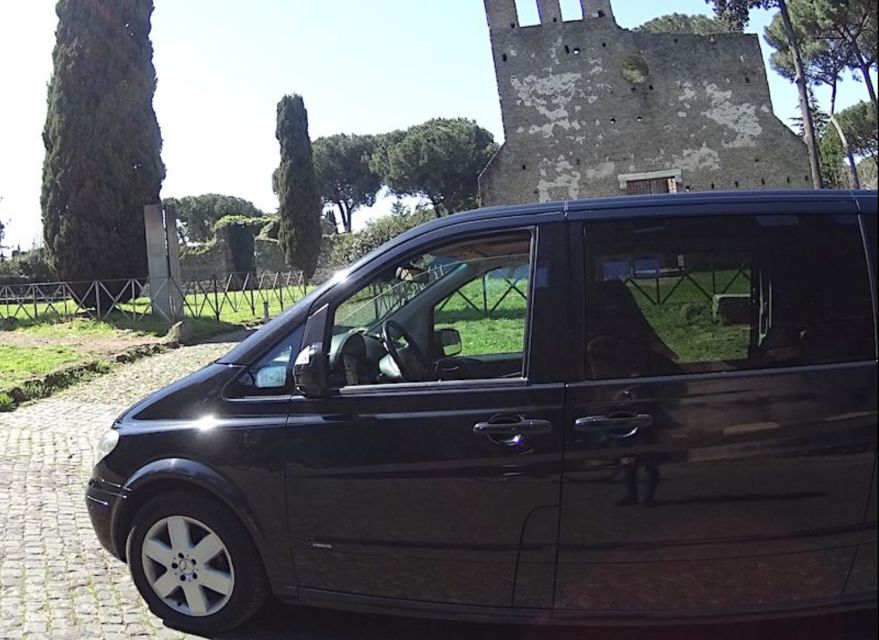
If you’re curious about early Christianity and don’t mind the darker side of Rome, yes, book it. This is one of the best ways to do both the Capuchin Crypts and Rome’s underground catacombs in a single, guided session with transport that keeps your day under control.
Before you commit, check one thing: your comfort with enclosed underground spaces and strict dress rules. Plan your outfit early, wear shoes you can trust on uneven ground, and be ready for a guided experience that prioritizes the highlights over slow wandering.
If you want a quieter mood, consider the VIP after-hours version for private access as night falls. If you just want a strong first pass, the daytime tour is still a smart value for $41 with the key pieces handled for you.
FAQ
How long is the tour?
The tour lasts about 2.5 to 3.5 hours, depending on the option and the day’s schedule.
Where do I meet the guide?
You meet near Piazza Barberini or Fontana del Tritone, depending on the option you choose. Drop-off locations also vary by option.
Is entry included, and do I skip the ticket line?
Yes. Skip-the-line entry is included for the Capuchin Crypts, and the tour includes guided visits to the sites.
Is photography allowed inside the sites?
No. Photography is not allowed inside these religious sites.
What should I wear or bring?
Wear comfortable shoes and plan for appropriate weather clothing. You must cover shoulders and knees (no shorts or sleeveless shirts). Sunscreen and a light jacket are recommended depending on season.
Is the tour suitable for wheelchair users or people with mobility impairments?
No. It is not suitable for wheelchair users or guests with mobility impairments that require special assistance.
Does the price include transportation?
The tour includes transportation between sites and private, climate-controlled round-trip transportation from central Rome. Hotel pickup and drop-off are not included.