REVIEW · ROME
Rome: Borghese Gallery Guided Tour with Tickets
Book on GetYourGuide →Operated by Crown Tours · Bookable on GetYourGuide
Bernini grabs you fast. That’s the whole point of this Borghese Gallery tour. You get reserved entry plus an expert art historian’s walkthrough of the works in a tight, timed route.
I particularly love how the skip-the-line setup turns a famous museum into a calm start. I also love the way the guide connects major names and techniques so Caravaggio’s light and Bernini’s emotion land right away.
One possible consideration: the route is structured to fit a short visit, so you may feel a bit on the clock if you want to linger in every room.
If you’re going to Rome and you care about art that looks like it’s moving, this tour makes the Borghese Gallery doable. The 2-hour format keeps it focused. And because it’s a collection designed to feel intimate, your guide can point out what matters instead of racing through 10 times as many rooms.
Key highlights you’ll notice
- Reserved entry + express security means less time stalled outside
- Art historian commentary that explains technique, not just titles
- Headsets/radios help you catch details even when groups shift
- Bernini, Caravaggio, Raphael in one tight route
- Small-group feel (often) makes it easier to ask questions
- Park-side start outside the villa gives context before the gallery
In This Review
- Why the Borghese Gallery Hits Harder Than Big Museums
- Getting In Fast: Skip-the-Line Tickets and Express Security
- Meeting the Group at the Villa: Where Your Tour Begins
- Ground Floor Sculptures (50–30 Minutes): Bernini’s Motion in Marble
- Inside the Gallery (About 40 Minutes): Caravaggio’s Light and Raphael’s Calm
- The Art Historian Factor: Why the Stories Matter Here
- Time, Pace, and Group Size: When “Small” Actually Helps
- Price and Value: Is $57 Worth It?
- Who Should Book This Borghese Tour (and Who Might Not)
- Should You Book This Borghese Gallery Guided Tour?
- FAQ
- How long is the Borghese Gallery guided tour?
- Does this tour include skip-the-line entry tickets?
- What meeting points are offered for the start of the tour?
- Are headsets provided so I can hear the guide?
- What languages is the live guide available in?
- Is the tour suitable for wheelchair users?
Why the Borghese Gallery Hits Harder Than Big Museums
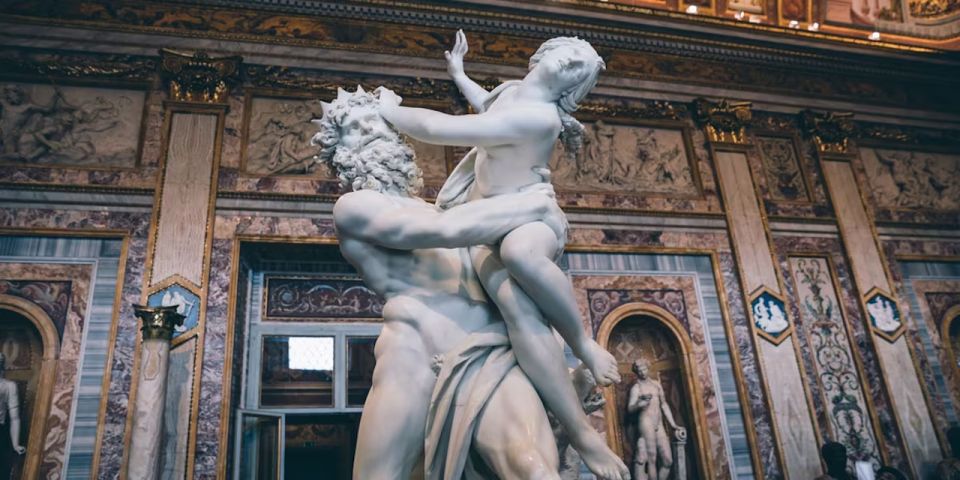
The Borghese Gallery is special because it’s not trying to be a warehouse. It’s a curated collection in rooms that feel made for art—so when you see Bernini up close, it feels personal, not distant. Same with Caravaggio, where the drama comes from the way figures emerge from light and shadow.
What makes this guided approach work is the ordering of ideas. You don’t just get a list of works. You get the why behind them—patronage, style, and what the artists were trying to do in paint and marble. The result is that you can walk through and actually “read” what you’re looking at.
I also like that the tour leans into the variety of the collection. You’re not only seeing paintings. You’re also seeing sculptures, Roman floor mosaics, and even the look of hand-painted frescoes in the villa’s world. That mix makes the visit feel like one coherent story.
Getting In Fast: Skip-the-Line Tickets and Express Security
This tour’s biggest practical win is simple: you’re not waiting your turn. With skip-the-line entry and an express security check, you move through the hardest part of the Borghese day—getting inside—without losing your morning or afternoon.
That matters because Borghese is a timed-ticket museum. If you arrive late, you can lose the rhythm. If you spend too long in lines, you spend less time looking. Priority entry helps you protect the only thing that doesn’t scale: your attention.
Also, the Borghese rules are strict about what you bring. The tour information says you can bring a passport or ID card, but pets, weapons/sharp objects, baby strollers, and alcohol/drugs are not allowed. Luggage and large bags are not for inside the galleries either—but there’s a free cloakroom at the entrance if you’ve got a larger bag to store.
You can also read our reviews of more tours and experiences in Rome


Meeting the Group at the Villa: Where Your Tour Begins
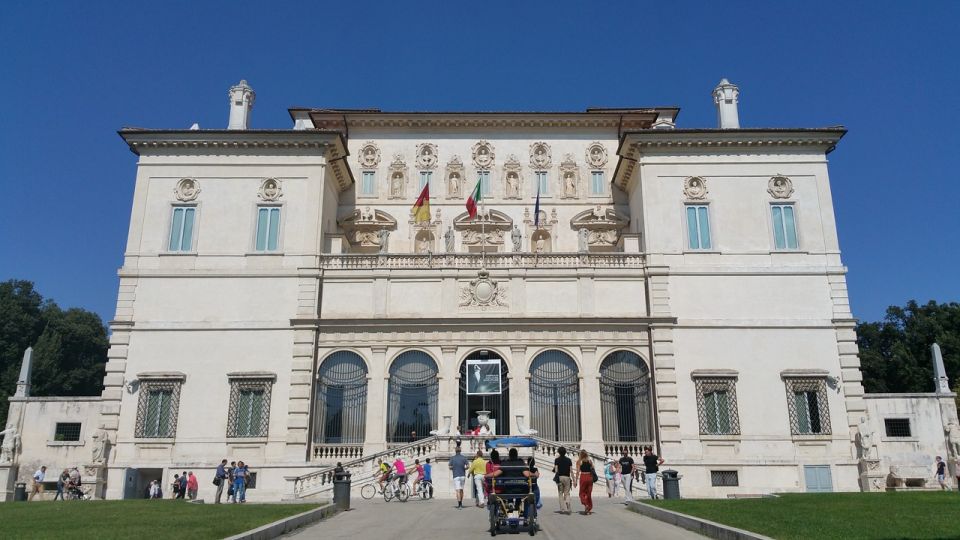
You start at the edge of the villa experience, outside in the Villa Borghese park area. Your meeting point depends on what you booked, with two listed options:
- Fontana dei mascheroni (near the park)
- Piazzale del Museo Borghese
That “start outside” piece is more than cute atmosphere. The tour frames the collection by beginning with the story of Cardinal Scipione Borghese, the figure behind the space. Even before you step into the gallery rooms, you get the sense that this collection wasn’t randomly assembled—it was built, chosen, and collected with a clear agenda.
If you like an easy start, this helps. You’re not only sprinting into art; you’re also getting ready to understand it.
Ground Floor Sculptures (50–30 Minutes): Bernini’s Motion in Marble
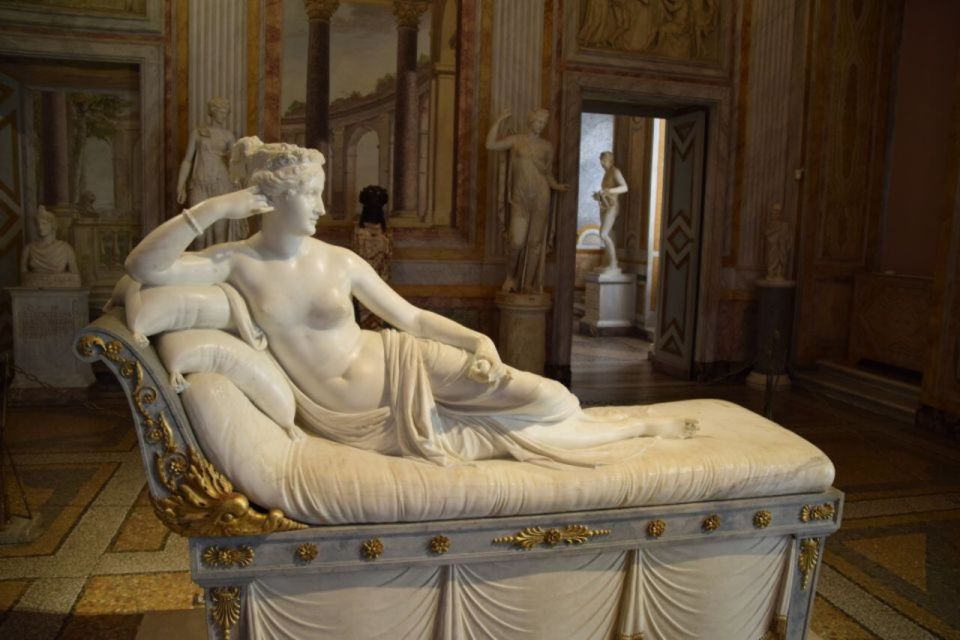
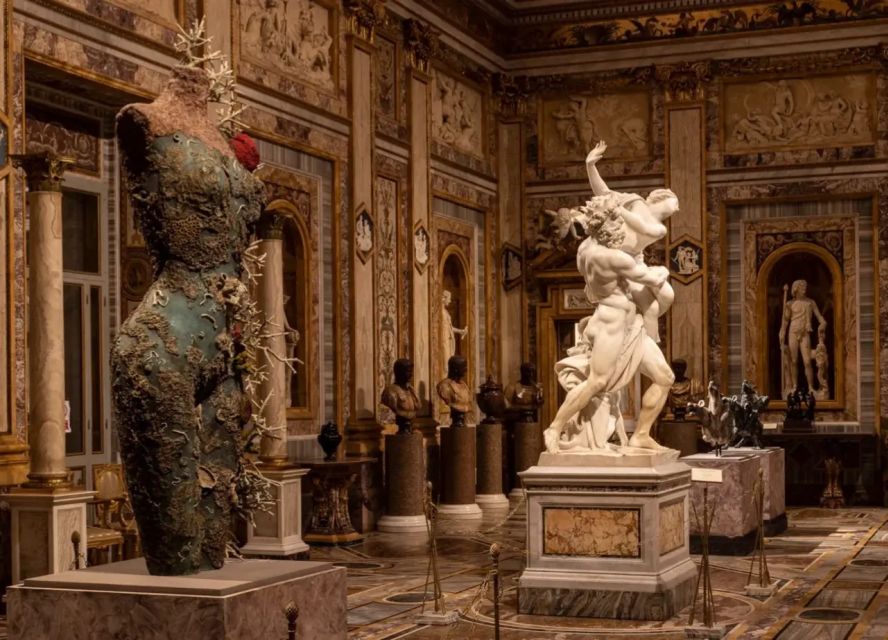
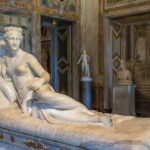
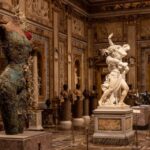
Your visit begins on the ground floor with guided time among sculptures. The tour runs in segments, and this first stop is designed to give you an anchor: Bernini’s world. You’ll see major works often highlighted on this route, including Apollo and Daphne, which is the kind of sculpture that makes you understand why people call Baroque art dramatic.
Here’s what the guide is doing that makes a difference: they point out details that are easy to miss when you’re just staring. With Bernini, that includes expressions, the flow of drapery, and how the pose creates movement. You aren’t just looking at bodies—you’re watching emotion.
The tour plan also brings you back for more ground-floor sculpture time later, including a final shorter segment. Practically, that’s useful. It means you don’t just “burn through” the sculptures once. You get a second chance to see how earlier pieces change the way you understand what comes next.
My advice: treat the sculpture rooms like a warm-up. If you come in expecting paintings first, you might undervalue the sculpture experience. This tour’s structure nudges you to start with the marble.
Inside the Gallery (About 40 Minutes): Caravaggio’s Light and Raphael’s Calm
After the first sculpture focus, you move into the main gallery rooms where the emotional temperature changes fast. This is where Caravaggio takes center stage.
You’re guided through the Caravaggio room with works such as:
- David with the Head of Goliath
- Boy with a Basket of Fruit
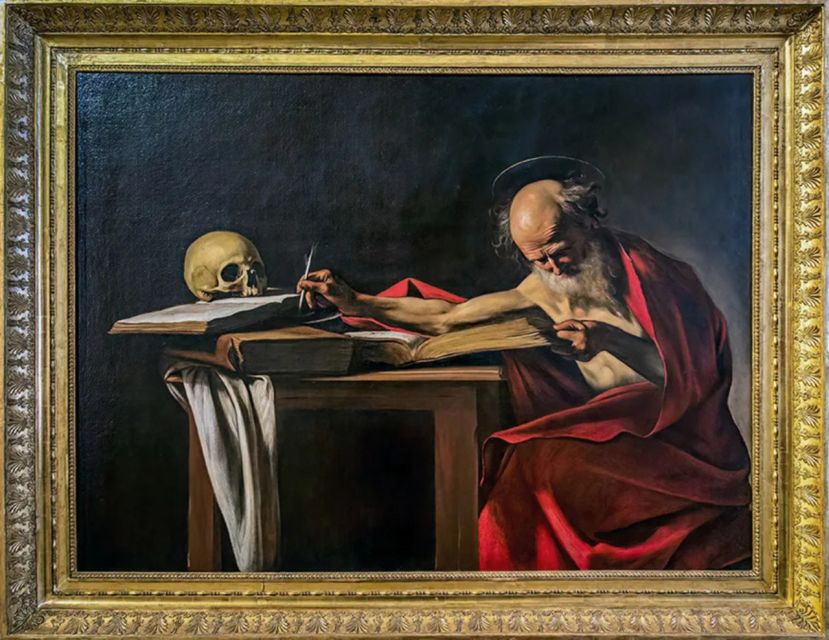
Caravaggio can feel intense even on a photo. In person, it’s the lighting and contrast that do the heavy lifting. A good guide helps you see how the faces, hands, and the staged darkness are part of the message. You start noticing where the “spotlight” is coming from inside the painting’s world.
Then comes Raphael, where the mood shifts toward serene grace. That contrast is one of the reasons Borghese works so well as a guided visit. You can’t easily compare the styles on your own unless you know what to look for. With a tour, the comparison is built into the route.
The tour also points you toward other major names tied to the collection, including Titian and Canova, plus the broader setting: Roman floor mosaics and frescoed spaces. Some rooms can also be affected by restoration, and the route may vary if certain areas are closed. That’s normal for a museum of this age and scale, and it’s exactly why the guide matters—they adjust the story when the building changes what it can show.
The Art Historian Factor: Why the Stories Matter Here
This tour doesn’t just offer commentary. It offers an art historian-style explanation with the kind of context that makes the art easier to “decode.”
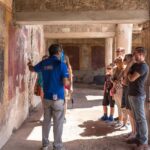
In the feedback, a strong theme shows up: guides consistently explain not only what you’re seeing, but how it was built and why it looks the way it looks. Some guides are singled out by name in reviews—people mention Henry, Enri, Gaga, Irene, Frederic, Federica, Victoria, Vittoria, Ursus, and Natalia. The common thread across names is the same: they tell stories behind works, and they connect technique to meaning.
You also get practical listening help. Headsets and radios are included, so you can hear the guide clearly as you stop and move through rooms. One note from a review: microphone placement can be a little tricky for a few people, so if you’re sensitive to audio, try to stand where you can comfortably hear.
And yes, you may get time for questions. Several guide reports mention that the best sessions include answers and small follow-ups, which turns a “see the art” visit into a “understand the art” visit.
You can also read our reviews of more guided tours in Rome


Time, Pace, and Group Size: When “Small” Actually Helps
The tour is built for a 2-hour total visit, with timed segments that keep you moving through the most important pieces. That’s great for value, because Borghese is not a museum where you want to wander slowly and accidentally waste your ticket.
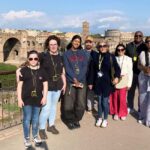
Most of the highly praised experiences in the reviews mention a smaller group feel. People describe tours as personal and easy to navigate, including an example of just three people at one time. That smaller size is exactly why the guide can point, pause, and explain instead of speaking only at volume.
Still, there’s a tradeoff. A compact route means you’re not going to live in one room. Some reviews flag that the commentary can feel rushed when there’s a lot to cover. My practical take: if you want slow looking more than structured learning, you may prefer extra time on your own after the tour, not instead of it.
Price and Value: Is $57 Worth It?
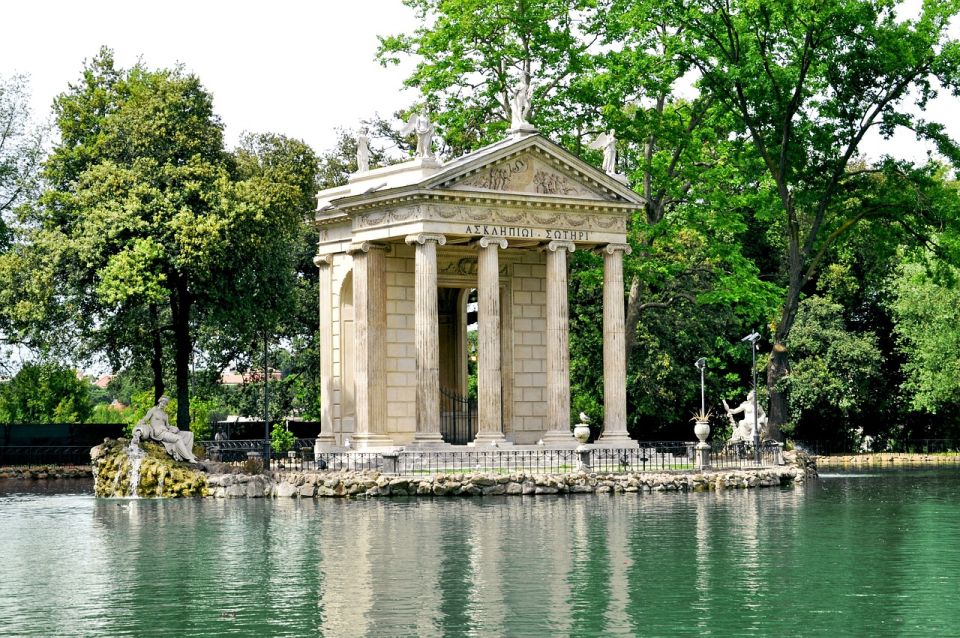
At $57 per person for a 2-hour guided experience, the value depends on what you’d otherwise do with that same time.
If your alternative is entering on your own and trying to figure out the “how to look” part from signage, a lot gets lost. Borghese is the type of collection where small details matter—faces, gestures, surface texture, staging, patron stories. Paying for an art historian-style guide is mostly paying for pattern-recognition: you learn how to see.
Also, priority entry adds value beyond comfort. Skip-the-line access is a real time-saver in a museum that runs on timed visits. You’re buying back attention. And that attention is what makes the experience memorable.
If you already know a lot about Baroque art, you may still enjoy it because the route lets you compare styles across artists—Bernini, Caravaggio, Raphael—without getting lost. If you’re not an art person, it can still work, because the guide steers you toward the most emotional works and explains them in human terms.
Who Should Book This Borghese Tour (and Who Might Not)
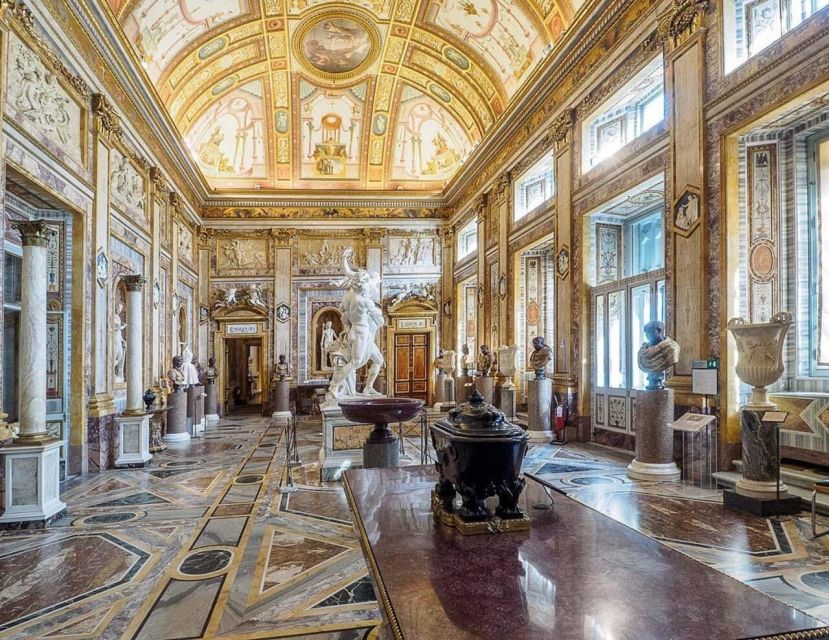
This tour fits best if you want:
- A focused, high-impact Borghese visit in about 2 hours
- Guided explanation of major sculpture and painting highlights
- A museum experience that stays manageable instead of overwhelming
If you love art history, it’s a strong match because the guide links artists to the collection’s “why.” If you’re a casual visitor, it’s also a good match because it highlights the pieces most likely to move you—especially the Bernini and Caravaggio rooms.
One group to note: the tour information says it’s not suitable for wheelchair users. Also, because the galleries and route are set, it’s less friendly if you need lots of flexibility to slow down or stop often.
Finally, a practical tip from the tour feedback: if you want more than just the main highlights, consider choosing an earlier time slot. There’s a lot here, and a short guided route can’t cover everything in one go.
Should You Book This Borghese Gallery Guided Tour?
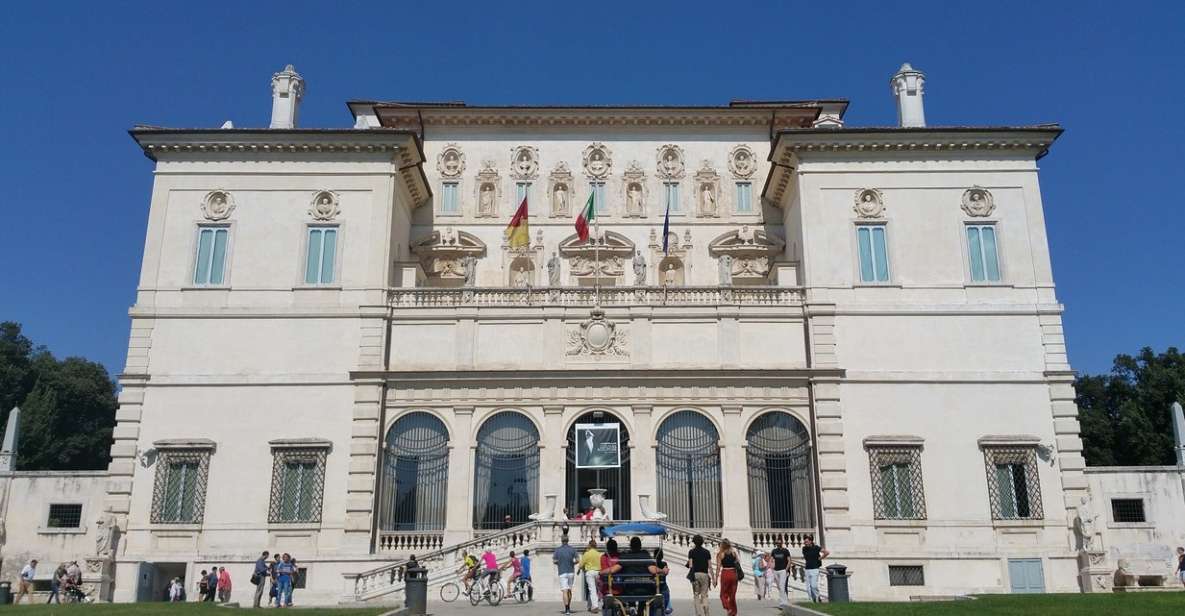
Yes—if you’re trying to make your limited Rome time count. I’d book it if you want the “best of Borghese” experience with someone who can tell you what you’re looking at and why it matters, without turning it into a lecture.
I wouldn’t rush to book if you know you want to wander at your own pace for a long time and you hate structure. This tour is intentionally timed. You’ll get a strong visit, but you won’t have unlimited room-per-room freedom.
If your priority is art that hits emotionally—Bernini’s marble intensity, Caravaggio’s stark light, Raphael’s calm—this guided plan is the fastest way to see it with your eyes wide open.
FAQ
How long is the Borghese Gallery guided tour?
The tour duration is 2 hours.
Does this tour include skip-the-line entry tickets?
Yes. It includes skip-the-line entry to the Borghese Gallery, plus express security check.
What meeting points are offered for the start of the tour?
Meeting points may vary depending on the option booked, with two listed options: Fontana dei mascheroni and Piazzale del Museo Borghese.
Are headsets provided so I can hear the guide?
Yes. Headsets and radios are included.
What languages is the live guide available in?
The guide is offered in English, Japanese, French, German, Portuguese, and Russian.
Is the tour suitable for wheelchair users?
No. The tour is not suitable for wheelchair users.