REVIEW · ROME
Vatican Museums, Sistine Chapel & Basilica
Book on GetYourGuide →Operated by Groupstudio srl · Bookable on GetYourGuide
Morning at the Vatican is calmer. This early-morning semi-private tour is a smart way to see the Vatican Museums, the Sistine Chapel, and then get into St. Peter’s Basilica with less waiting than the usual crowd crush. I especially like the small-group pace, because it makes the art feel less like a checklist and more like a story you can follow.
Two big wins for me are the way the tour guides you through major museum highlights (from famous classical sculpture to the 16th-century Gallery of Maps) and the built-in focus on the Sistine Chapel ceiling and Last Judgment. The one drawback to keep in mind is the total time is short at about 2.5 hours, so if you like to linger silently in every room, you may feel a little time pressure.
The format still works well if you go in with the right mindset: use the guided time to understand what you’re looking at, then decide afterward what you want to revisit on your own.
In This Review
- Key points to know before you go
- Why this early start changes the whole Vatican visit
- The Vatican Museums: where you should concentrate your attention
- What I like about the museum pacing
- Raphael Rooms and Borgia Apartments: art rooms with real attitude
- A practical tip for these rooms
- Sistine Chapel: how to handle the short time with maximum payoff
- Consideration: the Sistine Chapel can still feel crowded
- St. Peter’s Basilica access: what skip-the-line really means
- What to watch for in the basilica
- Group size, licensed guiding, and why it feels easier than DIY
- Duration reality check
- Price and value: what $101.96 buys you in real time
- What to bring (and what will slow you down)
- Who this tour suits best
- Should you book this Vatican Museums, Sistine Chapel & Basilica tour?
- FAQ
- How long is the tour?
- Where does the tour take place?
- What language is the guide?
- What’s included in the price?
- What isn’t included?
- Is St. Peter’s Basilica included?
- What should I bring with me?
- What items are not allowed during the tour?
- How does the tour handle timing and starts?
- Is there a cancellation option?
Key points to know before you go
- Early start means you’re in the museums before the day gets too intense
- Headsets included so you can actually hear the licensed guide without craning your neck
- Pio-Clementine Museum stops focus on star sculptures like the Laocoon group and the Belvedere torso
- Raphael Rooms and Borgia Apartments add context beyond the famous chapel ceiling
- Special St. Peter’s Basilica access uses a guided route that avoids the general public lines
Why this early start changes the whole Vatican visit
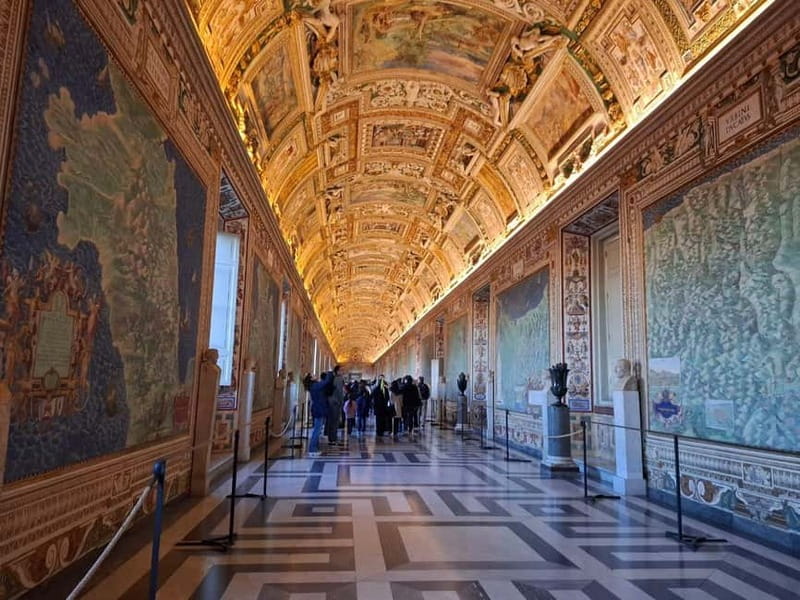
The Vatican Museums and Sistine Chapel are some of the most popular sights on Earth, which is exactly why timing matters. This tour is designed for an early morning start, so you’re less likely to feel like you’re moving at the speed of a human conveyor belt. Even if you’ve visited Rome before, the Vatican has its own rules, rhythms, and security flow, and going early helps you meet it on better terms.
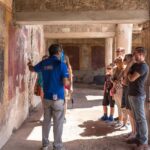
The semi-private size is another practical advantage. A small group tends to move more smoothly through packed corridors, and your guide can keep an eye on what people understand. Add headsets to the mix, and you get commentary you can actually follow instead of muffled suggestions over background noise.
The biggest “value move” is what happens after the Sistine Chapel. Instead of ending like most tours and sending you back into the general mix, this one routes you out toward St. Peter’s Basilica using a guided exit not open for the public. That matters because St. Peter’s can eat hours if you get funneled into the wrong line at the wrong time.
You can also read our reviews of more museum experiences in Rome
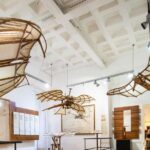
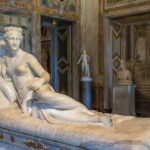

The Vatican Museums: where you should concentrate your attention
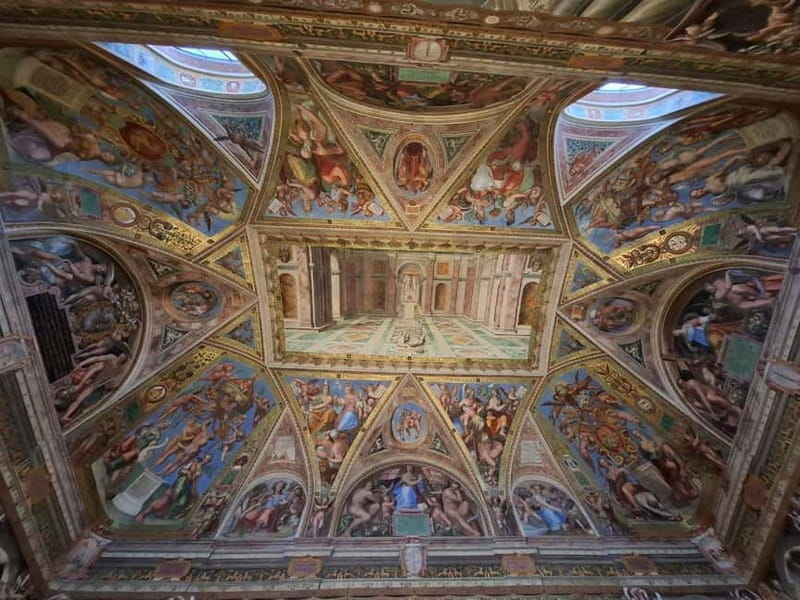
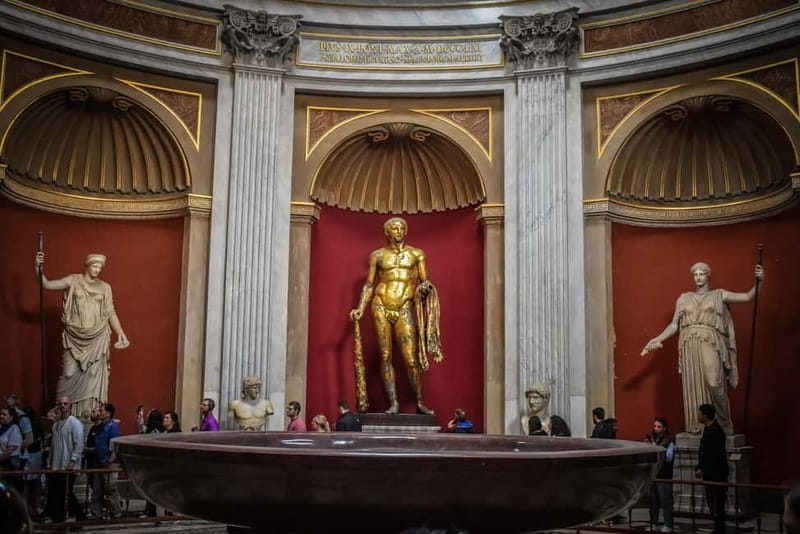
Think of the Vatican Museums as three layers: classical art that still shocks for its skill, Renaissance-era rooms that explain Vatican power and taste, and then the walk toward the Sistine Chapel that makes the whole building feel like a set leading to a finale. This tour’s route leans hard into the “greatest hits,” but with enough guidance that you don’t just stare at objects—you understand why they matter.
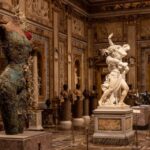
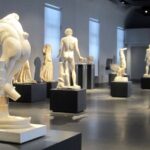
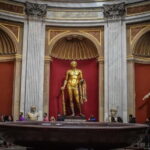
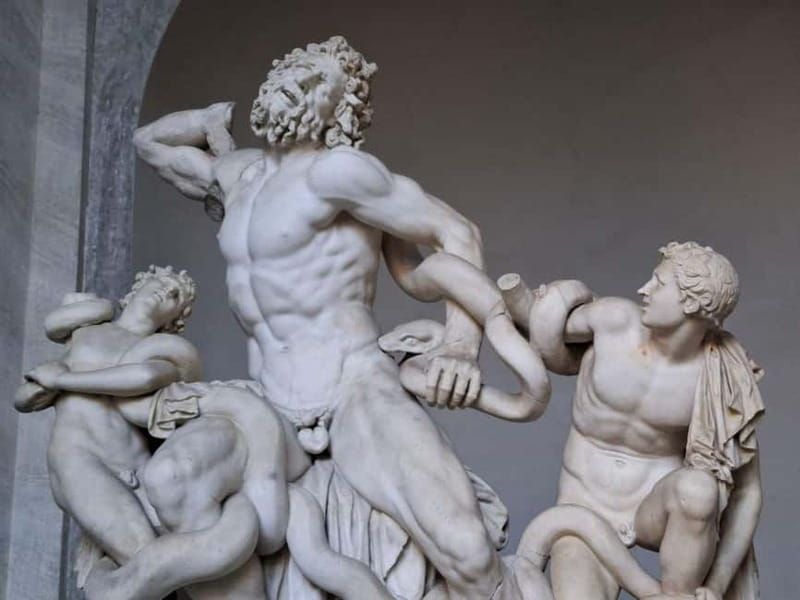
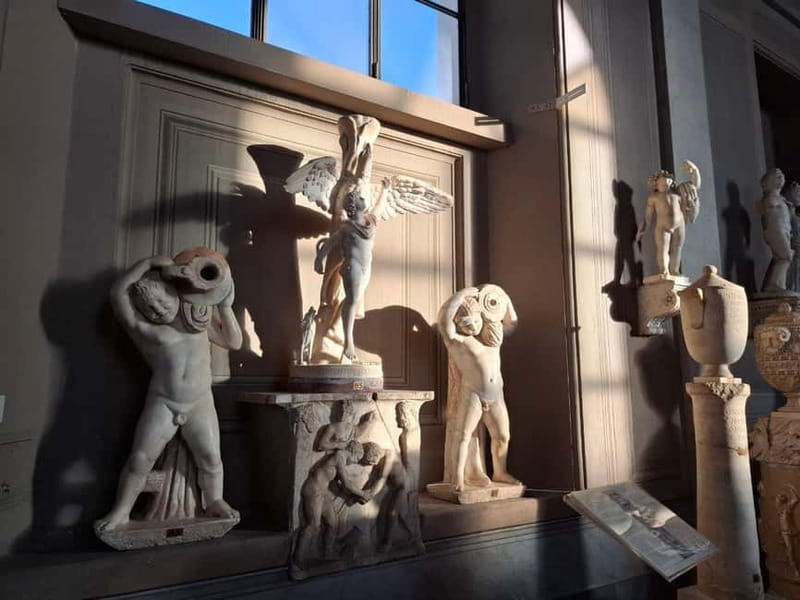
You’ll spend time in the Pio-Clementine Museums, which is where famous classical sculpture lives. The stop list includes the Laocoon group and the Belvedere torso—two works that people mention constantly for a reason. If you’ve only seen photos online, being there in person is different: you can notice details in the carving, the way the figures interact, and the sheer physical presence of stone made to look alive.
Then you shift into more thematic galleries, including:
- the Gallery of Tapestries
- the Gallery of Maps, painted in the 16th century
These are the kinds of rooms that often get rushed because they’re not “one famous statue.” But they reward attention. Tapestries help you picture how art worked as prestige and storytelling before mass printing and easy travel. The maps—painted in the 1500s—are a reminder that geography and ambition were part of the Vatican’s worldview. You’ll see how the Vatican wasn’t only commissioning religious images; it was also curating knowledge and authority.
What I like about the museum pacing
The best part of this layout is that it builds momentum. You start with recognizable classical masterpieces, then widen your view to art that communicates power in different formats, and then move into the Raphael and Borgia apartments where the storytelling gets more political and personal.
A small-group format helps here because the guide can point out what to look for without you getting lost in the marble sea.
Raphael Rooms and Borgia Apartments: art rooms with real attitude
After the galleries, the tour heads into the former papal apartments, specifically the Raphael Rooms and the Borgia Apartments. These stops matter because they connect “great art” to the people who commissioned and controlled it.
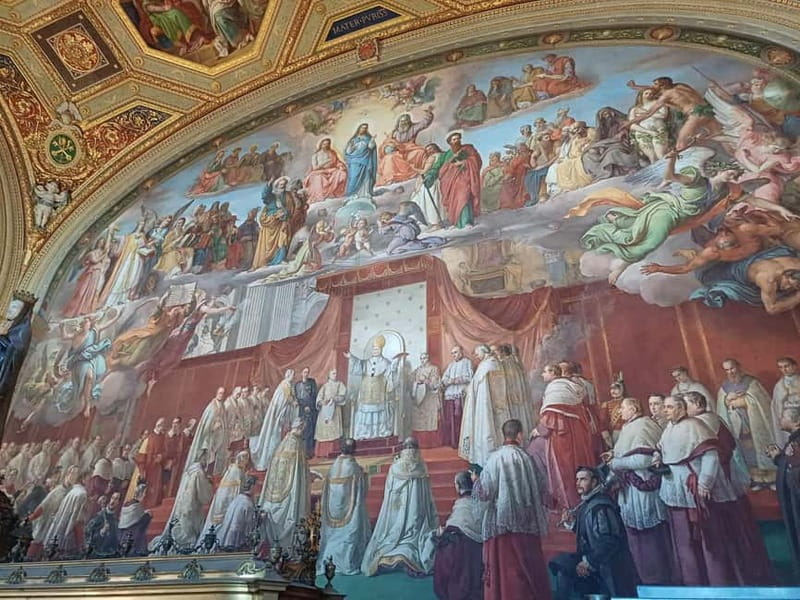
In the Raphael Rooms, the focus is on a period when artists and scholars worked closely with Vatican leadership. Even if you don’t know the names of every figure on the walls, you can usually sense the logic: these frescoes are designed to teach, persuade, and reinforce legitimacy. That’s why guided explanation is such a big deal. Without it, you might understand the ceiling is impressive—then miss the point of what the scenes are trying to argue.
Then comes the Borgia Apartments. These can feel more intense because the mood and messaging are different. The Borgia name is tied to power, controversy, and high-stakes politics, and the art reflects that atmosphere. Again, you’re not expected to master art history in 30 minutes. But with a licensed guide and headsets, you’re much more likely to walk away thinking, Oh, that’s what they were aiming for.
A practical tip for these rooms
Go with your eyes first. If you try to “read everything” at full speed, you’ll burn out quickly. Instead, pick one theme the guide mentions—then look for how the artwork keeps returning to it. That’s how rooms like these stop feeling like decoration and start feeling like arguments you can follow.


Sistine Chapel: how to handle the short time with maximum payoff
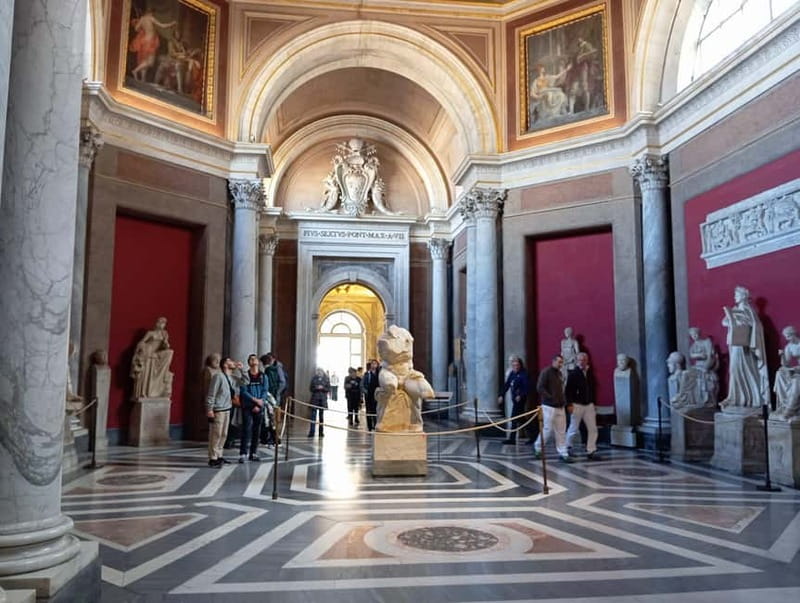
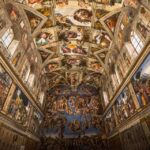
The tour ends museum sightseeing at the Sistine Chapel, named after Pope Sixtus IV. You’ll spend a little time here, enough to take in Michelangelo Buonarotti’s frescoes—especially the ceiling and the Last Judgment.
This is the part of the experience where timing and attention matter most. People often stand in the same spot and miss the way the ceiling is organized. The guide’s job here is crucial because it points you toward the sections that change how you read the chapel as a whole. With just a short visit, you want to look strategically, not aimlessly.
Here’s what you’ll appreciate when you go in prepared:
- The ceiling isn’t one picture; it’s a structured sequence.
- The Last Judgment feels like a culmination, not an add-on.
- The chapel is also about scale—how human figures get used to communicate theology at a monumental level.
Consideration: the Sistine Chapel can still feel crowded
Even with early timing, the Sistine Chapel is the Sistine Chapel. You should expect rules and quiet, and you’ll want to follow instructions carefully. The tour format helps because you don’t spend your precious time figuring out where to stand and where to go next—you’re guided.
St. Peter’s Basilica access: what skip-the-line really means
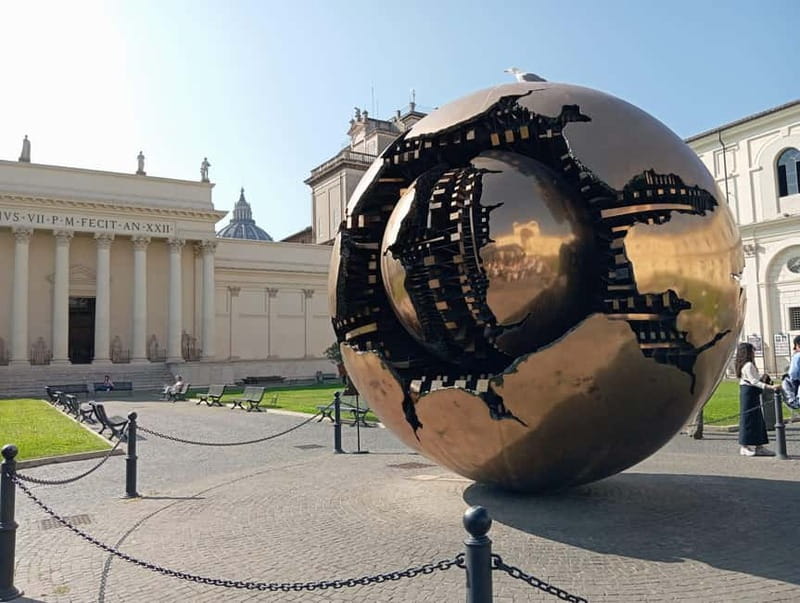
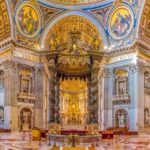
After the Sistine Chapel, the tour routes you out via a guided tour exit toward St. Peter’s Basilica. The big promise here is skip-the-line access, and the way this is handled is practical: you don’t have to fight for access through the same general public bottlenecks.
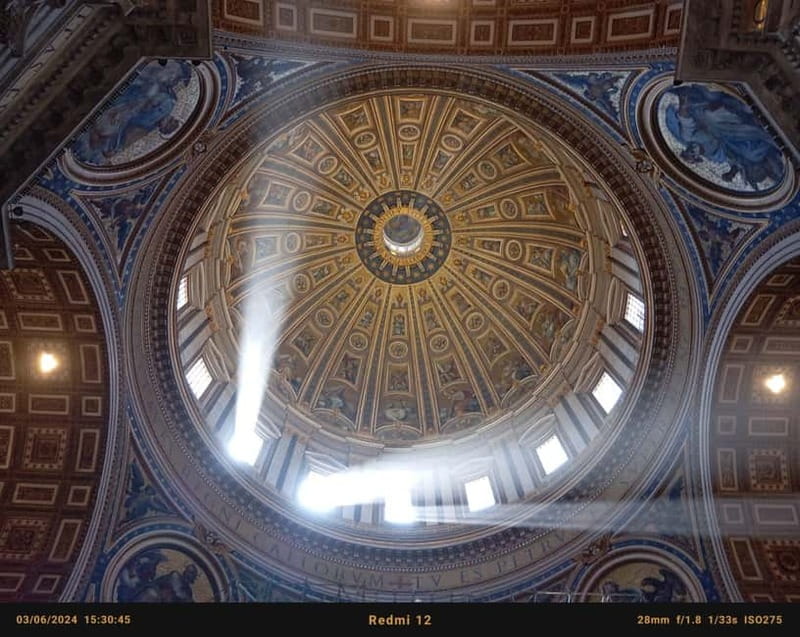
Once you’re inside St. Peter’s Basilica, you’ll get a chance to take in the scale without burning time at the entrance. This matters because St. Peter’s is a visual overload in the best way. It’s hard to absorb in one pass, so starting your visit without delays gives you the mental energy to actually look.
The tour includes St. Peter’s Basilica entry, and it also includes what makes hearing and moving around easier in museum spaces: licensed guide support throughout and headsets to keep you aligned with what’s happening.
What to watch for in the basilica
You’ll want a moment to orient yourself—then allow yourself to look upward and outward rather than only straight ahead. This place rewards slow attention, but your tour time is limited, so you’ll likely do a quick first sweep guided by what your guide calls out most.
Group size, licensed guiding, and why it feels easier than DIY
I think the secret sauce here is the combination of licensing, headsets, and the small-group approach. A licensed guide isn’t just “someone who knows stuff.” They’re the person keeping the flow efficient while also explaining what you’re seeing in a way that makes sense on the spot.
The headsets are especially helpful if your group includes people speaking different levels of English. You’re less likely to miss key explanations, and you can focus on the artwork rather than scanning for the guide’s voice.
And even if you’re a confident traveler, DIY Vatican visits often turn into a puzzle: which hallway next, which room first, what’s worth your time, and where exactly do you need to be to keep moving. A guided plan smooths that out. You’re still making choices—just not wasting energy on navigation.
Duration reality check
The tour is about 2.5 hours. That’s enough to hit the major highlights, but not enough to treat Vatican Museums like a library you can reread page by page. If you’re the type who likes to linger, consider this tour as your “guided orientation” experience, then plan a separate unhurried follow-up later.
Price and value: what $101.96 buys you in real time
At around $101.96 per person for the tour duration (about 2.5 hours), the price isn’t cheap, but it’s not random either. What you’re paying for is time savings plus guided interpretation—two things that usually cost you the most when you DIY this.
Here’s the value breakdown based on what’s included:
- museum entry ticket
- headsets to hear the guide clearly
- a licensed tour guide
- skip-the-line access to St. Peter’s Basilica
Also, this tour doesn’t include transfers, food, or drinks. That means you should budget for getting to the meeting point and grabbing something to eat later if needed.
If you’re considering the cost, the key question is simple: do you want to spend your short Rome time negotiating lines and trying to interpret frescoes on your own? If the answer is no, this price starts to make sense because it buys you a structured route and reduced friction at St. Peter’s.
What to bring (and what will slow you down)
You’ll need a passport or ID card. That’s not a detail to ignore—security and entry systems can be strict.
Dress and item rules are also important, and they’re the kind that can ruin a day if you show up unprepared. Not allowed includes short skirts and sleeveless shirts, plus tripods, drones, weapons or sharp objects, and bare feet. You also can’t touch the exhibits, and you’ll want to avoid loose clothing.
My practical advice: wear comfortable shoes you can stand in for a while, and dress like you’re entering a major religious site with rules. It’s not about looking fancy; it’s about keeping yourself moving without getting pulled aside.
Finally, plan on needing every participant’s full name for the booking. That’s the kind of requirement that’s easy to fix early and annoying to scramble over later.
Who this tour suits best
This experience is a good match if you want:
- a high-impact overview of the Vatican Museums and Sistine Chapel
- expert guidance so the rooms make sense, not just look impressive
- special routing into St. Peter’s Basilica with skip-the-line access
- a small-group feel rather than a mass tour
It may not be ideal if you:
- want long, quiet time in the Sistine Chapel or want to revisit many rooms deeply
- need lots of free roaming time with no guidance
- dislike tours that follow a set route within a fixed 2.5-hour window
If you’re visiting Vatican City as part of a first trip to Rome, this tour often works as a “best of” foundation. You’ll learn enough to make your later independent wandering more rewarding.
Should you book this Vatican Museums, Sistine Chapel & Basilica tour?
Yes, I’d recommend booking if you care about two things: getting into the Vatican efficiently and understanding what you’re seeing while you’re there. The early morning timing, the small-group format, the headsets, and the guided route to St. Peter’s Basilica are the exact ingredients that reduce stress at one of Europe’s most complicated places to move through.
Book it especially if you’re the type who wants to see the big masterpieces—Laocoon group, Belvedere torso, Raphael Rooms, Borgia Apartments, and Michelangelo’s ceiling and Last Judgment—without turning your day into navigation homework. If you prefer a super slow museum day, you might choose a different approach. But for most first-timers, this is a strong use of limited time.
FAQ
How long is the tour?
The tour lasts 2.5 hours.
Where does the tour take place?
It takes place in Vatican City, within Lazio, Italy.
What language is the guide?
The tour includes a live English-language guide.
What’s included in the price?
The entry ticket to the museum, headsets to hear the guide better, a licensed tour guide, and skip-the-line access to St. Peter’s Basilica are included.
What isn’t included?
Transfer services, food, and drinks are not included.
Is St. Peter’s Basilica included?
Yes. You get skip-the-line access into St. Peter’s Basilica.
What should I bring with me?
Bring your passport or ID card.
What items are not allowed during the tour?
Weapons or sharp objects, drones, tripods, alcohol and drugs, and touching the exhibits are not allowed. You also can’t wear short skirts or sleeveless shirts, and bare feet are not allowed.
How does the tour handle timing and starts?
The tour is offered with an early morning schedule, and starting times can vary, so you should check availability.
Is there a cancellation option?
Yes. You can cancel up to 24 hours in advance for a full refund.