REVIEW · ROME
Rome: 3-hour guided city tour by electric golf cart
Book on GetYourGuide →Operated by Experiences Of Rome · Bookable on GetYourGuide
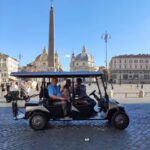
Rome looks different at golf-cart speed. This 3-hour electric cart tour pairs storytelling guides (Andrea is a standout) with 360-degree photo views at places like Trevi Fountain and the Colosseum, plus scenic terraces and photo stops that save your legs. One catch: the stops are intentionally short, so you get great angles and context, not long time inside every monument.
I like how the electric golf cart keeps things smooth and calm. You’re not fighting traffic on foot, and the route is designed to get you close to major sights, including areas with restricted access where cars can’t go. Still, you’ll want to accept the pace: it’s best for seeing lots quickly, not for slow wandering.
You’ll start in front of the Hotel Anantara Palazzo Naiadi near the Repubblica Metro stop, then end back at the same place. The group is small (up to 7), the guide runs in Italian and English, and the tour is wheelchair accessible, with the guide helping you get as close as possible when you need it.
In This Review
- Key Things That Make This Golf Cart Tour Worth It
- The Real Value: Comfort + Access + Photo Angles in 3 Hours
- Meeting at Repubblica: Start Smooth, Not Scrambled
- Pincio Terrace: The Skyline Stop That Sets the Tone
- Piazza del Popolo + Piazza di Spagna: Classic Squares, Quick Photo Windows
- Trevi Fountain: How to Photograph the Icon Without Losing Your Mind
- Pantheon Area: The Stop That Helps You See What You’re Actually Looking At
- Vatican City View Stop: Big-Name Rome in a Single Ride
- Janiculum Hill: Your “I Climbed, But Didn’t Suffer” Moment
- Trastevere: Lively Streets, Short Stop, Good Advice
- Aventine Hill: Another Viewpoint, Less Crowded Energy
- Circus Maximus: A Landmark You Might Misread Without Context
- Colosseum Arena Floor: The Stop Most People Want the Most
- The Role of the Guide: Why Andrea Makes the Tour Feel Personal
- It’s Not a Walking Tour: What That Means for Your Day
- Who Should Book This Tour (and Who Might Skip It)
- Should You Book This Rome Electric Golf Cart Tour?
- FAQ
- How long is the Rome golf cart city tour?
- Where does the tour start and end?
- Is the tour private or shared?
- What language is the live guide available in?
- What sights and areas does the tour include?
- Is there time for photos and viewpoints?
- Does the tour include breaks for food or drinks?
- What transportation is used?
- Is the tour wheelchair accessible?
- What is included in the tour price?
Key Things That Make This Golf Cart Tour Worth It
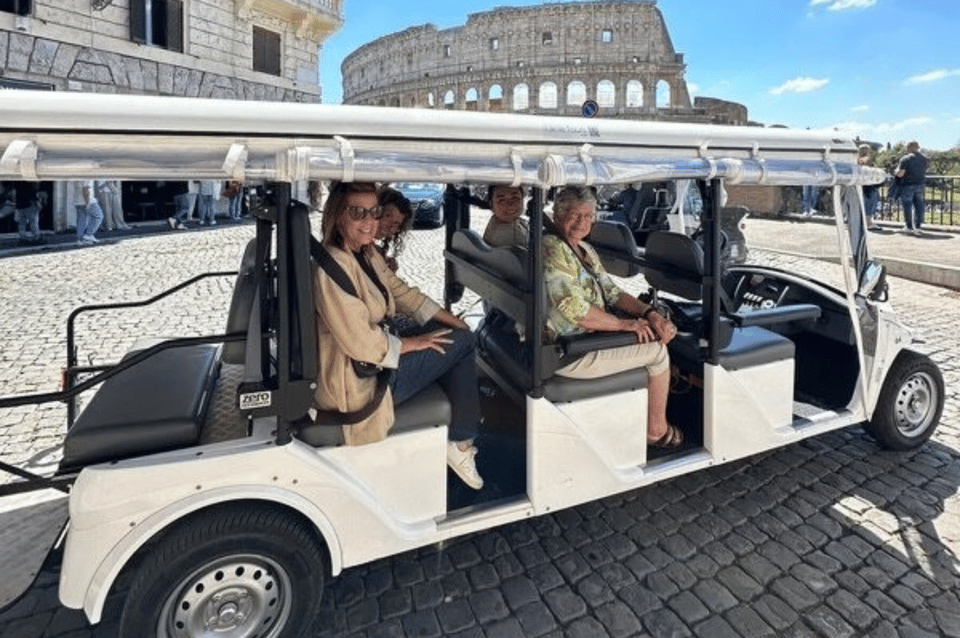
- Electric, quiet ride: less stress, more time looking around
- Top viewpoints in one loop: terraces and hills without the uphill grind
- Icon spots with photo focus: Trevi, Pantheon area, Vatican views, Colosseum arena-floor photos
- Guide-led stops, not just driving: you get stories and practical tips as you go
- Small group of up to 7: easier conversations and smoother timing
- Optional comfort breaks: short stops for gelato or coffee along the way
The Real Value: Comfort + Access + Photo Angles in 3 Hours
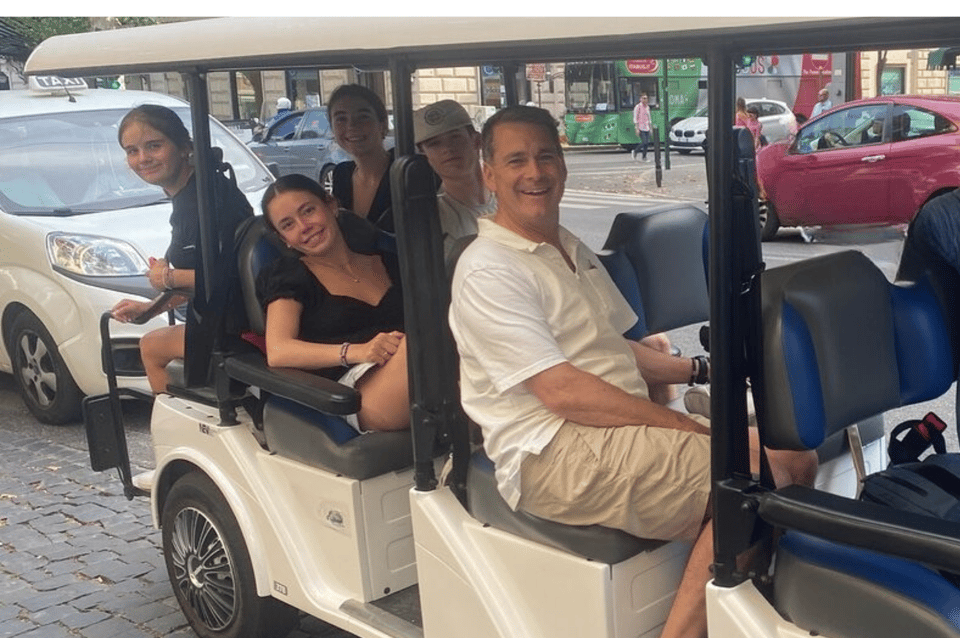
Rome is a city where your legs can file a complaint by day two. This tour helps because you move between sights by environmentally friendly electric golf cart, so you’re not burning your energy on constant crossing streets and climbing stairs. The cart also gives you a 360-degree viewing setup, which matters because Roman photo spots are often best from a slightly different angle than you’d pick on foot.
The other big value is access. You go into parts of the historic center where regular vehicles are limited, so you spend more time near the sights and less time stuck far away. That’s a practical deal if you’re short on time or traveling with someone who doesn’t want long walks.
Price-wise, $135.94 per person can feel steep if you’re thinking only in terms of sightseeing. But the cost is paying for a guide, the cart, multiple high-demand photo moments, and the ability to cover a lot without turning your day into a hike. It’s a great fit when you’d otherwise pay for separate taxis or lose half a day shuffling between neighborhoods.
You can also read our reviews of more guided tours in Rome

Meeting at Repubblica: Start Smooth, Not Scrambled
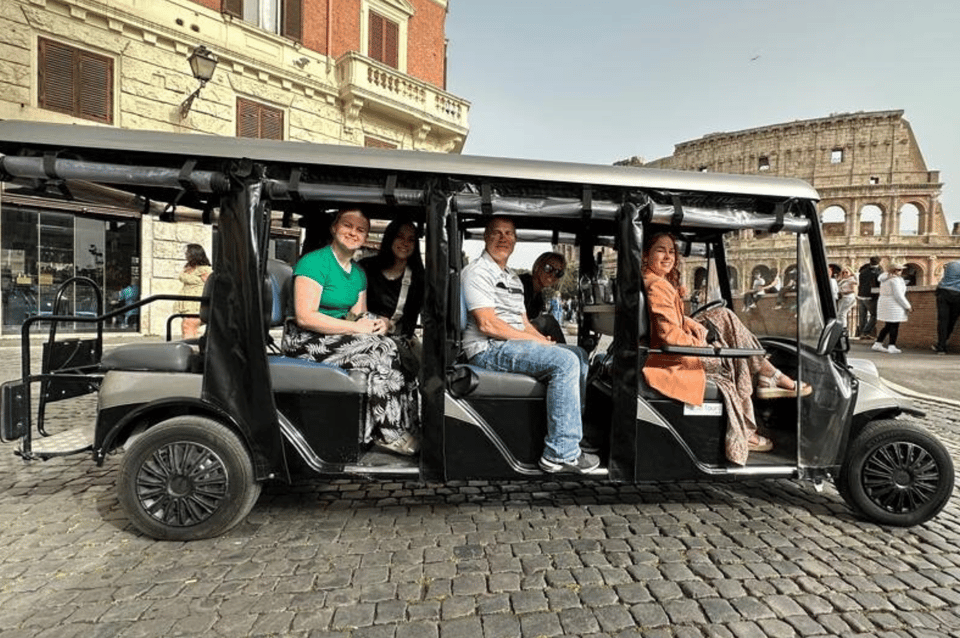
Your tour kicks off in front of the Hotel Anantara Palazzo Naiadi near the Repubblica Metro stop. I like this kind of meeting point because Repubblica is easy to find and it’s a logical base for a route that sweeps outward to hills and back to the center.
You’ll ride as a small group limited to 7, so you’re not stuck watching your guide talk to 30 people. That matters when the guide is doing more than reciting facts—Andrea, for example, is described as friendly and able to take people to places they might not find on their own.
The tour ends back at the meeting point, which is handy. You avoid the classic Rome problem of getting dropped off far from where you started, with no clear plan for your next meal or metro ride.
Pincio Terrace: The Skyline Stop That Sets the Tone
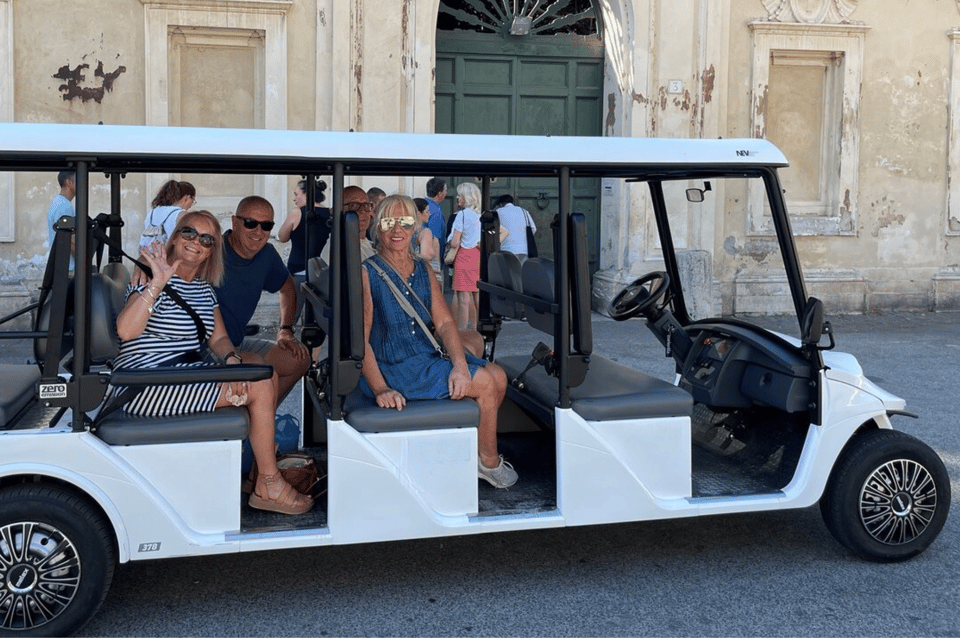
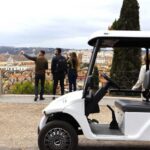
One of the first major mood-shifters is the stop at Pincio Terrace. This is where Rome starts feeling like a movie set—panoramic views, layers of rooftops, and that classic “how is this all here” feeling. The tour keeps it efficient, with a short time on-site that’s mainly for looking and photographing.
Why this works: if you’re seeing Rome for the first time, you need a high vantage point early. It helps your brain map the city. And because you arrive by cart, you’re not spending that energy on steep streets before you even get the payoff.
Potential drawback: you’ll likely move on before you fully soak it in. If you prefer long, quiet contemplation at viewpoints, treat this as your launchpad and plan a longer solo return later.
Piazza del Popolo + Piazza di Spagna: Classic Squares, Quick Photo Windows
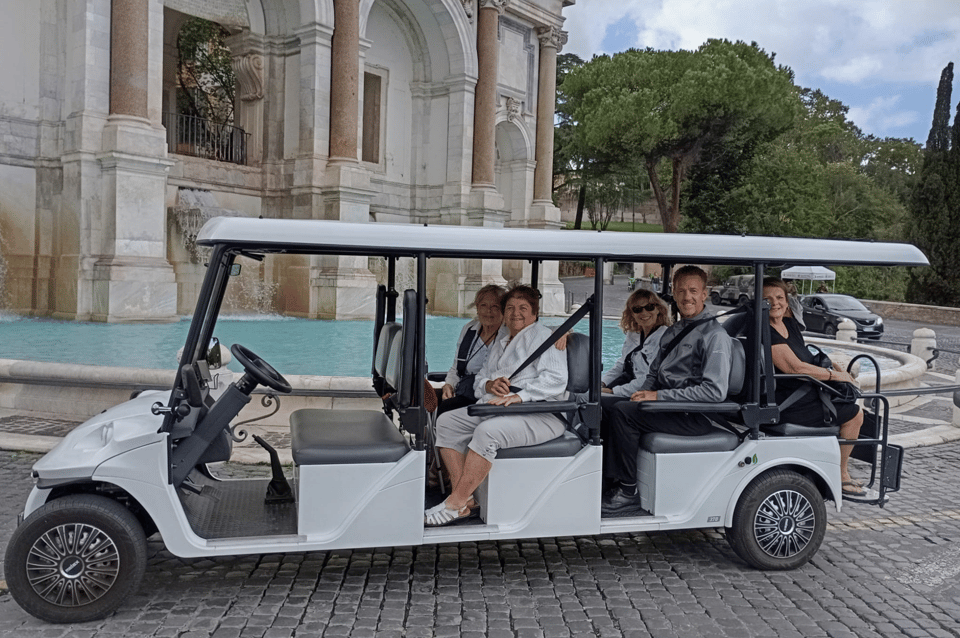
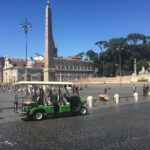
From Pincio, the route heads to Piazza del Popolo, another prime photo area with big-city energy and clean sightlines. The short stop is built for captures—think wide angles that include surrounding architecture, not lingering in cafes.
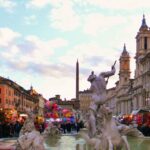
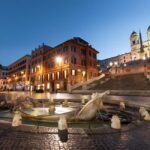
Then it’s on to Piazza di Spagna. Rome does stairs and symbolism well, and this square is one of the most recognizable meeting points in the city center. The tour uses the time for photo opportunities and a quick look around, which is great when you’re trying to fit in Rome’s biggest names without losing the whole day.
One practical note: these squares are popular. If you’re traveling at busy times, expect crowds around the most photographed angles. Your cart ride doesn’t remove the crowd, but it helps you get in close and positioned.
Trevi Fountain: How to Photograph the Icon Without Losing Your Mind
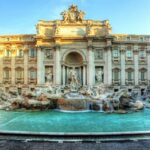
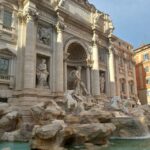
Trevi Fountain is one of those places where your camera roll can make or break the experience. Here, the tour’s strength is the combination of timing and positioning: you get a photo stop designed to get you those iconic shots without turning the morning into a stressful queue mission.
You also get the guide’s context while you’re there, which changes how you look at it. Instead of only seeing a landmark, you start noticing details and the reason the site draws so many visitors.
A small caution: if you’re on a tour that lines up with fountain maintenance periods (some fountains can be closed for cleaning depending on the season and timing), you might not get every photo angle you expected. The good news is that the route still hits plenty of other big moments.
You can also read our reviews of more city tours in Rome


Pantheon Area: The Stop That Helps You See What You’re Actually Looking At
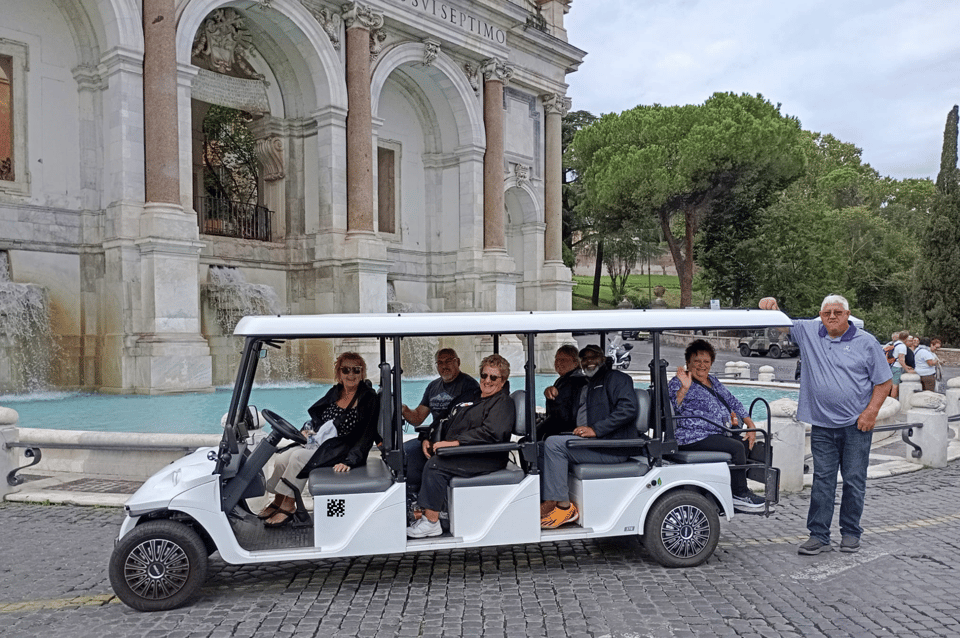
The route includes a photo stop and visit at the Pantheon. Even if you don’t go deep inside (the tour time here is short), you’ll walk away with a better sense of what makes this building stand out—its scale, its proportions, and its place in Rome’s story.
Why this is worth a quick stop: when you see the Pantheon after getting your bearings from squares and terraces, it feels more “real” and less like a postcard. You also learn what to notice so your photos come out stronger, even from the street.
If you’re the type who likes to linger at one monument and read every sign, plan a second visit later. This cart tour gives you the essentials and helps you decide what to revisit.
Vatican City View Stop: Big-Name Rome in a Single Ride
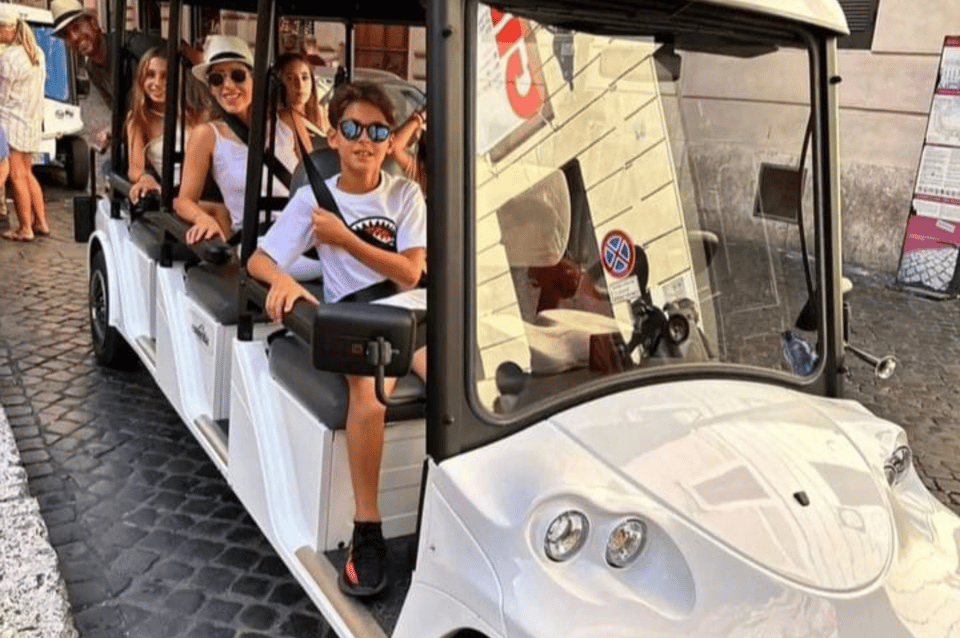
The tour includes a photo stop at Vatican City. You’re not spending hours navigating the area; instead, you’re getting a taste and a chance to photograph the view from the outside.
This is a smart move if you’re doing Vatican plans separately. You get the landmark in your mental map, and later you can choose whether you want a full museum day or a more relaxed Vatican stroll.
Janiculum Hill: Your “I Climbed, But Didn’t Suffer” Moment
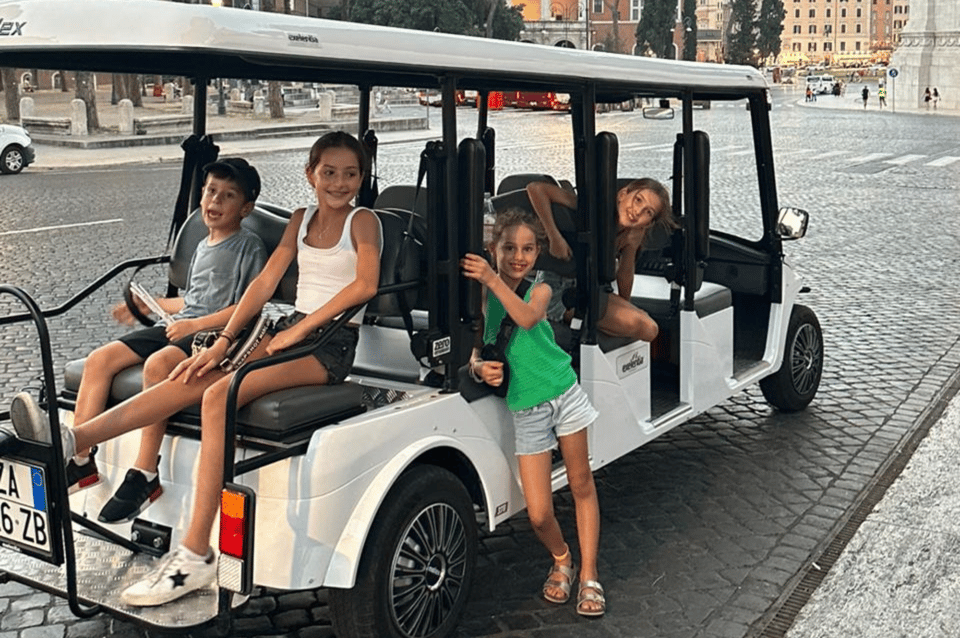
One of the best parts of this style of tour is the ability to reach hills that would drain your afternoon. Janiculum Hill is on the schedule as a photo stop, and it’s exactly the kind of place where you usually think: yes, I want to go, but can I handle the climb?
Here, you can. You arrive by cart, get the views, take photos, and move on. That’s a big deal if you have limited time, mobility concerns, or you just want your vacation to feel like vacation.
Trastevere: Lively Streets, Short Stop, Good Advice
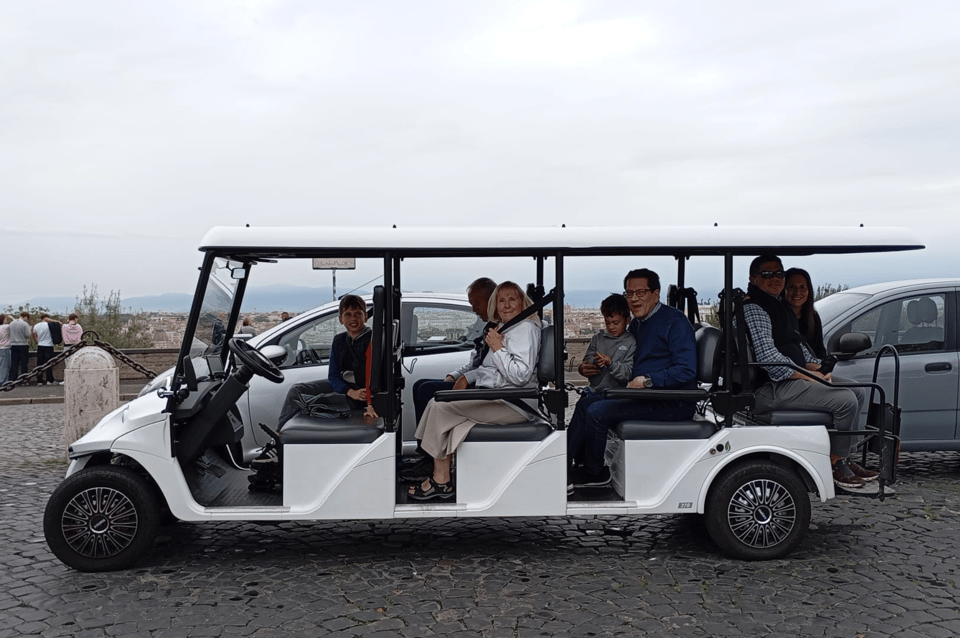
Then you’re heading to Trastevere, with a photo stop and a short visit. This is where Rome changes tempo. Streets feel more local, the vibe is lively, and the neighborhood’s character shows up fast.
The tour also includes short stops where you can grab gelato or coffee, and the experiences shared from this tour specifically highlight the guide making room for a gelato stop in Trastevere. That’s the kind of practical flexibility that turns a standard highlights ride into something more memorable.
Tip for you: Trastevere is best when you treat this stop as a preview. After the tour, consider choosing one block and walking just a little on your own. You’ll have the context from the guide, and you’ll feel less lost.
Aventine Hill: Another Viewpoint, Less Crowded Energy
Next comes Aventine Hill, another photo stop. Hilltop Rome has a way of making you slow down for a second, even when the schedule is tight. From this kind of vantage point, you see Rome as layers—rooftops, domes, and the city stretching out.
The drawback here is simple: the tour is time-boxed. You’re getting the “wow” view, but not a long, sit-down golden-hour experience. If you want that, you can use this stop as your reason to return later on your own.
Circus Maximus: A Landmark You Might Misread Without Context
The route includes a stop at Circus Maximus with a photo stop and visit. This site can be tricky because, depending on what you see at ground level, it may not immediately feel like a colossal arena from Roman times.
That’s where the guide’s narrative helps. When someone explains what it was used for and why the layout matters, you start noticing the scale and shape instead of just taking a photo in the general area.
Colosseum Arena Floor: The Stop Most People Want the Most
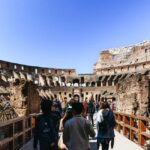
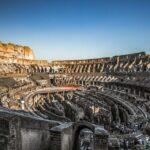
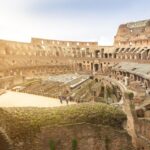
The final big-photo moment is at the Colosseum arena floor area. This is typically the part that makes a cart tour feel worth it: you get close to one of the most famous places on earth and get photography time built around the angles people really want.
Do keep expectations realistic: you’re here for a stop and photos, not for a full museum-style deep visit. Still, being at the arena-floor area (even just for pictures) is a different experience than viewing the Colosseum from a distant sidewalk.
If you’re planning to come back later for a longer Colosseum day, this tour helps you understand where you want to stand and what angles you care about most.
The Role of the Guide: Why Andrea Makes the Tour Feel Personal
This tour isn’t just a drive from one icon to another. The guide’s job is to add meaning as you move. Stories, practical insights, and suggested things to see and do after the tour are part of the package.
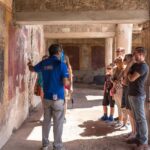
The name that comes up again and again in people’s experience is Andrea. You’ll get a guide who keeps things friendly, who adjusts with real-world conditions, and who helps you get positioned well—especially noted when someone in the group uses a wheelchair. That kind of attention to getting you close to what you came to see makes the whole experience feel smoother and more respectful of different needs.
It’s Not a Walking Tour: What That Means for Your Day
Because this is built around cart rides, your day feels different. You’ll spend less time negotiating stairs, and more time watching Rome unfold from the street level and from elevated terraces.
That’s a win if:
- You have 2 to 3 days and want to see big highlights quickly
- You want photo stops at multiple top sights without constant detours
- You’re traveling with someone who benefits from less walking
It’s less ideal if:
- You want long, slow museum pacing
- You plan to read every sign and linger at one building for an hour or more
Think of it like this: the tour helps you build your Rome map and your “next visit” list.
Who Should Book This Tour (and Who Might Skip It)
This tour is a strong choice if you’re doing first-time Rome planning and want to cover the main sights plus a couple of hills and neighborhoods without burning your day. It’s also a smart option if you care about photos and want your guide to position you for the classic shots, including major fountain and arena moments.
If you’re the type who loves exploring every side street for hours, you might feel rushed. But even then, you can treat the tour as your getting-oriented day and plan longer neighborhood time afterward—especially in Trastevere.
If mobility is a concern, the tour is wheelchair accessible, and the guide assistance is specifically called out as helpful for getting close to points of interest.
Should You Book This Rome Electric Golf Cart Tour?
Yes, if you want an efficient, low-stress way to hit Rome’s biggest sights and viewpoints in 3 hours, with a guide who brings you context and helps you land your photos. I’d book it early in your trip so you can use the tips afterward to shape the rest of your days.
Skip it if you’re planning to spend all day at one or two monuments and you don’t mind walking more. In Rome, you can absolutely do it the hard way—but this tour makes the easy way feel like it still has soul.
FAQ
How long is the Rome golf cart city tour?
The tour duration is 3 hours.
Where does the tour start and end?
It starts in front of the Hotel Anantara Palazzo Naiadi near the Repubblica Metro stop, and it ends back at the same meeting point.
Is the tour private or shared?
It’s listed as a private tour with a small group limited to 7 participants.
What language is the live guide available in?
The live guide operates in Italian and English.
What sights and areas does the tour include?
You’ll see photo stops and visits at places including Pincio Terrace, Piazza del Popolo, Piazza di Spagna, Trevi Fountain, the Pantheon, Vatican City, Janiculum Hill, Trastevere, Aventine Hill, Circus Maximus, and the Colosseum arena floor.
Is there time for photos and viewpoints?
Yes. The itinerary includes photo stops at iconic sites and viewpoints, with 360-degree viewing from the cart.
Does the tour include breaks for food or drinks?
Short stops for ice cream or coffee are included.
What transportation is used?
You’ll ride in an environmentally friendly electric golf cart.
Is the tour wheelchair accessible?
Yes, it is wheelchair accessible, and the tour description indicates support to get close to points of interest.
What is included in the tour price?
The included items are a private tour, electric golf cart transportation, a local guide, customizable itinerary and route, photo stops, short ice cream or coffee stops, informative comments, and access to restricted traffic zones.