REVIEW · ROME
Rome: City Highlights Golf Cart Tour
Book on GetYourGuide →Operated by Loving Rome · Bookable on GetYourGuide
Rome’s streets feel bigger than they are.
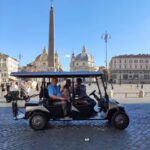
I love how this 7-seater electric golf cart turns Rome’s long walks into a smooth, photo-friendly loop, and I also like that you get an English driver guide with stop-by-stop context. You’ll hit big-name landmarks like the Trevi Fountain and the Colosseum without the tired-travel feeling—then end with big views from Castel Sant’Angelo. One drawback to plan for: you get external access and no entrance tickets, so you’ll still need to arrange any inside visits separately.
If you want a first-day, get-your-bearings tour, this is a strong pick. It starts at Piazzale del Museo Borghese and runs about 2 to 3 hours (it can shift a bit with season, weather, and local access). Guides such as Dennis, Arvin, Julius, Ivanko, and Sam show up ready with timing, humor, and plenty of photo stops—exactly the kind of help that makes Rome feel less like a puzzle and more like a city you’re actually living in.
In This Review
- Quick Hits: What Makes This Golf Cart Tour Worth It
- The Simple Idea: See More Rome With Less Walking
- Meeting at Borghese Gallery: Finding the Right Spot
- Villa Borghese and the Start of the Loop
- Piazza del Popolo: Where Renaissance Meets Big Views
- Spanish Steps and Trevi Fountain: Two Icons, Two Moods
- Colosseum and Piazza Venezia: Ancient, Then the City’s Power Center
- Pantheon and Piazza Navona: A Roman Two-Step for Your Feet
- Castel Sant’Angelo: Ending With the Best Overlook
- The Guide Factor: Why People Keep Mentioning Names
- Comfort vs. Reality: What the Cart Can and Can’t Do
- Price and Value: Is $45 a Good Deal?
- Who Should Book This Tour (and Who Should Skip It)
- What to Bring: Simple Kit for a Smooth Ride
- Should You Book This Rome Golf Cart Tour?
- FAQ
- How long is the Rome golf cart highlights tour?
- Where is the meeting point?
- What time should I arrive?
- Is the tour guided in English?
- Are attraction entrance tickets included?
- What does the tour include?
- Does the tour include hotel pickup or drop-off?
- Does the tour run in rain?
- What is the cancellation policy?
- Is this tour suitable for wheelchair users or very young children?
- What should I bring, and what’s not allowed?
Quick Hits: What Makes This Golf Cart Tour Worth It
- A comfortable 7-seater ride that keeps you moving through tight streets without long stretches on foot
- English commentary from the driver guide, often packed with practical context at each landmark
- Frequent photo stops (often around 8–10 minutes) so you’re not stuck snapping pics at speed
- Smart routing that gets you into smaller streets buses can’t use
- Great for day-one orientation, especially if your feet or your schedule need a break
- Rain-friendly covering used during heavy weather, so the tour still feels workable
The Simple Idea: See More Rome With Less Walking
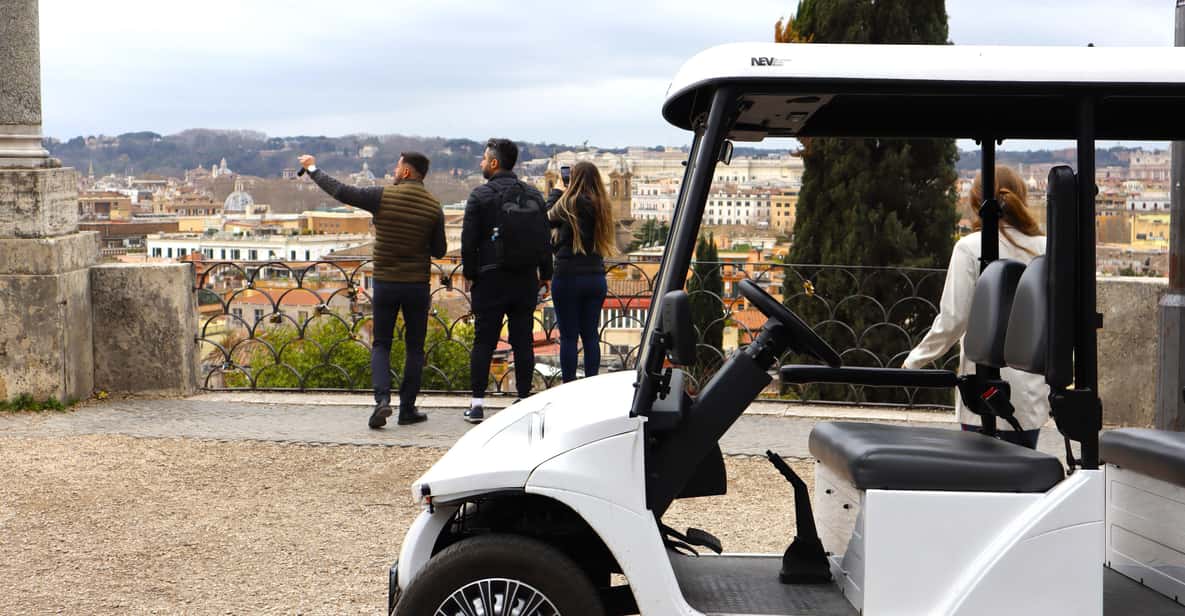
Rome has a way of draining you fast. Even if you’re determined, you end up doing the same math every hour: How many steps have I done, how much farther is it, and can my legs last until dinner?
This tour sidesteps that problem with a quiet, electric golf cart ride that keeps you close to the highlights. The cart is comfortable and smooth in traffic, and you’re able to get out where it matters—plazas, viewpoints, and the classic corners where Rome’s look and feel really land. The best part is that it doesn’t feel like a drive-by. You’re not just looking out at a windshield; you’re getting a guided route with stops that make the city’s layout start to make sense.
And because the group is small—private or small-group options are available—you’re more likely to get a human, conversational pace instead of a rigid script. Many people love that the guide keeps asking if you have questions and adjusts the flow when the moment calls for it.
You can also read our reviews of more city tours in Rome
Meeting at Borghese Gallery: Finding the Right Spot
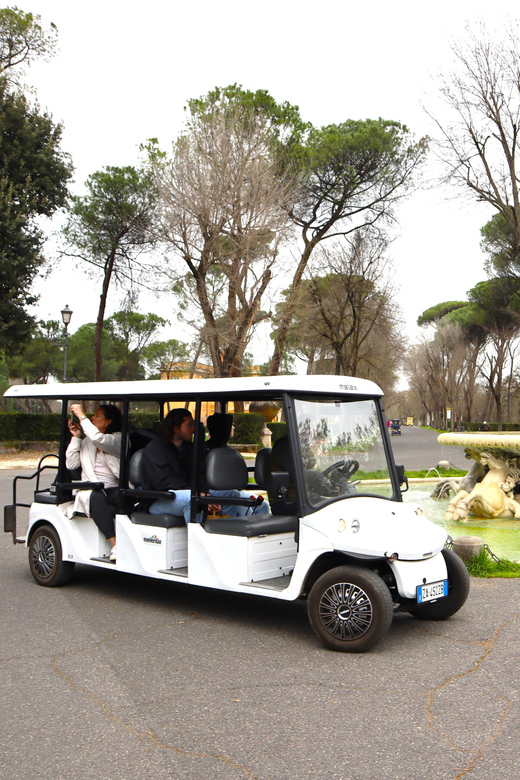
You’ll meet at Piazzale del Museo Borghese, in front of the main entrance to the Borghese Gallery. Arrive about 15 minutes early. Staff will be holding a Loving Rome flag, which helps a lot in a city that’s often busy and confusing at first glance.
Late arrivals aren’t accommodated, and you won’t get a refund for missing the start. So, treat this like a museum entry time: show up when you’re supposed to, then relax.
Practical tip: wear comfortable shoes even if you’re riding most of the time. You’ll step out for photos and short walks, especially around plazas.
Villa Borghese and the Start of the Loop
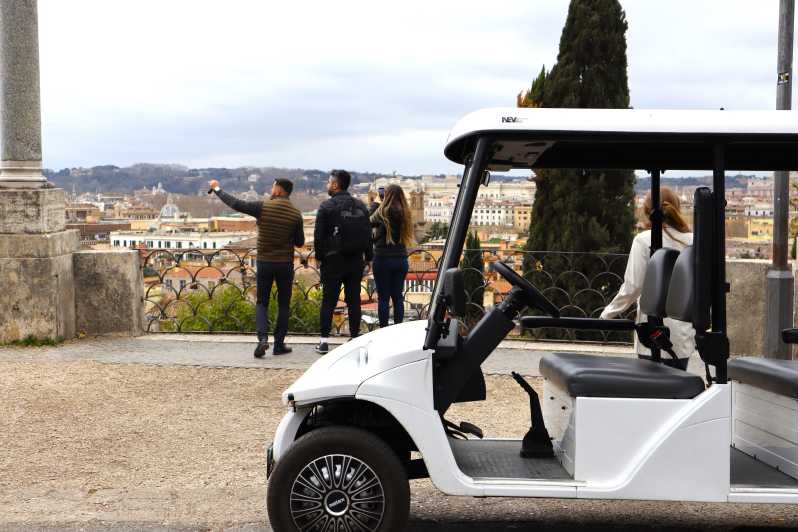
The tour kicks off with Villa Borghese Park, starting with a scenic introduction. This is a nice opener because it gives you a reset. Before you hit the heavy-hitter monuments, you get a calmer feel—trees, gardens, and that distinct Roman “outside the center” energy.
From there, the cart ride keeps the momentum going. You’re not trapped in one long stretch of streets—you’re moving, then pausing, then moving again. This matters because it turns your first hour from “I’m tired already” into “Okay, now I get what parts of Rome connect.”
If you’re visiting for only a few days, this early start point is useful. Borghese helps you build a mental map: where the grand boulevards feel like they connect back to the older historic core.
Piazza del Popolo: Where Renaissance Meets Big Views
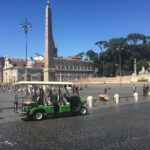
Next up is Piazza del Popolo, one of Rome’s grand entrances. It’s classic Rome-meets-empires: Renaissance architecture, wide-open space, and those Egyptian obelisks that look slightly unreal when you’re standing right next to them.
This stop is valuable for orientation. You can see how roads radiate outward, which makes the rest of your day in the city easier to plan. And it’s one of those places where a short look becomes a bigger understanding—Rome doesn’t just have monuments; it has geometry.
Photo note: the best pictures often come from stepping into the open plaza area rather than staying half inside the flow of traffic. If the guide calls for it, take the moment to reposition and shoot.
Spanish Steps and Trevi Fountain: Two Icons, Two Moods
You’ll then head to the Spanish Steps, where the city’s fashion-and-frames vibe kicks in fast. The stairs are busy in general, but the cart-and-guide format helps you arrive with context: what you’re looking at, why the spot matters, and how the surrounding streets fit together.
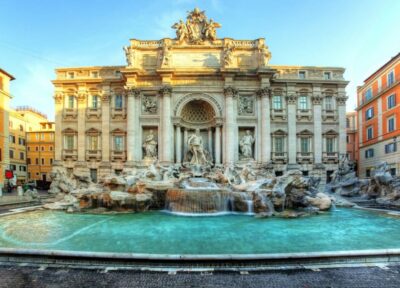
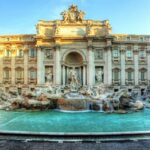
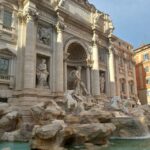
After that comes the Trevi Fountain, the kind of place that can feel like a postcard until you’re actually there. Standing at Trevi is when Rome’s Baroque feel becomes real—scale, motion, stonework detail. It’s famous for a reason, and the tour keeps it from being a stressful stop by getting you there as part of a route instead of a free-for-all hunt.
One practical consideration: since entrance tickets aren’t included, you’re mostly experiencing these as outdoor, outside-access highlights. That’s not a downside if your goal is the city’s big looks and classic views. If you want a deeper inside experience at any site, plan separate timed entry.


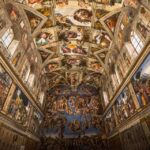
Colosseum and Piazza Venezia: Ancient, Then the City’s Power Center
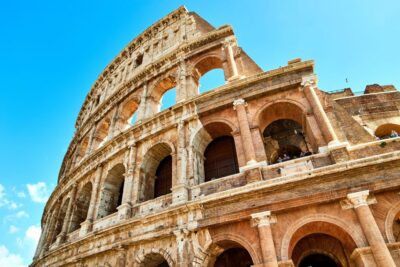
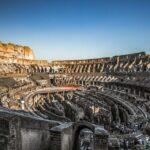
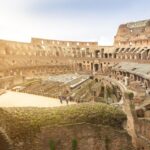
The Colosseum is next, and this is where Rome shocks you with how large the structure feels once you’re in the neighborhood. From a golf cart, you get a different angle than you would from a bus stop or a long walk. You can take in the monument first, then decide if you want to step closer.
Even when you’re not doing a full ticketed visit, seeing the Colosseum in context helps you understand how Rome organizes attention. It’s not just a building; it’s a magnet. The cart ride gets you there without dragging your whole day across multiple neighborhoods.
From there, Piazza Venezia comes into play as another major city node. It’s a change of pace: less “one-photo monument,” more “Roman public space.” You feel how the city functions around squares, not just around ruins.
Pantheon and Piazza Navona: A Roman Two-Step for Your Feet
The route continues to the Pantheon, another huge landmark where the iconic dome pulls your gaze before you even start thinking. What you’ll take from this stop is the power of Roman engineering and design—even if you don’t go inside, the exterior view gives you a clear sense of scale and intention.
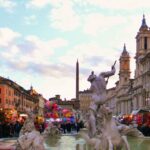
Then it’s on to Piazza Navona, which brings the tour into a more social, street-life mood. Piazza Navona is one of those places where you can stay longer than you planned because it’s made for wandering and watching. The fountains, the open space, and the lively atmosphere make it an ideal “end-of-tour energy reset” before the final viewpoint.
This pacing is smart: monuments earlier, then a more relaxed plaza feel later.
Castel Sant’Angelo: Ending With the Best Overlook
Your loop finishes at Castel Sant’Angelo, a historic fortress with panoramic views over Rome and the Tiber River. Ending here works for a couple reasons.
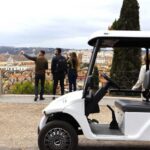
First, the view helps you connect the dots from earlier stops. You can trace where you’ve been, how the river and major roads cut through the city, and why some viewpoints feel so commanding.
Second, it gives you a natural “wrap” to the trip. You’re not ending at another busy ticket line; you’re ending at a vantage point. People love this part because it feels like a reward after the monument sprint.
The Guide Factor: Why People Keep Mentioning Names
This is one of those tours where the person driving really matters. The praise in the guide comments isn’t just about facts—it’s about pacing, clarity, and being human.
Some standout guide names you might encounter include Dennis, Arvin, Julius, Ivanko, and Sam. Across these different guides, the themes are consistent:
- They explain what you’re seeing in a way that actually lands
- They stop often enough for photos without making the tour drag
- They’re friendly about questions and will help you understand what’s important
A few people also noted they didn’t always receive headset equipment, but they still had no problem hearing the guide clearly (in some cases, the guide simply projected loudly and well). If headsets are listed as included only if needed, treat this as: bring your best hearing plan. If you’re sensitive to audio, you might want to ask how sound is handled before you roll out.
Comfort vs. Reality: What the Cart Can and Can’t Do
Here’s the balanced truth. This tour is great for:
- Covering a lot of Rome in a short time
- Seeing outside highlights without committing to ticket lines
- Making your first day less exhausting
- Getting into places bigger vehicles can’t reach
It’s less about:
- Full museum-style interior visits
- Long structured time inside major attractions
External access means you’ll get the “wow” from the outside. If you want inside highlights—Pantheon interior, Colosseum ruins, Trevi-side experiences—you’ll need to pair this with separate tickets.
Think of it like a high-quality map with stops: you come away with a sense of what’s where and what’s worth your next walk back.
Price and Value: Is $45 a Good Deal?
At $45 per person for about 2 to 3 hours, the value mostly comes from what’s included: the electric golf cart, an English-speaking driver guide, and headset support if needed, plus external access to the key sights.
If you were trying to recreate this itinerary by yourself, you’d pay for transportation and still spend your energy fighting walking distances and street navigation. The guide also adds value by giving you context fast—so you’re not just staring at famous buildings, you’re understanding why they’re there.
You’re also buying time. One of the best reasons people book this early is that it helps you decide what to revisit later, when you have more energy and better light. If your schedule is short, the $45 starts to feel less like a cost and more like a smart investment in planning.
Who Should Book This Tour (and Who Should Skip It)
This tour makes extra sense if:
- You want a first-day orientation loop
- Your feet get tired after a few hours
- You’re traveling with kids (especially older kids) who need a rest from nonstop walking
- You prefer small-group attention and frequent stops
In practice, people mention it’s ideal when you want the highlights without turning the day into a marathon. It’s also a nice option if you’re visiting in colder months—rain protection is used, and the cart keeps the experience from turning miserable in light rain.
It’s not suitable for:
- Children under 3
- Wheelchair users
- Pets
- Baby strollers
- Large luggage or bags
And unaccompanied minors aren’t allowed. So if you’re traveling with very young children, plan around that rule.
What to Bring: Simple Kit for a Smooth Ride
Bring:
- A passport or ID card
- Comfortable shoes
- Weather-appropriate clothing
Also, since this is an outdoor-focused sightseeing run, dress like you’re going to stand in plazas and take photos, not like you’re going to sit in a museum.
Should You Book This Rome Golf Cart Tour?
Yes—if you want an efficient, low-stress way to see Rome’s biggest icons in a single half-day and you’d like a guide to help the city make sense fast. It’s especially worth it on the first day, or anytime you feel your itinerary might be too walk-heavy.
If your dream trip is mostly about interior ticketed experiences and long guided walking tours, this may feel like the appetizer, not the main course. In that case, book it for orientation and then use the knowledge to plan your inside visits separately.
FAQ
How long is the Rome golf cart highlights tour?
It lasts about 2 to 3 hours.
Where is the meeting point?
You meet at Piazzale del Museo Borghese, in front of the main entrance to the Borghese Gallery.
What time should I arrive?
Please arrive about 15 minutes before the activity starts.
Is the tour guided in English?
Yes. The driver guide speaks English.
Are attraction entrance tickets included?
No. Entrance and internal access to attractions are not included.
What does the tour include?
An electric 7-seater golf cart, an English-speaking driver guide, external access to attractions, and headsets if needed.
Does the tour include hotel pickup or drop-off?
No. Hotel pickup and drop-off are not included.
Does the tour run in rain?
The tour proceeds in the event of light rain.
What is the cancellation policy?
Free cancellation is available up to 24 hours in advance for a full refund.
Is this tour suitable for wheelchair users or very young children?
No. It is not suitable for wheelchair users, and it is not suitable for children under 3 years old.
What should I bring, and what’s not allowed?
Bring a passport or ID card and comfortable shoes. Pets, weapons or sharp objects, baby strollers, and luggage or large bags are not allowed.