REVIEW · ROME
Rome: City Highlights Electric Bike Tour
Book on GetYourGuide →Operated by Bicycle Roma · Bookable on GetYourGuide
Rome looks different when you pedal. This City Highlights electric bike tour threads you through big names and quieter streets with the help of an e-bike, so you get more sights in less time. You’ll also spend serious moments along the Tiber bike path, where the city feels more navigable.
I especially like the local-guide storytelling. People like Daniela and Giorgio are mentioned for being Roman locals who explain what you’re seeing without turning it into a lecture. The other win is the photo strategy: you pause at major landmarks just long enough to frame the shot, then roll on.
One thing to consider: this is not a casual stroll. The tour requires a minimum cycling level, and when crowds get thick (think the Colosseum area), you may have to dismount and walk your bike for parts.
In This Review
- Key highlights
- Why an electric bike works so well for Rome
- Safety on Roman roads: what’s actually reassuring
- The start by Lungotevere: a fast way to get oriented
- Tiber Island and the Circus Maximus: history with momentum
- Colosseum zone: the classic view, with a realistic crowd plan
- Piazza Venezia to the Jewish Ghetto: sweeping squares, street-level context
- Campo de’ Fiori and Piazza Navona: fountains and energy from the saddle
- Castel Sant’Angelo to St. Peter’s: river views and big-sight pacing
- Pantheon and Trevi: quick classics, smart photography time
- Piazza di Spagna to Piazza del Popolo: the ride feels like Rome, not a checklist
- The guide experience: where this tour earns its near-perfect score
- Value check: what $80 buys you in 4 hours
- Who should book this, and who should skip it
- Quick booking verdict: should you book this electric bike tour?
- FAQ
- How long is the Rome City Highlights electric bike tour?
- What is the price per person?
- Where does the tour start and end?
- Is this tour on an e-bike?
- Which landmarks do you stop for photos?
- Do you need cycling experience?
- How big are the groups?
- What languages are available for the live guide?
- Is the tour refundable if plans change?
- Are there age limits for the e-bike?
Key highlights
- E-bike help makes 4 hours feel realistic, even if you are not a road cyclist
- Small groups (max 8 per guide) keep the pace comfortable and the route flexible
- Historic center + Tiber bike path means less wrestling with Rome traffic
- Short, focused photo stops at iconic landmarks help you see more without burning the day
- Ponchos and helmets included, so a surprise drizzle doesn’t end the tour
- Guide-led tailoring has helped families and mixed-experience riders stay confident
Why an electric bike works so well for Rome
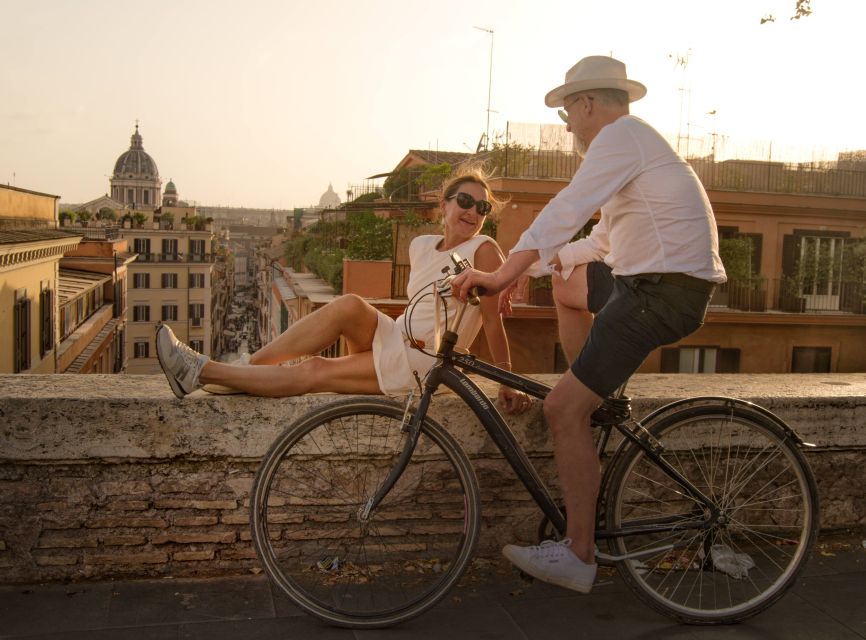
Rome is famous for ruins, churches, fountains, and crowds. Walking can be exhausting. Buses can be slow. This tour hits the sweet spot: you cover ground fast, but you still move at a human pace that lets you notice details.
The e-bike matters more than you might think. With pedal assistance, hills and longer stretches stop feeling like a personal challenge and start feeling like part of the city. You still pedal, but you do it without arriving at the first stop sweaty and drained.
And because the route is built around quieter roads and bike infrastructure, you get that rare combo in Rome: sightseeing plus a sense of control. One practical benefit I like is that you spend a good chunk of the ride where you are not constantly stopping and starting at foot-traffic bottlenecks.
You can also read our reviews of more cycling tours in Rome
Safety on Roman roads: what’s actually reassuring
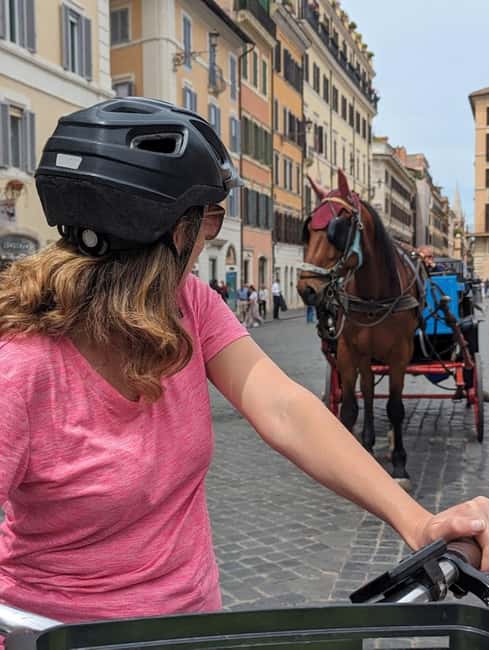
Rome traffic can feel chaotic, even if you are a confident pedestrian. This tour reduces the stress in two ways.
First, the operator favors routes with little traffic and uses the Tiber bike path for major stretches. Light vehicular traffic can still pop up at times, but the plan is not built for constant road battles.
Second, guides stay with you the whole time and there’s a pre-departure test. That pre-check is a big deal because this isn’t a rental-bike free-for-all. You get helmets, and you also get sensible guidance on where to ride and how to handle busy zones.
If you’re anxious about biking in a big city, pay attention to the riders who said they felt safe even when cycling was new for them. That usually means the group stayed together, the guide paced the tricky parts, and you weren’t left to figure Rome out on your own.
The start by Lungotevere: a fast way to get oriented
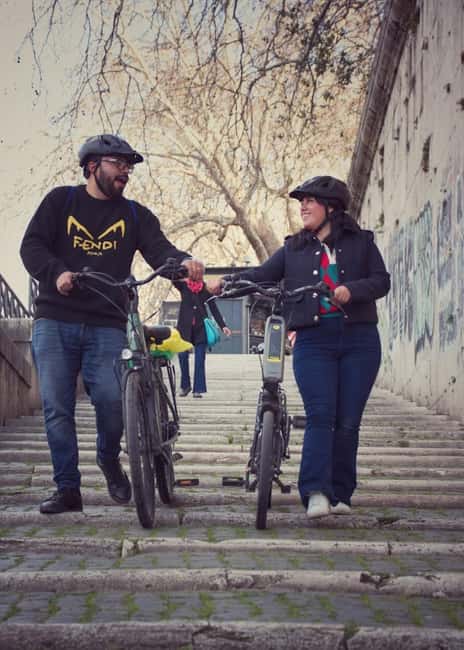
Your tour meets at Lungotevere delle Armi 44 (and your exact meeting point can vary by option), then you roll out toward the sights. Dropping you back at the same area makes the whole day easier to plan. You don’t need to hunt for a bus or guess how far you’ll be from your hotel afterward.
I like starts like this because Lungotevere is a natural launch pad: you’re close to key central areas, and you can feel the city flow right away. It’s also the kind of place where a guide can quickly check everyone’s comfort level on the e-bike before committing to busier corridors.
What to bring is simple: an ID or passport and comfortable clothes. Also, bring water. One review notes it plainly, and in 4 hours of riding it’s a smart default.
Tiber Island and the Circus Maximus: history with momentum
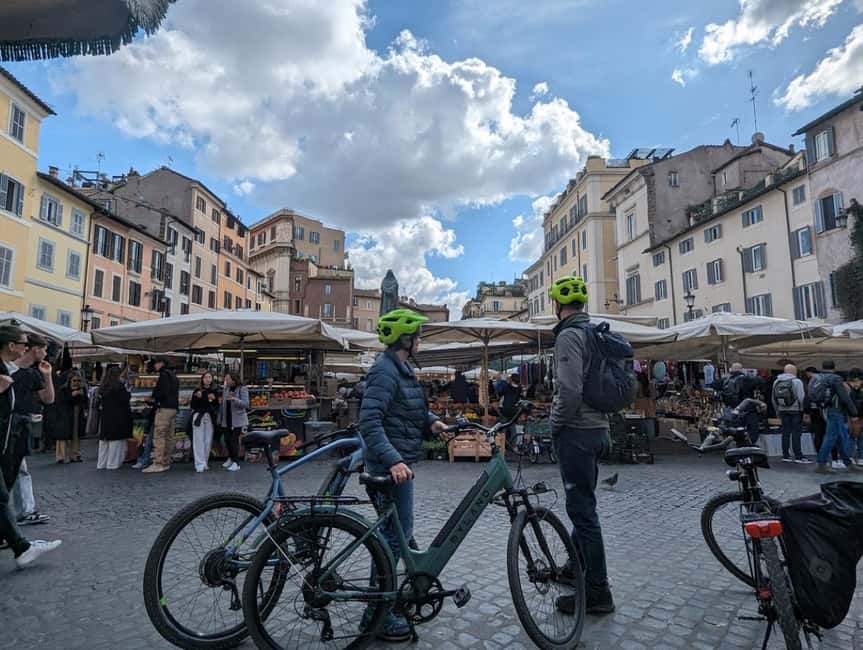
You begin with Tiber Island, with a guided segment and a short ride through the area (about 10 minutes). This is a good early stop because it helps you understand the river’s role in Rome. Instead of jumping straight into crowd-packed monuments, you get a calmer on-ramp into the day.
Then you move to Circus Maximus for a photo stop (about 10 minutes). You’re not trying to tour an archaeological site for an hour. You’re getting a visual anchor: seeing the scale of the space, then connecting it to what you’ll hear as you move around.
The practical side: these early stops are quick enough that you stay fresh. If you’re new to e-bikes, this timing gives you time to feel comfortable before the most photographed stops.
Colosseum zone: the classic view, with a realistic crowd plan
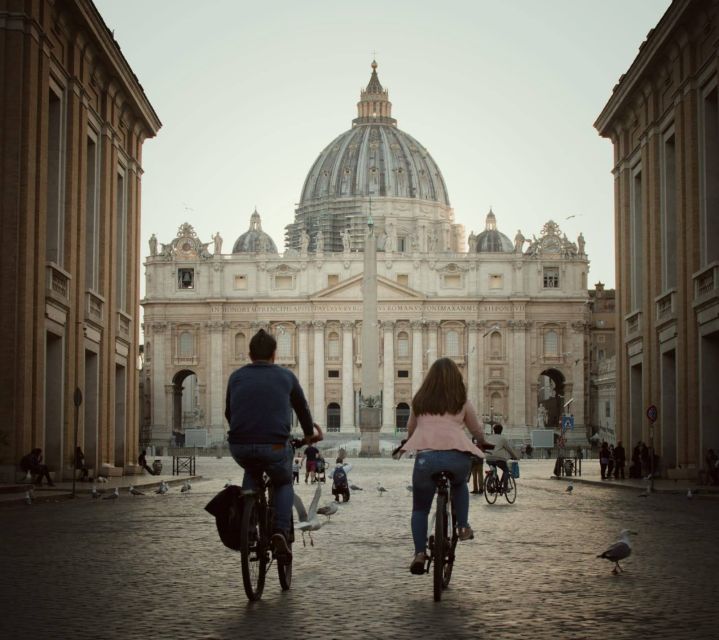
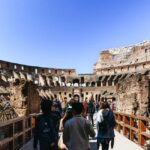
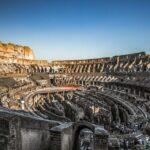
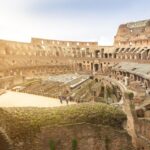
No Rome overview tour is complete without the Colosseum. Here it’s a photo stop (about 15 minutes). That’s not meant to replace a deeper visit with timed entry. It’s meant to position you for the rest of the day and let you capture the landmark without losing your entire morning to lines.
One honest thing to know: in crowded areas you may need to walk your bike for stretches. That showed up in real feedback, and it’s the kind of thing Rome always throws at you near the biggest magnets. The good news is that you’re still moving as a group with a guide, so you’re not wandering around confused.
If your goal is to see the Colosseum from smart angles and then keep going to other icons, this kind of stop length can be a win. If your goal is a slow, detailed exploration of the Colosseum itself, you’ll likely want a separate ticketed visit later.
You can also read our reviews of more city tours in Rome



Piazza Venezia to the Jewish Ghetto: sweeping squares, street-level context
From the Colosseum area you glide to Piazza Venezia for another photo stop (around 10 minutes). This stop helps you connect Rome’s monument density with the way streets funnel people through the center. Even if you know the landmark name, seeing how the area channels foot traffic makes it feel real.
Next comes the Jewish Ghetto area, approached by bike over about 10 minutes. Here’s where the ride format becomes more valuable than walking. You can see how streets connect—without getting stuck in one single viewpoint for too long.
This part of the tour is also where guides often shine. Reviews mention guides adjusting explanations and pacing to the group, and that matters on a route like this, because people’s interests differ wildly from one stop to the next.
Campo de’ Fiori and Piazza Navona: fountains and energy from the saddle
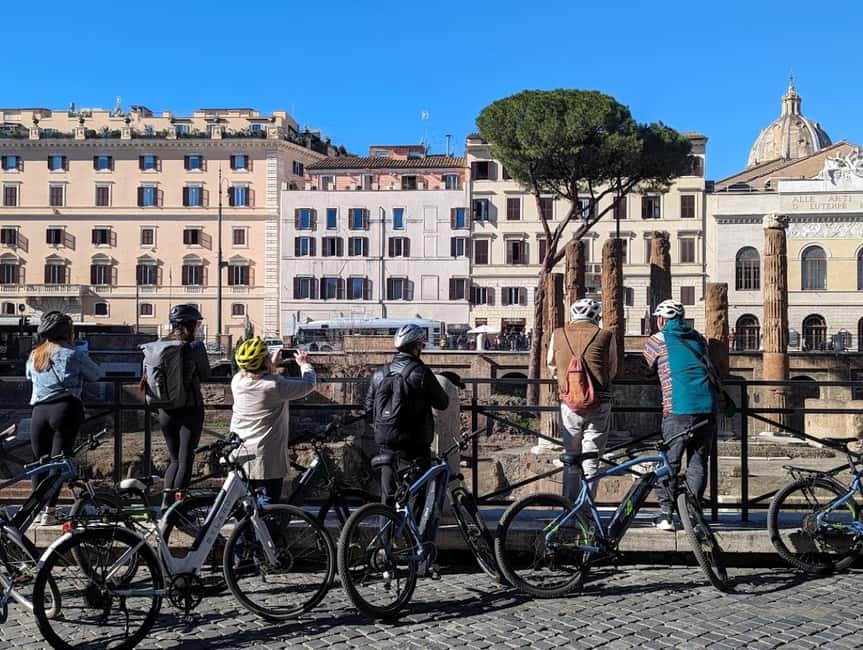
Campo de’ Fiori is next for a photo stop (about 10 minutes). It’s one of those Rome places where the setting pulls you in fast: squares, atmosphere, and the sense of daily life happening around the edges of major sights.
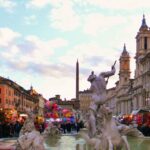
Then you roll to Piazza Navona for a photo stop (about 10 minutes). This is the kind of stop where you can do the classic fountain views, then still keep your day moving. Riding helps because you’re not stuck in a long walking queue or trapped by crowds on one narrow route.
A practical tip: at these two stops, your guide’s timing is your friend. You want enough time to get photos, but not so much time that you get worn down. The tour’s structure is built around keeping you fresh for later highlights like Castel Sant’Angelo and the Pantheon area.
Castel Sant’Angelo to St. Peter’s: river views and big-sight pacing
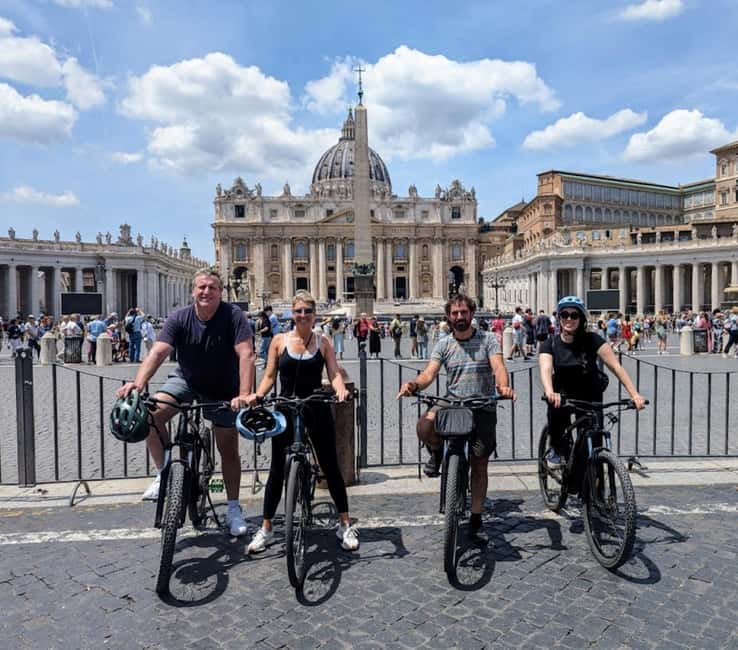
You’ll head to Castel Sant’Angelo for a photo stop (about 10 minutes). This is another spot where quick framing works. The city backdrop and the river corridor help you read the geography of Rome fast.
Then it’s St. Peter’s Basilica for a photo stop (about 10 minutes). A stop like this is perfect for orientation. You see the scale, you get your bearings, and you decide later if you want a deeper basilica visit with more time.
Because this is a bike tour, you’re also getting the benefit of reaching these areas efficiently. Rome’s best sights are often spread out, and walking the whole chain would turn a 4-hour experience into something closer to a full-day grind.
Pantheon and Trevi: quick classics, smart photography time
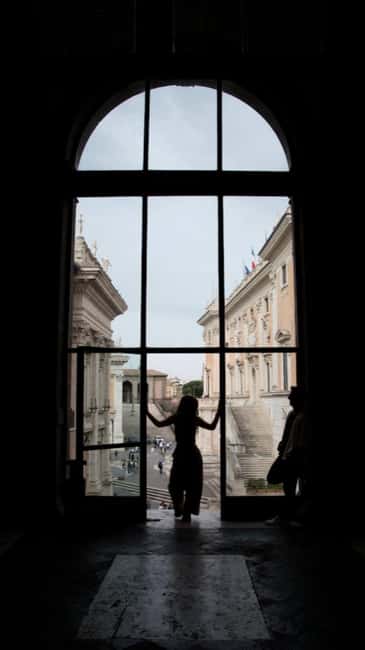
The Pantheon is on the list for a photo stop (about 10 minutes). Again, this is not designed to replace a slow interior visit. It’s meant to let you see it clearly from the outside and capture the iconic shape while your legs still feel good.
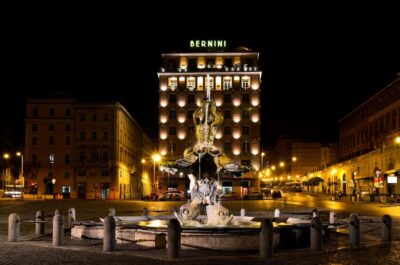
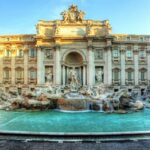
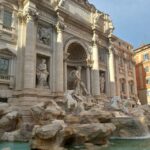
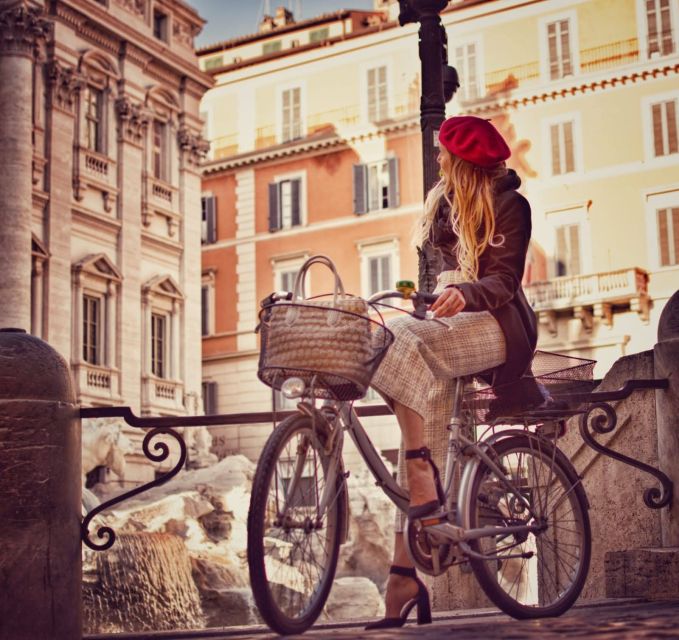
Then you hit Trevi Fountain for another photo stop (about 10 minutes). Trevi is popular for a reason, but it’s also one of the hardest places to take photos without feeling shoulder-to-shoulder pressure. A short, timed stop can help you get what you need quickly and then move on before the vibe turns uncomfortable.
If you’re bringing camera gear, this is where it helps. You can plan for one or two key shots, then wrap up and keep riding.
Piazza di Spagna to Piazza del Popolo: the ride feels like Rome, not a checklist
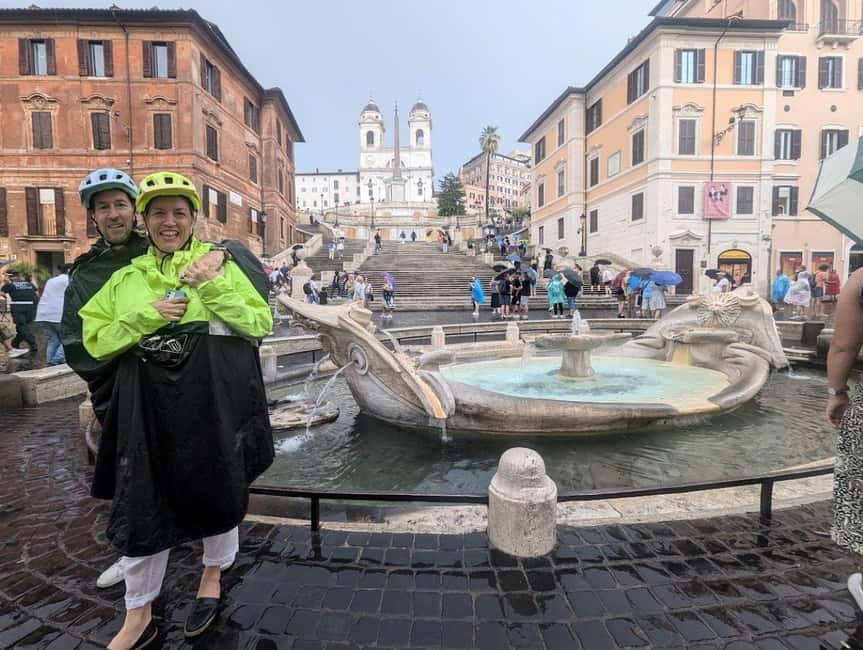
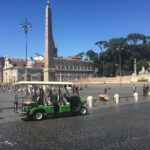
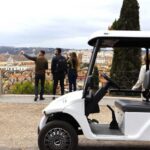
You’ll stop at Piazza di Spagna for a photo stop (about 10 minutes), then continue to Piazza del Popolo for another stop (about 10 minutes). These are both areas where street layout and views matter. From the saddle, you get a better sense of how people move between levels, corners, and central routes.
Even if you think of these as “just photo spots,” the ride context gives them value. You’re not teleporting between two distant points. You’re traveling through the historic center and getting the connections you’d miss with bus-only sightseeing.
And since your day ends back at the Lungotevere area, it feels complete. You’ve walked less than you’d expect, but you’ve still seen the highlights that define first-time Rome.
The guide experience: where this tour earns its near-perfect score
This is the part that shows up again and again in good bike tours: the guide doesn’t treat it like a script. In the feedback you’ll see names like Daniela, Giorgio, Ricardo, and Fabio tied to calm pacing, smart route choices, and stories that make landmarks make sense.
One of the strongest themes is that guides often adapt to what the group wants to see. That can mean slowing down for extra questions, adding or emphasizing stops that match your interests, or steering you onto the quieter side streets that keep the ride comfortable.
Many guides are also praised for patience, especially for mixed groups that include teenagers, first-time e-bike riders, or people who were worried about traffic. That matters because Rome can be mentally demanding. A guide who keeps everyone comfortable turns the ride into an actual vacation moment, not a test of nerves.
Photo-taking also gets credit. If you want photos where you’re actually in them (not cropped out, not blurry, not taken by a random passerby), a guide who knows timing and angles can be a real value add.
Value check: what $80 buys you in 4 hours
At $80 per person for about 4 hours, you’re paying for three things:
- Speed without exhaustion: you cover a chain of major sights that would take far longer on foot
- Local context: you get explanations and route intelligence instead of just seeing buildings
- Comfy friction reduction: helmets, ponchos, e-bike assistance, and route planning that reduces traffic stress
If you’re only in Rome for a short window, this is one of the most practical ways to build a strong first picture of the city. If your schedule allows multiple days, you still get value because the tour helps you choose where to go deeper later.
And because the group size is limited (max 8 per guide), you’re not stuck riding in a giant pack with no space to ask questions. That small-group factor tends to be what separates a good bike tour from a chaotic one.
Who should book this, and who should skip it
This tour is a great fit if you:
- Want to see lots of major Rome sights in 4 hours
- Prefer active sightseeing over standing in lines for buses
- Feel walking would be too slow or too tiring
- Like guided explanations paired with photo stops
It may not be a fit if you:
- Can’t meet the minimum cycling level requirement
- Have mobility impairments, heart problems, vertigo, or recent surgeries
- Are pregnant
- Weigh over 220 lbs / 100 kg
- Use a wheelchair
- Can’t ride a bike at all
For families: it supports children with the right bike setup (a bike extension/tailer for kids under 139 cm). Infants up to 20 kg can ride free in a child seat provided.
Also note the e-bike age minimum is 12 to operate an e-bike. If you’re traveling with mixed ages, the guide can usually help you confirm what setup works for each person.
Quick booking verdict: should you book this electric bike tour?
I’d book it if you want a first-time Rome overview that’s efficient, guided, and not built around exhausting walking. The route design (historic center plus the Tiber bike path), the small group limit, and the consistency of guide quality are the reasons this stands out.
I would skip it if you’re not comfortable on two wheels or you know you won’t meet the cycling level requirement. Also skip if you want long, interior time at monuments; this is optimized for photo stops and orientation, not deep entry-level sightseeing.
If you’re deciding between this and a slower tour, here’s the simple logic: if your legs are limited or your time in Rome is short, an e-bike tour like this is one of the best ways to make your day count.
FAQ
How long is the Rome City Highlights electric bike tour?
It lasts 4 hours.
What is the price per person?
The price is $80 per person.
Where does the tour start and end?
The meeting point may vary by option, but it’s listed at Lungotevere delle Armi 44, and the drop-off is also at Lungotevere delle Armi 44.
Is this tour on an e-bike?
Yes, you ride an e-bike or a mountain bike depending on the option selected.
Which landmarks do you stop for photos?
You have photo stops at places including Circus Maximus, the Colosseum, Piazza Navona, Castel Sant’Angelo, St. Peter’s Basilica, the Pantheon, Trevi Fountain, Piazza di Spagna, and Piazza del Popolo.
Do you need cycling experience?
Yes. A minimum cycling level is mandatory, and a pre-departure test is conducted by the guide.
How big are the groups?
Limited to 8 guests per guide.
What languages are available for the live guide?
Spanish, English, French, and Italian.
Is the tour refundable if plans change?
Free cancellation is available up to 24 hours in advance for a full refund.
Are there age limits for the e-bike?
The minimum age to operate an e-bike is 12 years old.