REVIEW · ROME
Rome: Appian Way Aqueducts Bike Tour (UPG Catacombs & Lunch)
Book on GetYourGuide →Operated by Roma STARBIKE · Bookable on GetYourGuide
Appian Way feels like a time machine. This e-bike tour takes you along the Appia Antica and through the aqueduct parks, so Rome switches from crowded monuments to quiet countryside in a hurry—often with guides like Alex, Paolo, Lorenzo, and Ricardo bringing the stories to life. I especially liked how the route mixes big “wow” ruins with softer nature stops, and how the e-bikes keep you moving without turning the day into a workout contest.
What I like most is the escape factor. You start near Porta San Sebastiano and soon you’re riding through parks and green corridors, far from the noise and foot-traffic of central sights. I also like the way the tour ties engineering to place: the Parco degli Acquedotti is where the water-story comes alive, with multiple ancient aqueducts converging in one biologically important stretch.
The one drawback to consider is comfort with real roads and conditions. Some parts put you near traffic, and the paths can be bumpy (even when the e-bike is smooth). If you’re anxious about riding in the rain or you want a totally car-free experience, this may test your nerves a bit—though good guides like Ava and Chris tend to pace the group and keep you safe.
In This Review
- Key points worth knowing before you go
- Why this Appian Way ride feels different from the usual Rome day
- Where you meet and how the tour starts smoothly
- Porta San Sebastiano: the “Roman gate” opening scene
- Caffarella Park and Ninfeo di Egeria: a breather between ruins
- Parco degli Acquedotti: where Rome’s water story becomes visible
- Villa dei Quintili to Baths of Caracalla: rolling through major Roman remains
- Catacombs of St. Callixtus: the big 5-hour option detour
- Lunch or aperitif: how the longer tour keeps you fed
- How hard is the ride really? Roads, bumps, and traffic
- Guides make the difference: who you might ride with
- Price and value: is $81 a good deal for what you get
- Who should book this (and who might not)
- Should you book this Appian Way e-bike tour?
- FAQ
- What sights are included on the Appian Way Aqueducts bike tour?
- How long is the tour, and what changes in the 5-hour option?
- Where do we meet?
- Do I get an e-bike and safety gear?
- Is the tour family-friendly for children?
- Are there weight or health limits?
Key points worth knowing before you go
- E-bike convenience without killing the adventure: you can cover lots of ground while still enjoying cobbles and stops.
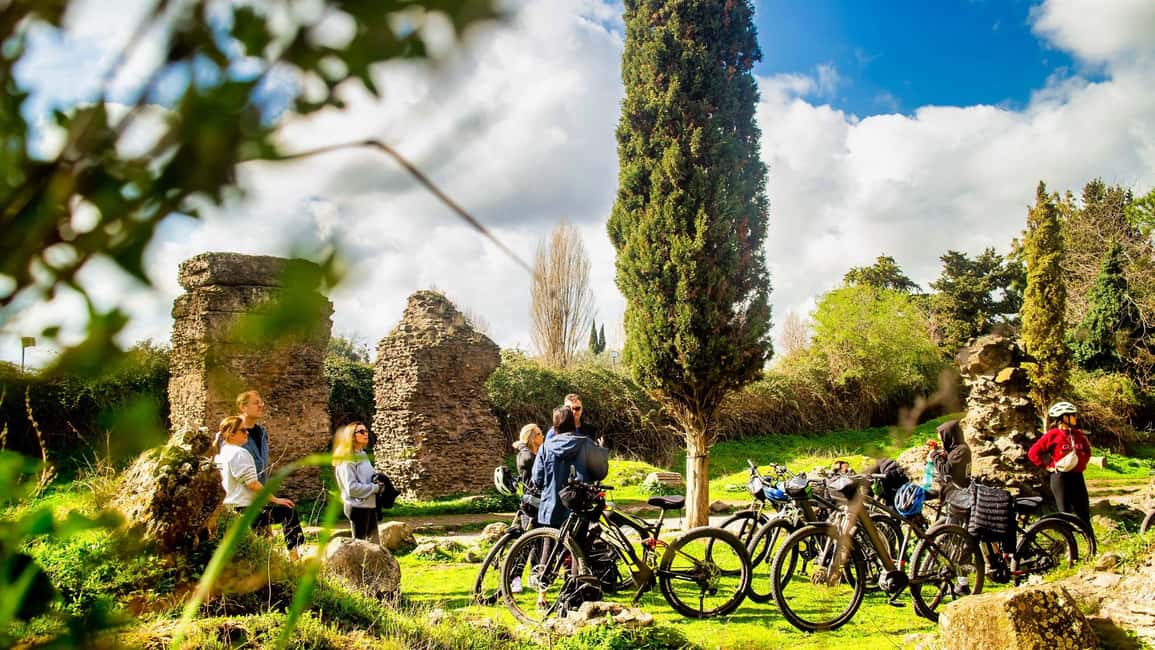
- Aqueduct park focus: the ride is built around the Parco degli Acquedotti and what it meant for Rome’s water.
- 5-hour option adds the Catacombs of St. Callixtus: one extra hour for a major historical detour.
- Roman meal timing matters: lunch or brunch (morning) and an aperitif (afternoon) come with the longer version.
- Guides set the tone: Alex, Paolo, Lorenzo, Ricardo, Iman, and others are consistently praised for pacing, humor, and safety checks.
Why this Appian Way ride feels different from the usual Rome day
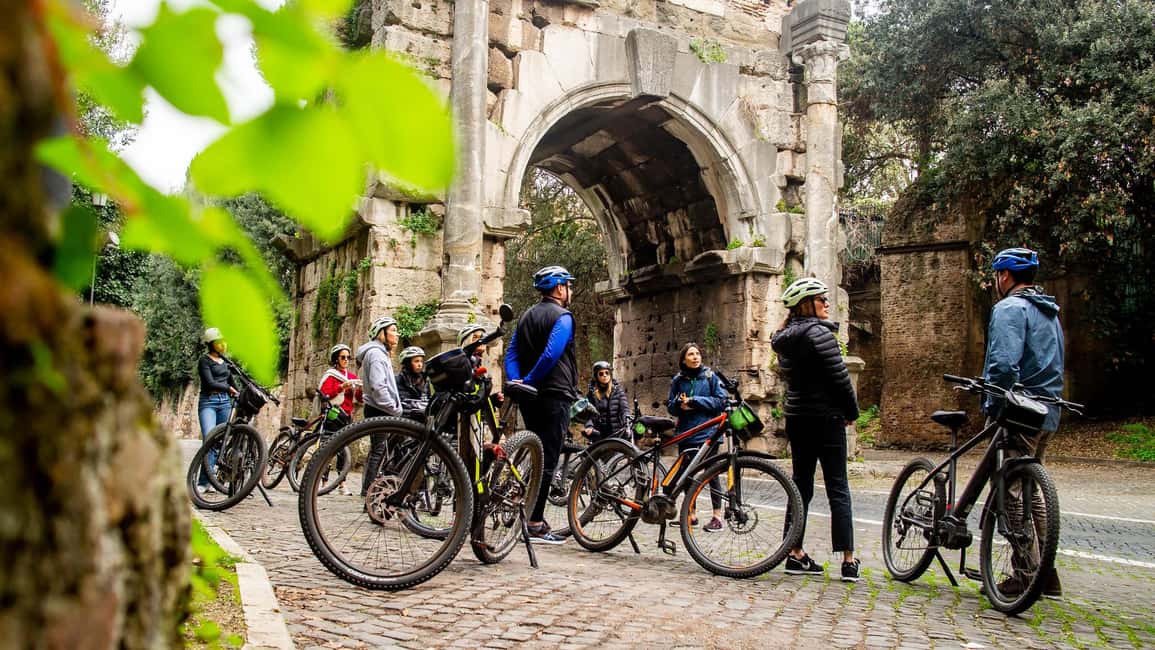
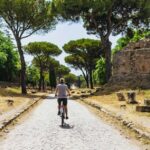
The first surprise is how quickly the “Rome crowd” disappears. You begin in an urban edge near the metro and move out toward the ancient road network and green space. That shift changes the whole vibe. Instead of standing still and craning your neck at another landmark, you’re rolling past history at human speed—stopping for photos, then pedaling on again.
The second surprise is the variety packed into a short window. The tour isn’t only about one monument. You cycle the Appian Way corridor and then layer in aqueducts, fountains, and Roman structures across the wider area around Parco degli Acquedotti. Even the “quiet stops” are doing work for your understanding of Rome, especially when a guide points out how water infrastructure shaped daily life.
If you’re visiting for a week or two and you’re already seeing the big icons, this is a smart counterweight. You get ancient Rome plus open air, with a rhythm that feels more like exploring than checking boxes.
You can also read our reviews of more cycling tours in Rome
Where you meet and how the tour starts smoothly
You’ll meet at Roma STARBIKE, about 0.03 miles from the Colosseo metro station (Line B), next to a Carrefour. The meetup is close enough that you can plan your day without building your whole itinerary around a long transfer.
Once you arrive, the gear setup is straightforward: you get a high-quality e-bike and a helmet, plus a phone holder so you can capture photos without juggling your device. Child seats are available (up to 25 kg), and there’s also a trailer bike option for children aged 6–10 (up to 140 cm / 4’7”). That’s a big deal for families who want everyone to keep moving at the group pace.
Porta San Sebastiano: the “Roman gate” opening scene
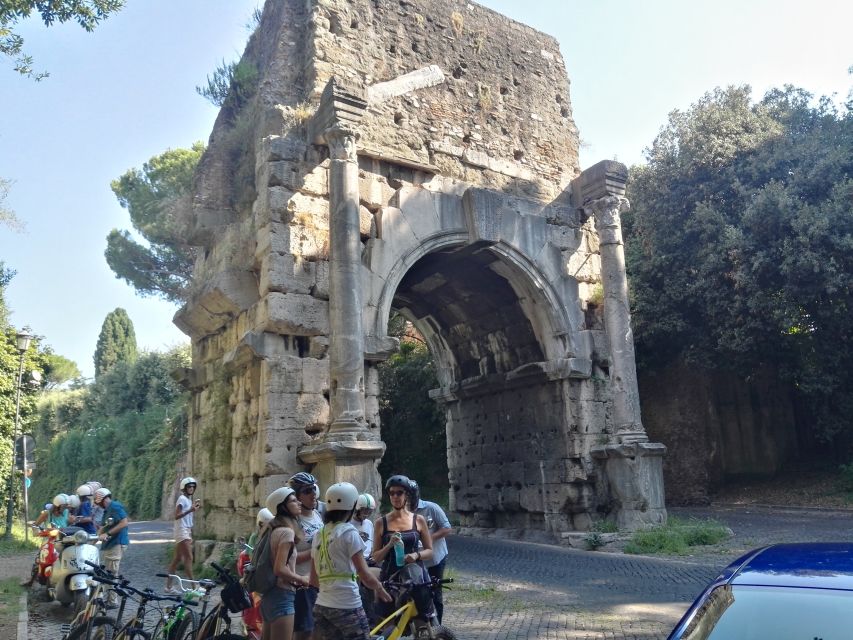
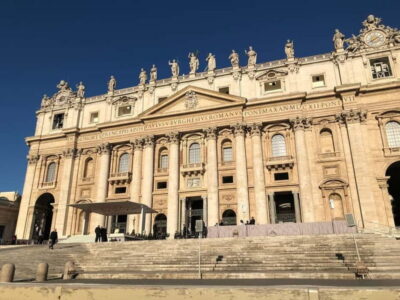
Your first big moment is the ride starting near Porta San Sebastiano. You’ll have a photo stop and guided sightseeing there (about 20 minutes total at the start). This is a useful warm-up, because it frames the day: you’re not just biking randomly through green space—you’re entering the Appian Way story from a real, Roman edge.
This first segment also helps you get comfortable on the bike before you settle into the calmer stretches. Even if you’ve never ridden an e-bike before, the assist usually makes the “start” manageable, and guides typically adjust to your comfort level.
Caffarella Park and Ninfeo di Egeria: a breather between ruins
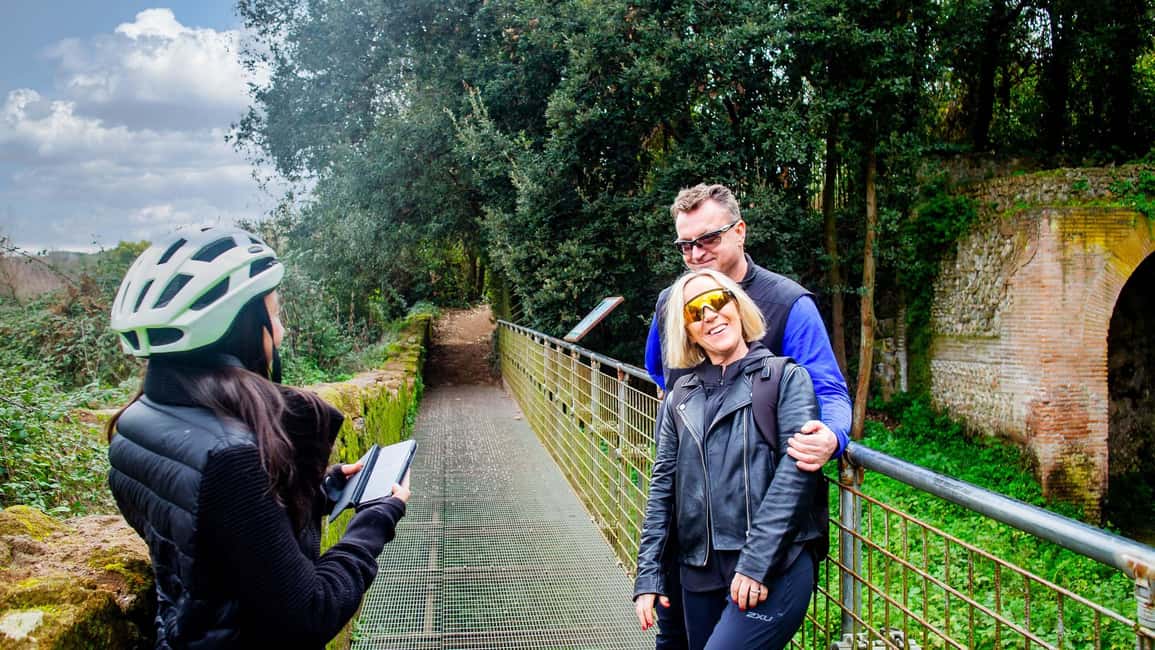
After the gate, you head into Caffarella Park. This is where the day shifts from city border to Roman countryside, with a guided visit plus plenty of time to look around (about 50 minutes). The park segment matters because it lets you experience the area as a living space, not a museum hallway.
Then you reach Ninfeo di Egeria, a classic Roman fountain stop (photo stop plus guided sightseeing, about 20 minutes). This is one of those moments where a good guide makes the place click. Instead of treating it like a decorative feature, you learn how Romans used sacred legends and real water behavior to give meaning to locations.
One small but practical tip: this is the part of the tour where you’ll want to notice how your seat and posture feel. Several people noted comfort is good overall, but you may want to bring comfortable clothes and be ready for longer sitting on any bike ride.
Parco degli Acquedotti: where Rome’s water story becomes visible
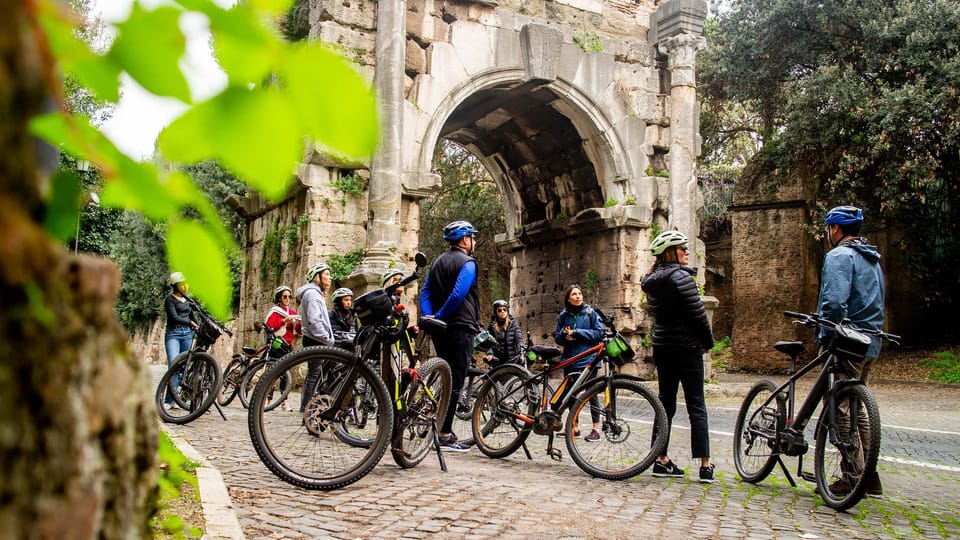
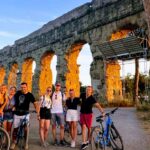
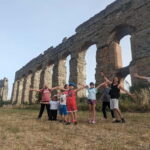
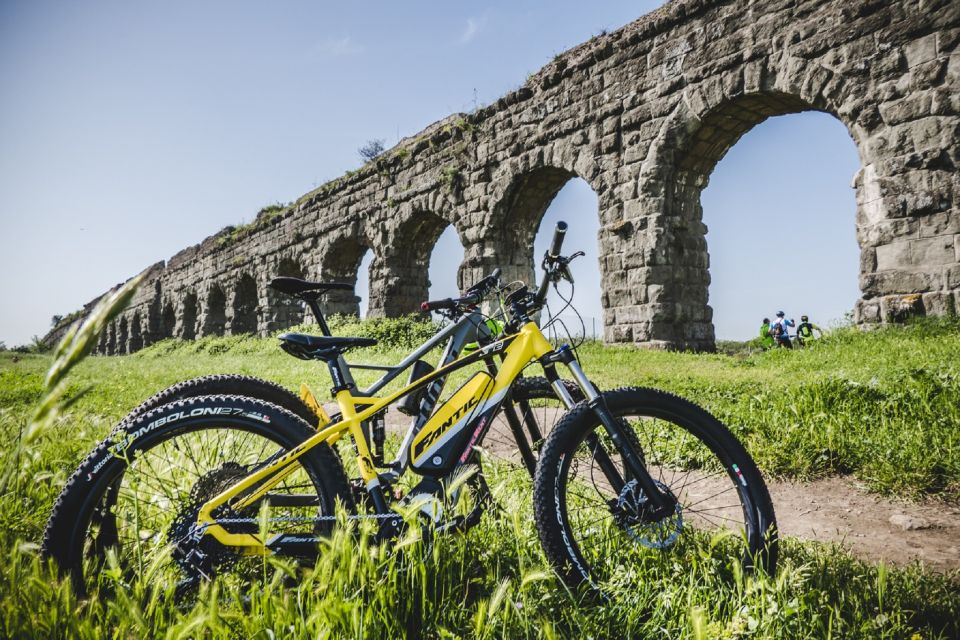
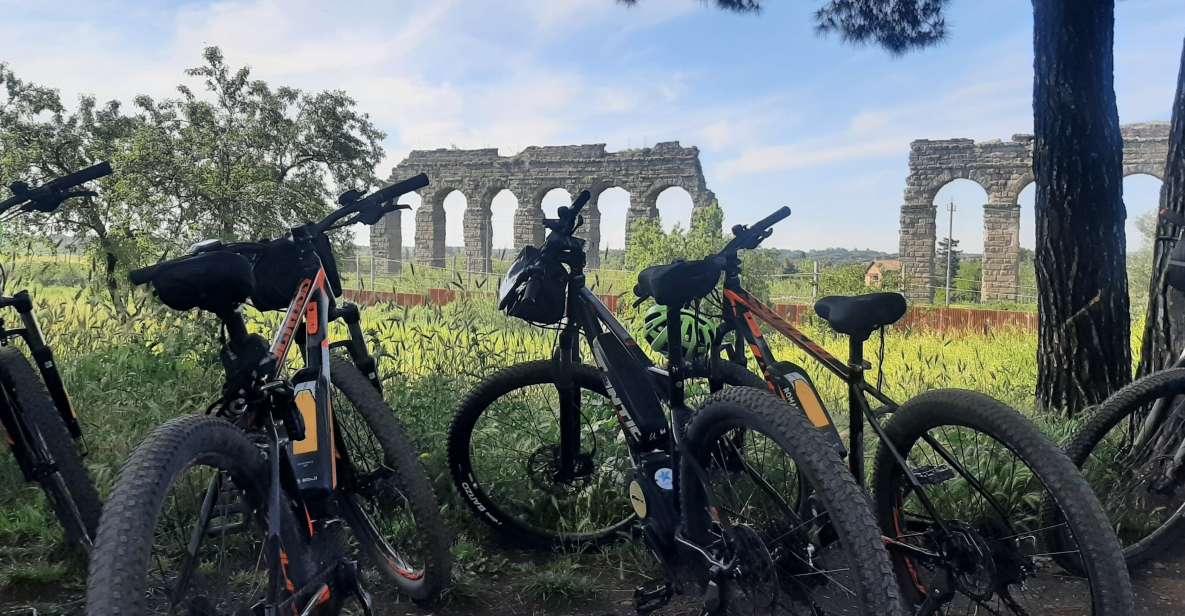
This is the tour’s core theme. You’ll spend about an hour at Parco degli Acquedotti, with bike time, photo stops, and guided explanation. This park isn’t just scenery. It’s part of an important biological corridor inside the city center and it tells the tale of water in Rome—through engineering.
Here’s why it hits: the park sits at a place where six ancient Roman aqueducts converge. When you see the aqueduct structures and their water-system context, you understand Rome differently. Water wasn’t just convenience—it was power, public health, and Roman ambition in stone.
Even if you’ve seen aqueducts in photos before, the “standing near it” effect is real. And biking alongside the structures (instead of only viewing from a distance) gives you angles and context you can’t get from a standard walk.
You can also read our reviews of more tours and experiences in Rome
Villa dei Quintili to Baths of Caracalla: rolling through major Roman remains
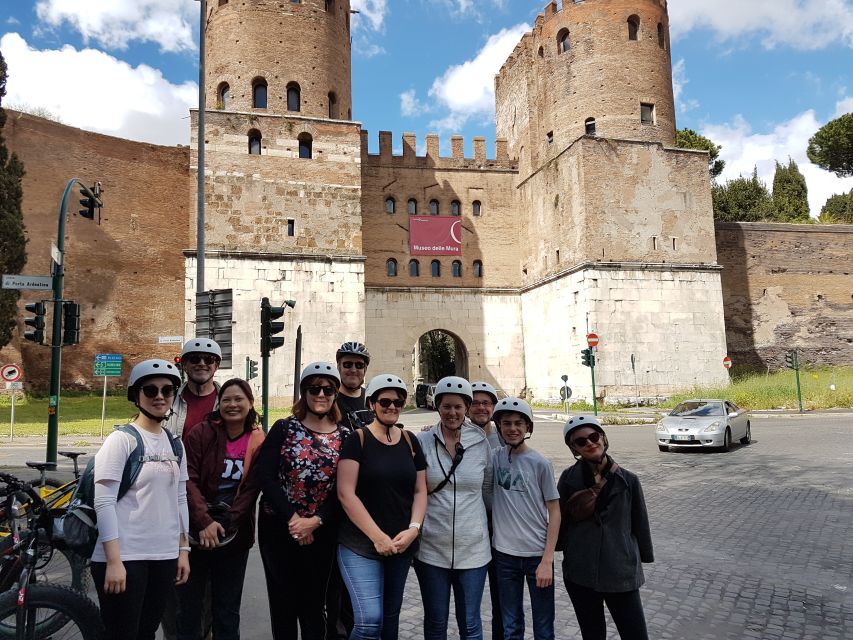
The route keeps stacking up memorable stops. Here’s the flow of the classic sightseeing sequence:
- Villa dei Quintili (about 20 minutes): you’ll pause for photos and guided context.
- Tomb of Cecilia Metella (about 25 minutes): another big roadside landmark that works well as a visual anchor.
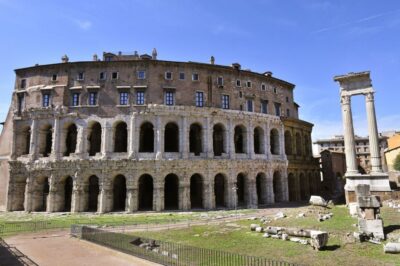
- Circus of Maxentius (about 25 minutes): a reminder that Rome wasn’t only about temples—it hosted spectacle and crowds.
- Baths of Caracalla (about 20 minutes): you get to see the scale of Roman life support, not just warfare or politics.
Because you’re on an e-bike, you move between these points without wasting time in the “walk and sweat” trap. That’s part of the value: the ride is an efficient way to connect multiple anchors across the broader corridor.
Catacombs of St. Callixtus: the big 5-hour option detour
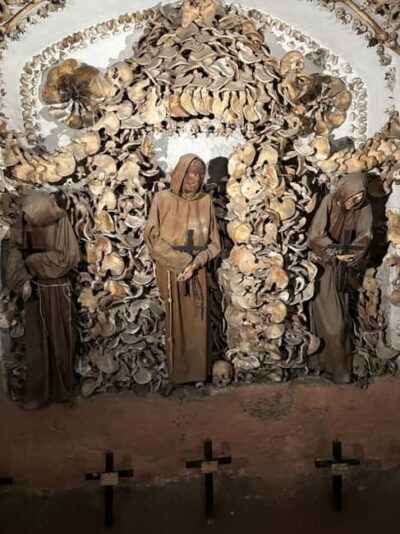
If you choose the 5-hour version, you add the Catacombs of St. Callixtus. It’s about a one-hour guided visit, and it connects to the larger Callistian complex—an area between the Via Appia Antica, Via Ardeatina, and Via delle Sette Chiese with multiple funerary spaces and catacombs.
Why it’s worth considering: it adds a very different tone to the day. You go from sunlit aqueduct ruins to underground burial history, and your guide can make those contrasts feel connected rather than random.
One practical note: catacombs require mental readiness for enclosed spaces. The tour format gives you the time block you need, but it’s not the same as an outdoor ruin. If you get uncomfortable in tight or dark settings, this option may feel like a lot.
Lunch or aperitif: how the longer tour keeps you fed
The 4–5 hour format can include a snack-brunch or aperitif depending on the time slot, but the key difference is that the longer version includes a proper meal. In the 5-hour version, you’ll enjoy traditional Roman cuisine at a restaurant in the Parco degli Acquedotti area for the morning tour, or an aperitif for the afternoon tour.
What I’d expect from that meal experience, based on what people consistently highlight: it’s meant to be relaxing and away from the worst crowds. Some people have praised the pasta and called it one of the better meals they had in Rome, while a few said it wasn’t their best Italian food. So think of the meal as a well-timed reset more than a top-tier foodie flex.
If you’re booking the 5-hour option mainly for the catacombs, that lunch/aperitif is a smart bonus that reduces decision fatigue later in the day.
How hard is the ride really? Roads, bumps, and traffic
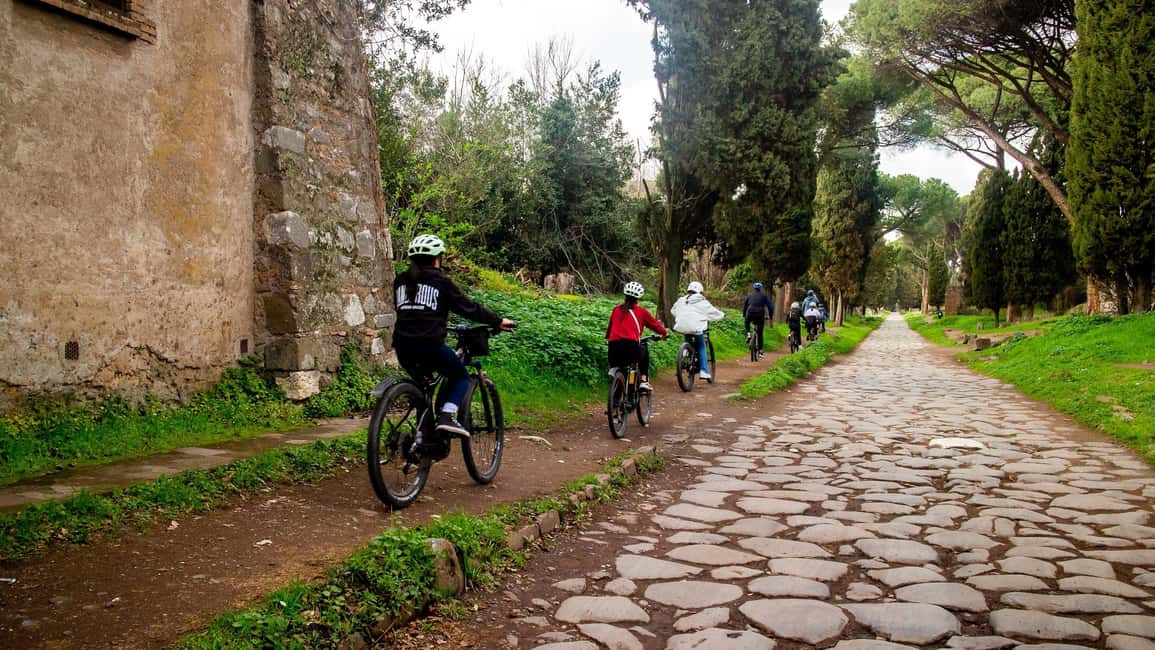
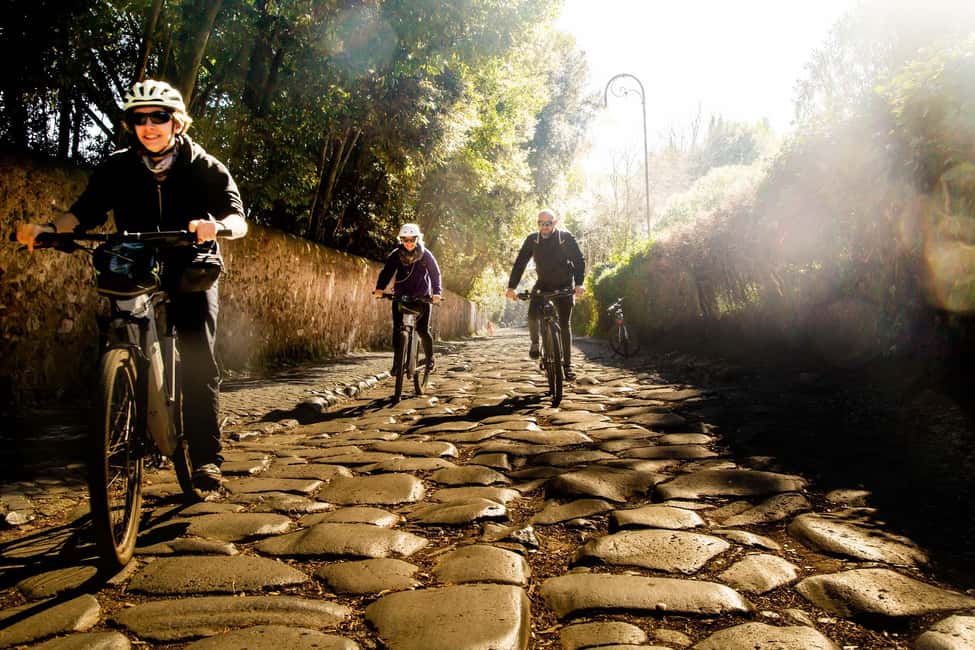
This is an e-bike tour, so you’re not expected to conquer hills the way you would on a standard bike. Still, you’re riding on real surfaces. People describe the route as a mix of ancient roads and park paths, which means you can expect bumps. Several guides and riders also note that parts near the city involve being comfortable biking alongside cars more than you might imagine.
Here’s how to think about it:
- If you’re a confident cyclist, you’ll probably find the ride smooth and fun.
- If you’re new to bikes, the e-assist helps a lot, but you should still pick this only if you’re okay with the occasional busy-road stretch.
- Weather matters. In rain, surfaces can feel slick, and in spring some areas can be muddy. Bring comfortable clothes you don’t mind getting a bit weathered.
The good news: guides often manage the group actively. People praise guides like Alex, Paolo, and Ricardo for checking in on comfort, pacing stops, and keeping safety the priority.
Guides make the difference: who you might ride with
This tour’s reputation is strongly tied to the people leading it. Names that come up again and again include Alex and Paolo, plus Lorenzo, Ricardo, Iman, Marco, Sergio, Chris, Ava, and Recardo. The consistent pattern: guides use history as a story, not a lecture.
You’ll see this in how they time stops for photos, explain what you’re seeing at each landmark, and make room for questions. In a group setting, that matters. A great guide doesn’t just tell you facts—they help you connect the dots, from aqueduct engineering to the ancient road system to the funerary world of the catacombs.
Price and value: is $81 a good deal for what you get
At around $81 per person for 4–5 hours, you’re paying for more than a bike ride. You’re paying for:
- a guided route (so you get context, not just movement),
- a quality e-bike with safety gear,
- and, on the 5-hour version, a major paid add-on (catacombs) plus lunch or aperitif.
If you’re the type who hates spending half a day figuring out transport or piecing together multiple tickets, this price can feel fair fast. You cover several meaningful stops in one outing, and you get the “less crowded” feel that’s hard to manufacture on your own.
If you’re deciding between the 4–5 and 5-hour versions, the value is simple:
- Choose the longer option if you want Catacombs of St. Callixtus and a built-in meal.
- Choose the shorter option if you mainly want the Appian Way + aqueduct parks and prefer to keep your day open.
Who should book this (and who might not)
This tour is best for people who want Rome beyond the postcard map—especially if you love ruins but also love nature breaks. It’s a strong fit for:
- couples and solo travelers who want structure but not a stuffy pace,
- families with kids who can handle an e-bike ride (with the right setup for seating or the trailer option),
- history lovers who like their stories tied to real places.
It may not be ideal for:
- anyone who’s pregnant (it’s listed as not suitable),
- people over the 120 kg / 265 lb maximum weight,
- anyone who gets anxious about uneven ground or occasional traffic-adjacent biking.
Should you book this Appian Way e-bike tour?
I’d book it if you want an efficient, memorable way to see Roman engineering and major ruins while escaping crowds fast. The combination of Appia Antica, the aqueduct-focused Parco degli Acquedotti stops, and the option to add the Catacombs of St. Callixtus makes it a flexible day that still feels “complete.”
If you’re on the fence, choose based on your comfort level. If you’re okay with a few road moments and you bring the right clothes for your season, this is one of the best ways to experience Rome that doesn’t feel stuck in traffic or lines. And if you’re lucky enough to get a guide like Alex or Paolo, you’ll leave with stories that make those aqueduct stones and tombs mean something.
FAQ
What sights are included on the Appian Way Aqueducts bike tour?
You’ll ride along the Appian Way area and see stops such as Porta San Sebastiano, Caffarella Park, Ninfeo di Egeria, Parco degli Acquedotti, Villa dei Quintili, the Tomb of Cecilia Metella, the Circus of Maxentius, and the Baths of Caracalla. If you choose the 5-hour version, you also include a guided visit to the Catacombs of St. Callixtus.
How long is the tour, and what changes in the 5-hour option?
The tour is 4–5 hours. The 5-hour version adds the Catacombs of St. Callixtus (with a guided tour) and includes lunch or brunch for the morning option, or an aperitif for the afternoon option.
Where do we meet?
The meeting point is at Roma STARBIKE near Colosseo Metro station (Line B), about 0.03 miles away, next to the Carrefour supermarket.
Do I get an e-bike and safety gear?
Yes. The tour includes a high-quality e-bike and a helmet. You also get a mobile phone holder and a tour guide.
Is the tour family-friendly for children?
Child seats are available for children up to 25 kg, and there is a trailer bike for children aged 6–10 (up to 140 cm / 4/7 ft). This makes it possible for families to participate, assuming the child can handle the bike setup.
Are there weight or health limits?
The maximum weight is 120 kg (265 pounds). The tour is not suitable for pregnant women. Comfortable clothes are recommended, and you should consider your comfort with biking in the real conditions of the route.