REVIEW · ROME
Rome: Appian Way, Aqueducts, and Catacombs Tour
Book on GetYourGuide →Operated by Walks of Italy · Bookable on GetYourGuide
Rome has a second life underground. This tour strings together the Appian Way with the catacombs at closing-time, plus aqueduct views that feel bigger than anything inside the center. I especially like how the route pushes you out of the usual crowd grid and into real Roman surroundings, from ancient paving stones to the quiet chill below ground.
One possible drawback: the catacombs are tight, so if you get claustrophobic, you’ll want to think twice before booking.
With private air-conditioned transport, a live English guide, and a schedule built around walking when it’s calmer, it’s a smart way to see major ancient sites without spending your day stuck in lines.
In This Review
- Key highlights worth prioritizing
- Getting to Piramide: the easy start that keeps the day moving
- Appian Way walk: less crowd, more texture under your feet
- Mausoleum of Cecilia Metella: power in stone, still readable today
- Parco degli Acquedotti: stand beneath aqueducts and feel the engineering
- Catacombs at closing time: San Sebastiano or Domitilla, and why late matters
- What you should know before you go
- Two things guides commonly bring to life
- Transport, pace, and the real meaning of 195 minutes
- Price and value: what $64 buys you in the Roman countryside
- Who this tour suits best (and who should skip it)
- Quick booking checklist before you commit
- Should you book the Rome: Appian Way, Aqueducts, and Catacombs tour?
- FAQ
- Where does the tour meet?
- How long is the tour?
- What sites are included?
- Is hotel pickup included?
- What catacombs will I visit?
- Do I need to cover my shoulders and knees?
- What should I wear or bring?
- Are cameras allowed?
- Is this tour suitable for wheelchairs or mobility impairments?
- What about claustrophobia?
- Is transportation included?
Key highlights worth prioritizing
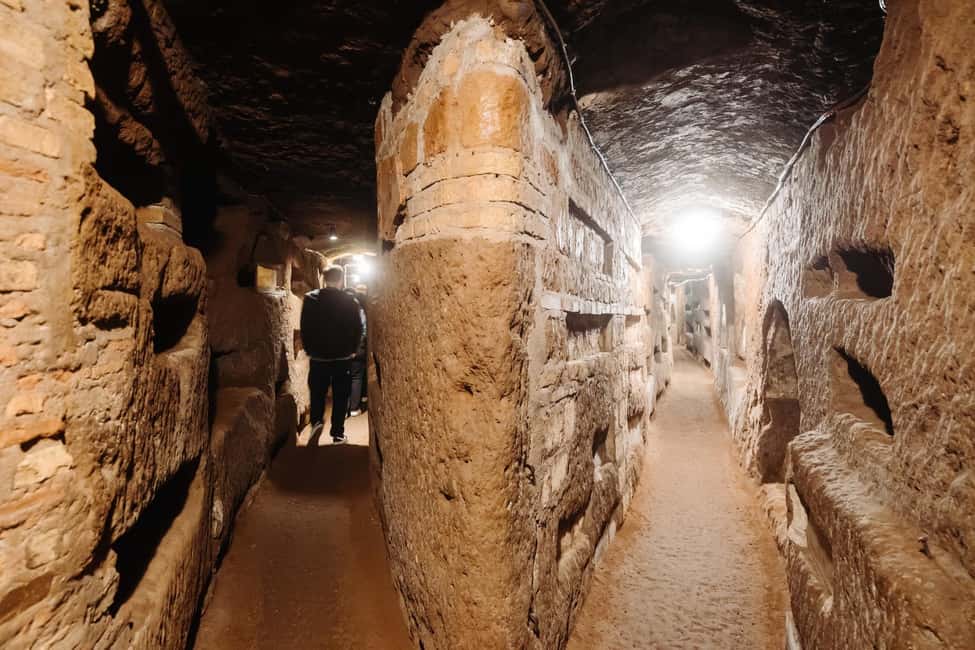
- Closing-time catacombs access: go in at day’s end for a calmer vibe
- Appian Way paving-stone walking: one of Rome’s oldest roads, still active in places
- Mausoleum of Cecilia Metella: a striking circular monument tied to power and family legacy
- Parco degli Acquedotti photo stops: aqueducts you can actually stand beneath
- Comfortable, air-conditioned transport: fewer heat-stress moments between sites
- Guides who explain with energy: from Federico to Sylvie to Antonella, the storytelling is a big part
Getting to Piramide: the easy start that keeps the day moving
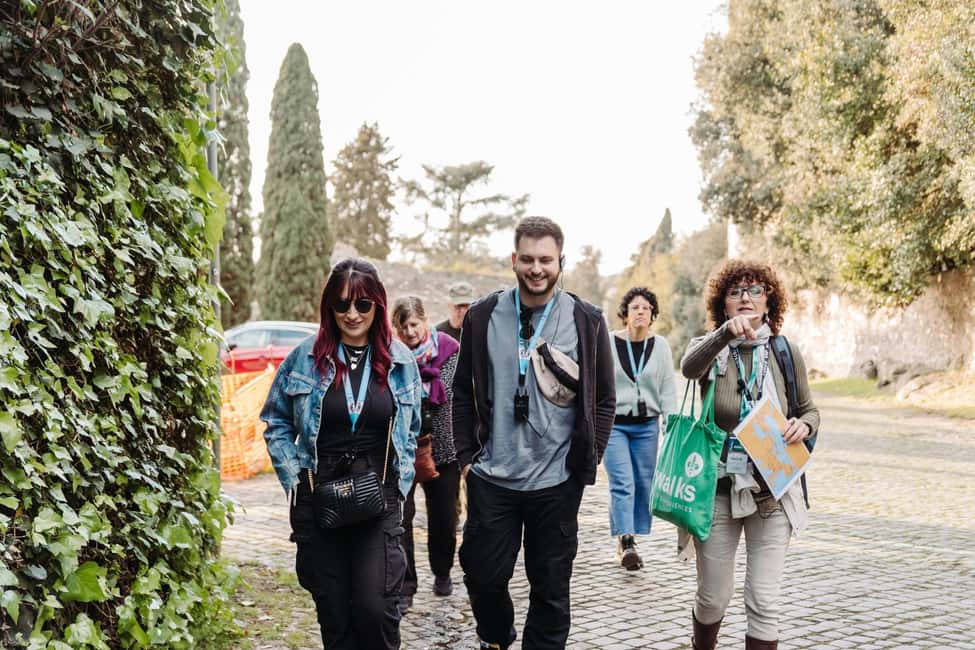
Your day begins at Piramide metro station, across from Piazzale Ostiense. Arrive about 15 minutes early so your guide can check your group and get you moving. If you’re using a taxi, make sure the ride brings you to the Metro Piramide area, not some nearby drop-off that’s close but wrong.
This setup matters more than you might think. When a tour starts outside the center, you trade a bit of transit time for a lot less crowd friction later. In practice, that’s what helps this route feel like a true change of pace: you’re not just hopping between landmarks, you’re getting out into the landscape where the Roman stories actually happened.
You can also read our reviews of more tours and experiences in Rome.

Appian Way walk: less crowd, more texture under your feet
The Appian Way is one of those sites that sounds famous until you step onto it. Then you feel it. You walk on old paving stones—uneven in places, with the kind of surface that makes you slow down and actually look. One review noted the roads can be bumpy, and that’s real-world Rome: bring comfortable walking shoes and expect a bit of shake.
This stop is also a smart “warm-up” for what comes next. As you follow the road, you understand the Roman mindset: move people and goods efficiently, build infrastructure, and make it last. It’s not a museum floor. It’s a working landscape. And yes, it can look surprisingly like an active road, which some people find unexpected in a good way.
What to watch for while walking: roadside traces of tombs, worn stone edges, and the general corridor feeling of the Via Appia—this long, straight logic Romans were so good at. You’re also getting your first Rome-history context before the tomb monument and aqueduct engineering hits.
Mausoleum of Cecilia Metella: power in stone, still readable today
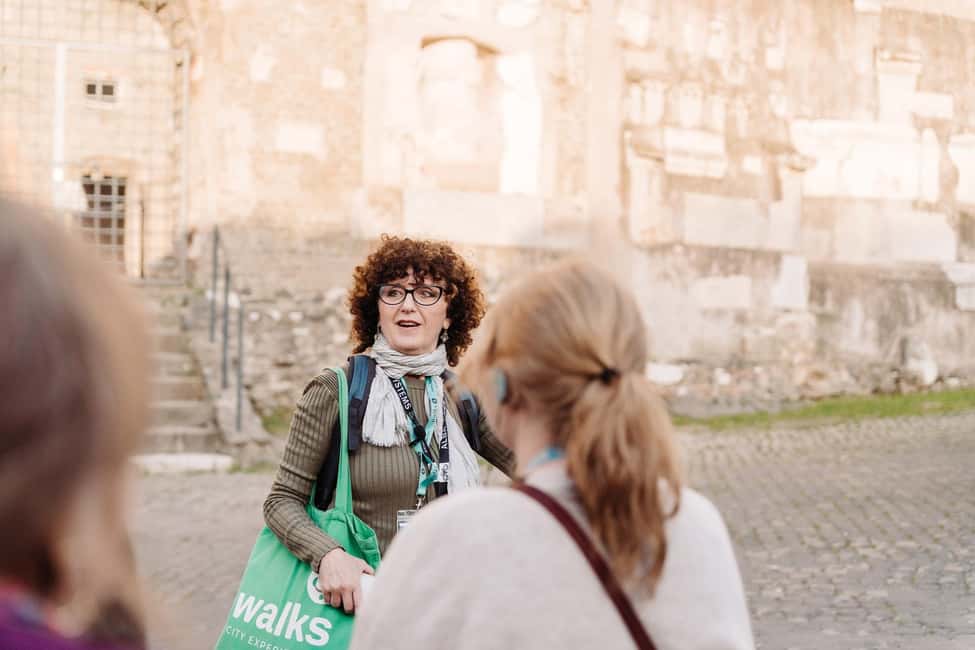
Next comes the Mausoleo di Cecilia Metella, a major photo stop and guided visit. The monument is circular and monumental in a way that’s hard to reduce to a single label. It reads as wealth, status, and family influence—built to be seen, built to endure.
This is one of those stops where a guide can make the difference between seeing a shape and understanding why it exists. Reviews repeatedly praise guides—like Federico—for turning early Roman history into something you can picture, not just memorize. Even if you’re not chasing a list of facts, you’ll likely catch the bigger point: in ancient Rome, architecture was political.
Potential drawback here: depending on the day and lighting, the monument can be mostly about exterior views and the story tied to its presence. If you’re hoping for lots of inside access, this isn’t that kind of stop. The value is in context and the visual impact.
Parco degli Acquedotti: stand beneath aqueducts and feel the engineering
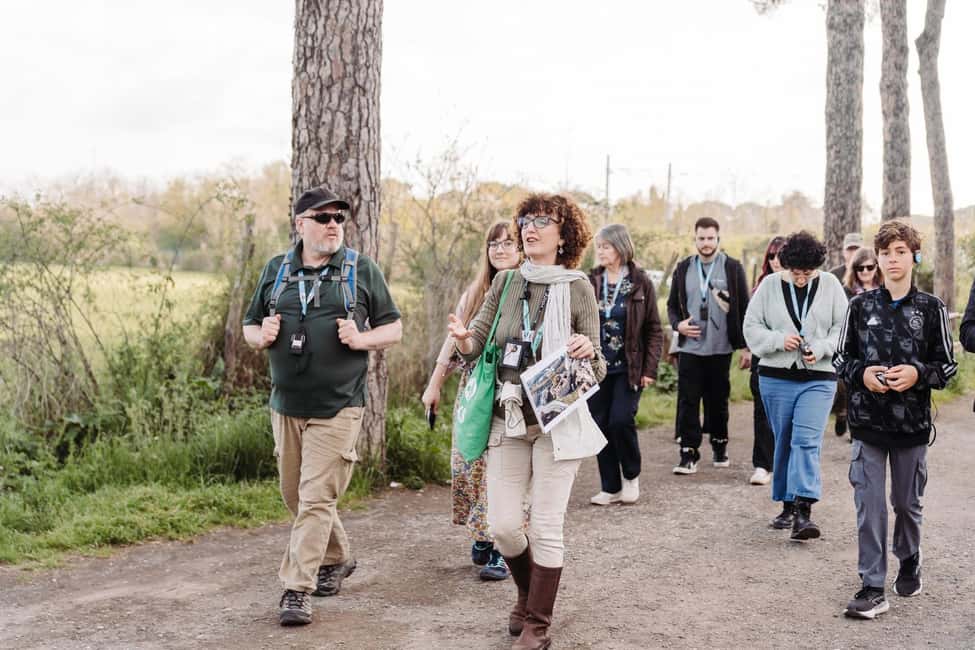
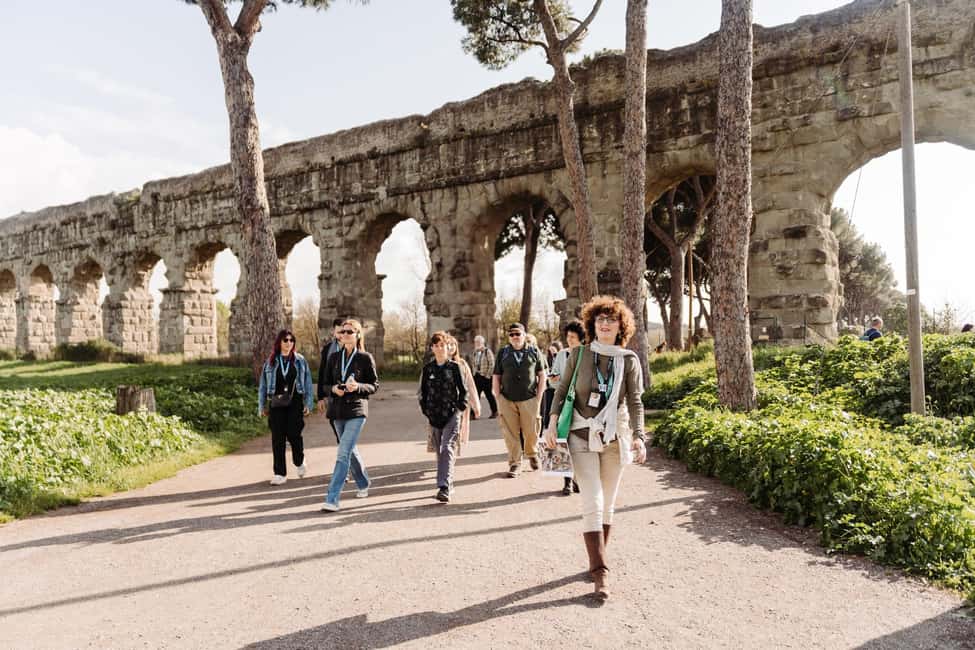
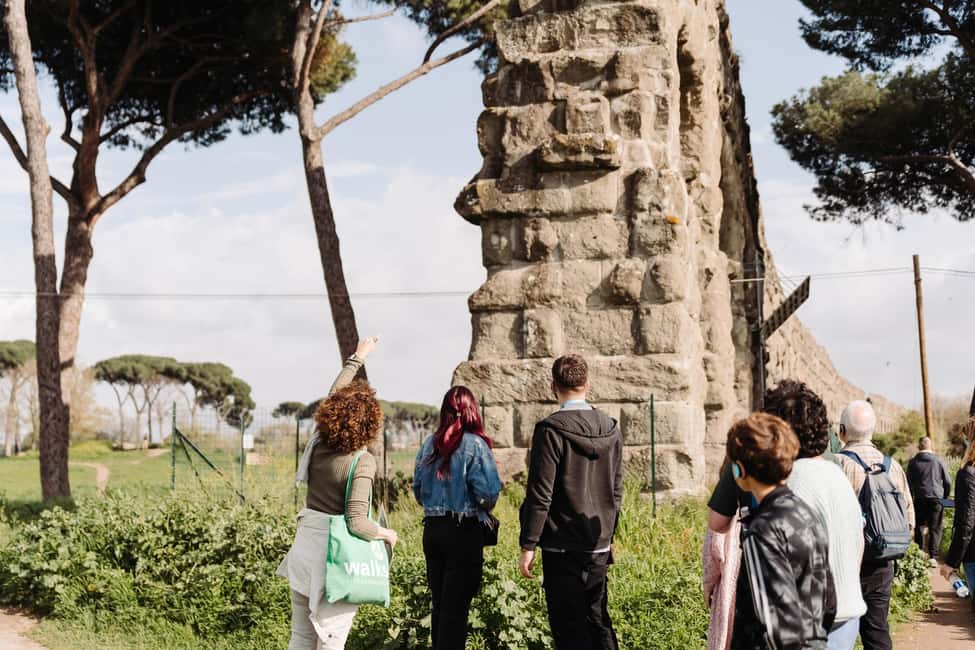
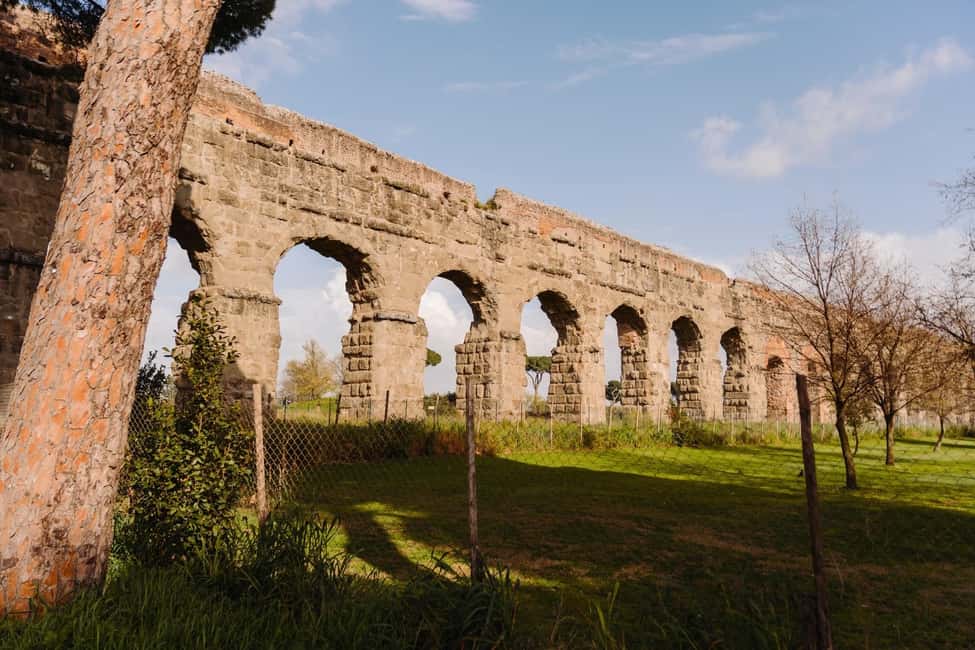
Then you shift into Parco degli Acquedotti, where the aqueducts start to dominate your sense of scale. This is a favorite stop for many people because it’s not just looking at ruins; it’s standing in the same kind of open, grassy-air setting where you can see how the system worked in real space.
You’ll get time for walking and guided explanation while you’re in the park. Reviews often mention the aqueducts as the top highlight, and I get it. Aqueducts are Rome’s quiet superpower: they solved daily life with long-distance planning and masonry precision. When you’re under their remains, the Roman engineering stops being abstract.
A practical tip: the tour includes walking, and in summer the heat can be intense. One review mentioned a day around 36° and praised the guide for getting shade when possible. Wear sun protection, drink water between stops when you can, and dress for warm weather even if you’re also heading into cooler underground spaces later.
Catacombs at closing time: San Sebastiano or Domitilla, and why late matters
The catacombs are the star, and doing them at closing time is the smart twist. Going late reduces the sense of being herded. The underground spaces get quieter, and the atmosphere turns from busy attraction to real historical place.
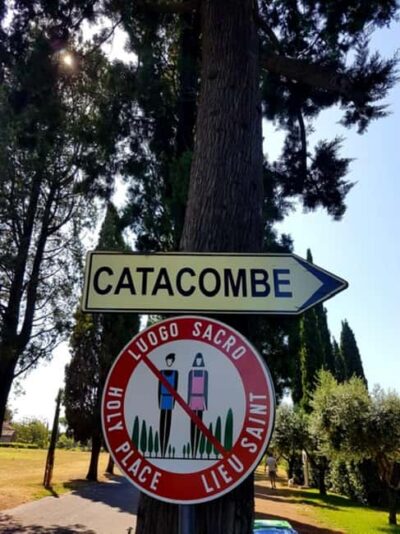
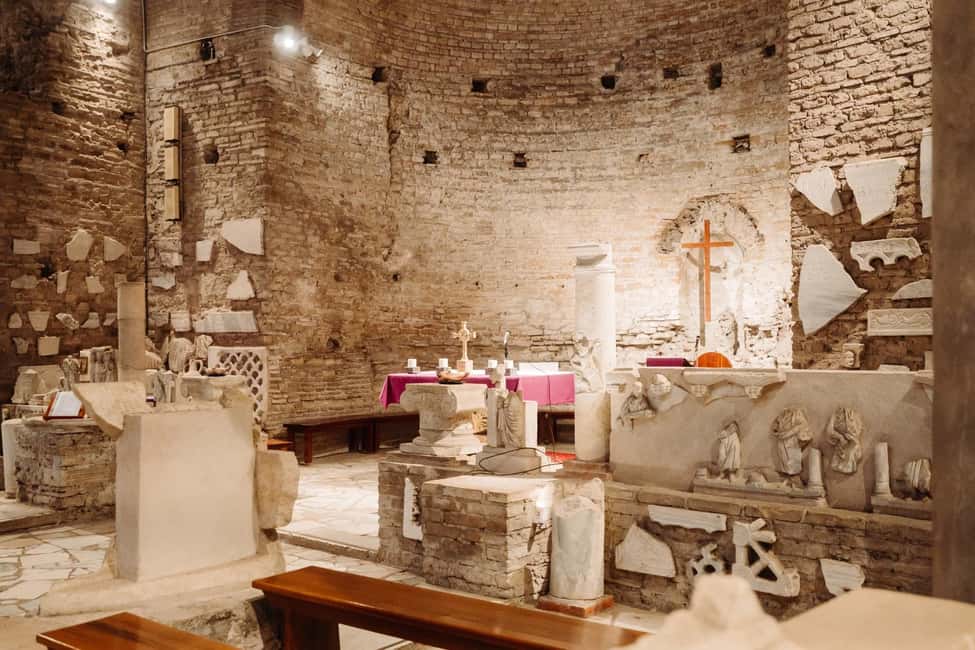
This part visits the Catacombs of San Sebastiano or Domitilla depending on the day. Expect guided storytelling through tunnels and burial areas with early Christian burial history and frescoes. Reviews mention the catacombs can feel creepy in a good way, which is exactly the point. Rome’s underworld isn’t about spooky theatrics; it’s about people using the space they had.



What you should know before you go
- No photography inside the catacombs. If you love documentation, plan to photograph the entrances and above-ground stops, not the underground interiors.
- Dress rules are strict because it’s religious space. You’ll need shoulders and knees covered. The tour advises bringing long pants and long-sleeved shirts, and you can bring extra covering like scarves to put on before you enter.
- It’s not stroller-friendly and not mobility-friendly. The tight nature makes it unsuitable for wheelchairs and also not a fit for people with mobility impairments.
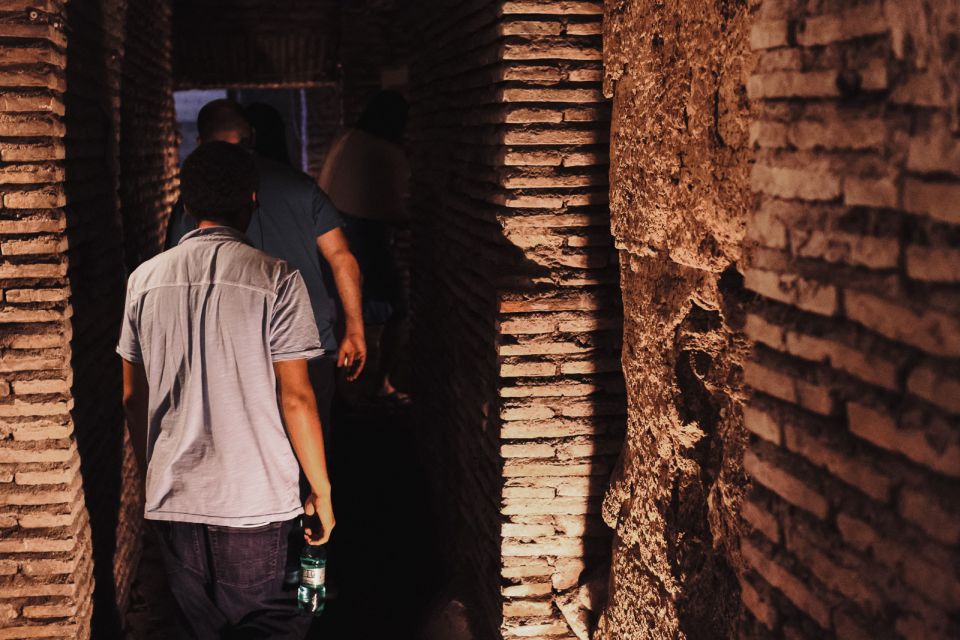
- Claustrophobia is a real concern. One of the most important considerations for this tour is that the tunnels are narrow and close.
Also, a few reviews add useful nuance: the catacombs here aren’t like some popular European catacomb experiences where you see lots of exposed bones. Instead, the interest is in the burial system, frescoes, and the way the site tells the early Christian story.
Two things guides commonly bring to life
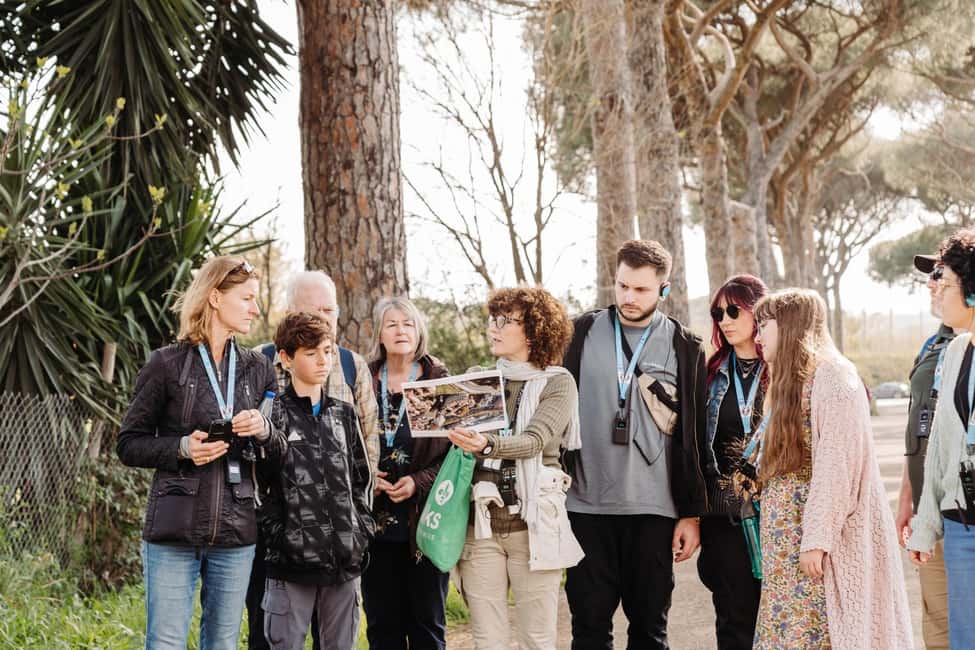
First, the contrast between Rome’s grand above-ground monument culture and the human scale underground. Second, the way your guide frames the burials so you see it as community history, not just a tunnel maze. Reviews specifically call out guides like Paris and Antonella for making the mindset of early Romans and early Christians easier to understand.
Transport, pace, and the real meaning of 195 minutes
On paper, the time looks simple: a bit of walking at each stop, plus transfers between them. In real life, the pacing is what helps this day work.
You’ll do shorter walks at the Appian Way and Cecilia Metella (about half an hour each), then spend more time where it pays off: around 45 minutes in the aqueduct park, and about 80 minutes in the catacombs. Between sites, you travel by private air-conditioned transport. Reviews frequently mention comfortable vehicles, and one even praised the transport score where 87% of reviewers gave it a perfect score.
Also note the practical pacing: this is not a marathon. People describe it as not too strenuous, and the walks are paced so you can keep up without feeling like you’re always hurrying. Still, you should be able to walk at a moderate pace without difficulty.
If you’re sensitive to the summer heat, the transport is a relief between outdoor stops and the catacombs’ cooler interior. That cooling effect shows up again and again in reviews as a welcome break during hot months.
Price and value: what $64 buys you in the Roman countryside
At $64 per person for about 3 hours 15 minutes, this tour sits in that sweet spot where it can feel either like a bargain or a splurge depending on what you compare it to. The value comes from three parts:
- Multiple major sites in one route: Appian Way, Cecilia Metella, aqueduct park, and catacombs.
- Expert guide time: you’re not just traveling—you’re getting interpretation during key segments. Guides repeatedly get praise for energy and for answering questions clearly. Names that came up often include Federico, Sylvie, Antonella, Chiara B, and Annalise.
- Private air-conditioned transport: getting out to the aqueduct park and catacombs is easier with comfort than trying to piece it together on your own while managing heat and timing.
Would you spend less if you DIY with buses? Probably on the ticket line. But DIY rarely protects you from the main costs: confusion about timing, wasted walking between transit points, and the risk you end up arriving when the sites are too busy or too late for that quieter closing-time feel.
For people who want big ancient Rome scale without a day-long ordeal, this is priced like a practical solution.
Who this tour suits best (and who should skip it)
This tour is a good fit if you:
- Want the Appian Way and aqueducts without fighting the usual crowds in central Rome
- Like guided context, especially for early Roman and early Christian history
- Prefer a calmer underground experience by going late in the day
- Are comfortable walking moderate distances on outdoor stone paths
It’s not a good fit if you:
- Use a wheelchair or need accommodations for mobility impairments
- Have claustrophobia due to the tight catacomb tunnels
- Don’t want strict religious-space dress rules (shoulders and knees covered)
Also, if your priority is lots of hands-on photo time, remember: cameras are not allowed inside the catacombs.
Quick booking checklist before you commit
Before you book, double-check these basics so the day feels smooth:
- Pack long pants and a long-sleeved shirt (or plan extra covering for shoulders and knees)
- Leave your photography plans for above-ground stops since no photos inside
- Wear shoes ready for uneven surfaces
- Bring a layer if you get cold easily underground (many people find the shift from hot outdoors to cooler catacombs noticeable)
One small detail from reviews: some people found the gift shop closed when they exited. If you like buying a book for reading later, consider carrying one small note into your planning so you’re not disappointed if retail hours don’t match your timing.
Should you book the Rome: Appian Way, Aqueducts, and Catacombs tour?
I’d book it if you want three things at once: historic scale, a real sense of place outside the center, and a catacomb visit that feels calmer because it’s timed at closing. This is the kind of tour that makes Rome feel bigger than one crowded neighborhood.
Skip it if you’re uncomfortable with tight spaces, need accessibility accommodations, or can’t meet the shoulders-and-knees dress requirements. In those cases, you’ll likely enjoy a different Rome underground option that fits your comfort level better.
If you fall into the first group, this is a strong way to spend a few hours: ancient road under your feet, aqueducts towering overhead, and then the quiet underground world—before the day crowds fully disappear.
FAQ
Where does the tour meet?
The meeting point is in front of the Piramide metro station, across from Piazzale Ostiense. Arrive about 15 minutes early.
How long is the tour?
The duration is 195 minutes.
What sites are included?
You’ll visit the Appian Way, the Mausoleum of Cecilia Metella, Parco degli Acquedotti (aqueduct area), and the Catacombs of San Sebastiano or Domitilla depending on the day.
Is hotel pickup included?
No. Hotel pickup and drop-off are not included.
What catacombs will I visit?
You’ll visit San Sebastiano or Domitilla, depending on which day you go.
Do I need to cover my shoulders and knees?
Yes. Because it’s a religious site, all individuals must cover shoulders and knees. The tour suggests bringing extra covering like a scarf.
What should I wear or bring?
Bring long pants and a long-sleeved shirt.
Are cameras allowed?
Photography is not allowed inside the catacombs. The tour also lists cameras under what’s not allowed.
Is this tour suitable for wheelchairs or mobility impairments?
No. It is not suitable for guests with mobility impairments or wheelchairs.
What about claustrophobia?
This tour visits tight catacomb tunnels, so it may not be suitable for guests with claustrophobia.
Is transportation included?
Yes. The tour includes private, air-conditioned transport between stops.