REVIEW · ROME
National Museum of Palazzo Massimo: 2-Hour Private Tour
Book on GetYourGuide →Operated by Rome Guides · Bookable on GetYourGuide
Rome can feel complicated. This tour makes it click fast.
I love the mix of everyday details and big art here, especially the ancient calendars from Praeneste and Anzio that show how Romans measured life. I also like how the route highlights famous works in a smart order, from the Boxer at Rest to the Sarcophagus of Portonaccio. A small consideration: the museum tour is only two hours, so it’s not a marathon of every room—just the best hits.
The standouts keep stacking up once you’re inside. I like the way Villa of Livia frescoes and the marble gods (Roman and Greek) help you see how art worked like messaging—identity, status, and belief all in one place. In the past, guides such as Vincenzo have brought these objects to life with lively explanations that make the details easier to remember.
One more heads-up before you go: luggage or large bags aren’t allowed, so travel light. If you’ve got a big day pack, consider leaving extra stuff behind so the start of the tour stays stress-free.
In This Review
- Key highlights you’ll notice right away
- National Museum of Palazzo Massimo: what you’re seeing in 2 hours
- Meeting your guide and settling in fast
- Ancient calendars from Praeneste and Anzio: timekeeping Rome style
- The Boxer at Rest: why this statue still hits hard
- Villa of Livia frescoes: how homes told political stories
- Marble gods and heroic portrait culture
- Sarcophagus of Portonaccio: battle scenes and the meaning of honoring the dead
- Price and value: is $130.28 per person worth it?
- Who this private tour suits best
- Small practical notes so your visit goes smoothly
- Should you book this National Museum of Palazzo Massimo tour?
- FAQ
- How long is the private tour at the National Museum of Palazzo Massimo?
- What languages does the live guide speak?
- Is this tour a private group?
- What is included in the price?
- What isn’t included?
- What should I bring, especially for children?
- What items are not allowed during the tour?
- Where do we meet, and how early should we arrive?
- FAQ (quick weather and cancellation)
- Does the tour run if it rains?
- What’s the cancellation window?
Key highlights you’ll notice right away
- Ancient timekeeping: the calendars from Praeneste and Anzio, with dates that feel practical, not just academic
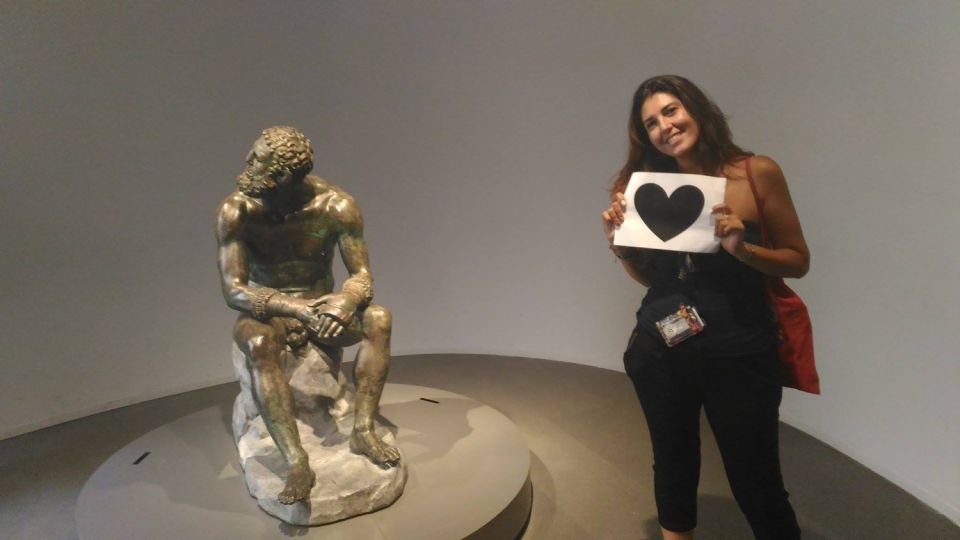
- The Boxer at Rest: a standout statue stop that anchors the tour’s art-to-life connection
- Villa of Livia frescoes: house decoration that reflects politics and power
- Roman and Greek gods in marble: a guided look at how cultures mixed and how Romans used myth
- Sarcophagus of Portonaccio: a battle scene plus the meaning of honoring the dead
National Museum of Palazzo Massimo: what you’re seeing in 2 hours
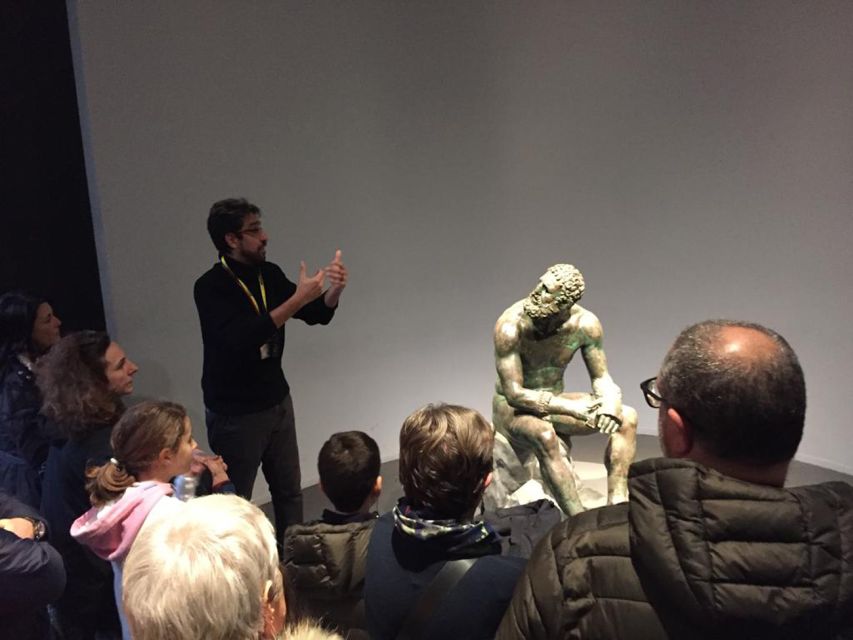
The National Museum of Palazzo Massimo is one of those places where a short visit can still feel satisfying, if you have the right guide. This private, English-speaking tour is built for that exact goal: make ancient Roman life readable, not just “look at statues.”
In two hours you’ll move from public life to private life. You’ll see how Romans handled time, hero stories, home decoration, and religious habits. You’ll also hit a few museum crowd magnets, but with context that helps you understand why they mattered.
You can also read our reviews of more private tours in Rome
Meeting your guide and settling in fast
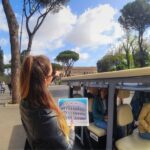
Plan to arrive about 15 minutes early. Your guide will wait in front of the museum entrance holding a sign with the tour name, and tickets get distributed at the start of the activity. That early arrival matters because it keeps the timing smooth and lets you walk in together rather than hunting for each other.
This is a private group, so it doesn’t feel like you’re being shepherded through rooms at the speed of a large crowd. It’s also rain or shine, so bring your weather gear and let the guide do the work of keeping the visit focused.
Ancient calendars from Praeneste and Anzio: timekeeping Rome style
One of my favorite stops on this tour concept is the ancient calendar material from Praeneste and Anzio. Calendars are easy to ignore when you’re touring—dates sound dry. But when you connect them to public rituals, civic identity, and daily planning, they stop being boring fast.
Your guide will point you toward how Romans used calendars as tools for organizing the world. Think beyond “what day is it.” Here you’re learning how a society built routine around religious observances and civic rhythm. Seeing these objects in a museum setting makes the idea tangible: time wasn’t abstract in Rome, it was built into institutions.
Practical tip: even if you don’t read Latin inscriptions (and most people won’t), you’ll still get value. You can focus on how the calendar pieces are presented, what they indicate, and what your guide connects them to in terms of Roman life.
The Boxer at Rest: why this statue still hits hard
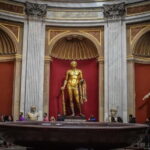
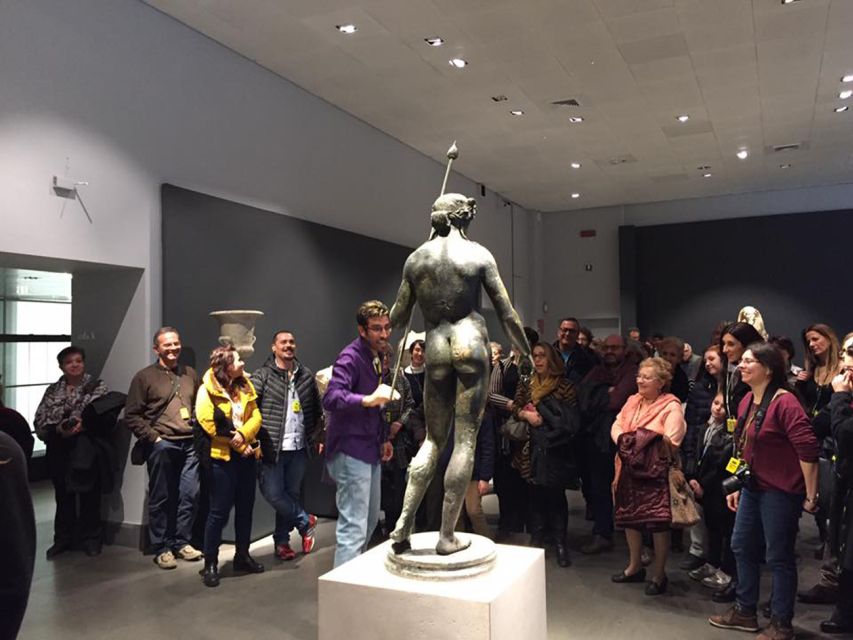
The Boxer at Rest is the kind of sculpture that can steal the show, even if you’re not a “statue person.” On this tour, it’s not treated as a standalone photo op. It’s used as a doorway into Roman ideas about heroes, bodies, training, and public honor.
A good guide will help you notice what’s happening in the pose and expression. You’ll also get explanations about why the statue resonates as one of the most beautiful examples of ancient Rome art. It’s not just about beauty, either—it’s about how Romans (and later collectors) connected physical form with character.
This stop is one reason the tour works well for first-timers. You get a famous object quickly, then you learn how to look at it with meaning.
Villa of Livia frescoes: how homes told political stories
Roman homes weren’t only for sleeping and eating. They were stages. And the tour’s focus on frescoes from the Villa of Livia helps you see how decoration communicated who belonged in power and who understood the right cultural codes.
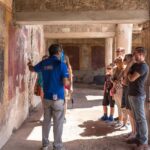
Your guide will walk you through what you’re looking at and why it mattered. Frescoes and decorative art weren’t random. They could reinforce status, echo myth or ideology, and turn a private space into a statement.
This is a great stop if you want your visit to feel lived-in. Instead of only learning about public monuments, you get a sense of how Romans shaped daily surroundings. That shift from street-level Rome to home-level Rome is one of the reasons this tour feels efficient.
You can also read our reviews of more museum experiences in Rome

Marble gods and heroic portrait culture
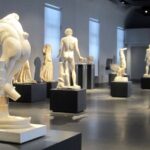
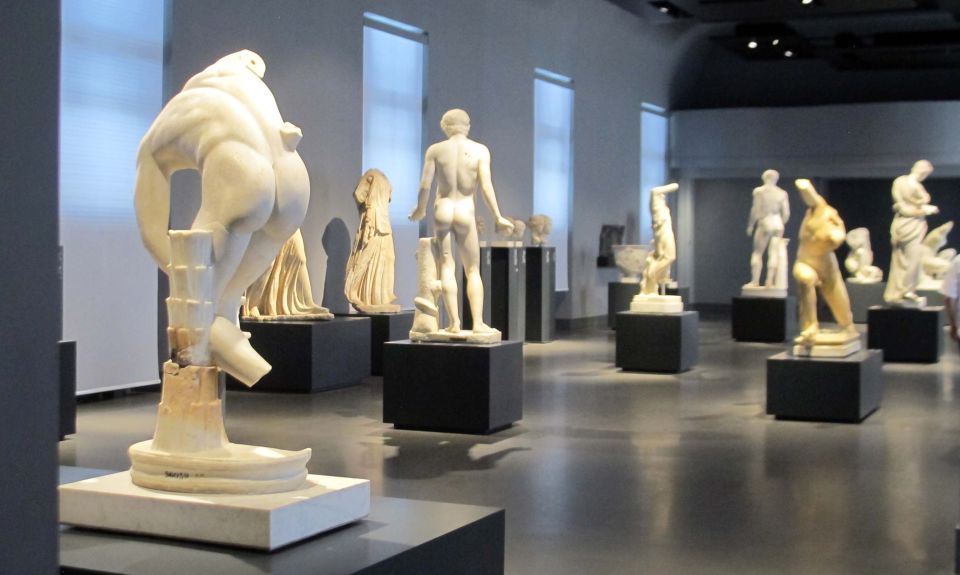
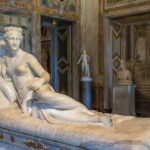
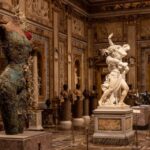
One of the promises of this museum tour is the chance to walk among marble statues of Roman and Greek gods. That’s more than a mythology moment. It’s a chance to see how Romans borrowed, adapted, and rebranded stories to fit their own worldview.
As you move through the room(s), your guide can connect myth to ritual and art style. You’ll also get an understanding of how Romans portrayed heroes—how public identity was built and repeated through art. This is where the tour’s “institutions and habits” theme clicks into place.
What I like here is the balance. You’re not only learning names. You’re learning what the images were doing for people: explaining belief, reinforcing social order, and rewarding familiarity with shared stories.
Sarcophagus of Portonaccio: battle scenes and the meaning of honoring the dead
If you want a stop that mixes drama with cultural practice, the Sarcophagus of Portonaccio delivers. The scene shows a battle, but the bigger lesson is what the object represents: the importance of venerating the deceased in Roman society.
Your guide will help you connect the artwork to the social act behind it. A sarcophagus isn’t just a container. It’s an identity marker. It says something about family, memory, and values—often in ways that feel surprisingly human.
This is also a useful stop for understanding how Roman religion and social life overlapped. Art becomes a bridge between the living and what they believed about the dead. In a short two-hour tour, this moment often becomes the emotional anchor.
Price and value: is $130.28 per person worth it?
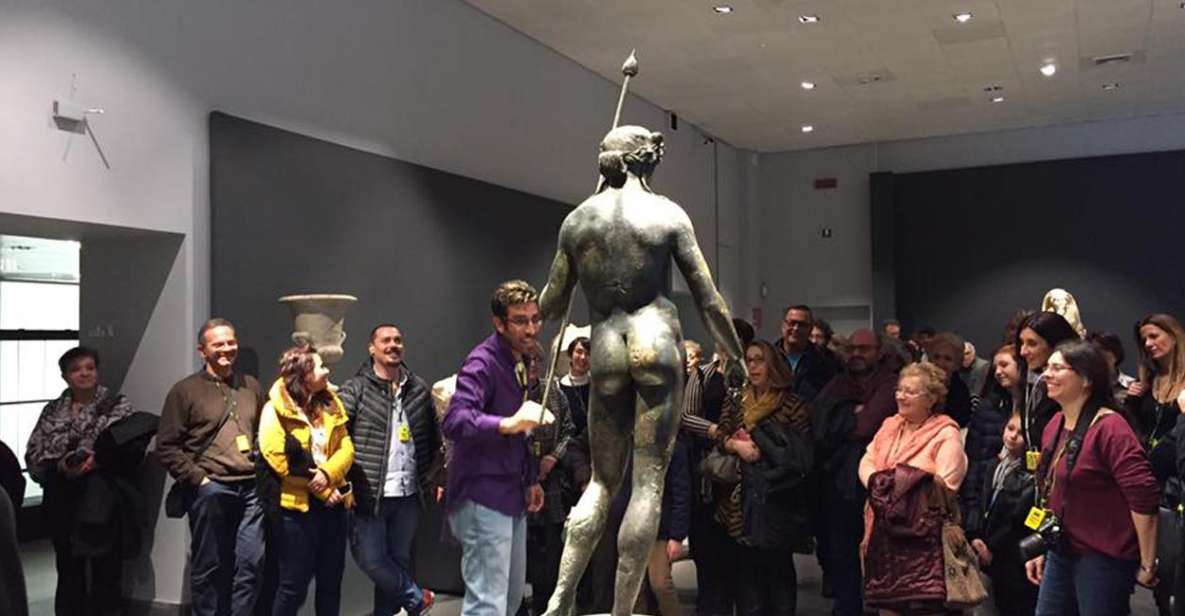
At $130.28 per person for a two-hour private tour, the value question is simple: you’re paying for time, a guide, and access to interpretation that turns museum objects into a coherent story.
If you were to do Palazzo Massimo alone, you could see the highlights. But you might miss what connects them: how calendars link to ritual, how statues connect to civic hero culture, and how domestic art connects to power and belief. This is exactly the kind of museum where a guide can save you effort. Instead of guessing what matters, you get a route and explanations that keep you oriented.
This price also makes sense because the tour is private. You’re not sharing the “best parts” of the museum with a larger group. That matters if you want to ask questions or just enjoy learning at a calmer pace.
Who this private tour suits best
I’d especially recommend this tour if you:
- Want a focused introduction to Ancient Rome without spending an entire day
- Like museums but don’t love wandering with no context
- Prefer art history explained through everyday life (timekeeping, home life, religion)
- Travel in a pair (or small group) and want a guide to tailor the pace
It can also be a smart pick if you’re short on time in Rome. Two hours is long enough to feel like you made progress, and short enough to leave room for other plans later.
Small practical notes so your visit goes smoothly
A few details can make or break the experience day-of:
- No luggage or large bags are allowed, so travel light or plan for storage elsewhere.
- Bring an ID or passport for children, since that’s specifically requested.
- The tour runs rain or shine, so dress for weather and keep your walk comfortable.
Also, since tickets get handed out at the start, arriving early helps you avoid last-minute rushing. Think of it as giving yourself permission to actually enjoy the museum instead of managing logistics.
Should you book this National Museum of Palazzo Massimo tour?
I’d book it if you want an organized, meaningful introduction to Roman life that covers both famous art and practical culture. The stop list is strong: calendars, the Boxer at Rest, Villa of Livia frescoes, marble gods, and the Sarcophagus of Portonaccio. That combination gives you more than “what the objects are.” It gives you what they were doing in Roman society.
Skip it only if you’re the type who enjoys long, unguided wandering through entire collections. This is built for a tight two-hour story, not a museum marathon.
FAQ
How long is the private tour at the National Museum of Palazzo Massimo?
It lasts 2 hours.
What languages does the live guide speak?
The guide provides a live tour in English and Italian.
Is this tour a private group?
Yes, it’s a private group.
What is included in the price?
Entry tickets, a guide, and the private tour are included.
What isn’t included?
Hotel pickup and drop off aren’t included.
What should I bring, especially for children?
You should bring a passport or ID card for children.
What items are not allowed during the tour?
Luggage or large bags are not allowed.
Where do we meet, and how early should we arrive?
Arrive 15 minutes before the activity starts. The guide will wait in front of the museum entrance holding a sign with the tour name, and tickets are distributed at the start. The tour ends back at the meeting point.
FAQ (quick weather and cancellation)
Does the tour run if it rains?
Yes, it takes place rain or shine.
What’s the cancellation window?
You can cancel up to 24 hours in advance for a full refund.