REVIEW · ROME
Rome: 1 Hour Pasta Making Class
Book on GetYourGuide →Operated by Insideat Cooking Class and Food Tour · Bookable on GetYourGuide
Your fettuccine starts at the dough. In 1.5 hours you’ll learn fresh pasta from eggs, flour, and water, then eat it with a traditional sauce and a glass of wine in a small-group class steps from the Vatican Museums. I like that the chef teaches beginners step by step, and I also like that the price covers an aperitif and a full pasta meal; the catch is you’ll need to get yourself to the meeting point since there’s no hotel pickup.
This class is based near the Vatican Museums, in the Lazio area, in a kitchen space that feels Roman rather than staged for tourists. You’ll work at your own fully equipped station, wear an apron, and spend the time actually making the pasta, not just watching.
The experience runs in a clear flow: start with a Spritz (or Prosecco or wine) plus crispy cheese and pepper chips, then move to rolling and slicing fettuccine, and finish by eating your own pasta with the chef’s traditional sauce and a drink. You can eat indoors or on the terrace, and the table is social enough to make the hour feel like part of your trip, not a quick stop.
In This Review
- Key highlights I think you’ll care about
- Why the Vatican-area location makes this class feel practical
- Finding Pummarè Restaurant (and why the stairs matter)
- The welcome drink and appetizer: Spritz plus crispy cheese chips
- Rolling fettuccine: the hands-on pasta lesson you came for
- Sauce time and the included meal (yes, you eat it right away)
- Inside or terrace dining: when you’ll feel the Roman atmosphere
- Group size, pace, and what to do with your hands
- Dietary options: how to make sure your meal fits your needs
- Taking home more than photos: the skills and recipe
- Price and value: what $60.35 buys you in Rome
- When to book and how to plan your day around it
- Should you book this Rome pasta making class?
- FAQ
- How long is the Rome pasta making class?
- Where do I meet for the class?
- Do I need cooking experience to join?
- What’s included in the price?
- Are vegetarian or other dietary options available?
- Is transportation or hotel pickup included?
Key highlights I think you’ll care about
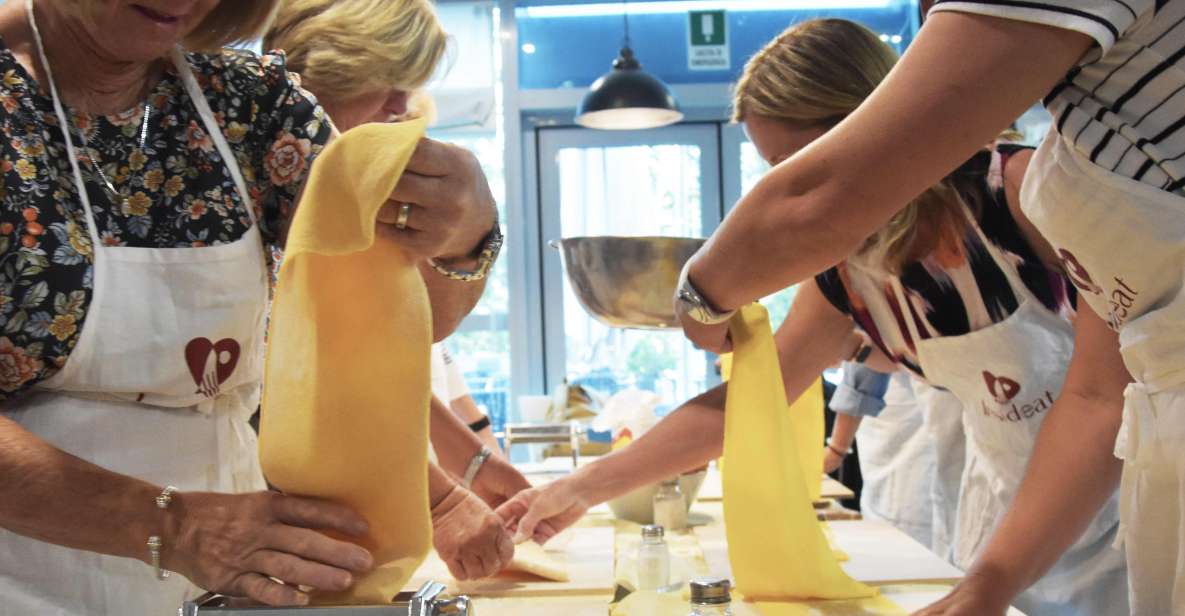
- Small-group kitchen time near Vatican Museums: Maximum 12 people means you get real attention while you roll and cut.
- Aperitif before the dough: Spritz (or Prosecco/wine) with crispy cheese and pepper chips sets the tone fast.
- Beginners welcome pasta technique: You learn fettuccine from eggs, flour, and water—no prior experience needed.
- Included meal, not just a demo: You eat the pasta you make with traditional sauce plus a drink.
- Dietary options are built in: Vegetarian, vegan, and gluten-free options are available if you request them.
Why the Vatican-area location makes this class feel practical
There are plenty of Rome cooking classes, but this one is unusually easy to plug into a real sightseeing day. You’re meeting near the Vatican Museums area, so you can pair it with a morning or afternoon visit nearby and avoid wasting time crossing the city.
What makes it click is that the class is only about 1.5 hours. That’s long enough to learn the hands-on steps (knead, roll, slice), but short enough that you’re not stuck missing the rest of your day. If you like Rome travel plans that move at human pace, this format fits.
I also like that it’s designed around eating what you make, not just collecting a skill and sending you on your way. The included menu means you’ll leave with full stomach energy and at least one new technique you can repeat at home.
You can also read our reviews of more cooking classes in Rome

Finding Pummarè Restaurant (and why the stairs matter)
Meeting point matters more than people expect, especially around busy landmarks. You meet at Pummarè Restaurant, above the Trionfale Food Market. Go to the top of the stairs where there’s graffiti, and you’ll see a taxi station in front of the meeting point.
Two practical tips that keep things stress-free:
- Arrive 15 minutes early so you don’t feel rushed finding the right stairs and getting settled.
- If you’re running late, you have a local contact number to reach the partner.
Also note: this is self-guided to the start. There’s no transportation, no hotel pickup, and you end back at the same meeting point. So plan to use your own walking, taxi, or local transit choices to get there.
The welcome drink and appetizer: Spritz plus crispy cheese chips
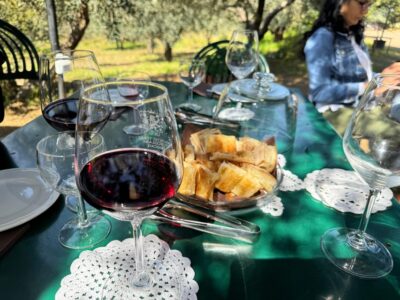
Before you touch flour, you start with a classic Italian aperitif vibe. The class begins with a Spritz light cocktail paired with homemade crispy cheese and pepper chips. Depending on the option available for your group, it can also be Spritz, Prosecco, or wine.
This part is more than a drink service. It’s your mental warm-up. You settle in, meet the English-speaking guide, and get comfortable with the kitchen environment before the cooking starts. By the time you’re rolling dough, you’re already relaxed instead of trying to figure out the pace.
If you’re the type who gets hungry quickly, I’d treat this as a gift. Come ready to eat—there’s lots of food in the plan, and you’ll likely want your first bites before you work.
Rolling fettuccine: the hands-on pasta lesson you came for
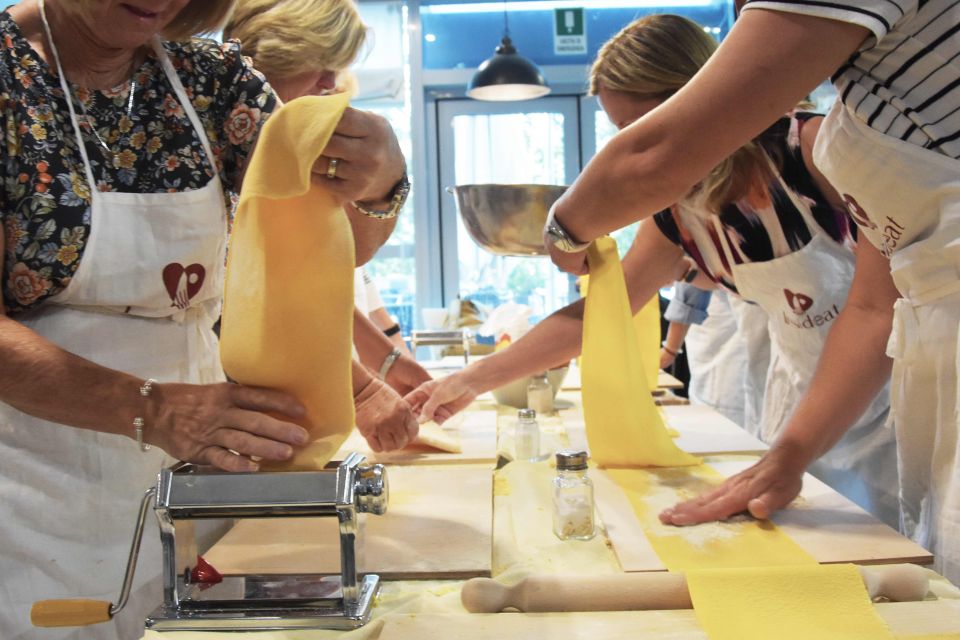
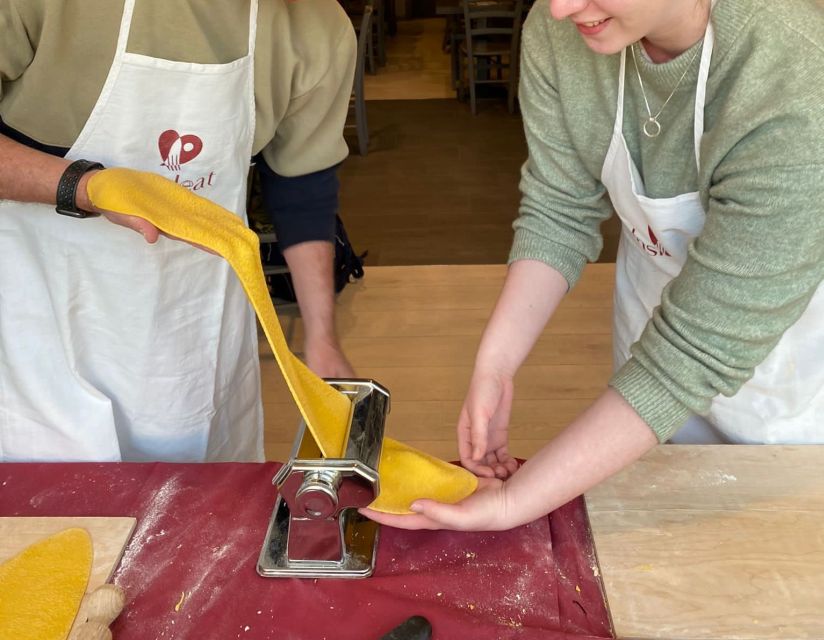
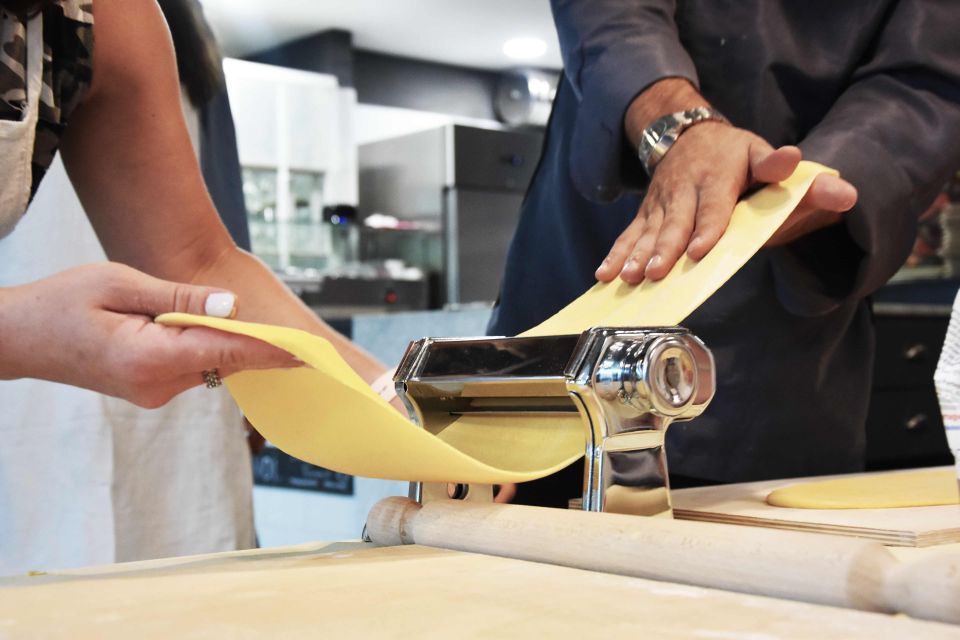
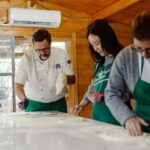
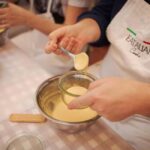
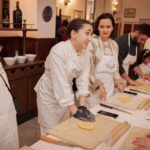
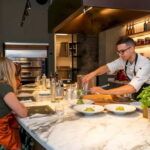
Here’s the heart of the class: making fresh pasta from scratch at your own workstation. You’ll use a fully equipped setup with an apron and utensils provided, so you’re not hunting for gear or guessing what tools to use.
The chef teaches you to craft traditional fettuccine using eggs, flour, and water. And yes, this is explicitly beginner-friendly. The key is that you knead, roll, and slice while the chef guides you through what to watch for—how the dough should feel, how to handle it as it firms up, and how to cut consistent strips.
What you’ll likely appreciate most is that you do more than one step. Some classes focus on one action; this one builds momentum. By the end, you’ll understand how the process connects:
- dough texture affects rolling
- rolling thickness affects how the cut noodles behave
- slicing size affects how sauce clings when you eat
And because the group size is capped at 12, the chef and guide can adjust to what different people are doing at their station. That’s a big deal if your hands are new to pasta.
Sauce time and the included meal (yes, you eat it right away)
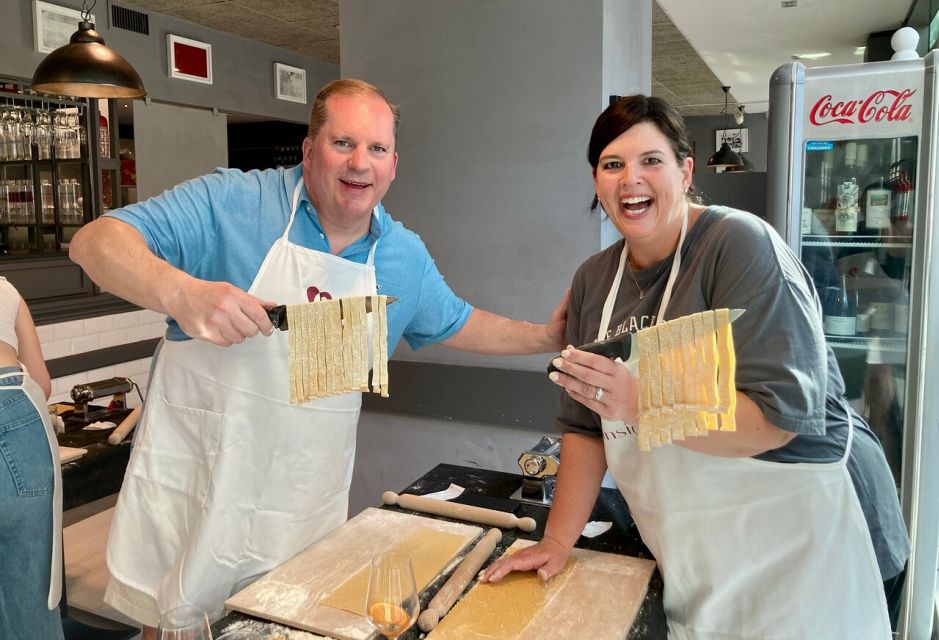
Once your fettuccine is ready, the chef tops it with a traditional sauce prepared by the chef. You then eat your handmade pasta with a drink included—menu includes wine, beer, or soft drink, plus water.
This is a smart design choice. Instead of ending with a raw noodle presentation, you get the complete payoff: what the pasta becomes with sauce, and how your work tastes when it’s served warm.
Eating together also makes the class feel more social than a typical workshop. You’ll share stories, sip your drink, and generally talk while you eat. The setting works well for couples, solo visitors, and families, because the structure gives you something to focus on and conversation flows naturally.
One more practical win: the class includes the idea that you don’t have to worry about cleanup. Your time goes to cooking and eating, not washing up after everyone.
You can also read our reviews of more tours and experiences in Rome
Inside or terrace dining: when you’ll feel the Roman atmosphere
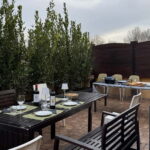
Your meal can happen indoors or on an outdoor terrace. That choice matters in Rome because the weather and light can change your mood fast. If the terrace is available and conditions are good, you’ll likely enjoy that Roman rhythm—long enough to taste your pasta, not so long that the day stalls.
Even indoors, the setup still aims for a local feel. It’s described as a cozy Roman setting near the Vatican Museums, and that translates into the vibe: you’re not in a big auditorium. You’re in a working kitchen space where people are hands-on and the food comes out as part of the class.
Group size, pace, and what to do with your hands
This is a small-group cooking class with a maximum of 12 people. That number affects everything: how often the chef can check in, how quickly you get answers, and whether you can ask questions without feeling like you’re competing for attention.
The pace is also built around 1.5 hours total. That means the class is energetic but not rushed into chaos. You’ll get guided steps, and you’re not expected to master pasta-making as a lifelong craft in one sitting. You’re expected to learn the core moves and enjoy the meal you create.
If you want a smooth experience, do two simple things before you start:
- Wear clothing you don’t mind getting a bit floury.
- Come hungry so the included appetizer, pasta, and drinks feel like an honest payoff.
Dietary options: how to make sure your meal fits your needs
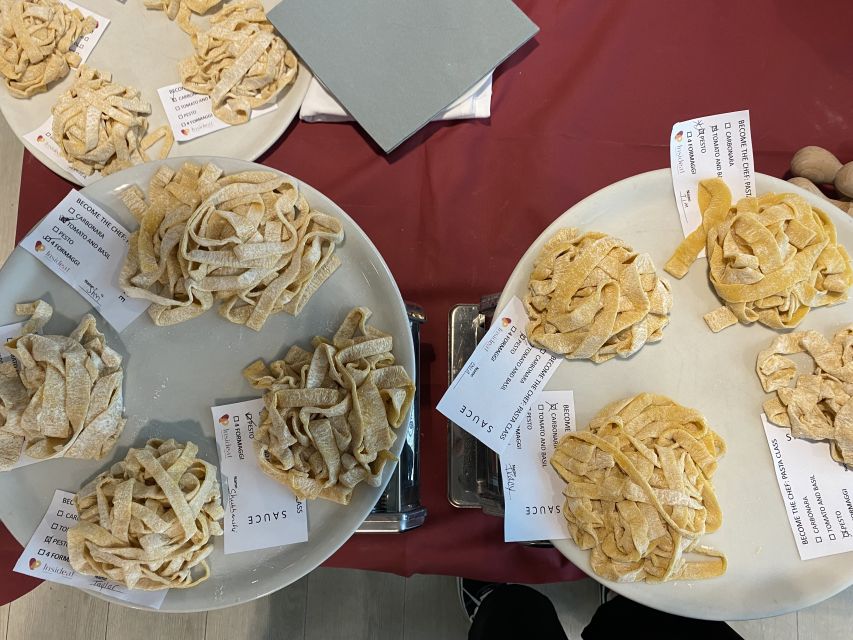
The class includes vegetarian options, and it notes that vegan and gluten-free options are available as well. The important part for you is that you need to inform the local partner about dietary requirements at the time of booking.
That upfront communication is what turns a cooking class from stressful to effortless. Instead of hoping the kitchen can adjust on the fly, you give them time to plan ingredients and portions so you can eat what’s served.
This class also notes wheelchair accessibility. If you use mobility aids, it’s worth confirming how the space works for your specific needs when you book, but the activity is listed as wheelchair accessible.
There’s also a rule that unaccompanied minors aren’t allowed. Children must be accompanied by an adult. If you’re traveling with a family, that’s worth planning around.
Taking home more than photos: the skills and recipe
One of the most practical reasons to book a hands-on class is what you can repeat later. This one explicitly includes taking home the skills and recipe to impress friends and family.
While you won’t be walking out with a package of pre-measured ingredients, the value is the technique: eggs-and-flour dough handling, rolling choices, and cutting fettuccine properly. Those are the elements that make homemade pasta feel possible at home, not like a specialty you’ll never attempt again.
If you’re the kind of person who likes to recreate travel memories with a real-world outcome, this delivers. You’ll have both:
- a dish you understand how to make
- a recipe you can use as a starting point
Price and value: what $60.35 buys you in Rome
At $60.35 per person for about 1.5 hours, you’re paying for more than a cooking lesson. The listed menu and inclusions matter for value.
Here’s what’s included:
- ingredients for your meal
- Spritz light cocktail, Prosecco, or wine
- cooking lesson with an Italian chef
- fluent English-speaking guide
- apron and use of cooking utensils
- small-group cooking class (max 12)
- welcome drink and appetizer, pasta, wine/beer/soft drink, and water
So when you evaluate price, treat it like a bundled food-and-experience ticket. You’re getting a structured lesson plus an actual meal with drinks, all in a setting near the Vatican Museums area. If you like classes where you eat what you make and the price includes food, this can feel like good value compared to paying for dinner separately and then hoping you’ll find time for a workshop.
If you’re budget-focused, remember the one “cost” that isn’t in the price: transportation to the meeting point, since hotel pickup and drop-off aren’t included.
When to book and how to plan your day around it
Because the class length is fixed at 1.5 hours and starting times vary, check availability before you commit to a tight schedule. The activity ends back at the meeting point, which also makes timing easier—you can plan your next stop nearby without needing a new pickup plan.
This is an ideal choice if:
- you want a hands-on break from museum walking
- you’re already planning time around the Vatican Museums
- you’d like to bring something home besides photos
- you want a meal that’s part of the experience (not just an add-on)
It can be a less ideal choice if you only have a tiny window near the Vatican and you can’t get yourself to the meeting point on your own. Also, because you’ll work at a kitchen station, you’ll want to be comfortable with some mess—apron included, but flour happens.
Should you book this Rome pasta making class?
If you want a short, friendly, small-group class that ends with you eating fresh fettuccine you made yourself, I’d book it. The combination of hands-on pasta making, an aperitif start, and an included meal with wine is exactly the kind of structured Rome experience that feels worth your time.
Book it especially if you’re:
- a beginner who wants step-by-step guidance
- traveling as a couple, solo, or with family
- looking for a Vatican-area activity that doesn’t require extra commuting
- counting on vegetarian, vegan, or gluten-free options
Skip it only if you strongly prefer to avoid any food prep work and want a more passive tour. Also plan on handling your own route to the meeting point since there’s no pickup.
If you like flexible planning, it’s offered with free cancellation up to 24 hours in advance and a reserve now & pay later option, so you can hold a spot while you firm up the rest of your Rome days.
FAQ
How long is the Rome pasta making class?
The class lasts about 1.5 hours. Starting times vary based on availability.
Where do I meet for the class?
Meet at Pummarè Restaurant, above the Trionfale Food Market. Go to the top of the stairs with graffiti. A taxi station is in front of the meeting point.
Do I need cooking experience to join?
No. The chef teaches you how to make fresh pasta from scratch, and it’s designed for beginners.
What’s included in the price?
All ingredients for your meal, the cooking lesson with an Italian chef, a fluent English-speaking guide, apron and utensils, a welcome drink and appetizer, pasta with traditional sauce, and a drink (wine, beer, or soft drink) plus water.
Are vegetarian or other dietary options available?
Yes. Vegetarian options are available, and the class also mentions vegan and gluten-free options. You should inform the local partner of dietary needs at the time of booking.
Is transportation or hotel pickup included?
No. Transportation and hotel pickup and drop-off are not included. You’ll need to get to and from the meeting point on your own.