REVIEW · ROME
Rome: Combo Pizza and Pasta Cooking Class with Wine
Book on GetYourGuide →Operated by Once in Rome Authentic Experiences · Bookable on GetYourGuide
Wood-fired pizza and wine in a Roman garden.
This 3-hour cooking class turns you into the chef, from kneading pizza dough to shaping fresh pasta with help from instructors and chefs (you may meet hosts like Giuseppe, Eduardo, or Alessandro). I especially like the Roman countryside “Wood Houses” setting, because it feels like you left the city noise behind for a bit. Another big win for me is the experience-style food finish: unlimited red and white wine while you eat what you made, plus homemade tiramisù and a limoncello shot.
The one thing to keep in mind is logistics: the venue is outside central Rome, so you’ll rely on the included transport and then end back at the metro meeting point rather than near your hotel.
In This Review
- Key highlights you’ll feel right away
- Arriving at the “Wood Houses” kitchen near Laurentina
- Pizza from scratch: dough kneading, toppings, and a wood-fired bake
- Fresh pasta skills: three doughs, real shaping, and sauce matching
- Eating like you cooked it: wine, tiramisù, and limoncello
- What you get to take home: a recap document and technique focus
- Price and value: why this costs what it costs
- Who should book this class, and who might not love it
- Practical tips for your smooth day at Laurentina
- The bottom line: should you book this Rome pizza and pasta class?
- FAQ
- How long is the Rome pizza and pasta cooking class?
- Where do I meet the guide?
- Is round-trip transportation included?
- What food is included?
- Is wine included?
- What are the age rules?
- Can I cancel if my plans change?
Key highlights you’ll feel right away
- Wood-fired Neapolitan pizza baked in a real oven, with dough-to-oven guidance
- Fresh pasta from scratch, including three different dough styles and hands-on shaping
- Unlimited local wine during the class, plus tiramisù and limoncello to close
- Roman garden setting that makes the experience feel personal, not rushed
- Round-trip transport from central Rome (with a few exceptions), so you can relax
Arriving at the “Wood Houses” kitchen near Laurentina
Your day starts at metro stop Laurentina. Meet the guide at the exit—there’s a partner staff member with a cooking class sign—and you’ll get sorted quickly. After that, you take the included transfer out of central Rome to an open-air countryside kitchen setting called the Wood Houses.
What I like about this format is simple: you get out of the tourist churn and into a working food environment. The setting is described as a Roman garden-style space, and several comments point out the chill vibe and beautiful surroundings. You’ll also hear a lot more kitchen talk than sightseeing talk, which is exactly what you want from a cooking class.
One practical note: the ride time can involve a short minibus segment (people have mentioned around 15 minutes). In cooler months, some folks noted it can feel chilly in the car, so bring a light layer even if Rome’s daytime weather looks fine.
You can also read our reviews of more cooking classes in Rome

Pizza from scratch: dough kneading, toppings, and a wood-fired bake
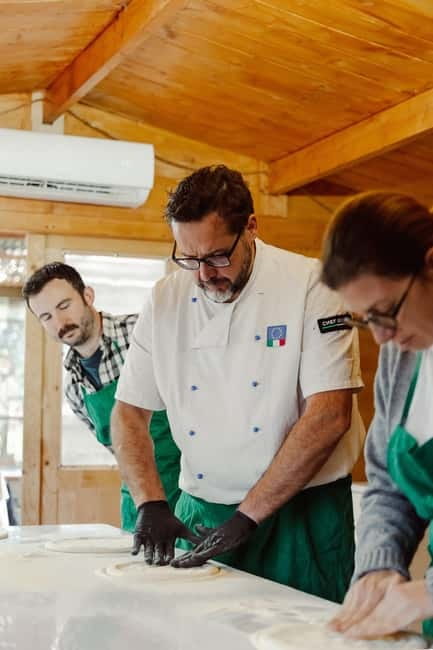
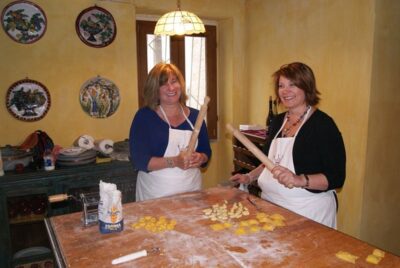
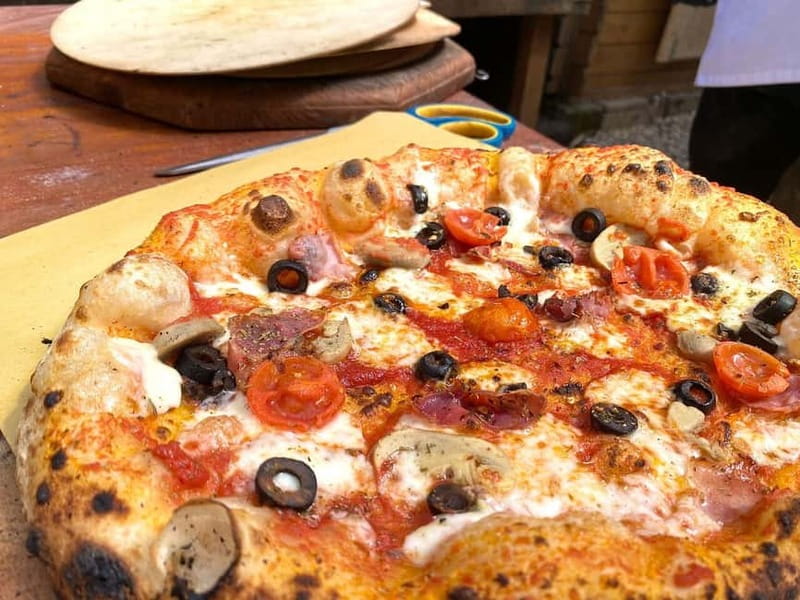
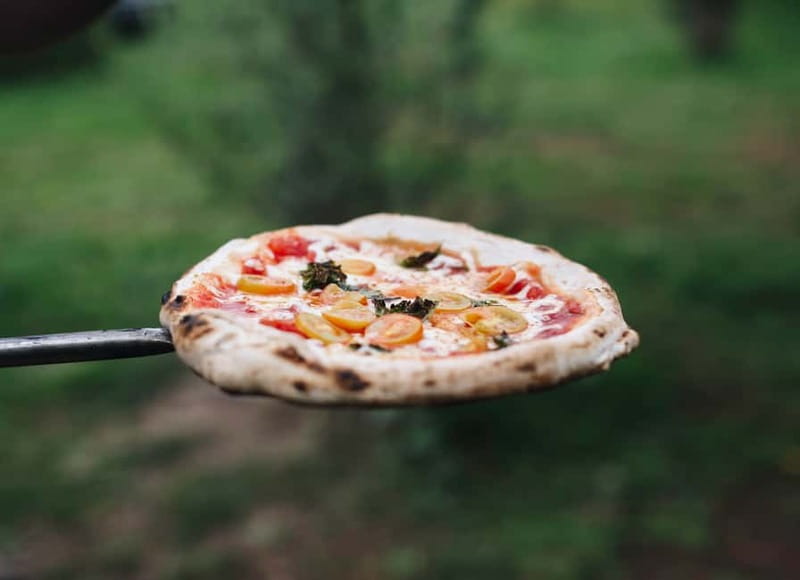
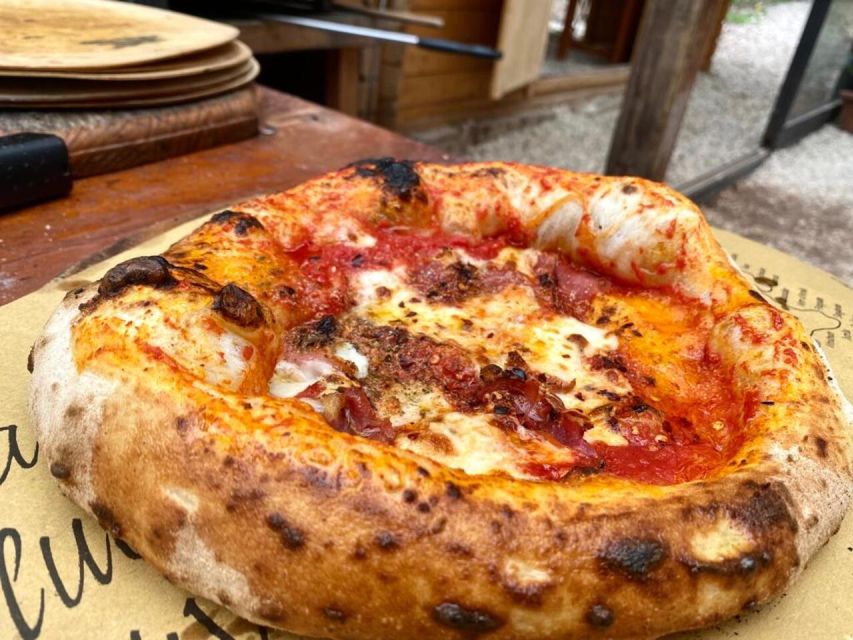
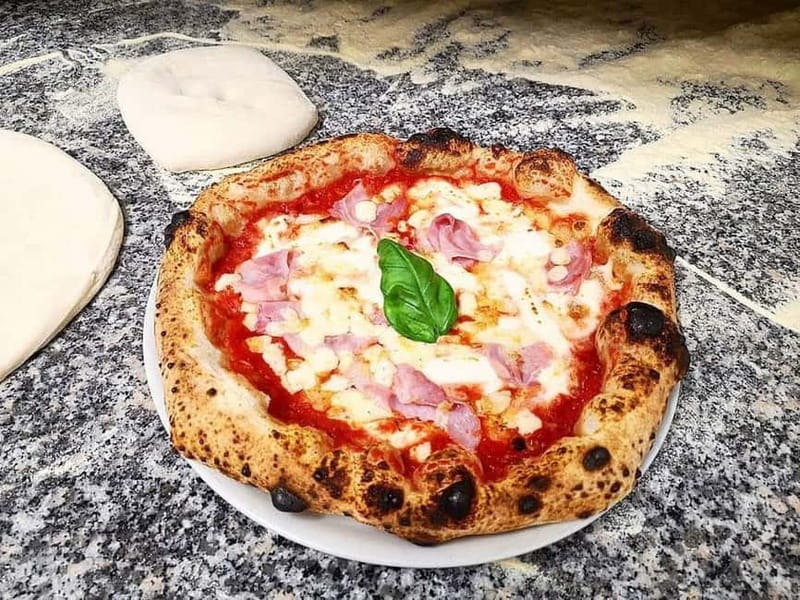
Pizza is the star of the first half. You’re taught how to prepare pizza dough from scratch and work it by hand—kneading is part of the lesson, not just a quick demo. Then you choose your toppings and bake your pizza in a real wood-fired oven.
Here’s the key value for you: learning pizza dough is mostly about feel and timing. The class doesn’t just show a recipe; it teaches the sequence—how the dough should behave as you knead, how to shape, and what happens in the oven when heat hits properly-prepared dough. That skill is what you can reuse at home, even if your ingredients aren’t exactly the same.
You might find small variations in how the class runs, depending on what the organizers have ready before guests arrive. One review noted that the dough for pizza was already prepared, while the process was still shown. Either way, you’re not left as a spectator. You’ll be forming and baking, and you’ll be tasting the results immediately.
Fresh pasta skills: three doughs, real shaping, and sauce matching
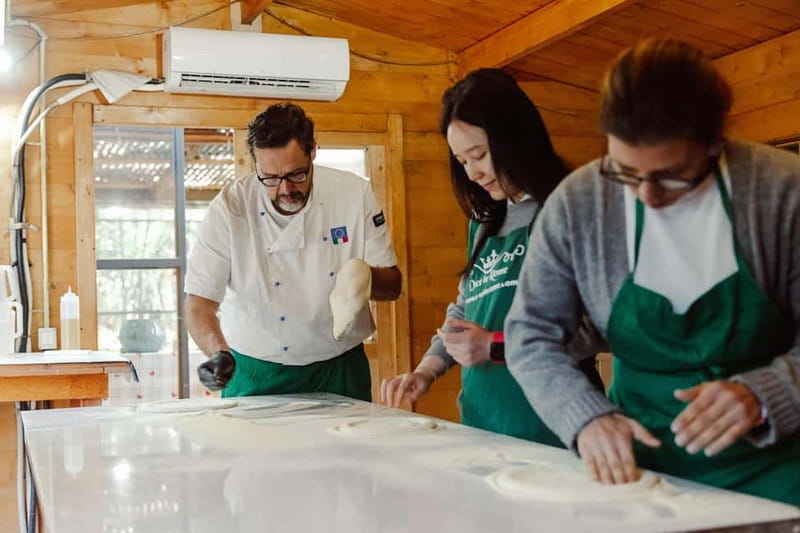
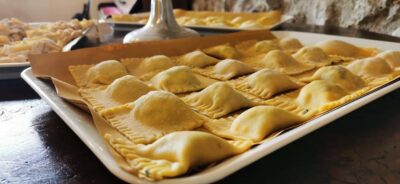
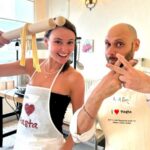
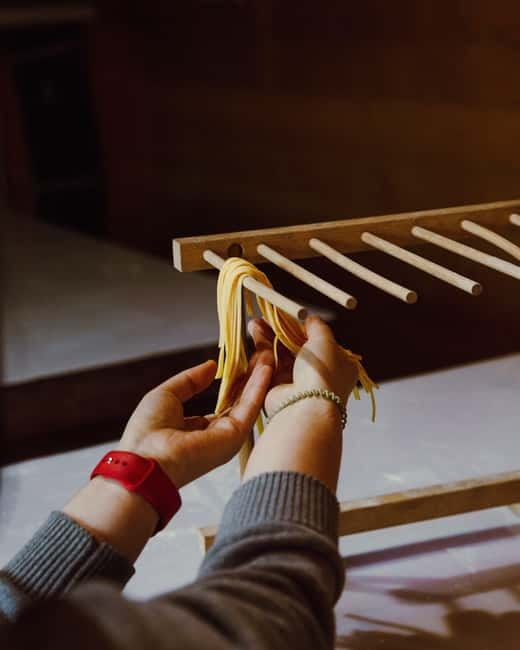
After pizza comes pasta, and this is where the class becomes more than a one-dish workshop. You learn to make three types of dough: traditional egg pasta, water-based pasta, and a third dough tied to pizza-style method. Then you shape the dough into formats like tagliatelle, fusilli, and farfalle.
This matters because pasta in Italy isn’t one-size-fits-all. Different doughs behave differently, and different shapes catch sauce in different ways. If you’ve ever wondered why some pasta feels silky while other shapes feel more rustic, this is the lesson that explains it. You’re not just copying shapes—you’re learning why the dough and the shape pair the way they do.
Next you cook two seasonal sauces to go with your handmade pasta. The fact that the sauces are described as seasonal is useful for you as a home cook: it keeps the flavors current and teaches a flexible approach. Instead of memorizing one sauce forever, you learn how to think in terms of pairings.
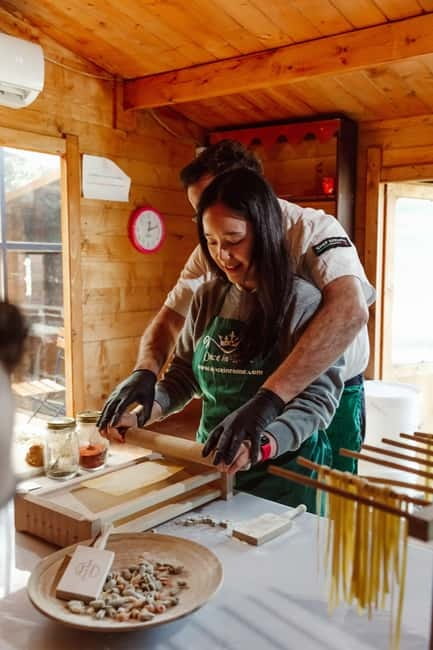
In many hands-on classes, the instructors watch you once and then let you go. Here, people repeatedly mention patient guidance while you learn pasta forming and dough handling. Chefs and hosts (with names like Eduardo and Giuseppe appearing in feedback) come across as energetic and tuned in, not just standing over the counter.
Eating like you cooked it: wine, tiramisù, and limoncello
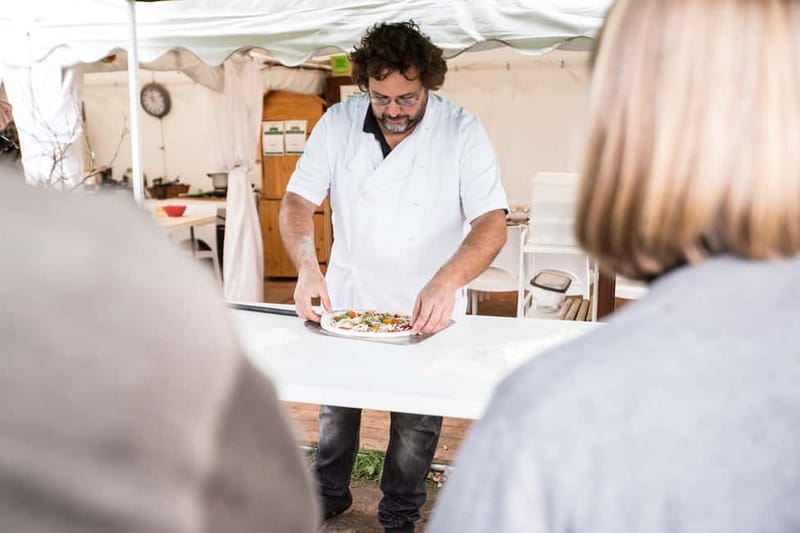
Then you eat what you made—pizza and the pasta dishes, with two sauces—and the class adds a classic Roman-table vibe. Included in the experience is free-flowing wine: red and white Italian wine served throughout the class.
Two important details for you:
- The minimum drinking age is 18, so kids and teens won’t be taking part in the wine portion.
- The wine is included, but you’re still in a structured class environment, so plan to pace yourself.
After the main course, there’s a homemade tiramisù tasting. Some feedback mentions that it’s presented in a small serving container, which can feel a bit basic compared to what you might imagine, but most people still call the overall dessert part a highlight. The bigger takeaway is that tiramisù is part of the learning rhythm: pizza first, pasta next, dessert and digestivo at the end.
Finally comes limoncello, served as a chilled shot. It’s a great closer because it changes the flavor profile from rich and creamy to bright and citrusy, which pairs nicely with the heavier foods you just made.
What you get to take home: a recap document and technique focus
One of the most practical parts is that you receive a recap document summarizing the techniques you learned. This isn’t just a list of ingredients—it’s a way to remember the steps in the right order.
That’s what makes the class worth repeating later. If you’ve ever made pasta at home and ended up guessing, this kind of step-by-step reminder helps you troubleshoot. You can rework your dough feel, your shaping pace, and your sauce pairing choices.
People also highlight that the class feels structured but fun—lots of laughter, friendly staff, and enough attention that beginners aren’t left behind. That’s especially helpful if you’re traveling solo or you’re with friends who don’t normally cook.
You can also read our reviews of more wine tours in Rome

Price and value: why this costs what it costs
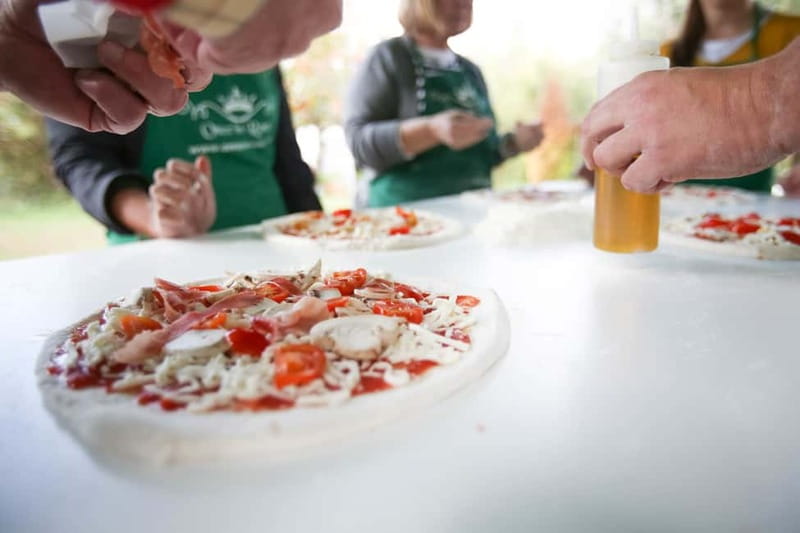
The price is $64.06 per person for a 3-hour, hands-on pizza-and-pasta session with a lot included: ingredients and instruction, unlimited red and white wine, two pasta dishes you cook and eat, wood-fired pizza you bake, tiramisù tasting, and limoncello.
When you compare it to the real cost of doing this yourself, it adds up faster than you’d think. Flour, eggs (for egg dough), specialty basics for dough and sauces, and the equipment time all cost money. Add a professional chef guiding your dough and oven method, plus round-trip transport from central Rome, and the price starts to look like a full culinary afternoon rather than a simple ticketed activity.
The main thing to watch is your expectations around the finished product. One review noted that the final pizza and pasta quality wasn’t the best they’ve ever had, but still praised the learning experience as valuable. I’d frame it like this: you’re buying technique and practice more than you’re buying a restaurant meal.
Who should book this class, and who might not love it
This setup fits best if you want a hands-on food experience where you can eat well without needing to plan ingredients, timing, or equipment. It’s also a good match for:
- Couples who want a different Rome memory than monuments
- Solo travelers who enjoy meeting people in a group setting
- Families, since the minimum age to take part is 3 years old (and multiple comments mention kids being welcomed and handled patiently)
If you have dietary needs, you’ll want to think ahead. One review specifically mentioned they were vegan and the staff took care of requests. That’s a strong sign they can be flexible, but it’s still smart to communicate your needs when booking.
If your goal is maximum sightseeing time, this might feel like a detour because it pulls you out of central Rome and back again. The ride isn’t extreme, but it is part of the deal.
Practical tips for your smooth day at Laurentina
A few things will help you avoid the common headaches:
- Arrive a little early at Laurentina so you can find the sign and staff quickly.
- Wear shoes you can stand in and move around for kneading, shaping, and baking.
- Bring a layer for the transfer if you’re visiting in colder months—some people noted it can feel chilly during rides.
- If you’re sensitive to bugs, take insect repellent seriously. One review said bug spray helped because they got bitten.
You’ll also be happier if you go in with a do-the-work attitude. This isn’t a watch-and-wander class. You’ll be using your hands. That’s where the fun is.
The bottom line: should you book this Rome pizza and pasta class?
Book it if you want a real skill-building experience that ends with a real meal you made, in a setting that feels calmer than central tourist Rome. The pairing of hands-on pizza plus fresh pasta shaping, all with included wine and a classic Italian dessert finale, makes it a strong value at this price point.
Think twice if you dislike cooking formats or you’re hoping for a purely restaurant-style meal with no hands-on work. Also, if you hate metro-based logistics, remember the class starts and ends at the meeting point near Laurentina, with transport bridging the gap.
If your travel style includes trying things with your hands—and you like food with actual process—this one is a very easy yes.
FAQ
How long is the Rome pizza and pasta cooking class?
The class runs for 3 hours.
Where do I meet the guide?
Meet at metro stop Laurentina. At the exit, look for the local partner staff member with a cooking class sign.
Is round-trip transportation included?
Round-trip transportation from central Rome is included, but there are exceptions.
What food is included?
You’ll make and taste pizza and pasta dishes you prepare, plus you’ll have a homemade tiramisù tasting and a limoncello shot at the end.
Is wine included?
Yes. The class includes free-flowing red and white Italian wine.
What are the age rules?
The minimum drinking age is 18. The minimum age to take part in the class is 3. Infants up to 2 can go for free (but they must be booked for the transportation count and sit on the parents’ legs).
Can I cancel if my plans change?
You can cancel up to 24 hours in advance for a full refund.