REVIEW · ROME
Rome: Pizza and Tiramisu Cooking Class in Piazza Navona
Book on GetYourGuide →Operated by IPM COETUS SRL · Bookable on GetYourGuide
Pizza and tiramisu class right by Piazza Navona? That’s my kind of Rome detour. You get hands-on cooking in a traditional spot on Corsia Agonale, and you’ll learn the process for two Italian favorites while being taught in English. In classes led by hosts like Luca and Bea, the vibe stays relaxed and personal, even when you’re the kind of person who thinks dough is a science experiment.
Two things I especially like: the Piazza Navona location makes this easy to plug into sightseeing days, and the teaching is practical, with clear steps from the kitchen to the table. You roll out pizza dough, pick toppings, and then build tiramisu from scratch, so you’re not just watching—you’re doing. One consideration: the dough you mix won’t be the dough you bake. It needs a long rest, so you’ll roll and top dough that the restaurant has already prepared.
Key highlights worth your time
- Prime location by Piazza Navona: start near the historic center instead of hauling across town
- Hands-on pizza making: roll, top, and bake in a way that feels doable
- Tiramisu from scratch: you follow the steps to build it yourself
- Small group (max 10): more attention when your dough gets… creative
- Wine or beer included: you eat what you make with a drink
- English instruction: helpful if you want the how-to, not just the food
In This Review
- Pizza and Tiramisu Right by Piazza Navona
- What You’ll Actually Cook in the 2.5 Hours
- Pizza: you learn, then you bake
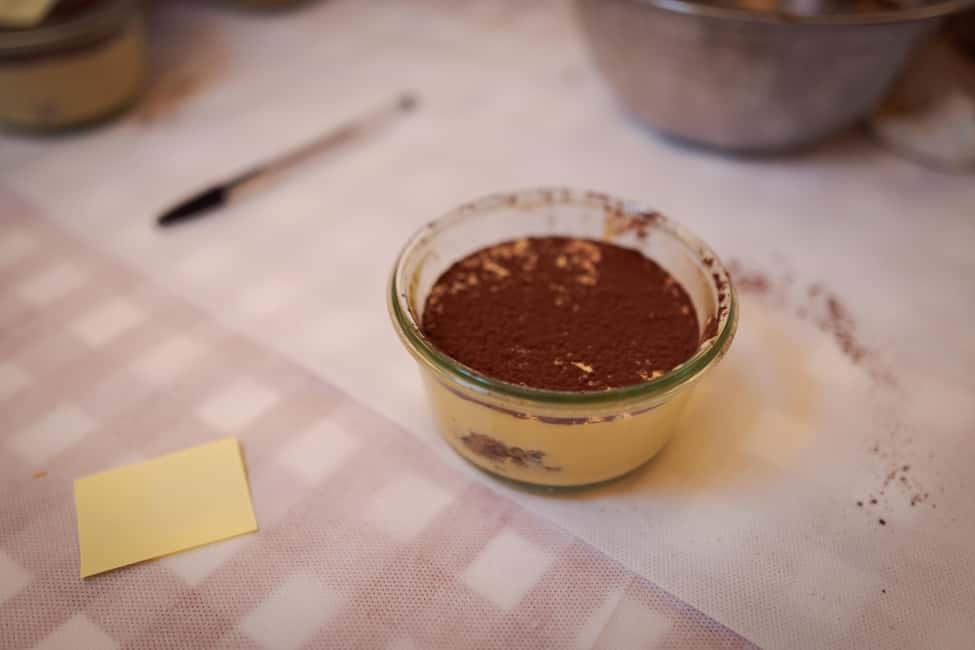
- Tiramisu: from scratch to the plate
- Then you eat what you make
- Chef-Led Coaching in English (and Why It Matters)
- Dining Time: Wine or Beer, Real Results, and a Relaxed Meal
- The Value Question: Why $68.33 Can Actually Make Sense
- Timing and Getting There Without Stress
- Food Limits: Who Should Plan Ahead (and Who Should Skip)
- Dietary restrictions
- Health and age notes
- Mobility
- Who This Cooking Class Is Best For
- Should You Book This Piazza Navona Pizza and Tiramisu Class?
- FAQ
- How long is the Rome pizza and tiramisu cooking class?
- Where do I meet for the cooking class?
- Is the class taught in English?
- Is the group size small?
- What’s included in the class?
- Do I use the dough I personally make for my pizza?
- Are gluten-free or lactose-free options available?
- Is this class suitable for vegans or young children?
Pizza and Tiramisu Right by Piazza Navona
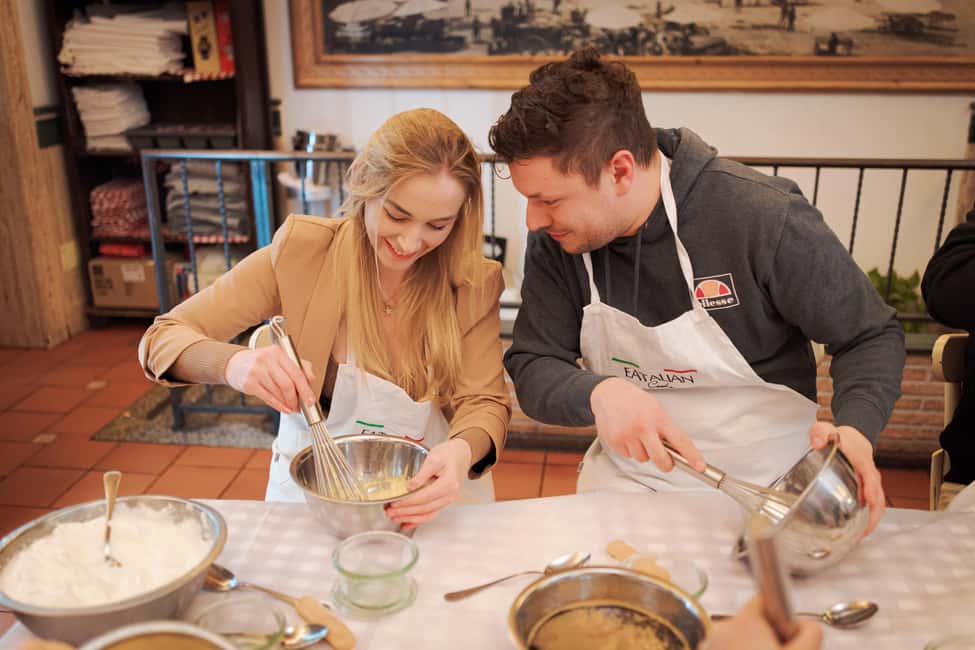
This cooking class is set in a traditional restaurant right near Piazza Navona—specifically at Antica Trattoria Agonale on Corsia Agonale. That matters more than it sounds. Rome is big on walking, and most food experiences happen after a bus ride. Here, you can keep it simple: you do the class, then step right back into the historic center.
The setting also works for the kind of evening you want in Rome. You’re not stuck in a classroom. You’re in a real restaurant space, learning kitchen skills and then eating your results at a table while the staff serves the food you made. Several instructors named in guest notes—like Luca, Bea, Simone, Pea, and Mary Ann—come across as friendly and patient, with a sense of humor that keeps things from getting stiff.
If you’re visiting mainly to see sights, this is a nice counterbalance. You’ll do something physical and satisfying that doesn’t involve crowds, lines, and “one more museum” fatigue. And if you’re a food person, you’ll enjoy that the focus is on fundamentals—pizza dough technique and tiramisu assembly—rather than just tasting.
One more real-world perk: because you meet at a specific restaurant, you avoid the stress of hunting for a pickup point. You’ll just head to Antica Trattoria Agonale, ask the staff for guidance, and settle in.
What You’ll Actually Cook in the 2.5 Hours
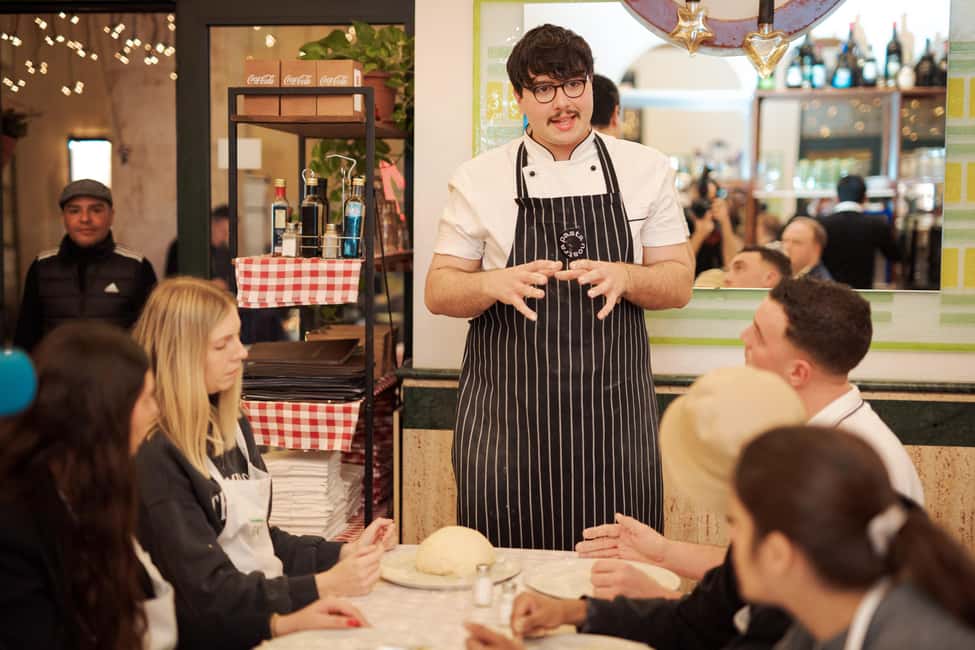
The class runs about 2.5 hours, and it’s built around two main projects: pizza and tiramisu.
You can also read our reviews of more cooking classes in Rome

Pizza: you learn, then you bake
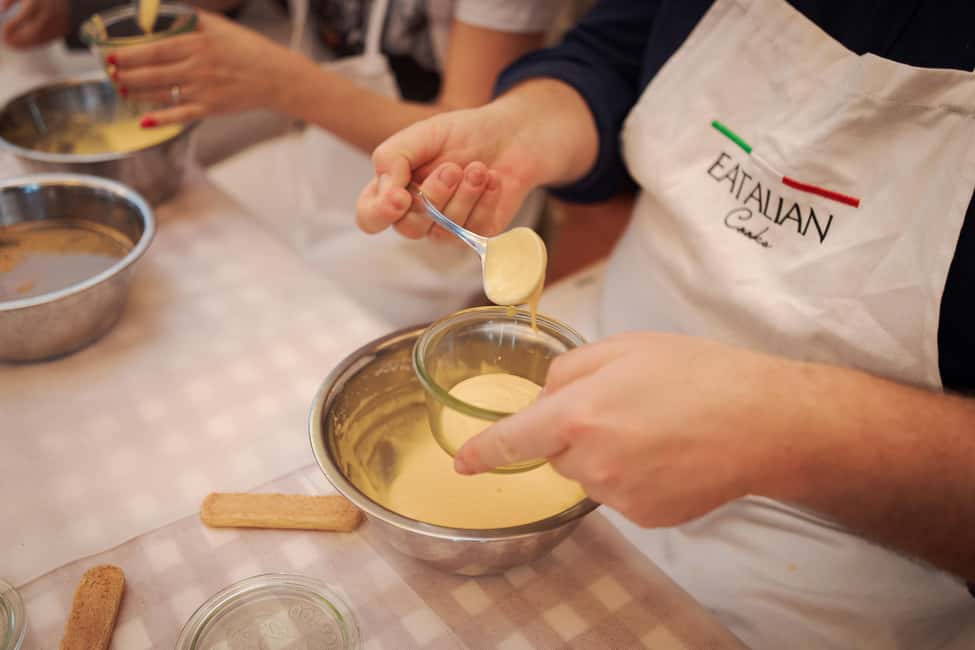
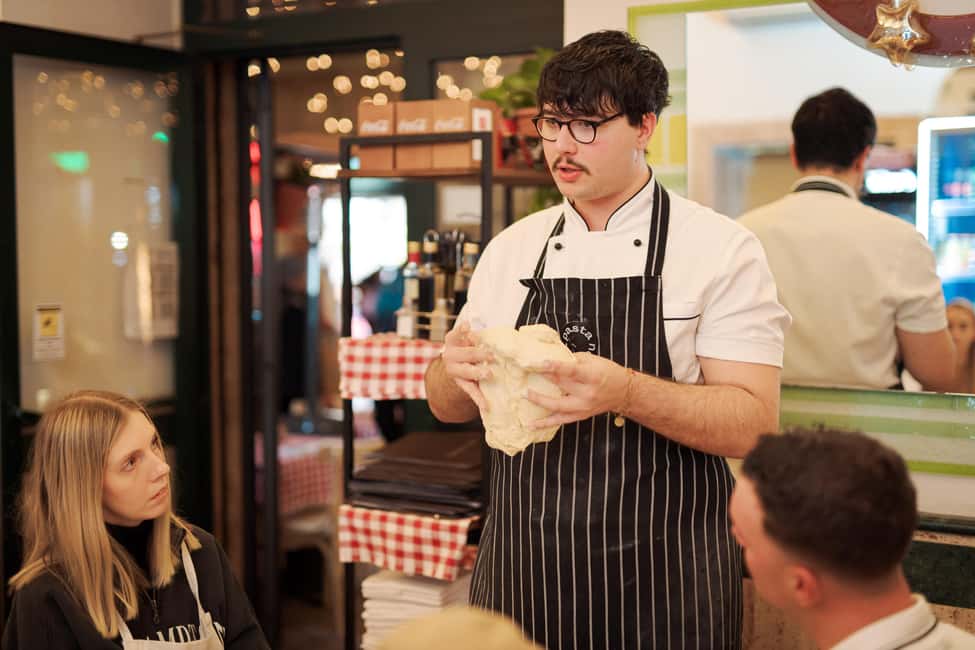
Here’s how the pizza part works, and it’s smart. You do help with pizza dough, but the dough you personally make won’t be used for your pizza in the oven. The restaurant prepares dough in advance because good dough needs a long rest time to develop flavor and structure. That means you won’t be stuck waiting for dough to magically become oven-ready.
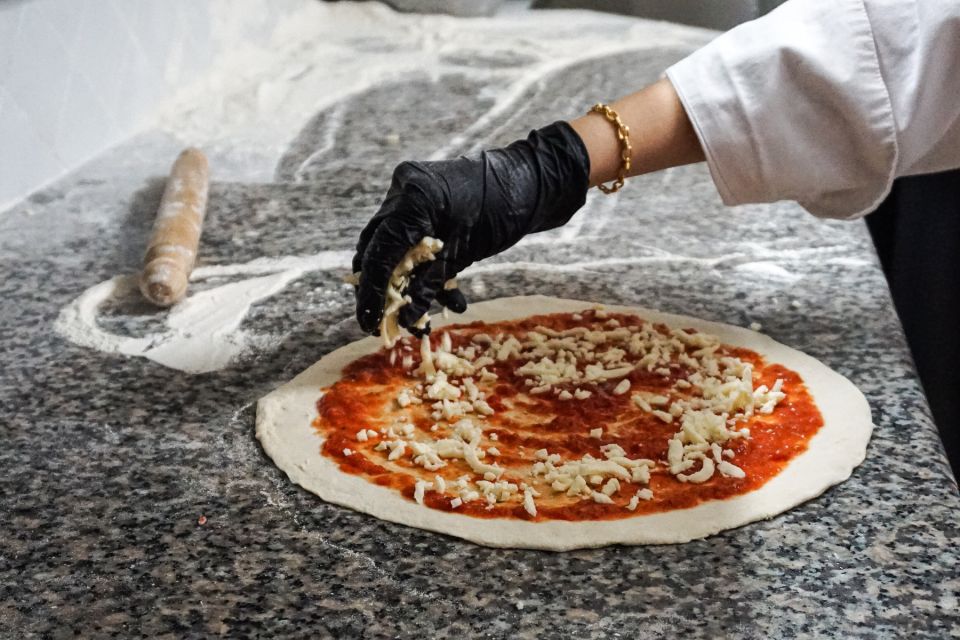
Instead, you roll out the dough that the restaurant has prepared, then choose and add toppings. After that, you slide it into the oven and cook it to the finish. This is a key difference from some cooking experiences that feel like a demo with occasional stirring. Your job is mostly the parts that actually make your pizza unique: shaping and topping.
Tiramisu: from scratch to the plate
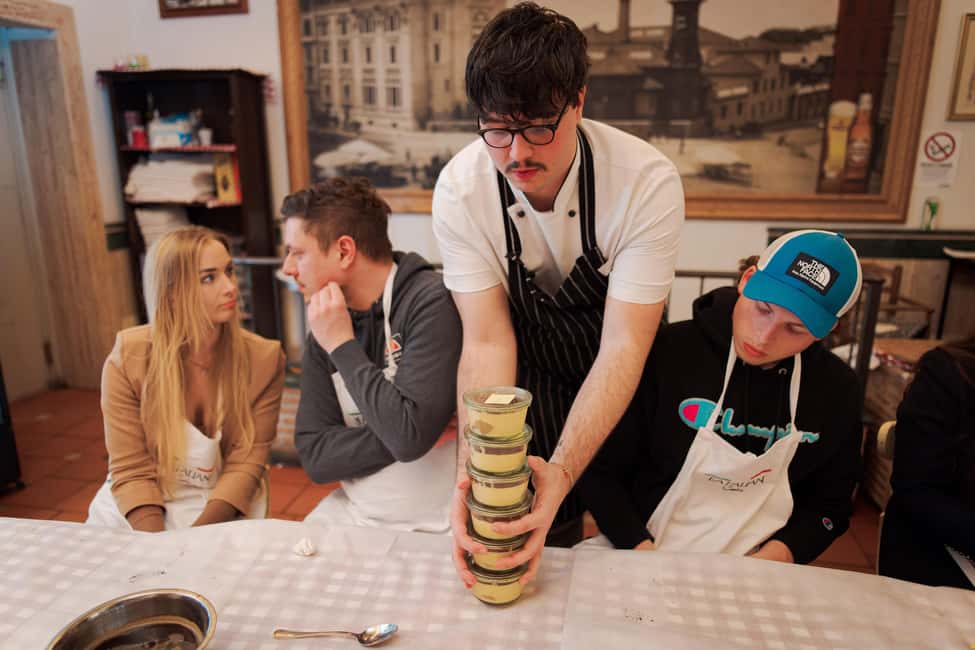
Meanwhile, you’ll follow along for tiramisu from scratch. While pizza is rolling and topping, the instructor guides you through building the layers step by step. It’s the kind of task where the details matter, so having an English-speaking chef matters. You’re not guessing. You’re learning what to do and why.
Then you eat what you make
Once cooking is done, you sit down and eat your creations. Your meal comes with a complimentary glass of wine or beer. For a lot of people, this is the moment that makes the whole class feel worth it: you’re not just learning technique; you’re enjoying the payoff right there in the restaurant.
Chef-Led Coaching in English (and Why It Matters)
You’ll have an English instructor, and this is a big deal if you want to understand the process, not just copy steps. When the class stays in English, you can ask quick questions about texture, timing, and technique—especially for pizza handling and tiramisu assembly.
A recurring theme from the experience is personal attention. Many guests described instructors as funny, patient, and willing to help when someone’s pizza shape turns into something that looks like modern art. Names like Luca and Bea show up again and again in positive notes, but what really stands out is how consistently the teaching style aims to make you successful.
In a small group (limited to 10 participants), that one-on-one or close-to-it feel is easier to maintain. You’re not fighting for instructor time. You’ll get enough guidance to know what good pizza dough feels like, what to do with toppings, and how to build tiramisu properly.
Also, a nice bonus from one note: a host emailed recipes after the class. That’s not listed as a guaranteed extra, but it’s a good sign that at least some instructors are happy to help you repeat the results at home.
You can also read our reviews of more tours and experiences in Rome
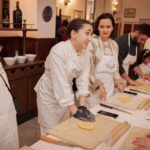
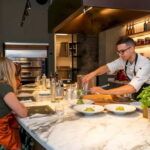

Dining Time: Wine or Beer, Real Results, and a Relaxed Meal
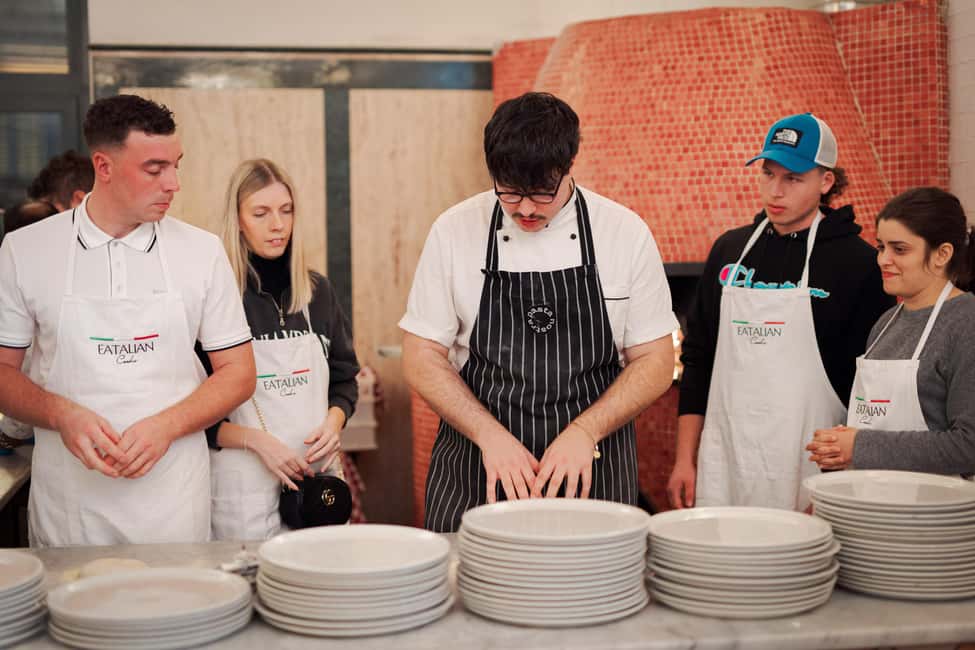
After cooking, you’ll enjoy your pizza and tiramisu at the table. And yes, you get a glass of wine or beer included. This isn’t just a perk; it makes the class feel like an evening. You’re learning in the kitchen and then transitioning smoothly into a proper sit-down meal.
A few people also mentioned additional items like bruschetta and drinks showing up with the meal. Since that’s not explicitly listed in the core inclusions, treat it as a possible extra rather than a promise. Still, it suggests the restaurant and instructors may sometimes expand the spread depending on timing and flow.
Either way, the food itself is what you’re going home with. One of the most useful ways to think about this class is that it gives you a benchmark. If you’ve eaten pizza around Rome and wondered what makes it “good,” you’ll now have a clearer idea of the ingredients and techniques behind the flavor.
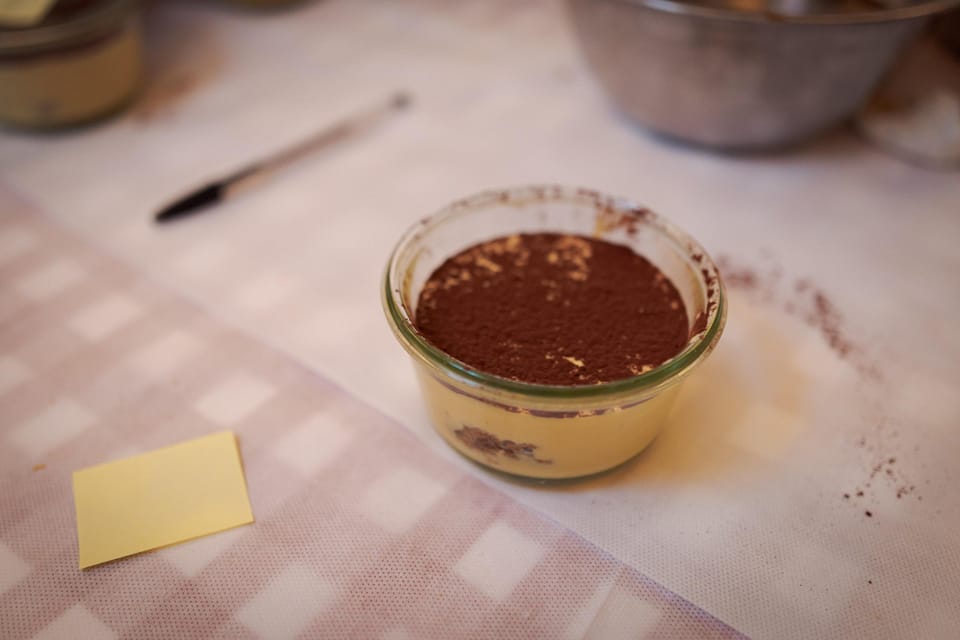
And tiramisu is a great match for a cooking class because you can actually taste the difference in execution. It’s easy to buy tiramisu in Rome. It’s harder to understand the structure. Making it yourself gives you that understanding fast.
The Value Question: Why $68.33 Can Actually Make Sense
Let’s talk money. At $68.33 per person, this isn’t a cheap add-on—but it also isn’t priced like a full-day private chef experience.
What you’re paying for:
- Prime location near Piazza Navona (central Rome costs more)
- Hands-on instruction in English
- A small group cap (up to 10)
- Two full dishes you take to the oven and the table
- A glass of wine or beer included
If you’d otherwise spend that same amount on dinner alone, this class gives you more than food—it gives you skill. The “learning” part is the difference between a meal and an experience.
Also, two practical details support the price. First, you’re cooking in a real restaurant kitchen, not a rented set. Second, you’re not just mixing ingredients—you’re shaping, topping, and baking. For a 2.5-hour window, that’s a lot of active work and a lot of payoff on your plate.
My advice: if you enjoy cooking or want a break from nonstop walking, this class is usually worth the spend. If you only want to eat quickly and don’t care about technique, you might find a normal sit-down restaurant dinner better value.
Timing and Getting There Without Stress
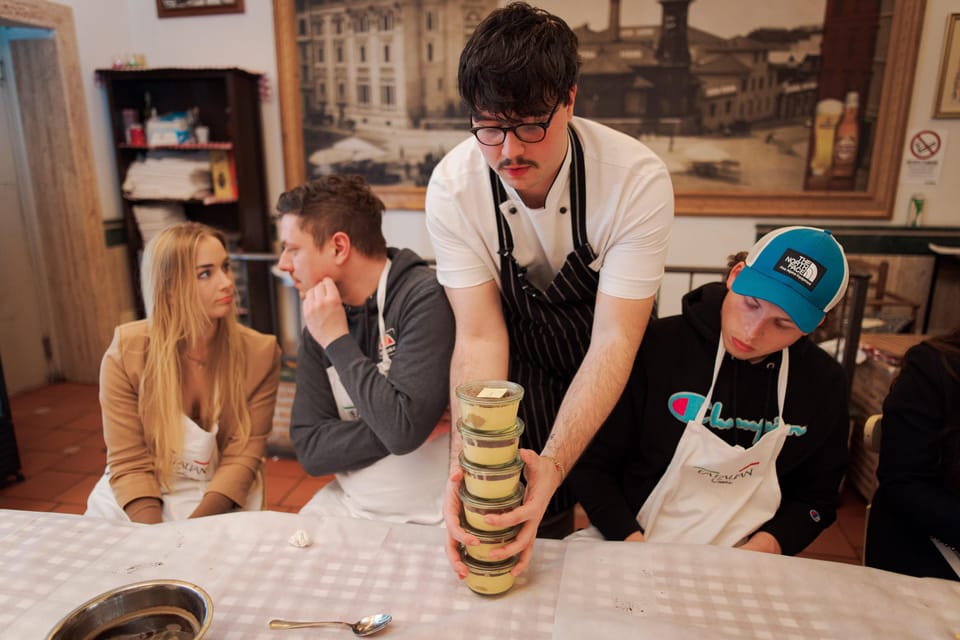
This activity is 2.5 hours, and you should plan around a focused block—arriving early helps. The instruction is to arrive 10 minutes before the start time. That gives you time to check in and settle so you don’t feel rushed when the kitchen starts.
Because the meeting point is clearly identified (Antica Trattoria Agonale), you can treat it like a reservation at a restaurant. No hotel pickup is included, so you’ll handle your own route to Corsia Agonale. The upside is flexibility: you’re free to schedule it around your day, whether you start with Piazza Navona in the morning or save it for the evening.
It also helps that the class is not designed as an all-day tour. This is one reason it fits well on sightseeing days. You can slot it in as a planned break from the city’s walking rhythm.
If you’re sensitive to heat, note that one review pointed out there’s no air conditioning in the lesson area, though dining in the front was cooler. That’s not in the main info, so consider it a “check the vibe when you arrive” situation—especially in warmer months.
Food Limits: Who Should Plan Ahead (and Who Should Skip)
Before you book, read this part carefully. The class is not suitable for everyone due to food restrictions and general limitations.
Dietary restrictions
- No gluten-free options
- No lactose-free options
- Not suitable for vegans
That’s a big one. Pizza and tiramisu are ingredient-heavy, so the class can’t swap everything around. If gluten or dairy is an issue for you, you’d be better off choosing a different Roman food experience that can actually accommodate your needs.
Health and age notes
- Not suitable for people with diabetes (as stated)
- Children under 7 are not suitable
Mobility
It’s also not suitable for people with mobility impairments, so don’t count on this being easy-access friendly.
If none of the above apply, you’re in good shape. But if any do, don’t assume substitutions are available.
Who This Cooking Class Is Best For
This is one of those activities that works when you want a break from the usual sightseeing loop and still want something authentically Roman.
You’ll love it if:
- you want a hands-on Rome experience (not just eating)
- you like clear instruction in English
- you enjoy learning cooking fundamentals you can repeat later
- you want a small-group setting where the instructor can help you directly
It may not be the best fit if:
- you need gluten-free or lactose-free food
- you require vegan meals
- you’re looking for a purely scenic, sit-and-watch tour
- you have mobility concerns that make restaurant movement difficult
Should You Book This Piazza Navona Pizza and Tiramisu Class?
Yes, if you want a hands-on, centrally located Rome experience with real results. The combination of pizza shaping, tiramisu assembly, and eating right after—plus the included wine or beer—makes it feel like you get your money’s worth in both learning and satisfaction.
Book it particularly if you’re the type who likes to add one skill to your trip. You’ll leave knowing how pizza dough behaves and what good tiramisu assembly looks like. And with the small group limit and English coaching, the class is built for success, not just observation.
Skip it if dietary restrictions are dealbreakers for you. With no gluten-free or lactose-free options and no vegan option, this one has firm boundaries. If that doesn’t apply, though, it’s a fun way to taste and learn in the heart of Rome—without squeezing in one more major attraction.
FAQ
How long is the Rome pizza and tiramisu cooking class?
The class lasts about 2.5 hours.
Where do I meet for the cooking class?
You meet at the Antica Trattoria Agonale restaurant. Staff will guide you once you arrive. The location is very close to Piazza Navona on Corsia Agonale.
Is the class taught in English?
Yes, the instructor provides instruction in English.
Is the group size small?
Yes. It’s limited to a small group of up to 10 participants.
What’s included in the class?
You get the pizza and tiramisu cooking class, plus a complimentary glass of wine or beer.
Do I use the dough I personally make for my pizza?
No. You’ll help make pizza dough as part of the lesson, but the dough you make won’t be used for your pizza because it needs a long rest. You’ll roll out restaurant-prepared dough, then top and bake your pizza.
Are gluten-free or lactose-free options available?
No. Gluten-free and lactose-free options are not available.
Is this class suitable for vegans or young children?
No. It’s not suitable for vegans, and children under 7 years old are not suitable.