REVIEW · ROME
Rome: Pasta Making with Wine Tasting and Dinner in Frascati
Book on GetYourGuide →Operated by From Scratch Experiences · Bookable on GetYourGuide
Fresh pasta beats any souvenir day. This one pairs Roman pasta-making with a stop in a real 15th-century wine cellar in Frascati.
I love that the lesson pushes past basic dough and into real Roman sauce choices like Carbonara and Cacio e Pepe. I also like that you’re tasting the family’s Frascati wines right where they’re produced, not just sipping wine in a room and calling it a day.
One consideration: you’ll climb about 100 steps with no elevator, so plan shoes and pacing accordingly.
In This Review
- Key things you’ll remember
- A hilltown reset: why Frascati feels different from Rome
- Getting to Frascati smoothly from Roma Termini
- A short walking tour that actually helps you enjoy the town
- First stop: the family wine cellar and two tastings
- Extra wine is optional
- The wine cave visit: where the story becomes physical
- Hands-on pasta making: from dough to Roman sauce
- The pace is designed for real learners
- You’ll eat what you make
- Lunch or dinner in the cellar: what the meal feels like
- Value check: is $35 per person actually a deal?
- Who this is best for (and who should think twice)
- Practical tips to get the most out of your pasta and wine day
- Should you book the Frascati pasta and wine experience?
- FAQ
- How long is the Rome: Pasta Making with Wine Tasting and Dinner in Frascati experience?
- What’s included in the pasta-making and wine part?
- What are the Roman sauces included in the class?
- Do I need to speak Italian?
- How do I get to Frascati from Rome?
- Is it difficult to access the location due to stairs?
Key things you’ll remember
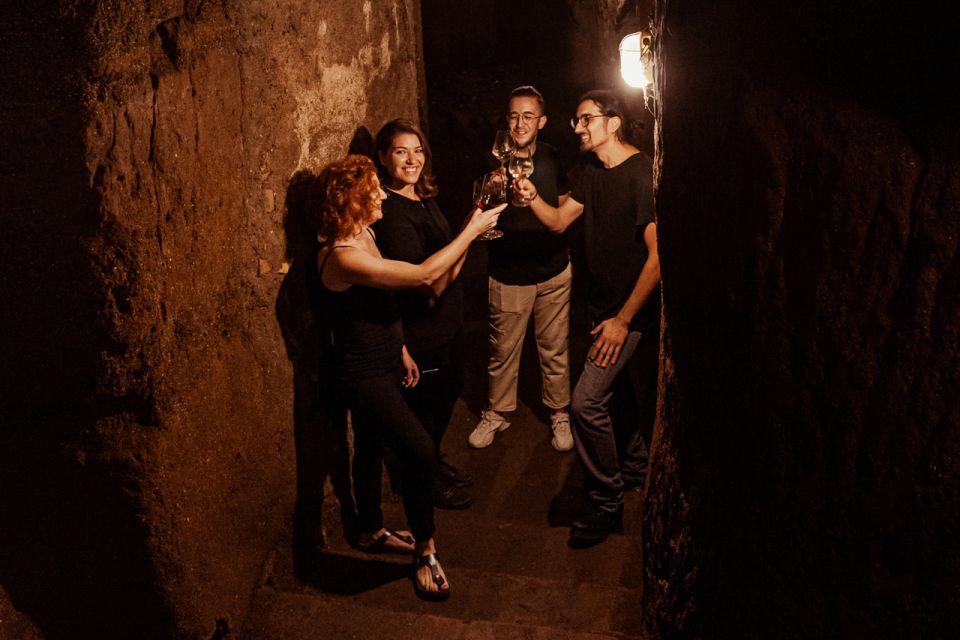
- 15th-century cellar and wine cave: you see where Frascati wine-making started
- Two wine tastings: paired with local meats and cheese
- Real Roman sauces: Carbonara, Cacio e Pepe, and Amatriciana
- Hands-on pasta from scratch: knead, cut, and shape your own dough
- Fun, family-run energy: hosts like Nico and Aurora (with guides such as Rosa/Rosie) make it feel personal
- Short town walk before the food: Frascati at local speed, not Rome rush hour
A hilltown reset: why Frascati feels different from Rome
Frascati is only a short train ride from Rome, but the mood changes fast. You trade traffic and museum crowds for a small town built on a hill, with slower streets and the kind of views that make you look up even if you’re trying to power through a schedule.
This is a smart move if you’ve already spent your mornings in the Eternal City. It gives you a half-day with a clear purpose—food and wine—yet you still get to see the place. One of the best parts is that you’re not just leaving Rome; you’re stepping into a Roman neighborhood alternative: wine country, done the local way.
You can also read our reviews of more food & drink experiences in Rome

Getting to Frascati smoothly from Roma Termini
The day starts with train travel: it’s about 30 minutes from Roma Termini to Frascati. The most practical advice here is simple—arrive at Roma Termini early and double-check you’re on the right platform. People do miss trains sometimes, and the hosts do message to help when plans go sideways, but you’ll enjoy the day more if you avoid the panic.
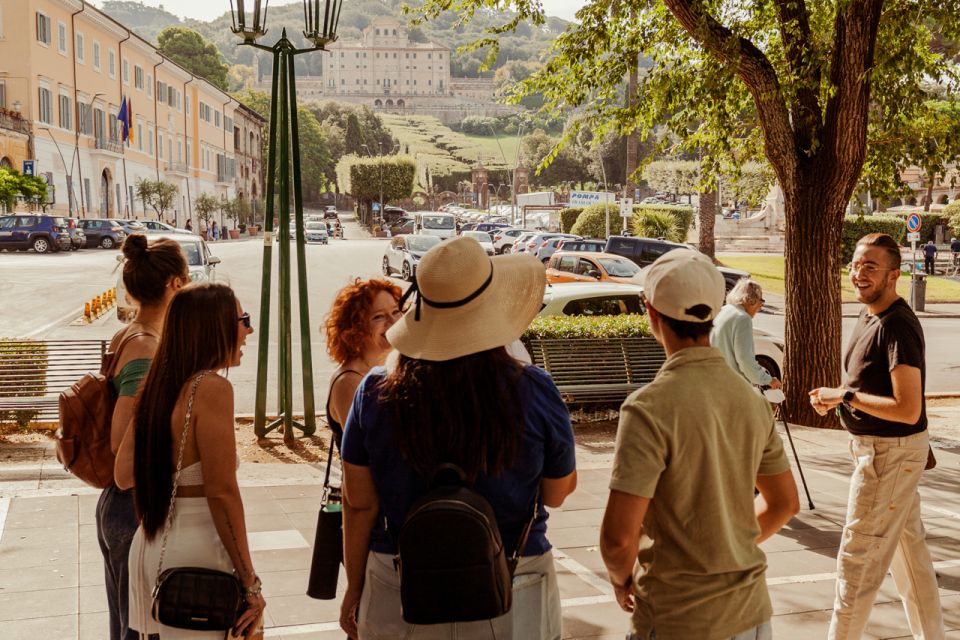
Once you arrive, you’ll be picked up at Frascati Railway Station, then guided through town. The meeting point detail matters because Frascati has more than one tour happening at once: they ask you to wait by the Frascati sign just outside the station.
If you prefer to meet them directly at the restaurant, there’s an address you can use: Corso San Giuseppe Calasanzio 21, Frascati, about 20 minutes after the scheduled time.
A short walking tour that actually helps you enjoy the town
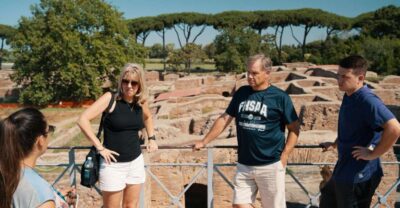
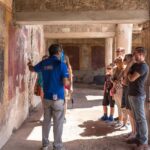
After pickup, you get a short walking tour of Frascati. This isn’t a “stand here, take a photo, move on” route. It’s the kind of orientation that helps you understand why people go to Frascati for wine and why it feels like a real community instead of a day-trip set.
You’ll also notice the town’s layout quickly. One review mentioned that Frascati includes views of Rome from higher elevation, which makes sense on this hill. That’s a nice bonus because it turns your trip into more than a cooking class—it becomes a small-town story you can picture later when you’re eating the pasta you made.
First stop: the family wine cellar and two tastings
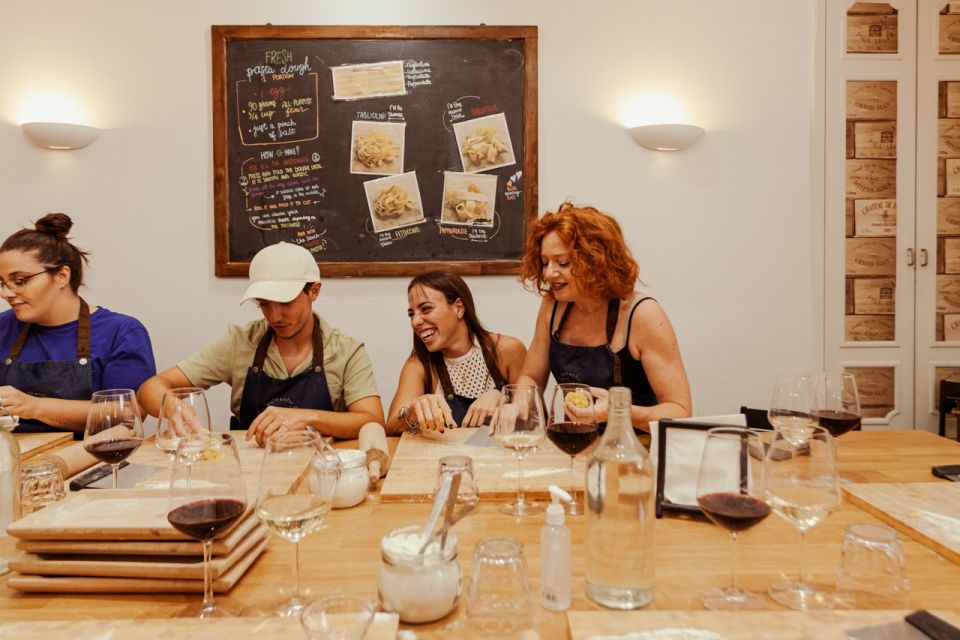
The heart of this experience starts underground (and then moves upward). You go to the family’s old wine cellar—a working setting tied to how Frascati wine-making began. This is where the day earns its authenticity points: the tasting happens where the production story lives.
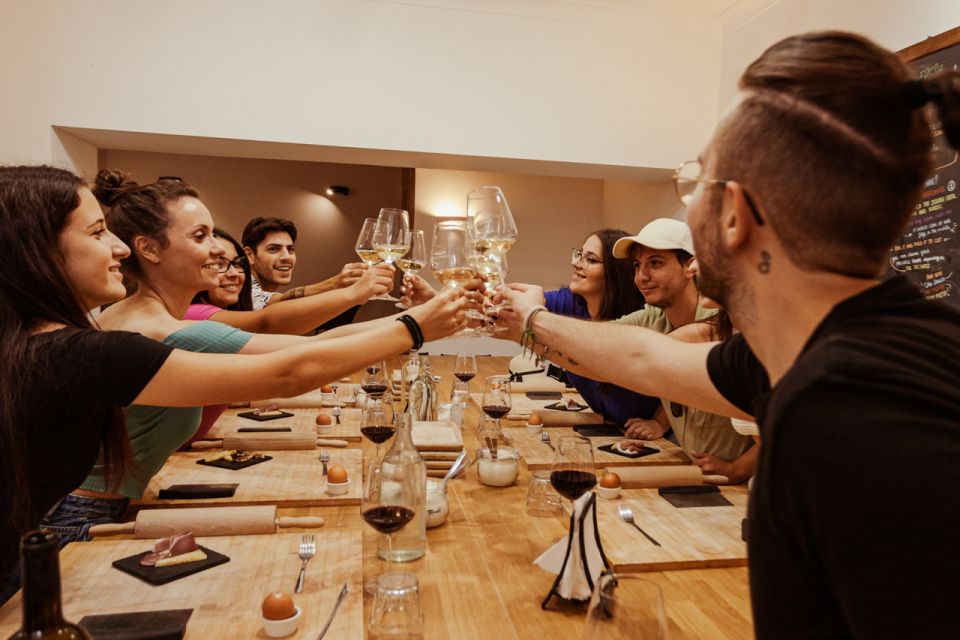
Before pasta happens, you’ll sip two types of the family’s wine, and the tasting includes snacks paired with wine. From the details shared, those pairings often include local cheese and meats such as salami and mortadella.
It’s also where the hosts bring context. You get an explanation of the wine and Frascati culture, not just a generic “white is crisp, red is bold” speech. If you’re a wine person, you’ll appreciate the focus. If you’re not, you’ll still get enough to feel like you understand what you’re tasting.
Extra wine is optional
One more useful detail: extra wine isn’t included, but you can buy it on-site. That’s great because you can treat it as a treat, not a pressure.
You can also read our reviews of more cooking classes in Rome


The wine cave visit: where the story becomes physical
After tasting, you visit the old wine cave where the family started making wines in Frascati. This is the part that tends to stick with people because caves are one thing—but old cellar spaces connected to local production are another.
A detail worth noting: one account described the cave area as previously used as a shelter during WWII. Even if your guide explains it differently, the point is the same: you’re not only tasting wine history; you’re stepping into a space that has had multiple jobs over time.
This stop also gives you something important for the next phase: it connects wine production to the flavors you’ll later pair with food. By the time you sit down to make pasta, you’re not just hungry—you’re “in the system” of how the day connects.
Hands-on pasta making: from dough to Roman sauce
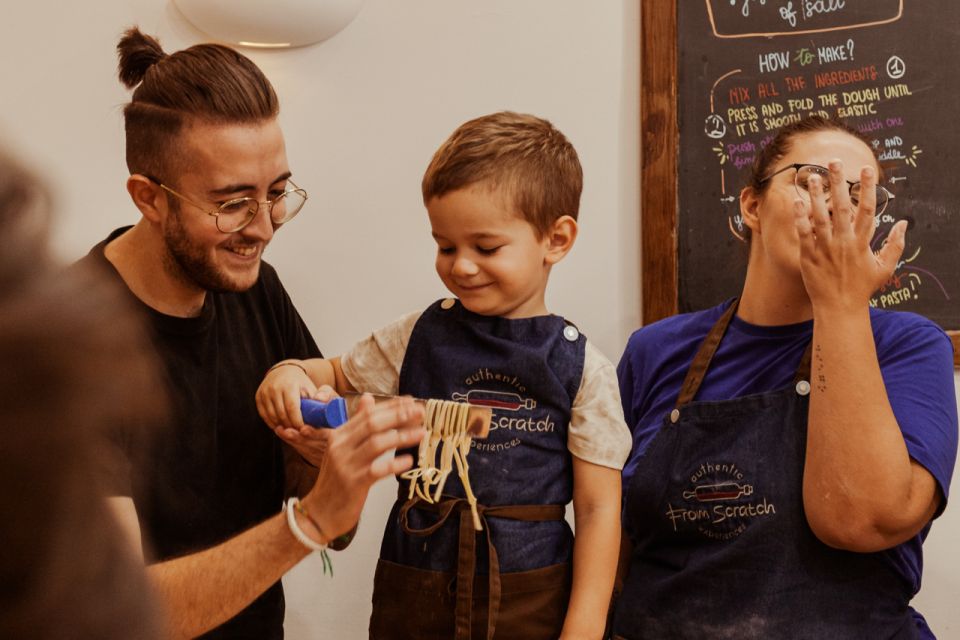
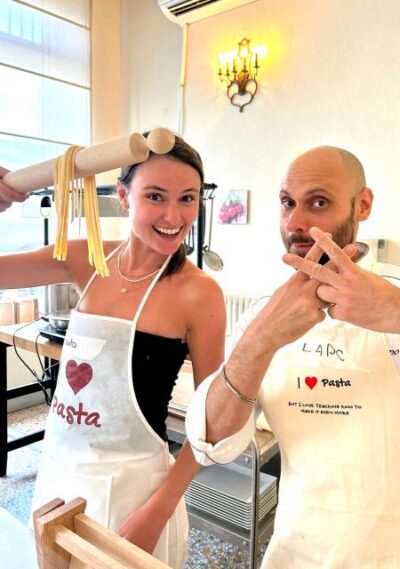
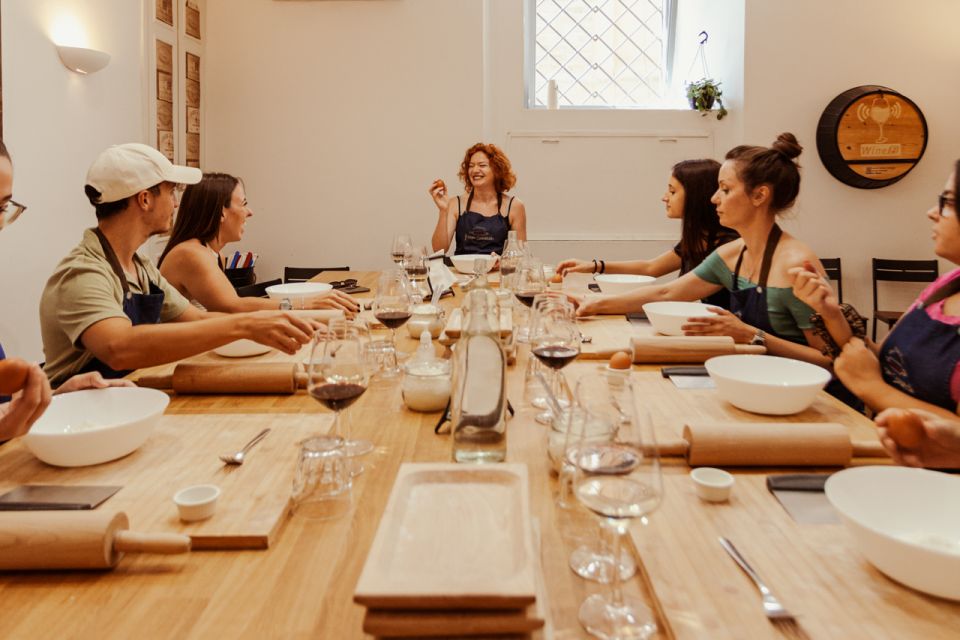
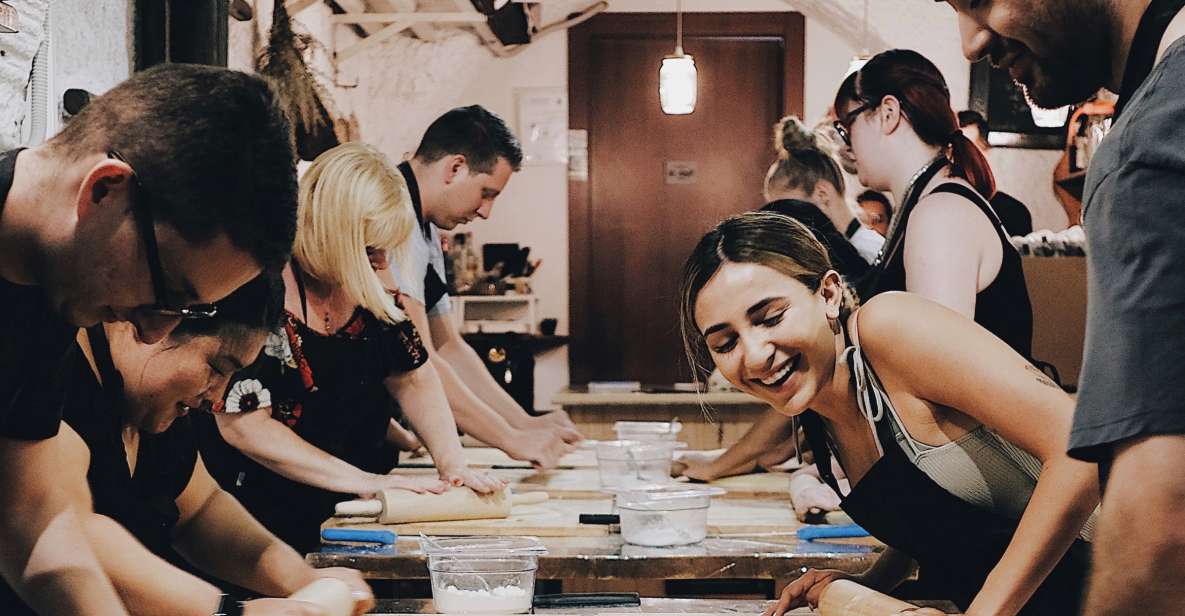
Then comes the fun part: making fresh pasta from scratch. Everything you need is provided, and you’ll be given time and instruction to get your hands in the dough. You put on an apron, then mix ingredients, knead, and shape.
What makes this class feel different from many cooking-tour formats is the way the sauce choices matter. Instead of making “whatever sauce,” the lesson guides you toward classic Roman options such as:
- Carbonara
- Cacio e Pepe
- Amatriciana
These are not random fancy names. They’re regional benchmarks. Learning how to make them as part of the same meal you create from scratch makes the skills practical—because you can recreate the whole logic later, not just the technique of rolling dough.
The pace is designed for real learners
You’ll be taught while you work, not after. That matters if you’ve never kneaded pasta dough before. The best advice for your own success: stay patient with the dough. Pasta-making is physical; it responds to touch, not speed.
Several accounts mention guides being helpful and supportive during the process. That’s a big deal because pasta work can feel fiddly at first. Here, the vibe is light enough that you can make mistakes without the class turning tense.
You’ll eat what you make
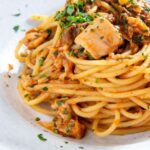
At the end of the lesson, your pasta is cooked with your chosen Roman sauce. You’re not just leaving with skills and a promise—you get to taste the result while it’s fresh and warm, in the same setting where wine and history happened earlier.
Lunch or dinner in the cellar: what the meal feels like
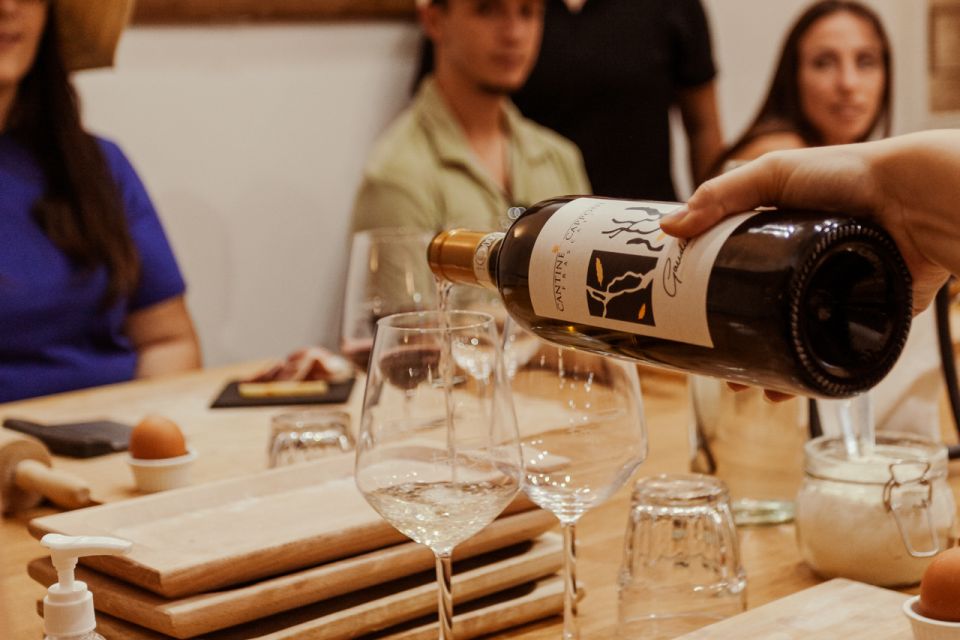
The meal is either lunch or dinner depending on the timeslot, but either way it’s built around what you made. You’ll sit down for a pasta dish paired with the wine you tasted earlier in the day.
Expect coffee and water as part of the included experience. And because this is a family-run setting, the atmosphere tends to feel social. Some accounts mention the hosts helping set people at ease, even for solo travelers. If you’re coming alone, this can be a great option because the class has structure, and conversation often happens naturally around the cooking.
One extra practical detail from accounts: you may be able to take leftover pasta away in a to-go container. That’s not guaranteed in the provided facts, but it’s a helpful sign that portion size can be generous and waste can be avoided.
Value check: is $35 per person actually a deal?
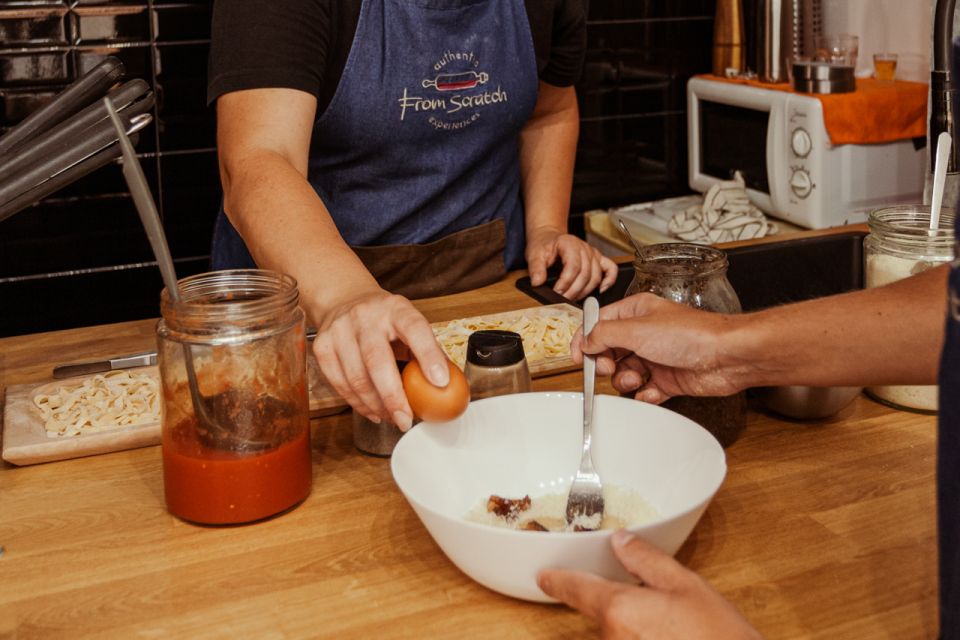
At $35 per person for about 2.5 hours, the value is mostly in what’s included—not just the pasta.
You get:
- Pickup from Frascati Railway Station
- A short walking tour of Frascati
- Equipment to make fresh pasta from scratch
- Wine tasting for two types of family wine
- Snacks paired with wine
- A visit to the old wine cave
- Coffee and water
- Lunch or dinner depending on the timeslot
A normal Rome cooking class might give you a meal and a chef lesson. This one stacks extra value by adding a wine cave visit plus tastings in a family production space. In other words, you’re paying for a day-trip experience that includes both food education and a sense of place.
The only “watch your spending” item is that extra wine costs extra, but you can keep it controlled if you want. If you do want more wine, buying it on-site can also make sense because it matches the tasting you already experienced.
Who this is best for (and who should think twice)
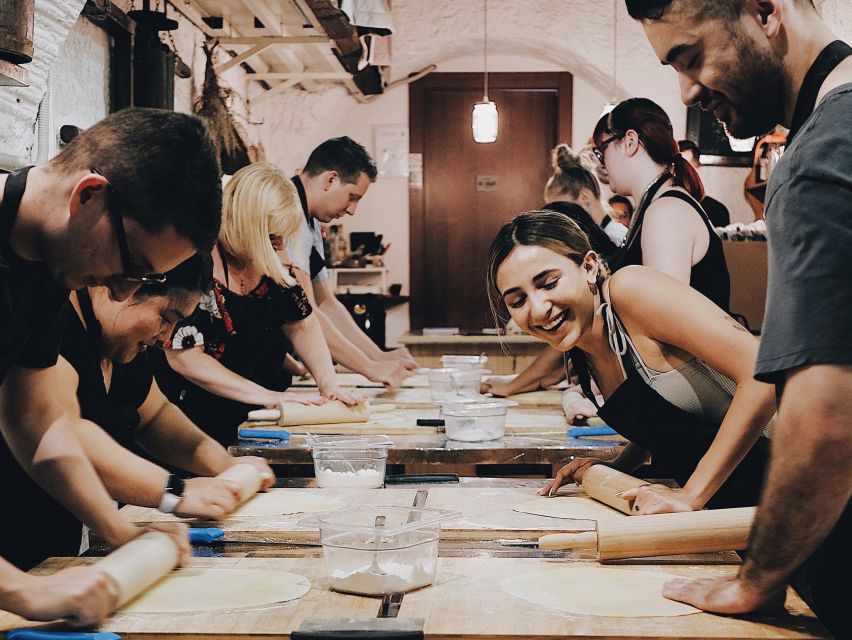
This experience works especially well for:
- Couples who want a romantic change of pace from Rome’s heavy sightseeing
- Solo travelers who prefer an organized day with friendly hosts
- People who want a practical cooking skill, not just a food tour
- Wine lovers who like the idea of tasting in a production setting
- Anyone craving classic Roman flavors: Carbonara, Cacio e Pepe, Amatriciana
It’s less ideal for people who don’t handle stairs well, because of the ~100-step climb and the fact that there’s no elevator. If you need barrier-free access, you’ll want to think twice before committing.
Also, because the class is English-taught, it’s a strong choice if you want instruction you can actually follow without guessing.
Practical tips to get the most out of your pasta and wine day
A few small choices can make the experience smoother.
Wear shoes you can trust on steps and uneven surfaces. You’ll be climbing to reach the town top area, and the cave visit adds more time on your feet.
Plan to eat at full energy. You’ll be tasting wine and then cooking, which tends to build an appetite. One tip that comes up from the overall structure: come hungry, because the meal portion can be satisfying.
If you’re not sure about wine, don’t stress. Some accounts mention the wine being enjoyed even by those who don’t love wine. You’ll still get snacks paired with the tastings, and the pasta portion is the core.
If you’re delayed, it helps to respond quickly. The experience is designed to help if you miss the train or arrive late, and hosts can guide you, but fast communication makes it easier.
Should you book the Frascati pasta and wine experience?
I think this is a great pick if you want a Rome-area day that feels real and hands-on. You’re not only tasting wine; you’re learning pasta technique and Roman sauce logic, then eating the result where it all began. The family-run setting also makes it feel more intimate than a big-city cooking workshop.
Book it if:
- You want skills you can repeat at home (fresh pasta dough + Roman sauces)
- You like wine culture but want it paired with real food
- You enjoy learning in a relaxed, social atmosphere
Skip it if:
- Stairs are a serious issue for you (no elevator, about 100 steps)
- You only want a quick “activity” and hate longer meal-based schedules
If you want one memorable break from Rome that mixes Frascati wine caves with fresh pasta you shape yourself, this is exactly that kind of day.
FAQ
How long is the Rome: Pasta Making with Wine Tasting and Dinner in Frascati experience?
The experience runs about 2.5 hours.
What’s included in the pasta-making and wine part?
You get equipment to make fresh pasta, wine tasting of two types of family wine, snacks paired with wine, and a visit to the old wine cave. Lunch or dinner, plus coffee and water, is also included depending on the timeslot.
What are the Roman sauces included in the class?
The class focuses on Roman-style sauces including Carbonara, Cacio e Pepe, and Amatriciana.
Do I need to speak Italian?
The instructor is listed as English.
How do I get to Frascati from Rome?
You take a train from Roma Termini to Frascati (about 30 minutes). The experience includes pickup at Frascati Railway Station, and you’re advised to arrive early to get the right platform.
Is it difficult to access the location due to stairs?
Yes. You should expect to climb about 100 steps, and there is no elevator.