REVIEW · ROME
Rome: Twilight Trastevere Food Tour with Wine Tasting
Book on GetYourGuide →Operated by Eating Europe Food Tours · Bookable on GetYourGuide
Food tastes better after dark in Trastevere. This twilight walk is built around that idea, with 13 Roman tastings, local wine, and neighborhood storytelling as the streets shift into evening mode. I like the guide-led format because it steers you to the kind of places you’d miss on your own, and I like the skip-the-line angle for Da Enzo al 29.
You also get a real wow-factor stop: a wine cellar at Spirito di Vino that dates back 150 years before the Colosseum. Add in a gelato lesson that helps you spot genuine gelato versus fake lookalikes, and the whole 4 hours turns into dinner-plus-drinks, not just a few bites and photos.
The tradeoff is that you’re paying for a lot of servings and included wine, and you’ll be walking for much of the evening. Bring comfortable shoes and an umbrella, because it runs rain or shine.
In This Review
- Key Points Worth Marking on Your Map
- Trastevere at Dusk: Why This 4-Hour Walk Works
- Price and Value: What $123.48 Buys You in Rome
- Meeting Point at San Bartolomeo all’Isola: The Cross Is Your Shortcut
- A 4-Hour Evening Plan: How the Stops Build One Big Meal
- Da Enzo al 29: Skip-the-Line Trattoria Time
- Spirito di Vino: A Wine Cellar Older Than the Colosseum
- Enoteca Ferrara Pairing: Wine That Gets Explained
- Gelato Interlude: How to Spot Real Gelato
- Porchetta in Trastevere: The Roast Pork Moment
- Pasta in an Ancient-Rome Setting: When Food Becomes a Story
- More Than the Headliners: Roman Snacks, Cheese, Cookies, and Real Bites
- How the Group Feels: Small, Social, and Easy to Talk Food
- What to Bring and How to Prepare So You Enjoy Every Pour
- The Biggest Watch-Outs (So You Don’t Get Frustrated)
- Should You Book This Rome Trastevere Twilight Food and Wine Tour?
- FAQ
- How long is the Rome Twilight Trastevere Food Tour?
- What time does the tour start?
- How many tastings and locations are included?
- Where is the meeting point?
- What drinks are included?
- Is the tour suitable for everyone?
Key Points Worth Marking on Your Map
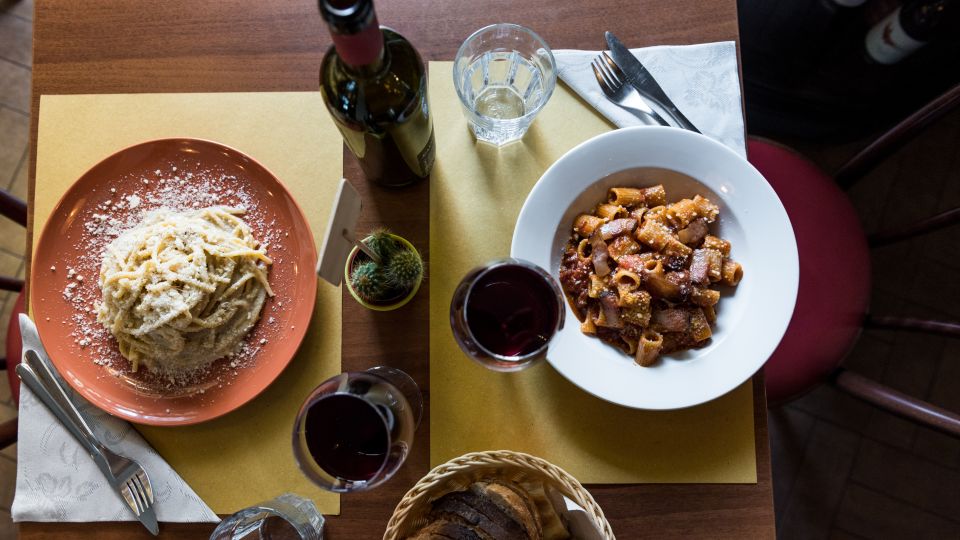
- Skip the line at Da Enzo al 29, a famed trattoria that can be hard to crack on your own
- Spirito di Vino cellar, with history that goes back before the Colosseum
- Gelato reality check, including how to identify real gelato from imposters
- Trastevere porchetta moment, featuring a roast pork stop tied to the neighborhood’s porchetta fame
- Wine pairing at Enoteca Ferrara, with wine that’s part of the story, not just an add-on
- Four-hour twilight timing, with multiple start times from 4:10pm to 6:10pm
Trastevere at Dusk: Why This 4-Hour Walk Works
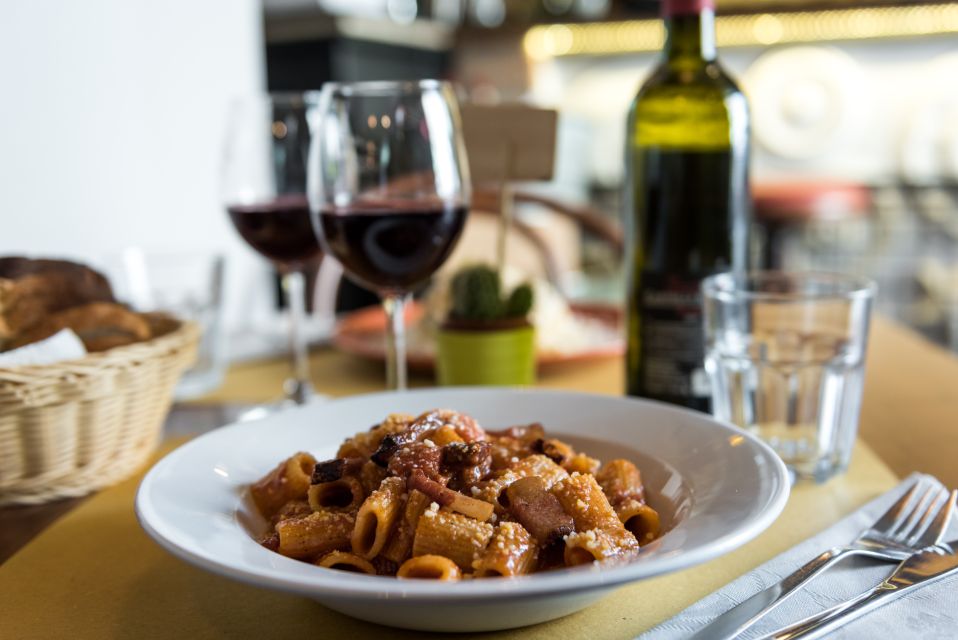
Trastevere after dark has a different rhythm. You start in the early evening and move through a neighborhood that feels made for wandering—tight streets, lively food energy, and just enough night air to make the walk feel fun instead of exhausting.
This tour is designed as a slow-motion dinner. In a span of about 4 hours, you cover enough ground to see Trastevere’s character and to hit multiple tastings across several locations, without turning it into a marathon.
You can also read our reviews of more food & drink experiences in Rome

Price and Value: What $123.48 Buys You in Rome
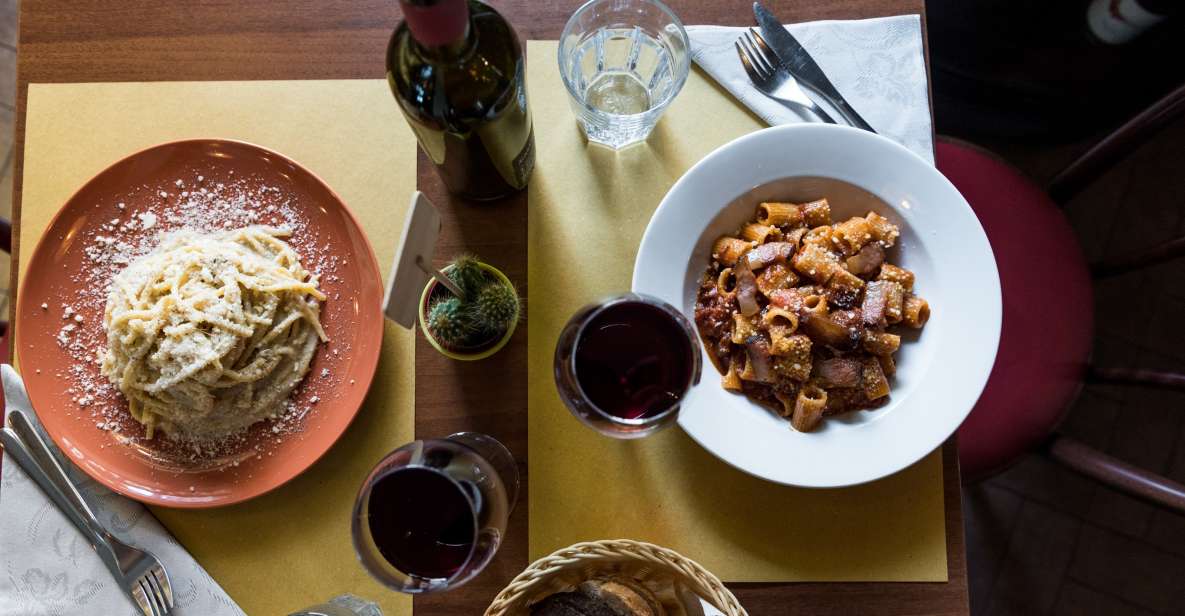
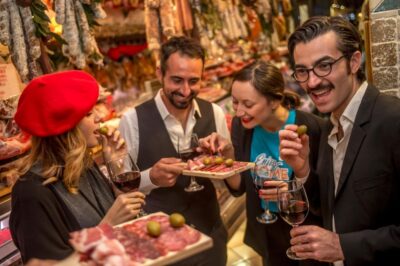
Let’s talk money plainly. At $123.48 per person for a 4-hour guided food tour, you’re not paying for a single restaurant meal. You’re paying for a bundled evening: a guide, 10 different tastings at 6 exclusive locations, plus wine, beer, and water included.
That bundle matters in Rome, where a “normal” dinner plus drinks can add up fast once you include wine. Here, the value is in the structure: you get multiple tastings that cover classics (pizza, pasta, gelato) and also deeper Roman bites (meats and cheeses, cookies, street-food-style snacks), plus drinks paired to the stops.
The main reason the price feels fair for many people is simple: you’re walking in hungry, and you leave satisfied. The main reason it might feel steep is also simple: if you don’t drink wine/beer much, or if you hate walking, you may not use the full benefit.
Meeting Point at San Bartolomeo all’Isola: The Cross Is Your Shortcut
You meet on the Tiber Island (Isola Tiberina) at the Church of San Bartolomeo all’Isola. The group gathers in Piazza di San Bartolomeo all’Isola, where you’ll spot your guide by a monument with a cross on top, centered in the piazza.
There’s a practical landmark setup to help you find it fast: the piazza sits opposite the Fatebenefratelli pharmacy and hospital. Next to the piazza is Tiberino (Via di Ponte Quattro Capi 18), which helps as a fallback if you’re scanning the street.
Your guide will be carrying a tote bag with an Eating Europe sign. That detail sounds minor until you’re standing in Rome with other groups arriving too—then it’s everything.
A 4-Hour Evening Plan: How the Stops Build One Big Meal
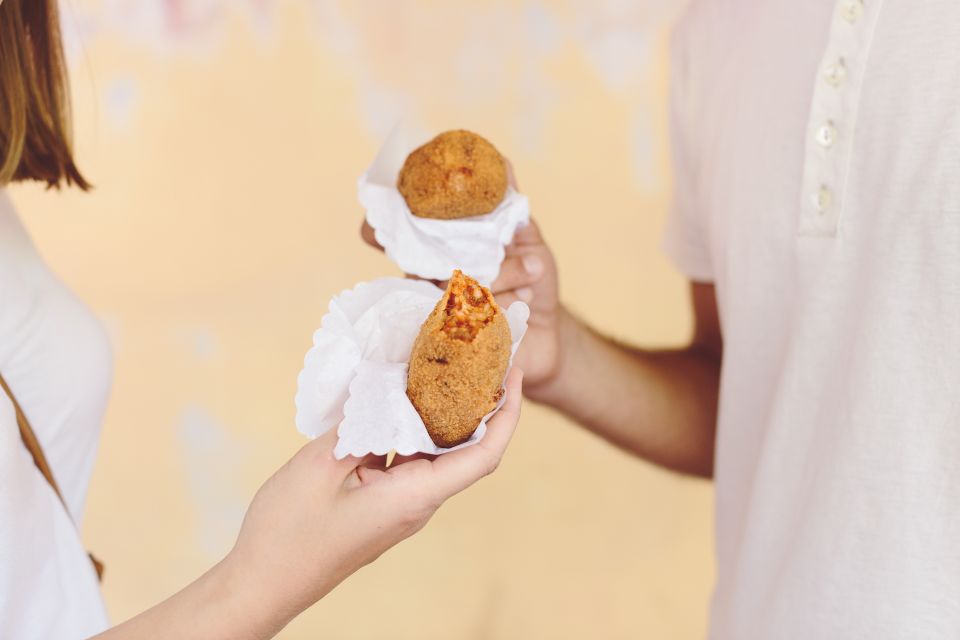
This tour is set up as a chain of tastings that gradually changes what you’re eating and drinking. You start with the easy-to-love Roman classics, then the menu shifts toward less familiar items, followed by the big “wow” moments: a famous trattoria skip, an old-school wine cellar, and that porchetta stop people talk about.
Even the pacing is part of the design. You’ll do enough walking to feel like you’re in Trastevere, but the tastings reset your energy level at each stop.
Da Enzo al 29: Skip-the-Line Trattoria Time

One of the standout promises here is skip-the-line access to Da Enzo al 29. That matters, because in Rome you can lose a whole evening waiting for a popular table, even if you picked the right restaurant.
At this stop, you’re in trattoria territory: classic Roman cooking, the kind of place where pizza and pasta feel like they belong. It’s also the sort of meal that works well early in the experience, because it gives you a base of comfort-food confidence before you start branching into more specific Roman specialties and wine pairings.
The drawback to note: this is a dinner-style tour. If you show up with a full meal in your stomach, you’ll likely feel rushed or underwhelmed at the later tastings.
You can also read our reviews of more tours and experiences in Rome





Spirito di Vino: A Wine Cellar Older Than the Colosseum
Then comes the “stop-and-stare” moment: a visit to the Spirito di Vino wine cellar, described as 150 years older than the Colosseum. Even if you’re not a wine nerd, this part works because it connects what you’re drinking to a place with weight and time behind it.
The guide helps you make sense of it, and the tasting is paired with the story rather than served like a generic sip. In practice, that means you get a more satisfying wine experience: less random sampling and more “why this works here.”
If you’re the type who only drinks casually, you can still enjoy this stop. The upside is atmosphere plus guided context. The only caution is practical: wine gets more noticeable on an uneven stone street at night, so pace yourself between sips and snacks.
Enoteca Ferrara Pairing: Wine That Gets Explained
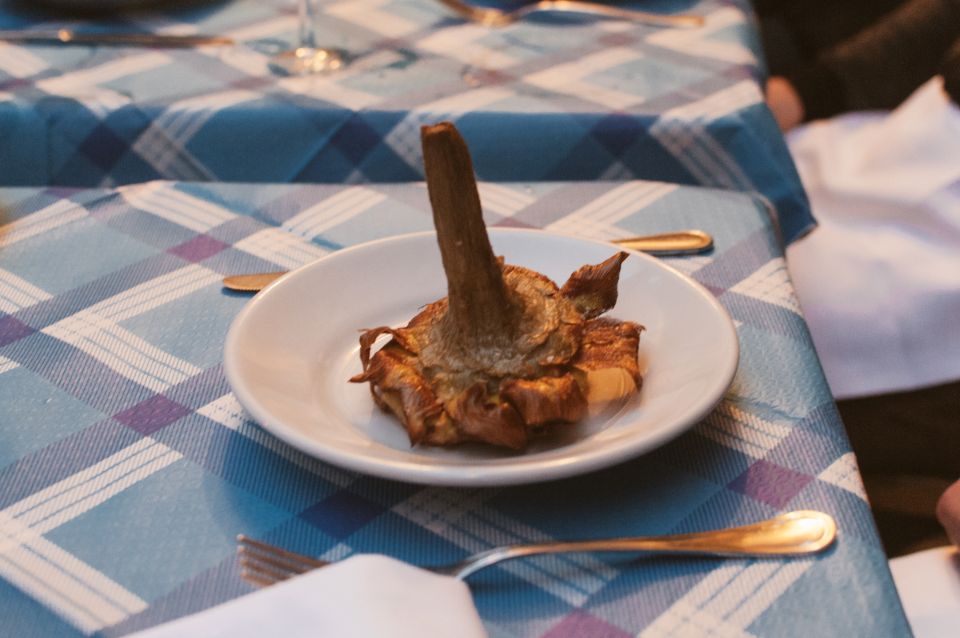
Another key wine moment is at Enoteca Ferrara, where you get a top-notch wine pairing. This is where the tour typically feels most educational without turning into a lecture.
You’ll get the sense that Italian wine isn’t just a drink. It’s part of the food system—how the flavors were meant to meet, what textures go together, and why certain choices repeat in Roman eating.
One thing I like about this style of pairing is that it makes it easier to order confidently later. Even if you don’t remember every grape, you tend to leave with a clearer sense of what you personally like with savory bites.
Gelato Interlude: How to Spot Real Gelato
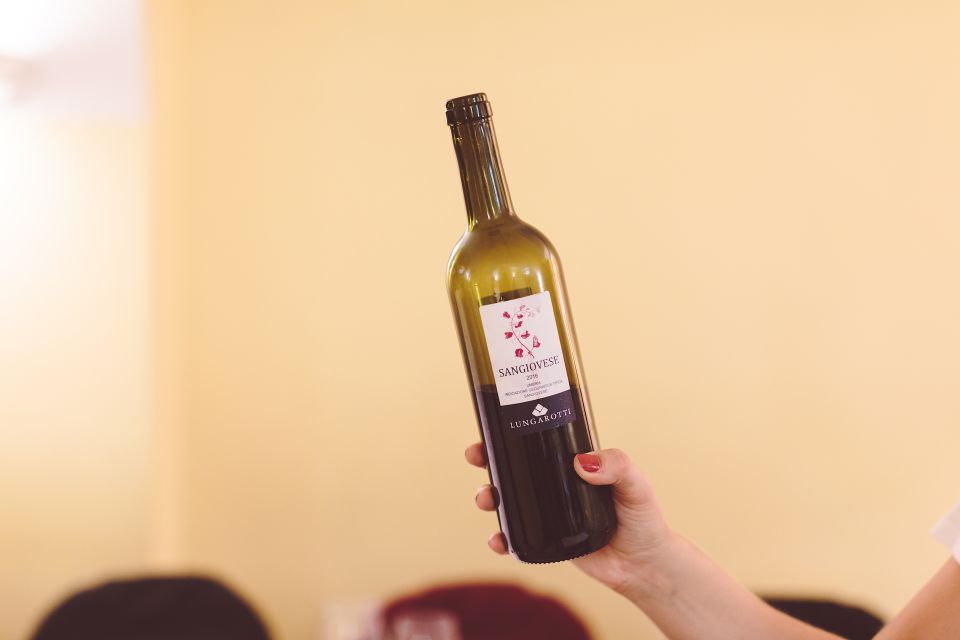
Now for the fun twist: the tour includes a gelato segment that teaches you how to recognize real gelato versus fake alternatives. This is the kind of detail that sounds nerdy until you’re standing at a counter and realizing how many places sell something that looks right but doesn’t taste right.
You’ll also get a better idea of what makes good gelato in the first place—texture and flavor intensity—so you don’t have to gamble later when you’re picking a shop at midnight.
One caution: gelato is a sweet reset. If you’ve been drinking wine earlier, the contrast can hit fast. It’s great for enjoyment, but it can also make you feel full sooner than you expect. Plan your appetite for the full sequence.
Porchetta in Trastevere: The Roast Pork Moment
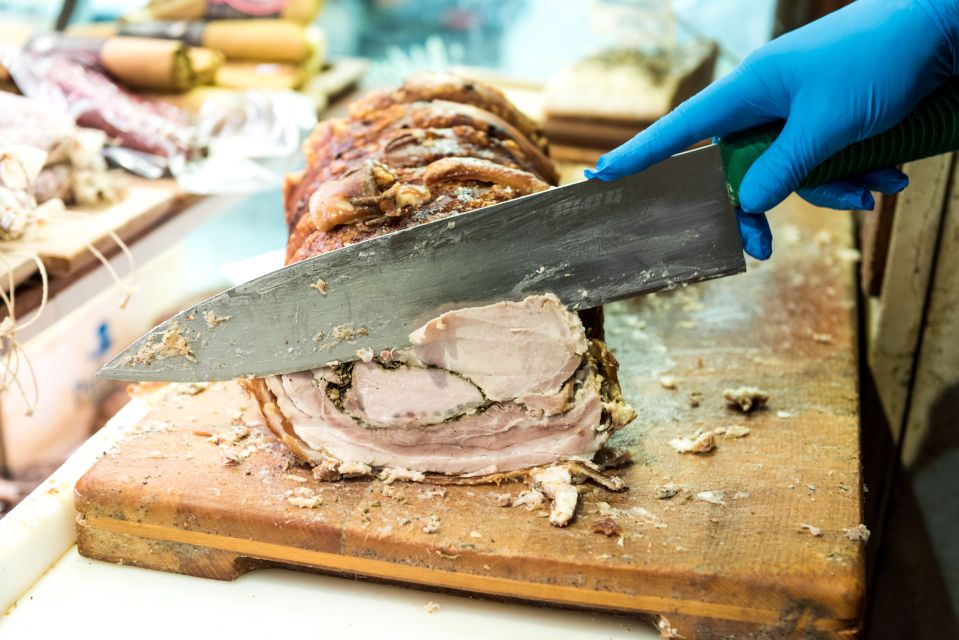
Trastevere has a reputation for porchetta, and this tour leans into it. You’ll visit the neighborhood’s “King of Porchetta” and taste the roast pork that made the area famous.
This stop is valuable because it takes you beyond the tourist shorthand of Italy as pasta-and-pizza only. Porchetta is a street-to-table story, and it’s also a flavor that shows up in different forms around Rome. Getting it here, guided and placed in context, makes it more than just another meat bite.
The practical thing to remember: roast pork is rich. So this is a great time to slow down, take water breaks, and let the earlier tastings do their job rather than trying to force everything at once.
Pasta in an Ancient-Rome Setting: When Food Becomes a Story
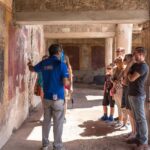
One of the experience highlights is traditional pasta served in an authentic Ancient Rome setting. That’s more than a gimmick. Food is one of the fastest ways to understand culture, and a setting like this encourages you to think about Rome as more than streets and monuments.
Even if you’ve seen ruins earlier in the day, this gives a different angle. It’s Rome as a lived daily practice—what people ate, what they valued, and how flavors and ingredients formed routines.
For some people, this is the emotional payoff. For others, it’s the reminder that the city’s story is always tied to everyday life, not just big architecture and famous names.
More Than the Headliners: Roman Snacks, Cheese, Cookies, and Real Bites
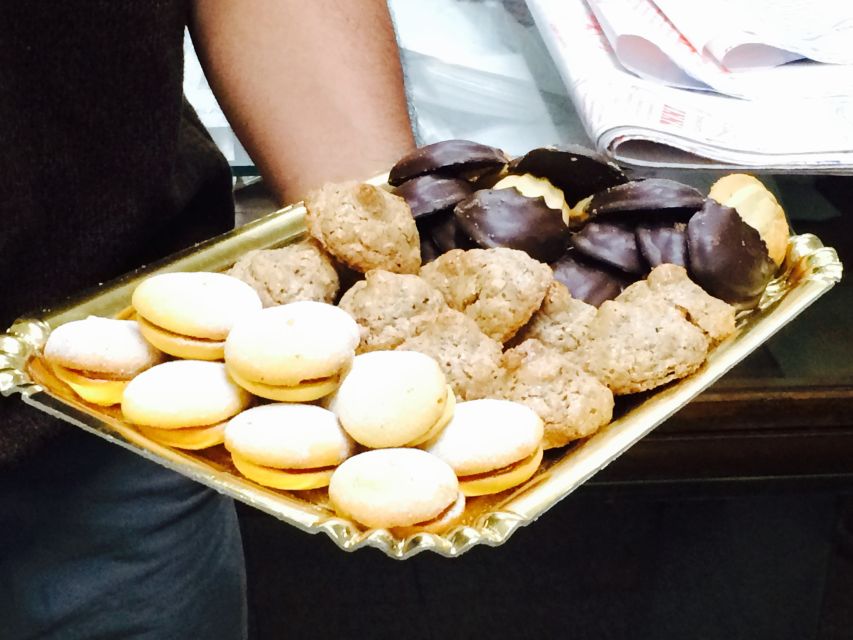
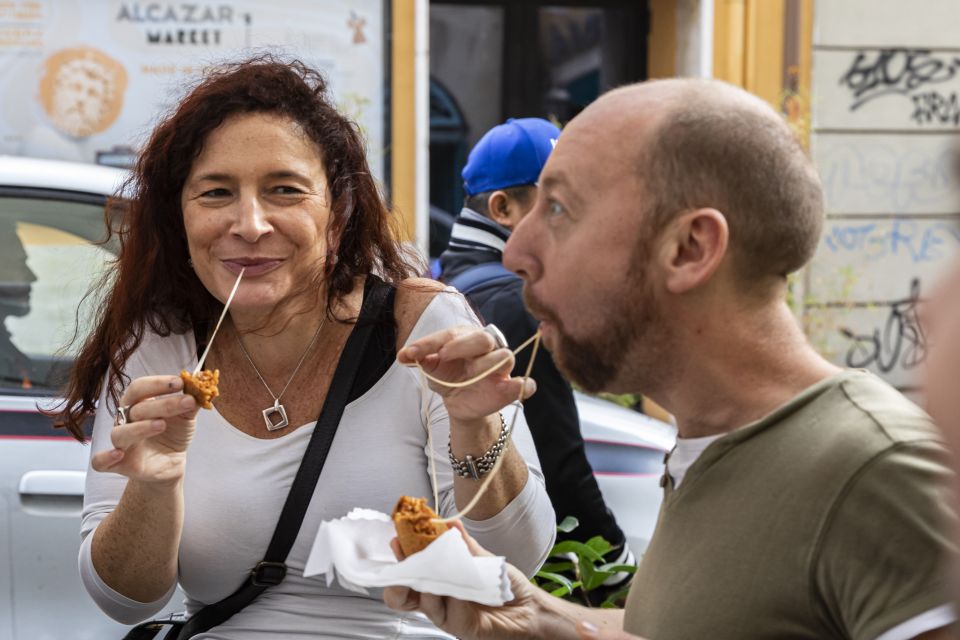
The tastings aren’t limited to a single style of food. The tour is designed to cover a mix of Roman street-food-style bites, lesser-known meats and cheeses, and even cookies—so you don’t feel like you’re only eating the same flavor family in different packaging.
That variety is also part of the value. You get a broader sample of Roman eating habits in a short time, with the guide helping connect what you taste to where it belongs in the Trastevere food world.
If you have food cravings, you’ll probably get your fix across the evening. If you’re picky, this is also a heads-up moment: you should review what you can eat comfortably, because the tastings are planned as a full dinner flow.
How the Group Feels: Small, Social, and Easy to Talk Food
The best feedback repeatedly points to the guide being the glue. You’ll see praise for names like Arturo, Leonardo, John, Amin, Martina, Toni, Jasmine, Luca, and Kat, with guests calling out that the guides keep things fun while packing in local detail.
That matters for your experience. A food tour can be just eating and moving along. When the guide makes the group feel connected, you end up talking during tastings, sharing favorite bites, and learning what to notice on your next night out in Trastevere.
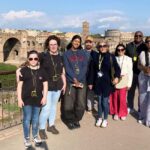
As for group size, it’s described as small in at least one case (around nine people). Smaller groups typically mean less waiting and more time to ask questions.
What to Bring and How to Prepare So You Enjoy Every Pour
This is an evening meal with walking built in, so prep is simple:
- Wear comfortable shoes with good grip.
- Bring an umbrella since the tour runs rain or shine.
- Bring water if you like to pace yourself between tastings.
Also, go in ready to eat. Multiple people emphasize arriving hungry, and it’s sound advice. With multiple tastings and included drinks, you’ll enjoy the whole arc more if you don’t start the evening already stuffed.
The Biggest Watch-Outs (So You Don’t Get Frustrated)
A few practical limits are worth knowing up front:
- The tour requires a minimum of 2 participants. If that’s not met, the provider will contact you to reschedule or reimburse.
- It isn’t suitable for people with mobility impairments.
- Severe or life-threatening allergies mean you can’t join for safety.
And since it’s outdoors and involves walking, you should plan for a moderate fitness level. The streets are real Rome streets: some uneven pavement is part of the deal.
Should You Book This Rome Trastevere Twilight Food and Wine Tour?
Book it if you want a guided, high-satisfaction evening with a clear structure: dinner-style tastings, included wine/beer, and the chance to see Trastevere like someone who lives there. I’d also book it early in your trip. Not because you need it to plan Rome, but because the places and flavors help you pick better restaurants afterward.
Skip it if you’re on a tight budget or you don’t drink wine/beer. Also skip if walking at night on uneven pavement is a no-go for you.
If you’re hungry for authentic Roman eating and you like your food tours with real city context—this is the kind of evening that tends to land as a top highlight.
FAQ
How long is the Rome Twilight Trastevere Food Tour?
It lasts about 4 hours.
What time does the tour start?
Starting times are 4:10pm, 4:40pm, 5:10pm, 5:40pm, and 6:10pm, depending on availability.
How many tastings and locations are included?
You get a complete dinner with 10 different tastings at 6 exclusive locations, and the route includes tasting 13 local delicacies overall.
Where is the meeting point?
You meet in front of the Church of San Bartolomeo all’Isola on the Tiber Island, at the monument with a cross on top in the center of Piazza di San Bartolomeo all’Isola. The guide will be near the center, with an Eating Europe sign/tote bag.
What drinks are included?
Wine, beer, and water are included. Additional drinks are not included.
Is the tour suitable for everyone?
It’s not suitable for people with mobility impairments. Also, guests with severe or life-threatening allergies cannot participate for safety.