REVIEW · ROME
Rome: Colosseum & Forum Small Group Tour with Palatine Hill
Book on GetYourGuide →Operated by Rome Your Way · Bookable on GetYourGuide
Ancient Rome feels close when the lines are gone. This Colosseum + Roman Forum small-group tour pairs fast entry with clear storytelling, so the ruins stop being random stones. You’ll also work up toward the high ground at Palatine Hill for a view that makes the whole area click. It’s a smart 3 to 3.5 hour plan for a first Rome day, not a half-day that drags.
I especially love how the guide explains the “why” behind what you’re seeing: gladiator life and the Colosseum’s tiers, then the Forum’s temples and politics as you walk. I also like the practical pacing, with photo moments and headsets when needed to keep the guide’s voice easy to follow. One consideration: the walking is real and the sites can be crowded, so if you hate stairs or uneven pavement, you’ll want to plan footwear and expectations carefully.
In This Review
- Key Points to Know Before You Go
- Entering the Colosseum Without the Queue
- Colosseum Tiers: How the Guide Makes It Make Sense
- Walking to Palatine Hill for the Best “Now I Get It” View
- Roman Forum Ruins: Temples, Columns, and a Real Timeline
- Capitoline Hill, Pantheon Area, and Piazza Navona Finish
- Small-Group Flow, Headsets, and Listening Comfort
- Cost and Value: Why $63.54 Can Be a Smart Spend
- Timing: Early Morning vs Later Afternoon
- What to Bring (and Not Bring) for an Easy Colosseum Day
- Who This Tour Is Best For
- A Note on Guides: What You Can Hope For
- Should You Book This Colosseum & Forum Small-Group Tour?
- FAQ
- How long is the Colosseum and Forum small-group tour?
- Does this tour include skip-the-line access?
- Are admission fees included?
- Is there a guide and are headsets provided?
- What languages are available?
- What should I bring for entry?
- What clothing or items are not allowed?
Key Points to Know Before You Go
- Skip-the-line entry at the Colosseum (the long queue pressure is the whole point here)
- Forum context that turns ruins into a timeline instead of a checklist
- Palatine Hill viewpoints with time to pause and look over the Forum area
- Small-group feel that helps you stay together and ask questions
- Headsets when needed so you can hear the guide even in the busiest spots
- Watch the dress rules: no shorts, no sleeveless shirts, and no big bags
Entering the Colosseum Without the Queue
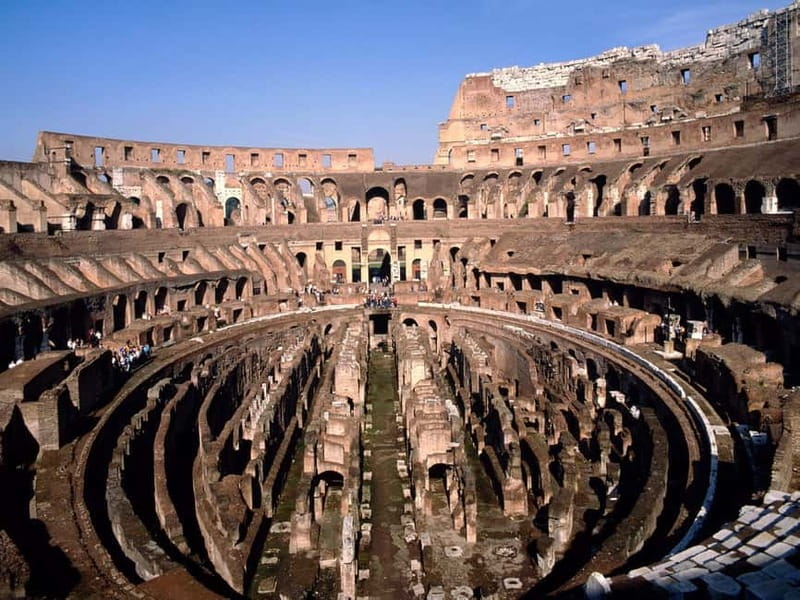
The Colosseum is one of those places where first-time visits often feel like a stress test. Your best move here is the skip-the-line entrance, because it protects your energy for the parts that actually matter: seeing the structure up close and understanding what you’re looking at.
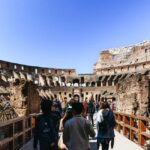
Inside, your guide focuses on the building and the action. You’ll hear stories of gladiator fights as you explore the Colosseum’s first and second tiers. That matters because the Colosseum is big, and without context, it’s easy to miss how the tiers shaped sightlines and spectacle. With a guide in the mix, you start noticing details like how the space would have worked during events, not just the famous exterior.
Expect a guided walk that keeps moving, not a sit-and-listen lecture. That’s a plus if you’re short on time. It’s also a good reason to pick this format over trying to do everything on your own while crowds swell around you.
Practical note: you’ll still be outdoors and there can be crowds inside the ticketing/entry flow before you reach your exact route. This tour is designed to reduce the “stand still and wait” portion, but it doesn’t remove every bottleneck in the Colosseum area.
You can also read our reviews of more tours and experiences in Rome.
Colosseum Tiers: How the Guide Makes It Make Sense
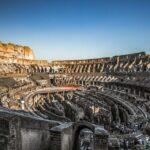
The Colosseum’s tiers can look similar at first glance, so your guide’s job is to give you anchors. You’ll get explanations that connect architecture to the experience of spectators: where people sat, what the tiers meant, and how the games unfolded.
What I like about this approach is that it changes what you photograph. Instead of shooting only big views, you start taking pictures of structural relationships—upper vs. lower levels, and how the interior space is organized. One of the strongest themes from high ratings is that certain guides bring the building process and the games to life with crisp explanations, and that the audio headsets help you catch every detail without leaning or shouting.
If you’re the type who enjoys a story with facts—political backstory, social context, and real descriptions of how things worked—this is a great fit. If you just want quick photos with minimal talking, you may feel the tour moves at a “learn mode,” not a “see fast” mode.
Walking to Palatine Hill for the Best “Now I Get It” View
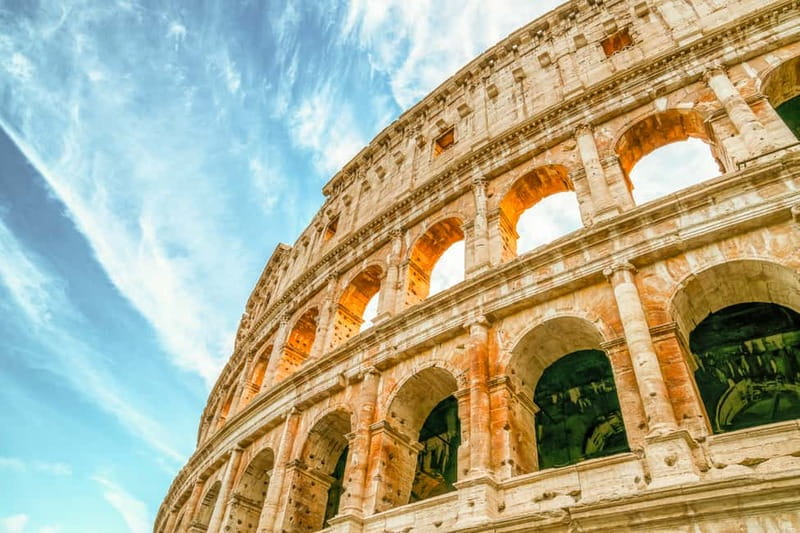
After the Colosseum, the tour shifts from the arena world to the surrounding city’s power center. Palatine Hill is where the ruins stop being abstract, because you get height and scale.
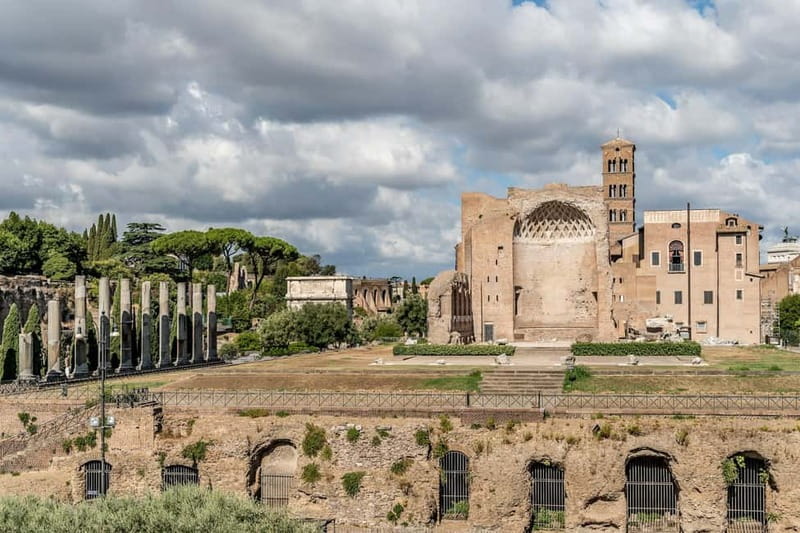
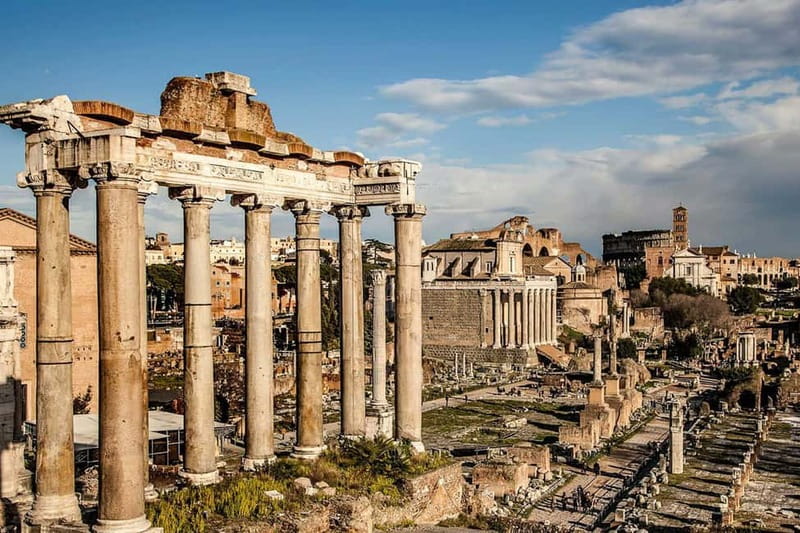
You’ll take a photo stop and then continue with a guided walk and visit. The big payoff is the view over the Forum area. From up here, the Forum’s layout feels logical instead of random: the long sightlines, the sense of “this is where the action was,” and why Romans built and rebuilt important spaces close together.
This part is worth it even if you’ve already seen Forum pictures online. At ground level, you can get lost in fragments. From Palatine Hill, you can see how the pieces relate. That’s also why it’s such a strong “first Rome tour” choice: it gives you a mental map.
One more thing: expect some physical effort. The hill and ruins mean uneven ground and stairs in parts of the area. Wear shoes you’d trust on slick stone and cobblestones.
Roman Forum Ruins: Temples, Columns, and a Real Timeline
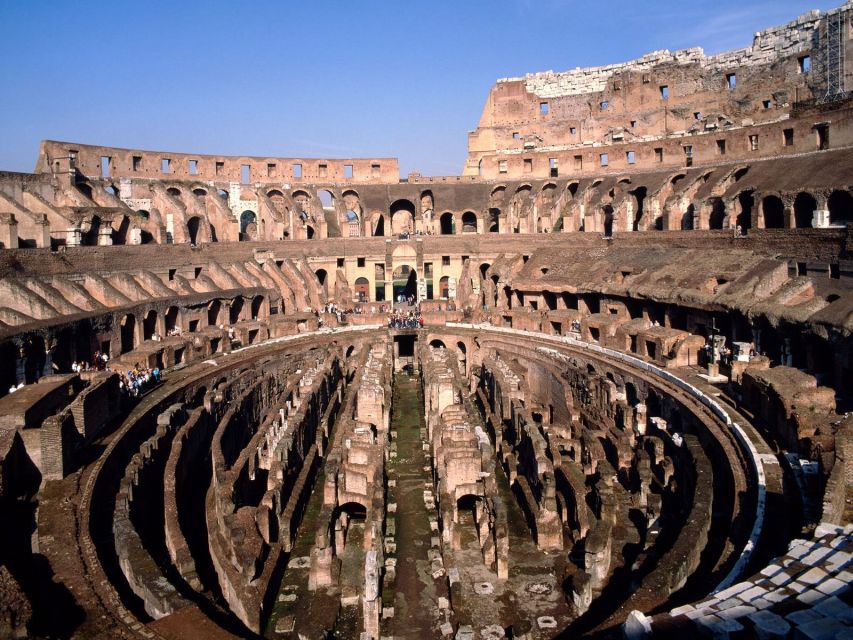
Now you’re in the heart of ancient Rome’s public life. The Roman Forum walk is where the guide’s stories turn scenery into history you can track.
You’ll wander through major ruins and focus on details like ancient temples, columns, and sculptures, with explanations that connect what you see to how Rome evolved. This isn’t just “this was built in year X.” It’s the meaning behind the spaces—why certain areas mattered and how Rome’s political life shaped its architecture.
A big plus is the tour’s rhythm. You get guided sections plus short photo stops, so you’re not stuck listening nonstop. You’re also not left alone trying to interpret fragments. The guide’s job is to translate symbols you might miss—so you know what a ruin represented and why it was important.
If the Colosseum gives you the theater of Rome, the Forum gives you the governance and identity behind it. That contrast is one reason this tour feels like a strong introduction to the city’s ancient world.
Capitoline Hill, Pantheon Area, and Piazza Navona Finish
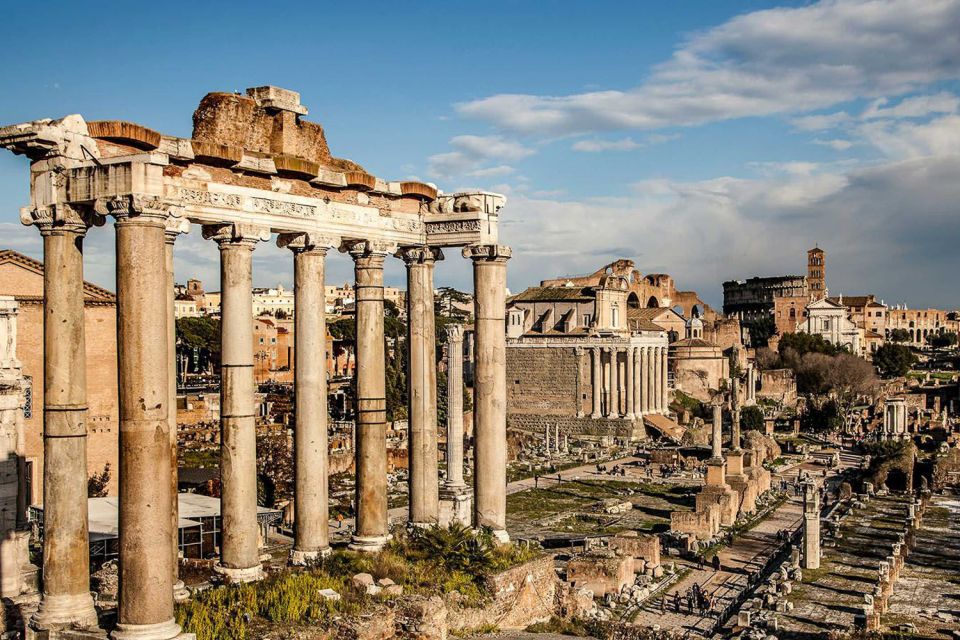
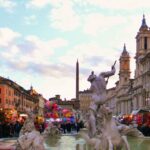
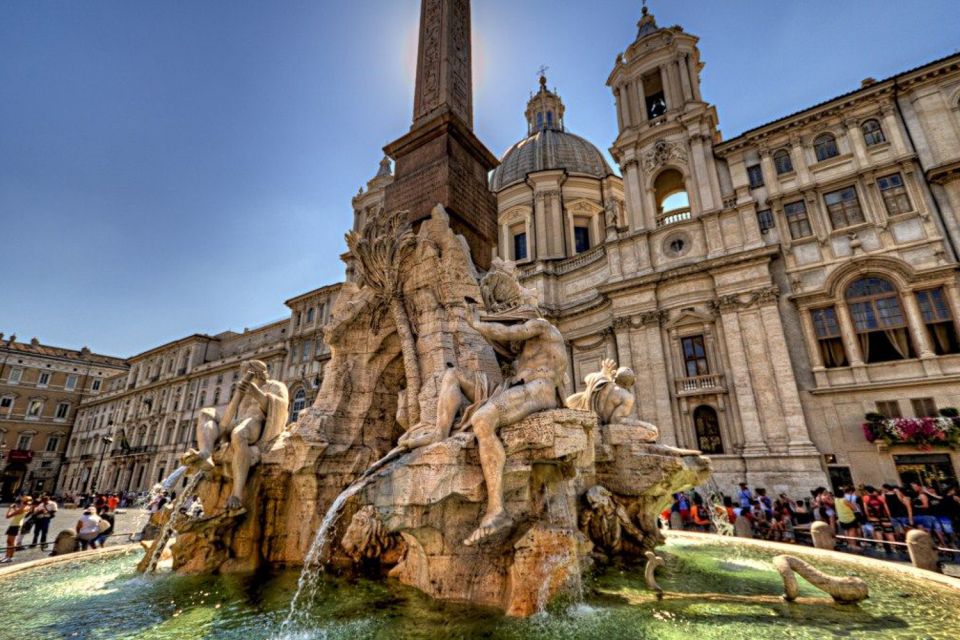
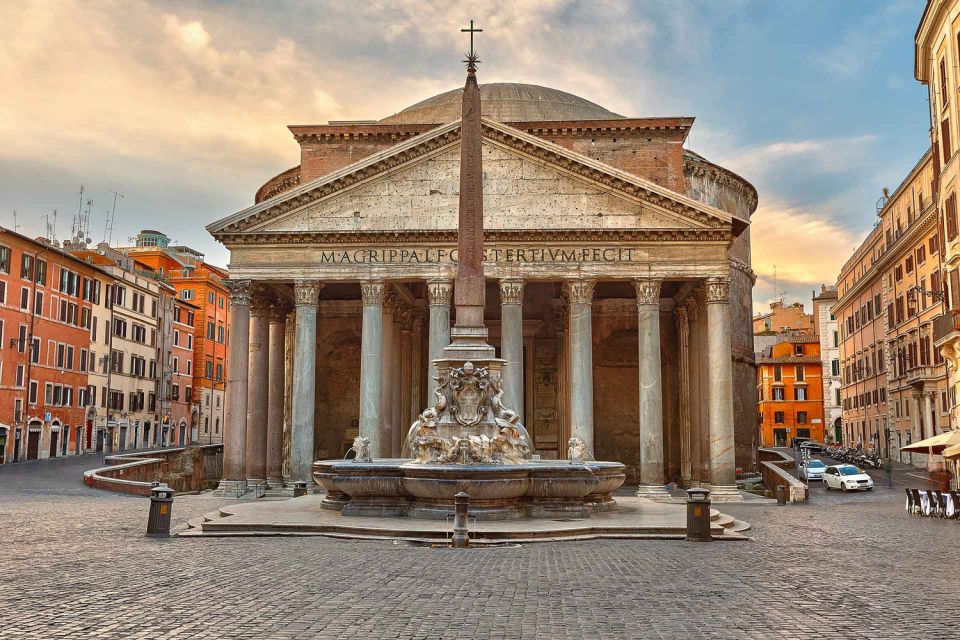
The route is built for a classic ancient Rome arc, and the descriptions you’ll see include more than just Colosseum and Forum. You may climb toward Capitoline Hill and see the Pantheon area, finishing near Piazza Navona or along Via dei Fori Imperiali depending on your option.
I like this design because it helps you keep the day feeling coherent. You don’t end the tour staring at a random end point wondering where to go next. Piazza Navona, in particular, is a good “wrap-up” spot: lively, central, and perfect for your next move—gelato, dinner, or a stroll to digest what you just learned.
That said, this is still a walking tour with a set time window. Plan your post-tour time with comfort, not tight bookings.



Small-Group Flow, Headsets, and Listening Comfort
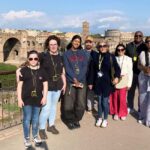
This is a small-group tour, and that matters more than it sounds. In Rome, the biggest friction points are crowds and confusion about where you should be standing. A small group helps you stay together and move with purpose.
Headsets are included when needed. That’s a real quality-of-life upgrade at the Colosseum and Forum, where wind, distance, and noise can make it hard to catch every word. Several guide experiences emphasized that the audio worked well and the guide could be heard clearly even in tough conditions.
If you’re sensitive to noise, this format often feels easier than larger groups. Still, it’s not silent sightseeing. You’re opting into a guided narrative, so expect to walk, listen, and pause.
Group pace is usually the sweet spot for first-timers: enough coverage to feel like you made progress, but not so fast that you feel rushed. One exception from the overall experience feedback is that timing hiccups can happen. If you’re the type who needs everything perfectly on schedule, arrive a few minutes early at the start point and keep a calm buffer mindset.
Cost and Value: Why $63.54 Can Be a Smart Spend
At $63.54 per person, you’re paying for more than “a guide.” You’re paying for access and time saved.
Here’s what’s included that directly affects value:
- Skip-the-line entrance (big deal at the Colosseum)
- Admission fees (so you’re not adding surprise costs)
- A professional guide plus headsets when needed
Also, the duration is tightly focused: about 3 to 3.5 hours. That’s enough time to get real context without turning your Rome day into an all-day ordeal.
You still won’t get hotel pickup or included transport, so your cost value depends on how efficiently you can get to the meeting point. Since meeting points vary by option, build in time to locate the exact start.
If you already know you want guided history over self-guided wandering, this price can feel like a bargain. If you only want a quick look and don’t care about explanations, it can feel less worth it. But for first-time ancient Rome visits, the combination of skip-the-line + guided storytelling is the core value.
Timing: Early Morning vs Later Afternoon
The tour offers either an early morning departure or a later afternoon departure. Your best choice depends on how you handle heat and crowds.
- Early: often means calmer streets and better light for the first photos.
- Later afternoon: can be a relief if mornings are too intense for you, but crowds can still build at major sights.
If you’re traveling in a heatwave, the guide approach matters. In one high-rating experience, the guide actively helped the group pace themselves and manage hydration, including pointing out water points. That kind of “keep the day comfortable” guidance is one of the hidden benefits of hiring a guide rather than going completely independent.
What to Bring (and Not Bring) for an Easy Colosseum Day
Bring a passport or ID card—you’ll need it for entry for all participants, including children.
Now the big “Rome reality check”: the tour has clothing and bag rules. You can’t wear shorts or sleeveless shirts, and you should not bring luggage or large bags. Backpacks are also not allowed, and there’s no luggage storage available. Baby strollers are also not allowed.
So plan like this:
- Wear clothing that covers shoulders and knees.
- Choose a crossbody or small bag only, not something bulky.
- Pack only what you truly need for 3 to 3.5 hours: ID, water, phone, and maybe a light layer.
Footwear matters a lot. Uneven pavements and stone surfaces are part of the game here. Even if it’s warm, wear shoes you can walk in for hours without slipping.
If you arrive dressed wrong, you could lose time or be asked to adjust. Don’t treat the dress code as a suggestion.
Who This Tour Is Best For
This tour is ideal if:
- You’re visiting ancient Rome for the first time and want a strong orientation.
- You like a guide who tells stories and connects architecture to what Romans actually did.
- You want to beat the worst lines and keep your day efficient.
- You enjoy history with practical structure: gladiators in the Colosseum, then politics and public life in the Forum.
It’s less ideal if:
- You hate guided walking and want quiet, independent exploring.
- You can’t handle uneven pavement or are using mobility aids (it’s not wheelchair accessible).
- You’re traveling with restrictions that conflict with clothing and bag rules.
A Note on Guides: What You Can Hope For
Different guides lead this experience, and the best part is that many have proven talent. Names that popped up in high ratings include Marketa, Fluvia, Priscilla, Titiana, Ditziano, Tziana, Ava, Adela, Frederico, and Marielena.
Common strengths across top feedback:
- Clear, engaging explanations
- Time for questions
- Useful reminders for comfort (heat, shade, pacing)
- Good use of headsets for listening clarity
- A pace that keeps the group moving while still letting you take photos
If you’re picky about communication style, this is the type of tour where choosing a departure time that matches your energy level can help. But the consistent theme is that the guide makes a big difference.
Should You Book This Colosseum & Forum Small-Group Tour?
If this is your first time seeing the Colosseum and Roman Forum, I’d lean yes. The mix of skip-the-line access, guided storytelling, and the Palatine Hill view is the right recipe for turning ruins into understanding.
Book it if you want:
- Less waiting and more seeing
- A guided history thread from gladiators to public life
- A finish near lively areas like Piazza Navona
I’d think twice if:
- You only want quick photo stops and prefer to read on your own
- Your schedule is so tight that a small timing hiccup would ruin your day
- Your mobility or comfort needs don’t match a walking route over uneven ground
If you do book, show up a bit early, wear the proper clothing, and bring only what you’re allowed. That way, you spend your time on the places that made Rome matter.
FAQ
How long is the Colosseum and Forum small-group tour?
It runs about 3 to 3.5 hours, depending on the departure time.
Does this tour include skip-the-line access?
Yes. The tour includes skip-the-line entrance for the Colosseum and Roman Forum.
Are admission fees included?
Yes. Admission fees are included in the tour price.
Is there a guide and are headsets provided?
You get a professional live guide, and headsets are included when needed.
What languages are available?
The guide is available in Spanish, Portuguese, and English.
What should I bring for entry?
Bring a valid passport or ID card for all participants, including children.
What clothing or items are not allowed?
Shorts, sleeveless shirts, baby strollers, and luggage or large bags are not allowed. Backpacks are also not allowed, and there is no luggage storage available.