REVIEW · ROME
Rome: Ancient Ostia, Archeology and History, Half Day Tour
Book on GetYourGuide →Operated by Welcome Italy by Spare Tour S.r.l. · Bookable on GetYourGuide
Roman streets, minus the crowds—how about that? This half-day tour takes you out of central Rome to Ostia Antica, the ancient harbor city often praised as a “better than Pompeii” stop because so much looks remarkably intact. I like that the focus stays on what you can see and understand on the ground, not just big-name Romans floating in the air.
I also like the practical pacing: you get 3 hours with a professional local guide plus round-trip transportation in an air-conditioned minivan. One thing to consider is that this isn’t a soft, sit-down outing. You’re walking through ruins, and it’s listed as not suitable for mobility impairments or wheelchair users.
In This Review
- Key things to love about this Ostia Antica tour
- Ancient Ostia vs. Pompeii: why this harbor city hits differently
- The 4-hour plan: pickup, AC van, and a smoother day trip
- Ostia Antica in 3 guided hours: what you’ll actually learn
- Decumanus Maximus: walking the Roman main street
- Baths of Neptune and the Sea God mosaic you shouldn’t miss
- Price and value: what $258.29 is paying for
- Logistics that actually affect your comfort
- Who should book this Ostia Antica half-day (and who shouldn’t)
- Should you book this tour?
- FAQ
- How long is the Rome: Ancient Ostia tour?
- Do you get hotel pickup and drop-off?
- Is transportation included?
- Is the entrance ticket included?
- What languages are available for the guide?
- Is the tour wheelchair accessible?
Key things to love about this Ostia Antica tour
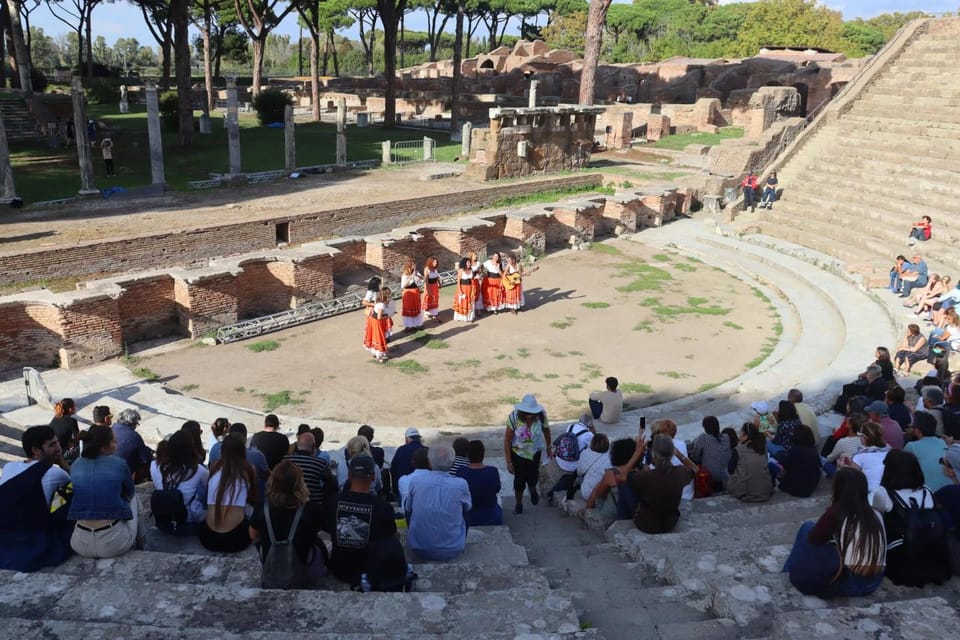
- Ostia Antica’s preservation makes the ruins feel lived-in, not just broken stones
- A 3-hour guided walk with a pro who explains Roman building details as you go
- Decumanus Maximus stroll: the main street where the story of the city comes into focus
- Baths of Neptune mosaic: an especially intact highlight featuring the Sea God scene
- Small-group feel (or private option) keeps the experience more personal
Ancient Ostia vs. Pompeii: why this harbor city hits differently
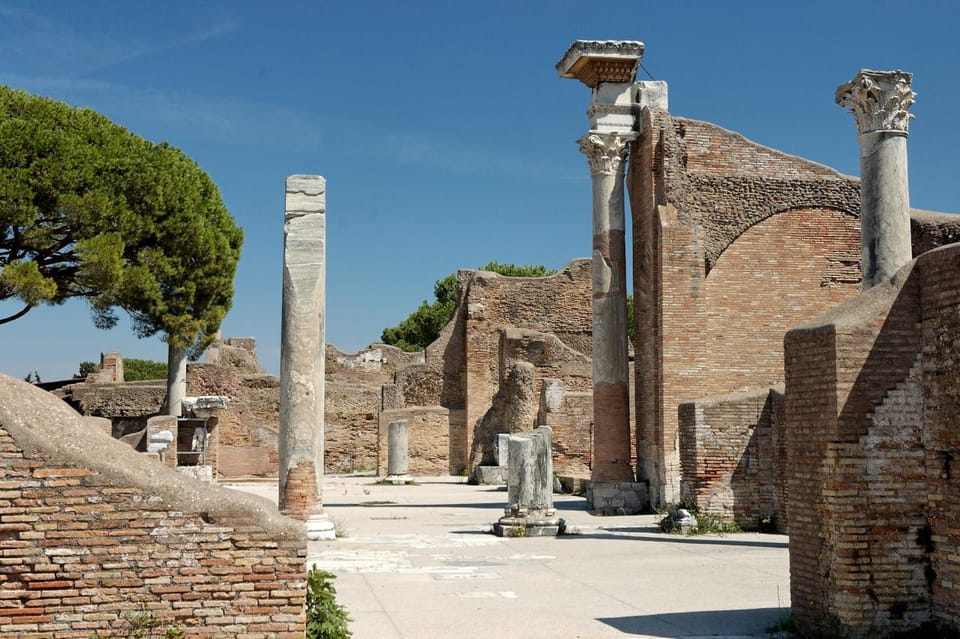
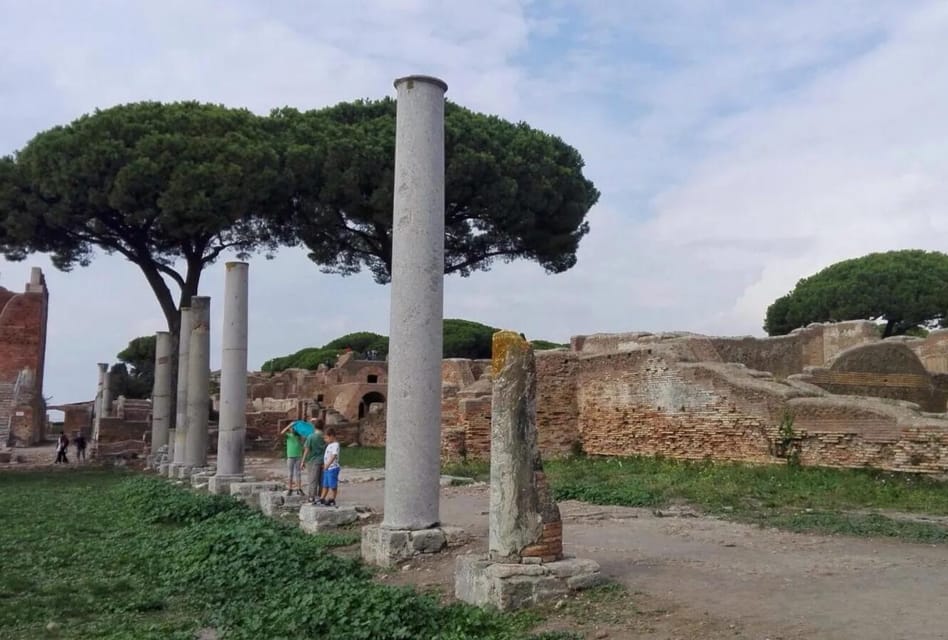
Most people arrive in Ostia Antica with Pompeii in their head. That’s useful, because this site is often compared to Pompeii for a reason: the buildings and street layout can feel surprisingly readable. In Ostia, you’re not just looking at dramatic ruins. You’re walking through a town plan that makes sense—like a Roman city you could get lost in, with daily life still suggested by the spaces around you.
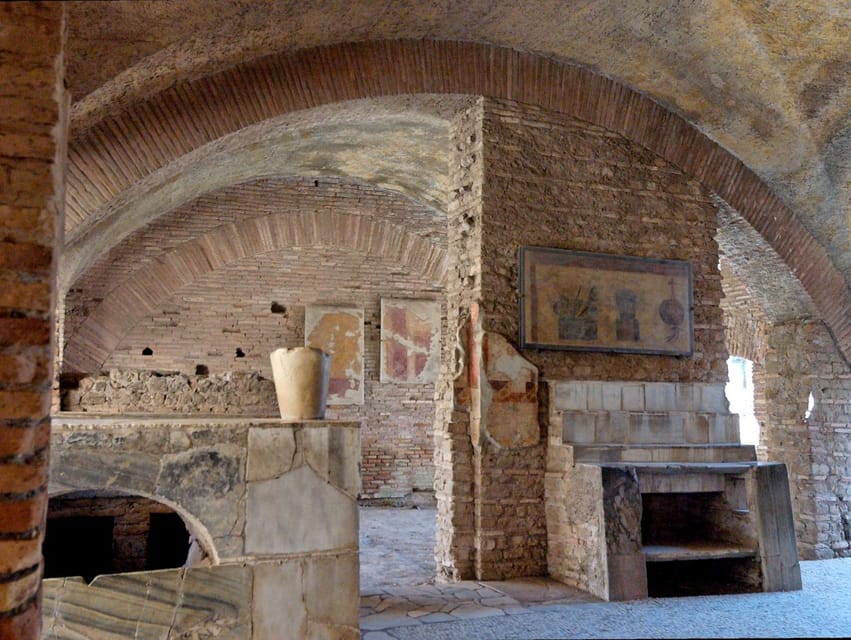
I like how this kind of setting changes the tone of the day. Instead of being “wow, massive dead city,” it becomes “wow, daily city.” You’ll pass the remains of places tied to routine: taverns, baths, apartments, groceries, and theaters. Even if you’re not a Roman architecture nerd, the scale and layout help you understand how people actually moved and lived.
And yes, the comparison to Pompeii is echoed in the way people react to the preservation here. If Pompeii is your kind of trip, Ostia tends to feel like a smart add-on that’s closer to everyday life.
You can also read our reviews of more historical tours in Rome



The 4-hour plan: pickup, AC van, and a smoother day trip
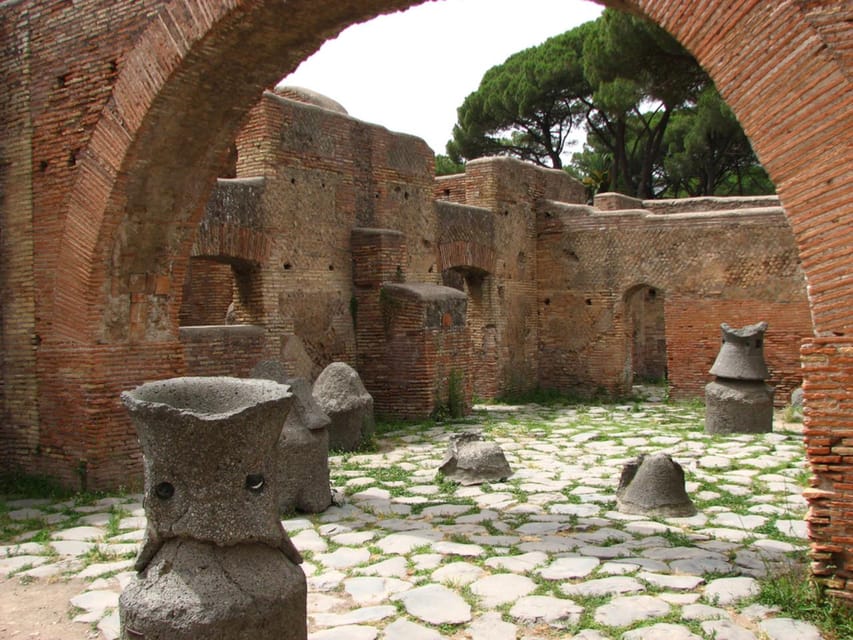
This is built as a half-day excursion that tries to remove the annoying parts. You’re picked up in Rome (inside the Aurelian Walls), then taken to Ostia Antica and returned afterward. The transportation is in an air-conditioned minivan, which matters in summer and even in shoulder seasons when you can start the day fine and still cook by late morning.
Your day has a simple rhythm:
- Pickup in Rome
- Arrival and time on site with the guide
- Return to Rome
It’s not trying to cram in everything under the sun. The point is to reach Ostia, see the best-preserved areas, and leave with a clearer mental map of the city than you’d get from wandering alone.
Ostia Antica in 3 guided hours: what you’ll actually learn
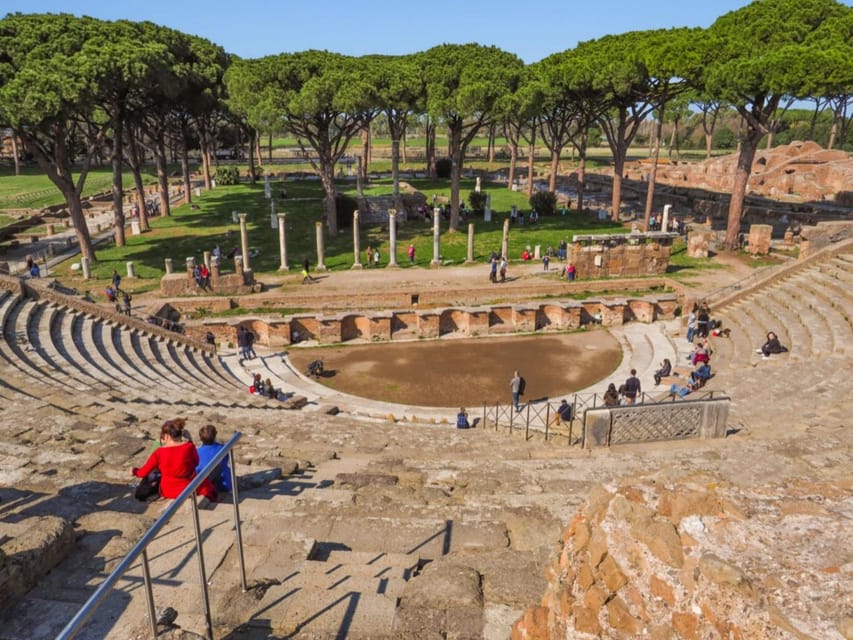
The heart of this tour is the 3-hour guide-led walk, and that’s where the value really shows. A guide isn’t just there to point out ruins. Here, you’re getting stories tied to Roman street life and building design as you move through the site.
You’ll explore ancient spaces and hear facts that connect form to function. That’s especially important at Ostia, because the site can look like a “shopping list” of ruins if you don’t have a thread. With a guide, that thread becomes understandable: how the city worked as a harbor town, how rooms and building types served day-to-day needs, and how Roman architecture shows up in real, walkable remains.
The tour also includes a photo stop and time to walk through the historic town of Ancient Ostia. That time matters. You want a moment to frame the big views and then shift into the details the guide points out—statues, street lines, and the architectural features you’d otherwise miss.
Decumanus Maximus: walking the Roman main street
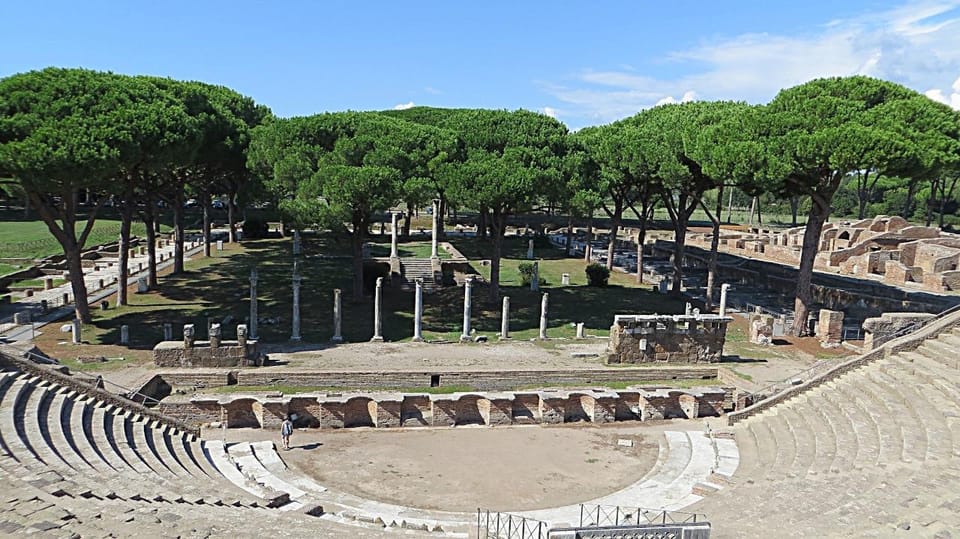
One of the most compelling parts of the experience is the chance to stroll along the Decumanus Maximus, the main street of the city. In many ruins, the “street” concept gets lost because you can’t picture how people used it. Here, the layout helps. You can actually follow the logic of the city as you walk.
As you go, the tour highlights the way Roman spaces were arranged to support urban life. You’ll move past remnants that suggest the commercial and community side of Ostia—places where people gathered and traded, not just places where important Romans posed for statues.
There’s also a visual payoff: Roman statues still line walkways, described as being in striking condition. When a ruin still has that kind of sculptural presence, it changes how you experience the place. Instead of feeling like you’re reading an excavation report, you feel like you’re walking among the city’s former rhythm.
Practical note: that main-street walking adds up. Wear comfortable shoes, because even “flat” ruins can be uneven underfoot.
Baths of Neptune and the Sea God mosaic you shouldn’t miss
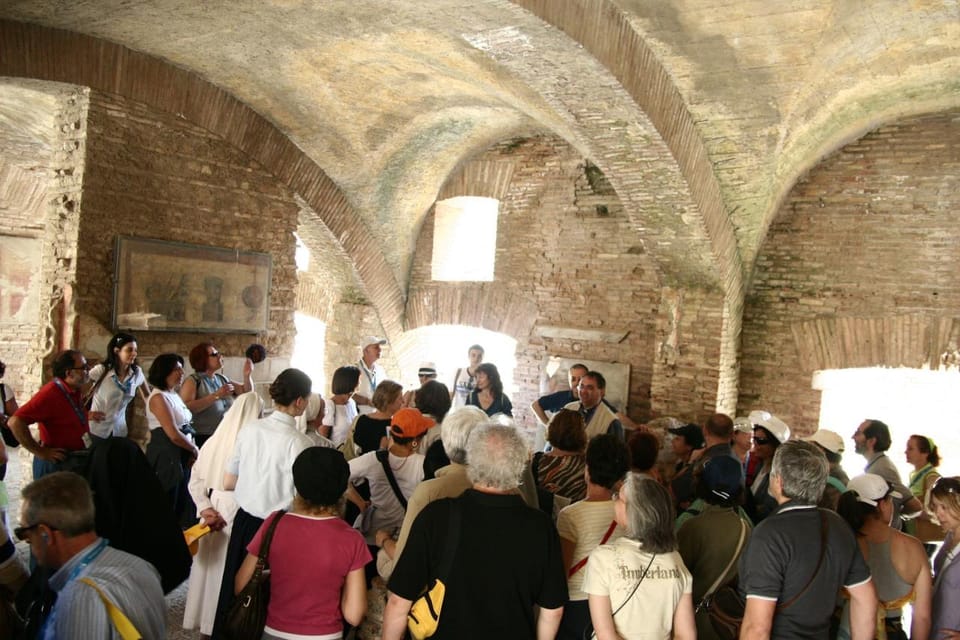
If you only have one “do not skip” moment in Ostia Antica, it’s the Baths of Neptune. This tour explicitly calls out the baths’ setting and, even better, the impressively intact mosaic featuring the Sea God in a chariot drawn by sea horses.
Why does this matter? Because mosaics can be the bridge between ruins-as-art and ruins-as-context. You’re not only seeing a pretty picture. You’re seeing the way Romans made public spaces feel meaningful and entertaining. Baths weren’t just hygiene stations; they were social and cultural places.
When you reach this stop, pay attention to what the guide focuses on—how the bath complex ties into the city’s identity as a harbor town and how the mosaic’s imagery fits the overall vibe of the baths. You’ll also get a visual anchor for the whole visit: after walking through streets and buildings, this mosaic helps you remember Ostia as a place built for pleasure and public life, not only commerce.





Price and value: what $258.29 is paying for
The listed price is $258.29 per person for a roughly 4-hour outing (with start times depending on availability). What you’re paying for is organization and expert interpretation, not just entrance access.
Here’s what’s included in the experience you get:
- 3 hours with a professional local guide
- Ostia Antica entrance fee
- Pick-up and drop-off at your hotel area within the Aurelian Walls
- Round-trip transportation in an air-conditioned minivan
- Skip-the-ticket-line entry
That last point is underrated. At busy sites, even a short delay can break the flow of a half-day plan. Here, skip-the-line helps protect your time for the guided walk.
Is it pricey? For a half-day, yes. But the structure matters: you’re buying time with a guide and getting handled logistics in Rome. If you’d rather spend your vacation time learning the site instead of figuring out transport, this tends to be the smarter trade.
If you’re traveling solo or as a small group, you’ll want to think about your style: do you enjoy independent exploring, or do you get more out of a focused guide route with set timing? This tour is built for the second kind of traveler.
Logistics that actually affect your comfort
This tour’s setup is built around making a classic Rome day trip feel manageable:
- Pickup is inside the Aurelian Walls, which cuts down the time you might spend crossing the city.
- You wait in the hotel lobby or just outside your accommodation about 10 minutes before pickup.
- The tour includes round-trip minivan transport, so you’re not juggling buses or trains while you’re tired.
- Languages listed are French, Spanish, and English, so you should be able to match your guide to your comfort level.
Also: bring comfortable shoes, sunglasses, and a camera. It’s the kind of place where photo stops turn into “let’s take one more” moments once you see how intact certain sections look.
Who should book this Ostia Antica half-day (and who shouldn’t)
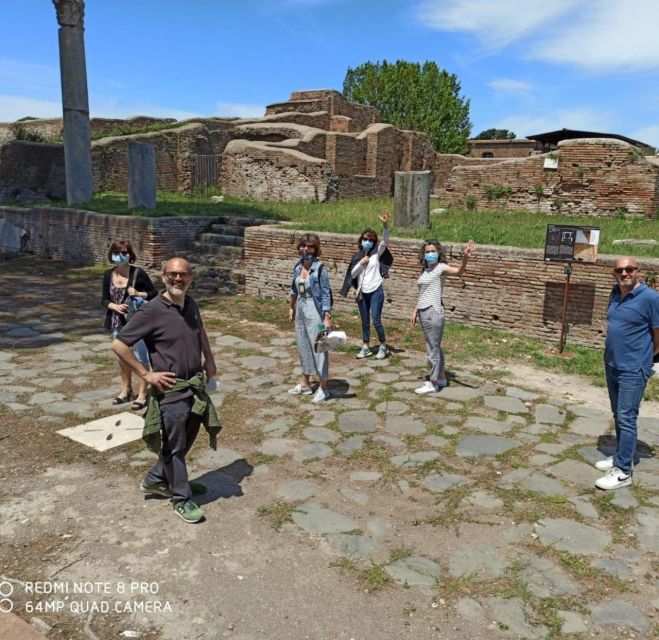
This tour is a great fit if:
- You’ve visited Pompeii (or you plan to) and want the “still-preserved daily city” vibe
- You like ruins with street-level layout, not only big monuments
- You value a guide for explaining Roman architecture and how the city functioned
- You want a half-day plan that doesn’t eat your entire day
Skip it or consider a different format if:
- You have mobility limitations. The tour is listed as not suitable for people with mobility impairments or wheelchair users.
- You don’t like walking on uneven surfaces. Ruins rarely feel like museum floors.
Should you book this tour?
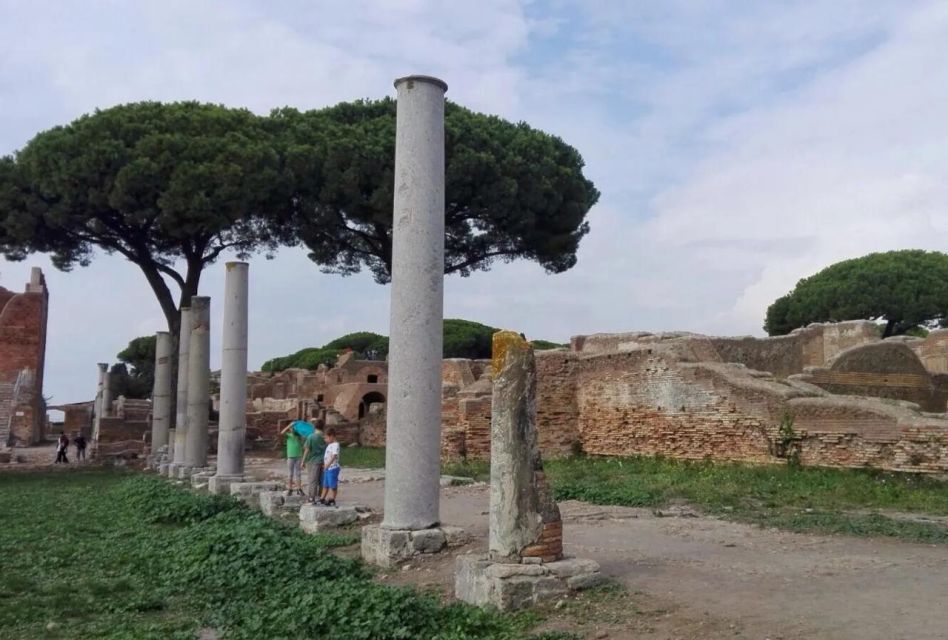
I’d book it if your ideal day is: travel out of Rome with minimal hassle, spend a focused block of time with a local guide, and return with clear memories of what you saw. Ostia Antica shines when you understand its streets, public spaces, and architecture as a working town. This tour is built to give you that understanding in a tight time window.
If you’re already comfortable exploring ruins independently and you don’t care much about guided context, you might prefer a self-guided route. But if you want your time to count—and you’re excited by the idea that this place can feel as compelling as Pompeii—this half-day is a strong choice.
FAQ
How long is the Rome: Ancient Ostia tour?
The total duration is listed as 4 hours, with the guided portion at 3 hours on site. Check availability for starting times.
Do you get hotel pickup and drop-off?
Yes. Pickup and drop-off are included for hotels inside the Aurelian Walls. You wait in the hotel lobby or outside your accommodation about 10 minutes before pickup.
Is transportation included?
Yes. The tour includes round trip transportation in an air-conditioned minivan.
Is the entrance ticket included?
Yes. The Ostia Antica entrance fee is included, and the tour also offers skip the ticket line.
What languages are available for the guide?
The live guide is offered in French, Spanish, and English.
Is the tour wheelchair accessible?
No. The tour is listed as not suitable for wheelchair users or people with mobility impairments.