REVIEW · ROME
Exploring Rome’s Rich Heritage: Pantheon and Jewish Ghetto
Book on GetYourGuide →Operated by CheckandGo Tours · Bookable on GetYourGuide
Rome has a way of stacking centuries on top of each other. This tour strings together the Pantheon and the Jewish Ghetto with stops that connect art, faith, and politics in real street-level detail.
I especially love how the Pantheon is handled: you get skip-the-line entry plus headsets, so you spend more time looking up and less time stuck in crowds. And I like that the Jewish Ghetto portion doesn’t feel tacked on—it’s walked as part of the same story, ending at the Portico of Ottavia.
One heads-up: the tour has strict dress rules (no shorts, short skirts, or sleeveless tops), so if you show up casually dressed, you may be turned away. Also, notes say it’s wheelchair accessible but not suitable for wheelchair users—so confirm before you book if mobility is a concern.
In This Review
- Key things to know before you go
- Why Pair the Pantheon With Rome’s Jewish Ghetto
- Starting at Piazza della Rotonda: Set Your Rome Brain to On
- The Pantheon: Dome, Oculus, and the Power of a Guided Look
- Piazza della Minerva: Bernini’s Elephant and the Art of Wit
- Largo di Torre Argentina: Ancient Ruins With a Political Sting
- Piazza Mattei and the Jewish Ghetto: Streets That Carry Stories
- Via del Portico d’Ottavia: A Walk That Links Memory to Space
- Price and What $42.59 Buys You in Real Terms
- Who This Tour Fits (and Who Should Rethink It)
- Quick Practical Tips So You Don’t Lose Time
- Should You Book This Pantheon and Jewish Ghetto Tour?
- FAQ
- Where is the tour meeting point?
- How long is the Pantheon and Jewish Ghetto tour?
- What is included in the price?
- Which languages are the live guides?
- Does the tour include a skip-the-line entrance for the Pantheon?
- What clothing rules should I follow for the Pantheon?
- Can I cancel for a full refund?
- Is the tour wheelchair accessible?
Key things to know before you go
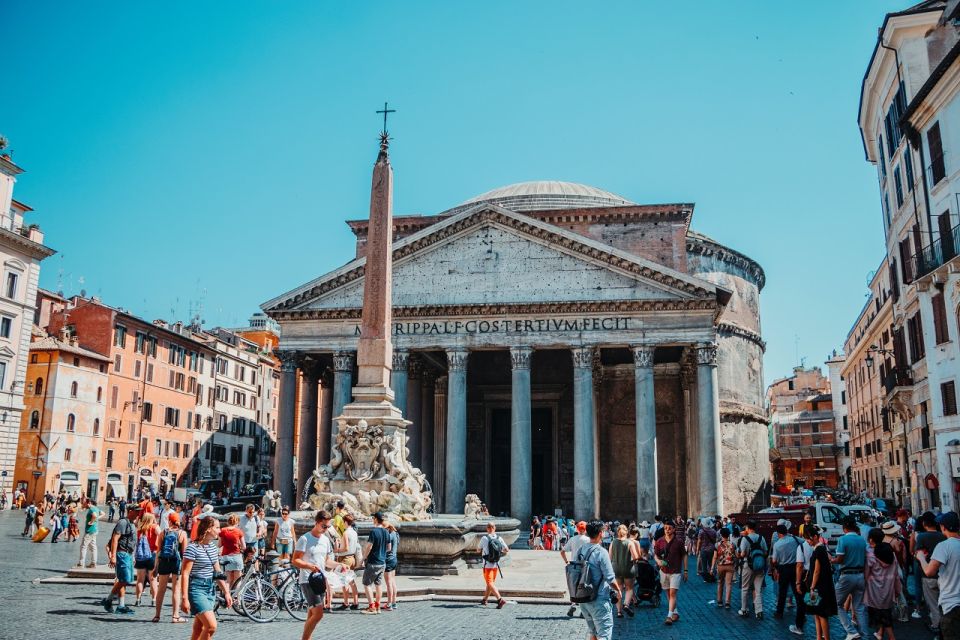
- Pantheon skip-the-line + guided visit with headsets, so you hear every detail clearly
- An art stop with Bernini’s Elephant and Obelisk in Piazza della Minerva
- Largo di Torre Argentina brings ancient ruins to life with the Julius Caesar assassination site
- A focused walk through the Jewish Ghetto around Piazza Mattei and Via del Portico d’Ottavia
- The tour ends at the Portico of Ottavia, a strong closing image of Rome’s layered past
Why Pair the Pantheon With Rome’s Jewish Ghetto
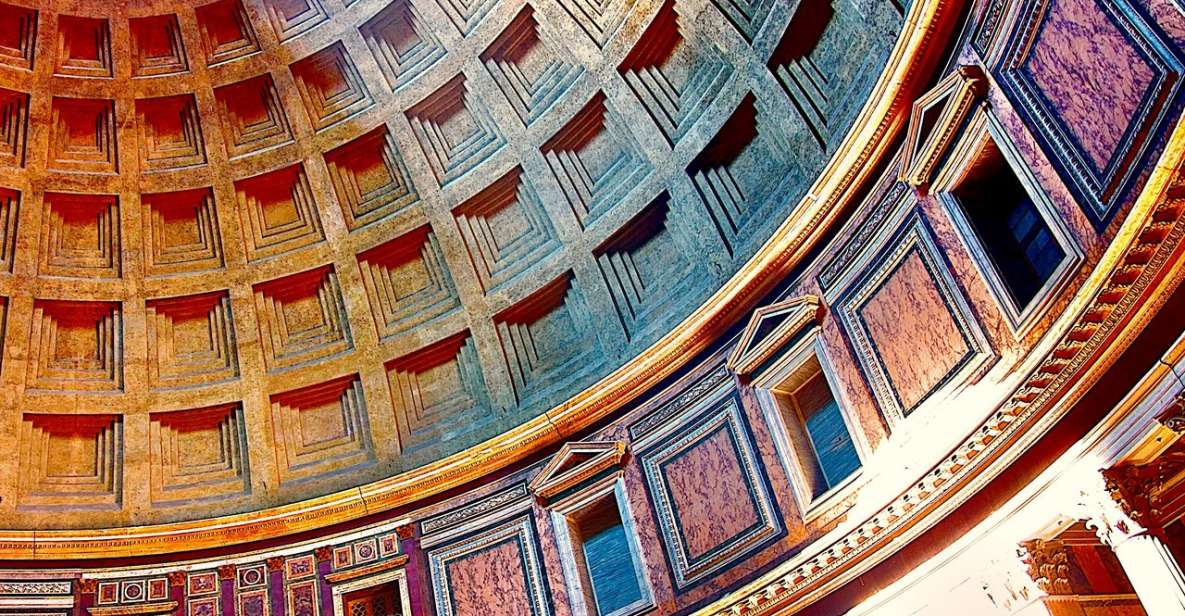
The Pantheon is famous for a reason. But what you’ll enjoy most is how the guided route links it to places that shaped Rome’s social and political life. You’re not just bouncing between landmarks. You’re moving through overlapping eras, from ancient Rome to Renaissance-era memory and the long history of the Jewish community in the city.
This is a short tour, only about 2 hours, which means it stays sharp and efficient. You’ll cover big emotional and historical territory without spending the whole day on your feet. The trade-off is that it’s not built for slow wandering or deep solo exploring at every stop—so go in ready to listen.
You can also read our reviews of more historical tours in Rome


Starting at Piazza della Rotonda: Set Your Rome Brain to On
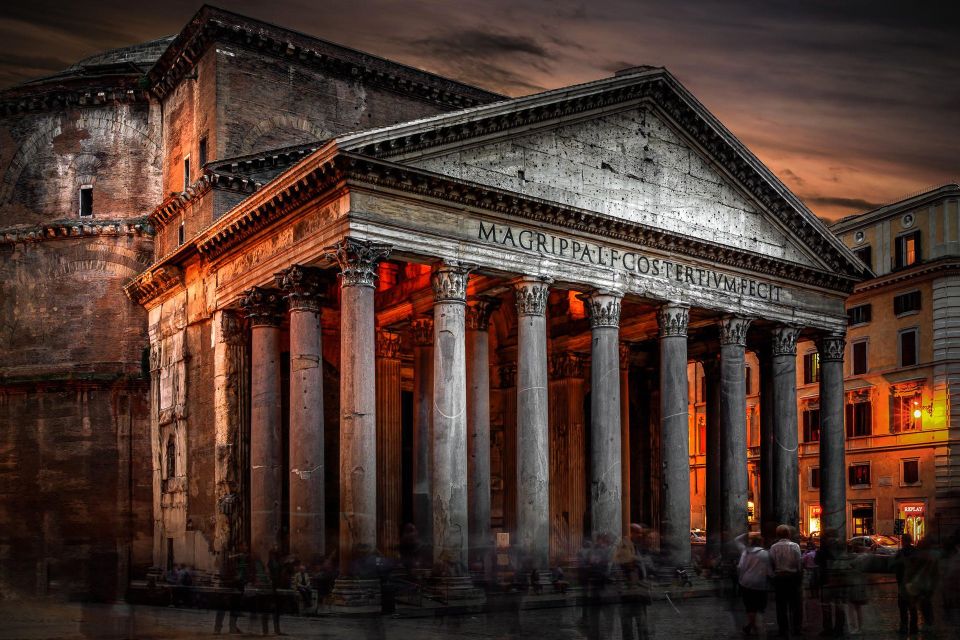
You meet at Piazza della Rotonda, 2, the right kind of starting point: you’re already in the Pantheon zone. That matters because Rome’s streets can scramble your sense of direction. When the guide starts you here, you get your bearings fast and you’re primed to notice what changes as you walk.
You can also expect your guide’s name and contact details to be shared one day before. That’s a small thing, but on busy days in Rome, it reduces guesswork and confusion.
The Pantheon: Dome, Oculus, and the Power of a Guided Look
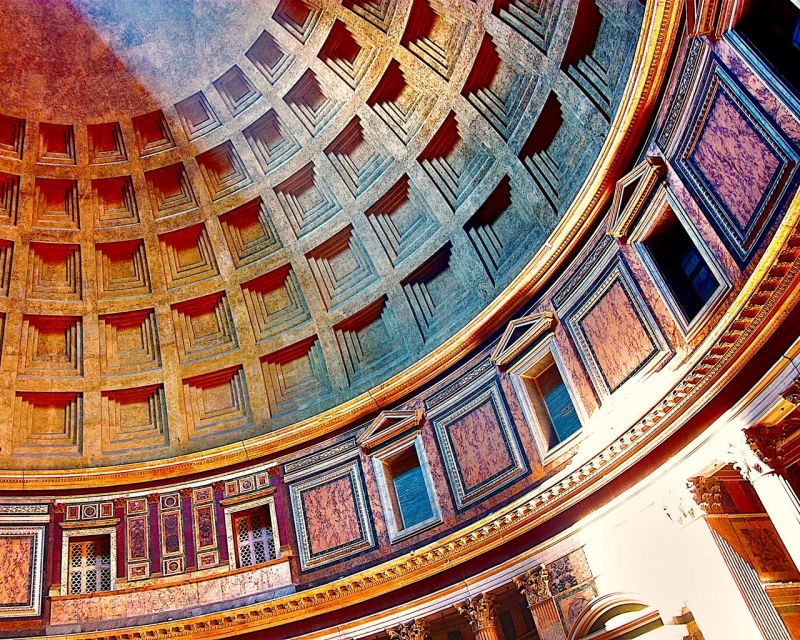
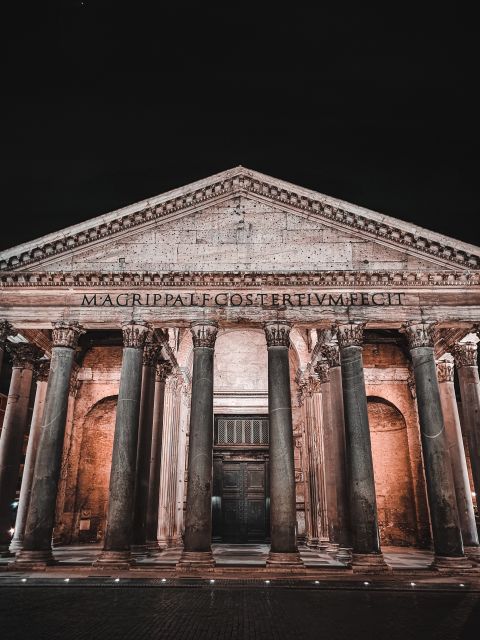
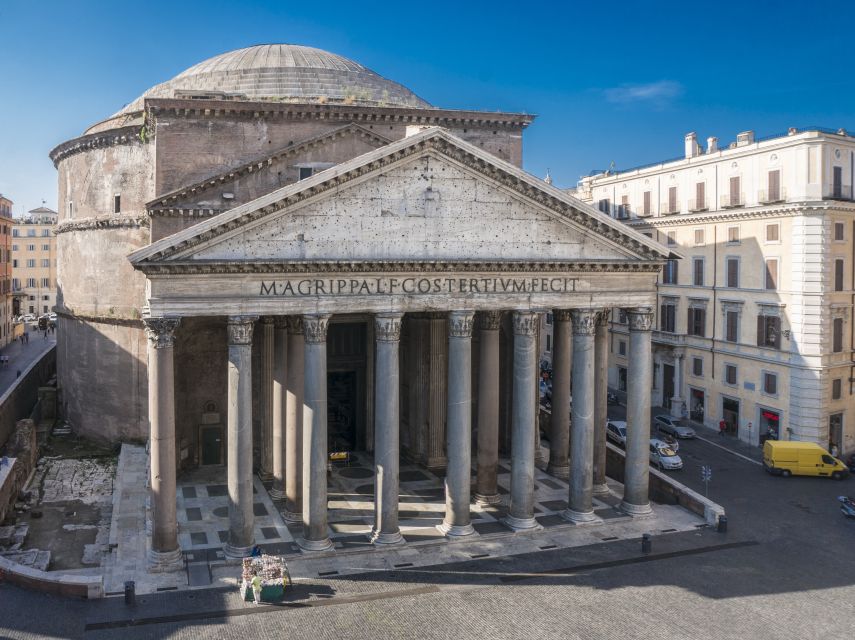
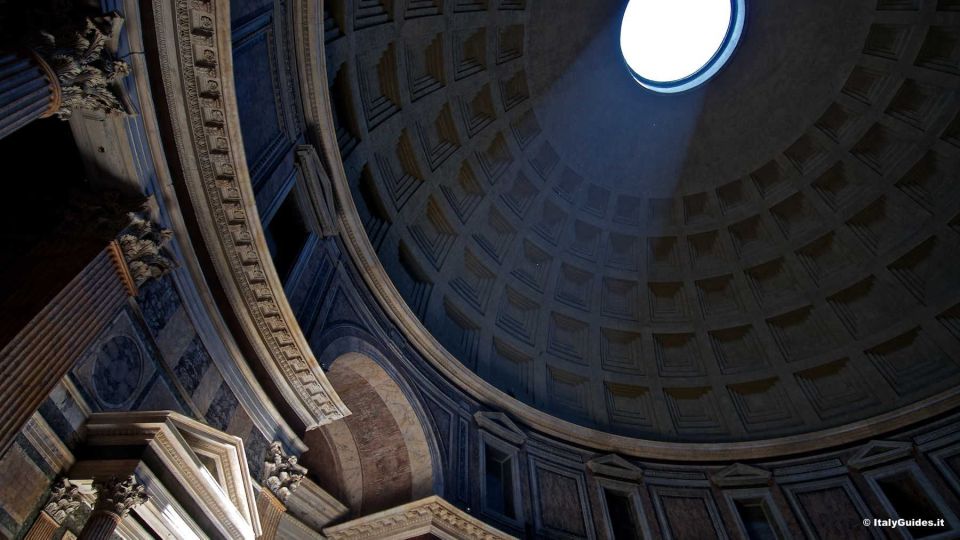
The Pantheon stop is built around the single best feature: its dome. The guided visit gives you a clear way to read what you’re seeing—this massive domed ceiling, topped by the oculus that lets daylight spill into the interior. Even if you’ve seen photos, being there in real light does something different. The light moves across surfaces, and suddenly the building’s geometry feels intentional instead of decorative.
You’ll also hear the building’s shift in purpose. It was originally constructed as a temple for all gods. Later, it became a burial site for important figures, including the Renaissance artist Raphael and the kings of Italy. That layering—worship, then remembrance—helps you understand why people still treat the Pantheon like a living place, not just a monument behind a fence.
Practical win: there’s guided time inside plus headsets. The Pantheon can get loud and crowded, and a headset system makes the tour feel controlled and easy to follow.
Piazza della Minerva: Bernini’s Elephant and the Art of Wit
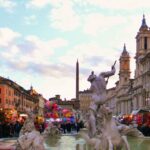
After the Pantheon, you move to Piazza della Minerva. This is the kind of stop that keeps the tour from feeling like only stone and religion. You’ll see Bernini’s Elephant and Obelisk sculpture—one of Rome’s most memorable pieces because it looks both playful and precise at the same time.
Why it fits the overall tour: it’s a reminder that the same city that preserved ancient structures also reinvented them with Renaissance and Baroque creativity. You’re watching Rome’s habit of reusing the past as a starting point, not an obstacle.
If you like noticing details, spend an extra few seconds looking at how the sculpture’s scale works in the square. It helps you “lock in” the transition from ancient grandeur to later artistic storytelling.
Largo di Torre Argentina: Ancient Ruins With a Political Sting
Next comes Largo di Torre Argentina, an archaeological site tied to one of Rome’s most dramatic political events: the assassination of Julius Caesar.
Standing in this area, you get a visual reminder of how political power used to be physical—performed in public spaces, surrounded by architecture, and recorded by later memory. A guided stop here adds context without needing you to be a Roman history expert. You’ll be able to place what you’re seeing within the bigger story of leadership, change, and consequence.
Even though you’re only at each stop for a guided window, this one tends to stick in your mind because it’s both specific (Caesar) and atmospheric (ruins you can actually stand near). If you like history that has names attached—not just dates—this is the moment.



Piazza Mattei and the Jewish Ghetto: Streets That Carry Stories
Then you walk into the heart of the Jewish Ghetto area around Piazza Mattei and the lanes leading toward Via del Portico d’Ottavia. This is where the tour feels most human. Instead of focusing only on grand monuments, you’re moving through streets that reflect how communities lived, organized, and adapted within Rome’s changing political climate.
One thing I’d recommend: don’t rush your listening here. The guide’s job is to connect what you see—buildings, street rhythm, location—to the deeper story. When it’s done well, it turns a walk into something you can feel in your legs and your attention.
The walking section is also the kind of moment where local knowledge matters. The supplied tour notes don’t promise “one big wow,” but the route is designed to make the neighborhood readable. If you enjoy context on daily life and community history, this portion is worth your full focus.
In the Spanish-language reviews, Maria stands out for presenting the Pantheon history clearly while still keeping it simple, and then guiding the ghetto streets with the same care. That combo is exactly what you want on a two-hour format: enough structure to stay oriented, without drowning you in trivia.
Via del Portico d’Ottavia: A Walk That Links Memory to Space

Your route continues through Via del Portico d’Ottavia, then concludes at the imposing Portico of Octavia. This is more than a finish line. The portico acts like a visual summary of the past in stone form—an identifiable landmark that signals cultural continuity.
Even if you know Octavia’s name already, seeing the site in person gives you a concrete sense of scale and setting. It also helps explain why the ghetto area isn’t just “a place on a map.” It’s part of the larger Rome of layers: ancient structures, later reinterpretations, and long community presence within the city.
When you end there, you close the loop between the Pantheon’s message of memory and the ghetto area’s message of survival and identity. That connection is the tour’s quiet strength.
Price and What $42.59 Buys You in Real Terms
At $42.59 per person for roughly 2 hours, this is not a bargain in the ultra-budget sense. But it is good value for what’s included.
Here’s what you’re paying for, in plain terms:
- Pantheon skip-the-line tickets through a separate entrance
- A guided tour inside the Pantheon, not just a quick exterior stop
- Headsets so you can actually follow the guide in busy spaces
- Guided walking through the Jewish Ghetto area
If you were doing this on your own, you could save money, but you’d likely lose time in lines and miss the “why does this matter” connections that come with a professional guide. For many visitors, that’s the real currency in Rome: time and understanding.
And because the stops are concentrated—Pantheon, Piazza della Minerva, Largo di Torre Argentina, Piazza Mattei, and the Portico of Octavia—you’re buying a tight route that keeps you from spending half your time figuring out logistics.
Who This Tour Fits (and Who Should Rethink It)
This one fits you best if you want:
- A guided approach to the Pantheon (especially if you like architecture details like the dome and oculus)
- A short walking itinerary that still covers major sites
- A route that connects ancient power (Caesar), later art (Bernini), and community history (the ghetto)
I’d rethink it if:
- You need lots of time to linger silently at monuments. This tour is structured and paced for guided movement.
- You’re visiting with clothing that might violate restrictions. The Pantheon has strict attire rules—no hemline above the knees, no vests, no sleeveless tops for both men and women. Shorts and short skirts are specifically listed as not allowed.
Quick Practical Tips So You Don’t Lose Time
Before you go, I’d handle these items early:
- Bring passport or ID (and for children as well).
- Dress for rules, not weather. Plan for covered shoulders and knee-length hemlines.
- Pack light. Don’t bring weapons or sharp objects. Pets are also not allowed.
- Use the included headsets like a pro. If your group is large, they’re the difference between hearing the guide and just hearing noise.
Also note the Pantheon may face anticipated closures or changes tied to masses, concerts, or other events. That means your interior time could shift in practice, even with a scheduled tour.
Should You Book This Pantheon and Jewish Ghetto Tour?
I’d book it if you want a smart two-hour plan that pairs the Pantheon’s architectural wow with a guided walk through the Jewish Ghetto and the nearby layers of Rome’s history. The combination matters: you leave with more than photos—you leave with links between places.
I wouldn’t book it if you’re planning to show up in shorts or sleeveless tops, or if you strongly need wheelchair-friendly design for mobility constraints. There’s also a mixed signal in the provided accessibility notes, so if mobility is part of your decision, contact the provider before you commit.
FAQ
Where is the tour meeting point?
The tour starts at Piazza della Rotonda, 2.
How long is the Pantheon and Jewish Ghetto tour?
The duration is 2 hours (starting times vary, so you’ll need to check availability).
What is included in the price?
Included are Pantheon skip-the-line tickets, headsets, a guided Pantheon tour, and a guided Jewish Ghetto tour.
Which languages are the live guides?
The live tour guide is available in Spanish and English.
Does the tour include a skip-the-line entrance for the Pantheon?
Yes. The tour includes skip-the-line entry through a separate entrance.
What clothing rules should I follow for the Pantheon?
Access is only permitted with suitable attire: no hemline above the knees, no vests, and no sleeveless tops. Shorts, short skirts, and sleeveless shirts are listed as not allowed.
Can I cancel for a full refund?
Yes. Free cancellation is available up to 24 hours in advance for a full refund.
Is the tour wheelchair accessible?
The information provided says wheelchair accessible, but it also states it is not suitable for wheelchair users and people with mobility impairments. If this affects you, it’s best to confirm details with the tour provider before booking.