REVIEW · ROME
From Rome: Full-Day Small Group Tour to Venice by Train
Book on GetYourGuide →Operated by Welcome Italy by Spare Tour S.r.l. · Bookable on GetYourGuide
Venice in one day sounds unreal, yet it works. This Rome-to-Venice full-day small-group trip pairs fast rail with an on-the-ground assistant who helps you get the story behind Rialto Bridge and St. Mark’s without spending your day guessing. I like the all-day guidance plus the included water transport that makes Venice feel like Venice. One thing to consider: at this price point, there’s a real risk your idea of “1st class” seats won’t match what you get.
The day is built around a long Venice window (about 6 hours) and a smooth rhythm: train, water bus, guided highlights, then time to walk, take photos, and shop. I also like the way the assistant ties sights to people and characters you actually remember, from Casanova and Antonio Vivaldi to Silvio Pellico, plus mask lore like Arlecchino and Pantalone. The trade-off is that you’ll still be on your feet a good bit, and the trip isn’t set up for wheelchair users or people with mobility impairments.
In This Review
- Key highlights to know before you go
- Why a Rome-to-Venice train day actually makes sense
- Hotel pickup and the small-group advantage in Venice terms
- The 1st-class train: comfort plus a potential expectation check
- Arriving by water: the vaporetto ride that sets the tone
- Rialto Bridge: short walk, big payoff
- Piazza San Marco and St. Mark’s: iconic time, plus room to wander
- The Bridge of Sighs and Ducal Palace stories you shouldn’t skip
- Venice shopping with artisan districts: what to do with your free time
- Optional gondola: when it’s worth it and when it isn’t
- Timing and pacing: how to survive 6 hours in Venice
- What to bring (and what to skip) for this day
- Price and value: is $675.28 a fair exchange?
- Who should book this Rome-to-Venice tour
- Should you book this tour?
- FAQ
- How long is the Venice day trip from Rome?
- Is lunch included?
- What’s included for transportation?
- How long do you spend in Venice?
- Do you have an English-speaking guide?
- Is the tour a small group?
- Is it wheelchair accessible?
Key highlights to know before you go
- Fast round-trip by 1st-class train from Rome to Venice to maximize time in the city
- Small group (max 12) with an English-speaking assistant for the whole day
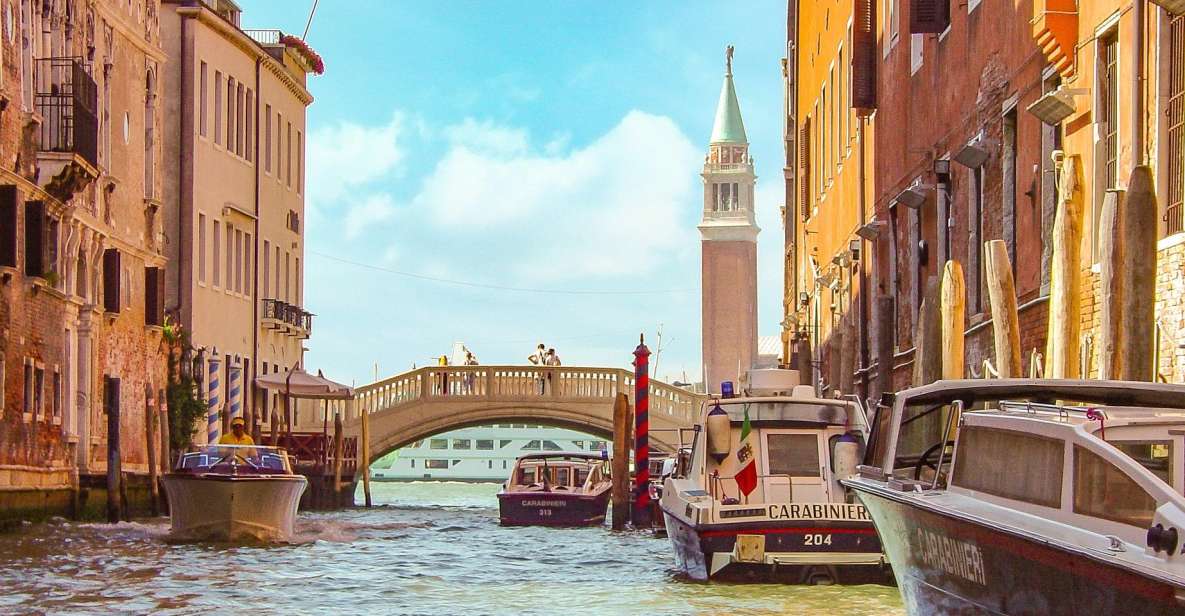
- One-way vaporetto ride that gets you crossing the Grand Canal toward Rialto and Piazza San Marco
- Priority-style convenience such as skip-the-ticket-line for parts of the visit
- Venice sights in a tight route: Rialto Bridge, Piazza San Marco, St. Mark’s Basilica, and the Bridge of Sighs/Ducal Palace story beats
- Shopping time in artisan areas, plus optional gondola if you want the classic moment
Why a Rome-to-Venice train day actually makes sense
The best part about this kind of trip is not speed for speed’s sake. It’s time control. Venice is too spread out (it’s famously made of 118 islands connected by 400+ bridges) to “wing it” and still hit the icons without burning hours in transit.
This tour gives you a structured flow that moves you from Rome to the lagoon quickly, then gives you enough hours on foot to feel like you did more than just snap a few photos from a street corner. About 6 hours in Venice is a healthy chunk for a first pass at Rialto and San Marco, plus time to shop and breathe.
The drawback is obvious once you think about it: it’s still one day. You can’t treat Venice like a weekend getaway here. If you want slow wandering for its own sake, you may feel rushed. If you want the highlights plus real context, this format is a strong fit.
You can also read our reviews of more tours and experiences in Rome


Hotel pickup and the small-group advantage in Venice terms
You start with hotel pickup and drop-off in an air-conditioned minivan, so you’re not wasting the morning hunting your meeting point. You’ll need to be ready about 10 minutes before pickup in the lobby or just outside your location.
Then you get a group size capped at 12 people. That matters because Venice is narrow, crowded, and full of surprises—like how quickly a “quick walk” becomes a long shuffle near the main squares. A smaller group also helps the assistant keep the pace workable for most people.
The assistant is there for the whole day and speaks English (and Spanish as well, depending on the day). That’s more than helpful in Venice, where local names and history can be dense if you’re on your own.
The 1st-class train: comfort plus a potential expectation check
This tour includes 1st-class train tickets round trip. On paper, that usually means a quieter, more comfortable ride than standard class, and the big win is mental: you arrive fresher instead of already fried from a long commute.
Still, there’s a practical caution. One past booking said the seats didn’t match what was advertised as 1st class. That doesn’t mean every departure is the same, but at this price, it’s worth calibrating your expectations. If you’re choosing this tour specifically for premium train seats, make sure you’re comfortable with the possibility that the experience may vary.
Even with that caveat, the overall value comes from the fact that this day trip is built to protect your time in Venice—not just move you there.
Arriving by water: the vaporetto ride that sets the tone
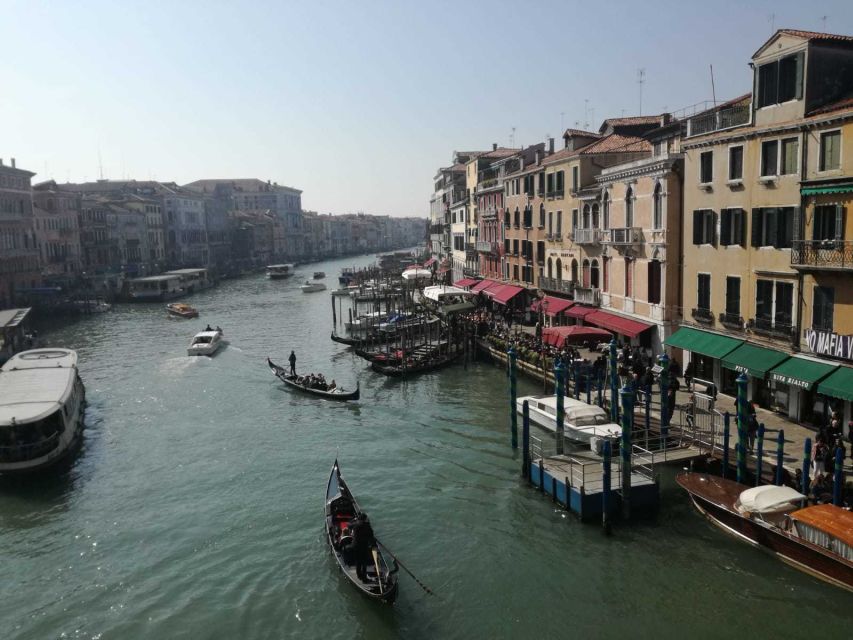
The day’s Venice payoff starts once you’re on the water. You get a one-way water bus (vaporetto) ride that takes you toward the key areas—crossing the Grand Canal, which is basically the city’s main street.
This is the part I consider the “aha” moment for first-time Venice visitors. Seeing the city by land is pretty. Seeing it from the water makes it feel real. You’re less focused on navigating alleys and more on taking in the facades, bridges, and the way the city is stitched together over the lagoon.
The tour ties this water transit to the big photo landmarks. Expect it to set you up for Rialto Bridge and Piazza San Marco without making you spend extra time getting there on foot.
Rialto Bridge: short walk, big payoff
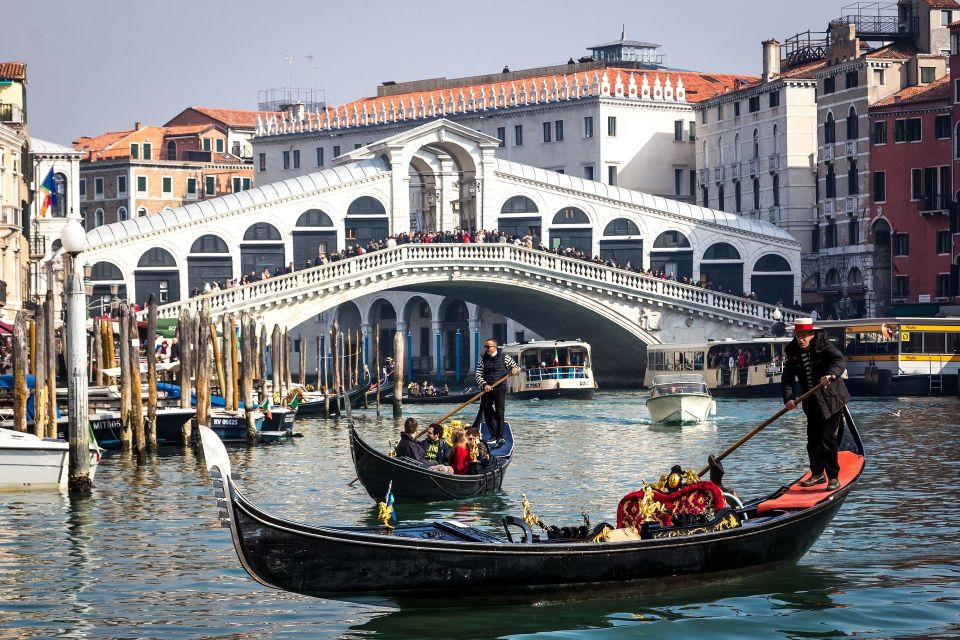
Rialto is one of those places where you understand why Venice became a myth. The tour gives you a visit and a brief walking moment around the area—about 20 minutes on foot—so you can get your bearings and see the most famous angles without turning this stop into a time sink.
What you’ll likely enjoy most here is the contrast: commerce and crowds around a structure that feels almost too perfect to be real. The assistant’s context helps too, especially if you’re the type who likes knowing why names and stories keep showing up.
Keep it simple here. Take photos, look both directions, and then move. Venice rewards momentum early in the day, when you’re fresh.




Piazza San Marco and St. Mark’s: iconic time, plus room to wander
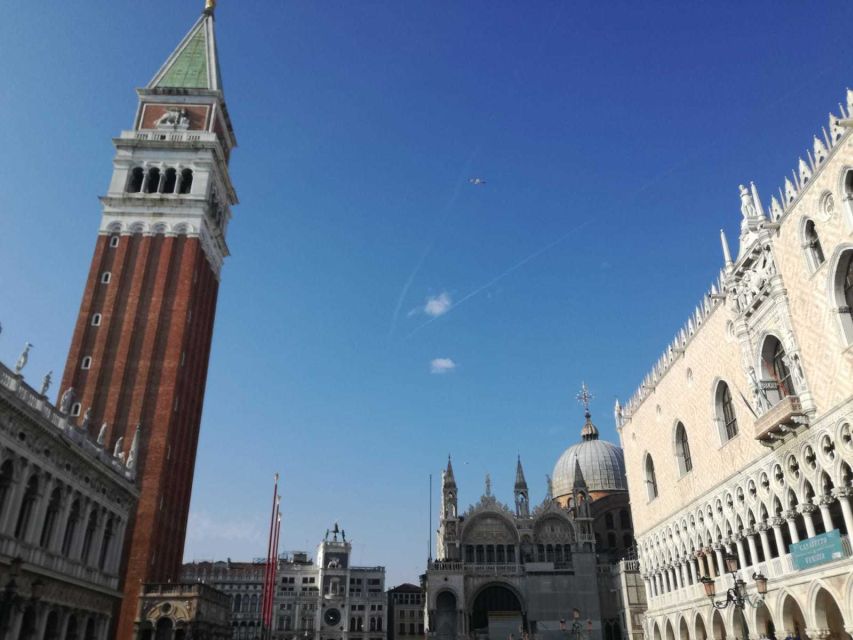
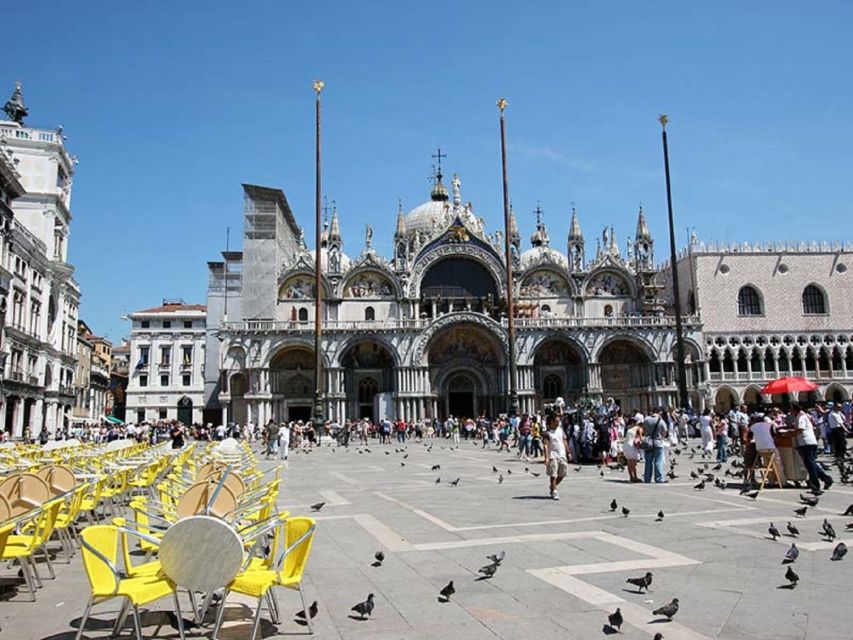
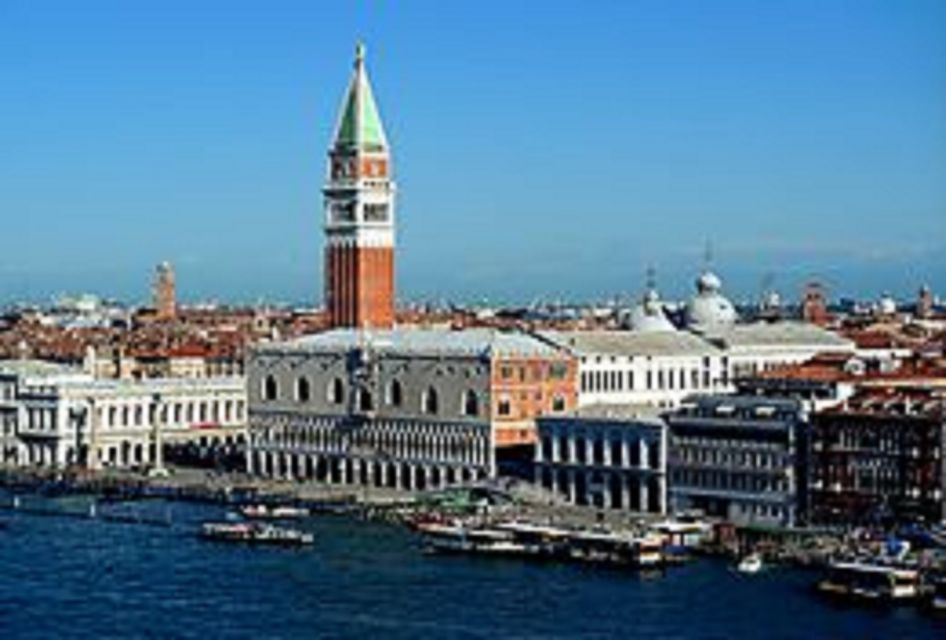
After Rialto, you shift to Piazza San Marco, with about 1.5 hours for photo moments, guided orientation, and then free time plus shopping. This is prime people-watching time, but also a good window to step away from the densest spots so you can actually enjoy the architecture.
Next up is St. Mark’s Basilica. You’ll have a photo stop, then time that’s likely a mix of guided guidance and independent exploring—about 45 minutes marked for this portion. This is not a “see everything in 30 minutes” situation, so go with a plan: decide what you want most—facade details, interior highlights, or the general atmosphere—and let the rest be bonus.
One thing I like about this structure is that it prevents the classic Venice problem: spending your whole day inside lines and overplanned routes. You get the anchor sights, then time to breathe and choose.
The Bridge of Sighs and Ducal Palace stories you shouldn’t skip
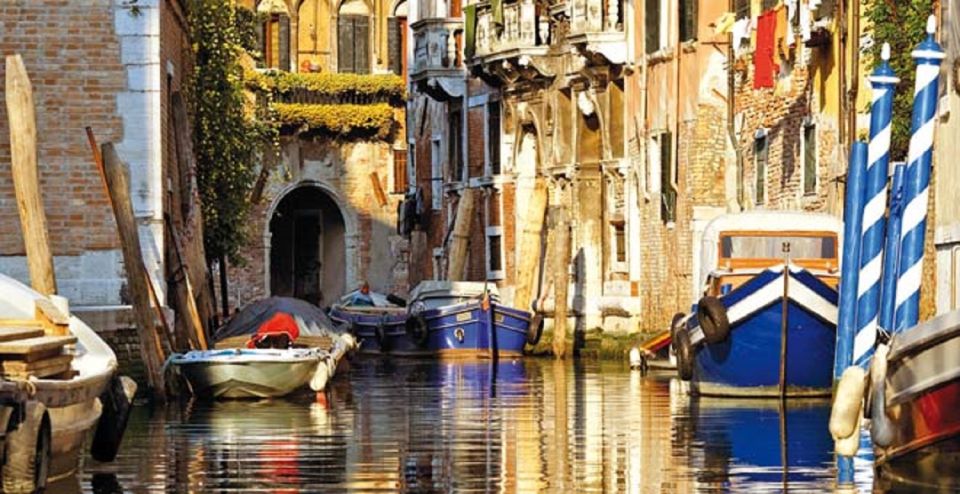
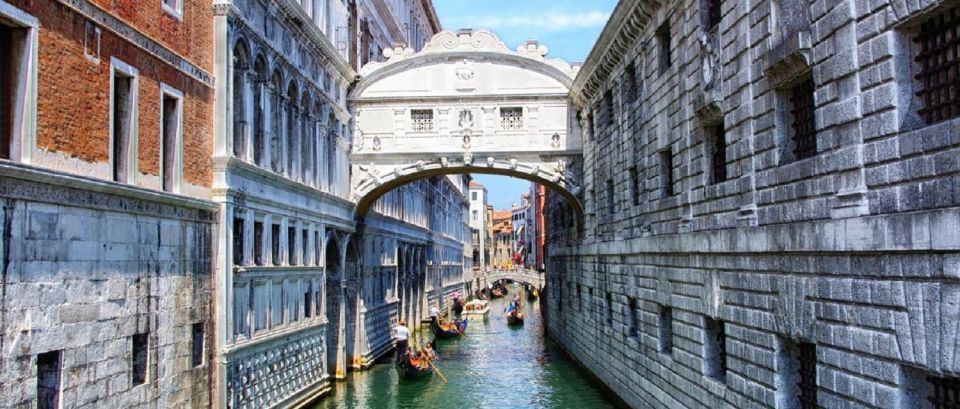
Even when your feet aren’t standing directly at every single landmark, the assistant’s job here is to connect what you see with what the place means. This tour flags must-see attractions including the Bridge of Sighs and the Ducal Palace.
Here’s how to make that work for you: when the guide mentions them, look for the visual cues around you—water angles, nearby facades, and the way the canal corridors frame key points. In Venice, that “wait, that’s connected to what we just heard” feeling is half the payoff.
You might not get full “tour-the-every-room” access during a day trip, but you can still leave knowing what you saw and why it matters.
Venice shopping with artisan districts: what to do with your free time
The tour includes time for shopping in the artisan districts, built into the Venice free blocks. That’s important because Venice shopping can be either a fun wander or a frustrating maze of tourist traps. The best way to use your time is to treat shopping as a focused hunt, not an endless stroll.
If you see a workshop-style shop, slow down for a minute. Look for handmade items, traditional patterns, and materials that match what the assistant is describing—especially with the carnival and mask references. The tour also brings in character history tied to Arlecchino and Pantalone, and that lens can help you pick up souvenirs with actual cultural context.
Also, remember: Venice isn’t big because of parking. It’s big because of walking. So keep your shopping practical. Comfortable shoes matter more than your shopping list.
Optional gondola: when it’s worth it and when it isn’t
A gondola ride is listed as optional. This is the classic Venice moment, and if you’re the kind of person who wants one “I’ll remember this forever” experience, it can be worth carving out time.
But one-day Venice days are tight. If you take the gondola, you may cut into your free time for shopping or extra wandering near the squares. I’d book gondola only if it’s clearly your priority and you’re okay with trading some flexibility for that ride.
If you’re not sure, do this: prioritize the views from Rialto and Piazza first. If you still want the gondola payoff after seeing the city from the main zones, then choose it.
Timing and pacing: how to survive 6 hours in Venice
You’ll have about 6 hours in Venice total, broken into guided moments plus free time. That schedule is designed to prevent you from spending every minute waiting or standing in the wrong place.
Still, pace yourself. Venice sidewalks can be uneven, crowded near landmarks, and full of sudden turns that pull your attention. Your best strategy is to keep a small routine:
1) Take photos early at each main point.
2) Listen to the assistant once, then explore briefly on your own.
3) Return to the group at the agreed time and don’t try to outsmart the schedule.
It’s a day trip, so your goal should be to create a coherent story in your head when you leave, not to collect every corner of Venice.
What to bring (and what to skip) for this day
For a smooth day, the basics matter. Bring comfortable shoes, sunglasses for the glare off the water, and a camera for the Rialto and San Marco photo moments.
Also, think about clothing. The dress code is comfortable and casual, which is exactly right for Venice walking. If you’re planning an optional gondola, remember you’ll be stationary for at least a short stretch, so layer logic helps.
If you have mobility limits, this tour may not be for you. It’s not suitable for wheelchair users and people with mobility impairments, and it also isn’t suitable for those with pre-existing medical conditions. That’s not a small detail in a city built on bridges and steps.
Price and value: is $675.28 a fair exchange?
At $675.28 per person, this isn’t a budget excursion. You’re paying for a bundle: fast round-trip train in 1st class, hotel pickup/drop in an air-conditioned minivan, an English-speaking assistant for the whole day, a one-way vaporetto ride, and convenience like skip-the-ticket-line.
Lunch is not included, so you should budget for a meal on your own (or bring a plan for a snack). That changes the true cost slightly, depending on how you eat.
So is it worth it? It tends to be a good value if:
- you want guided structure and context rather than self-navigation
- you value avoiding extra logistics between Rome and Venice
- you like the idea of a small group capped at 12 people
- you’ll actually use the included water transit and free shopping time
It may not be the best deal if you’re primarily chasing the cheapest possible way to see Venice, or if you expect guaranteed premium train-seat conditions and have zero flexibility around that.
Who should book this Rome-to-Venice tour
This fits best for people who:
- want a first-time Venice hit with major landmarks and clear pacing
- prefer having an assistant explain the why behind sights and famous figures like Casanova and Antonio Vivaldi
- like small-group dynamics and don’t want a huge herd
- can handle a day of walking and standing
If you’re traveling with mobility challenges, or you need step-free access, you should skip this one and look for a different Venice plan that matches your needs.
Should you book this tour?
If you want Venice’s top images—Rialto Bridge, Piazza San Marco, and the St. Mark’s area—with guided context and smooth transportation from Rome, this tour is a solid choice. The inclusion of the 1st-class train, hotel transfers, and a vaporetto ride makes it feel like a complete day, not a patchwork of separate bookings.
But go in with your eyes open about expectations for the “1st class” seats. At this price, that’s a legitimate concern. If that detail won’t bother you (and you care more about the overall structure), book it and use the free time wisely. If premium seating is your main reason, you might want to confirm seat expectations before committing.
FAQ
How long is the Venice day trip from Rome?
It’s listed as a 1-day experience. Starting times depend on availability.
Is lunch included?
No. Lunch is not included.
What’s included for transportation?
You get a round-trip 1st class train ticket plus hotel pickup and drop-off by air-conditioned minivan. You also get a one-way water bus (vaporetto).
How long do you spend in Venice?
You have about 6 hours in Venice, with guided time plus breaks for lunch, shopping, sightseeing, and walking.
Do you have an English-speaking guide?
Yes. The tour includes a live tour assistant/guide for the whole trip, and English is available (Spanish as well).
Is the tour a small group?
Yes. It’s limited to a small group of up to 12 participants.
Is it wheelchair accessible?
No. It’s not suitable for wheelchair users or people with mobility impairments.