REVIEW · ROME
Ancient Rome and Domus Tiberiana Exclusive Guided Tour
Book on GetYourGuide →Operated by IILT and ontario srls · Bookable on GetYourGuide
Rome’s Imperial power starts here.
This Ancient Rome and Domus Tiberiana exclusive guided tour is built around the big, physical spaces where Roman politics and daily life played out—starting on Palatine Hill and ending in the Roman Forum. What I like most is the focus: you don’t just see ruins, you learn how they worked together, from palaces to markets to monuments.
The other standout is the Domus Tiberiana stop—Rome’s first real Imperial Palace—recently reopened to the public after almost 50 years. I also appreciate that the tour is designed for comprehension, with a pro, licensed guide and headsets on larger groups, so the stories land even when crowds get loud. One possible drawback: this is a walking tour in major ruin areas, so you’ll want to pace yourself and keep an eye on comfort if you tire easily.
In This Review
- Key highlights you’ll feel on the ground
- Palatine Hill as your launchpad for ancient Rome
- Domus Tiberiana: the first imperial palace, back in action
- The walk that connects power, law, and everyday routine
- Ending in the Roman Forum, where the stones remember names
- What’s included (and why it matters for value)
- Timing and how to prepare so the tour feels smooth
- The guide experience: licensed, hands-on, and built for clarity
- Who this tour is best for
- Should you book this Domus Tiberiana tour?
- FAQ
- Where does the tour start and end?
- How long is the tour?
- Is admission included?
- Do I need tickets in advance?
- What do I need to bring?
- Is the tour wheelchair accessible?
Key highlights you’ll feel on the ground
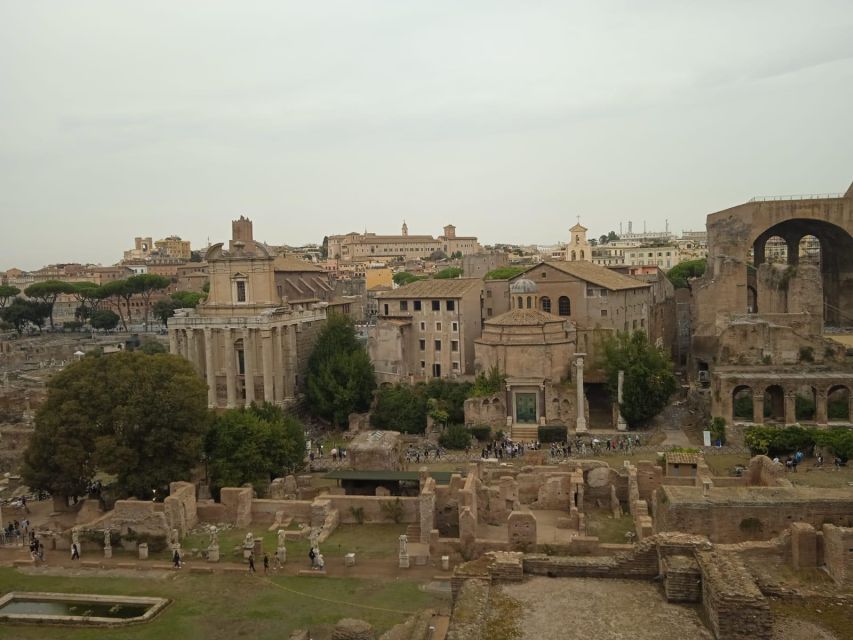
- Domus Tiberiana reopened after almost 50 years, so you’ll be among the first to experience this space again.
- Palatine Hill start point gives you the earliest “this is where it began” feeling in the city.
- Roman Forum ending puts the political drama in context, right where it all happened.
- Skip the ticket line helps you spend more time looking and less time waiting.
- Headsets for groups over 6 make a big difference when multiple guides or tour groups are speaking in the same area.
- English or Italian live guide means you can follow along without guessing.
Palatine Hill as your launchpad for ancient Rome
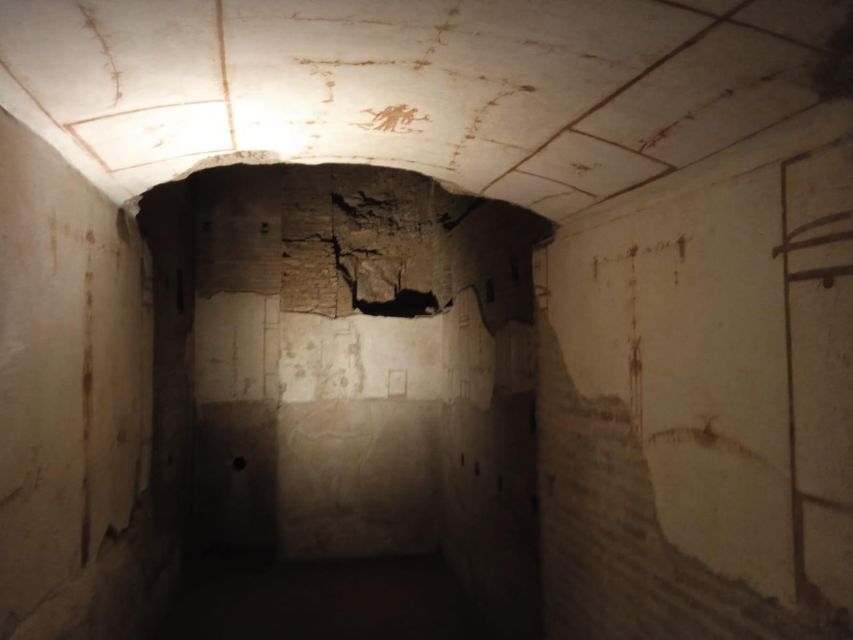
Your tour starts right in one of the oldest parts of Rome. That matters, because the Palatine Hill area isn’t just another pretty view—it’s where you feel the city’s original gravity. Once you’re standing amid the ruins, the scale becomes obvious fast. You’re not reading about Rome. You’re walking through where power, housing, and status used to overlap.
I like how the route begins with “where Rome was founded” energy. Even if you’ve visited Rome before, this approach helps you reset your mental map: you understand why people cared about this spot long before the Forum got its big reputation.
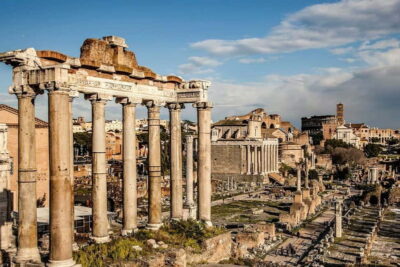
You’ll also get that classic Rome mix—imposing building remains, broken columns, and enough stonework to make your brain do math. The guide helps you translate it into purpose: this area wasn’t random; it was organized, layered, and built to signal rank.
You can also read our reviews of more guided tours in Rome


Domus Tiberiana: the first imperial palace, back in action
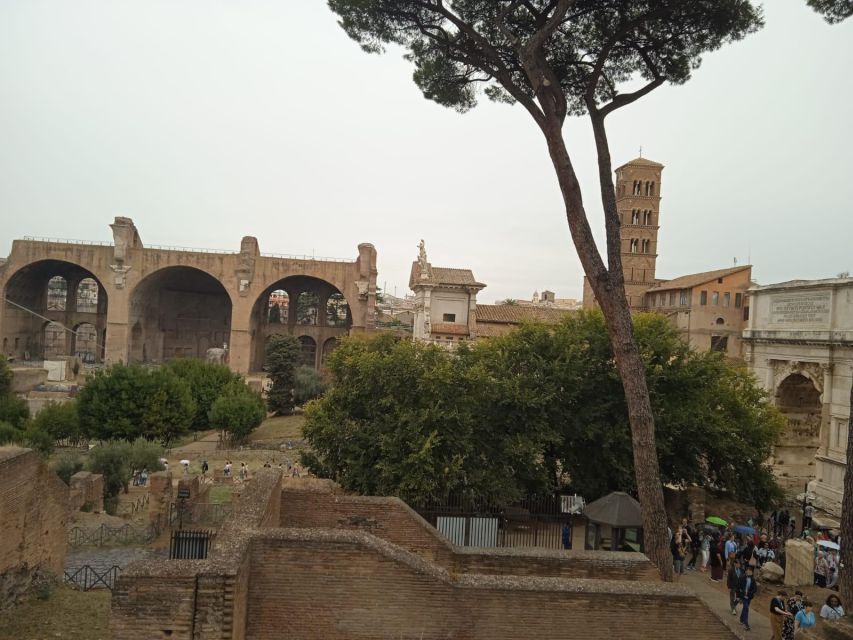
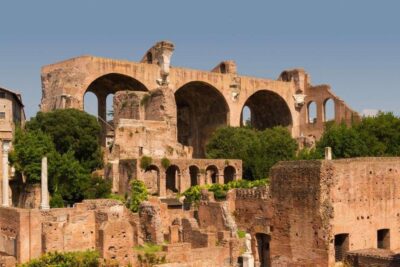
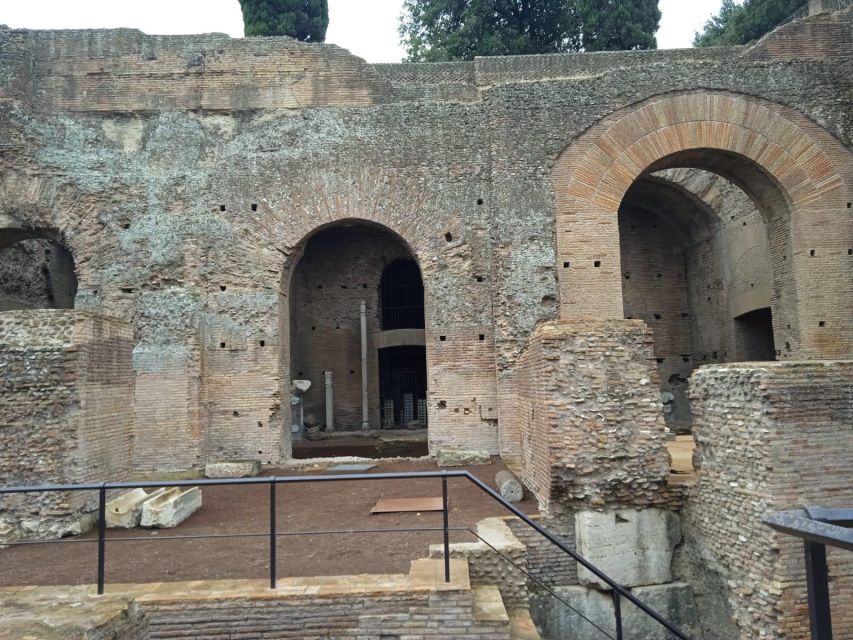
Then comes the tour’s central attraction: Domus Tiberiana. This is one of those places that feels different from typical “ruins with plaques.” The reason is simple: it’s the first real Imperial Palace you’ll encounter on this walk. And it has been reopened to the public after almost 50 years, which means the experience has that fresh-world quality—like the site is finally giving its story back.
Here’s what makes Domus Tiberiana a value win for you. A lot of Rome tours hit the obvious highlights. This one uses the Imperial Palace angle to connect your earlier “where Rome began” start to the later “where Rome ran itself” ending. You’re seeing how ruling changed the city’s design and day-to-day rhythm.
As you move through the palace spaces, your guide ties the architecture and layout to Roman life. You’ll get a sense of how imperial presence shifted from residence and administration into something theatrical—built for visibility, control, and messaging. If you care about how empires make their homes, this stop is the payoff.
A small consideration: because Domus Tiberiana is a core attraction and has a lot of meaning in a short time, you’ll get the most out of it if you’re comfortable listening while you walk. Headsets help a lot, especially when the area gets crowded.
The walk that connects power, law, and everyday routine
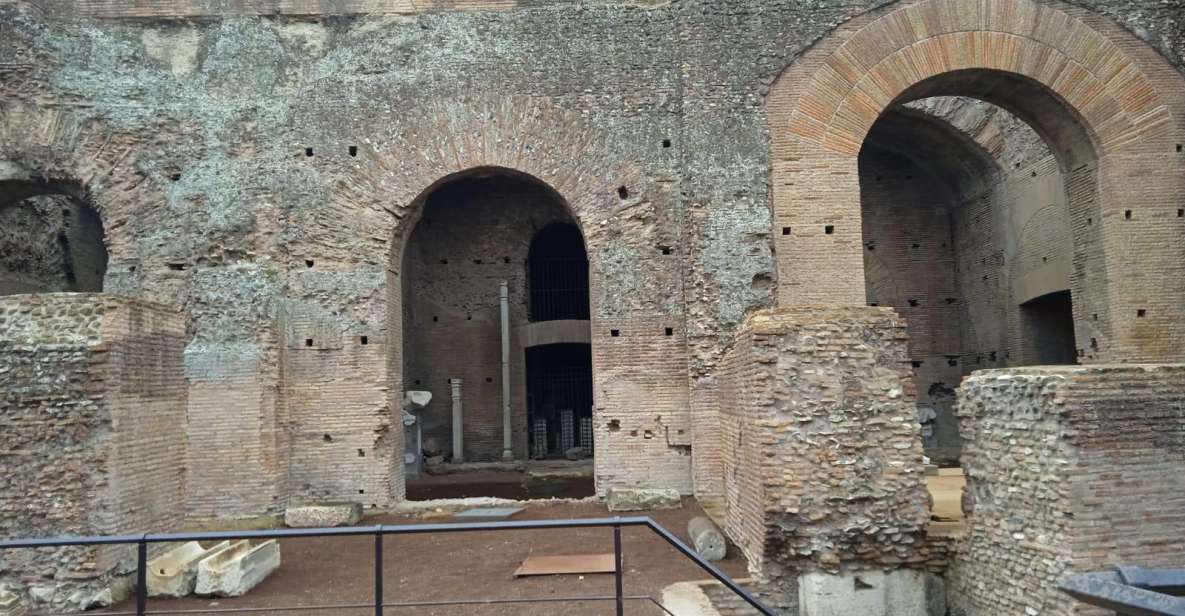
Between major stops, your tour is designed like a story: palaces, temples, markets, and monuments are folded into the route so you’re not treating each ruin as a separate postcard. That’s the difference between a photo-and-go experience and one that actually makes Rome feel functional.
You’ll learn how spaces were used, not just what they were. That’s where Rome becomes more than “old rocks.” You start to understand the rhythm of Roman civic life—people moving through public spaces, authority expressed through architecture, and religion and commerce tucked into the same neighborhoods.
I also like that the guide keeps the walking purposeful. You’ll be moving from Palatine Hill toward the Roman Forum with a clear reason for each segment. That prevents the common problem of wandering and thinking you’re seeing “the same thing” again and again.
Ending in the Roman Forum, where the stones remember names
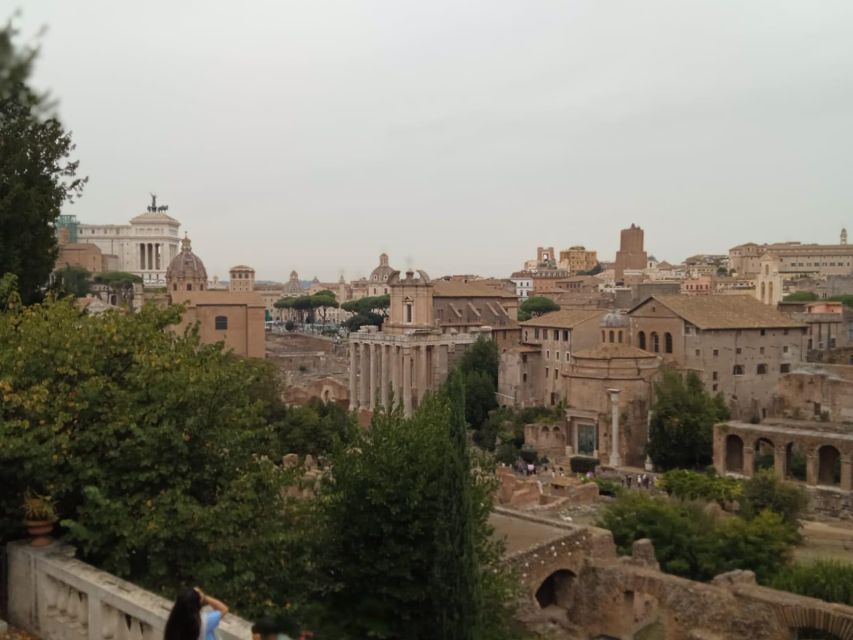
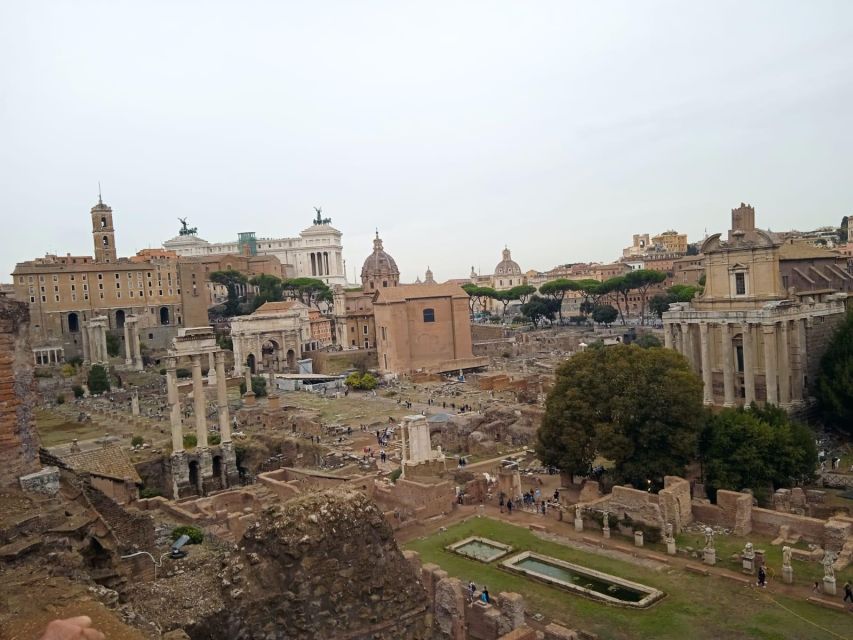
Your tour ends in the Roman Forum, the most important forum in ancient Rome. This is smart programming. Starting on Palatine Hill gives you the foundation of power. Ending in the Forum gives you the daily execution of power—meetings, public life, persuasion, and the big personalities.
The guide highlights that you walk on the very same stones where famous figures once stepped, including Julius Caesar and Mark Antony. Even if you know their names already, it lands differently when you’re literally on the walkway. That physical connection turns vague “ancient Rome facts” into a lived-feeling moment.
Now, a practical note. The Forum area is visually dense. If you’re the type who wants time to look slowly at details on your own, the guided structure may feel like it moves you along. This tour is designed to cover the important sites with an expert guide, so you’ll want to plan for a little extra time afterward if you want to linger.
What’s included (and why it matters for value)
Let’s talk value, since $111.02 per person is not a throwaway price. What you’re paying for is not just narration. You’re getting:
- Entry/Admission to the Roman Forum and Palatine Hill
- Expertly guided walking tour with a professional licensed guide
- Headsets for groups over 6 people
- Skip the ticket line
That combo is the big deal. Entrance tickets alone would be a separate cost, and “skip the ticket line” helps you avoid losing part of a short 2.5-hour window to waiting. The headsets also protect your experience: you get clear explanations even when you can’t physically get close.
In other words, you’re not just buying access to sites. You’re buying time efficiency and comprehension—two things that matter a lot in Rome.




Timing and how to prepare so the tour feels smooth
The tour runs for 2.5 hours. Start times vary, so you’ll want to check availability for the exact departure you choose. The meeting time is 30 minutes before the start.
That “arrive early” requirement is worth respecting. In Rome, you don’t want to be the person sprinting across ruins with a half-packed bag and zero ID. Speaking of ID: you’ll need a passport or ID card, and your name(s) must be provided at booking.
What to bring is simple: ID. What to avoid is also clear. No pets, no luggage or large bags, and no drones. The rules also ban sprays or aerosols, and there are restrictions for electric wheelchairs and scooters. Also note the tour is not suitable for wheelchair users. If you’re traveling with mobility needs, I’d treat this one as a no unless you can confirm your exact situation works with the restrictions listed.
Because it’s a walking tour, wear shoes you trust. You’ll be on uneven surfaces through the ancient areas, and the most enjoyable part is listening and looking—not trying to stabilize yourself every few minutes.
The guide experience: licensed, hands-on, and built for clarity
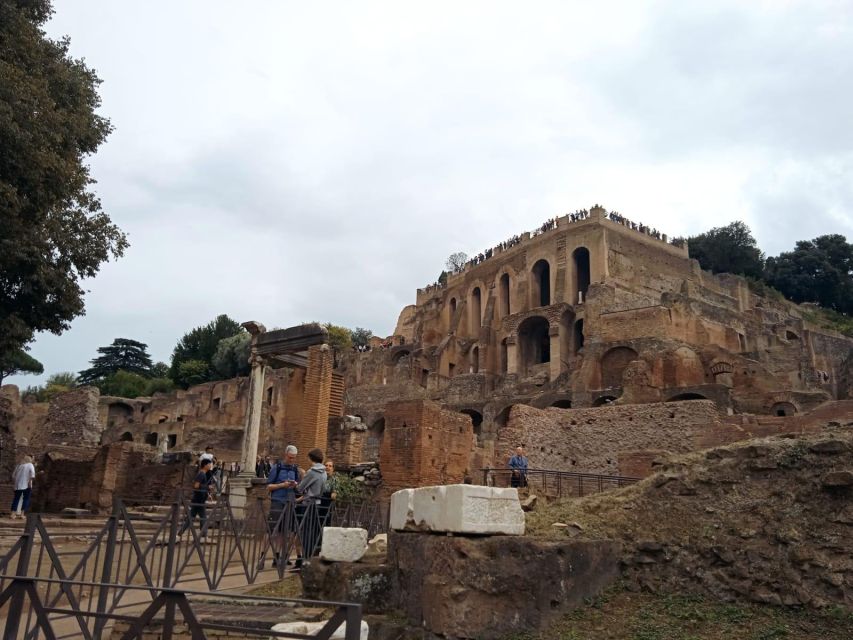
This is guided by a professional licensed guide, in English or Italian. That matters because Roman ruins are full of frustrating ambiguity: similar-looking columns, repeating stone shapes, and layouts that can be hard to interpret without context.
One guide name you may run into is Dino, who has been praised as wonderful for explaining things clearly. Even without getting hung up on names, the key point for you is method: the guide walks you through the logic of the space—where you are, what it likely did, and how it connects to the next stop.
And again, headsets on groups over 6 people aren’t a luxury here. They keep the tour understandable when you’re separated by stone walls and other visitors.
Who this tour is best for
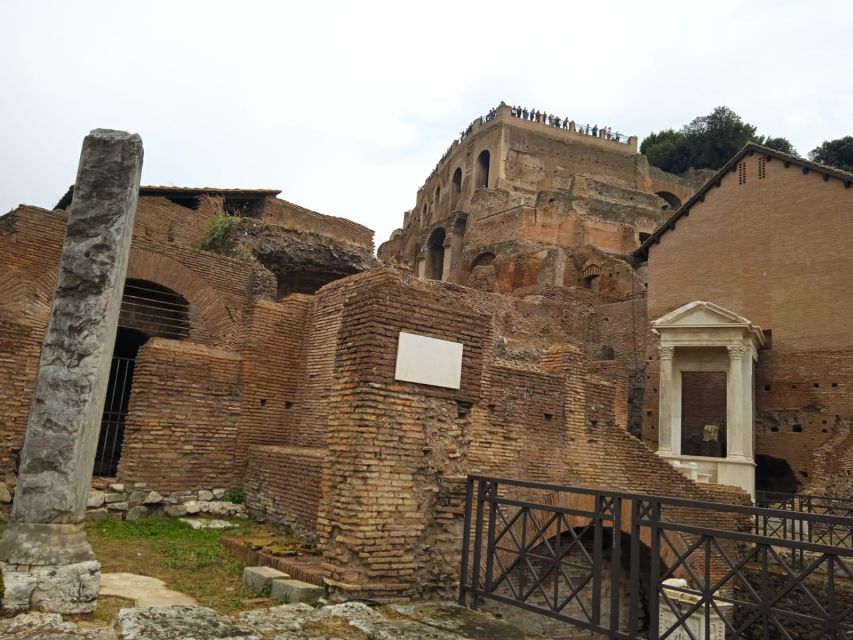
This experience fits well if you want:
- A focused route through Palatine Hill, Domus Tiberiana, and the Roman Forum rather than a long “everything tour”
- Expert guidance that explains how the spaces fit together
- A special emphasis on the reopened Domus Tiberiana, not just generic exterior viewing
It’s also a good choice for first-timers who want to get the big ideas fast—where imperial power lived, where civic life happened, and how the Forum connected to daily Roman reality.
If you’re the kind of person who wants pure free time to roam, you might feel slightly herded. This tour is structured and guided for a reason: it’s designed to be efficient, not open-ended.
Should you book this Domus Tiberiana tour?
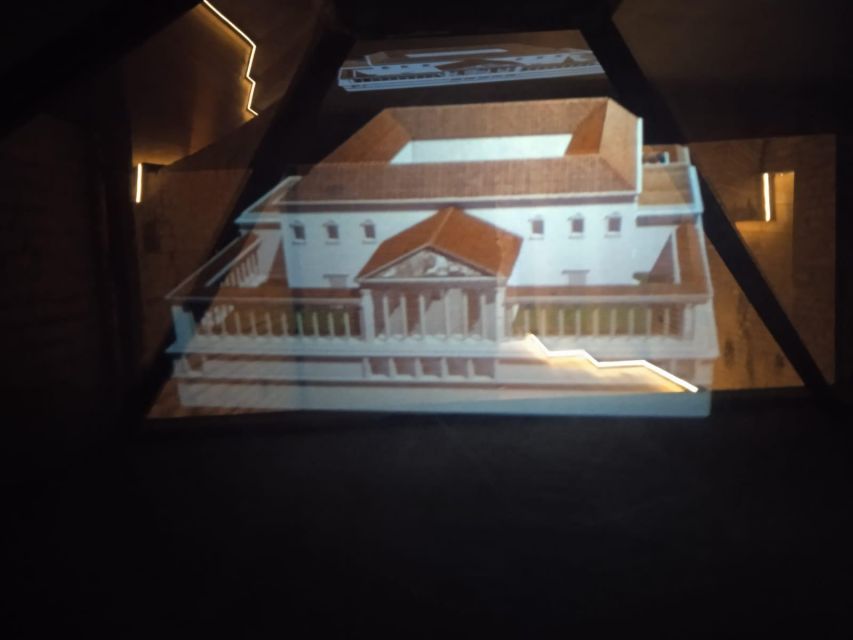
I’d book it if you want the Roman story in the right order: start in the oldest core feeling on Palatine Hill, hit the Domus Tiberiana highlight that has returned after almost 50 years, and finish at the Roman Forum where the famous names feel real. At $111.02 for a 2.5-hour guided experience that includes admissions and skip-the-line access, you’re paying for time and clarity, not just tickets.
Skip it (or plan extra time elsewhere) if you know you want a slow, independent Forum session without a set path. The Forum is huge, and the tour’s guided pace may not satisfy your need to linger in every corner.
If your schedule is tight and you want maximum meaning from your limited hours in Rome, this is a strong bet.
FAQ
Where does the tour start and end?
It starts on Palatine Hill and ends at the Roman Forum, with Domus Tiberiana as the central attraction during the walk.
How long is the tour?
The duration is 2.5 hours. Starting times vary, so you’ll need to check availability for the exact schedule.
Is admission included?
Yes. Admission is included for both the Roman Forum and Palatine Hill.
Do I need tickets in advance?
You won’t need to handle the ticket line yourself because the tour includes skip-the-ticket-line entry.
What do I need to bring?
You should bring a passport or ID card.
Is the tour wheelchair accessible?
The tour is listed as not suitable for wheelchair users, and electric wheelchairs are not allowed.