REVIEW · ROME
Rome: Colosseum, Roman Forum & Palatine Hill Guided Tour
Book on GetYourGuide →Operated by Walks of Italy · Bookable on GetYourGuide
Watching Rome’s ruins make sense is the payoff. I love that this tour uses pre-reserved access to get you inside the Colosseum fast, and I love the small size (max 8) that keeps the Q&A flowing with guides like Marta, Nicola, and Francesca. One thing to plan around: you won’t have much slack for wandering on your own, like stopping at the gift shop for a full browse.
The second half is what really sells the trip for me: the Roman Forum isn’t just a pile of stones when your guide walks you through how spaces worked in Caesar, Nero, and Hadrian’s era. And at Palatine Hill, the legend of Romulus and Remus turns into a literal sense of place as you climb toward the palaces on the founding ground.
If you want a slow, do-it-your-way morning, or if you need extra mobility support, this may not fit. It involves stairs and isn’t suitable for wheelchairs, strollers, or guests with mobility impairments.
In This Review
- Key Points to Know Before You Go
- First: The 11:15 AM Game Plan
- Where You Meet Up (And How to Avoid the Map Trap)
- Colosseum Access: The Part That Saves You the Most Time
- What You See at Colosseum: Levels, Details, and the Stories Behind Them
- Roman Forum: When Ruins Become a Real City
- Palatine Hill: Legend of Romulus and Remus to Imperial Power
- The Group Experience: Small Size, Real Interaction, Smooth Flow
- Price and Value: What $75.45 Really Buys
- Practical Tips That Make This Tour Feel Easy
- Who This Tour Fits Best (And Who Might Prefer Something Else)
- Should You Book This Colosseum, Roman Forum & Palatine Hill Tour?
- FAQ
- What’s the duration of the tour?
- Is the Colosseum ticket included?
- What time does the tour start?
- How large is the group?
- Do I need an ID to enter?
- Is this tour suitable for wheelchairs or strollers?
Key Points to Know Before You Go
- 11:15 AM only: this is a single daily start time, so plan your day around it
- Max 8 guests: more conversation, less waiting around, easier photo moments
- Colosseum first (1.5 hours): you see the arenas and levels with context, not just views
- Forum + Palatine Hill (45 min each): ruins explained as real city life and legend
- Headsets for larger groups: if the group is over 6, you’ll get audio support
- Bring your ID: security requires it for all participants, even children
First: The 11:15 AM Game Plan
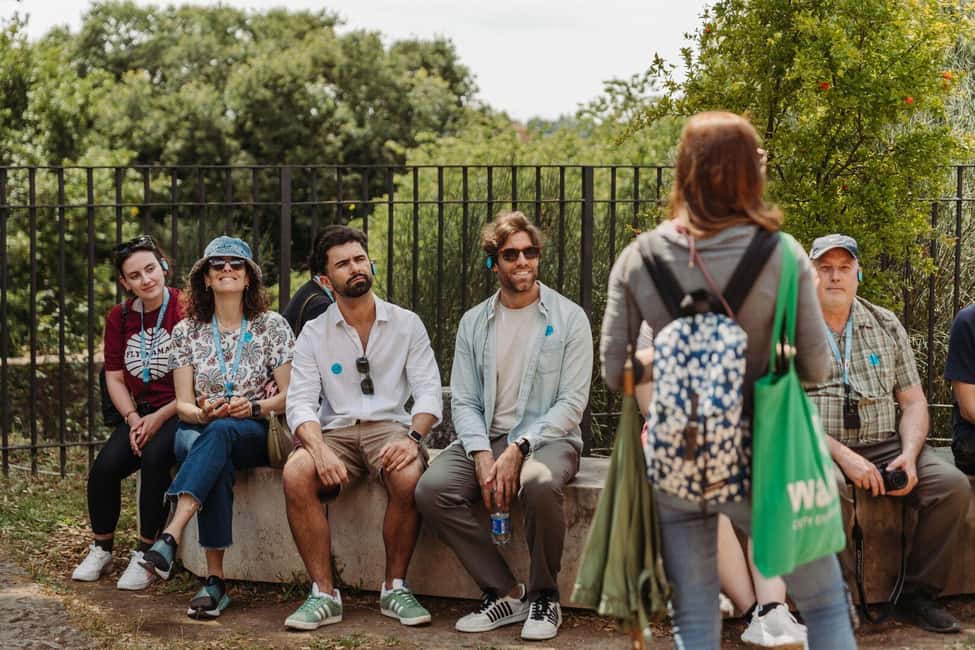
This is a 3-hour guided route that starts at the Colosseum and ends back at the meeting point, with the practical feel of a morning that’s designed to beat crowds. The tour runs on a single 11:15 AM start time, which matters because you’ll want breakfast and transit planned so you arrive with time to check in.
What I like about this timing is that it’s early enough to still feel like a living city day, but late enough that the site is fully operating for the afternoon flow. If you’re the type who hates slipping into lines and trying to read signage under pressure, this schedule is your friend.
You’ll walk a fair amount, and you’ll be climbing stairs inside the Colosseum. Comfortable shoes are non-negotiable. Also, no luggage or large bags, and no strollers or sharp objects—so travel light.
You can also read our reviews of more guided tours in Rome
Where You Meet Up (And How to Avoid the Map Trap)
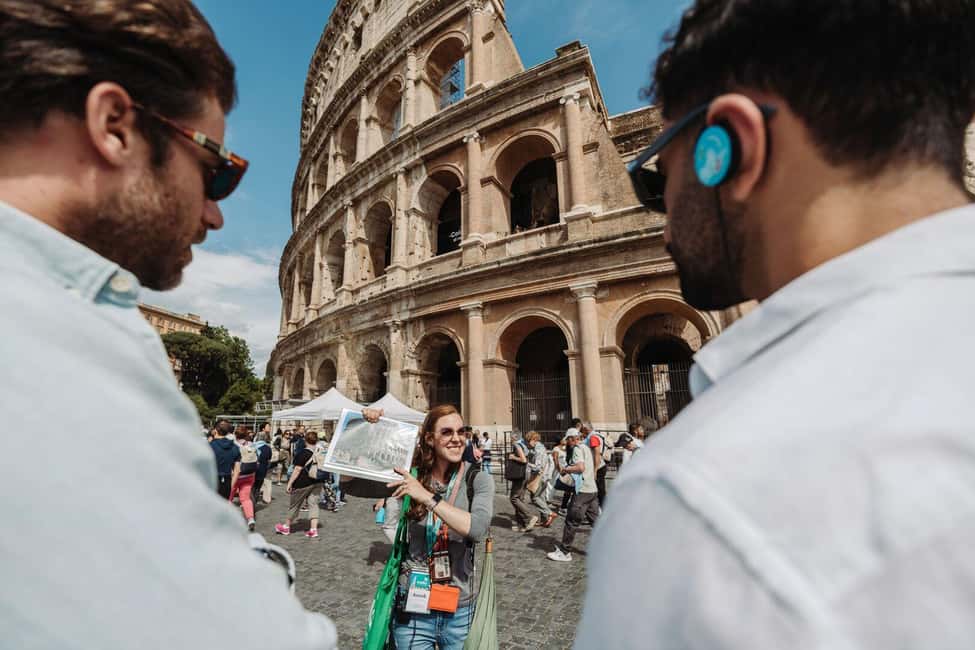
You have two start options depending on what you book. One of the meeting points is at Via delle Terme di Tito, 72, Oppio Caffè. The exact place can vary, so double-check your confirmation instructions.
A practical tip that’s come up from real tours: if you’re coming on foot, use the access through the Colosseo metro station to reach the pick-up area. Some map apps can route you into a closed path, and that wastes minutes you could spend inside.
You end back at the meeting point, and one of the listed drop-off references is near the Roman Forum area (Via della Salara Vecchia, 6). In practice, that’s helpful because it keeps you close to the sights if you want to keep exploring afterward.
Colosseum Access: The Part That Saves You the Most Time
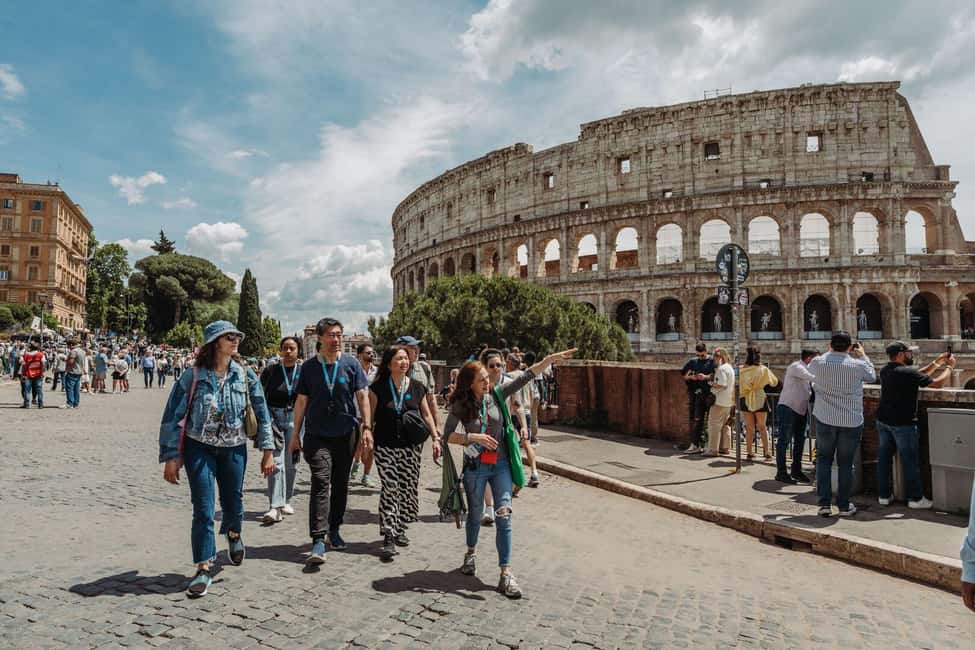
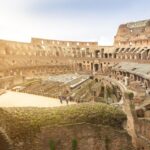
The tour begins at the Colosseum with guided access and ticket included, using pre-reserved passes to help you bypass much of the worst crowd pressure. The Colosseum is huge, and it’s also easy to feel lost when you’re staring at walls that look identical from a distance. A guide changes that.
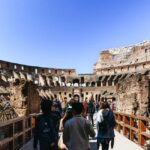
Inside, you go up a set of stairs and through the arches for your first real glimpse of the arena. Then you spend about 1.5 hours exploring the first and second levels, not just wandering the perimeter.
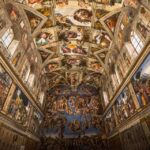
This is where the stories do real work. The tour frames the Colosseum as a sporting arena with brutal entertainment, but also as a place tied to emperors and political power. You’ll hear about gladiators fighting—sometimes by choice, sometimes not—and you’ll get explanation for what you’re looking at, including how the structure was used in ways people don’t always expect.
One detail I appreciate: guides also point out evidence you can still see today, like graffiti on the walls. That small bridge between then and now is exactly why a guided visit can feel more vivid than reading a plaque.
What You See at Colosseum: Levels, Details, and the Stories Behind Them
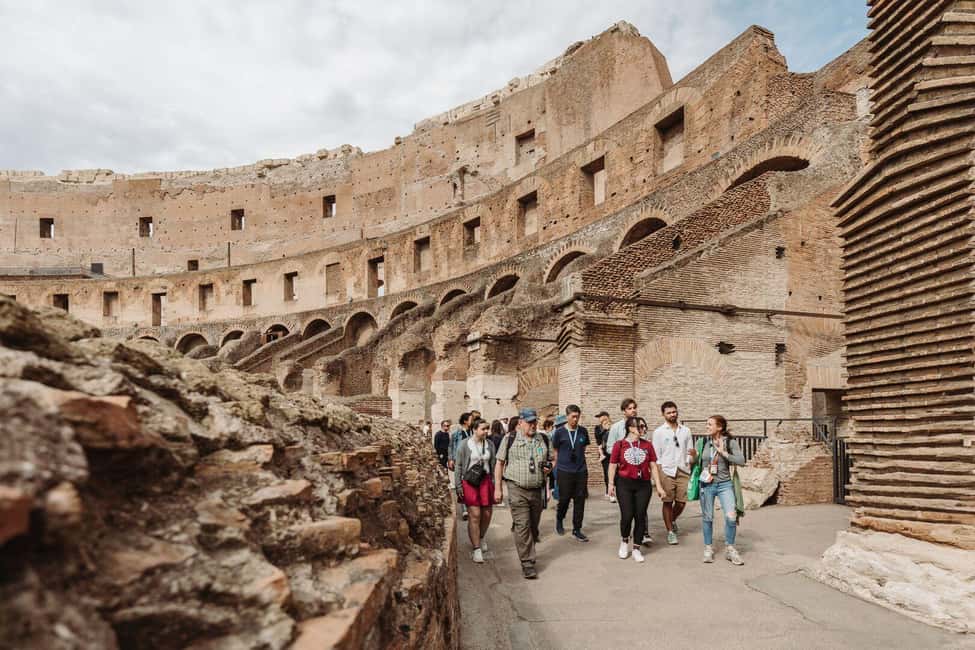
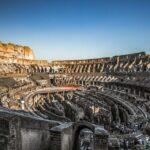
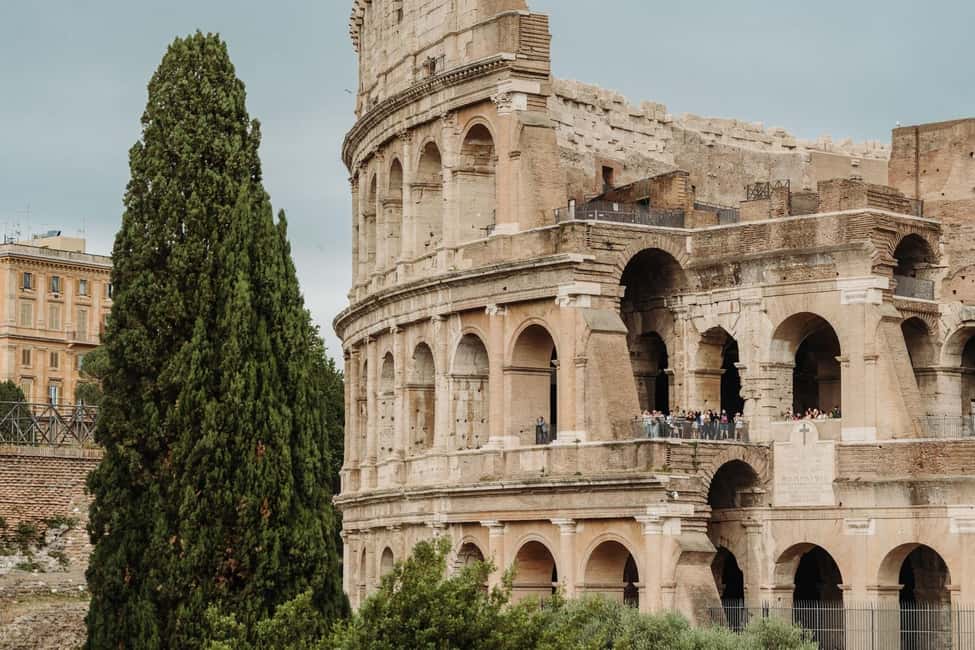
At the Colosseum, your experience is built around the idea that the building is more than a famous photo spot. You’re walking through spaces that can be understood like a system—audience areas, movement routes, and the architectural logic that made spectacle possible.
You’ll hear about:
- gladiators and the choices and coercion around their fights
- emperors who shaped the spectacle (and the fate of people in it)
- how captive audiences left marks, including graffiti you can spot during the walk
The most consistent praise in guides for this route is that they don’t rattle off dates. Guides like Nicola, Marta, and Francesca are repeatedly praised for a pace that keeps you oriented and for explanations that make the place click.
If you’re hoping for a chance to wander and explore independently, plan for that to be limited. One common wish from guests is more free time inside the Colosseum to browse on your own (like checking a shop), but the tour is structured to prioritize the full story across all three sites.
Roman Forum: When Ruins Become a Real City
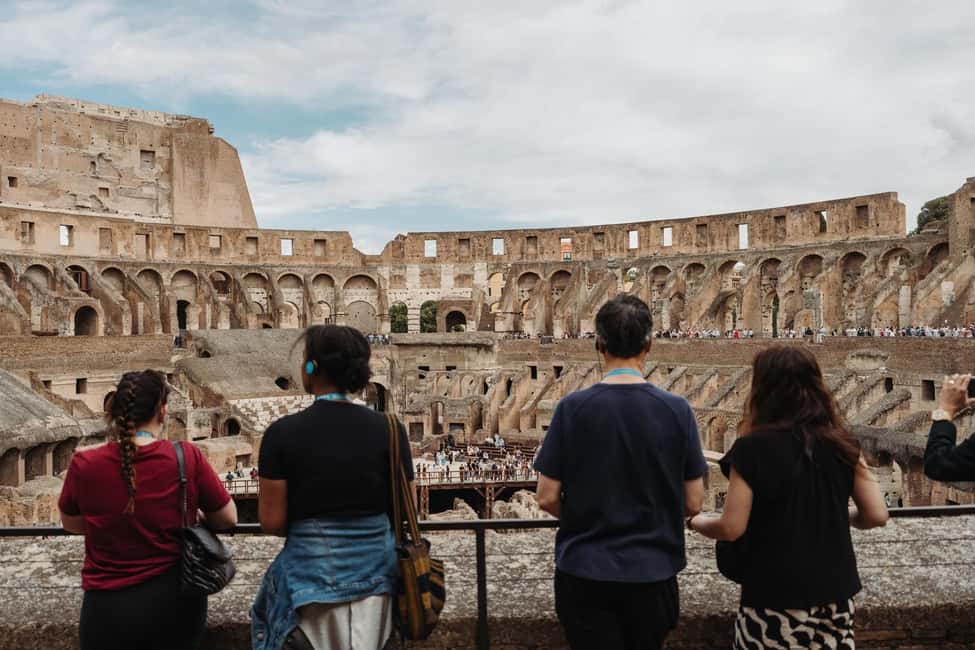
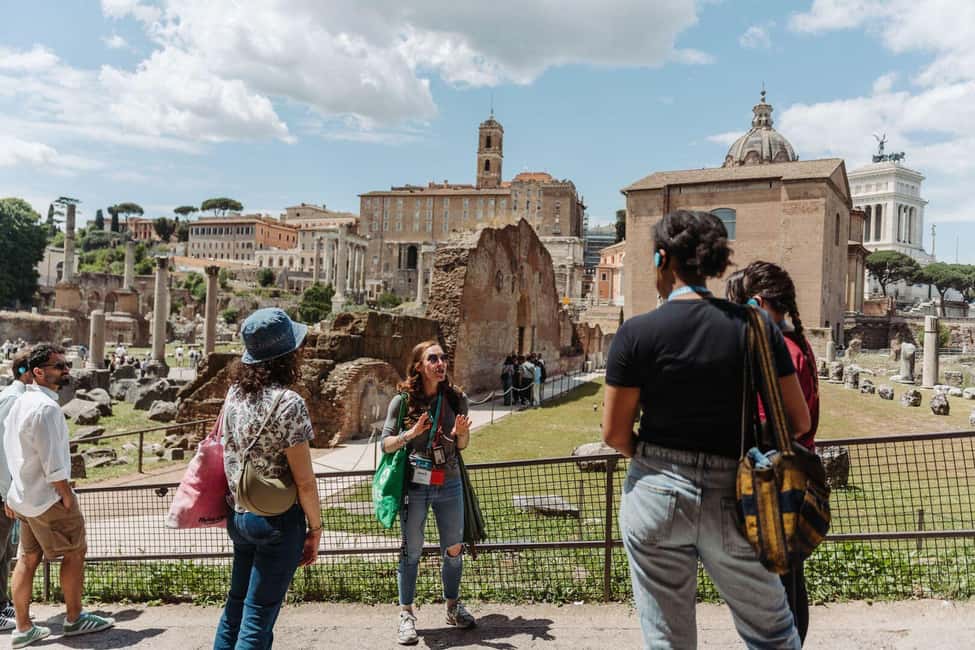
Next comes the Roman Forum, guided for about 45 minutes. This is the section where I think the tour can outperform self-guided visits the most. The Forum is huge, and the remains are fragmentary; without context, you can feel like you’re looking at ruins that don’t connect.
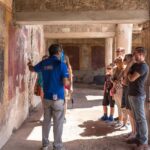
With a historian’s framing, you get help reading the site as a city grid rather than scattered monuments. You walk streets where the guide points out subtle differences that can indicate the function of a space—like how you might tell whether a structure aligns with a shop or a bath, based on form and arrangement.
The tour also connects those spaces to how Roman society worked in practical terms, including life and politics in the days associated with Caesar, Nero, and Hadrian. That timeline isn’t just name-dropping; it helps you understand why certain places mattered.
A key value here: a good guide teaches you how to notice. Instead of you staring at everything at equal intensity, you start to recognize patterns that make the Forum feel navigable.
One more plus: the Forum area can be calmer than the Colosseum, so it’s often easier to hear your guide clearly and take photos without constant traffic jams.



Palatine Hill: Legend of Romulus and Remus to Imperial Power
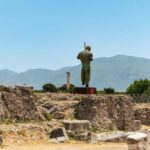
The final stop is Palatine Hill, also guided for about 45 minutes. This is where Rome’s origin story turns physical. You climb toward areas associated with the palaces built on the ground tied to the legend of Romulus and Remus being found by the she-wolf.
If you’ve ever read the story and felt it was all myth with no geography, this is the moment where the setting helps it stick. Palatine Hill is not just a hill with views; it’s a site that explains how power claimed topography.
Your guide connects the legend to the broader meaning of the hill—why it became an elite center and how the space evolved with Rome’s rise. For me, the hill works best when you pay attention to what your guide highlights rather than trying to photograph everything at once.
Also, because this is the last major stop, you’ll likely feel the pace. Bring water, and be ready for the walk and the climb. Several guides on this kind of tour are praised for pacing choices like finding shade and making sure the group stays comfortable in heat.
The Group Experience: Small Size, Real Interaction, Smooth Flow
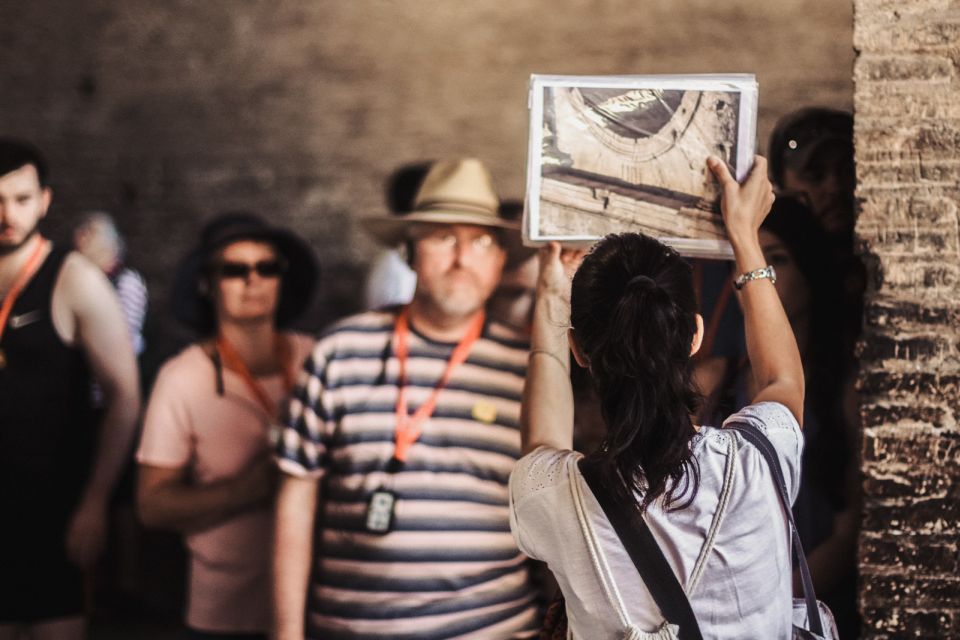
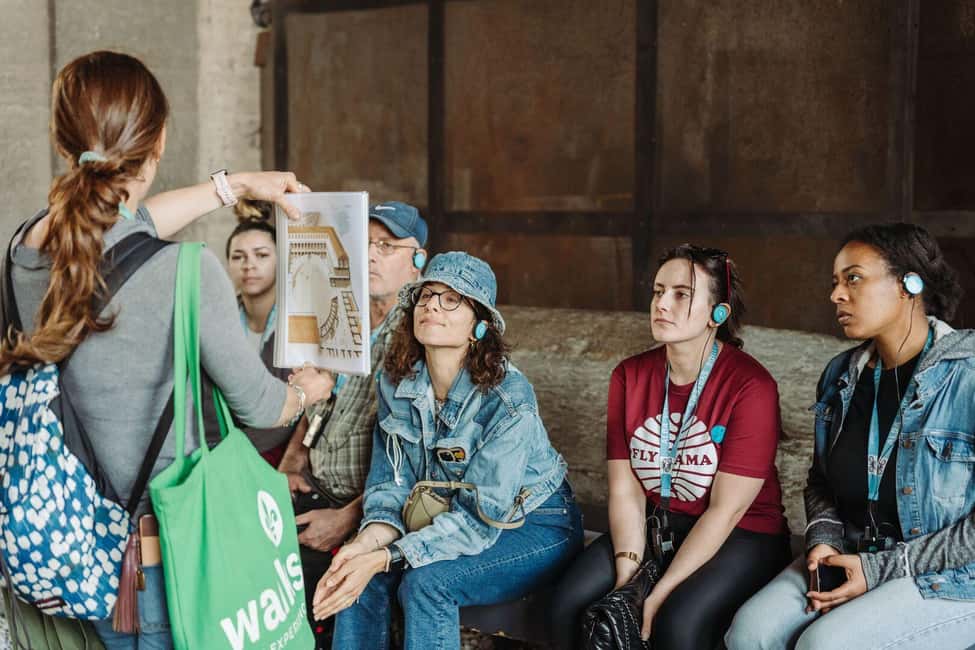
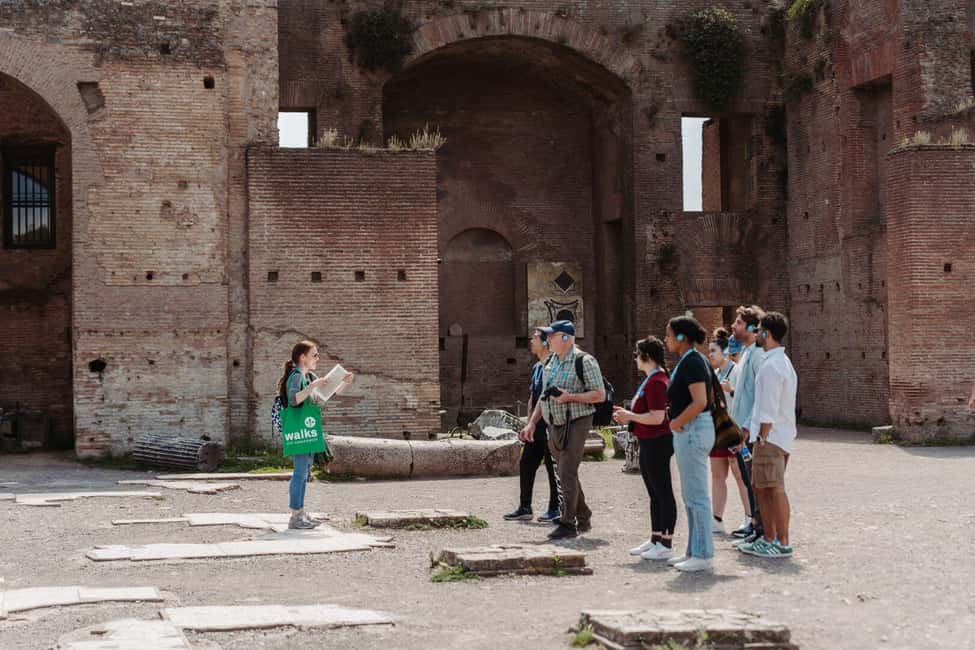
This tour is small group by design: max 8 guests, with an intimate feel that keeps the guide from shouting across a crowd. That’s not a luxury detail. It changes how you experience the monuments.
When the group is small, you can:
- ask questions without waiting your turn forever
- hear explanations clearly even in open-air spaces
- get help adjusting your route when you want to see something at a different angle
- manage photos because you’re not constantly stepping around a large herd
Headsets are included for groups over 6, which helps when you’re walking close to others and the guide is moving quickly. One practical note from the feedback: when headsets work, it makes the stories easier to follow, especially when it’s hot and everyone is trying to keep up.
Guides are frequently praised by name in this route for their delivery and energy—Marta, Dario, Gigi, Guido, Eddy, Ambra, and Julia show up repeatedly as examples of guides who combine story with structure.
Price and Value: What $75.45 Really Buys
At $75.45 per person, the price can look high at first glance—until you price out the time and access you’re buying.
You’re paying for:
- a guide through three major sites
- a ticket to the Colosseum
- access to the Roman Forum and Palatine Hill
- guided use of pre-reserved passes that help you skip much of the crush
- optional listening support through headsets for larger-than-6 groups
That express access matters in Rome, where delays can wreck the flow of your day. If you’ve ever done Colosseum planning solo, you know how much energy goes into sorting tickets, entry windows, and where to stand. Here, you’re handed a sequence and told what’s important as you go.
Lunch isn’t included, so factor in a meal before or after. The tour is tight enough that you’ll probably want to plan for a snack and then eat later.
Practical Tips That Make This Tour Feel Easy
Here’s how to set yourself up for a smooth experience.
- Wear comfortable shoes. This is walking plus stairs.
- Bring your passport or ID card. Security requires government ID for all participants, including children.
- Keep bags minimal. No luggage and no large bags.
- Heat plan. The tour can run in hot conditions, and guides are praised for shade breaks and water refills—still, you should expect to hydrate.
- Arrive early for the meeting point option you booked. The start can vary, and being late can mean you lose the group window.
One more “small but useful” detail: there’s a recurring note that meeting points are clearly communicated, and some guides even help with group photos. If that matters to you, show up ready to meet the group and your guide will do the rest.
Who This Tour Fits Best (And Who Might Prefer Something Else)
This tour is a strong fit if you want:
- Colosseum access plus context, not just sightseeing
- a route that makes ancient Rome feel connected instead of random
- a small group where your questions matter
- a guide who tells the story in a way that’s easy to follow on the move
It may not fit if:
- you need a wheelchair-friendly or stroller-friendly route (it’s not suitable for either)
- you prefer a lot of free time to roam and explore without a guide
- you’re sensitive to stairs and uneven walking
If you travel solo or as a couple, the small group size can feel like a best-of-both-worlds compromise: you get expert guidance without the big-bus vibe.
Should You Book This Colosseum, Roman Forum & Palatine Hill Tour?
Book it if you value time saved and want the ruins explained as something you can actually understand. The express-style reserved access at the Colosseum plus guided structure across the Forum and Palatine Hill is the recipe that keeps this from feeling like three separate sites you race through.
Skip it (or look for an alternative) if you need maximum independence, mobility accommodations, or stroller access. And if you’re the type who wants long stretches to browse gift shops or linger silently, you’ll likely feel the tour’s built-in pace.
If you want Rome that clicks—gladiators, politics, and legend all tied to what you see—this is one of the easier ways to make that happen in a single morning.
FAQ
What’s the duration of the tour?
The tour runs for about 3 hours.
Is the Colosseum ticket included?
Yes. A ticket to the Colosseum is included, along with access to the Roman Forum and Palatine Hill.
What time does the tour start?
The tour has an 11:15 AM start time only.
How large is the group?
It’s a small group with a maximum of 8 guests.
Do I need an ID to enter?
Yes. You need a government-issued ID or passport for all participants, including children, because security may deny entry without it.
Is this tour suitable for wheelchairs or strollers?
No. It isn’t suitable for mobility impairments, wheelchair users, or strollers.