REVIEW · ROME
Eat Like a Roman – Traditional Food, Local Market & History
Book on GetYourGuide →Operated by Roma Eat · Bookable on GetYourGuide
Rome tastes better when someone else leads. Eat Like a Roman is a 3-hour Lazio food-and-wine walk with 20+ tastings and storytelling about the city’s history and hidden archaeological corners. I love the biggest farmers market in Italy and the VIP access inside the oldest pasta shop of Rome. One possible drawback: it’s not suitable for vegans, and you’ll be doing steady walking for the full 3 hours in rain or shine.
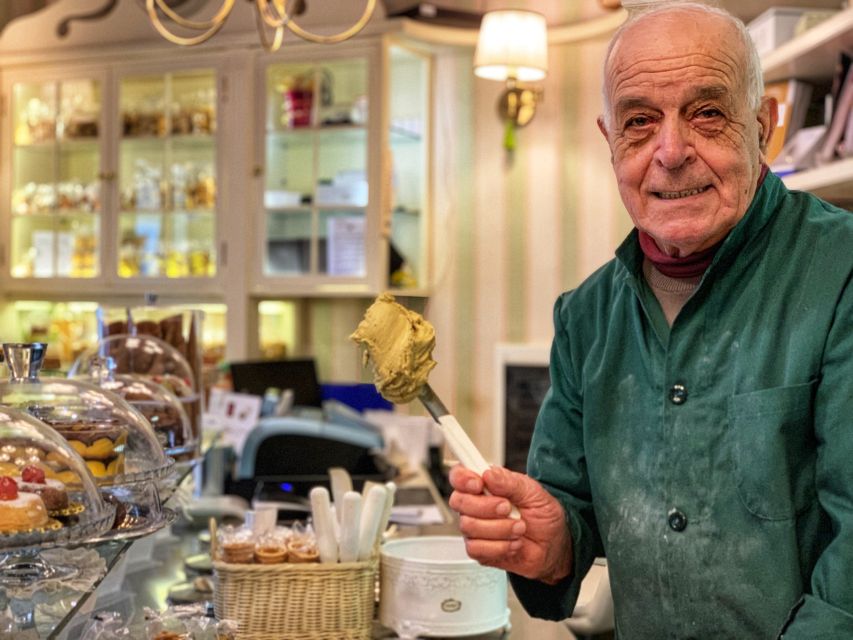
If you care about how Rome actually eats, this tour keeps it practical. You start with coffee and homemade cornetti made by a 70-year-old nonna, then move through family-run stalls where you learn what to order and why it matters.
And yes, you’ll also get a payoff moment. Expect the Pope-favourite gelato stop and a 360° rooftop view over Rome, plus a guide who’s comfortable fielding questions (Greta is specifically mentioned as patient and helpful).
In This Review
- Key Things I’d Block Time For
- A Rome Food Tour Built Around Real Stops, Not Just Samples
- Starting With Coffee and Cornetti From a 70-Year-Old Nonna
- The Biggest Farmers Market in Italy: How Romans Shop and Snack
- Olive Oil, Cheese, and That Moment When You Finally Taste the Difference
- Pizza in an Old Bakery Since 1915
- VIP Pasta Time: How Pasta Has Been Made for More Than a Century
- Apulian Street Food and Local Wine in the Vatican District
- Pope-Favourite Gelato, Then a 360° Rooftop View
- What You’re Paying $79.30 For (And Why It’s Fair)
- When Eat Like a Roman Is the Right Fit
- A Few Things to Know Before You Go
- Should You Book Eat Like a Roman?
- FAQ
- How long is the Eat Like a Roman experience?
- Where does the tour take place?
- What’s included in the price?
- Is transportation from and to your hotel included?
- Is the tour suitable for vegans?
- Does it run in bad weather, and is it wheelchair accessible?
Key Things I’d Block Time For
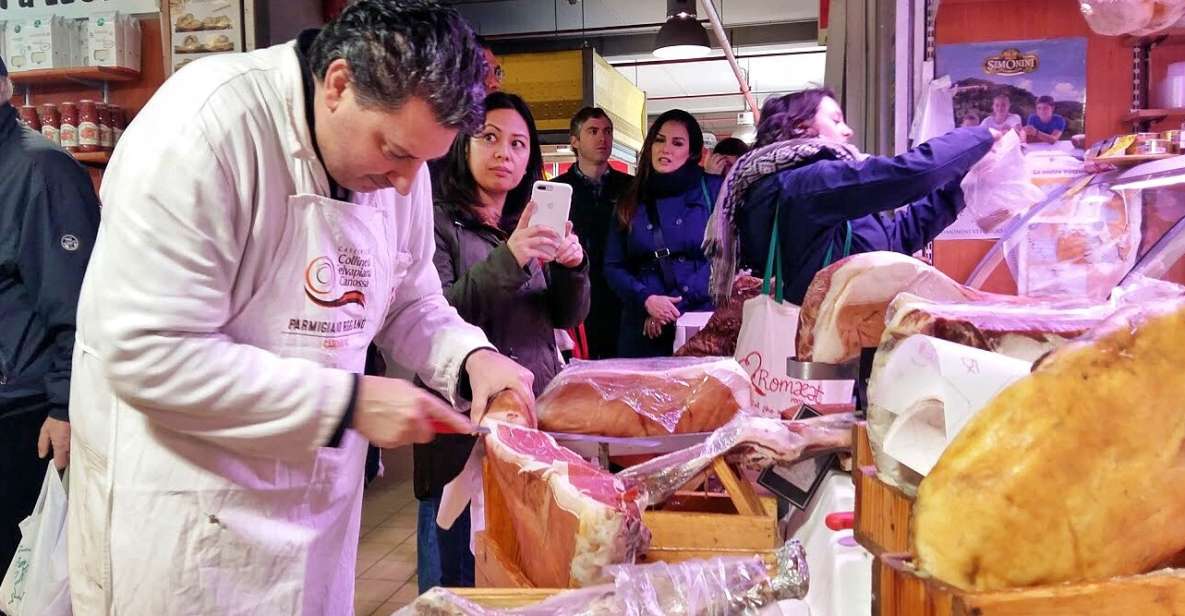
- The biggest farmers market in Italy, with family stories tied to what’s on your plate
- Coffee + nonna-made cornetti, a Rome morning ritual in action
- VIP access inside the oldest pasta shop of Rome, where pasta-making is shown live
- A Pope-favourite gelateria stop, served in a small, low-key setting
- Organic olive oil named best in the world in 2018, tasted rather than just discussed
- A 360° rooftop break, perfect for catching your breath and spotting landmarks
A Rome Food Tour Built Around Real Stops, Not Just Samples
This experience is all about food you’d recognize in daily Roman life, but organized into a tight route that helps you taste widely without guessing what’s worth your time. You get more than “try this, try that.” You get context: how Romans shop, snack, and treat meals as part of the day.
The tour is priced at $79.30 per person for about 3 hours, and that matters because you’re not just paying for food—you’re paying for access. You’ll go inside places that most visitors only see from outside, including an early pasta shop and an old bakery that has been serving since 1915.
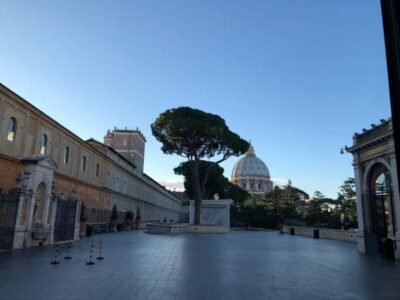
One more thing I liked from the overall setup: it stays daytime and grounded. You walk through the Vatican district, but away from the most obvious photo stops. That gives you the feel of a neighborhood, not a theme park.
You can also read our reviews of more food & drink experiences in Rome

Starting With Coffee and Cornetti From a 70-Year-Old Nonna
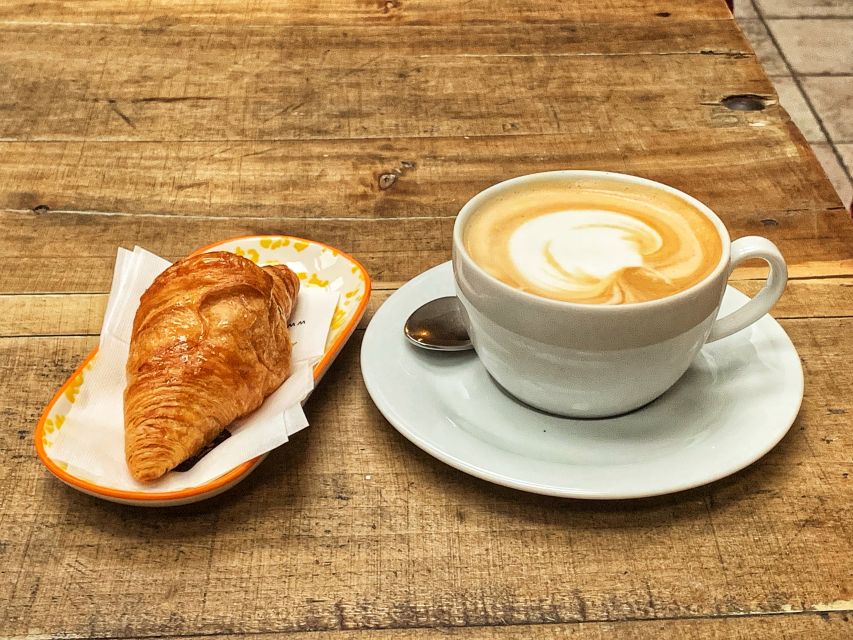
Your morning begins at a local bar where the tour leans into Roman caffeine culture in a hands-on way. You’re guided to become a coffee person quickly, with a focus on cornetti made with care by a nonna who’s 70 years old.
Why this is worth doing: in Rome, the coffee moment is not random. It’s a quick ritual, often paired with pastry, and it sets your rhythm for the rest of the day. You learn how to order and what to expect so the later market stops don’t feel overwhelming.
Practical tip: wear shoes you can walk in without thinking. Early tastings are part taste, part orientation.
The Biggest Farmers Market in Italy: How Romans Shop and Snack
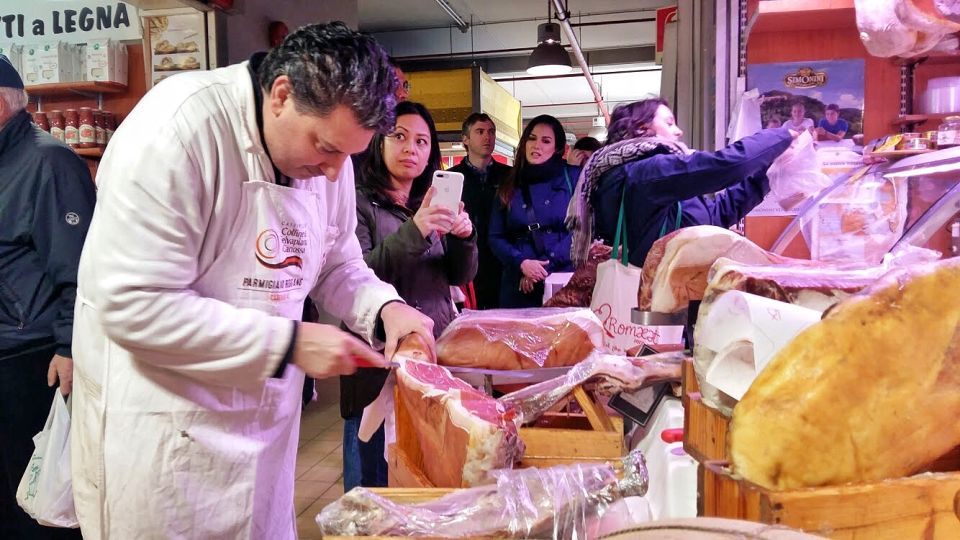
Next comes the big one: the biggest farmers market in Italy. This isn’t about standing in one line and collecting tiny bites. You move through stalls, and you get partner-shop conversations about what’s sold and how the families run things—owned by families that have kept the tradition going for generations.
Here’s the clever part for your own travel planning: a market like this is where you can accidentally eat wrong if you’re guessing. With a guide, you get a “map” of flavors and textures—what’s meant to be eaten fresh, what pairs well with cheese, and what hits best when it’s warm.
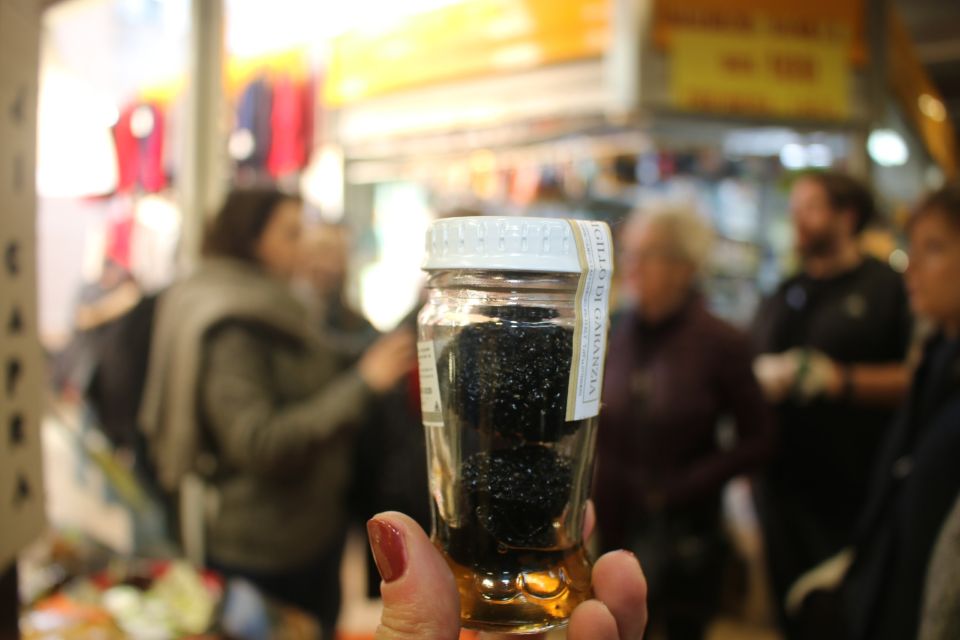
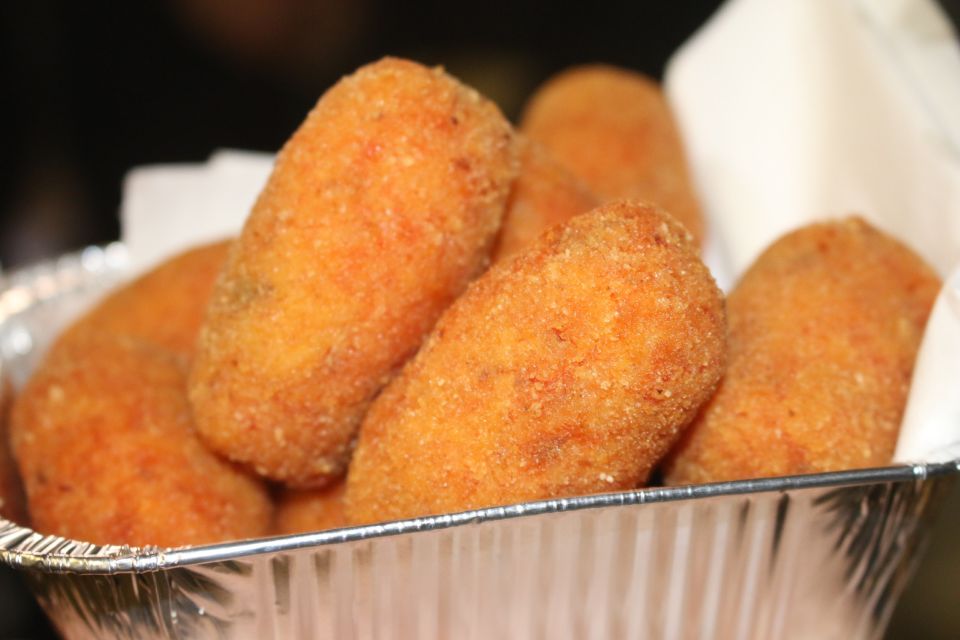
Tastings you can expect at this stage include mozzarella, prosciutto, aged cheeses, and supplì. Supplì is the king of Roman street food fried at the moment for you, and it’s the kind of item where timing really changes the experience. You want it hot, and you want to eat it immediately after it’s prepared.
If you’re the type who likes food rules (order this, skip that), you’ll enjoy how the tour turns market chaos into a simple, repeatable strategy.
Olive Oil, Cheese, and That Moment When You Finally Taste the Difference
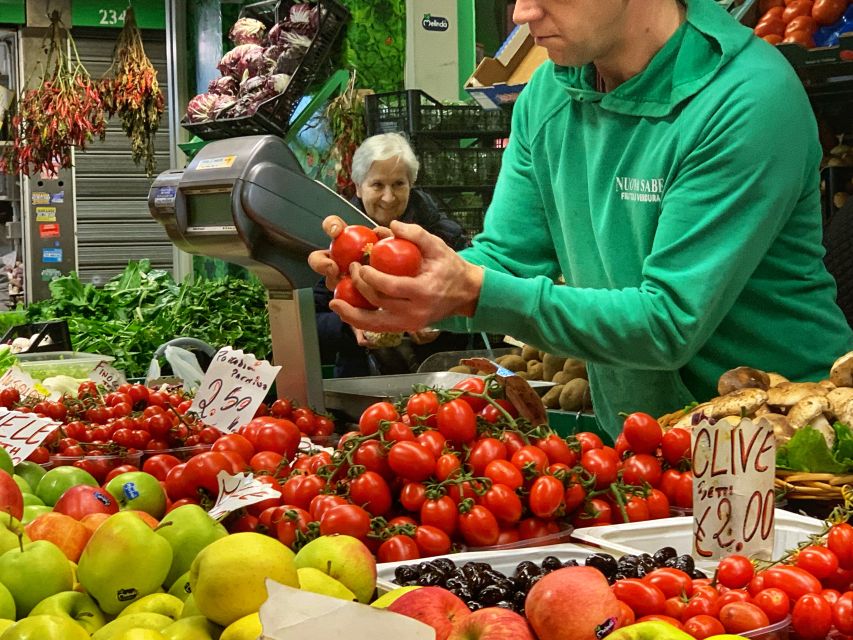
After the market, you move into a more focused tasting sequence. One stop centers on an organic olive oil awarded as the best in the world in 2018. That sounds fancy, but the key for you is that you taste it, not just hear about it.
Why it matters: olive oil can taste like anything from gentle fruitiness to peppery punch. Knowing what to look for makes you shop smarter later—whether you’re buying at a grocery or ordering in a restaurant.
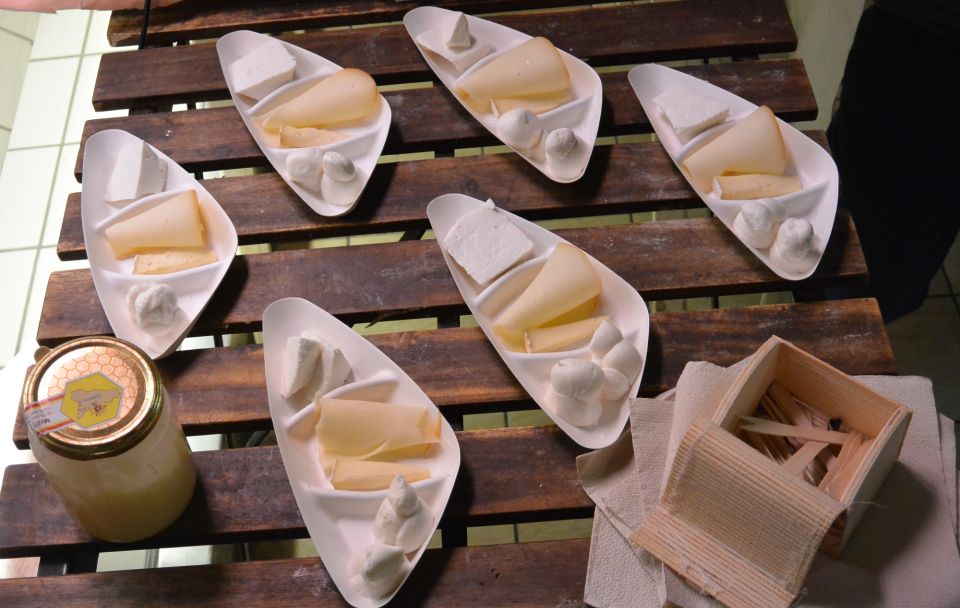
You’ll also keep working through the Roman cheese angle, with flavors that range from fresh and mild to aged and sharp. The guide links these tastes to how Romans build meals from what they can get locally—less fuss, more quality, repeatable comfort.
If you’re sensitive to strong flavors, this is where you’ll notice them most (in a good way). Take small bites and pace yourself.
Pizza in an Old Bakery Since 1915
Then it’s time for pizza—done in a way that’s more than a casual slice. You’ll spot a crunchy pizza in the oldest bakery of the area, opened in 1915.
This is one of those Rome experiences that feels simple until you’re actually there. Older bakeries often have a consistent style, and the tour’s value is that it puts this stop in the middle of your tastings, when you’re already paying attention.
What to watch for: since you’ve had cheese, fried street food, and olive oil, your appetite may be ready for something crisp and straightforward. Crunchy pizza is a palate reset.
You can also read our reviews of more tours and experiences in Rome


VIP Pasta Time: How Pasta Has Been Made for More Than a Century
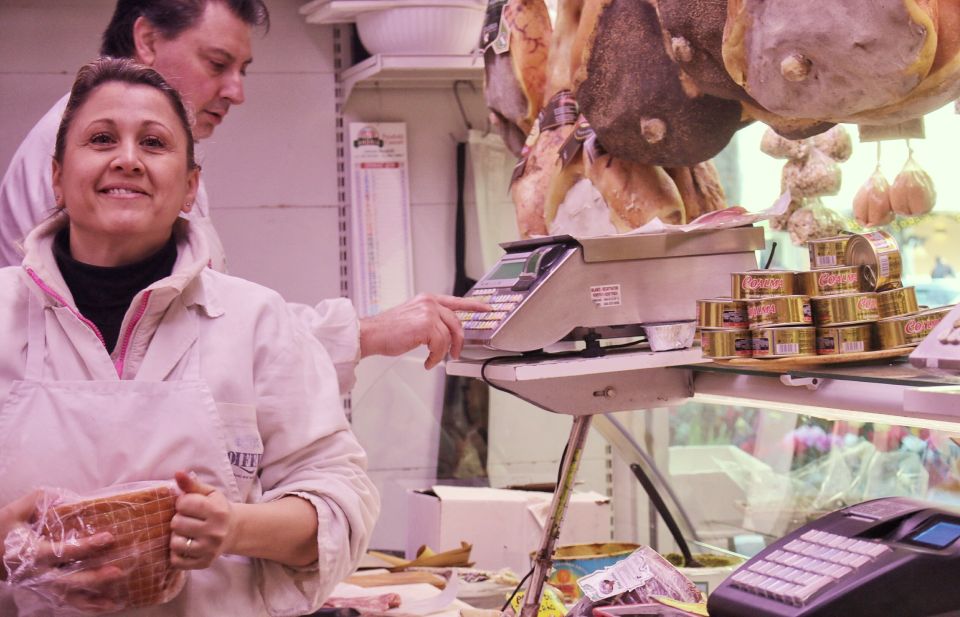
One of the biggest headline moments is the exclusive VIP access inside the first pasta shop opened in Rome. You don’t just taste. You learn how they make pasta since more than one century.
Why VIP access is such good value here: pasta shops can be hard to “experience” unless you’re invited in. Watching the process gives you a new way to understand what you’re eating later—shape, thickness, and texture all become less random.
Also, pasta in Rome is not only about the dish. It’s about the maker’s consistency. This stop helps you appreciate why some pasta feels silky and others feels too heavy.
And a practical bonus: you’ll know what to ask for when you see pasta on menus back at home.
Apulian Street Food and Local Wine in the Vatican District
After the pasta stop, the tour shifts again—this time to an Apulian street food shop where you drink a local wine.
That regional mix is smart. Rome is the setting, but Italian food is built on local styles. Apulia brings its own attitude toward street food—simple, flavorful, and meant to be eaten standing up or quickly between errands.
You’ll also appreciate the route because the pacing keeps you moving through the Vatican district but off the beaten paths. It feels like you’re getting close to real everyday Rome without the stress of figuring out where to go next.
If you don’t drink much alcohol, you can still enjoy the food portion; just plan to sip and keep your pace.
Pope-Favourite Gelato, Then a 360° Rooftop View
At the sweetness stage, the tour goes straight for comfort and brag-worthy bragging rights. You’ll stop for real gelato in a tiny hidden place, and it’s described as the Pope’s favourite gelateria.
Why I like this kind of stop: gelato is one of those desserts that reveals quality fast. When it’s done well, it doesn’t feel icy or artificial. It feels creamy and clean, even when you’re full from savory tastings.
Then you relax on a rooftop with a stunning 360° view of Rome. This is more than scenery. It’s a decompression moment that helps you process what you just ate and connects the food to the city around it.
Practical tip: bring a layer. Rooftops can feel cooler, especially if you’re doing this in shoulder seasons. Comfortable walking shoes matter here too—getting to viewpoints always includes stairs and uneven steps.
What You’re Paying $79.30 For (And Why It’s Fair)
Let’s talk value, because food tours can swing from great to overpriced fast.
For $79.30, you’re getting:
- More than 20 food and wine tastings
- An English-speaking, entertaining Roman guide
- An organic cotton totebag
- Stops that include exclusive access (pasta shop) and long-running institutions (bakery from 1915)
What’s not included: transport from/to your hotel. So if you’re staying far out, plan a little extra time and transit cost.
Is it worth it? For me, this price works if you want structure. If you’re the type who enjoys walking and snacking, and you’d rather not spend a day searching for the right market stall, best cheese, and good gelato, this tour saves you time and gives you a guided “hit list” you can trust.
When Eat Like a Roman Is the Right Fit
This tour is best for you if you:
- Want a daytime food walk with clear pacing and lots of tastings
- Like market energy but don’t want to guess what to order
- Care about food craftsmanship—especially coffee, olive oil, pasta, and gelato
- Enjoy history through food rather than museum lectures
It may not be the best fit if:
- You follow a vegan diet (it’s not suitable for vegans)
- You dislike walking for 3 hours, or you’re hard to please when the weather shifts (it runs rain or shine)
Good news: it’s wheelchair accessible, so the route is built with that in mind.
A Few Things to Know Before You Go
This is a walking-heavy experience, so pack for comfort. Stick to comfortable clothing and shoes you can walk in for several hours. Rain doesn’t stop the tour, so expect to move outdoors.
Also, remember you’re eating a lot. You don’t need a huge breakfast, but a small one can help you enjoy the tastings instead of eating through them like it’s a race.
If you have dietary restrictions beyond vegan (like allergies), you’d want to check directly—nothing in the provided details covers substitutions.
Should You Book Eat Like a Roman?
I’d book it if you want a guided Rome food day that mixes big-market shopping energy with real access to classic places. The strongest reasons: the range of tastings (including wine and dessert), the market immersion, and the behind-the-scenes pasta and historic bakery stops.
Skip it if you’re vegan or if you’d rather do food on your own without structure. But if you like learning by tasting—then taking a breath on a rooftop view afterward—this is a very solid choice for Lazio and Rome.
FAQ
How long is the Eat Like a Roman experience?
It lasts about 3 hours.
Where does the tour take place?
It’s based in Lazio, Italy, with a walk through Rome that includes the Vatican district.
What’s included in the price?
The price includes all food and wine tastings, an organic cotton totebag, and an entertaining Roman guide who speaks English.
Is transportation from and to your hotel included?
No. Transport to and from your hotel is not included.
Is the tour suitable for vegans?
No. It’s not suitable for vegans.
Does it run in bad weather, and is it wheelchair accessible?
Yes, it takes place rain or shine, and it is wheelchair accessible.