REVIEW · ROME
Rome: Trastevere and Campo de Fiori Food Tour
Book on GetYourGuide →Operated by Tours and the City · Bookable on GetYourGuide
Roman food tastes better with a local in tow. This 3-hour Trastevere and Campo de’ Fiori food tour pairs landmark-sight strolls with real, eat-at-the-counter Rome flavors, from hake and supplì to porchetta and gelato. I especially love the small group of up to 12, which keeps the vibe relaxed, and the guides who show you the streets like you’re hanging out with an old friend. Expect the kind of explanations that make you understand what you’re eating, not just where you’re eating.
One possible consideration: you’ll walk quite a bit in just three hours, so bring comfortable shoes and don’t plan anything strenuous right before or after.
In This Review
- Key things to know before you go
- First stop: meeting at Piazza Farnese (and getting your bearings)
- Dar Filettaro a Santa Barbara: breaded hake and local wine
- Crossing the Tiber: street-food flavor without the tourist fog
- Campo de’ Fiori: iconic views plus practical market-time bites
- A local osteria break: pasta comfort and the art of ordering
- Trastevere energy: neighborhood food that feels like a real night out
- La Norceria di Iacozzilli: King of Porchetta, crispy pizza bianca, and beer
- The final sweet payoff: gelato in Trastevere
- How the guides make the tour (the part that people remember)
- Walking comfort and what to wear
- Who this tour is best for (and who should pick something else)
- Should you book this Rome food tour?
- FAQ
- How long is the Rome Trastevere and Campo de’ Fiori Food Tour?
- What language is the guide?
- Is the group size small?
- Do they offer gluten-free or vegetarian options?
- What if I have a fish allergy or I don’t eat red meat?
- What foods and drinks are included?
- Where does the tour start and where does it end?
- What should I wear or bring?
- What is the policy if I no-show or arrive late?
Key things to know before you go
- Small, intimate group (up to 12) makes it easy to ask questions and get dietary help
- English-speaking live guides (Marco, Anna Maria, Valentia, Paola, Edu, and others) keep the tour flowing smoothly
- Full-meal portions of food and drink, not just a few “taste bites”
- Campo de’ Fiori + Trastevere means market energy by day and the Roman neighborhood rhythm by night
- Dietary flexibility with notice helps, including gluten-free and alternatives for fish/red-meat needs
- A true Roman finish with gelato in Trastevere (the sweet payoff after the savory stops)
First stop: meeting at Piazza Farnese (and getting your bearings)
You start near Piazza Farnese, at a clear street-corner meeting point right by a pharmacy. That matters more than you might think: Rome has a way of making even “easy” streets feel like a maze, and a good start helps you relax fast.
From there, the tour style stays consistent—short walks, frequent tastes, and quick context as you pass landmarks. The guides (I heard names like Marco, Anna Maria/Annamaria, Valentia, and Paola) tend to mix history with practical food talk: what people eat, when they eat it, and why it’s made that way. This isn’t a lecture you escape from. It’s a friendly street chat with snacks.
You can also read our reviews of more food & drink experiences in Rome
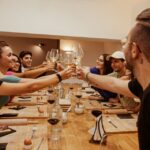
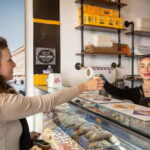
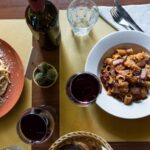
Dar Filettaro a Santa Barbara: breaded hake and local wine
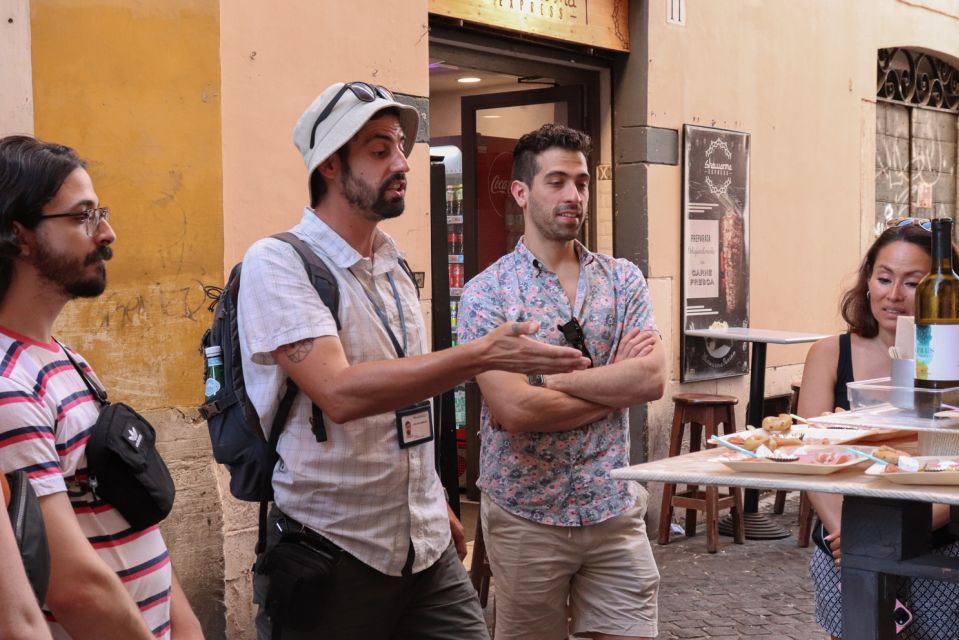
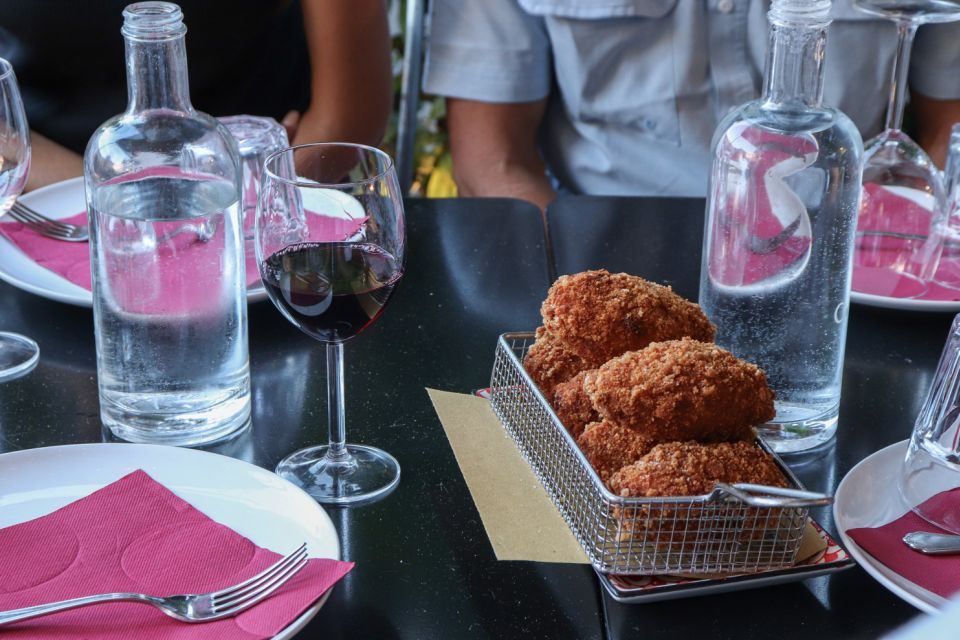
One early highlight is the hake stop at Dar Filettaro a Santa Barbara. You’ll get a breaded hake fillet—simple, classic Roman comfort food—and it’s paired with local wine. The best part here is that it sets your palate quickly: crisp, salty, and satisfying, with the wine giving you a Roman “yes, this is how it’s done” moment.
What I like about this opening is pacing. You’re not stuck waiting for the tour to “start eating” later. You get your first real bite soon, which also helps you meet the group in a natural way—no awkward standing around with a bottle of water and nothing to do.
Possible drawback: if you’re sensitive to strong fried smells, know this is a seafood-and-crisp kind of start. You’ll likely smell Rome the way Romans do—through food, not perfume.
Crossing the Tiber: street-food flavor without the tourist fog
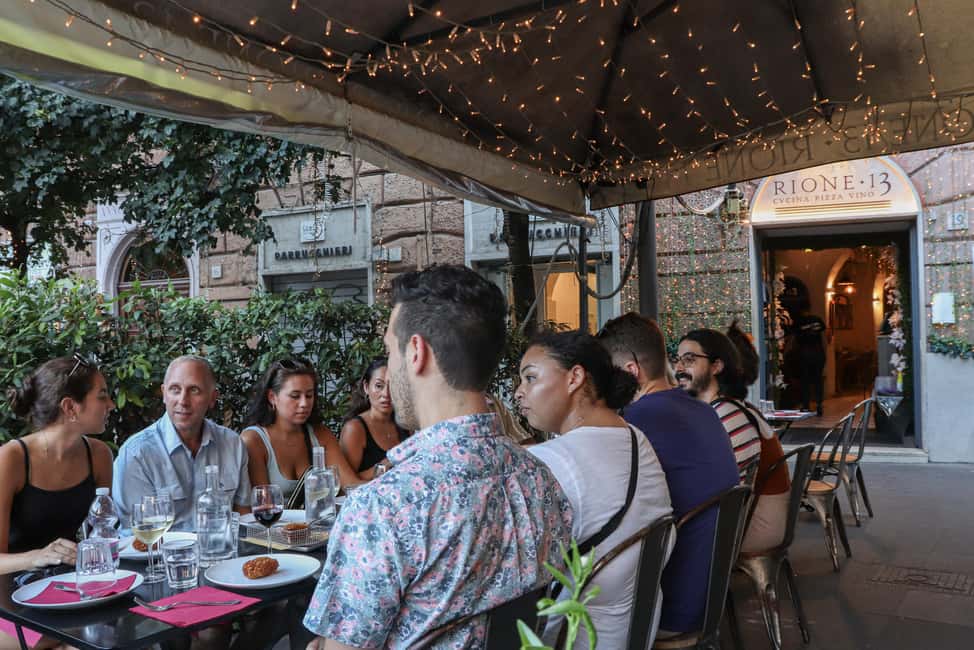
After your first tastings, you head toward the Tiber River area. This is where the tour turns from food stops into a mini orientation of Rome. You get a sense of how the city connects neighborhoods, and you learn what to watch for while you’re walking—street patterns, sightlines, and why certain areas feel the way they do.
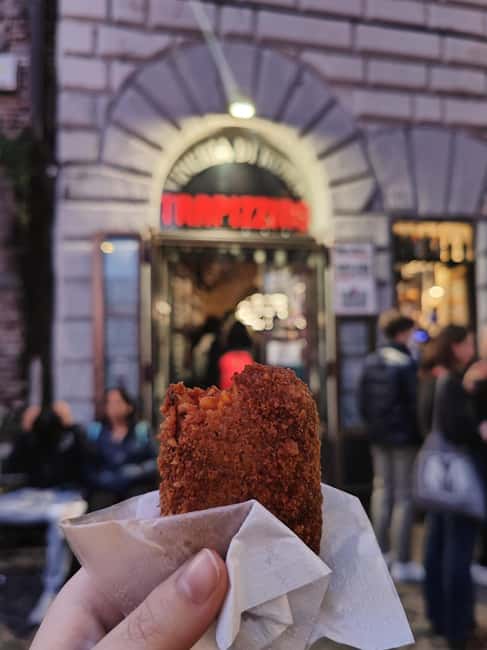
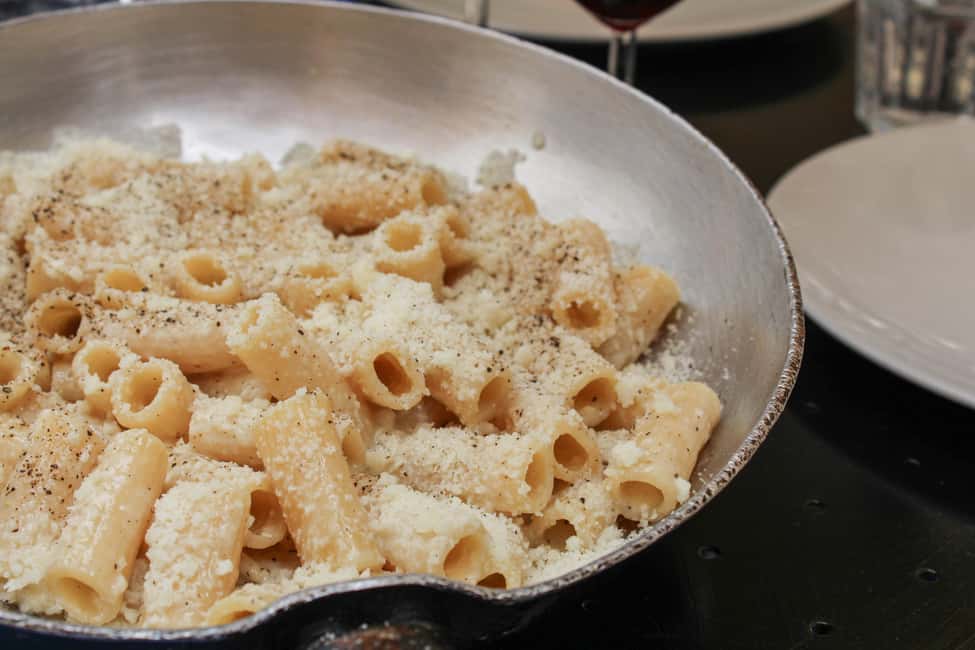
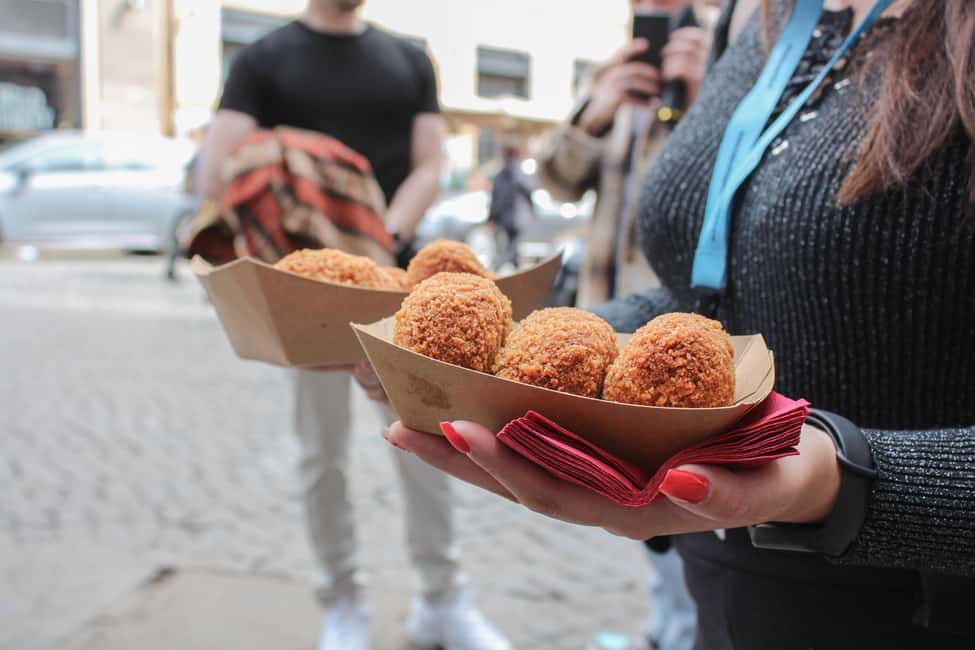
Then comes the classic street-food rhythm: you’ll taste items like supplì (Roman fried rice balls) and move on to a traditional pasta moment at a local place. This is the part that helps you understand Roman cuisine as a system. Fried snack first, then something warm and filling, with drinks that match each course rather than drowning it out.
It’s also where the small-group format really helps. You can keep up, ask questions without shouting, and actually listen to the guide while you’re eating.
Campo de’ Fiori: iconic views plus practical market-time bites
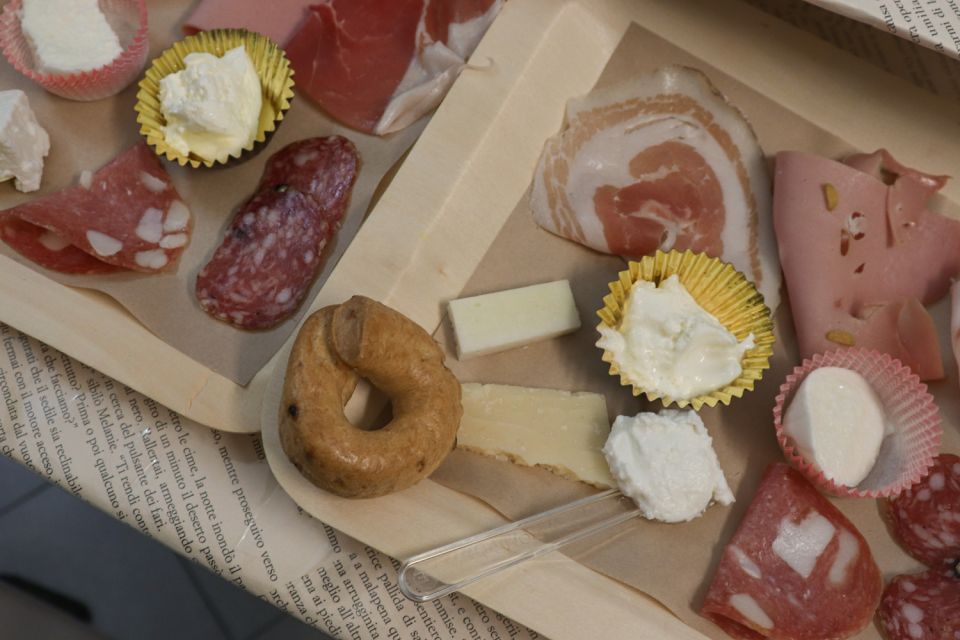
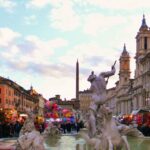
Campo de’ Fiori is the big-name square people recognize instantly. But on this tour, it’s not just the photo stop. You get to experience it as a living food area, with the guide pointing out what the square is known for and what’s changed over time.
The food here leans into familiar Roman flavors—things you’ll actually want to order again. If you’re the type who struggles to choose in menus full of options, this stop is a shortcut. You learn what’s worth getting and how Roman diners think about comfort, portion size, and timing.
One thing to consider: Campo de’ Fiori can feel busy depending on the time of day. You’ll still move at a steady pace, but if you hate crowds, plan to keep your expectations realistic and lean into the “people-watching while eating” part of the experience.
A local osteria break: pasta comfort and the art of ordering
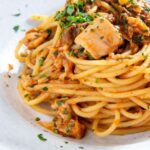
At the local restaurant sections, the tour shifts from street snacks to sit-down-style tastings. You’ll get a traditional pasta dish at a charming hidden osteria setup (small-room energy, food-first focus). This stop is valuable because it shows you the difference between Roman food done for visitors and Roman food done for locals.
What I like here is the explanation style. Guides like Anna and Paola (from different tour groups) are praised for breaking down what you’re tasting, including how the ingredients and cooking style connect to local habits. Even if your Italian is limited, you’re not walking in blind. You’ll know what questions to ask next time you order on your own.
Also, the tour is built for “enough to feel like a meal.” You shouldn’t leave hungry, which matters in Rome. If you try to stretch the day with just gelato and espresso later, you’ll end up spending money twice.
You can also read our reviews of more tours and experiences in Rome

Trastevere energy: neighborhood food that feels like a real night out
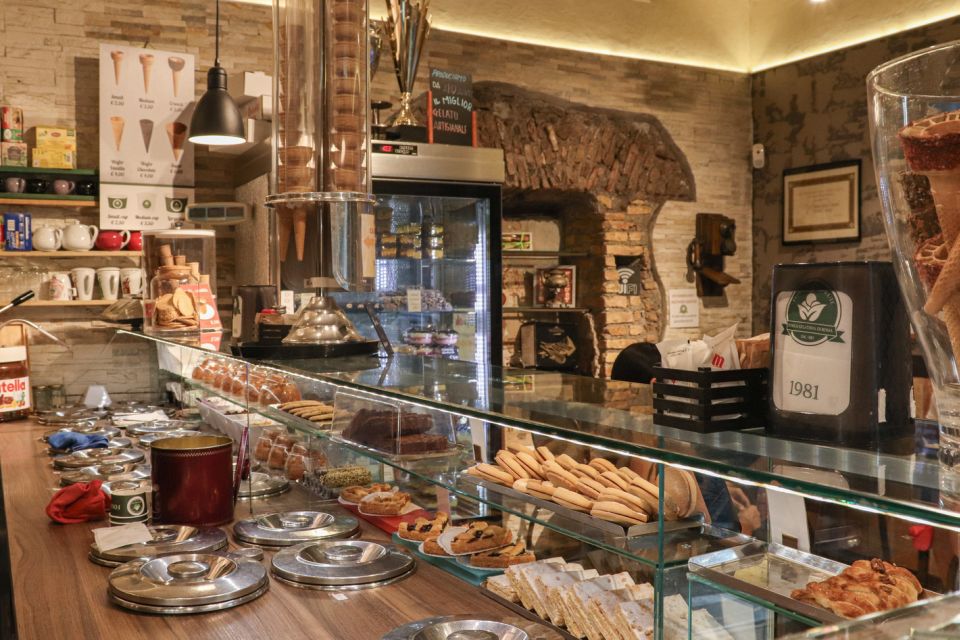
Once you cross into Trastevere, the mood changes. The streets feel more like a neighborhood you’d wander through without a route plan. You’ll taste your way through another round of Roman favorites while the guide talks history and daily life—where families eat, what you’ll notice as you walk, and how the neighborhood earned its reputation.
The group element stays strong. People on these tours often connect quickly, because you’re always doing something together: tasting, walking, then listening to a quick explanation. If you like meeting international friends while still focusing on actual food, this format works.
La Norceria di Iacozzilli: King of Porchetta, crispy pizza bianca, and beer
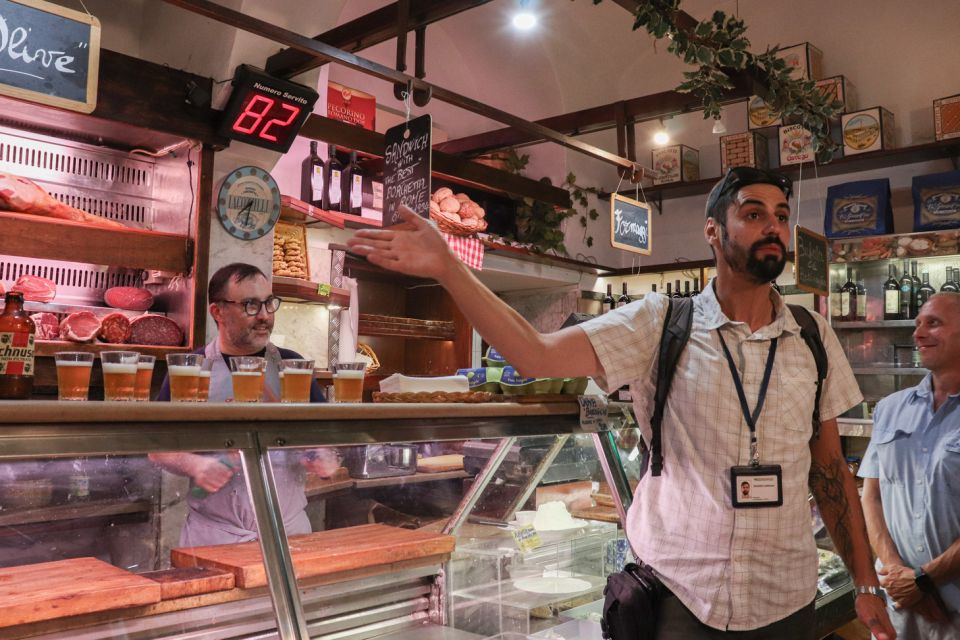
The porchetta moment is a centerpiece. You’ll visit La Norceria di Iacozzilli, where you can enjoy the famous roast pork under the King of Porchetta banner. Here’s the key pairing: crispy pizza bianca complements the roast pork, and you’ll follow it with a refreshing locally brewed Italian beer.
This stop is one of the best “Rome done right” lessons because it teaches you what to combine. Porchetta can be rich, but the bread and beer make it drinkable and easy to enjoy. The result is a full flavor experience, not just meat on meat.
Practical tip: pace yourself. This is the kind of tasting that feels like dinner arriving early. If you eat too fast at the previous stops, you’ll feel it later when the gelato cravings hit. Go slow, chew well, and let the beer do its job.
The final sweet payoff: gelato in Trastevere
You end with gelato at a top artisanal shop in Trastevere. The focus is on rich, organic flavors and creamy texture, which is a nice way to reset your palate after savory bites.
This ending also makes the tour feel complete. You’re not just running between restaurants—you’re building a meal arc: snack to pasta to porchetta to sweet finish. If you’ve ever taken a food tour that feels like one long sugar-before-the-middle experience, this one avoids that trap by timing dessert after the heavier foods.
How the guides make the tour (the part that people remember)
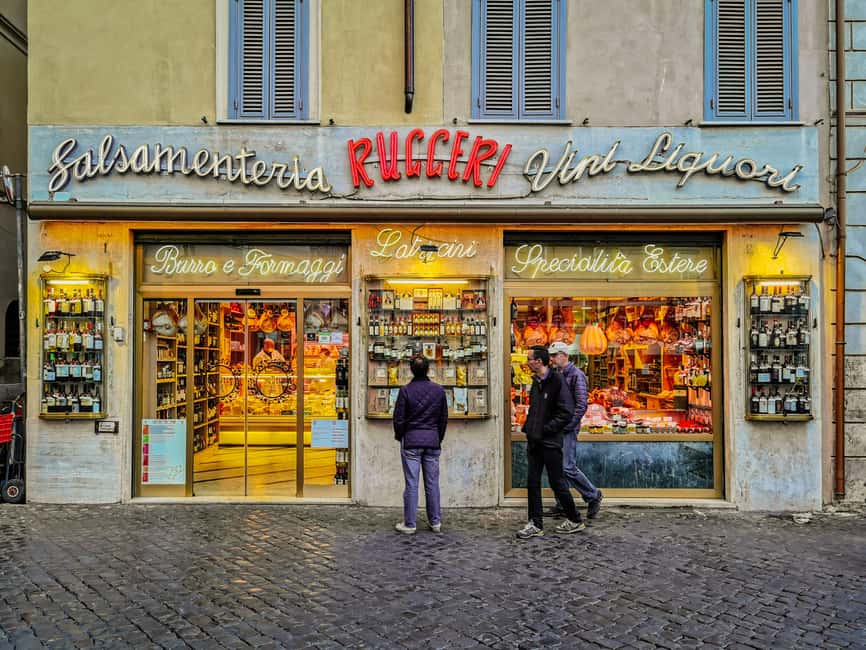
The most praised aspect across guides is the “old friend” energy. Names that came up include Marco, Anna Maria/Annamaria, Valentia, Paola, and Edu. The consistent theme: they answer questions, point out landmarks while you’re walking, and connect what you eat to the city around you.
It also helps that they handle dietary needs with actual care. One example from a fish allergy guest: the guide made sure there were alternatives and enough food for everyone. Another example: when someone avoids red meat, the guide ensured the group still left satisfied. Gluten-free support is also specifically mentioned, with guidance provided when requested in advance.
If you’re thinking about booking, this is the real value driver. Food tours are only as good as the guide’s ability to translate the experience and keep everyone fed comfortably.
Walking comfort and what to wear
Because the tour is about three hours and includes multiple stops, you’ll want shoes that can handle uneven Roman sidewalks. I’d also wear clothes that let you move quickly, especially near the squares where you might pause for tastings.
The tour also has rules about what to bring. You shouldn’t plan on carrying oversize luggage, bikes, or large bags. It’s a stay-in-your-lane walking experience, and the best way to enjoy it is to travel light.
If you’re traveling with special needs like a wheelchair or stroller, the tour asks you to let them know so they can advise you. For safety and comfort, don’t assume it’ll work the same way for every traveler—ask.
Who this tour is best for (and who should pick something else)
This is a strong choice if you want:
- A guided food-and-streets experience in Campo de’ Fiori and Trastevere
- A small group where you can talk and learn without feeling rushed
- Real meal portions, including wine and beer, not just tiny snacks
- Support for dietary needs if you give notice ahead of time
You might look elsewhere if you:
- Hate walking or standing for extended stretches
- Need a quiet, low-traffic experience (this tour is social by design)
- Expect no crowd energy at famous squares
Should you book this Rome food tour?
I’d book it if you want Rome through food, but also want someone to connect the dots while you walk. The biggest reason is the combination of small-group friendliness and food that feels like a full meal, paired with guides who explain what you’re eating in a practical way.
If you have dietary restrictions, this tour seems especially promising as long as you share your needs early. One more point: if you’re traveling solo and want easy conversation, the format is set up for that, so you’re not stuck eating alone at each stop.
If you want a safe bet for a first-time Rome night, start here—then explore on your own the next day with the neighborhoods you got to know.
FAQ
How long is the Rome Trastevere and Campo de’ Fiori Food Tour?
The tour lasts 3 hours.
What language is the guide?
The tour is guided in English.
Is the group size small?
Yes. Groups are kept small and intimate, with a maximum of 12 people.
Do they offer gluten-free or vegetarian options?
Yes, gluten-free or vegetarian options are available, but you need to provide prior notice about your needs. You should also tell them about any other intolerances (for example lactose, gluten, or similar needs).
What if I have a fish allergy or I don’t eat red meat?
The tour information says the guide can accommodate dietary requirements with advance notice. Reviews mention alternatives were provided for a fish allergy and for someone who avoids red meat.
What foods and drinks are included?
You’ll have a variety of food and drink tastings designed to cover a full meal, including items like breaded hake, supplì, traditional pasta, porchetta with crispy pizza bianca, Italian beer, and gelato. Tastings vary based on seasonal availability.
Where does the tour start and where does it end?
It starts at Piazza Farnese, 42 and finishes at Fonte della Salute.
What should I wear or bring?
Bring comfortable shoes and comfortable clothes. The tour involves walking between stops.
What is the policy if I no-show or arrive late?
The tour states there are no refunds for no-shows or late arrivals.