REVIEW · ROME
Rome: Castel Sant’Angelo Skip-the-Line Ticket & Audio Guide
Book on GetYourGuide →Operated by Doooing · Bookable on GetYourGuide
Rome’s old fortress keeps surprising you. With skip-the-line access, you get to spend your time inside, not trapped at the entrance, and you can wander at a pace that actually lets you read and look. I also like that this visit feels flexible: you don’t need to match a group’s speed.
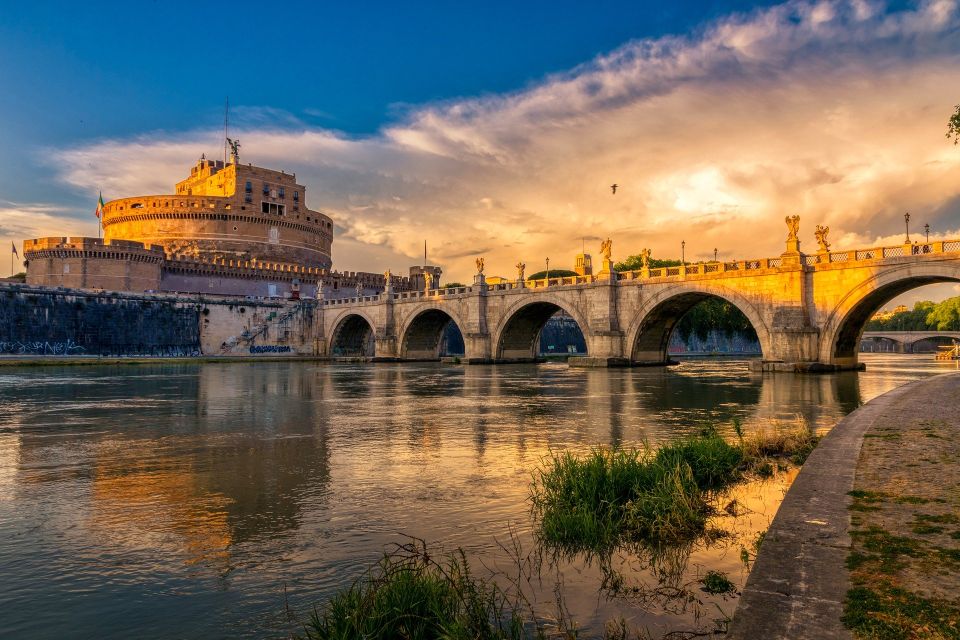
Second, I love how quickly Castel Sant’Angelo turns into a viewpoint game. The walk leads up to broad terrace views over the River Tiber and Rome, and it’s a great spot for photos of the Ponte Sant’Angelo bridge.
One consideration: expect stairs. This is not a “flat-and-easy” stop, and the climb to the panoramic terrace will slow you down if you’re not used to steps.
In This Review
- Key things to know before you go
- Why Castel Sant’Angelo Feels Worth Your Time
- Skip-the-Line Tickets: What You’re Actually Buying
- Audio Guide on Your Phone: Easy if You Prepare
- Entering the Mausoleum: Hadrian’s Tomb in Plain Sight
- Papal Corridors: Where the Castle Becomes a Story Machine
- The Archangel Michael and the Plague of 590 Legend
- Terrace Views Over the Tiber: The Part You’ll Remember
- Where to Pause: Reading Signs, Taking Breaks, and Staying Loose
- Price and Value: Is $20 Fair for What You Get?
- Timing Tips for a Smooth Visit (and the 6:30 Last Entry)
- Who This Ticket Fits Best
- Should You Book This Castel Sant’Angelo Ticket?
- FAQ
- Do I need to meet anyone at Castel Sant’Angelo?
- How will I receive the tickets?
- Is the ticket valid for more than one day?
- What time is the last entry?
- Do I get an audio guide?
- Do I need headphones?
- Can I download the audio guide app on any phone?
- What should I bring for the visit?
- Is this suitable for wheelchair users or mobility impairments?
Key things to know before you go

- Reserved skip-the-line entry saves time when queues form
- Hadrian’s tomb + papal corridors give you layers of Roman and later Christian use
- Terrace views put the Tiber and Rome in one frame
- Archangel Michael legend ties the castle’s name to the story of 590
- Optional app audio guide works well if you arrive ready (downloaded, charged, and with headphones)
Why Castel Sant’Angelo Feels Worth Your Time
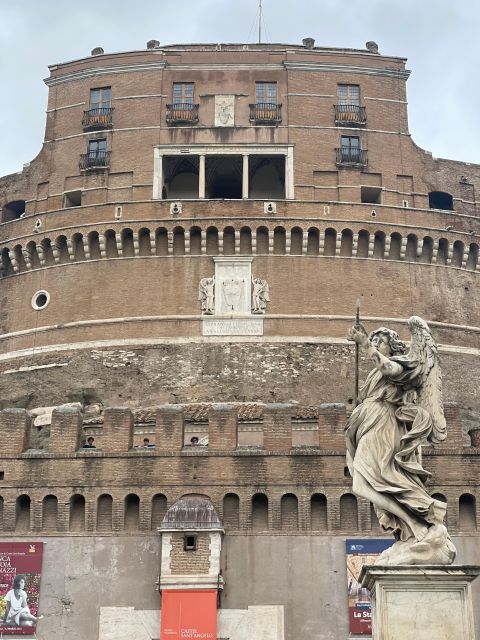
Castel Sant’Angelo is one of those Rome sights that rewards patience. From the outside it looks like a fortress; inside it plays like a timeline, shifting from Roman power to later ceremonial and defensive uses. The best part is that the site is built for slow wandering, so skip-the-line access really matters.
I like that the experience is not “sit and listen.” You can follow signs and routes, pause when something catches your eye, and then continue when you feel ready. If you enjoy ruins, architecture, and stories tied to specific spaces, this place is a strong match.
You can also read our reviews of more tours and experiences in Rome



Skip-the-Line Tickets: What You’re Actually Buying
This ticket gives you a reserved skip-the-line entry approach for Castel Sant’Angelo. What that means in real life: you show your ticket and move through the entrance without joining the snaking lines that can form, especially later in the day.
Timing is still important. Entry is allowed only at your scheduled time, and late arrivals may be denied access without a refund. So treat your entry window like an appointment. (Rome’s famous for “later,” but this is one place where punctuality pays.)
Also note the “start” setup. There’s no required meet-up with staff. Your entrance tickets get emailed in the late afternoon of the day before your visit, and the ticket info may arrive via email or WhatsApp 24 hours before the activity. Bottom line: set your phone up to receive messages and double-check spam folders.
Audio Guide on Your Phone: Easy if You Prepare

The audio option is smartphone-based and runs as an app. It’s available in English, Italian, French, Spanish, German, and Chinese. You’ll want to download the application before you start, and you should plan for a small chunk of storage—expect to need about 100–150 MB free space.
Headphones are the one item people get caught by. Headphones are not included, and the site experience will feel a lot better with them. If you forget, you can still rely on text elements inside the experience, but listening is why this option is popular.
Compatibility matters too. The app works with Android (version 5.0+) and iOS phones, but it’s not compatible with certain older devices and it’s not supported on Windows Phones. If you’re traveling with an older model, check before you leave your hotel. Then charge your phone fully—this is a “walk around + listen” setup, not a “light browsing” one.
Entering the Mausoleum: Hadrian’s Tomb in Plain Sight
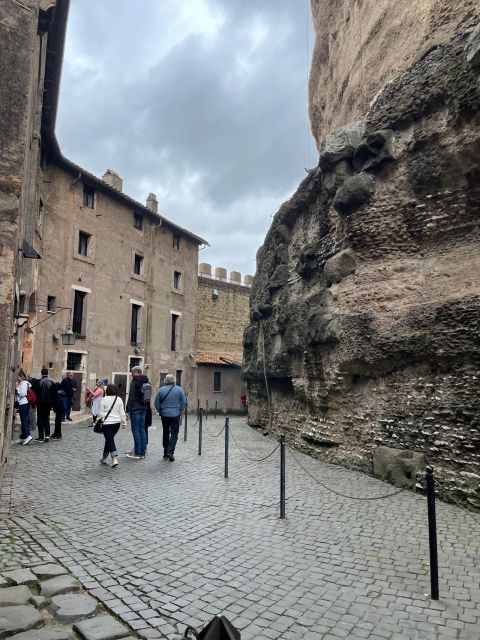
Once you’re inside, the experience starts with scale. Castel Sant’Angelo began as the Mausoleum of Hadrian, often called Hadrian’s Mole. You’re essentially walking through spaces that were designed to hold imperial symbolism, not just people.
One reason I like this stop is that you don’t have to be an expert to get something out of it. Even if you only read the signs at a few points, you’ll still feel the shift from Roman engineering to later reuse. The rooms and corridors are meant to move you from one story beat to the next.
If you choose the audio guide, it helps you connect details to what you’re actually standing in front of. That’s the difference between seeing “cool stone” and understanding why a place like this got reused for centuries.
Papal Corridors: Where the Castle Becomes a Story Machine
As you continue deeper into the fortress, you’ll encounter the Papal corridors of Castel Sant’Angelo. This part is where the castle stops being only Roman and starts feeling like a working monument through later eras.
These passages matter because they show how power and ritual reuse space. The castle isn’t just a preserved museum object—it has a history of being used, adapted, and reinterpreted. The corridors act like a bridge between time periods, and the audio is especially helpful here because it keeps you oriented.
Keep an eye out for the kinds of details that are easy to miss when you’re rushing. If you pause briefly at the transitions—when a corridor opens into a larger room or when the route changes—you’ll understand the site better than if you try to power-walk straight through.
You can also read our reviews of more guided tours in Rome





The Archangel Michael and the Plague of 590 Legend
Castel Sant’Angelo’s name connects to a famous legend: Archangel Michael appearing atop the mausoleum, sheathing his sword, signaling the end of the plague of 590. That story gives the place a second layer of meaning beyond architecture.
This matters because it changes how you experience the top of the building. When you understand the legend, the views are not just scenic. They feel like part of a bigger message the site is trying to communicate.
The audio guide option tends to shine for this theme, because it ties the legend to the spaces you’re seeing rather than treating it like a random fun fact. Even if you choose not to listen, it’s worth keeping the story in mind as you move upward.
Terrace Views Over the Tiber: The Part You’ll Remember

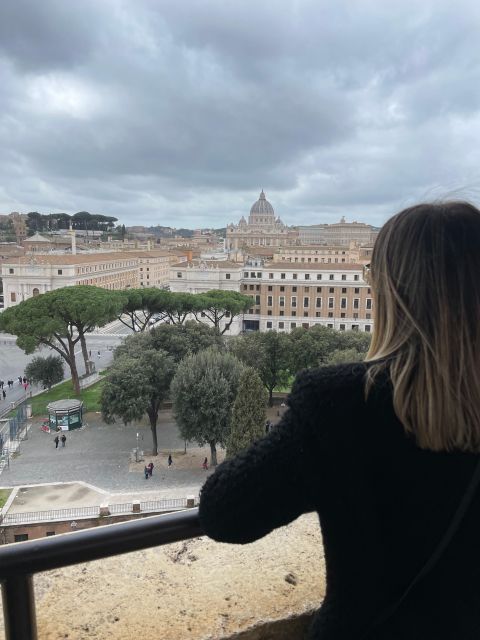
The best payoff is the terrace views. You’ll climb stairs to reach the panoramic areas, and once you get up there, the city opens up over the River Tiber. This is the moment when the castle stops feeling like a monument and starts feeling like a viewing platform over Rome.
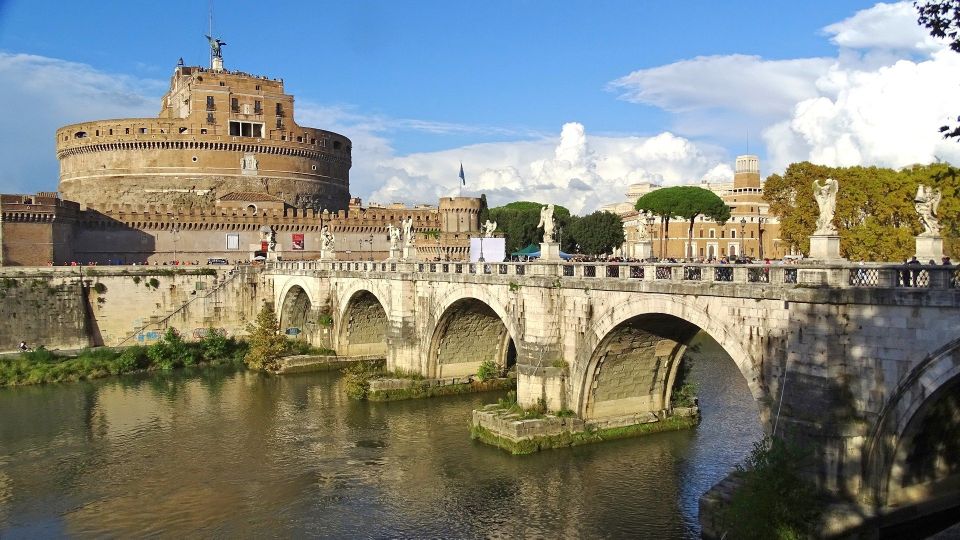
Expect sweeping views and great photo opportunities. Ponte Sant’Angelo is especially photogenic from this height, and it’s a nice way to connect two landmarks visually: the castle above and the bridge below. If you’re the type who likes a “one great photo” mission, this is your target.
One practical tip: bring patience for the stairs. The climb is part of the experience, but it can also be the difference between enjoying the terrace versus rushing through it. If stairs are a concern, plan extra time and pace yourself.
Where to Pause: Reading Signs, Taking Breaks, and Staying Loose

This is one of those Rome sites where you can absolutely overplan. Don’t. Build in breathing room so you can stop when something clicks—an inscription, a corridor layout, a viewpoint angle, or a section of the story that feels clearer once you’ve seen the space.
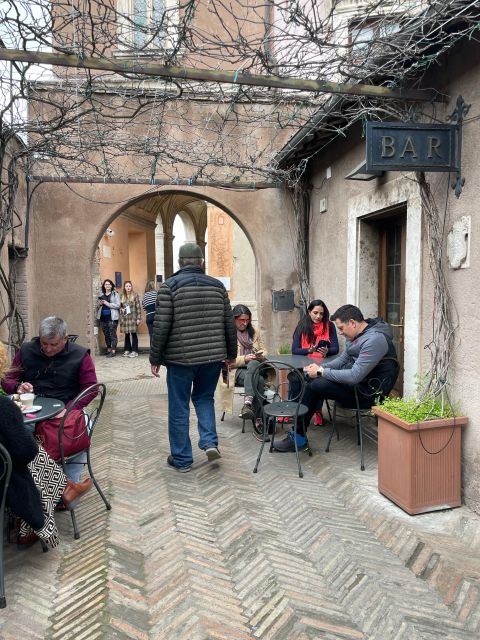
There’s also a café partway up that many people like for a drink with views. It’s a good move if you want to turn your visit into an actual afternoon rather than a quick checklist.
If you’re listening to the audio guide, treat it like a playlist, not a lecture. You can pick up from where you are and pause when you want to take photos. The whole system works better when you’re not trying to “finish on time” like it’s a school assignment.
Price and Value: Is $20 Fair for What You Get?
The listed price is $20 per person, and the official ticket price is 16 €. So where does the extra value come from?
It mainly comes from the reserved skip-the-line access plus the option for the audio guide. When there’s a queue, skipping it can easily feel worth the difference because you’re buying time, not just convenience. When it’s less busy, you might feel the savings are smaller—but the ability to enter at your scheduled time is still a real plus.
Audio is optional, so decide based on how you like to travel. If you enjoy context and want a steady “what you’re looking at” explanation, the audio option is a strong value add. If you prefer reading signs and exploring freely, you may be just as happy without headphones and audio.
Timing Tips for a Smooth Visit (and the 6:30 Last Entry)
A few timing points can make your visit much smoother.
Last entry is at 6:30 PM, so don’t plan a late-day dash unless you’re nearby. Also remember that some access routes can change due to the Jubilee and restoration work. Check your messages for updates before you go, since routes may be adjusted.
If you want fewer crowds, arriving earlier in your day is a good strategy. Even when the site isn’t packed, Castel Sant’Angelo rewards a slower pace, and early hours give you that breathing room.
Finally, pack lightly. Pets aren’t allowed, and weapons/sharp objects and luggage or large bags are also not allowed. If you travel with a big daypack, consider keeping it compact and easy to manage.
Who This Ticket Fits Best
This experience fits you if you want a self-paced Rome stop with enough structure to keep you oriented. It works well for history-curious visitors, architecture fans, and anyone who likes scenic viewpoints with a story attached.
It’s also a good fit if you don’t want a group schedule. The audio guide option helps you manage the visit in your own rhythm, and many people like that the phone format avoids collecting separate headsets.
On the other hand, it’s not a great match if you rely on wheelchairs or need step-free access. The experience involves stair climbing to reach the panoramic terrace, and it’s not considered suitable for mobility impairments.
Should You Book This Castel Sant’Angelo Ticket?
Book it if skip-the-line entry would save you time and if you’ll actually use the audio guide. For many people, this ticket is a “best of both worlds” deal: you get efficient entry plus the freedom to linger inside.
Skip it if your schedule is already tight, you won’t use the audio option, and you’re confident you’ll arrive when lines are minimal. In that case, you might still enjoy the castle a lot—but you may feel like you paid extra for something you didn’t need.
If you want a single Rome experience that mixes Roman origins, later reuse, legend, and a top-tier view, this one is a smart pick.
FAQ
Do I need to meet anyone at Castel Sant’Angelo?
No. You don’t have a required meet-up. Your entrance tickets are sent by email in the late afternoon of the day before your entry date.
How will I receive the tickets?
The tickets are sent by email in the late afternoon of the day before entry. You may also receive ticket details through WhatsApp 24 hours before the activity.
Is the ticket valid for more than one day?
No. The ticket is valid for one day. You’ll see available starting times when you check availability.
What time is the last entry?
Last entry to Castel Sant’Angelo is at 6:30 PM.
Do I get an audio guide?
You get the smartphone audio guide if you choose that option. It’s app-based and available in English, Italian, French, Spanish, German, and Chinese.
Do I need headphones?
Yes. Headphones are not included, and you should bring them. The list of what to bring also includes charged headphones.
Can I download the audio guide app on any phone?
It’s compatible with Android (version 5.0+) and iOS smartphones. It is not compatible with Windows Phones, some older iPhone models, and older iPod/iPad versions listed in the compatibility notes. The download needs about 100–150 MB of free space.
What should I bring for the visit?
Bring a passport or ID card, comfortable shoes, headphones (if using audio), and a charged smartphone.
Is this suitable for wheelchair users or mobility impairments?
No. It’s not suitable for wheelchair users or people with mobility impairments, since you’ll need to climb stairs to reach the panoramic terrace.