REVIEW · ROME
Private Golf Cart Tour with Roman and Gelato (more options)
Book on GetYourGuide →Operated by Aromatour srls · Bookable on GetYourGuide
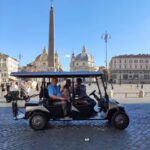
Rome’s best hits, without the foot slog. This private golf cart tour in Rome lets you rack up major monuments fast, with a native Roman guide feeding you stories, odd facts, and practical pointers. You also get time to pause for photos and a proper gelato break.
Two things I really like: the comfort of covering ground without sore legs, and the way the guide turns famous sights into real places with clear context. For a little extra charm, you can add an orange garden stop for a panoramic moment and a snack or wine option.
One consideration: there’s no hotel pickup, so you’ll need to make your own way to the meeting point near Piazza della Repubblica.
In This Review
- Key highlights you’ll feel right away
- Why a private golf cart is the smart way to do Rome
- Getting oriented around Piazza della Repubblica
- Trevi Fountain and the Colosseum, close enough to feel iconic
- Roman Forum, Pantheon, and the big “how Rome worked” stops
- Suburra to Aventine Hill: neighborhoods with attitude and stories
- Orange Garden option: wine, Apulian snack, and a view that works
- Gelato and the Roman pizza add-on: the food stop you’ll actually remember
- The eating advice you get from your guide (this is the hidden value)
- Stops that round out the day: Trajan, Marcellus Theater, Venice Square, and more
- Comfort, limits, and who this tour suits best
- Price and value: what $132.54 gets you in Rome time
- Should you book this private Rome golf cart tour?
- FAQ
- How long is the private golf cart tour?
- Is this tour private?
- What landmarks do we see?
- Is gelato included?
- Are there food or drink options besides gelato?
- Does the price include hotel pickup and drop-off?
- What languages are the live guides available in?
Key highlights you’ll feel right away
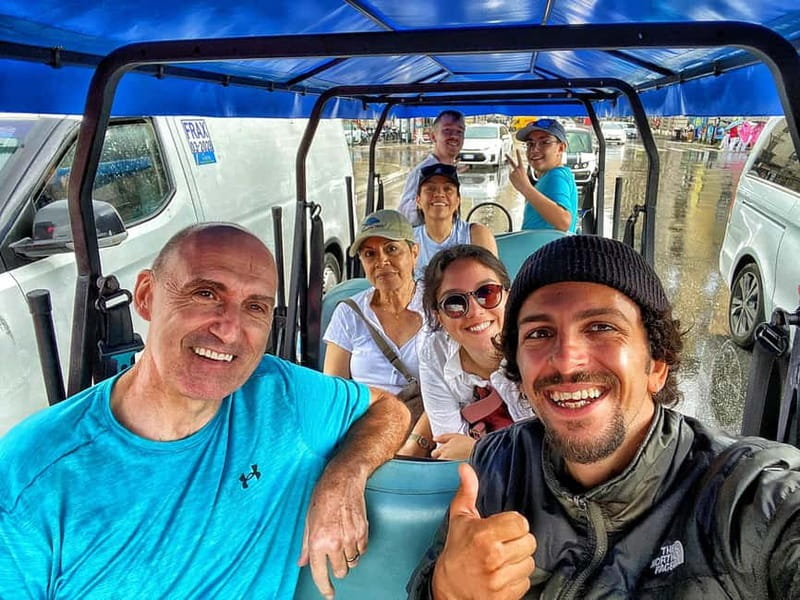
- Private golf cart ride so your group sets the pace and route flow stays relaxed
- Native Roman guide who shares anecdotes, curiosities, and day-to-day eating advice (for many groups, that includes a guide named Victor)
- Top Rome monuments including Colosseum, Trevi Fountain, Pantheon, and Roman Forum area viewpoints
- Gelato break from 1947 plus a real-food option if you choose Roman pizza
- Optional orange garden stop for wine and an Apulian snack at a romantic viewpoint
Why a private golf cart is the smart way to do Rome

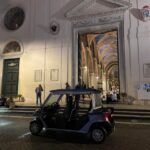
Rome is famous for its monuments, but it’s also famous for uneven sidewalks, crowds, and surprise hills. A private golf cart tour solves the most annoying part: you still get the iconic sights, but you spend less time shuffling around with your back to the view and your feet doing the suffering.
What you’re really paying for here is time and rhythm. A 3-hour experience is long enough to feel like you actually saw Rome’s greatest hits, yet short enough to stay energized. That matters if you’re also doing museums, churches, or longer walks later. When you’re not footsore, you can actually look up, read the vibe of each neighborhood, and take better photos.
The private setup is also a big deal. Instead of fighting for positioning with a big group, your guide can keep the ride comfortable and the pacing smoother. If you want a few extra minutes at a viewpoint, you’ll feel it in how the tour moves.
You can also read our reviews of more private tours in Rome
Getting oriented around Piazza della Repubblica
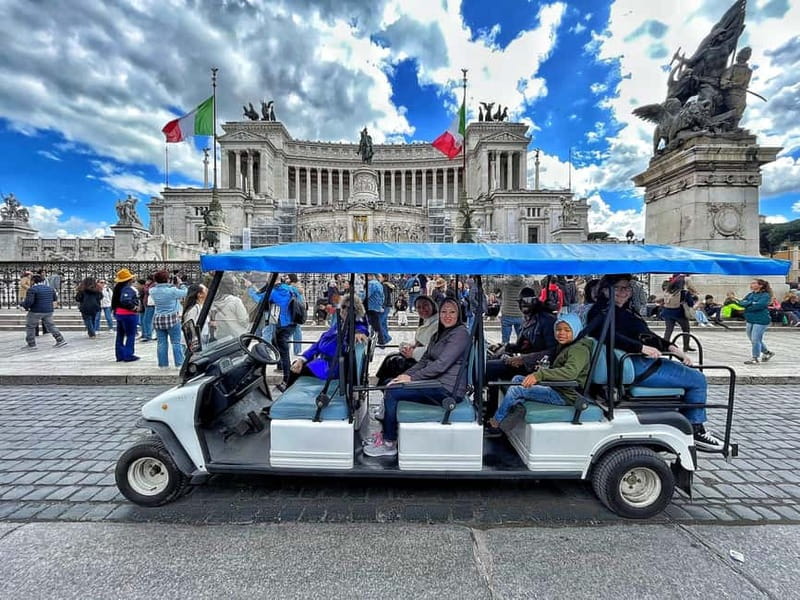
Most people start Rome sightseeing by accident—by walking out of a hotel and hoping for good angles. This tour starts with intention at Piazza della Repubblica 48 (in front of Hotel Anantara), a convenient anchor point. From there, you’re set up to see major central landmarks without spending your first hour trying to figure out transportation or directions.
Even better, the area is easy to reach via Metro A at Repubblica. You don’t need a complicated plan to get to the start. Just build your day around it: go early enough to avoid rushing, and you’ll have the mental space to enjoy the ride and the stories.
Trevi Fountain and the Colosseum, close enough to feel iconic
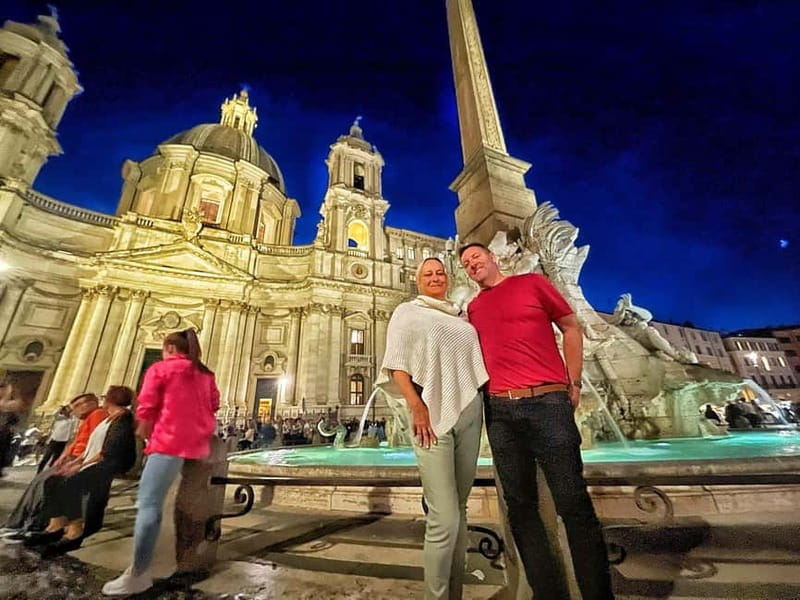
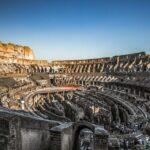
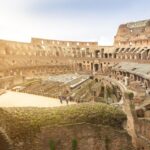
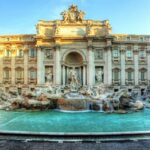
You’ll spend time with two of Rome’s most recognizable landmarks: Trevi Fountain and the Colosseum. Seeing them on a golf cart isn’t about replacing walking. It’s about getting the best overview while you’re still fresh, then using the stops to actually take in what you came for.
Here’s what that means in practice:
- Trevi Fountain: you get photo time and breathing room, not just a quick drive-by. Your guide can point out what to notice so you’re not just snapping images without context.
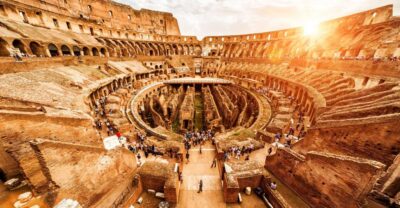
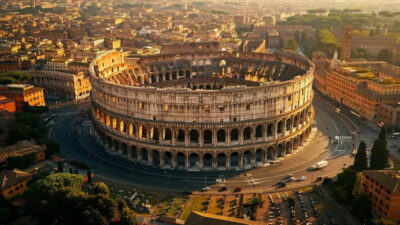
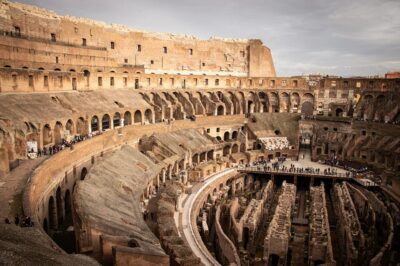
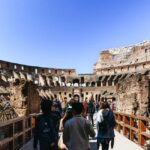
- Colosseum: even if you’re viewing from the outside, the experience still works because the guide connects the space to the stories—battles, writers, and poets—so the monument feels like a living part of the city instead of a postcard.
The sweet spot with this kind of tour is that you’re not staring at a screen or rushing between tickets. You’re moving through Rome at a pace that supports observation.
Roman Forum, Pantheon, and the big “how Rome worked” stops
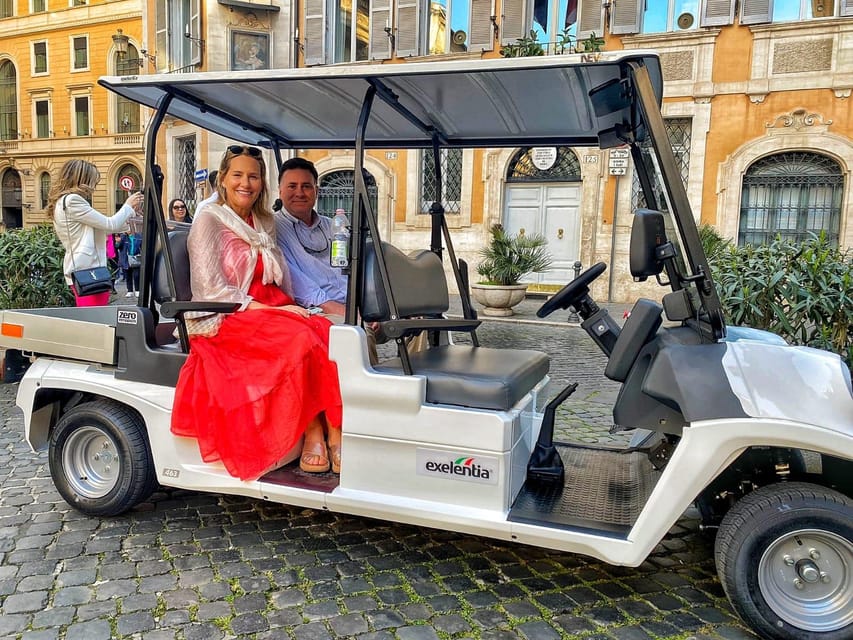
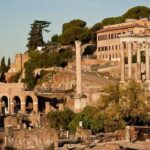
A common mistake in Rome is treating everything like a standalone photo-op. This tour helps you see how the city fits together. It includes stops around the Roman Forum (outside), the Pantheon, and the Column of Trajan.
Why that matters: when you understand the role of these places—public power, religion, and civic identity—the rest of Rome starts making sense. You’ll walk away with a cleaner mental map than you’d get from a random day of wandering.
A few practical expectations:
- Pantheon is the kind of stop where even brief time helps. You don’t need hours to appreciate how it dominates the area, and a guide can help you notice what’s most important visually.
- Roman Forum area works best when your guide explains why the views and alignments matter. From a cart, you get the context without getting stuck in a long perimeter walk.
- Column of Trajan gives you a different angle on Roman storytelling—more detail, more “readability” if someone helps you look.
Also, you’re moving efficiently. You’re covering a lot of ground without turning the day into a leg workout.
Suburra to Aventine Hill: neighborhoods with attitude and stories
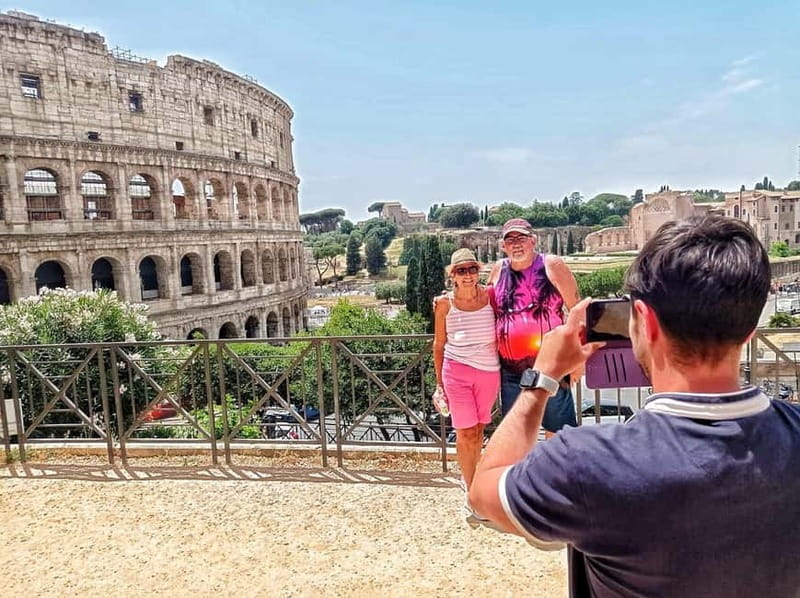
Not every Roman sight is a giant monument. This route also touches places that help you feel the city’s texture. Stops include Suburra and Aventin Hill, plus the Mouth of Truth. If you only do the top two dozen attractions, Rome can start to blur. These stops help it stay specific.
Suburra is a name people know, but without local context it can sound like a random label on a map. With a Roman guide, you can connect it to the idea of daily life and the city’s social edge. You’re not just driving past neighborhoods—you’re getting a story frame for what you’re seeing.
Then Aventine Hill shifts the mood. It’s a change of perspective that makes the tour feel like a proper cross-section of Rome rather than one straight line of landmarks.
And yes, Mouth of Truth is one of those stops where the guide can help you understand why people care. Even if your time here is brief, you’ll get the meaning behind the moment rather than just the trick of the photo.


Orange Garden option: wine, Apulian snack, and a view that works
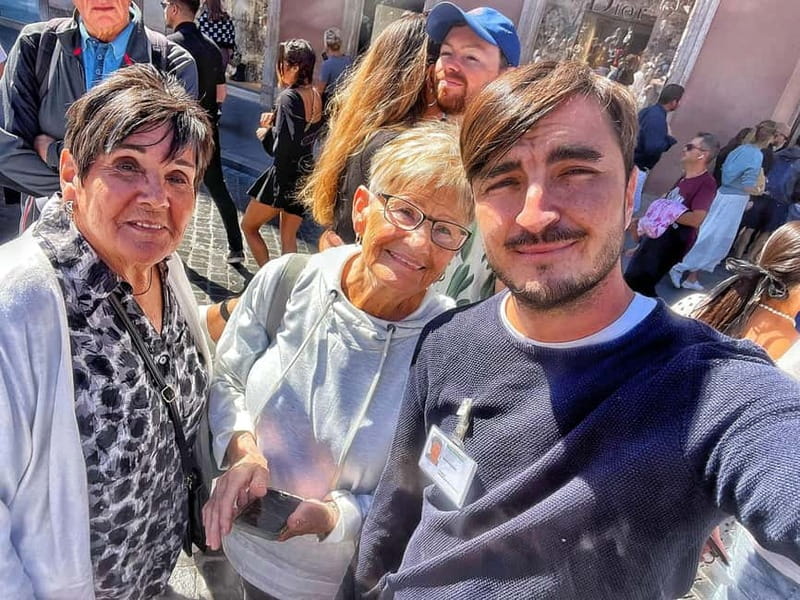
If you want a more romantic break, there’s an option to add time at the Orange Garden—a panoramic spot over Rome. On that version, you can choose wine and a small snack from Apulia.
This is the kind of stop that makes a short tour feel special. You get a pause from constant landmarks, and you see Rome as a city, not just a set of buildings. When the view opens up, everything else you’ve been seeing starts clicking.
This option is also a smart match for couples or anyone who doesn’t want the whole day to be only monuments. It gives you a softer landing before the tour finishes back at the starting area.
Gelato and the Roman pizza add-on: the food stop you’ll actually remember
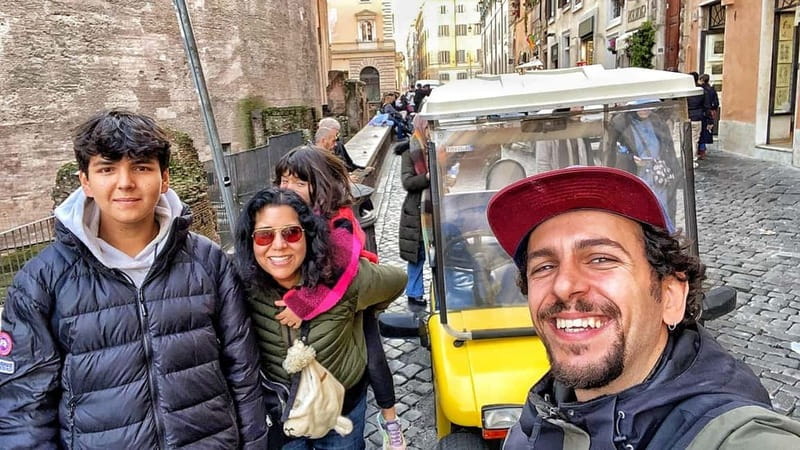
This tour includes artisanal gelato from a shop that has been operating since 1947. That detail matters. It’s not just a generic ice cream break; it’s a specific stop with credibility, and it gives you a real taste of Rome’s everyday pleasures.
If you choose the pizza option, you’ll also have time to try Roman pizza (and the tour notes that it’s a real Roman style). This is a big value point. Food can feel like an afterthought on sightseeing days, but a scheduled tasting slot means you don’t have to guess where to go or end up in a place that’s built for tourists.
My practical advice: treat the gelato as part of your pacing. Eat it when you’re not too full, and you’ll enjoy it. Rush it and you’ll just remember sugar, not the experience.
The eating advice you get from your guide (this is the hidden value)
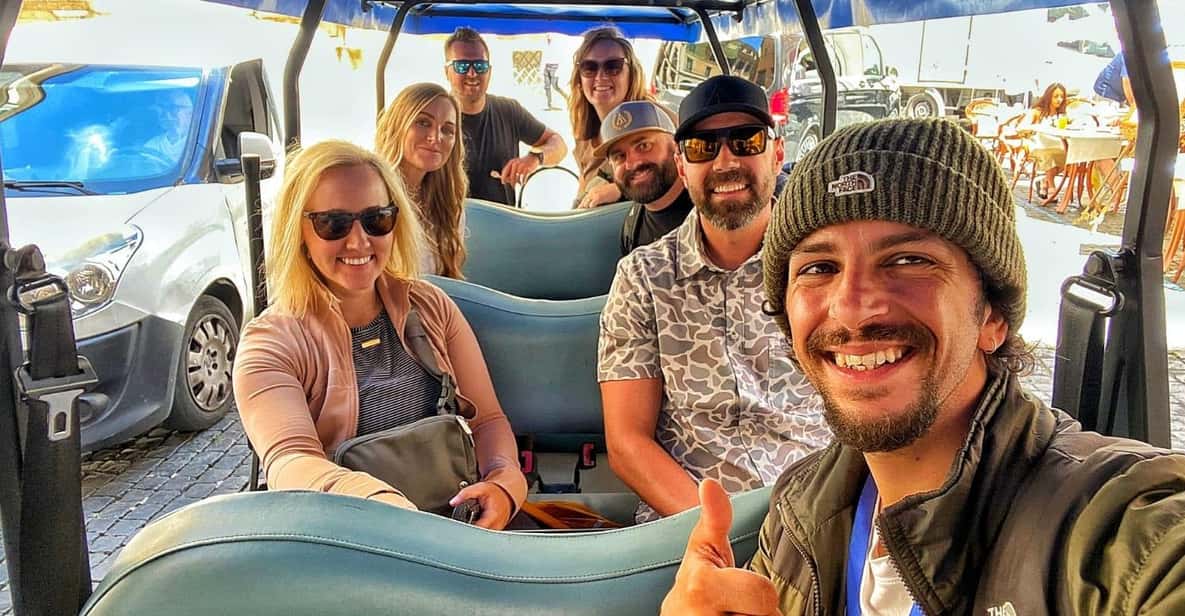
One of the most useful parts of this tour is the guidance on where to eat like a true Roman and how to avoid tourist traps. That sounds generic until you realize why it’s valuable: Rome has too many “famous for” restaurants, and a guide can steer you toward places that fit your day, your tastes, and your walking tolerance.
This is especially helpful if you’re only in the city for a few days. A single good restaurant choice can outshine another monument stop. With this tour, you’re not just collecting photos—you’re collecting a plan for the rest of your trip.
In the same spirit, the guide also gives a lively commentary throughout the ride. The goal isn’t trivia overload. It’s story context that makes the landmarks easier to remember.
Stops that round out the day: Trajan, Marcellus Theater, Venice Square, and more
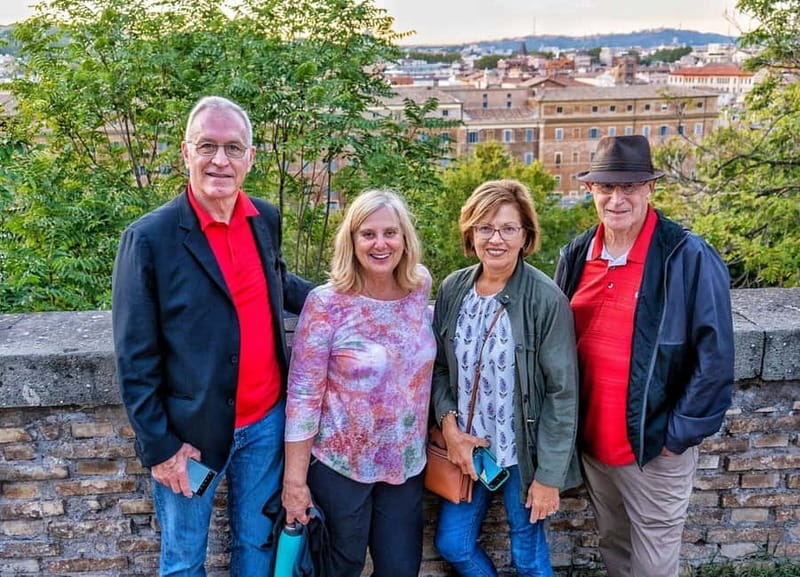
Your ride includes a wider set of stops beyond the big-name hits. Expect to see places like:
- Column of Trajan
- Venice Square
- Marcellus Theater
- Insula, noted as the first condominium in the world
- Papal Basilica of Saint Mary Major
These stops help because they break the Rome pattern. Instead of doing only fountains, coliseums, and churches, you’re exposed to smaller, more specific ideas about how the city organized itself—public works, performance spaces, and even early versions of shared housing.
The Insula stop is a perfect example. It’s the kind of detail you might miss if you’re only chasing the most famous structures. With a guide, it becomes understandable rather than confusing.
As always, you may be adjusted based on the city’s day-of reality. The tour notes stops could change due to political, sporting, or musical events, or because of demonstrations. You’ll be notified in advance when that happens.
Comfort, limits, and who this tour suits best
This is designed for comfort, but it’s still a golf cart experience with real-world limitations.
Good fit if you:
- Want to cover central Rome landmarks in 3 hours without turning the day into a walking test
- Prefer a private format with your own group
- Value a guide who explains what you’re seeing, not just where to stand for photos
Not a great fit if:
- You’re dealing with back problems (the tour is listed as not suitable for people with back problems)
- You’re pregnant (also listed as not suitable for pregnant women)
- You’re traveling with lots of luggage or large bags (those are not allowed)
Wheelchair access is noted as available, which is a major plus for many visitors. If you rely on specific mobility needs, it’s still smart to plan for how getting on/off the cart works day-of.
Also, you should plan around access zones. The tour states exit from the ZTL zone is not included, and there’s no hotel pickup and drop-off. You’re meeting at Piazza della Repubblica and ending back there.
Price and value: what $132.54 gets you in Rome time
At $132.54 per person for a 3-hour private tour, the price makes sense if you compare it to what you’d spend on a combination of transportation time, multiple tickets, and guesswork about food.
What you get is not just driving past sights. The inclusions cover:
- Golf cart tour
- Guide
- Insurance
- Gelato
- Restaurant advice
That gelato stop and the planned guide support are real value add-ons. A lot of tours charge extra for food, or they skip it entirely. Here, the gelato is built in, and the eating advice can prevent at least one poor meal choice.
To judge value for your group: if you’re a small party that wants comfort and story context, this is easier to justify. If you’re traveling solo on a tight budget and you’re fine walking, you may feel it’s pricey. But for anyone trying to maximize a Rome visit without turning into a sore-knees statistic, it’s strong value.
Should you book this private Rome golf cart tour?
Book it if your priority is a smooth, efficient Rome highlight day with a native Roman guide, built-in food stops, and enough time to actually enjoy the major monuments. It’s a smart pick for first-time Rome visitors, couples, families with older kids, and anyone who wants to see more while feeling less exhausted.
Skip it if you know you want to do heavy walking, you’re set on visiting sites that require long on-foot time, or you don’t want to handle meeting at Piazza della Repubblica without hotel pickup.
If your goal is to get oriented fast, learn what you’re looking at, and leave with a good plan for dinner, this is a very practical way to do Rome.
FAQ
How long is the private golf cart tour?
The tour duration is 3 hours. Starting times depend on availability.
Is this tour private?
Yes. It’s a private group, so only your group participates.
What landmarks do we see?
You’ll visit major sights including Trevi Fountain, Colosseum, Roman Forum (outside), Pantheon, Column of Trajan, Venice Square, Marcellus Theater, Aventin Hill, Mouth of Truth, and Papal Basilica of Saint Mary Major, plus additional stops.
Is gelato included?
Yes. Gelato is included, and the tour specifies an artisanal ice cream shop that has operated since 1947.
Are there food or drink options besides gelato?
Yes. Options can include Roman pizza (if chosen), or wine and a small snack from Apulia at the Orange Garden.
Does the price include hotel pickup and drop-off?
No. Hotel pickup and drop-off are not included, and the tour starts and ends at the meeting point.
What languages are the live guides available in?
The live guide is available in English, Spanish, Russian, and Italian.