REVIEW · ROME
Rome: Caracalla Baths & Circus Maximus — Private or Shared
Book on GetYourGuide →Operated by Touriks · Bookable on GetYourGuide
Rome feels bigger than life when you’re standing in the right ruins. This small-group tour pairs the best-preserved bath complex in the city with a quick walk through where the Circus Maximus once ruled the crowd.
What I love most is how much time you actually spend inside the Caracalla Baths—the walls, mosaics, and rooms are still there enough to make your brain do the right math. I also like the way the guide makes it practical: headsets mean you can hear every detail, and you’ll get a sense of the day-in-day-out routines Romans followed inside the thermal complex.
One thing to think about: Circus Maximus is mostly imagination. There’s not a ton of structure left to walk through, so if you want dramatic standing ruins, plan to treat this part as a storytelling stop rather than a full sightseeing set.
In This Review
- Key things to know before you go
- Caracalla Baths and Circus Maximus: why this combo works
- Getting to the start near Circo Massimo Metro
- The real star: Caracalla Baths (and what you’ll notice fast)
- A small-group pace that actually lets you ask questions
- How the baths worked: heating, temperature control, and daily life
- Mosaics and engineering: why the details feel special here
- Circus Maximus in 30 minutes: where the spectacle happened
- Price and value of the $77 per person ticket
- Languages, headsets, and the feel of the tour
- Who this tour suits best (and who should rethink it)
- Should you book the Caracalla and Circus Maximus tour?
- FAQ
- How long is the tour?
- Where do I meet the guide?
- Is the ticket line skipped?
- What’s included in the price?
- What languages are available?
- Is the tour wheelchair accessible?
- Can I cancel if plans change or weather is bad?
Key things to know before you go
- Two “Roman leisure” sites in 90 minutes: baths first, then the Circus Maximus grounds
- Max 10 people, with private or small-group options available
- Sterilized headsets so you hear the guide clearly, even at larger open-air spaces
- Live archaeologist guide focused on how the buildings worked and what’s still preserved
- Caracalla’s underfloor heating and room-by-room temperature control explained in plain terms
- Skip the ticket line, plus on-site help from start to finish
Caracalla Baths and Circus Maximus: why this combo works
If you only hit the usual Rome targets, you end up with a lot of temples and arches. This tour swaps that for two places Romans used for downtime, not just for politics and power. That shift changes the whole feeling of the day.
You’ll start near the Colosseum area, but the Caracalla grounds sit in a more open, greener archaeological setting. That matters because the Baths complex can feel calmer than the busiest central monuments—still awe-inspiring, just less stressful.
And the pairing is smart. Caracalla shows you daily Roman comfort at full imperial scale. Then Circus Maximus hands you the opposite mood: spectacle, noise, betting energy (minus the coins and chaos, thankfully).
You can also read our reviews of more private tours in Rome

Getting to the start near Circo Massimo Metro
Meeting point is simple, but don’t show up late. You meet your guide at the exit of the Metro Station Circo Massimo (in the direction of Laurentina), right in front of the FAO building. Look for a yellow label with the local partner’s name.
The experience is wheelchair accessible. You’ll want to wear comfortable shoes because you’re walking through archaeological areas and uneven surfaces can be part of the deal.
One practical tip I’ll borrow from how people describe this tour: arrive about 5 minutes early so the sign-up process doesn’t eat into your tour time.
The real star: Caracalla Baths (and what you’ll notice fast)
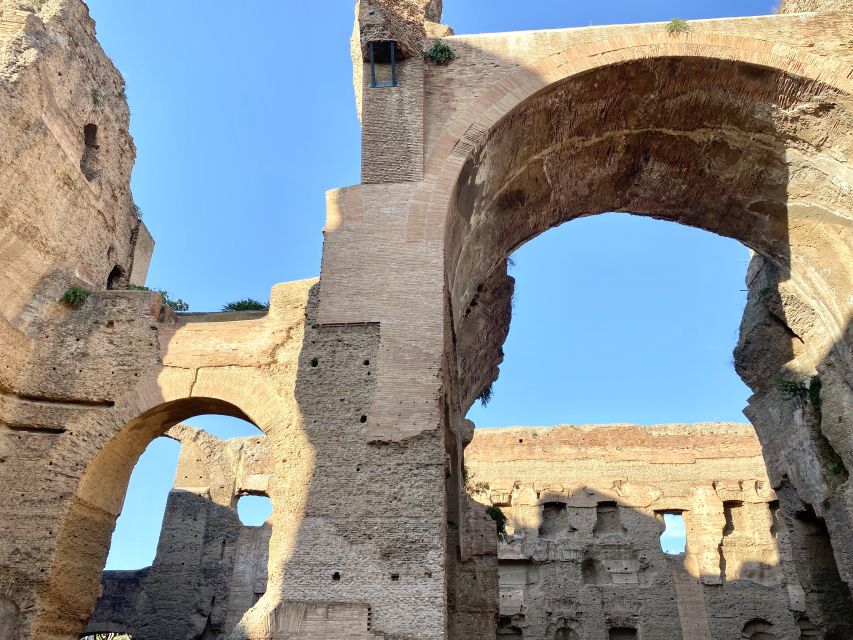
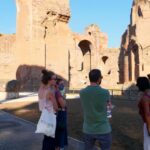
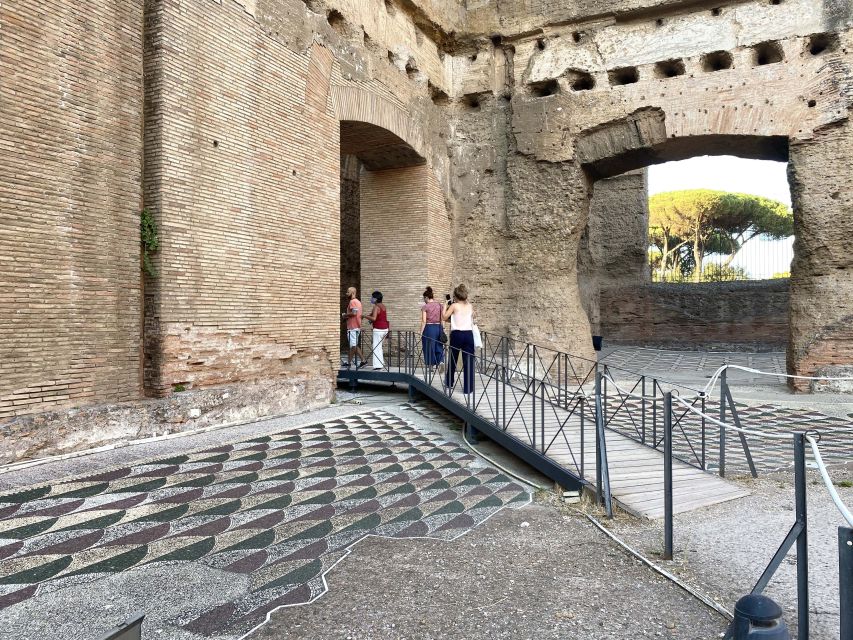
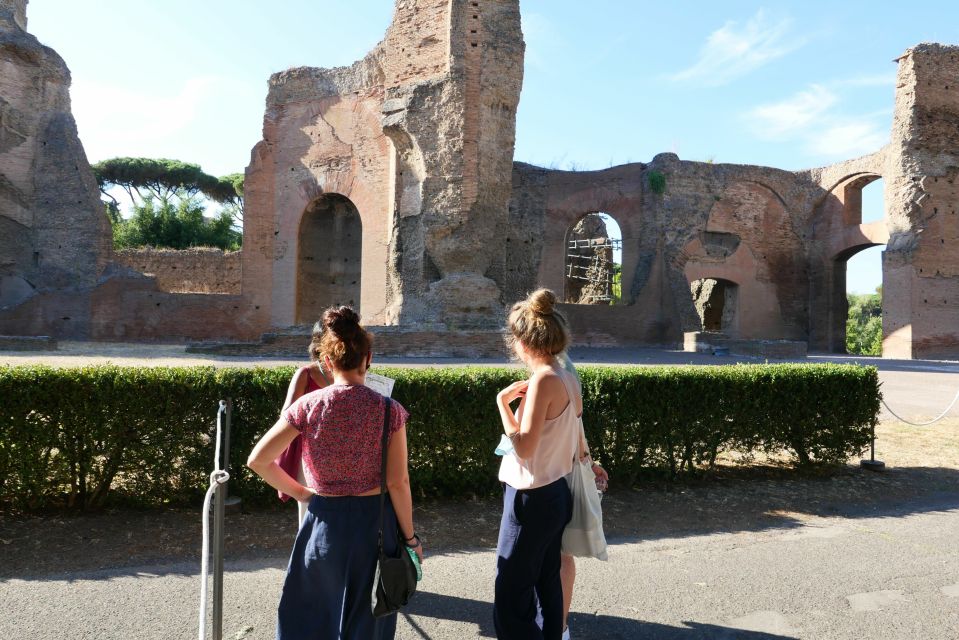
Caracalla Baths are colossal in a way that’s hard to understand until you see the giant walls in front of you. The best part is that you aren’t just “looking at remains.” You’re walking through a complex designed for movement between different spaces—areas that once served different uses, temperatures, and rhythms.
This is also where the guide earns their keep. The tour focuses on the monumental rooms that are still standing well enough to help you picture what stood where. You’ll get the sense of scale quickly—then the details start stacking up: how the building was arranged, what each area likely did, and why Roman engineering was so relentless.
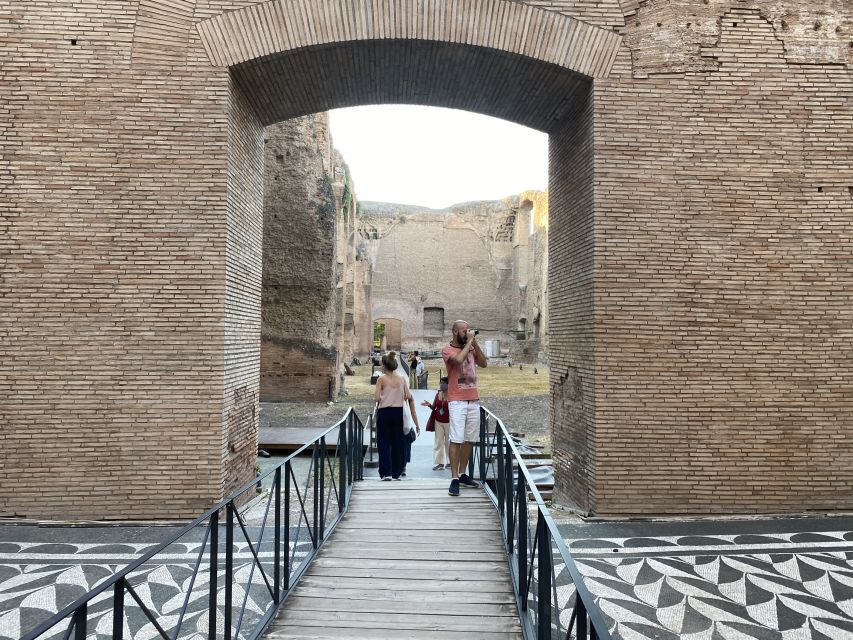
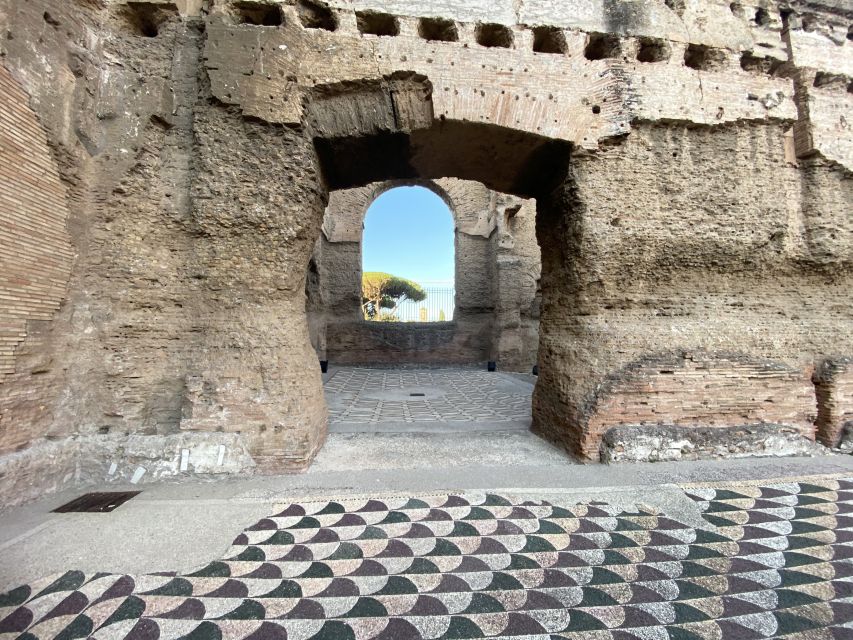
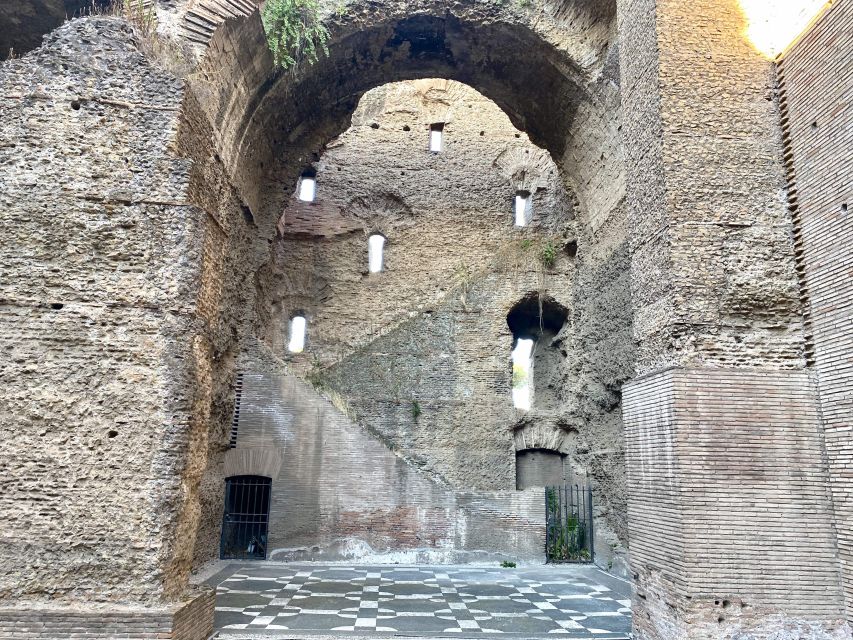
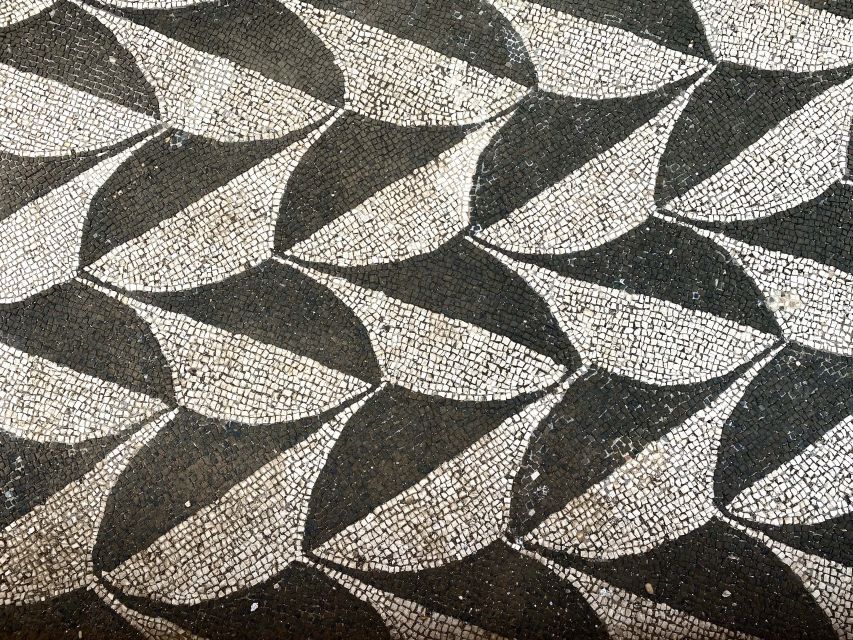
Many people emphasize the mosaics and floor details. You’ll see geometric motifs and surviving decorative elements, and the guide helps you connect those patterns to the larger story of design and status.
A small-group pace that actually lets you ask questions
Because group size is capped at 10, it’s not a constant “keep moving” line. You’ll have chances to ask about heating, daily routines, or what you’re seeing on the walls.
In past tours, guides like Ciara, Chiara, Lars, Francesca, Anestis, and Alicia have been singled out for clear explanations and quick back-and-forth conversation. I like that tone because it turns the visit from a lecture into a guided walk.
How the baths worked: heating, temperature control, and daily life
This is the part that makes Caracalla more than pretty ruins. The guide talks about the labor-intensive underfloor heating system—how it was built to move heat and keep different rooms at the right temperatures.
What you want to pay attention to is the logic. Romans weren’t guessing. They built systems that could sustain comfort over long stretches of use. Once you hear how the underfloor heating worked, the architecture stops looking like random stone and starts looking like a machine for everyday life.
The tour also explains techniques used to maintain the desired temperature in different rooms. In plain terms, that means you get a better sense of why the layout mattered, not just that there was a layout.
And yes, you’ll go through something like the “typical day” flow of bath life in the 3rd century AD—the sequence, the idea of moving between spaces, and the range of services offered for body and mind. It’s not just soaking. It’s Roman wellness culture in a big stone wrapper.



Mosaics and engineering: why the details feel special here
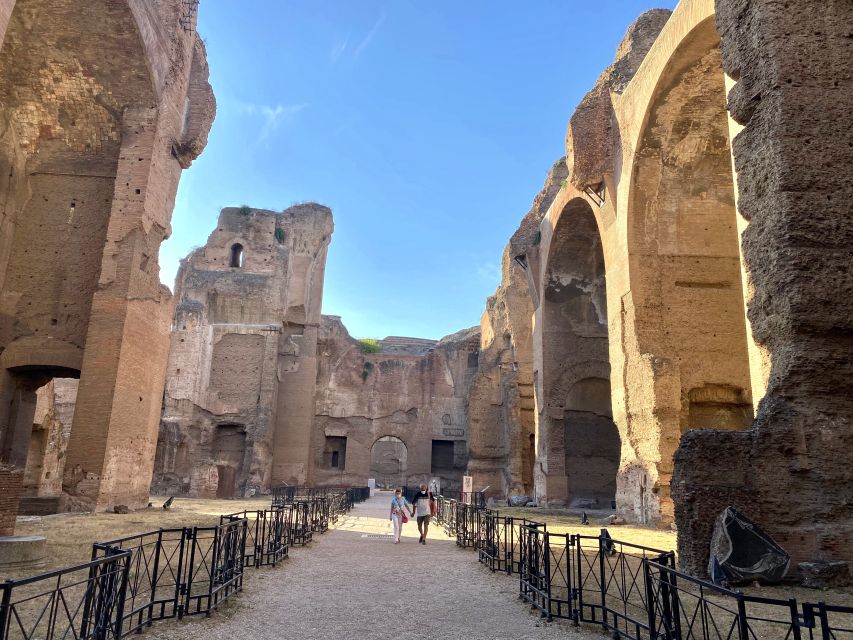
Caracalla isn’t just about what’s missing. It’s about what survived. People often mention the mosaics and the way some floor elements remain in a way that helps you visualize the original look.
The tour uses those details to teach you how Romans thought about design. Geometric motifs are not random decoration; they show planning, taste, and the desire to make daily routine feel like a proper experience.
Even if you’re not the type who normally loves floors and walls, the guide’s focus makes it easier. You start looking at the building the way an architect would: what materials imply, what construction methods suggest, and how layout helps the whole function.
Circus Maximus in 30 minutes: where the spectacle happened
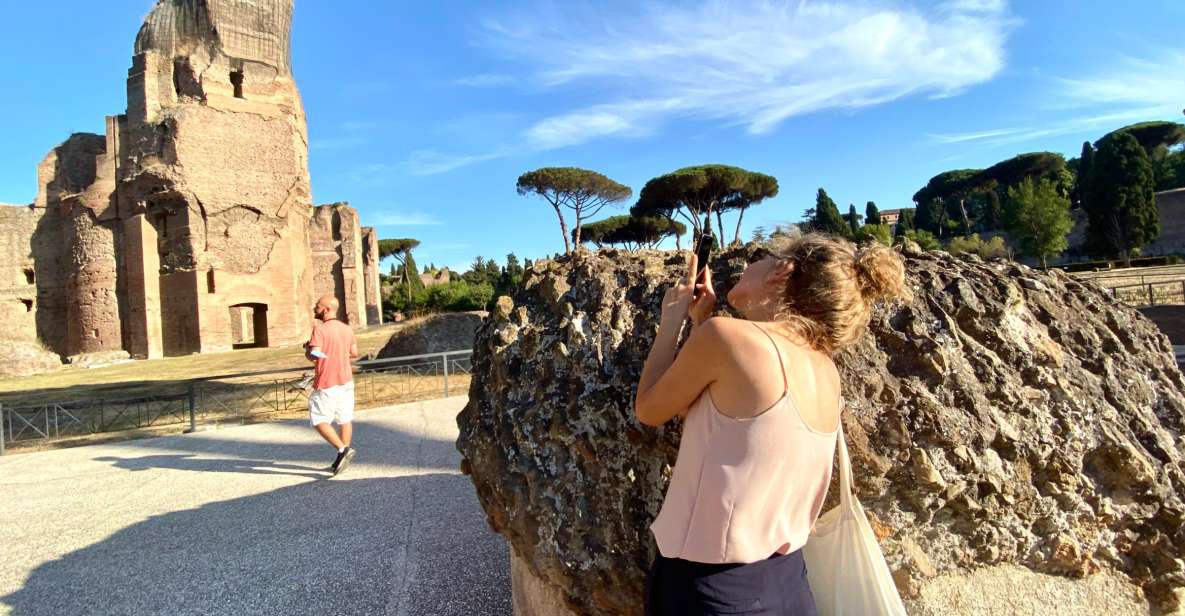
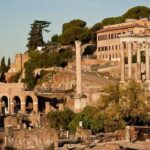
Then you head to what’s considered the largest structure for public games ever built by mankind: Circus Maximus.
Here’s the honest trade-off: the remains are limited. You’re not walking through a towering arena like you might at the Colosseum. Instead, you stand where the circus once existed and rebuild the scene from description.
The guide connects that space to the Ludi, the multi-venue celebrations that could run for days. You’ll hear stories of chariot races and gladiator fights, and how the crowd’s energy fed the whole event.
It helps if you bring a little imagination muscle. With the right guide, you’ll start thinking like an ancient spectator—where people would have been, what you’d have seen from your spot, and why the circus mattered politically and socially, not just for sport.
A practical note from experience style: this part is shorter by design. The time is really about giving you the grounding—so when you look at the spot today, you understand what once filled it.
Price and value of the $77 per person ticket
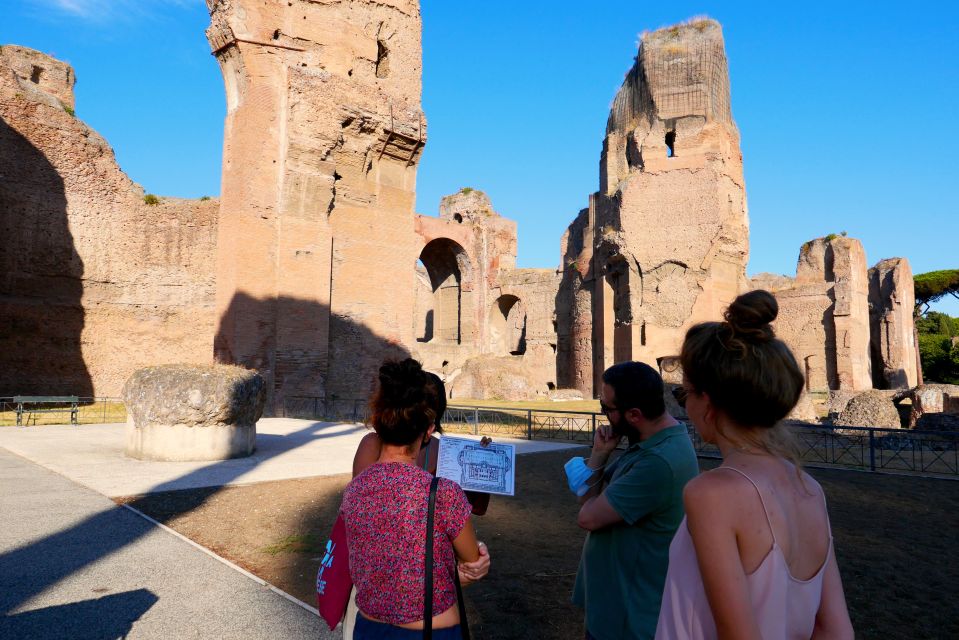
At $77 per person for about 1.5 hours, you’re paying for three things that add real value.
First, entrance to the Caracalla Baths is included. Second, you get sterilized headsets, which make a difference in outdoor settings where voices can vanish. Third, the guide is described as a live archaeologist guide, and that usually shows up in how they explain systems like heating and room function—not just dates and names.
Is it cheap? No. You’re paying for the guide’s ability to turn stone into meaning. One detail I like is the combination of “skip the ticket line” plus on-site help. That reduces friction on a Rome day already full of walking.
If your budget is tight, you should compare against other “big monument” tours. Circus Maximus may feel short on physical wow-factor because there isn’t much structure left. But the Caracalla portion is the heavy hitter, and that’s where you should expect most of your money to land.
Languages, headsets, and the feel of the tour
You can join in several languages: French, Portuguese, Spanish, English, German, and Italian.
Headsets matter more than people expect. The tour uses sterilized headsets, which helps you catch every explanation without leaning in or constantly asking for repeats.
Group dynamics are also part of the value. With a maximum of 10 participants, you tend to get a calmer pace and more interaction. In some cases, people have ended up in very small groups or even private-style experiences when numbers were low, which can make questioning easier and explanations more personal.
Who this tour suits best (and who should rethink it)
This is a great fit if you want:
- Roman daily life, not only emperors and battle dates
- Architecture that’s still standing well enough to interpret
- A guide who connects engineering (like heating) to how people actually lived
It’s a weaker fit if you only want massive, visually complete monuments. Circus Maximus won’t look like a full arena tour. It’s a “stand in the place and picture the show” kind of stop.
It also pairs well with other nearby Roman sights because it’s close to the Colosseum zone, yet feels quieter than the busiest streets when you’re ready to slow down.
Should you book the Caracalla and Circus Maximus tour?
I’d book it if you care about how Romans lived, how their buildings functioned, and you like guided structure instead of wandering ruins with guesswork. The Caracalla Baths portion is the reason to choose this experience, and the guide focus on heating, temperature control, mosaics, and routine makes those remains feel useful, not just old.
Skip or reconsider if you’re mainly hunting for towering, photo-dominant ruins at every stop. You’ll get the Circus Maximus story, but you won’t get a lot of standing structure.
If you’re deciding today: choose the version that matches your group size needs. With small-group limits and private options available, this tour is more likely to fit your pace and attention span.
FAQ
How long is the tour?
The tour lasts about 1.5 hours total.
Where do I meet the guide?
Meet at the exit of the Metro Station Circo Massimo (direction Laurentina), in front of the FAO building. Look for a yellow label with the local partner’s name.
Is the ticket line skipped?
Yes, the tour includes skip-the-ticket-line entry.
What’s included in the price?
Entrance fees to the Caracalla Baths, sterilized headsets, a live archeologist guide, and full on-site assistance are included.
What languages are available?
Guides are available in French, Portuguese, Spanish, English, German, and Italian.
Is the tour wheelchair accessible?
Yes, it is wheelchair accessible.
Can I cancel if plans change or weather is bad?
You can cancel up to 24 hours in advance for a full refund. If the activity is canceled due to unfavorable weather, you’ll be offered an alternative date or a full refund.