REVIEW · ROME
Rome: “Chopin & Italian Friends” Piano Concert
Book on GetYourGuide →Operated by Opera da Camera di Roma · Bookable on GetYourGuide
Chopin in a church hits different. I love the solo-piano format and the way this program threads Chopin with major Italian melodies, all in a real Roman religious setting. It also gives you that rare chance to hear classical music in a church, not a concert hall.
For me, two big wins are the lineup itself and the atmosphere. You get familiar favorites (like Chopin’s Ballade and Clair de lune) alongside Italian opera intermezzi arranged for piano, so the concert feels like a focused mini-history of European romantic music.
One thing to consider: the venue is in a town environment, and the sound can be affected by street noise depending on where you’re seated. Also, the music is performed as a set program—if you’re a strict program-following type, be aware that one account reported a couple pieces missing.
In This Review
- Key things to know before you go
- Why a Chopin recital in a Roman church is worth your evening
- The music mix: Chopin, Italian opera, plus Debussy and Gershwin
- Waldensian Church vs Methodist Church: what changes for you
- Your 1-hour experience, piece by piece
- What to watch for during the set
- Value and the $35 ticket: what makes it a smart buy
- Who this piano concert fits best
- A quick word about professionalism and order
- Should you book this Chopin & Italian Friends piano concert?
- FAQ
- How long is the Chopin & Italian Friends piano concert?
- Where are the concerts held in Rome?
- How much does the ticket cost?
- What language will you hear from the host or greeter?
- Is the venue wheelchair accessible?
- Can I get a refund if I cancel?
Key things to know before you go
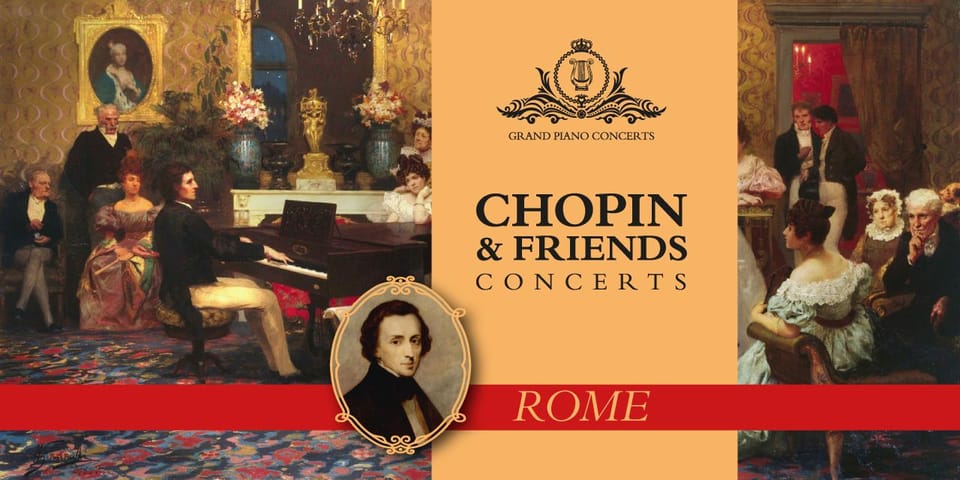
- A church venue, not a hall: you’ll hear a piano recital in either the Waldensian Church or the Methodist Church in Rome.
- Chopin is the anchor: expect multiple Chopin works throughout the 1-hour program.
- Italian opera themes on solo piano: Verdi, Mascagni, and Puccini appear as piano arrangements, not full orchestral settings.
- Expect an international mix: Debussy and Gershwin also show up alongside classical and Italian pieces.
- Intimate feel: at least some performances are described as having a small audience, which helps the room feel personal.
Why a Chopin recital in a Roman church is worth your evening
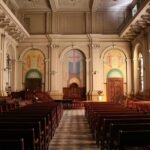
In Rome, churches are built to carry sound. Even if you don’t know the technical reasons, you’ll feel it in your chest when a note hangs in the air a moment longer than usual. This concert uses that natural advantage on purpose: you’re not just listening to music, you’re listening to the building help the music travel.
What I really like is that it’s not trying to be fancy or theatrical. It’s simply piano in a church—clean, direct, and intimate. That makes the whole evening less like an event you attend and more like a calm stop you enter.
And because the program mixes well-known composers, you don’t have to be a hardcore music fan to enjoy yourself. If you only know Chopin, you still get plenty to grasp. If you like Italian opera, the concert gives you those melodies in a new, more personal form.
You can also read our reviews of more tours and experiences in Rome
The music mix: Chopin, Italian opera, plus Debussy and Gershwin
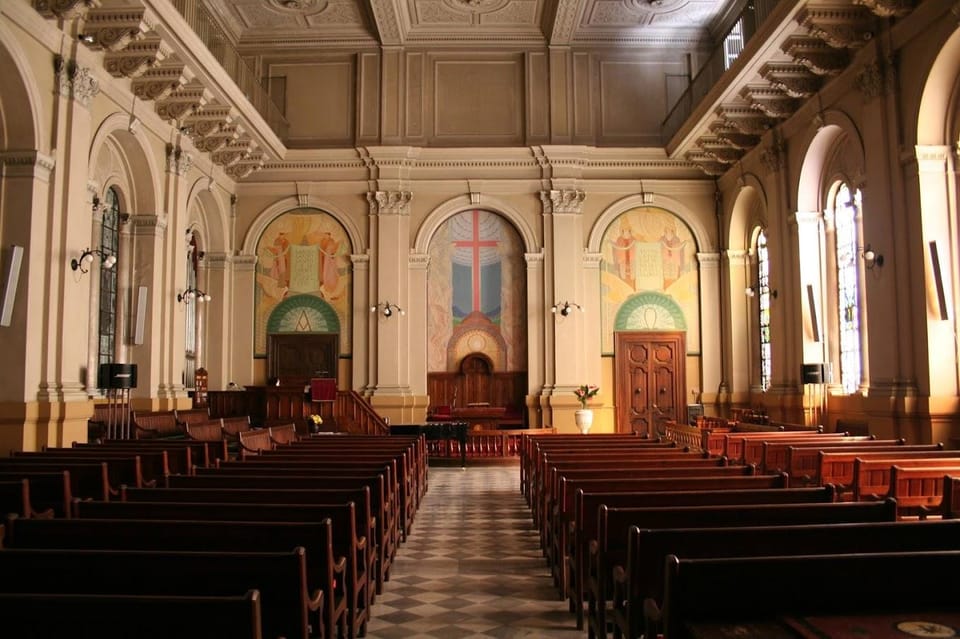
This is billed as Chopin & Italian Friends, and that’s exactly how the program behaves: Chopin keeps returning, while Italian composers keep reappearing between his pieces.
You’ll hear Italian classics arranged for solo piano, including:
- Giuseppe Verdi, Preludio da Traviata
- Pietro Mascagni, Intermezzo da Cavalleria
- Giacomo Puccini, Intermezzo da Manon Lescaut
- Puccini again with Foglio d’album
Then, the concert adds a few curveballs that make the recital feel like it has a mind of its own. Debussy’s Clair de lune shows up near the end, and Gershwin’s Rhapsody in blue appears too—both on solo piano. It’s a smart move, because it prevents the night from becoming one long stretch of one style.
Finally, the Chopin side is substantial, not just token representation. Expect multiple works, including an etude and a prelude, plus the big emotional pieces like the Fantaisie Impromptu and Ballade op. 23.
Waldensian Church vs Methodist Church: what changes for you
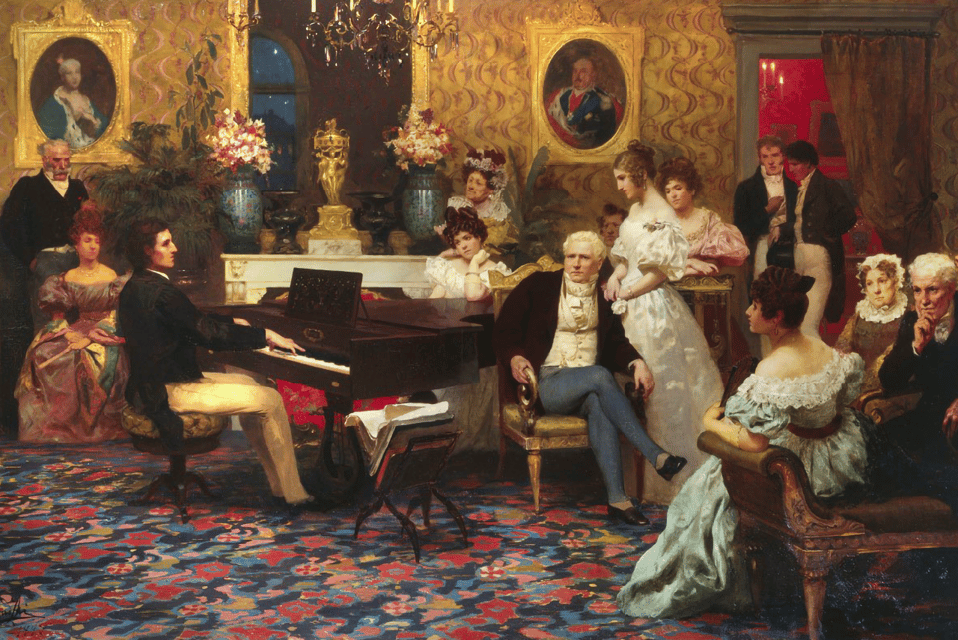
The performance location shifts by day:
- From Monday to Saturday: concerts at the Waldensian Church
- On Sundays: concerts at the Methodist Church
You don’t need to overthink it. What matters for your comfort is that both venues are churches and both are used specifically for piano recitals. That explains the standout feature people mention most: church acoustics that make a solo instrument sound fuller and more dimensional than you might expect.
Still, consider practical things. One review mentioned street noise as a problem, which is a reminder that you’re in a neighborhood, not a sealed arts complex. If you’re sensitive to interruptions, arrive early and pick your seat carefully once you’re inside.
Also, since the meeting point can vary depending on the option booked, plan a little extra time to find the correct starting area. Rome can be very walkable, but “varies” is a hint that you shouldn’t cut it close.
Your 1-hour experience, piece by piece
This concert runs one hour, and the program is designed like a sequence of emotional scenes: dramatic, lyrical, then back to drama again. There’s no time for the usual “wait, what should I listen to?” moment—once you’re seated, you’re taken straight through the music.
Here’s the program order you can expect, and what it means in practice:
G. Verdi – Preludio da Traviata
You start with Verdi, which gives you a quick sense of melody and theater even on solo piano. It’s a good entry point if you already recognize La Traviata tunes.
F. Chopin – Etude op. 25 n. 1
This is where the performer’s control becomes obvious. Etudes are the “training ground” of virtuosity, so you’ll hear crisp articulation and speed that stays musical, not just flashy.
F. Chopin – Fantaisie Impromptu op. 66
This is a crowd favorite for a reason: it’s energetic, emotionally direct, and it builds momentum. On a piano alone, you’ll notice how the dynamics do the work an orchestra might otherwise do.
P. Mascagni – Intermezzo da Cavalleria
After Chopin’s intensity, Mascagni offers a softer, more operatic mood. Even arranged for solo piano, the melody reads like a singer’s line.
G. Puccini – Intermezzo da Manon Lescaut
Puccini brings warmth and lyric drama. If you’ve heard opera in person, you’ll catch the “stage feeling” even though it’s just keys and wood.
F. Chopin – Prelude op. 28 n. 4
This prelude is short and haunting. In a church setting, the lingering resonance can make a brief piece feel longer than you expect—in a good way.
G. Ponte – Tarantella
The tarantella brings rhythm and bounce. It’s a nice palate cleanser, and it helps the recital feel connected to Italy beyond just opera titles.
F. Chopin – Ballade op. 23
This is one of the heavy hitters. A Ballade is long enough to carry a story, and on solo piano the performer has to shape time: tension, release, and the sense that something is steadily unfolding.
G. Puccini – Foglio d’album
This adds a lighter, more intimate color. It works like a breather before the last stretch.
C. Debussy – Clair de lune
Debussy here is all about mood. If you enjoy music that feels atmospheric rather than forceful, this is the moment. In a quiet church, it can feel very still.
G. Gershwin – Rhapsody in blue
Yes, Gershwin. And yes, on solo piano. The value of placing it here is contrast: it shifts the emotional climate from European night-lounge to something more rhythmic and modern.
F. Chopin – Scherzo n. 2 op. 31
You end with a punchy Chopin piece that feels playful but also sharply controlled. It’s a strong closer that leaves you energized rather than gently fading out.
What to watch for during the set
Because this is a fixed-length program, you’ll likely spend most of the evening listening straight through. If you’re hoping for a specific single “must-hear” piece, check that it’s on the list above. One account reported a performer not playing a couple pieces (Chopin’s Fantaisie Impromptu and Debussy’s Clair de lune), so if those two are your top priorities, you might want to mentally prepare for the possibility of a small change.


Value and the $35 ticket: what makes it a smart buy
At $35 per person for a one-hour concert, the value depends on what you want from the night.
If you want an event that’s short, easy to fit into a Rome itinerary, and highly focused on music quality, this is a good deal. You’re paying for live performance in a special setting, and the program is not “background classical.” It’s a real recital with a defined arc—Chopin plus Italian themes—plus a few surprise names.
If your main goal is a deep, “serious music lecture” experience, you may find this format more about listening than explanation. But from a pure entertainment and atmosphere standpoint, the price-to-experience ratio makes sense—especially because it’s held in an unusual location for this kind of show.
Also, the concert is hosted by Opera da Camera di Roma, which signals this is run as a classical-focused production rather than a casual one-off.
Who this piano concert fits best
This experience is especially good for you if:
- you like classical music but don’t want a long night (it’s one hour)
- you enjoy hearing famous melodies in a new way, especially Italian opera themes rearranged for solo piano
- you want a quieter, more local-feeling evening in Rome than another crowded museum schedule
It’s also a good choice if you’re traveling with mixed tastes. Gershwin and Debussy broaden the appeal, and even the Italian pieces are recognizable even when you only know their original opera contexts.
One more practical fit note: it sounds like the audience can be small and intimate. If you dislike huge crowds, this kind of recital setup is the better direction.
A quick word about professionalism and order
Overall, the standout praise is about professionalism and enjoyability. One positive booking specifically called out a very professional approach, and that matters in a church concert where the room expects quiet, focus, and clean transitions.
At the same time, you should know there can be small variability. One account mentioned a couple missing pieces, and another mentioned street noise as unpleasant. So think of it like this: you’re buying into the format and the program concept, but not every performance will feel identical.
If you’re the type who plans everything tightly, arrive a few minutes early, keep your expectations realistic, and treat it as a live event that can have the occasional hiccup.
Should you book this Chopin & Italian Friends piano concert?
I’d book it if you want a short, high-feel classical experience in Rome—especially if you love Chopin, Italian opera melodies, or the idea of hearing it all in a church.
I’d hesitate if street noise bothers you easily or if you’re extremely strict about a specific set of pieces being played exactly as listed. In that case, you could still go, but go with flexibility.
If you’re on the fence, here’s my simple rule: this is the kind of concert that turns an ordinary evening into something quietly memorable. For the price and the setting, it’s a very reasonable gamble.
FAQ
How long is the Chopin & Italian Friends piano concert?
It lasts 1 hour.
Where are the concerts held in Rome?
From Monday to Saturday the concert is performed at the Waldensian Church. On Sundays it’s performed at the Methodist Church.
How much does the ticket cost?
The price is $35 per person.
What language will you hear from the host or greeter?
The host/greeter is listed as speaking English and Italian.
Is the venue wheelchair accessible?
Yes, it is listed as wheelchair accessible.
Can I get a refund if I cancel?
Yes. The policy states free cancellation up to 24 hours in advance for a full refund.