REVIEW · ROME
Rome: Flavors of Rome, a Historic Food Tour
Book on GetYourGuide →Operated by Rome - Tour · Bookable on GetYourGuide
Rome is best learned through food.
This Historic Food Tour turns a simple stroll into a guided bite-by-bite lesson, with stops built around the Campo de’ Fiori market and classic Roman comfort foods like pizza and supplì. I especially like how the tour mixes familiar landmarks with real eating spots, so you get context and flavor in the same walk.
The main catch: this experience isn’t suitable for gluten intolerance, so plan accordingly if you need strict gluten-free options.
In This Review
- Key highlights worth knowing
- Campo de’ Fiori market: where your meal starts in the historic center
- The salumeria stop: cured meats, cheese, and why a tagliere works
- Piazza Navona snacks: a classic square with real bite-size stops
- Via dei Coronari: the one-hour walk where Rome turns into local snacks
- Roman-style pizza and supplì: learning the comfort foods that define Rome
- Artisanal gelato and the walk toward Castel Sant’Angelo
- Price and value: is $94 a fair deal for what you get?
- Getting the most out of it: pacing, shoes, and what to bring
- Who should book this Rome food tour?
- Should you book Rome: Flavors of Rome, a Historic Food Tour?
- FAQ
- How long is the Rome Flavors of Rome Historic Food Tour?
- Where does the tour start?
- What foods and drinks are included?
- Is it suitable for vegetarians or people with gluten intolerance?
- Do I need hotel pickup or can I just meet at the start?
- What languages are available for the live guide?
Key highlights worth knowing
- Campo de’ Fiori market time: you get a market visit plus wine and cheese tastings.
- Salumeria tasting with wine: a tagliere built around cured meats and cheeses.
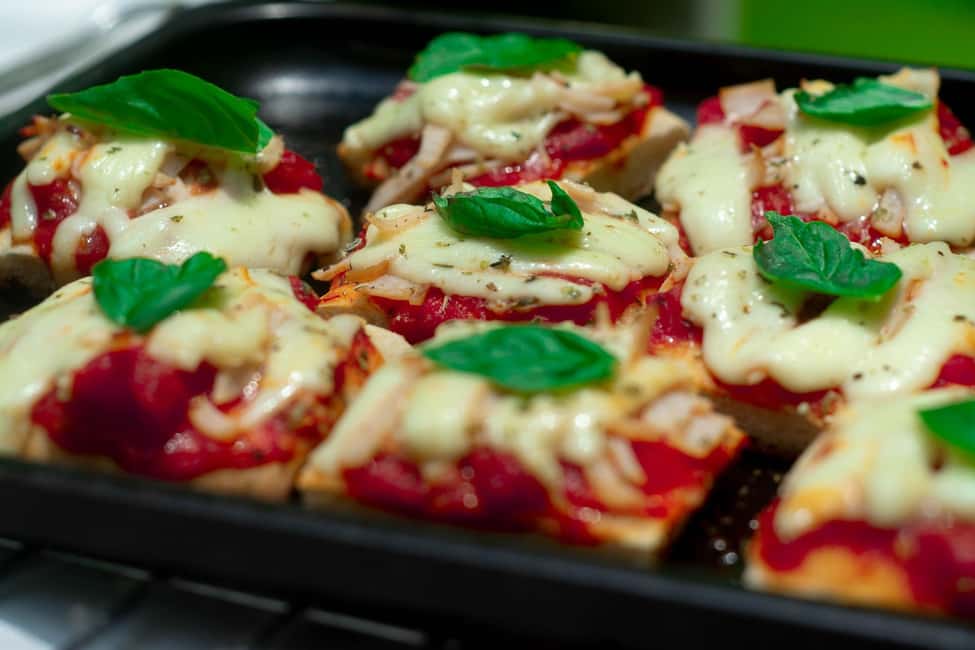
- Roman pizza + supplì: three traditional pizza types paired with the classic fried rice ball.
- Piazza Navona street snacks: another tasting moment in one of Rome’s best-known squares.
- Via dei Coronari walking stretch: a full hour of local snacks along one of Rome’s prettiest streets.
- Finish by Castel Sant’Angelo: artisanal gelato followed by sightseeing right by the fortress.
Campo de’ Fiori market: where your meal starts in the historic center
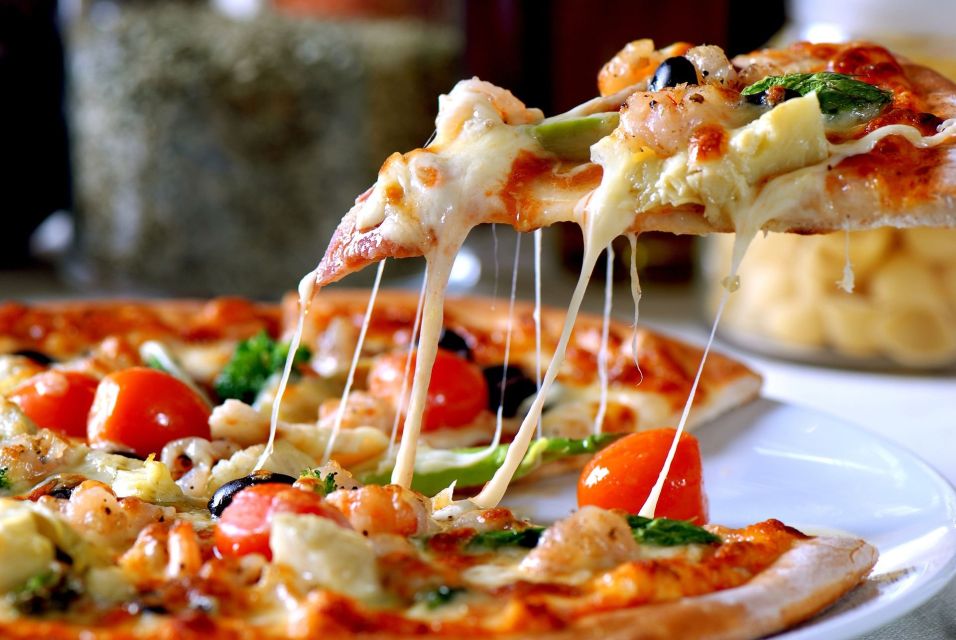
Most Rome food tours focus on one neighborhood. This one anchors you in the heart of things, beginning around Campo de’ Fiori, the city’s classic daytime market area. The tour is designed for walking, so you’re not stuck eating in a single place while Rome goes by outside the window.
You’ll spend about 30 minutes here tasting your way through the market atmosphere. Expect a mix of food, cheese, and wine, plus a short guided look at how the market’s role developed over time. It’s a smart way to start because it gives your other bites meaning. You’re not just eating random samples; you’re learning why people shop and snack here day after day.
One practical note: markets can be crowded and you’ll be moving. Wear comfortable shoes and keep your pace steady. The tastings are built into the walk, not dropped in as a long restaurant sit-down.
You can also read our reviews of more food & drink experiences in Rome

The salumeria stop: cured meats, cheese, and why a tagliere works
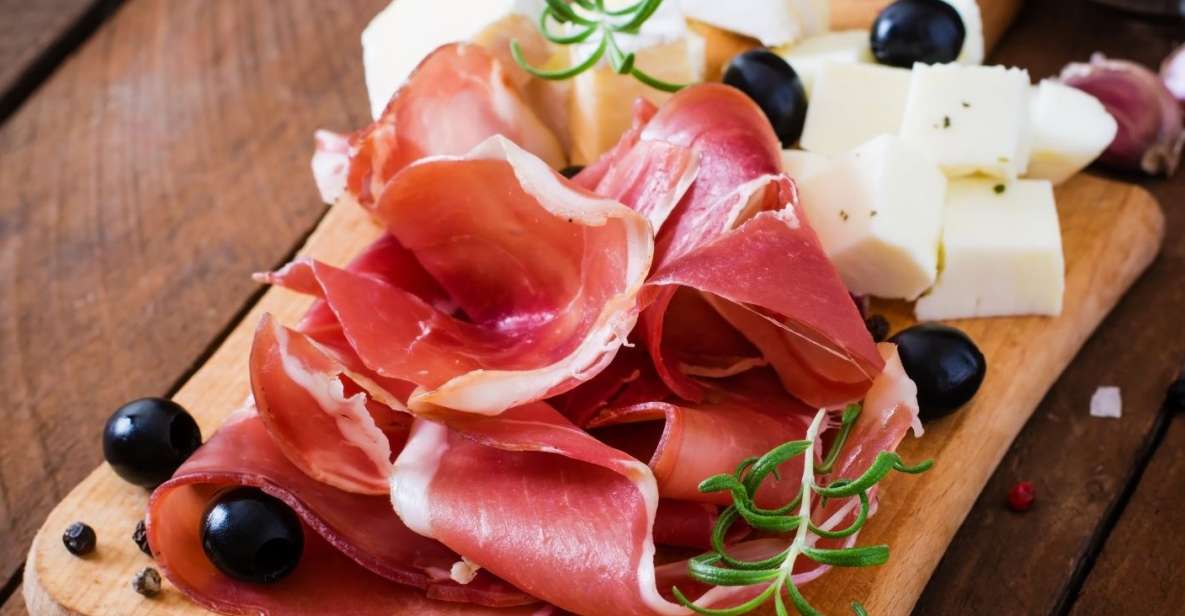
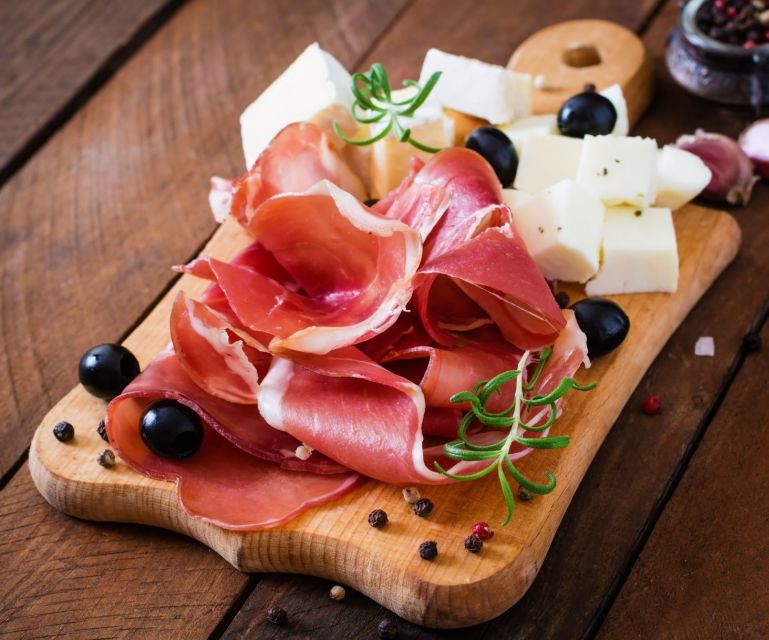
After the market, the tour shifts to a legendary kind of Roman eatery: the salumeria. This is where the experience becomes less about variety-for-variety’s-sake and more about quality. You’ll get a tagliere made with cured meats and cheeses, using high-quality ingredients.
What I like about this stop is the structure. A tagliere is small enough to stay fun, but it’s complete enough to teach you something. You’ll taste multiple flavors and textures, and the guide can connect them to what makes Roman cured-meat culture distinct from what you might find elsewhere.
This is also the point where wine shows up in a meaningful way. You’re tasting alongside the food, not after. Even if you don’t think of yourself as a wine person, this is an easy entry because it’s paired to what’s on the plate.
Guides matter here, and you’ll see that in feedback. Names like Sarah and Gabriela (Gaby) come up repeatedly for being friendly, attentive, and willing to adjust to the group. If your guide turns the tasting into short stories and practical explanations, the whole tour clicks faster.
Piazza Navona snacks: a classic square with real bite-size stops
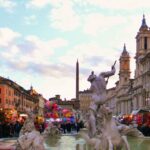
From Campo de’ Fiori, you’ll head to Piazza Navona, with about 30 minutes of street food and food tastings. Piazza Navona is one of those places you’ve probably seen in photos, which can make it feel a bit touristy. The trick is that this tour doesn’t ask you to just look. It gives you reasons to stop and taste while you’re there.
Street-food stops are quick by design, and that can be a plus if you’re on limited time. You’ll get several small tastes instead of one heavy meal, so you can keep walking without feeling stuffed. The tradeoff is that the stops are not meant to be deep culinary lectures. If you want a very detailed, technical breakdown of pairings and ingredients, you might feel the pace is more about variety than classroom-style explanation.
Still, the value is that you’re learning on your feet. You see how Rome eats in public spaces, and you get to taste without booking a separate sit-down meal.
Via dei Coronari: the one-hour walk where Rome turns into local snacks
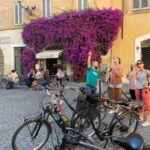
Next comes Via dei Coronari, a street described as one of the prettiest in Rome, and the tour gives it about an hour. This is where the walking starts to feel like a proper city experience rather than a checklist. Expect street food, local snacks, and regional foods, with guided tastings along the way.
This is also a great part of the tour for first-time visitors. You’ll learn how Roman food shows up in daily life: small portions, quick stops, and flavors that don’t require a big explanation to enjoy. If you like the idea of exploring neighborhoods at a human scale, this hour delivers.
The only caution is your appetite. Because the tour includes multiple tastings plus pizza, supplì, and gelato, you’ll want to arrive hungry but not desperate. A heavy breakfast or big lunch can turn the later pizza and dessert into a chore. Save space, and you’ll enjoy it much more.
Roman-style pizza and supplì: learning the comfort foods that define Rome
The tour’s pizza segment is built around three traditional types of Roman pizza, plus a classic supplì. This is one of the best parts of the whole experience because it’s not just food. It’s a Roman identity.
Roman pizza tends to be about simplicity and technique rather than fancy toppings. The tour gives you multiple versions, so you can compare how the classics taste with different combinations. The guide’s role here matters: when someone explains what makes the pizza Roman, you taste with more attention.
Then there’s supplì, the iconic fried rice ball. If this is new to you, it’s the kind of bite that makes you go, oh, so that’s what everyone talks about. In feedback, people specifically call out how much they enjoyed discovering supplì and learning about it during the tour.
This part is also where the “enough for a meal” feeling shows up. One set of comments notes that even teenaged kids enjoyed the food, which tells you the tastings are substantial, not just ceremonial nibbles.
You can also read our reviews of more tours and experiences in Rome


Artisanal gelato and the walk toward Castel Sant’Angelo
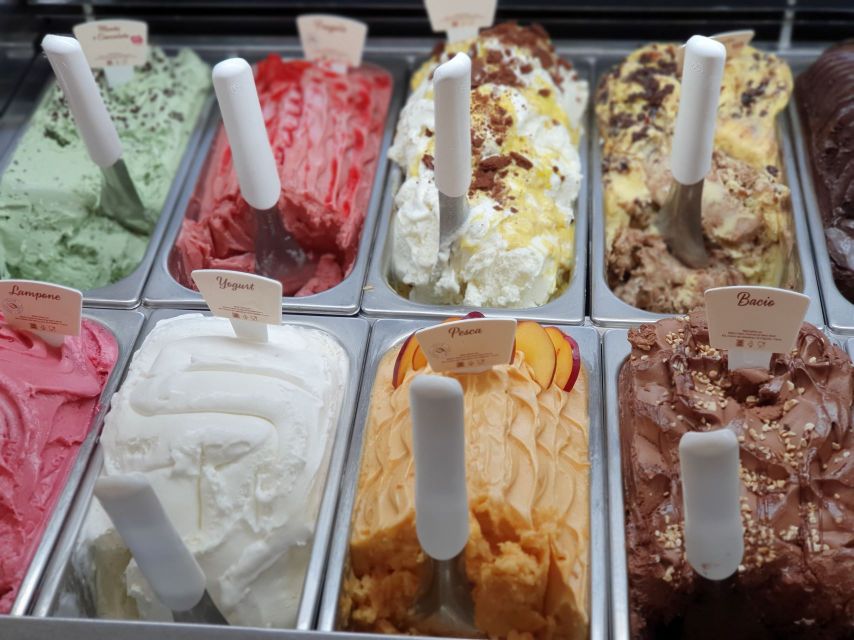
The finale is sweet and scenic. You’ll stop for real artisanal gelato at an emblematic place, and then you’ll finish by Castel Sant’Angelo. The tour includes a guided sightseeing walk of about 30 minutes, which is a nice way to close the loop: you eat, you learn, and then you land in front of one of Rome’s most recognizable sights.
Gelato at the end is more than dessert. It’s a good reset after cured meats, street snacks, and fried food. And since it’s part of the package, you don’t have to make a last-minute choice on a busy day.
Castel Sant’Angelo is also a smart finishing point because you get an easy transition back into sightseeing mode. Once the tour ends, you’re already in the right zone for walking and exploring nearby areas at your own pace.
Price and value: is $94 a fair deal for what you get?
At $94 per person for 2.5 to 3 hours, this tour sits in the “worth it if you’re hungry and want guidance” category. Here’s why. You’re not just paying for a guide and a few bites. The package includes:
- wine and cheese tastings
- a tagliere of cured meats and cheeses
- three traditional Roman pizza types
- a classic supplì
- artisanal gelato
- stops at multiple historic, well-known places
If you tried to recreate that on your own, it would likely cost more once you factor in multiple purchases and the time you’d spend searching for quality. You’re also buying the convenience of a planned route with a local expert who can connect what you’re eating to the places you’re standing in.
The real question is your style. If you love structure and don’t want to gamble on where to eat, the price feels reasonable. If you’re mostly into a long tasting dinner and deep technical explanations, you may prefer something more centered on one type of cuisine or a heavier food-and-wine format.
Getting the most out of it: pacing, shoes, and what to bring
This is a walking tour, and the rules are straightforward. Bring comfortable shoes and plan to keep your hands free. Luggage or large bags aren’t allowed, and there’s no hotel pickup or drop-off, so you’re going to arrive on your own.
You’ll also want to keep your expectations realistic about walking time. The tour is only 2.5 to 3 hours, so it moves at a friendly but steady pace. The tastings are frequent, but none of them are meant to drag.
Also note who it’s not for. It’s not suitable for wheelchair users, and it’s not suitable for gluten intolerance. If you fall into either of those categories, this tour won’t match your needs based on the stated rules.
Who should book this Rome food tour?
This is a great fit if you want a daytime Rome experience that mixes landmarks with real eating. I’d especially recommend it for:
- first-timers who want an efficient way to learn the city through food
- people who like multiple small tastings rather than one big meal
- families and groups that want a guide to keep energy up (feedback suggests kids can enjoy it too)
- vegetarians, since it’s stated to be suitable for them
If your main goal is a detailed, ingredient-by-ingredient masterclass, you might find the tour more about variety and route than long-form food theory. In that case, look for a version that matches your preferred level of culinary detail.
Should you book Rome: Flavors of Rome, a Historic Food Tour?
Book it if you want a guided day in central Rome that gets you eating at several classic stops: market tastings, cured meats and cheese, Roman pizza, supplì, and ending with artisanal gelato near Castel Sant’Angelo. The price makes sense because the package includes a lot of food, plus wine, plus real sightseeing time.
Skip or rethink it if gluten is an issue for you, or if you need wheelchair accessibility. Also, if you want a very technical food-and-wine lecture, you may prefer a more specialized option.
Bottom line: this tour is built for people who like food first, then stories, then a final scenic landing.
FAQ
How long is the Rome Flavors of Rome Historic Food Tour?
The tour lasts about 2.5 to 3 hours.
Where does the tour start?
Meeting point can vary depending on your booking, with options including Ponte Sisto and Museo di Roma – Palazzo Braschi.
What foods and drinks are included?
You’ll have an Italian tagliere with cured meats and cheeses, three traditional types of Roman pizza, a classic supplì, and artisanal gelato, plus wine and cheese tastings.
Is it suitable for vegetarians or people with gluten intolerance?
It is stated to be suitable also for vegetarians, but it is not suitable for people with gluten intolerance.
Do I need hotel pickup or can I just meet at the start?
There is no hotel pickup and drop-off. You’ll meet at the selected meeting point.
What languages are available for the live guide?
Live guides are available in Spanish, French, English, and Italian, and there’s also small group availability.