REVIEW · ROME
Bone Crypts & S. Clemente ENGLISH tour – tickets included
Book on GetYourGuide →Operated by Rome With Mike · Bookable on GetYourGuide
Rome under the bones? That’s the start here, with the eerie Capuchin Crypts and the layered Basilica of S. Clemente in one 2.5-hour run. I like how the tour ties the skeleton chapel shock to real faith and art, not just spooky photos. One thing to consider: the pace involves moderate walking and the most intense atmosphere is in the crypt area (so plan for restrictions like no flash).
You’ll also appreciate the small-group feel, limited to 8 participants, and the fact that tickets are handled for you with skip-the-line entry. The tour stays practical too—meeting at Piazza Barberini, then moving fast between sites by foot and quick transport.
If you’re expecting a leisurely stroll and lots of time to wander on your own, this won’t match that style. Think guided, focused, and story-driven—great for fitting a lot into a short window without feeling rushed.
In This Review
- Key things I’d bet on
- Why this tour pairs Capuchin Crypts with San Clemente
- Piazza Barberini meet-up and how the 2.5-hour flow feels
- Capuchin Crypts: bones, chapels, and a respectful audio-led visit
- Colosseum viewpoints and Ludas Magnus without the ticket hassle
- San Clemente al Laterano: four levels underground you can actually see
- Caravaggio’s masterpiece moment (and why it fits this route)
- Group size and guide style: why names come up
- Price check: is $61 good value for Rome?
- Who should book this Bone Crypts & S. Clemente tour
- Should you book Bone Crypts & S. Clemente?
- FAQ
- How long is the Bone Crypts & S. Clemente English tour?
- Where do we meet the guide?
- What’s included in the ticket price?
- Do I need to buy tickets in advance?
- Is this tour suitable for wheelchair users or mobility impairments?
- Can I take photos with flash?
Key things I’d bet on
- Capuchin Crypts with nearly 4,000 monks and themed chapels like the Three Skeletons and skull-and-hourglass room
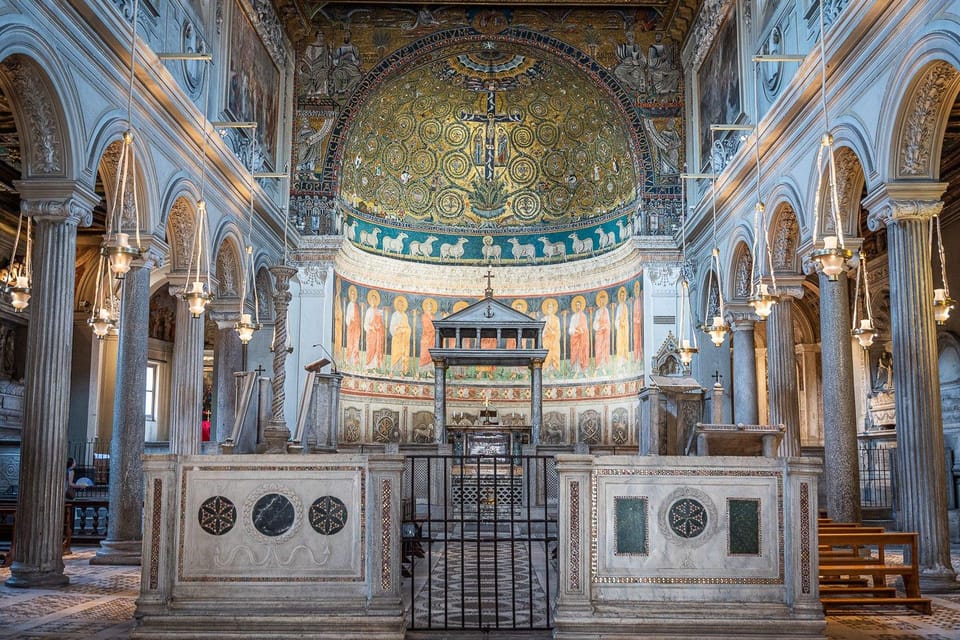
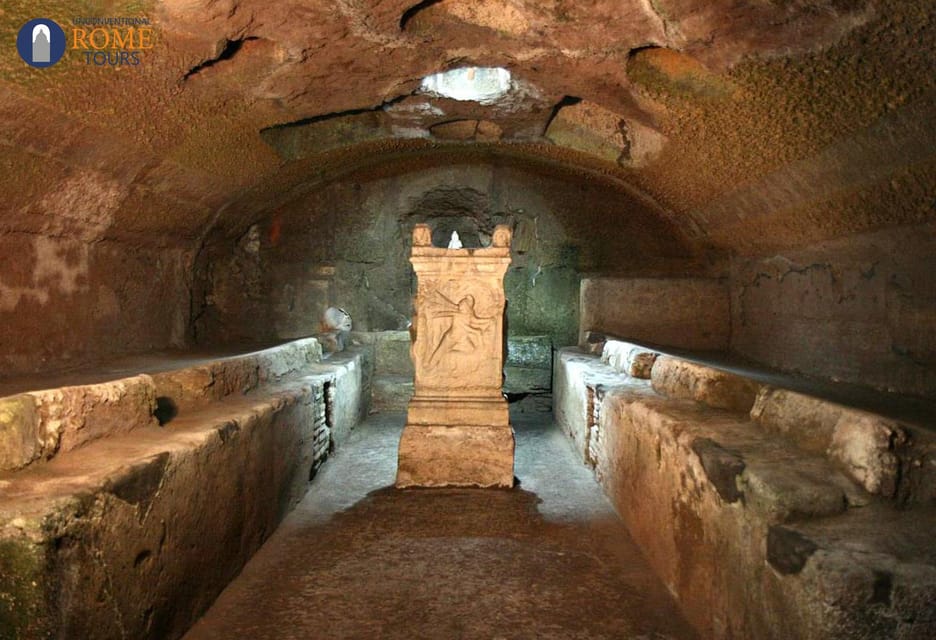
- San Clemente al Laterano in four layers, down from the 12th century to a 2nd-century Mithraic temple
- Colosseum and Nero’s Domus Aurea viewed from the outside with context you won’t get from a quick photo stop
- Caravaggio’s masterpiece viewing included, timed for maximum attention rather than a last-minute rush
- Small-group (up to 8) with an English-speaking guide, so questions stay possible
Why this tour pairs Capuchin Crypts with San Clemente
This is a smart pairing because both sites use the past in an unforgettable way. The Capuchin Crypts hit you with a very direct message: what people do with mortality, faith, and community. Then San Clemente gives you the opposite kind of thrill—history stacked on history, where you literally go down into earlier Rome.
What makes it valuable is how the guide connects the dots. You’re not just seeing bones and mosaics as separate attractions. You’re being shown how belief systems and artwork shaped how people lived—and how they remembered the dead.
Also, the time window is tight (2.5 hours), which makes this a strong choice if you only have a day or two and want more than the standard “three big stops” routine. You get a compact route that still feels like a full experience.
You can also read our reviews of more tours and experiences in Rome

Piazza Barberini meet-up and how the 2.5-hour flow feels
Your tour starts at the Face Side of the Triton Fountain in Piazza Barberini. Aim to arrive about 10 minutes early to check in with your guide. If you arrive early, there’s Bar Gusto right across the street with bathrooms and snacks, which is handy before you start walking.
The structure is built for momentum. After meeting, you walk to the Capuchin Crypt area. Then you use a quick black cab transfer (about 10 minutes) to reposition for the Colosseum zone and the rest of the route.
The walking isn’t extreme, but it’s enough that comfortable shoes matter. You’ll be moving between levels and inside churches where you’ll want steady footing, plus you may face security checks at certain sites.
In short: this tour works best when you’re ready to listen closely and keep moving—less “tourist wandering,” more “Rome with a plan.”
Capuchin Crypts: bones, chapels, and a respectful audio-led visit
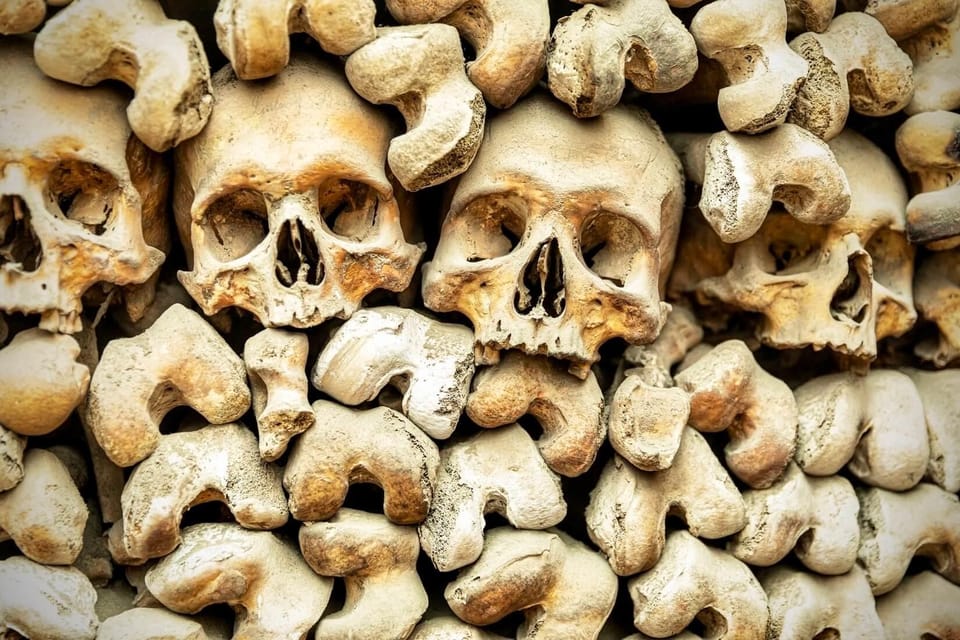
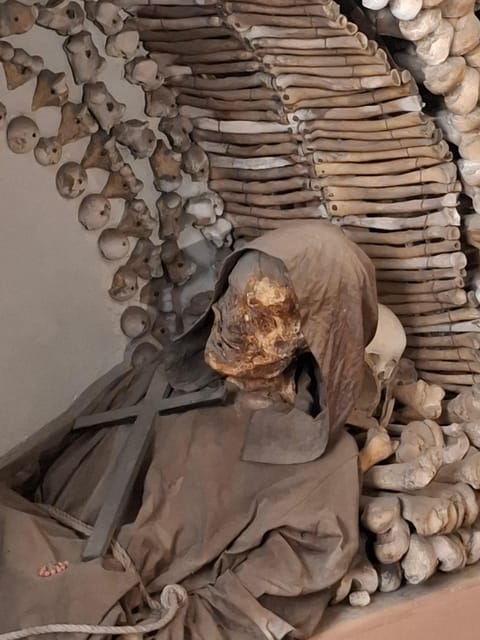
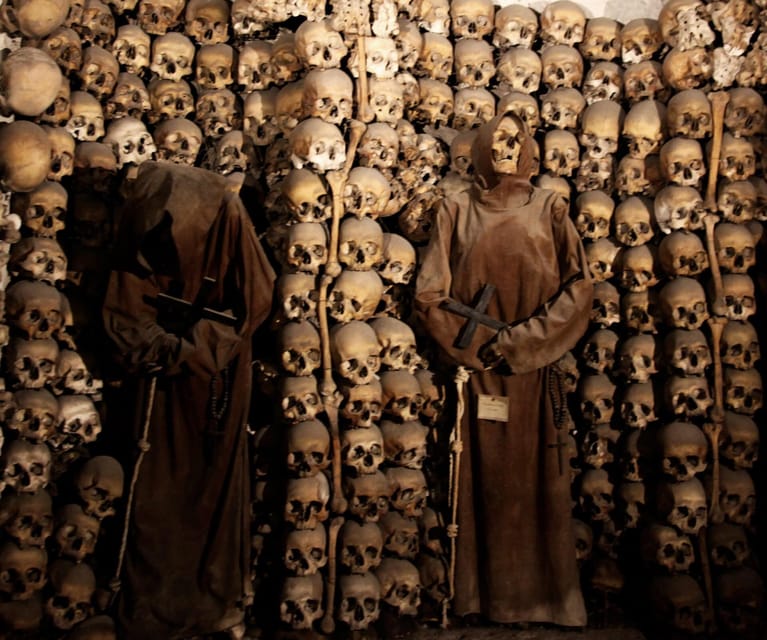
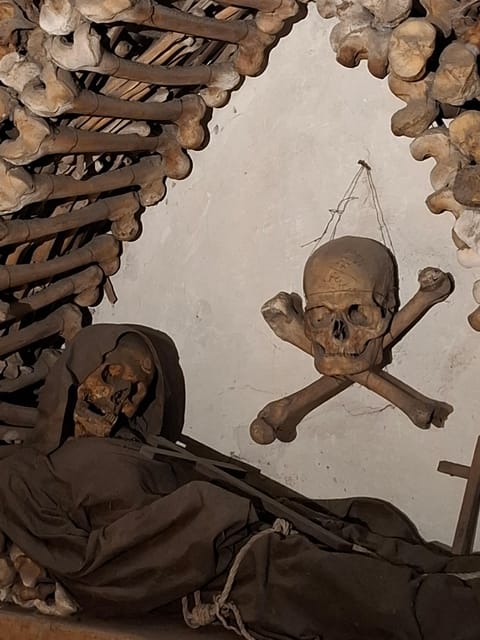
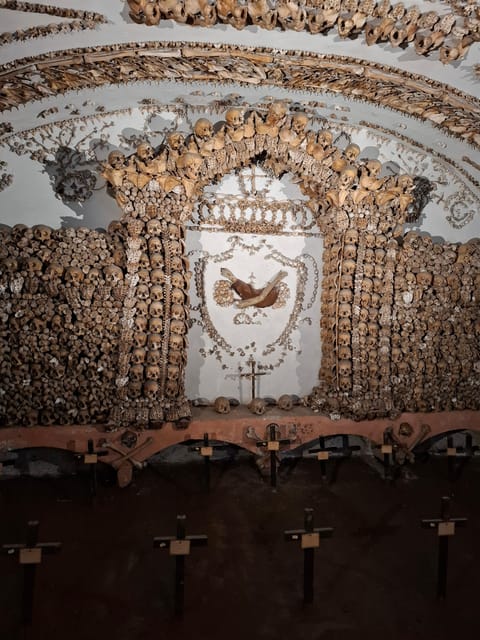
The Capuchin Crypts are the headline—and for good reason. You’ll descend into a series of chapels decorated with the human bones of almost 4,000 monks. It’s not random clutter. The bones are arranged with intention, so every room feels like a different kind of message.
You start with context near the Capuchin Museum area, where the guide explains the Franciscan/Capuchin order’s beliefs and the burial rules that led to this underground cemetery. That background matters, because otherwise it’s easy to treat the site like a carnival of skeletons. The visit includes audio guidance in key sections, and it’s designed to keep the tone reflective.
Inside, expect themed rooms that are easy to recognize:
- The Crypt of the Three Skeletons
- The Crypt of the Leg Bones and Thigh Bones
- The Crypt of Pelvises, with friars arranged in peaceful arches
- The iconic Crypt of the Skulls, topped by the symbolic hourglass
Across the spaces, crosses embedded in the floor mark the final resting places of seven monks.
A practical note: one guide-related detail that’s worth knowing is that some departures may provide headsets only during the bone-church portion, not the entire tour. If you’re the type who relies on audio support for every sentence, it’s worth keeping your expectations flexible here.
Also, photography rules can apply in certain areas, and flash photography is not allowed.
Colosseum viewpoints and Ludas Magnus without the ticket hassle
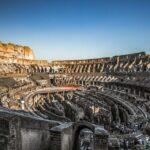
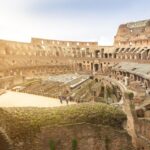
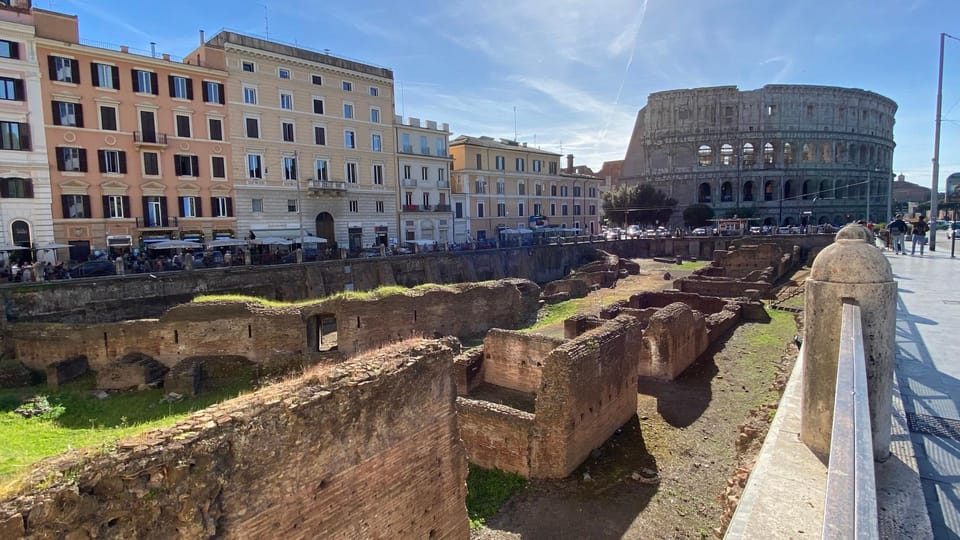
After the crypts, you’ll move toward the Colosseum zone and hear how the neighborhood connects to gladiator life. Here’s the key detail: you don’t go inside the Colosseum on this specific tour. Instead, you’ll get Colosseum sights from the outside, which keeps the schedule smooth while still giving you something to place on your mental map.
You’ll also pass the Ludas Magnus area, the gladiator training grounds. Even from outside, having a guide point out what to look for helps a lot. It’s one thing to see an old building in a photo. It’s another to understand where fighters trained, how games were staged, and what the place meant in daily Roman power.
Then you’ll hear about Emperor Nero’s Domus Aurea, the Golden House ruins. The famous palace concept can feel vague if you’ve only seen it in books, but the route and commentary make it easier to grasp what “gold” meant in terms of architecture and imperial display.
If you want the Colosseum as a long, inside-time visit, you’ll need a different tour for that. But if you want context and efficient routing, this approach works.
San Clemente al Laterano: four levels underground you can actually see
This is the part that surprises people who think churches are all the same. San Clemente al Laterano is a stacked time machine.
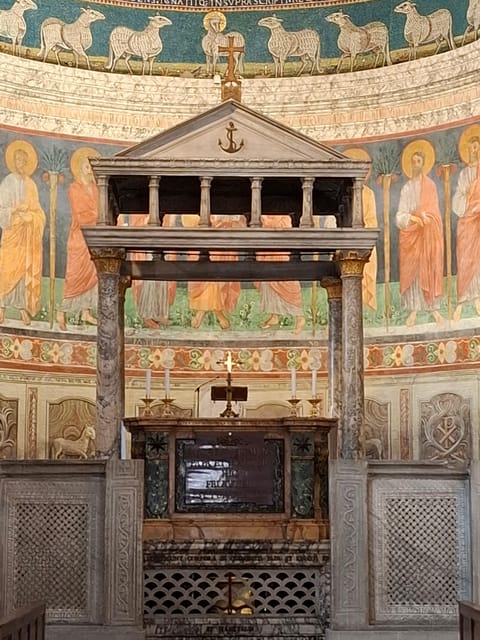
You’ll visit the basilica with guided time from the upper levels down to deeper layers. You go from a 12th-century basilica to a 4th-century church, and even further down to a 2nd-century Mithraic temple. That means you’re not just seeing religious art—you’re seeing how earlier Rome got reused, repurposed, and built over.
The guide points out what’s worth slowing down for:
- Byzantine mosaics
- Early Christian frescoes
- A 2,000-year-old fountain still flowing today
This stop is valuable because it reframes Rome’s “old vs. new” story. You don’t have to imagine the layers from a distance. You’re standing in them, and you understand why the city kept rewriting itself.
Another practical point: you’ll be descending through different levels, so keep an eye on your footing and pace yourself. The tour time is tight, but the structure usually helps you see the main visual highlights without getting lost.

Caravaggio’s masterpiece moment (and why it fits this route)
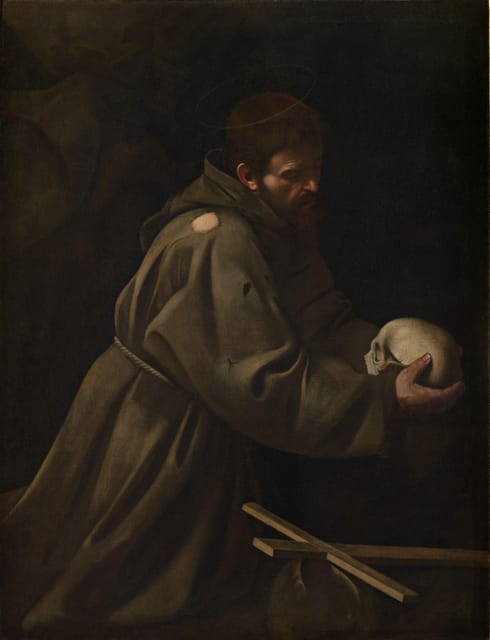
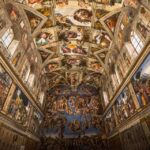
This tour includes viewing Caravaggio’s masterpiece. The exact moment you’ll see it depends on access, but the value of adding it here is timing. You’re already in an art-and-meaning mode from the crypts, and then the basilica adds visual storytelling in a different key—mosaics, frescoes, and later Baroque energy.
If you tend to get museum fatigue in Rome, this is a good compromise: you’re not trying to cover an entire gallery. You’re getting a guided art moment that connects with the broader spiritual and historical themes you’re already hearing.
It also helps that the guide is running the show. Caravaggio’s work can be intense on its own, but with a good explanation it lands faster—what to notice, why it mattered, and how it ties into the site’s layers.
Group size and guide style: why names come up
The tour is semi-private, limited to 8 participants, which is a big deal in Rome. It means you’re not shouting over a crowd, and you can ask quick questions without derailing the schedule.
The guide quality seems to be a consistent strength. Names that have come up include Peter, Heather, Divan, Mike, and John, and the common thread is personality plus storytelling. Some guides lean more humorous; others focus more on visual explanation and pacing. Either way, the goal is the same: help you see connections fast.
If you like tours that feel like a conversation—where you can track what you’re looking at and why—it’s a good match. If you prefer total quiet and self-guided wandering, you may find the narration a bit more active than you like.
Price check: is $61 good value for Rome?
For $61 per person and about 2.5 hours, this is one of the better “value per minute” deals—especially because tickets and entry are part of the package. You’re paying for three things at once:
- Skip-the-line access to the crypt experience
- A guided route that connects sites instead of dropping you at stops
- Included admissions for the Capuchin Crypts and the underground Basilica of San Clemente
The site density matters. In a typical independent plan, you might spend time figuring out logistics, walking between neighborhoods, and still missing the context that makes these places click. Here, the guide handles the flow and you focus on absorbing the sights.
Is it the cheapest option? Probably not. But you’re getting more than standard “look and go.” For many people, this kind of structured visit is exactly how you keep Rome from turning into a blur.
Who should book this Bone Crypts & S. Clemente tour
This works especially well if:
- You like history with atmosphere, not just textbook dates
- You want Rome’s “dark side” without sacrificing art and meaning
- You’re short on time and still want more than one major underground experience
It’s not the best fit if you need step-free access. The tour is not suitable for mobility impairments or wheelchair users, and it involves moderate walking and descending through levels.
If you’re traveling with teens who enjoy stories and visuals, it can land well. The emotional tone is unique, but the experience is guided and framed, not just shock value.
Should you book Bone Crypts & S. Clemente?
Yes—if your Rome style includes guided meaning and you’re curious about the darker, stranger side of the city. I’d book it when you want a tight route that still feels complete: Capuchin Crypts for mortality and art-by-design, then San Clemente for stacked Rome you can physically stand inside.
I’d think twice if you’re sensitive to bone-themed imagery or you strongly prefer free time over guided pacing. Also, if you rely on audio for everything, ask in advance how headsets are handled during the tour, since at least one guide setup has been noted as headset coverage limited to the bone-church portion.
FAQ
How long is the Bone Crypts & S. Clemente English tour?
The tour lasts about 2.5 hours.
Where do we meet the guide?
Meet your guide on the Face Side of the Triton Fountain in Piazza Barberini.
What’s included in the ticket price?
Tickets and an English guide are included, along with admission to the Capuchin Crypts and the Basilica San Clemente Underground, plus viewing of Caravaggio’s masterpiece and outside access to the Colosseum, Nero’s Domus Aurea ruins, and Ludas Magnus.
Do I need to buy tickets in advance?
No—skip-the-line entry and admission are included, so you won’t need to purchase separate tickets for the included sites.
Is this tour suitable for wheelchair users or mobility impairments?
No. It is not suitable for people with mobility impairments or wheelchair users.
Can I take photos with flash?
Flash photography is not allowed. Follow any photography instructions from your guide in specific areas.