REVIEW · ROME
Rome: Pasta, Ravioli & Tiramisu Cooking Class by Colosseum
Book on GetYourGuide →Operated by EnjoyCooking.com · Bookable on GetYourGuide
Fresh pasta in Rome is a win.
This hands-on class is all about making real food the Roman way: pasta from scratch, ravioli-style shaping, and tiramisu layers you can actually recreate later.
I really like two things here. First, the step-by-step coaching makes the tricky parts feel doable (rolling, cutting, filling, and getting sauces right). Second, the tiramisu isn’t treated like a mystery dessert—it’s built layer by layer, with you doing the work.
One thing to consider: if you have a nut allergy, this isn’t suitable, and gluten-free needs may not be possible because traces can show up in ingredients. Also, late arrivals aren’t guaranteed participation.
In This Review
- Key highlights you’ll feel right away
- Rome’s pasta-and-tiramisu class: what makes it worth your evening
- What you’ll cook: pasta dough, ravioli shaping, and real tiramisu layers
- First act: fresh pasta from scratch
- Second act: two handmade pasta dishes (one is ravioli)
- Third act: tiramisu from scratch, layer by layer
- The kitchen setup: why a small class changes everything
- Wine and the meal: turning lessons into a proper Rome night
- Price and value: is $112.15 for 3 hours a good deal?
- Who this is for (and who should skip it)
- Practical tips so you don’t feel rushed or uncomfortable
- Should you book this Rome pasta and tiramisu cooking class?
- FAQ
- How long is the Rome pasta and tiramisu cooking class?
- How big is the group?
- What dishes will I make?
- Are recipes included?
- Is wine included?
- Is the class taught in English?
- Does the price include transportation?
- What should I wear?
- What if the weather is bad?
- Can the class accommodate allergies or dietary restrictions?
- What’s the cancellation policy?
- Is the meeting point fixed?
Key highlights you’ll feel right away
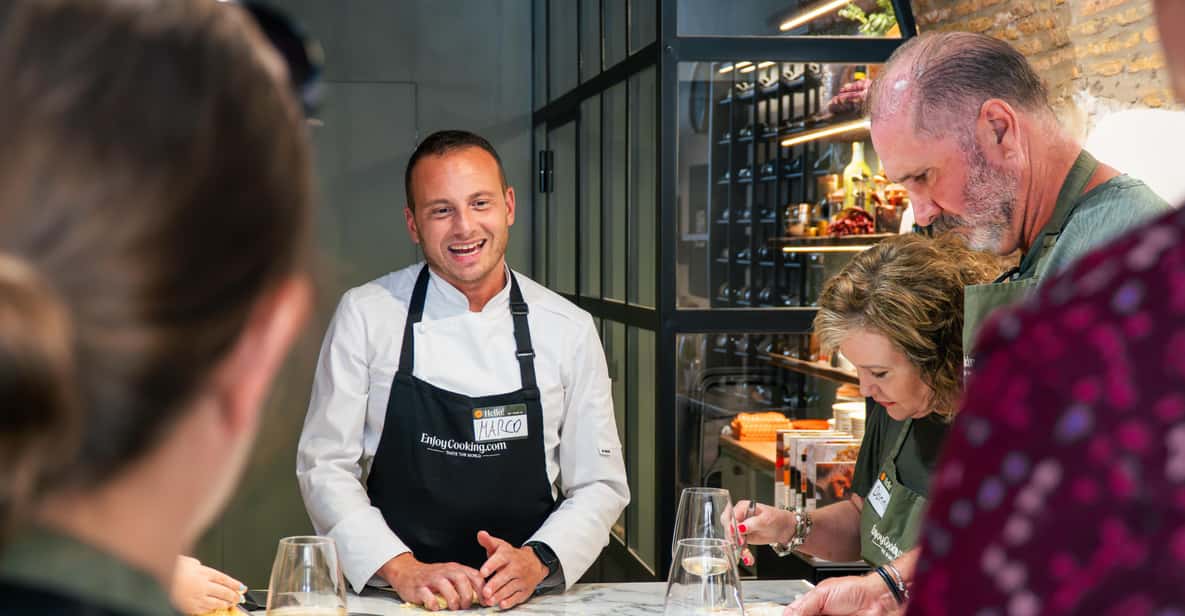
- Small group, max 10 people: more hands-on time and less waiting.
- Two homemade pasta dishes from scratch: dough, filling, shaping, and sauce tips.
- Tiramisu made from scratch: learn the creamy layers, not just assembly.
- Free-flowing Italian wine during the class and meal.
- Chef-led coaching in English with real personality (chefs like Marco, Max, and Alex show up in past sessions).
- Recipe book included so you can recreate the dishes back home.
Rome’s pasta-and-tiramisu class: what makes it worth your evening
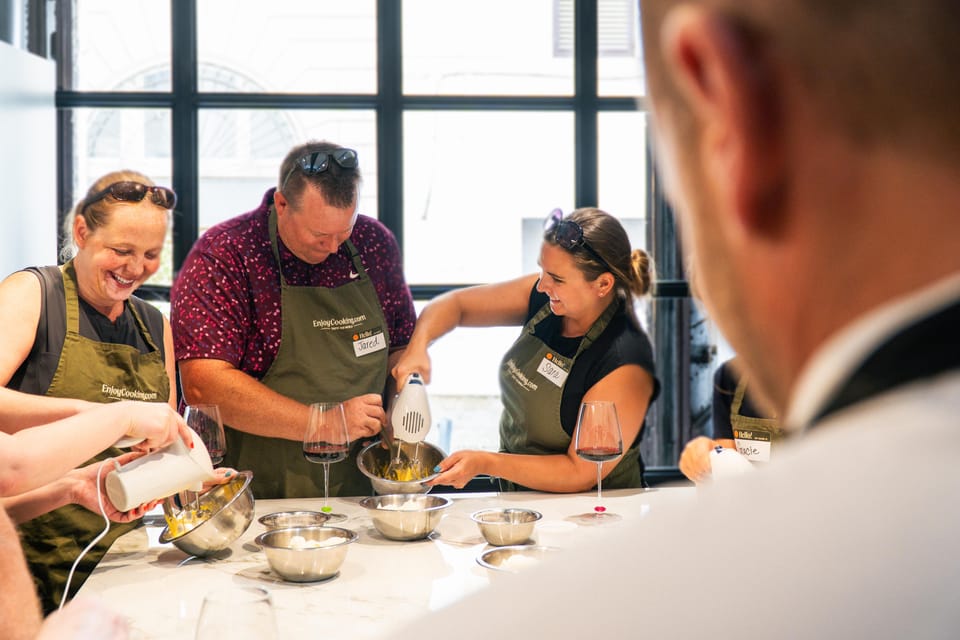
Rome can be full of “look at this, take a photo, move on” moments. This is different. You’ll spend your time doing something with your hands and then eating what you made. That turns a meal into a skill, and it sticks.
The vibe is very practical. You’re not just watching someone else work. You’re rolling dough, cutting, filling, and building tiramisu layers while an English-speaking chef guides you. Past sessions have had lively chefs like Marco, Max, and Alex, and the common theme is clear: they keep things fun while still teaching the real methods.
There’s also an adult-friendly touch. Wine flows freely during the experience, and at least some setups include the chance to pour it yourself at the table, with soft drinks also available. It’s the kind of setup where the night feels like a dinner party, not a lecture.
You can also read our reviews of more cooking classes in Rome


What you’ll cook: pasta dough, ravioli shaping, and real tiramisu layers
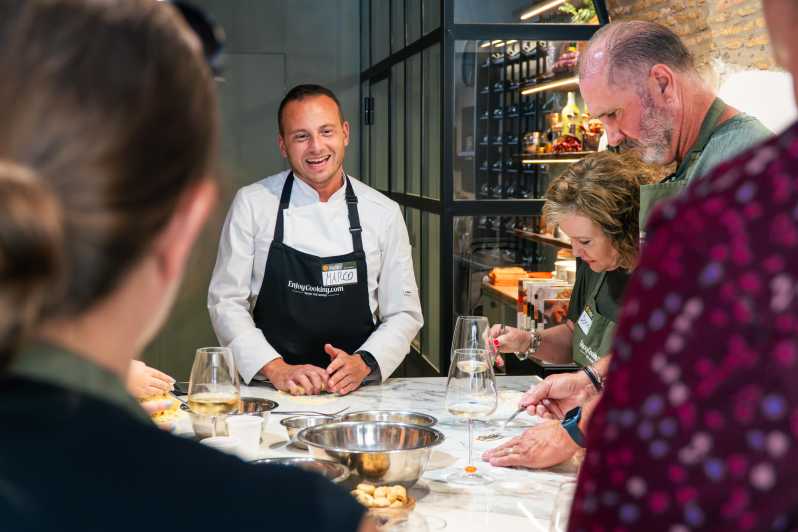
This class is built around three culinary wins: fresh pasta dough, two pasta preparations, and tiramisu from scratch.
First act: fresh pasta from scratch
You start by making handmade pasta dough. Expect a real focus on combining ingredients correctly and getting the texture right before you even think about rolling. The chef’s guidance matters here, because pasta is equal parts ingredients and feel—dough thickness, elasticity, and how you handle it affects everything that comes next.
Then comes the hands-on work: rolling, cutting, and shaping. The goal is to make your pasta look and act like pasta, not just like something doughy.
Second act: two handmade pasta dishes (one is ravioli)
The class includes two types of handmade pasta. One of them is ravioli—because ravioli dough, filling, and shaping are the headline skills here. You’ll learn how to handle the filling and how to seal and finish so you get a proper bite.
You’ll also cover sauces, not just pasta shapes. One of the best bits people mention is learning about fillings and sauces, not only the mechanics of making dough. That’s important for value: the chef isn’t just teaching you a trick, they’re giving you a way to season and finish so the final dish tastes like Italy.
Third act: tiramisu from scratch, layer by layer
Then you switch gears to dessert. Tiramisu here is not treated as store-bought assembly. You make each creamy layer from scratch, guided step by step. That’s the part that usually separates “I’ve eaten tiramisu” from “I can make tiramisu.”
Practically, focus on consistency and timing—tiramisu is all about texture. The class setup is designed so you can follow along and then taste your results right away.
You can also read our reviews of more tours and experiences in Rome
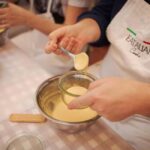
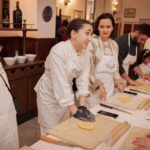
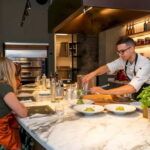

The kitchen setup: why a small class changes everything
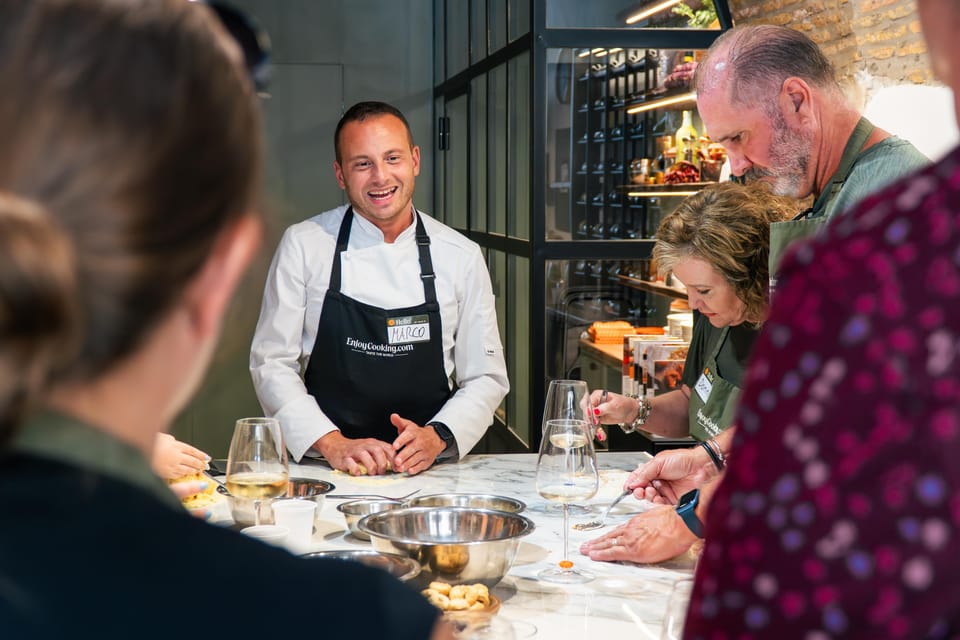
This is capped at 10 participants, and you feel it. In a larger cooking class, you end up waiting your turn and rushing the steps. Here, you get closer contact with the chef, which matters when you’re learning dough and assembly techniques.
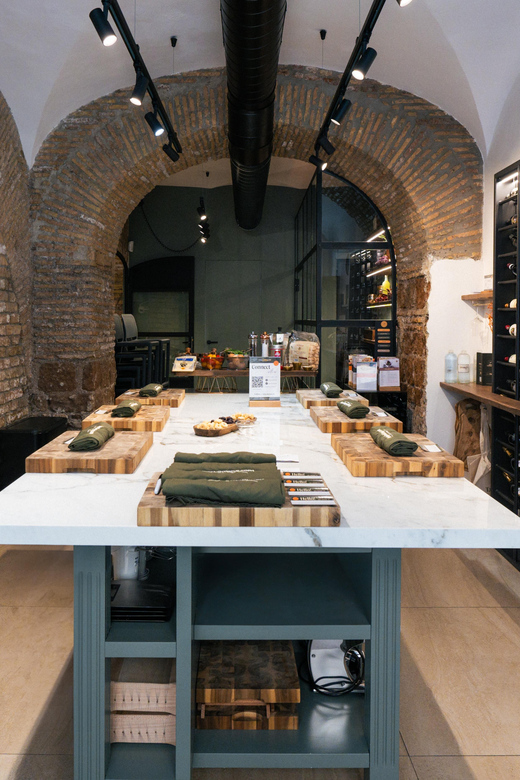
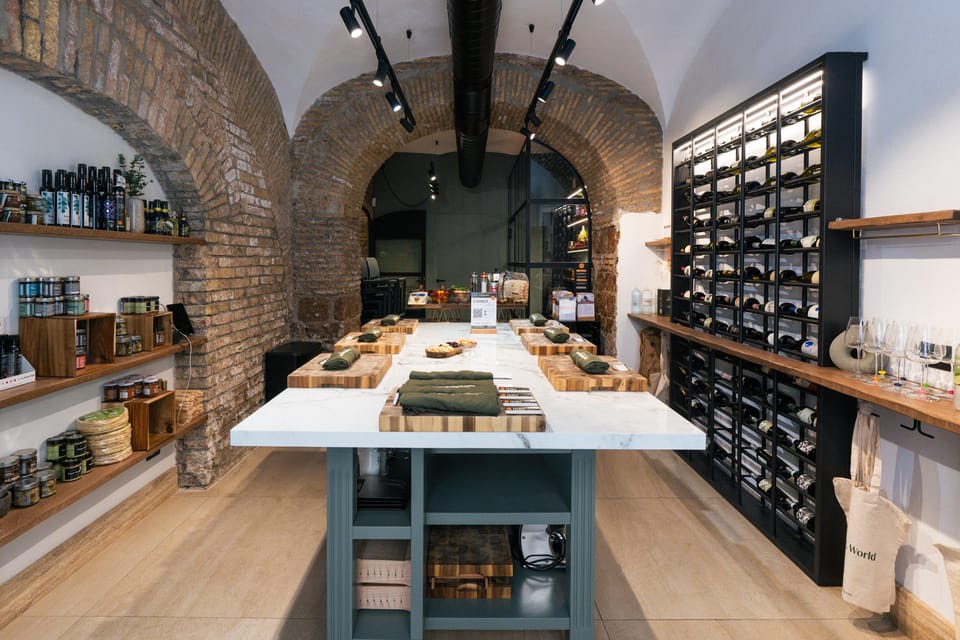
The kitchen environment is also described as nicely set up and well styled, which sounds fluffy until you realize what it means: you can move without bumping elbows, the tools are there when you need them, and you’re not constantly walking back and forth to figure out where stuff lives.
One of the more useful takeaways from past sessions: the chefs pay attention to sauce and filling technique as part of the lesson. That makes the class more than a “pasta-making demo.” You leave with a more complete mental model for how Italian home cooking comes together: dough + filling + sauce + finishing details.
Wine and the meal: turning lessons into a proper Rome night
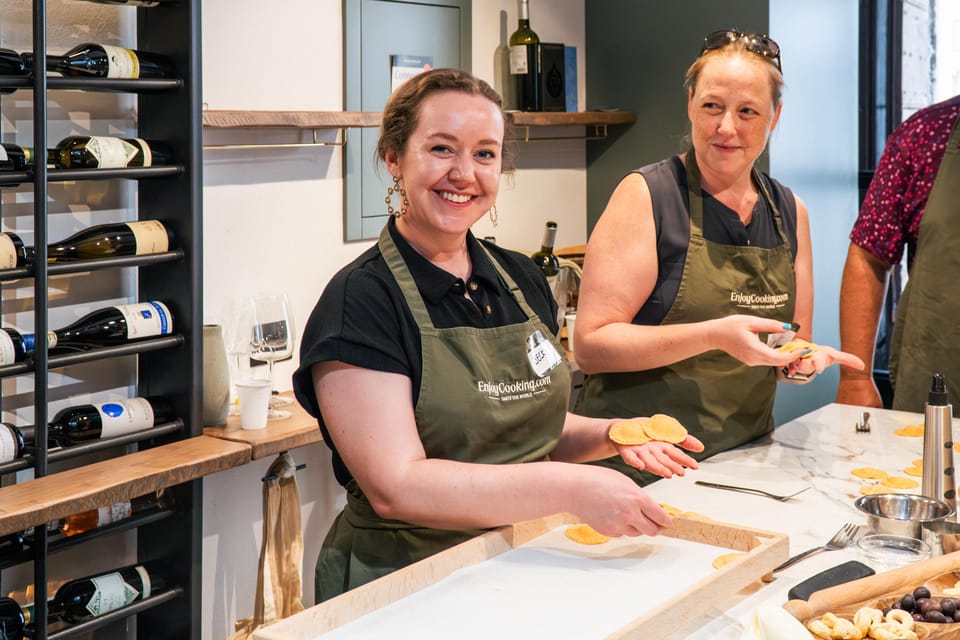
This experience includes free-flowing Italian wine. In practical terms, that means you’ll be relaxed enough to learn without feeling stiff, and you’ll have a built-in social rhythm as you cook and then eat.
Some past classes have a table setup where you pour your wine yourself, and there may be snacks placed in the middle of the table during the session. That’s a nice touch because it keeps energy up while you’re waiting for dough to be handled, sauces to come together, or desserts to set.
Then comes the best part: you eat what you made. That’s when the lesson clicks. Fresh pasta tastes different when you know the steps behind it. Tiramisu tastes different when you built the layers. You’re not just consuming; you’re reviewing your own work.
Price and value: is $112.15 for 3 hours a good deal?
At $112.15 per person for a 3-hour session, this class isn’t the cheapest way to spend an evening in Rome. But it isn’t trying to be. You’re paying for a few things that add up fast:
- Chef-led, hands-on instruction with a small maximum group size (so you’re not just watching).
- Two homemade pasta preparations plus scratch tiramisu, meaning multiple skill sets.
- Free-flowing Italian wine included, plus snacks in some setups.
- A recipe book so the experience becomes usable at home, not just a memory.
For me, the key value question is this: Will you actually use the recipes you take home? If you like cooking, or you want to impress people with a meal that’s clearly homemade, this is a solid use of money. If you only want the vibe and don’t care about learning, you might feel like it’s priced like a real class because it is.
Also, keep in mind transportation isn’t included. That part can shift the real cost depending on where you’re staying, so plan your timing accordingly.
Who this is for (and who should skip it)
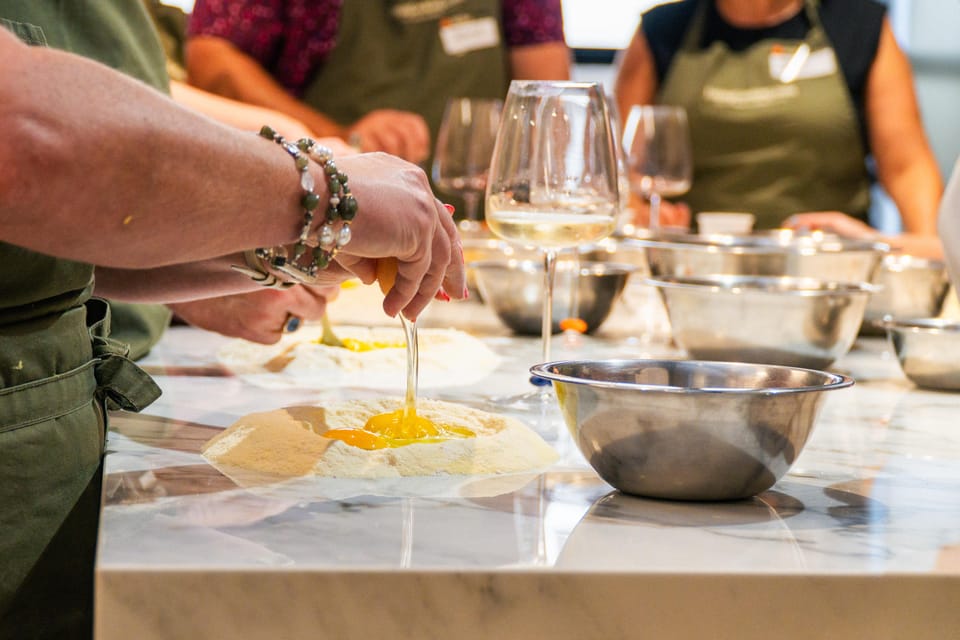
This class is a good match if you want a genuine “do the thing” experience in Rome. It also fits different cooking levels because the setup is small and personal.
You’ll likely enjoy it most if:
- You want to learn proper pasta technique and not just eat pasta.
- You’re excited by dessert and want to understand how tiramisu is built.
- You like interactive evenings with good food, wine, and a group size that stays manageable.
You should skip it if:
- You have a nut allergy (it’s not suitable).
- Your dietary needs are very specific. The class tries to accommodate some requests, but severe nut allergies and gluten-free diets may not be possible due to trace ingredients.
If you’re someone who gets stressed in the kitchen, don’t assume it will be chaotic. The chef-guided pace and small group size are exactly what keep it from feeling like a frantic cooking challenge.
Practical tips so you don’t feel rushed or uncomfortable
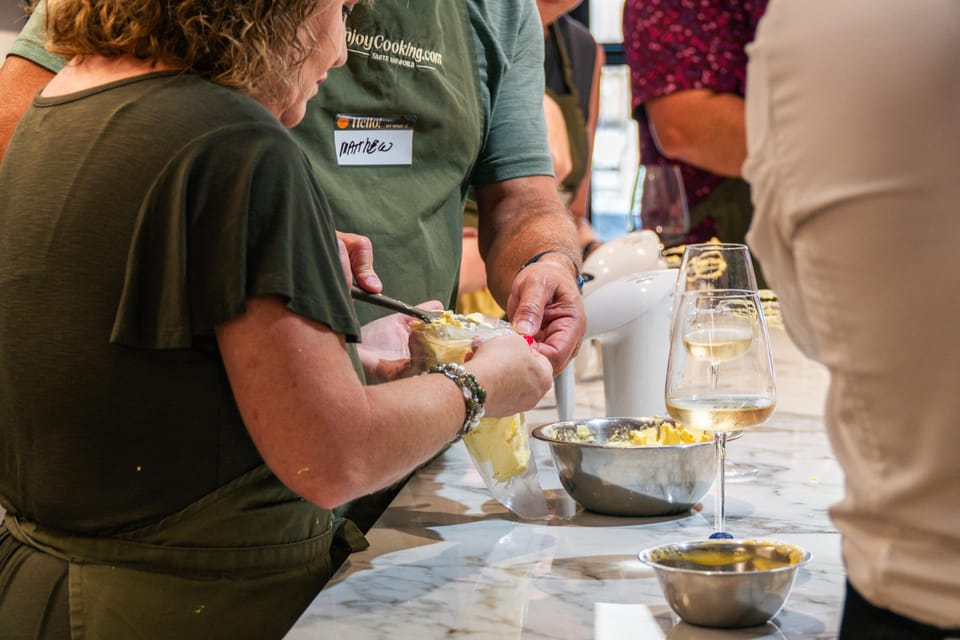
A few things will make your night smoother:
- Wear clothes you don’t mind getting flour on. Pasta dough can be messy.
- Arrive on time. Late arrivals aren’t guaranteed participation.
- Tell them about allergies and dietary restrictions right after booking. They try, but some restrictions can’t be guaranteed because ingredients may contain traces.
- Expect it to run in any weather. This is indoor cooking, and they proceed regardless.
Also, since the class is only 3 hours, treat it like a full dinner plan. Don’t schedule something right on top of it unless you like living dangerously.
Should you book this Rome pasta and tiramisu cooking class?
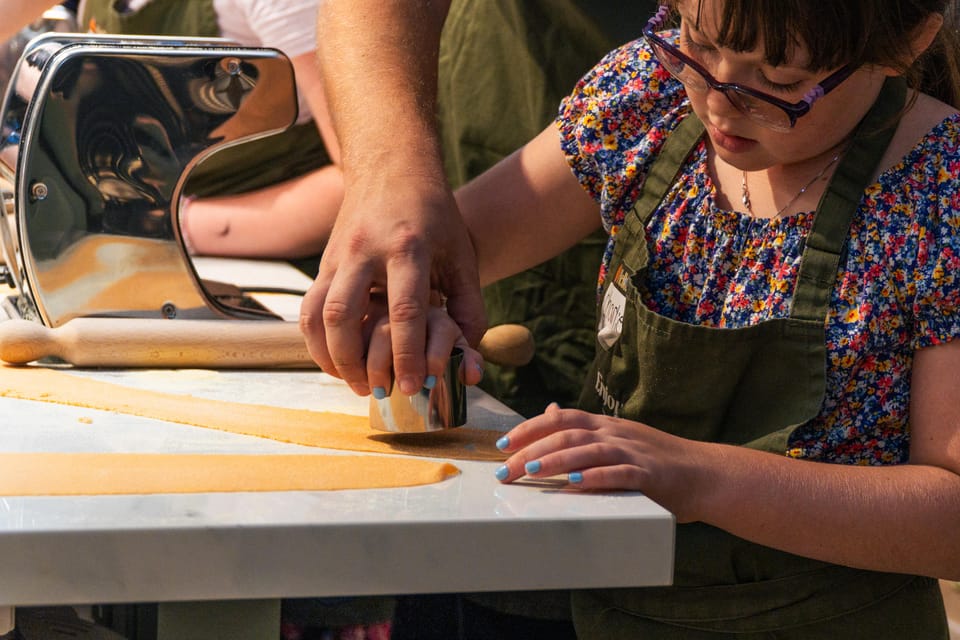
If you want an experience that’s hands-on, recipe-based, and actually teaches you skills you’ll use again, I’d book it. The biggest reason is simple: you’re not only tasting Rome. You’re practicing how to make pasta and tiramisu, step by step, with close attention from an English-speaking chef and a group capped at 10.
Book it now if:
- You love the idea of making ravioli and scratch tiramisu.
- You want a fun evening with free-flowing wine and a meal that’s part of the lesson.
- You care about taking home a recipe book you can use.
Skip it if:
- Nut allergy is in the picture.
- You’re expecting a light, walk-around activity with no cooking work.
- You need fully guaranteed gluten-free accommodations (trace ingredient issues can make that difficult).
Bottom line: for $112.15, you’re buying instruction plus a real dinner you cooked yourself. In Rome, that’s one of the best ways to turn time into something you can keep.
FAQ
How long is the Rome pasta and tiramisu cooking class?
The class runs for 3 hours. Start times vary, so check availability for the slot you want.
How big is the group?
It’s a small group, limited to a maximum of 10 participants.
What dishes will I make?
You’ll make two types of handmade pasta from scratch and a tiramisu, also made from scratch.
Are recipes included?
Yes. You’ll get a recipe book with the recipes for what you cook.
Is wine included?
Yes. The experience includes free-flowing Italian wine.
Is the class taught in English?
Yes, the instructor is English-speaking.
Does the price include transportation?
No. Transportation is not included.
What should I wear?
Wear appropriate clothing for cooking, since you’ll be working with dough.
What if the weather is bad?
The activity proceeds regardless of weather conditions.
Can the class accommodate allergies or dietary restrictions?
They ask you to inform them right after booking. They try to accommodate needs, but some restrictions may not be possible, including severe nut allergies and gluten-free diets due to trace amounts in ingredients. The activity is not suitable for people with nut allergies.
What’s the cancellation policy?
You can cancel up to 24 hours in advance for a full refund.
Is the meeting point fixed?
The meeting point may vary depending on the option booked, and the activity ends back at the meeting point.