REVIEW · ROME
Rome: Castel Sant’Angelo Skip-the-Line Entry Ticket
Book on GetYourGuide →Operated by TicketWithUs · Bookable on GetYourGuide
Skip the queue, then soak up Roman power. This skip-the-line ticket gets you into Castel Sant’Angelo faster, so you spend less time pressed against a crowd and more time wandering through the fortress’s big-picture story. What I like most is the mix of eras, from Emperor Hadrian’s mausoleum to the papal rooms, plus the fact that you’ll get time for those famous viewpoints over the Tiber and toward St. Peter’s Basilica.
You’ll also appreciate the practical pacing. It’s set up for a small group (limited to 9), and the total visit is around 2 hours, which is a realistic window for seeing the main highlights without turning it into an all-day project. One thing to watch: there’s no live guide or audio guide included, so you’ll be relying on signage and whatever context you bring with you.
In This Review
- Key things to know before you go
- Why Castel Sant’Angelo deserves a skip-the-line ticket
- Entering Hadrian’s Mausoleum: the jump from Roman power to a fortress
- Fortress halls, frescoes, and art collections in a realistic 2-hour visit
- Papal rooms inside Castel Sant’Angelo: Vatican influence, Roman walls
- Terrace views over Rome: the best payoff for your time
- Small-group pacing: up to 9 people keeps things human
- Price and value: is $33 a smart deal?
- What’s included, and what you’ll need to do yourself
- Tickets, timing, and how to plan your visit day
- How to get the most out of Castel Sant’Angelo with no guide included
- Review snapshot: what people liked most
- Should you book this Castel Sant’Angelo skip-the-line ticket?
- FAQ
- How long does the Castel Sant’Angelo skip-the-line ticket last?
- What does the skip-the-line ticket include?
- Is there a live guide or audio guide included?
- What’s the group size?
- How much does it cost?
- How do I receive my tickets?
- Does it offer free cancellation?
- Can I reserve now and pay later?
- Will the tour start at a specific time?
Key things to know before you go
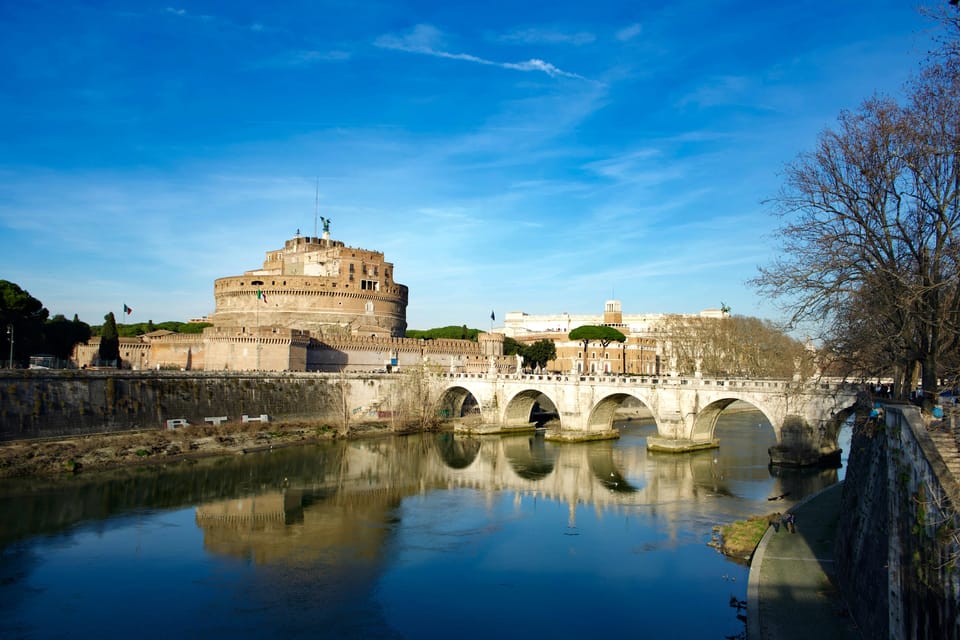
- Fast-track entry helps you avoid the longest waiting times and start exploring sooner.
- Hadrian’s mausoleum is the anchor of the visit, starting you in ancient Roman territory.
- Papal rooms connect Vatican-era use with the fortress’s later history.
- Terrace views give you a clear perspective across Rome, the river, and St. Peter’s Basilica.
- Self-paced setup means you’ll want to read signs closely if you don’t use an audio guide.
Why Castel Sant’Angelo deserves a skip-the-line ticket
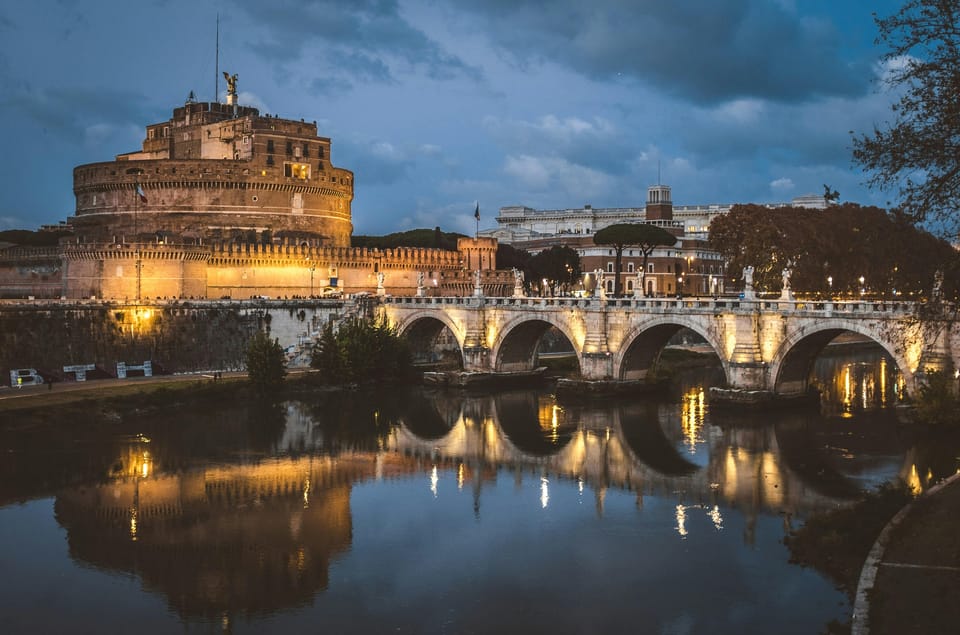
Castel Sant’Angelo is one of those Rome sites where the architecture does a lot of talking. The fortress looks like it was built to withstand trouble, but inside you get layers: Roman imperial power, fortress life, and papal presence. The place can attract a lot of same-day planning, and that can mean long lines if you arrive with general admission.
That’s where this ticket earns its keep. The promise here is simple: you get skip-the-line access, so your visit starts with momentum. Instead of losing your best light and energy to a queue, you can get into the monument and start walking through the big visual themes right away.
Also, Castel Sant’Angelo is compact enough that 2 hours can work well. You won’t leave feeling like you rushed every room, but you also won’t spend all day moving from chamber to chamber.
You can also read our reviews of more tours and experiences in Rome



Entering Hadrian’s Mausoleum: the jump from Roman power to a fortress
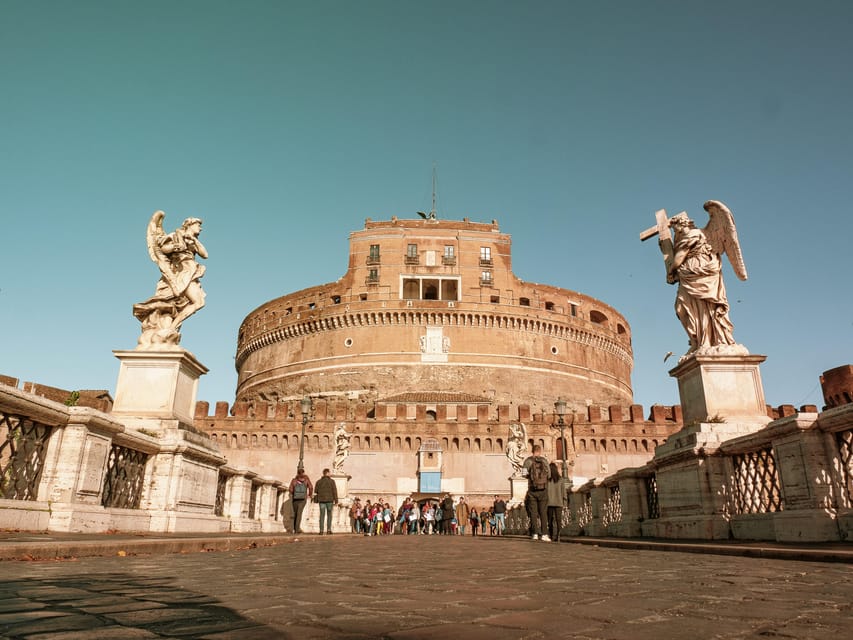
The experience starts the moment you enter, because Castel Sant’Angelo begins as something very Roman: the ancient mausoleum of Emperor Hadrian. Even if you only know the basics of Roman history, you can still feel the scale and intent. This isn’t a decorative stop; it’s a statement building.
From there, the fortress route makes sense. You’re not just looking at one era in isolation. You’re watching how a structure changes in purpose over centuries. The ticket includes access to the ancient mausoleum and the fortress, which is exactly what you want if your goal is to understand the site as a whole rather than treating it like a random museum stop.
If you’re traveling with kids, or you’re a museum-skipper who still wants the “wow” factor, this opening is a smart entry point. It’s dramatic and visually clear, which helps when you don’t have a guide explaining the layers in real time.
Fortress halls, frescoes, and art collections in a realistic 2-hour visit

Once you’re inside the fortress areas, the visit becomes a sequence of rooms and collections that connect the story through art and space. This is where the ticket’s 2-hour duration can be a win—if you use it the right way.
Here’s how I’d think about it:
- You’re looking for the main rooms, the standout frescoes, and the art collections that give you a feel for what mattered to the people using these spaces.
- You’re not trying to read every sign for 45 minutes per room.
The highlight list specifically points to frescoes and art collections, and that’s the core reason to choose a fast-track ticket at all. When you don’t have to fight for entry time, you can spend your energy on the interior features that you actually came to see.
One practical note: because there’s no live guide or audio guide included, your experience will depend more on your own pace. If you’re the type who stops often to read and absorb, you might want to keep an eye on the clock. If you prefer quick “see the highlight, then move on,” 2 hours should feel comfortably sized.
Papal rooms inside Castel Sant’Angelo: Vatican influence, Roman walls

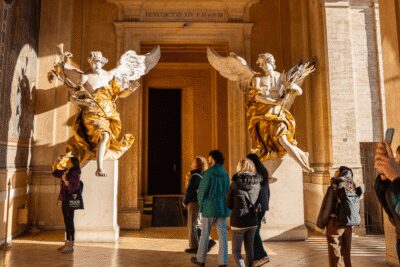
Castel Sant’Angelo isn’t just a Roman monument anymore—it was also used by the Vatican. That shift matters, and the ticket is built to include the papal apartments, so you can actually make that connection rather than just hearing about it in an abstract way.
What I like about this part of the visit is the contrast. You go from Roman imperial architecture into spaces connected to papal use. Even when you’re not a specialist in art history, you can usually tell when a space changes function: the emphasis in decoration, the layout, the kind of atmosphere the rooms create.
This is one of those “small number of highlights, big payoff” sections. If you want to get the overall meaning of Castel Sant’Angelo—why it was useful to different powers—you’ll want to slow down slightly here and take in what these rooms communicate.
If you’re hoping for a guided breakdown of who lived where and why certain rooms mattered most, you’ll need to supplement with your own knowledge (or plan to bring a pre-downloaded guidebook approach). Without a guide included, you can still get a lot out of it, but you’ll do more of the interpretation yourself.
Terrace views over Rome: the best payoff for your time
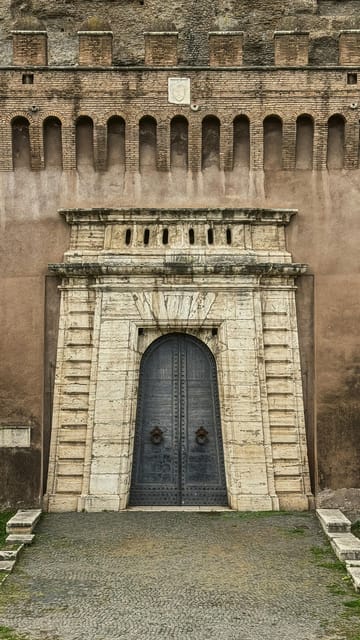
The terrace is the moment when Castel Sant’Angelo stops being only “a building” and becomes a vantage point. The ticket experience specifically calls out panoramic views over Rome and St. Peter’s Basilica.
This is the kind of payoff you want after skipping the line. If you arrive later and the light is fading, you can lose part of the magic. With fast entry, you’re more likely to catch Rome looking like Rome—sunlit rooftops, the geometry of the river area, and a clear sightline toward the basilica.
In a self-paced visit, terraces are where you should spend your best attention. Don’t rush past it just because you’ve “seen enough.” Give yourself a few minutes to look, reposition, and take in the relationships between the landmarks. It turns a museum visit into something more memorable.
Also, since you’re not being herded by a guide schedule, you can linger as long as your energy allows. That’s a quiet advantage of this format.
You can also read our reviews of more tours and experiences in Rome





Small-group pacing: up to 9 people keeps things human

This is listed as a small group limited to 9 participants. That number matters. Castel Sant’Angelo can feel crowded, and when groups get large, you end up trapped in the back-and-forth of other people’s pace.
A smaller group tends to make the experience easier to manage:
- you can move through rooms without constantly stopping and starting
- you’re less likely to feel separated from the main flow
- you can choose moments to slow down for frescoes and views
If you’re sensitive to crowds or you don’t want your visit decided for you, this size is a solid fit.
Price and value: is $33 a smart deal?
At about $33 per person, this ticket isn’t “cheap,” but it can be good value if you care about time and getting into the site without delays. The value isn’t just the right to enter—it’s the skip-the-line advantage plus a visit length that’s practical for most itineraries.
Ask yourself two questions:
- How much is your time worth on your Rome day?
If you’re trying to fit several sights together, saving entry time can protect your schedule.
- Do you want the highlights without adding an extra half-day to your plan?
The 2-hour duration is designed for that style of sightseeing.
Where the price may feel less justified is if you don’t mind waiting in lines and you’re happy to wander at your own pace without caring about timing. In that case, the skip might not matter as much.
But if you’re the kind of traveler who wants to maximize your sightseeing window—and you want those terrace views without arriving late—this ticket can make your visit feel smoother.
What’s included, and what you’ll need to do yourself
This ticket includes skip-the-line access plus entry to the ancient mausoleum and fortress. What it does not include is a live guide or an audio guide.
So you should adjust expectations. You’re getting the entry advantage and the freedom to explore, but you’re not getting a person narrating the story room by room.
If you’re okay with that, you’ll likely enjoy the flexibility. You can move at your pace, pause where you want, and spend extra time where the building itself gives you enough to “read.”
If you prefer guided context, consider pairing this visit with:
- a short pre-read before you go
- photos taken first, then captions later
- a quick self-made checklist: mausoleum, main fortress rooms/art, papal apartments, terrace
The site can reward this style of travel because the building’s transitions—Roman to papal—are visible even without a guide.
Tickets, timing, and how to plan your visit day
Your tickets are sent to you by email one day before the experience. The duration is around 2 hours, and starting times depend on availability, so you’ll want to check the schedule when you book.
Since the meeting point and exact timing details aren’t provided here, the best approach is to treat the email instructions as your source of truth. Castles and museums in Rome often run on set entry windows, and getting the start time right is how you protect your “skip-the-line” benefit.
If you like practical planning, aim to visit Castel Sant’Angelo earlier rather than later. You’ll generally have more flexibility in how you pace the terrace and the interior rooms, and you avoid the feeling of rushing at the end.
How to get the most out of Castel Sant’Angelo with no guide included
Because there’s no live guide or audio guide included, you’ll get the best results if you travel with a small plan in mind. Here’s a simple strategy I recommend for this specific kind of visit:
- Start at the mausoleum area and get oriented first. You want to understand what part of the building you’re in before the rooms become a blur.
- When you reach frescoes and art collections, decide what “good enough” looks like. Look for the standout pieces and don’t force yourself to read everything.
- Prioritize the papal apartments if your main goal is seeing how Vatican-era use changed the space.
- Save your slowest pace for the terrace views. That’s where the visit becomes memorable.
Also, since the visit is self-paced, don’t let other people’s speed set yours. If you’re at a room where you want time, take it. If you’re in a space that’s less interesting to you, move on and save your energy for the next highlight.
Review snapshot: what people liked most
This ticket holds a 4.3 rating based on 3 reviews. The written feedback is very positive, including a top-score comment saying todo excelente. That matches the core reasons you’d buy this type of entry: fast access, a satisfying overview of the fortress and papal rooms, and a visit that feels worth the time.
Given the limited number of comments, I’d treat the rating as supportive rather than conclusive. Still, the overall theme lines up with what you’re actually buying: smooth entry and the main Castel Sant’Angelo highlights without making you work around crowds.
Should you book this Castel Sant’Angelo skip-the-line ticket?
I’d book it if you want a short, high-impact visit that protects your schedule. This is especially true if you’re juggling other Rome stops and you hate losing time to lines. The combination of skip-the-line entry, the mausoleum-to-fortress flow, papal apartments, and terrace views is exactly the sort of “main story in one visit” setup that makes Rome days easier.
I’d think twice if you strongly prefer guided interpretation and you don’t like reading signs. With no live guide or audio guide included, you’ll do more of the context-work yourself.
If you’re comfortable traveling at your own pace and you want your ticket to do the heavy lifting on timing, this is a solid choice.
FAQ
How long does the Castel Sant’Angelo skip-the-line ticket last?
The visit is listed as 2 hours. Starting times vary, so you’ll want to check availability when you book.
What does the skip-the-line ticket include?
You get skip-the-line access and entrance to the ancient Roman mausoleum and fortress areas of Castel Sant’Angelo.
Is there a live guide or audio guide included?
No. A live guide and an audio guide are not included.
What’s the group size?
The experience is a small group limited to 9 participants.
How much does it cost?
The price is listed at $33 per person.
How do I receive my tickets?
Your tickets are sent to you by email a day before the experience.
Does it offer free cancellation?
Yes. You can cancel up to 24 hours in advance for a full refund.
Can I reserve now and pay later?
Yes. The option is listed as reserve now & pay later, meaning you can book your spot without paying today.
Will the tour start at a specific time?
It depends on availability. You’ll need to check available starting times when booking.