REVIEW · ROME
Full day in Rome with Jubilee path and Pope Francis Tomb
Book on GetYourGuide →Operated by Forever holidays · Bookable on GetYourGuide
Four Holy Doors in one long day.
This Rome trip works because it bundles the big-picture classics with the more spiritual Jubilee path experience, plus a visit connected to Pope Francis. You’ll be guided through Rome’s top sights and then walk through the four holy doors, all while returning to Florence the same day by train. The day is built for easy sightseeing, not extra logistics.
I like two things most. First, the mix of headline landmarks (Colosseum, Trevi Fountain, Spanish Steps, Pantheon, Piazza Navona, St. Peter) with the Jubilee holy doors moment gives you contrast in one visit. Second, I love that transportation is handled with train between Florence and Rome, and you still get a little breathing room with free time in the city.
One drawback to keep in mind: station meetups can be tricky, and this operator specifically asks you to contact them the day before to confirm the meeting point and time. I also saw reports of guides not being where they were supposed to be, so treat confirmation as non-negotiable.
In This Review
- Key highlights and what you’ll notice
- A one-day Rome plan from Florence (without the stress)
- Jubilee Holy Doors: what this part of the day is really like
- The Tomb of Pope Francis: a focused stop you don’t have to plan
- The guided highlights loop: Colosseum, Trevi, Spanish Steps, Pantheon, Navona, St. Peter
- Stop-by-stop: what to expect during the Rome guided hours
- Getting oriented and seeing the big postcard sights
- Colosseum and Trevi Fountain: iconic, but manage your expectations
- Spanish Steps and the Pantheon: good for quick immersion
- Piazza Navona: a lively break in the middle
- St. Peter and the holy doors flow
- Rome free time (two hours): how to use it well
- Train day reality: what 8.5 hours feels like
- Price and value: what $180.80 buys you (and what it doesn’t)
- Guide quality is the swing factor (what I’d do to protect your day)
- Languages, guide setup, and what you can expect to hear
- Who this Rome tour suits best
- Should you book it?
- FAQ
- How long is the tour?
- Where does the tour start and end?
- Is train transport included?
- Is food included?
- What languages are available?
- What’s the meeting-point process?
Key highlights and what you’ll notice
- Four holy doors included as part of the Jubilee path, not just a quick pass-by
- Tomb of Pope Francis is built into the day, so it’s not something you have to plan separately
- Main Rome landmarks are packed in with a guide to keep walking efficient
- Two hours of free time gives you a chance to reset and roam at your own pace
- Train + guided day structure means you’re not stuck coordinating transit on your own
A one-day Rome plan from Florence (without the stress)
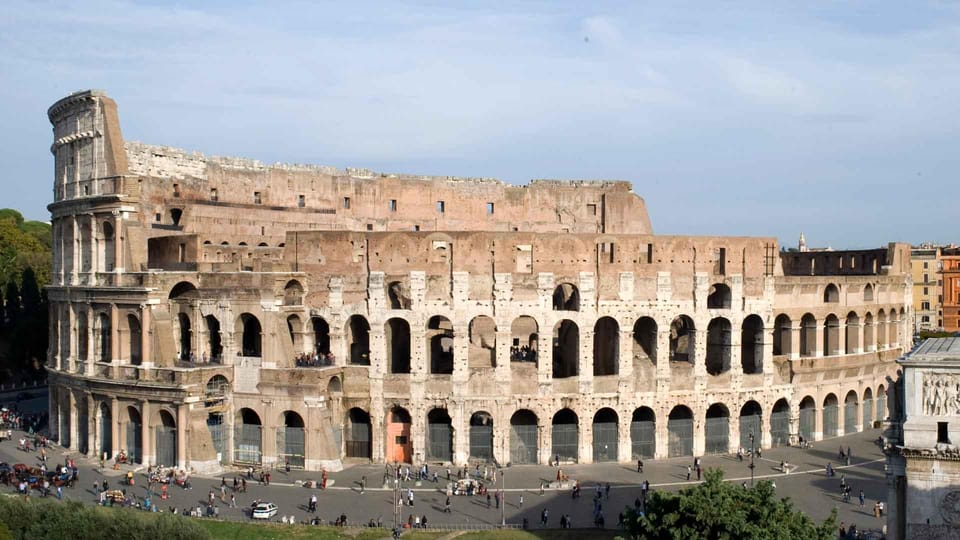
This tour is designed like a “greatest hits” day trip, but with two meaningful add-ons: the Jubilee path’s holy doors and the Tomb of Pope Francis visit. The schedule starts at Firenze Santa Maria Novella, then you take the train to Rome (about two hours). After that, you’re guided through Rome for roughly four hours, then you get two hours to explore on your own.
The practical win here is that you’re not trying to stitch together transport, entry timing, and guide logistics across multiple stops. You do need to be comfortable with a full day and some walking, because you’re seeing a lot in a limited window. If you like your days structured and efficient, you’ll enjoy this format.
You can also read our reviews of more tours and experiences in Rome
Jubilee Holy Doors: what this part of the day is really like
The headline feature is straightforward: you’ll walk through the four holy doors as part of the Jubilee path. That means the tour isn’t only about photos of famous places. It includes a spiritual ritual moment that changes the pace from classic sightseeing to something more reflective.
What I think makes this special for visitors is the way it adds intention to the day. Rome can feel like a checklist if you’re not careful, especially when you’re crisscrossing between major sights. Here, you get a clear “event” inside the sightseeing flow, so the experience doesn’t blur together.
A consideration: moments like this can mean standing, moving with the group, and following instructions. If you prefer freedom at every second, you may find you’re waiting at certain points. Still, the payoff is that it’s handled for you, rather than you figuring out where to go and when on your own.
The Tomb of Pope Francis: a focused stop you don’t have to plan
This itinerary includes a visit to the Tomb of Pope Francis, which is a big deal for anyone traveling for faith and history at the same time. The value is simple: you get the tomb stop built into the guided portion, so you’re not trying to reverse-engineer it while you’re in a crowded city.
In a practical sense, having it during the guided block matters because timing in Rome is real. You’ll have a guide who can help you stay oriented and move with the group without losing time. And if you want to ask questions, this is one of those stops where a good guide can make the experience feel more personal.
Just note one thing: your day doesn’t list meals as included, and that can affect how you feel later. If you know you get tired when hungry, plan to buy something simple during the Rome free time.
The guided highlights loop: Colosseum, Trevi, Spanish Steps, Pantheon, Navona, St. Peter
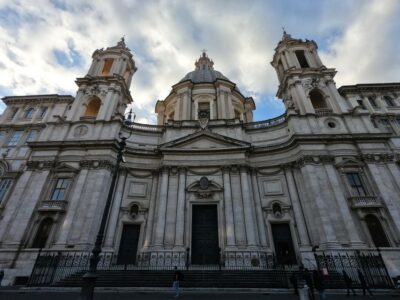
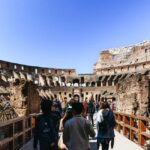
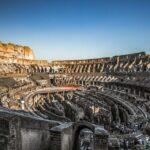
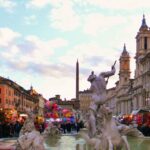
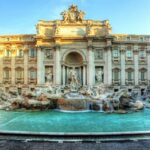
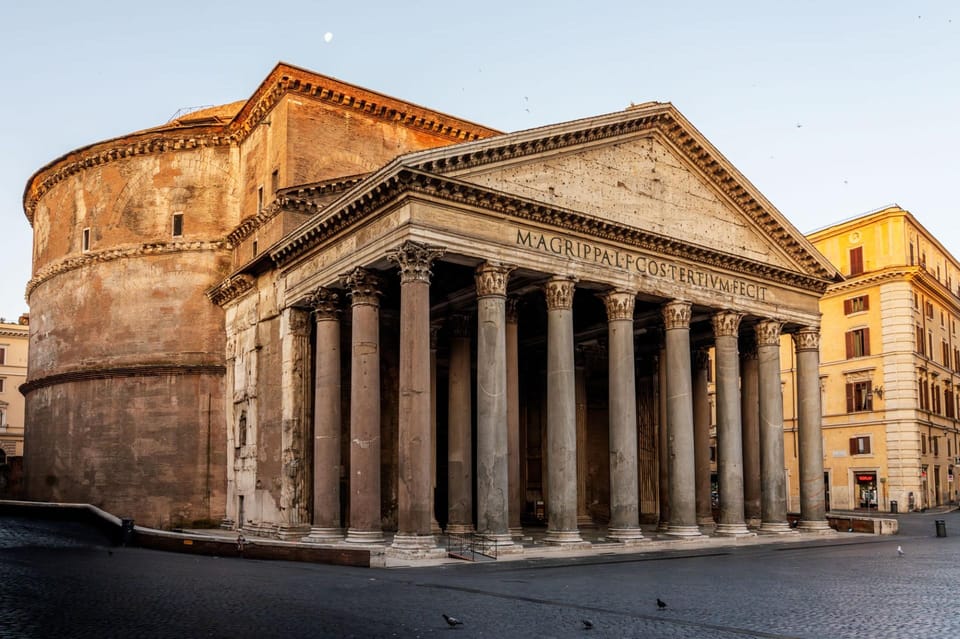
The day’s “classic Rome” portion is built around a guided loop of major landmarks. You’ll see the Colosseum, Trevi Fountain, Spanish Steps, the Pantheon, Piazza Navona, and St. Peter. That’s a lot of top-tier sights in a limited guided window, and the whole point is that the guide keeps you moving without turning it into chaos.
Here’s how to think about this part so it works for you:
- You won’t be lingering for hours at every landmark. The guide’s job is to get you to the next major stop efficiently.
- You’ll likely see the best-known views from the areas tourists typically gather. If you want quieter streets, you’ll use your free time for that.
If you love big, recognizable landmarks, this is your kind of day. If you prefer slow travel and lots of unplanned detours, you’ll need to compensate by making your two hours of free time count.
You can also customize part of the tour by talking with the guide, which is a nice perk. If there’s one place you care about most, ask early—then you can shop for attention where it matters to you.
Stop-by-stop: what to expect during the Rome guided hours

Getting oriented and seeing the big postcard sights
In the guided portion, expect the tour to function like a moving map. The guide will connect what you’re seeing to stories and context, and you’ll get practical help with where to walk and where to look. That’s especially useful in Rome because landmarks are close enough to hop between, but confusing enough to waste time if you’re alone.
Colosseum and Trevi Fountain: iconic, but manage your expectations
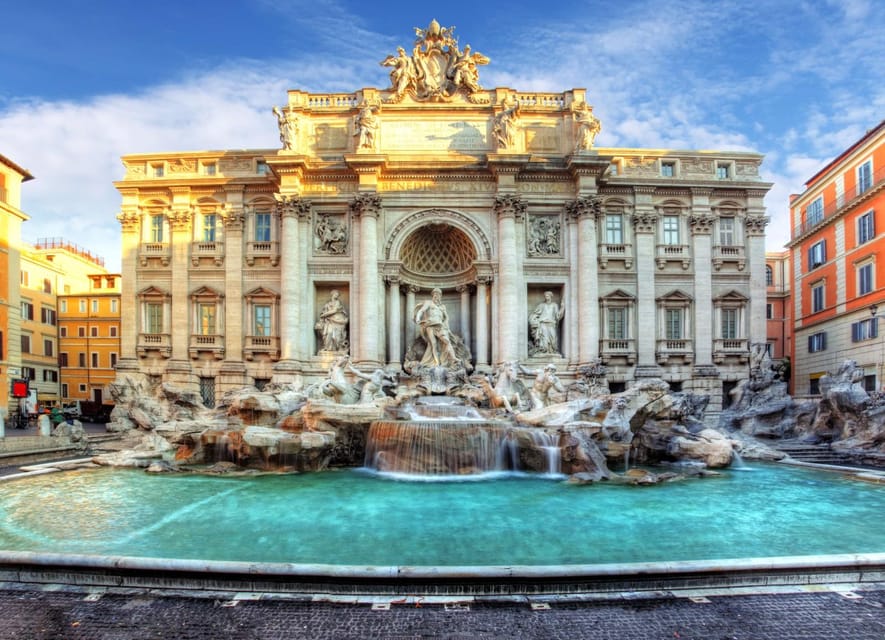
These are obvious choices, but they can also be crowded. If you go in expecting a calm, private visit, you’ll be disappointed. Instead, think of this stop as a “Rome signature” moment—see it, take photos, keep moving, then enjoy the rest of the day.
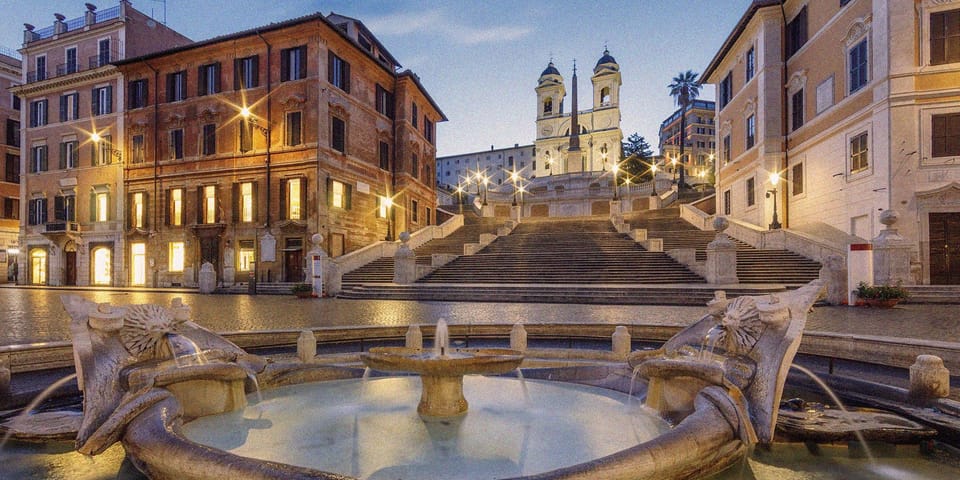
Spanish Steps and the Pantheon: good for quick immersion
These stops tend to be visually satisfying fast. You can get a lot out of them even without long stays, because the architecture does much of the work for you. When the guide points out specific angles or details, you’ll get more value from a short stop.
Piazza Navona: a lively break in the middle
Piazza Navona often feels different from the grand ruins-and-fountains vibe. It’s a change of scenery, and it’s a nice checkpoint during a packed day. Use the guided time to get your bearings, then use free time to go deeper if it calls to you.
St. Peter and the holy doors flow
The day culminates with the spiritual program, including four holy doors and the Tomb of Pope Francis visit. This is where the tour shifts from sightseeing mode to a more structured experience. Plan mentally for a day that moves from streets to sacred spaces.
Rome free time (two hours): how to use it well
After the guided portion, you’ll have about two hours of free time in Rome. That’s not enough time to start a whole new plan, but it is plenty of time to do one smart thing: pick your favorite area from earlier and return to it slower.
My favorite way to use a short free-time block is to:
1) grab water and a snack (since meals aren’t included),
2) walk to a view you liked during the tour, and
3) slow down for photos without the pressure of group pacing.
Because the tour includes a lot of top sights, your best free-time move is usually repetition with better timing. Rome is the kind of place where a second look often beats the first.
Also, if you learned something specific from the guide during the morning/afternoon portion, use free time to connect that fact to what you see on the ground. That’s how a guided day turns into real memory, not just a list of places.
Train day reality: what 8.5 hours feels like
The total duration is about 8.5 hours, and the itinerary includes train time between Florence and Rome plus a guided block plus free time. That means you’ll likely feel “time-packed,” not “time-flexible.” It’s ideal for a first Rome day from Florence, especially if you’re short on days in the region.
You’ll also want to think about comfort. You’ll be walking and moving through busy areas. Wear shoes you trust, and keep your essentials easy to reach. When you’re dealing with crowds and transitions (train station to sightseeing to sacred spaces), small comfort choices make the day smoother.
Price and value: what $180.80 buys you (and what it doesn’t)
At $180.80 per person, the value is mainly in two areas: you’re paying for train transport between Florence and Rome, and you’re paying for a guided experience for the full day. For many people, that’s cheaper and less stressful than trying to coordinate everything separately, especially on a day with major planned stops.
What’s not included is also clear: no food is served. That means you should budget for snacks or a simple meal during the day, likely during the two hours of free time. If you ignore this, the cost can creep up, and you’ll feel it later in the afternoon.
If you’re the kind of traveler who wants everything organized, this price can feel fair. If you already know you can handle public transport easily and you want to explore at your own pace, you might decide that this is more structure than you want.
Guide quality is the swing factor (what I’d do to protect your day)
One thing that stands out from the real-world experience: guide reliability and meeting-point clarity can make or break the day. This operator tells you to contact them the day before to confirm the meeting point and time. Do it.
When you do, you’ll reduce the risk of arriving at the wrong corner inside a major station. And since the tour starts at Firenze Santa Maria Novella, you’ll want that confirmation to be crystal clear before you buy anything or commit to a specific platform area.
If you’re traveling with limited buffer time, I’d also set a personal rule: be early to the meeting point, even if everything seems to match the message you received. Stations move people fast, and “close enough” often isn’t close enough.
Languages, guide setup, and what you can expect to hear
You’ll have a live guide in English and Spanish. There’s also an audio guide included for German. If you speak one of those live languages, you’ll likely get more out of the day because you can ask questions during the walking portions.
This matters most during the Jubilee and tomb segments, where context can turn a visit from seeing to understanding. Even when you’re not asking questions, listening to a guided explanation helps you notice details you might miss while focusing on crowds and timing.
Who this Rome tour suits best
I’d point this tour toward travelers who:
- want a first-time Rome day from Florence without juggling logistics
- like seeing major sights with a guide rather than planning stop by stop
- are specifically interested in the Jubilee path and the Tomb of Pope Francis
- are okay with a structured, high-energy day and a short free-time window
If you’re a slow traveler who wants hours at a single museum or neighborhood, this might feel too rushed. If, on the other hand, you’re thinking, I want to hit the big stuff and also include something meaningful, this tour matches that goal.
Should you book it?
Book it if you want a guided, one-day Rome hit that includes four holy doors plus the Tomb of Pope Francis, and you like knowing transport is handled with the train from Florence. The $180.80 price makes sense when you value both organization and guided time, especially when meals aren’t included and you’ll plan to buy your own food.
Don’t book it (or at least be extra cautious) if you hate station meetups and you’re the type who needs everything to be effortless. In that case, only proceed if you will contact the company the day before and arrive early enough to handle confusion.
If you do book, your best move is simple: confirm the meeting point the day before, show up early, wear good walking shoes, and use the two hours of free time to revisit the spot you liked most.
FAQ
How long is the tour?
The duration is listed as 8.5 hours, and you should check availability to see the starting times.
Where does the tour start and end?
It starts at Firenze Santa Maria Novella and ends back at the same meeting point.
Is train transport included?
Yes. Transportation by train between Rome and Florence is included.
Is food included?
No. Unfortunately, no food is served on this tour.
What languages are available?
The live tour guide is available in English and Spanish, and an audio guide is included for German.
What’s the meeting-point process?
The day before the tour, the company sends information about the meeting point and time, and you are advised to contact the company to confirm it.