REVIEW · ROME
Ostia Antica: Archaeological Guided Private Tour
Book on GetYourGuide →Operated by Blue Cat Tours · Bookable on GetYourGuide
Roman ruins have a special kind of clarity here.
Ostia Antica is huge, but this private tour keeps it focused, walking you through the city’s main bones while an expert guide explains what you’re actually looking at. You get helpful graphic reconstructions, so the site feels less like random stones and more like a lived-in place that once buzzed at the mouth of the Tiber.
What I like most is the way the tour hits the big public landmarks and ties them to everyday behavior. You’ll see the Capitolium looming over the forum area, then move from there to spaces that show how people really ate, worked, shopped, and used public facilities. One possible drawback: it’s still a walking tour, and in winter the mosaic floors can be covered for preservation, so you won’t see them.
In This Review
- Quick hits
- Ostia Antica: Why a 2-Hour Private Walk Is a Big Deal
- Decumanus Maximus and the Baths of Neptune Mosaics
- Capitolium and Forum Square: Reading Roman Power in One Walk
- The Theater of Ostia and Marble Masks: Public Life Without the Guesswork
- Insulae, Domus, Shops, and Latrines: The Details That Make Ostia Feel Real
- What the $155.20 Per Person Price Gets You (and When It’s Great Value)
- Practicalities That Matter More Than You Think
- Who This Tour Suits Best
- Should You Book This Private Ostia Antica Tour?
- FAQ
- How long is the Ostia Antica archaeological private tour?
- Is this tour private?
- What language options are available?
- Are entry tickets included?
- Will I see the mosaic floors at the Baths of Neptune?
- Is food included in the tour price?
Quick hits
- Private guide, English or Italian, with a sign at the meeting point
- Skip-the-ticket-line entry plus tickets included
- Walk the Decumanus Maximus and learn what each major stop meant
- Capitolium + Forum Square to understand Roman power and religion in one sweep
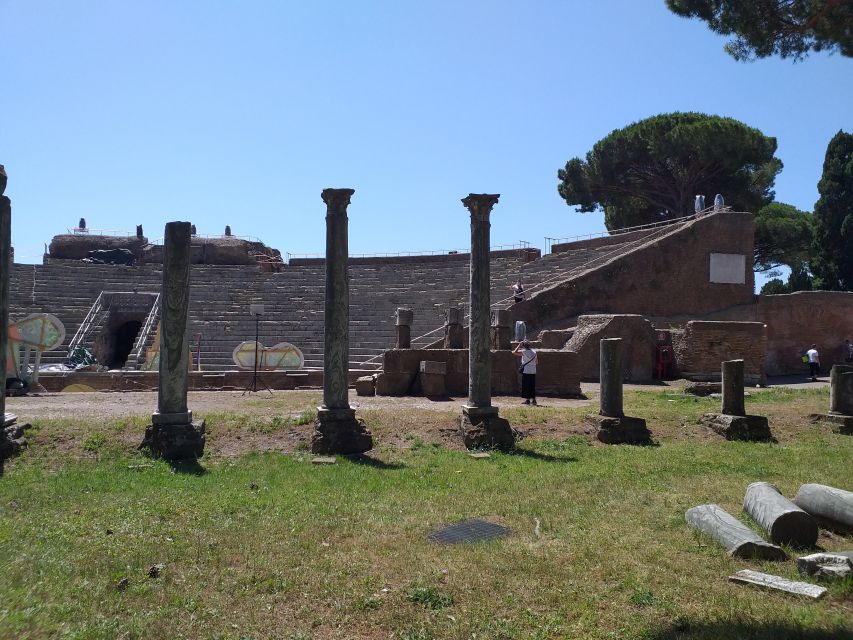
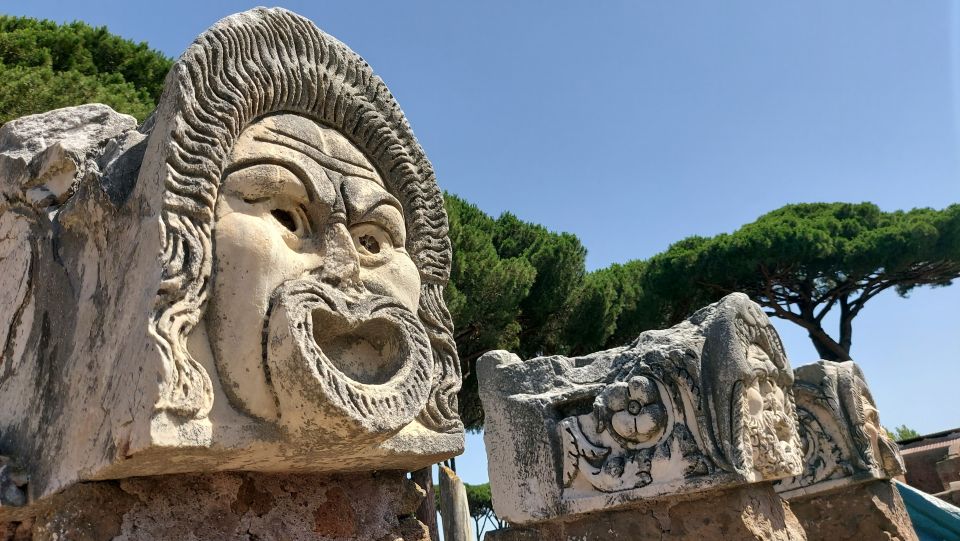
- Theater with marble masks for a feel of public spectacle
- Winter note: mosaics of the Baths of Neptune may be covered
Ostia Antica: Why a 2-Hour Private Walk Is a Big Deal
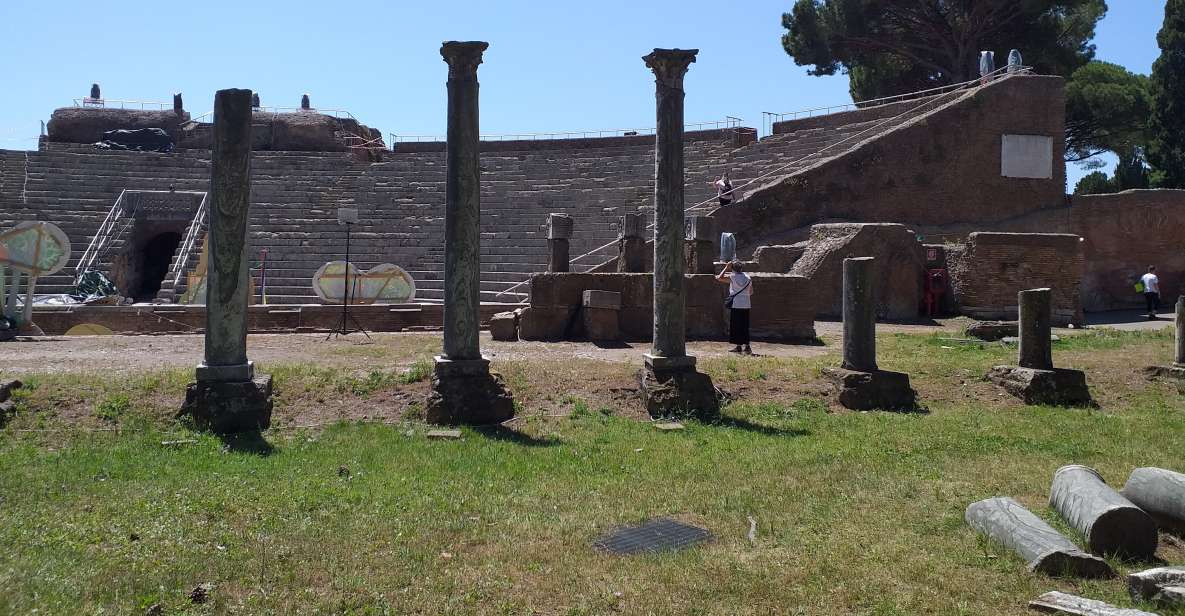
Ostia Antica is one of those places where time feels thick. This was the first Roman colony, founded in the 7th century BC at the mouth of the River Tiber, and it’s still described as the largest archaeological site on the planet. The scale can overwhelm you fast—unless someone helps you sort what matters.
That’s where this tour earns its keep. In about 2 hours, you don’t wander. You follow the city’s main spine, the Decumanus Maximus, and stop at the spots that best explain how Romans lived before the area was abandoned in the 9th century.
I also like that the tour doesn’t treat Ostia Antica like a museum of statues. It talks about daily life: the homes of different classes, shops and quick meals (including a thermopolium, similar to fast food), and even the public toilets (latrinae). You leave with a clearer picture of routine—what was public, what was private, and how the city’s layout shaped behavior.
You can also read our reviews of more guided tours in Rome

Decumanus Maximus and the Baths of Neptune Mosaics
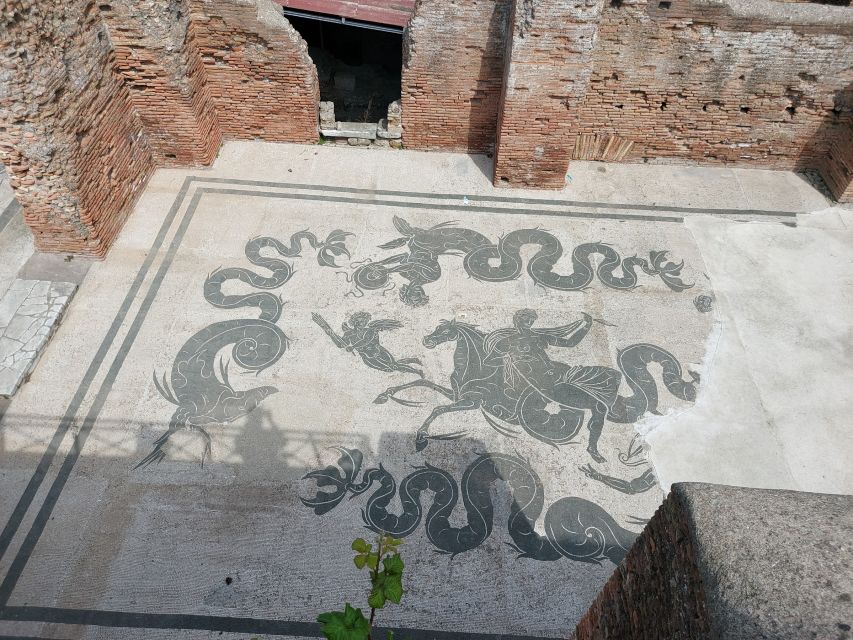
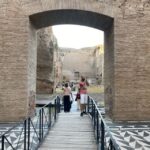
Most Roman sites are best when you can connect the buildings to movement. Here, you start walking along the Decumanus Maximus, the main street of the city. That matters because Ostia was planned with flow in mind: people moved, traded, worshiped, and gathered along central routes.
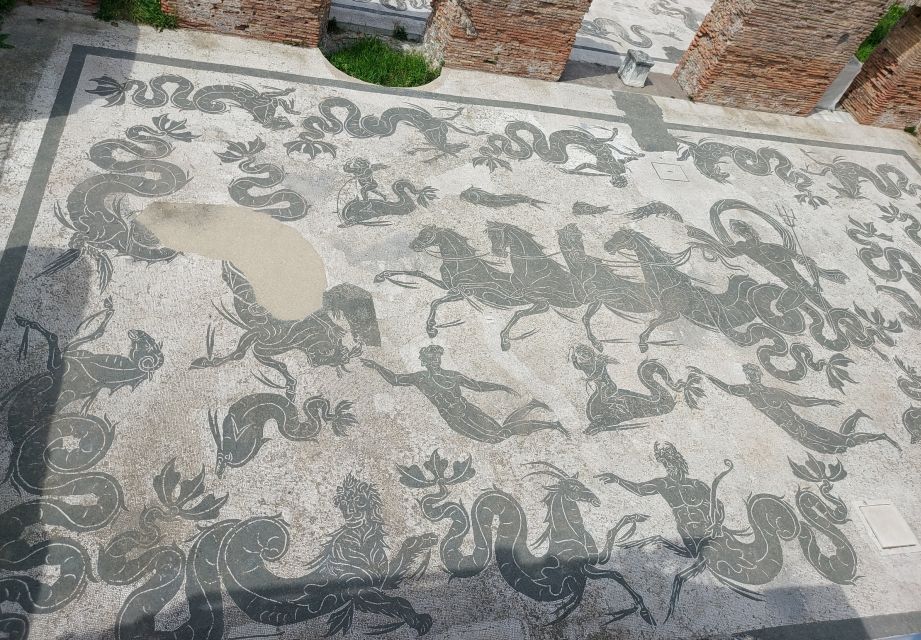
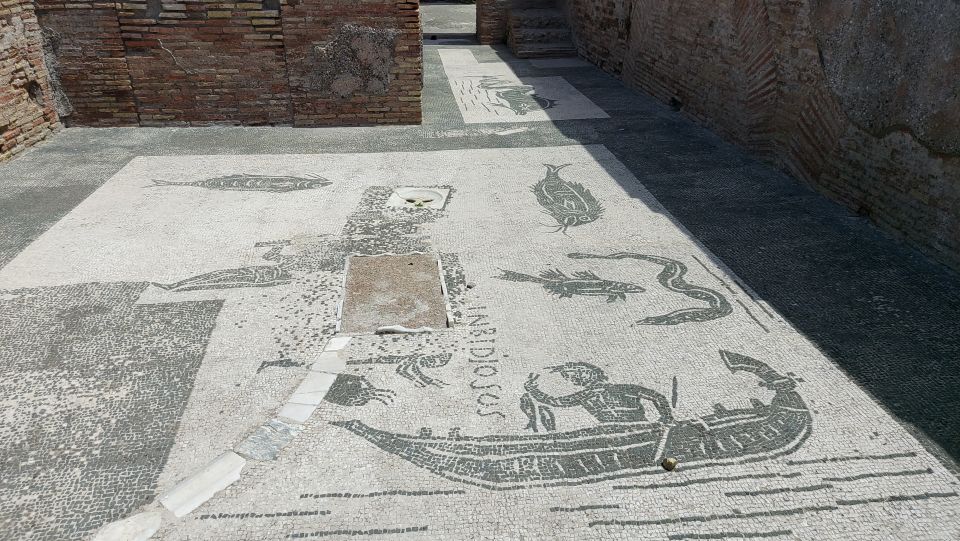
As you go, you’ll reach the Baths of Neptune and their mosaics. Even if you’re not an art person, mosaics at a bath complex tell you something real: baths weren’t just hygiene. They were social space—where people slowed down, chatted, and showed status. This is also where the guide’s graphic reconstructions can help you picture how decorations and architecture fit together.
One practical note for your planning: the mosaics can be covered in winter for preservation, so you may not be able to see the floors during the visit. If mosaics are your top priority, check what season you’re going and consider flexible expectations.
Capitolium and Forum Square: Reading Roman Power in One Walk
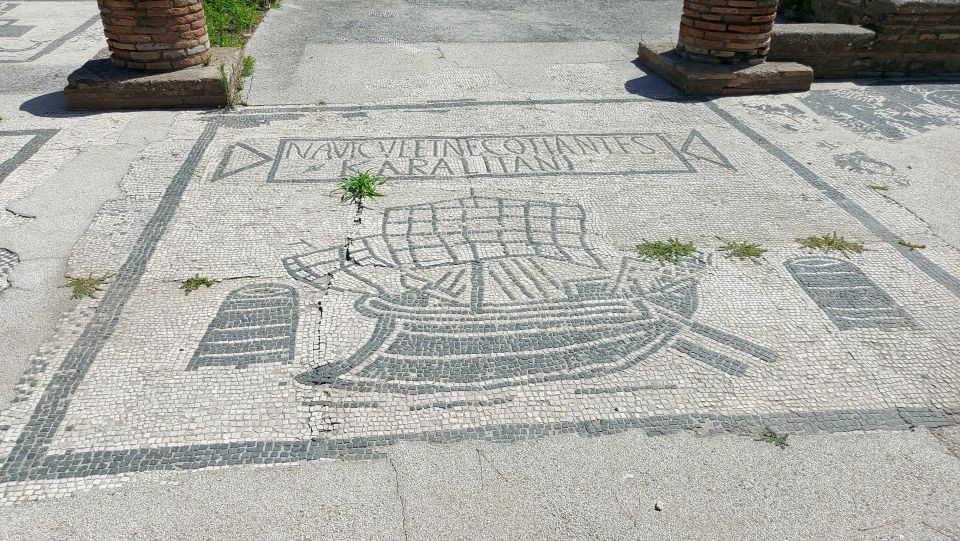
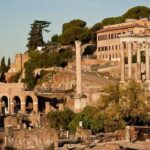
Then the tour shifts from everyday movement to the city’s authority. The Forum Square area is designed to pull your eyes upward and inward, and the centerpiece is the Capitolium, a major temple dedicated to Jupiter, Juno, and Minerva. The point isn’t just what gods were worshiped—it’s how religion and government were braided together.
You get a guided explanation of what you’re seeing, and that’s what makes this stop click. When you understand the role of the Capitolium, you start noticing how the forum functioned as a stage for civic life. People weren’t just walking past buildings; they were stepping into a system built to reinforce order.
I like the way the guide keeps it concrete. Instead of floating around in broad themes, you get tied details about the city’s layout and what the landmarks likely meant to people at the time. It’s the difference between seeing a temple and understanding why it mattered so much.
The Theater of Ostia and Marble Masks: Public Life Without the Guesswork
Next up is the theater, a key reminder that Roman culture was public and performative. The theater is known for decoration, including marble masks, and the guide uses these features to talk about spectacle—how entertainment worked as a social event, not just a pastime.
This is a good stop for anyone who wants more than architecture photos. A theater tells you about crowds, schedules, and shared experience. Even if you can’t see performances now, the layout helps you imagine where people sat, how they faced the stage, and how attention moved in one direction.
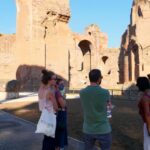
Another smart element here: the tour is private, so the guide can adjust pacing and emphasis. That helped in the real world for groups that included kids, since the explanation can be tailored to keep everyone engaged.
Insulae, Domus, Shops, and Latrines: The Details That Make Ostia Feel Real
This is the part I find most satisfying, because it stops being “Roman ruins” and starts being “Roman life.” After the big public spaces, you explore the insulae, the ancestors of our apartment buildings. These aren’t just housing blocks in a generic sense—the guide helps you connect them to how ordinary people lived close together.
Then you’ll move to domus spaces, specifically describing the rich homes of patricians. Seeing both insulae and domus in the same tour is the fastest way to understand class separation on the ground. You can almost feel how daily life changed when your living space, access to services, and social reach were different.
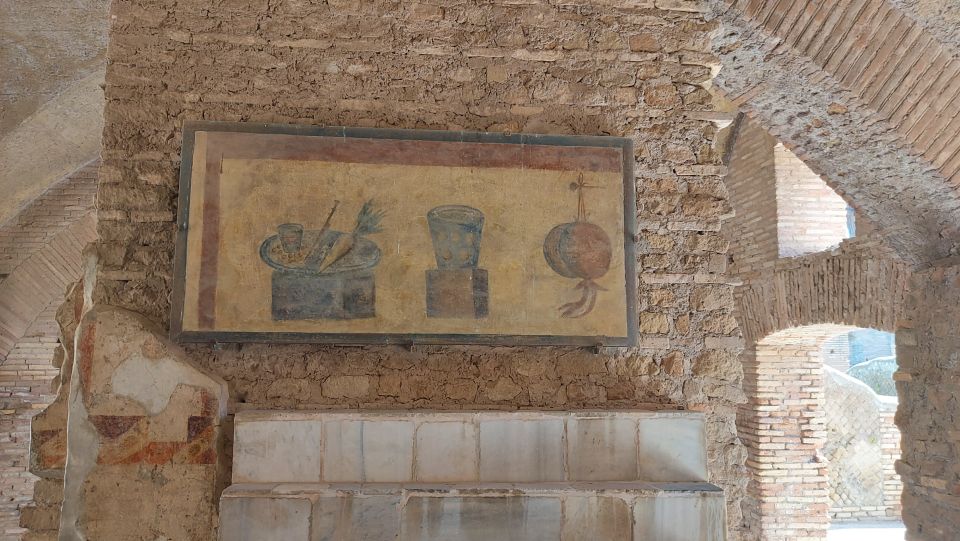
From there, the tour goes practical—shops and places to eat. You’ll hear about ancient commercial spots, including the thermopolium, which is described as similar to fast-food style eating. That’s a great detail because it links an ancient setting to a modern routine: people grabbing something to eat without a long sit-down.
And yes, the tour also covers the latrinae, the public toilets. It’s one of those topics that feels shocking until the guide reframes it. Public facilities weren’t just about sanitation; they were part of how the city functioned, with shared rhythms and norms.
This segment is where the tour’s expert archaeological guidance really pays off. Roman architecture can look repetitive until someone gives you the labels and context. With the right explanations, the site turns from confusing to instantly meaningful.
You can also read our reviews of more private tours in Rome



What the $155.20 Per Person Price Gets You (and When It’s Great Value)
At $155.20 per person, the price isn’t the cheapest way to see Ostia Antica. But you’re not just paying for entry. You’re paying for a private guided tour with an expert, plus tickets included, and a skip-the-ticket-line benefit.
Here’s how I’d judge value for you:
- If you want the highest chance of learning the site fast, a private guide is worth real money. Two hours is short, and the guide keeps the focus on the “why” behind each stop.
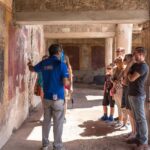
- If you’re traveling with kids or mixed interests, private pacing helps. One group note I was impressed by was that the guide, Francesca, was accommodating for adults and children and could tailor the tour around what the group wanted.
- If you’re going in winter, consider that the mosaic floors may be covered, which can reduce what you visually get from one stop. You’re still likely to enjoy the explanations, but your photo expectations should be realistic.
Also, since food and drinks aren’t included, plan a meal stop before or after. Bring water if the weather is warm; bring a layer if it’s not.
Practicalities That Matter More Than You Think
This tour is designed as a structured walk, and it’s important to plan for your body and your time. It’s listed as a walking tour, so wear shoes that can handle uneven ground.
Good news: it’s wheelchair accessible, which means the route and stops are managed with access in mind. If you need assistance with pace, private tours are usually easier to adjust than group buses that can’t slow down.
Language is another practical win. The live guide works in English and Italian, so you can pick the option that matches your comfort level without losing meaning.
You’ll meet your guide by looking for a sign with your name. The tour ends back at the meeting point, which makes it simpler to plan your afternoon—especially if you’re combining Ostia with the rest of your Lazio or Rome-area plan.
Who This Tour Suits Best
This is a strong fit if you:
- Want to understand Roman daily life, not just take scenic photos
- Prefer a tight route through the most meaningful parts of the site
- Travel with mixed ages and need a guide who can adapt the pace
- Like reconstructions, since they help turn ruins into something you can picture
If you’re the type who likes to roam on your own, you might also enjoy Ostia Antica without a guide. But if you’ve got limited time and want real clarity fast, the private format is the best match.
Should You Book This Private Ostia Antica Tour?
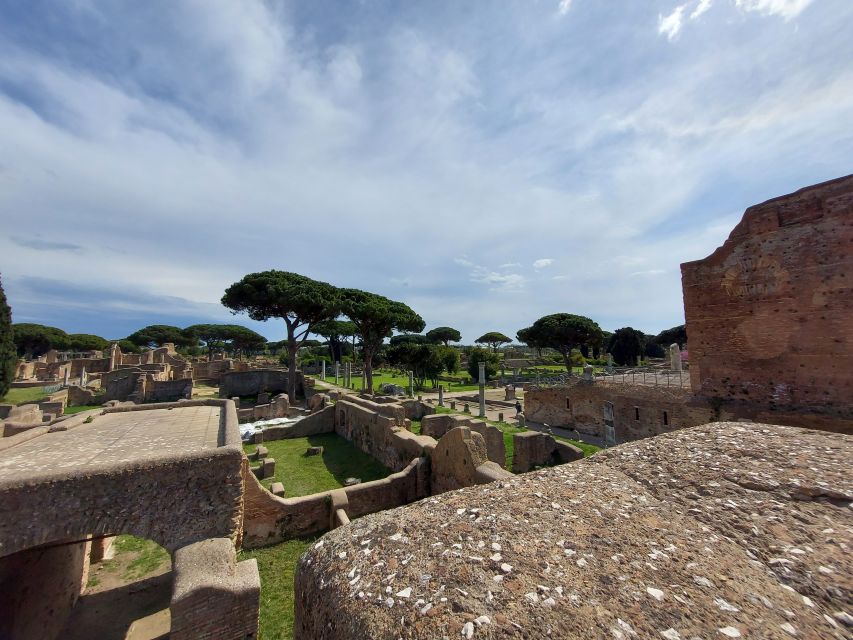
I’d book it if you want the fastest path to understanding what Ostia Antica was like. The combination of a clear walk (Decumanus Maximus), major civic landmarks (Forum Square and the Capitolium), public entertainment (the theater with marble masks), and then the lived-in details (insulae, domus, shops, thermopolium, and latrinae) makes the two hours feel full.
Hold your expectations lightly on one point: in winter, mosaic floors may be covered. If your top dream is seeing those mosaics in person, check your dates and adjust.
Overall, for the price, you’re buying expert interpretation and time efficiency. If you want Ostia Antica to click, not just feel large, this tour is an easy yes.
FAQ
How long is the Ostia Antica archaeological private tour?
It lasts about 2 hours.
Is this tour private?
Yes. It’s a private group tour.
What language options are available?
The live guide offers tours in English and Italian.
Are entry tickets included?
Yes. Entry tickets are included, and the tour also includes skipping the ticket line.
Will I see the mosaic floors at the Baths of Neptune?
In winter, the mosaic floors can be covered for preservation reasons, so they may not be visible during the visit.
Is food included in the tour price?
No. Food and drinks are not included.