REVIEW · ROME
The Marvels of Rome: A Journey through Time and Landmarks
Book on GetYourGuide →Operated by Rome - Tour · Bookable on GetYourGuide
Rome looks best when you walk it. This 2-hour landmark route strings together some of the city’s most famous squares—plus a few story-focused moments you might miss on your own. You start in Piazza del Popolo, then keep moving through the heart of Rome in a way that feels like getting your bearings fast.
I like that you’re not just sightseeing—you’re hearing the why behind the wow. The live guide experience (English-speaking with Spanish and French options too) makes the stops click, and the teaching style ranges from Celia’s patient pacing to Estefani’s before-and-after visual explanations. The one catch: if you’re hunting for deep, nitty-gritty history, the tour can feel more like an overview than a detailed lecture.
In This Review
- What makes it feel worth it (and where it might not)
- Key highlights to look for
- Price and logistics: what $35 buys you in Rome
- Starting at Santa Maria del Popolo in Piazza del Popolo
- Piazza del Popolo: a square that feels like a gateway
- Spanish Steps area: what to look for besides the postcard view
- Trevi Fountain: the baroque showstopper with a simple tradition
- The Pantheon: ancient engineering explained in plain terms
- Piazza Navona: fountains, people-watching, and a strong finish
- The guides: what you can expect from the live experience
- Who this tour is perfect for (and who should skip it)
- Tips to get more out of every stop
- Should you book The Marvels of Rome?
- FAQ
- How long is the tour?
- What does the tour cost?
- Where do I meet the guide?
- Is hotel pickup included?
- Which languages are available for the live guide?
- What should I bring?
- What items are not allowed?
- Is the tour suitable for limited mobility?
What makes it feel worth it (and where it might not)
Two things stand out for me: the coin-toss moment at Fontana di Trevi and the way the walk ends at Piazza Navona, with the fountains and street life giving you an easy final impression. It’s also good-value for the price because you hit major landmarks in a short window without needing to plan transit between them. Just note it’s not recommended for people with limited mobility, and you’ll be on your feet in busy central streets.
Key highlights to look for
- A fast hit list of Rome’s biggest squares in just two hours
- Live guide in English, Spanish, or French for real-time explanations
- Fontana di Trevi coin tradition as part of the stop
- Pantheon design explained with an emphasis on Roman engineering
- Practical pacing with short stop lengths so you actually see a lot
- No large bags or sleeveless shirts, so pack lightly
You can also read our reviews of more tours and experiences in Rome.
Price and logistics: what $35 buys you in Rome
This tour costs $35 per person for 2 hours, which is a fair deal if your goal is coverage. You’re paying for a licensed guide plus a focused route across major landmarks—so you don’t have to map out walking directions, decide what’s worth your time, or wonder what you’re looking at once you get there.
No hotel pickup means you’ll do the first step yourself: meet the guide at Piazza del Popolo, right by Santa Maria del Popolo. That’s actually a plus for planning—Rome traffic and timing can make pickups messy, so meeting in the middle of the action keeps things simple.
The other logistics matter: you’ll want comfortable shoes and water, and you shouldn’t bring luggage or large bags. Also, sleeveless shirts aren’t allowed, so if you’re coming straight from a hot day, toss on a light layer.
Starting at Santa Maria del Popolo in Piazza del Popolo
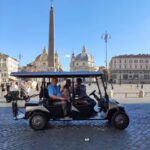
You’ll start at the Basilica Parrocchiale Santa Maria del Popolo area in Piazza del Popolo. Your guide will be waiting in front of the famous church, holding a sign with the company name. It’s a good meeting point because Piazza del Popolo is easy to recognize and it sets the tone immediately: this isn’t a “museum-only” Rome day.
Expect a guided walkthrough that helps you understand what you’re seeing before you move on. Even if you’ve passed through the piazza before, a guide can help you notice the way the space frames views and movement—Rome squares weren’t built for sitting quietly. They were built for people, traffic, ceremonies, and drama.
A practical note: this start area can be busy. Get there a bit early so you’re not doing last-minute rushing while trying to spot the sign.
Piazza del Popolo: a square that feels like a gateway
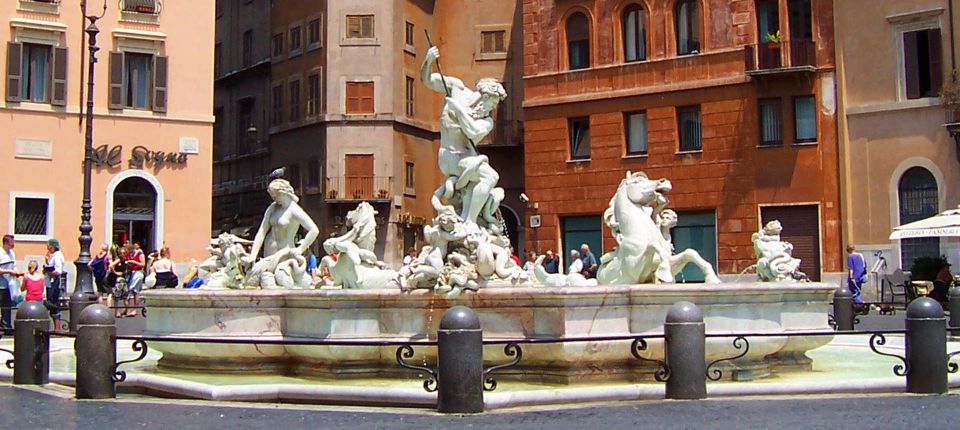
Your first real stop is Piazza del Popolo, with about 20 minutes of guided viewing and walking. Here’s what makes this square especially useful for the rest of the tour: it helps you orient. Rome’s layout can feel like a puzzle at first, but starting in a major open space gives you a reference point.
Your guide will explain details that connect the square to Rome’s larger story, which makes the next stops feel less random. You’ll likely hear about the idea of Rome as a city of thresholds—one square leading to the next, one era echoing into the next.
If you’re sensitive to crowds, go in with the mindset that this is a central zone. The pace is designed to keep you moving, not stuck. That’s great, as long as you’re comfortable walking.
Spanish Steps area: what to look for besides the postcard view
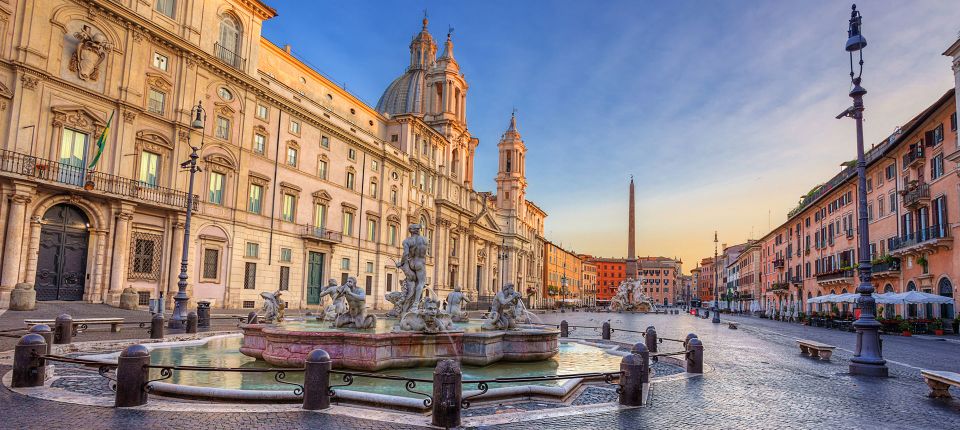
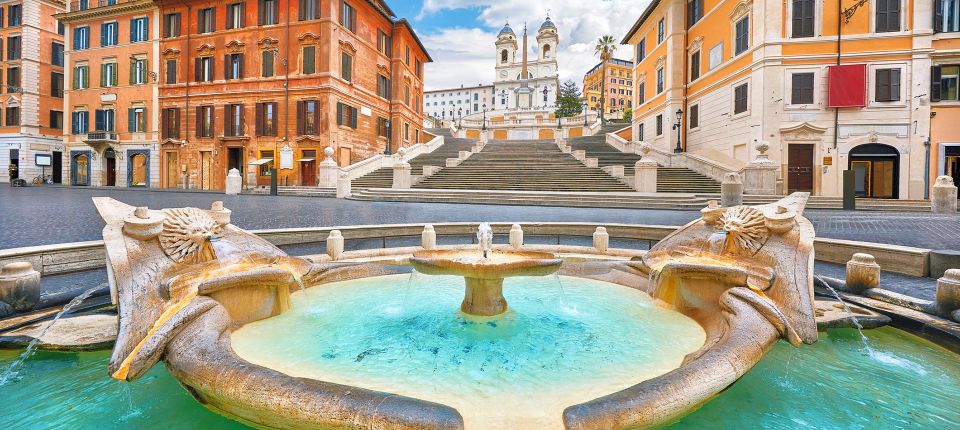
Next you head to the Piazza di Spagna area for another 20 minutes. The big draw is obvious—the famous Spanish Steps—but the value here is in what you notice once someone points it out.
In a place like this, it’s easy to treat the steps as a photo backdrop and move on. The guide helps you see the square as a stage: how people flow, where sightlines go, and how the space has been used and reused over time. If you like learning how Rome’s design shapes everyday life, this stop delivers.
One thing to remember: this part of the center is active. You’ll want to keep your footing and stay alert when traffic around the steps gets dense.

Trevi Fountain: the baroque showstopper with a simple tradition
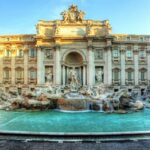
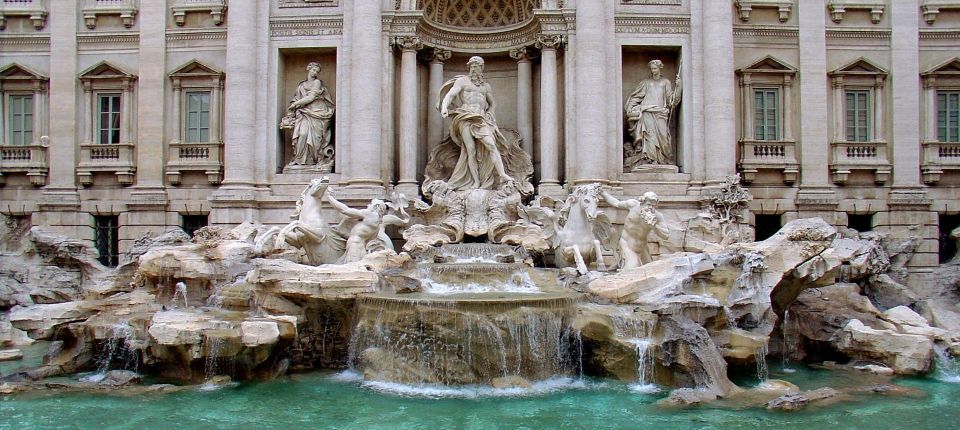
Then comes the Trevi district and Fontana di Trevi, with about 30 minutes allocated. This is the stop most people remember later, and it’s the one where the guide’s energy really matters.
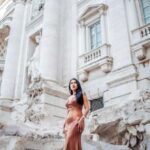
The fountain is a spectacular Baroque masterpiece, and you’ll get time to stand back, understand what you’re seeing, and appreciate why the fountain is more than decoration. You’ll also have the chance to participate in the coin tradition—dropping a coin into the fountain is part of the experience here, presented like an old Roman habit that still sticks.
A practical tip: if you want better photos, don’t just aim for the perfect angle—aim for a moment when you can step back from the tight crowd. This tour gives you time, but it doesn’t promise empty streets.
Also, take the chance to refuel mentally. After Trevi, the tour shifts back toward architecture and public space. You’ll go from dramatic sculpture to something built for daily Roman life: the Pantheon.
The Pantheon: ancient engineering explained in plain terms
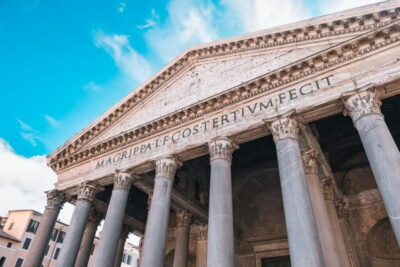
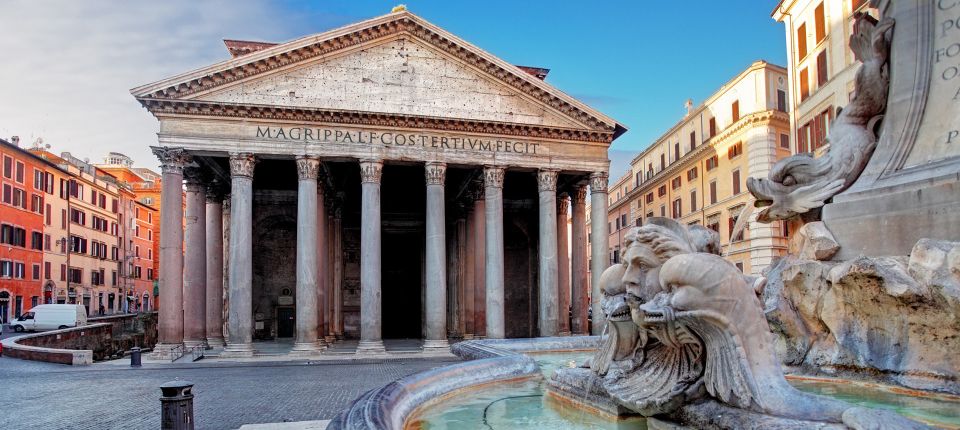
Your next stop is the Pantheon, with about 20 minutes of guided sightseeing. The tour frames it as a big deal for Roman engineering and architectural genius—which is exactly right. This isn’t just a pretty building. It’s a technical flex.
A good guide at the Pantheon helps you stop thinking of it as only a landmark and start seeing it as a machine for light, space, and design. Even without a long deep-dive, you’ll come away with a clearer sense of why the building has lasted and why it still feels impressive in person.
One reason this stop works inside a 2-hour tour: it adds contrast. After the square-and-fountain rhythm, the Pantheon gives you a different kind of “wow,” the sort that hits you when you look up and realize how the space is organized.
If you’re the type who loves architecture, you’ll probably feel satisfied here even if you’ve seen photos before.
Piazza Navona: fountains, people-watching, and a strong finish
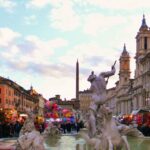
The final stop is Piazza Navona for about 20 minutes. This is where the tour lands in an easy-feeling public square, with Bernini’s fountains at the center and plenty of cafes and street performers all around.
This stop is more than a wrap-up. It’s your chance to see how Rome works day-to-day: not just monuments, but the everyday energy that surrounds them. A good guide helps you read the square like a layout, not just a view.
Navona can be crowded, and the tour doesn’t try to escape that reality. It uses the crowd to your advantage: you get a lively finish without needing to hunt for atmosphere on your own.
If you like closing a tour with a place you can return to for a meal or a slower wander afterward, this is a smart ending point.
The guides: what you can expect from the live experience
This tour is led by a licensed English-speaking guide, with Spanish, French, and English live support depending on the departure. That matters because the route is short. In a short tour, what the guide says is the whole experience.
From past guides’ styles, you can see two approaches that work well:
- Celia’s care, patience, and pacing, especially helpful if someone in the group needs a slower rhythm.
- Estefani’s use of a book-style comparison—showing scenes before and after—so you can actually connect the past to what’s standing today.
You might also find the guide experience varies by departure, which leads to the main potential downside: some tours like this can be more of an overview than a deep historical seminar. If you want extremely detailed scholarship, you may wish for more time per site.
Who this tour is perfect for (and who should skip it)
I’d recommend this tour if you want a high-impact Rome walk with major landmarks and clear explanations, all in a short window. It’s especially good for:
- First-timers who want the big names without building a mini itinerary
- People who like walking and learning at the same time
- Travelers who want a simple tradition moment at Trevi without hunting it down
I’d be more cautious if you:
- Have mobility limitations (the tour specifically says it’s not recommended for limited mobility)
- Need a lot of time standing still or prefer quieter routes
- Want heavy-duty history detail rather than an easy “here’s what matters” guide flow
Also, keep in mind the dress and baggage rules. If you’re traveling light, you’ll feel fine. If you’re carrying big items, the restrictions can make the walk annoying.
Tips to get more out of every stop
Wear shoes that handle cobblestones and crowd movement. This isn’t a sit-and-stare itinerary. It’s a walk-with-purpose.
Bring water because you’ll be outside in central Rome. The tour is only two hours, but summer heat can still make you forget that you planned to stay comfortable.
Pack for dress rules: avoid sleeveless shirts. Bring a light layer if your shoulders will be exposed.
And one small mindset shift helps: don’t treat each square as separate. Treat the tour like one story moving forward—from opening gateway (Piazza del Popolo) to romantic promenade energy (Piazza di Spagna) to sculptural spectacle (Trevi) to architectural engineering (Pantheon) to social public space (Piazza Navona).
Should you book The Marvels of Rome?
If your goal is to see Rome’s most iconic landmarks quickly and understand what they represent, I think this tour is a solid choice. The price is reasonable for the value: you get a licensed guide, multiple major sites, and time at each stop that’s long enough to actually look around.
But if you’re the type who wants deep, academic history for every corner, you may feel slightly shortchanged. Also, if mobility is an issue, skip this and look for a more accessible format.
My practical call: book it if you want an efficient, well-framed Rome walkthrough that leaves you ready to explore on your own afterward. Skip it if you want long stops, quiet pacing, or a heavy history seminar.
FAQ
How long is the tour?
It lasts 2 hours.
What does the tour cost?
The price is $35 per person.
Where do I meet the guide?
Meet in Piazza del Popolo, in front of the Santa Maria del Popolo church. The guide will be holding a sign with the company name.
Is hotel pickup included?
No. Hotel pickup and drop-off are not included.
Which languages are available for the live guide?
The live guide is available in Spanish, French, and English.
What should I bring?
Bring comfortable shoes and water.
What items are not allowed?
Luggage or large bags are not allowed, and sleeveless shirts are not allowed.
Is the tour suitable for limited mobility?
It is not recommended for people with limited mobility, and it is not suitable for people with mobility impairments.