REVIEW · ROME
Frascati: 3-Hour Wine and Oil Tasting with Lunch/Dinner
Book on GetYourGuide →Operated by Naples Together · Bookable on GetYourGuide
Frascati tastes like a local secret. In a short 2-hour outing, you get cellar access, a guided walk through how the wine is made, plus a structured tasting of three local wines and extra virgin olive oil. I especially like that the pacing mixes education with real bites, so the tasting does not feel like homework, and it is paired with cheeses and salami as part of the meal experience.
The one drawback to plan around: the time is tight. You taste only three wines (and one olive oil), so if you want a long flight of many bottles, you might leave wanting more.
In This Review
- Key things that make this Frascati tasting worth your time
- Frascati in Two Hours: What You Really Get
- Meeting at Vicolo di Prataporci, 8 and Starting on Time
- Welcome Refreshments in Frascati: The Easy Opening
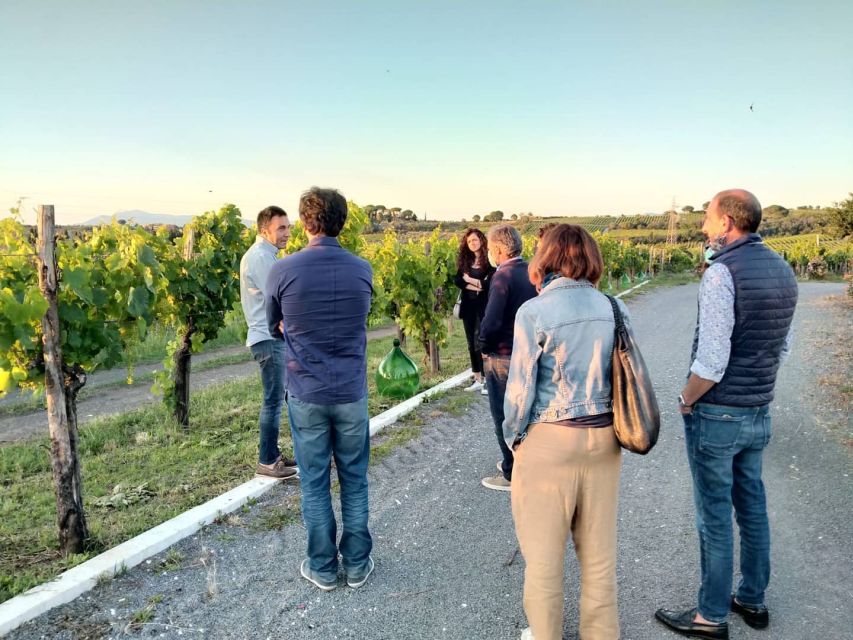
- The Town Stop and Guided Tour: Connecting Taste to Production
- Wine Tasting with Olive Oil: Three Wines, One Sensory Lesson
- The Three-Course Meal: Making It a Full Plan, Not a Side Quest
- Scenic Views on the Way: A Quick Countryside Reset
- Price and Value: Is $134 Fair for This Experience?
- Who Should Book This Frascati Tasting (and Who Should Skip)
- Should You Book This Frascati Wine and Oil Tasting?
- FAQ
- How long is the Frascati wine and oil tasting experience?
- What is included in the tasting?
- Is this tour family friendly?
- What languages are available?
- Where is the meeting point?
- What happens if the weather is bad?
- Can I cancel or pay later?
Key things that make this Frascati tasting worth your time
- Three wines plus one extra virgin olive oil for a focused, easy-to-follow comparison
- Cellar access and a guided tour that connects what you taste to how it is produced
- Pairing with local cheeses and salami so you learn by flavor contrast, not just by explanations
- Three courses included (starter, main, dessert), turning it into a real lunch or dinner plan
- Frascati countryside views on the way to break up your Roman days with something slower
- Indoor option in bad weather so you do not lose the experience if the forecast turns
Frascati in Two Hours: What You Really Get
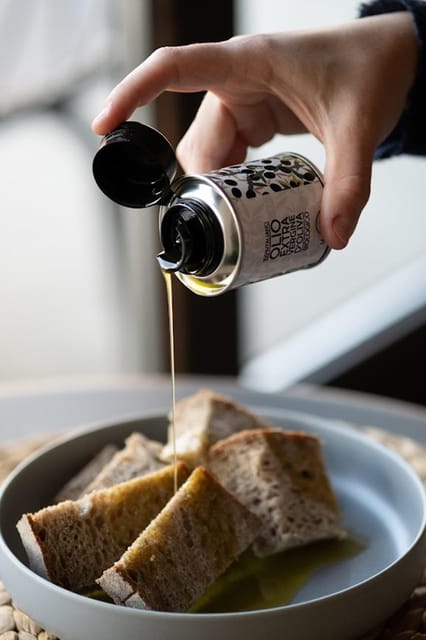
Frascati sits just outside Rome, and it is famous for simple reasons: the area produces wines that feel distinctly Roman-adjacent, and the tasting is built around local grape personality. In your glass you will likely run into Malvasia and the wider Castelli Romani style, which matters because it gives you a real sense of place rather than generic wine talk.
What I like about this kind of format is that it respects your time. You do not need a full day with buses and multiple stops to get a solid introduction. You get a guided story of terroir and traditional winemaking techniques, then you test your understanding immediately through tastings and food pairing. It is the fast lane to “I get why this wine tastes like this.”
The pacing also makes it practical for couples and friends. If your Rome itinerary is packed, this is a clean, single commitment that still feels like a genuine day outside the city rhythm.
You can also read our reviews of more food & drink experiences in Rome

Meeting at Vicolo di Prataporci, 8 and Starting on Time
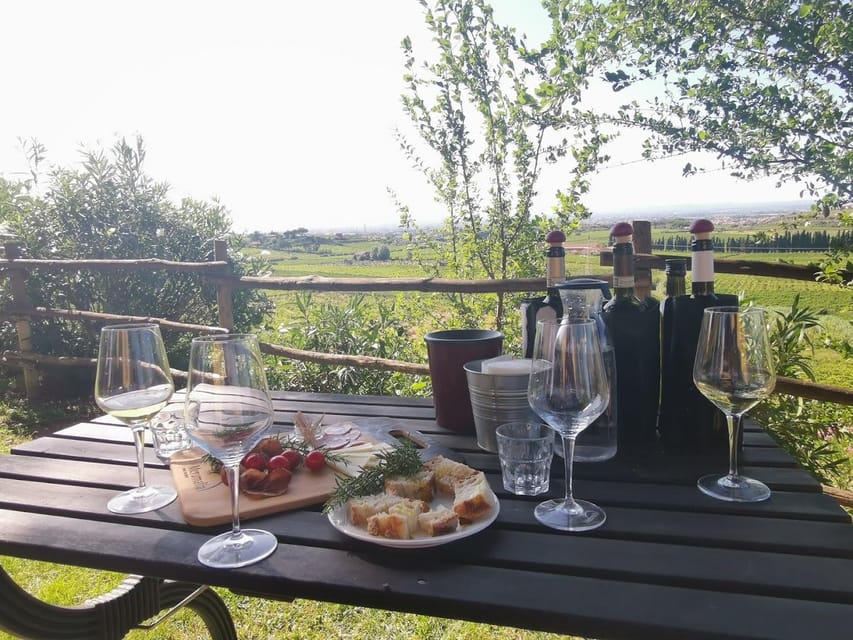
Your meeting point is Vicolo di Prataporci, 8. Show up 10 minutes before departure so you do not stress about finding the spot and you can start the experience relaxed.
Why this matters: wine tastings work best when you are not rushing. The early part is designed to ease you in. You begin with welcome refreshments, then you move into the town and cellar flow. If you arrive late, you can lose the “warm-up” that helps you read the wine later.
Also note the tour runs with English and Italian instruction. If you are more comfortable in one language, this is your cue to plan your comfort level so you can follow the winemaking explanations and pairing logic.
Welcome Refreshments in Frascati: The Easy Opening
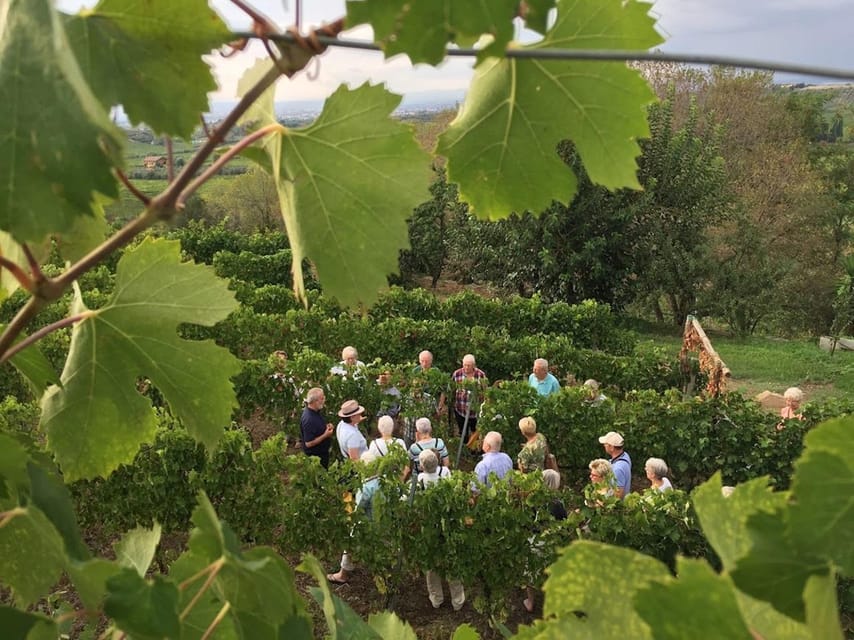
The experience starts in Frascati with welcome refreshments for about 20 minutes. Think of this as the social and sensory kickoff. It is when the guide sets expectations and you get comfortable with the pace before tasting begins.
During this time, you will likely get your bearings for the rest of the outing: what you will be seeing, what you will taste, and what to pay attention to. Even if you are not a wine expert, that is a big deal. It turns the later wine pours from a random sampling into a guided comparison.
This first stage is also where the Frascati shift happens. You are leaving the more hurried feel of Rome and stepping into a slower countryside pace. That change alone can be worth the trip, and it keeps the whole experience from feeling like just another scheduled activity.
The Town Stop and Guided Tour: Connecting Taste to Production
Next comes a longer visit (around 40 minutes) plus a guided tour (about 20 minutes). This is where the experience earns its place for wine lovers who want more than “it tastes good.”
You will learn about the grape varieties and why they matter, then you will connect those grapes to the traditional winemaking techniques used in the area. You will also hear about the idea of terroir—how the growing conditions influence flavor—so the tasting is not floating in the abstract.
What makes this section valuable for your trip: it gives you a framework. After the guided part, you can start tasting with purpose. You begin to pick up questions like:
- Is the wine’s character more about fruit, structure, or acidity?
- How does the wine react when paired with food?
- Do you notice differences between the three pours rather than just “overall good wine”?
If you are at a beginner level, this part keeps things approachable. If you already know your way around wine, it helps you interpret the local choices instead of importing generic categories.
And the cellar access is the payoff. Getting a behind-the-scenes look is what turns a tasting into a story you can retell.
Wine Tasting with Olive Oil: Three Wines, One Sensory Lesson
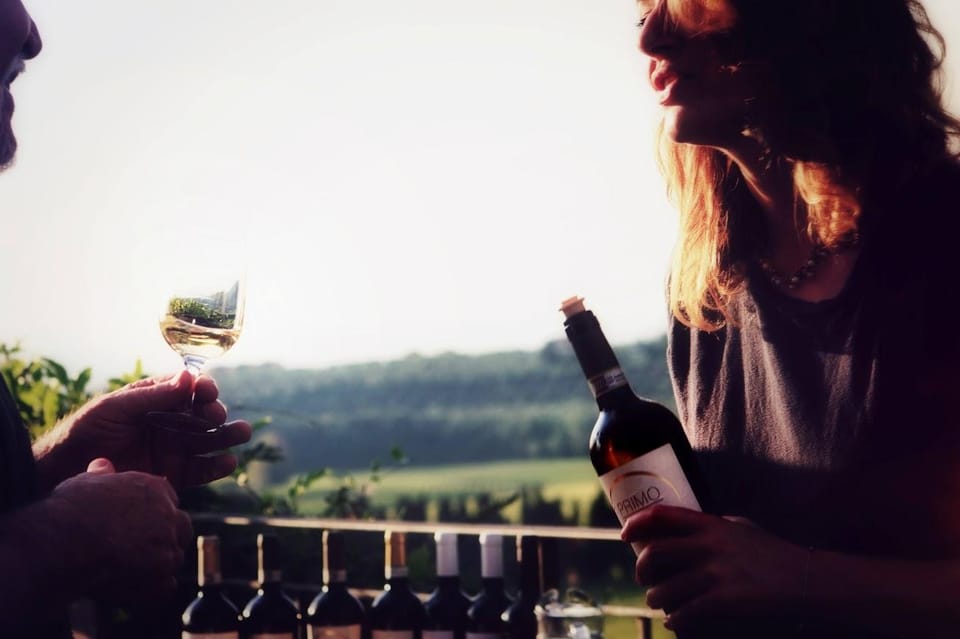
The tasting portion is about 30 minutes, and it is built around three glasses of local wine plus one extra virgin olive oil. That single oil component is more than a side note. Oil changes the way aromas read in your mouth, and it can make you more aware of how fat interacts with acidity and flavor.
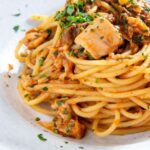
You will also eat along the way. The tastings are paired with a platter of local cheeses and salami, chosen to enhance flavors and aromas. This is how you learn the practical truth of Italian wine: it is not meant to be judged alone. Food is part of the tasting vocabulary.
Here is how you can make the most of those three wines even in a short window:
- Smell first, without rushing. Notice if the aromas feel more floral, fruity, or more savory.
- Take a small sip, then reset your palate before the next one.
- While you sip, think about what the pairing is doing. Does cheese make the wine feel smoother? Does salami bring out something salty or spicy?
For me, the best “win” is when you can look at your three pours and describe them with real differences. This format is designed to help you get there, not to flood you with choices.
You can also read our reviews of more wine tours in Rome

The Three-Course Meal: Making It a Full Plan, Not a Side Quest
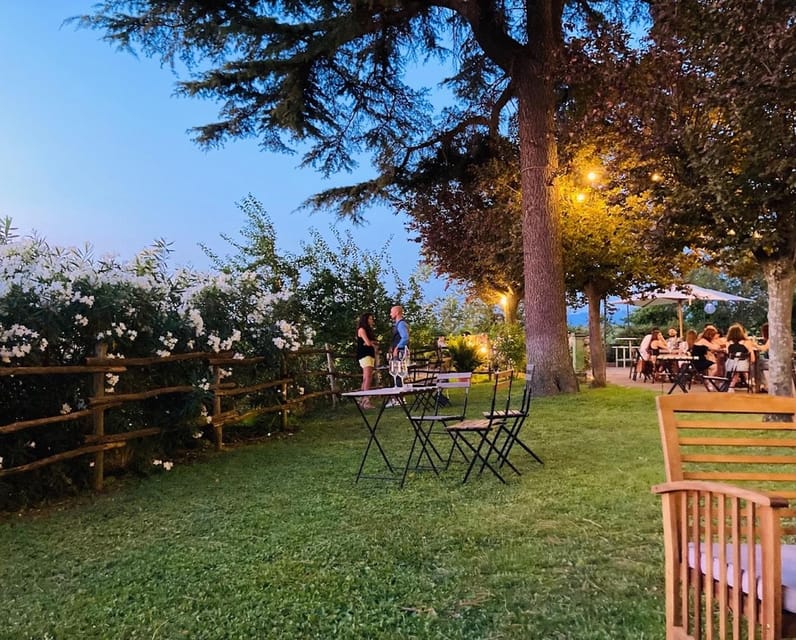
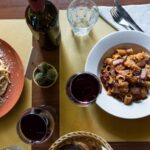
Included is a three-course menu with a starter, main, and dessert. So yes, this functions like lunch or dinner, depending on your starting time, and it saves you from the usual Rome problem: tasting tours that leave you starving and then send you wandering for a meal.
Why the meal matters for your tasting: it forces the wine to do its job. Cheese and cured meats can highlight different parts of a wine’s flavor profile, and desserts can change how you perceive sweetness and balance afterward.
This is also where the local character becomes more concrete. You are not only consuming wine; you are eating the kinds of regional ingredients that make Italian tastings feel grounded in daily life.
Practical tip: pace your bites. If you try to eat like you are racing your hunger, you will blunt your ability to notice differences between wines. Slow down just enough to taste what is happening.
Scenic Views on the Way: A Quick Countryside Reset
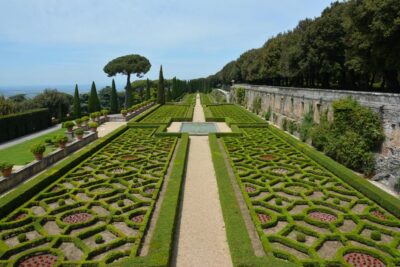
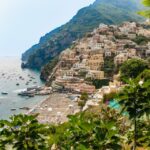
There is a 10-minute segment for scenic views on the way. It is short, but it has a purpose: it reminds you you are not just doing a tasting in a vacuum. You are getting a countryside reset from your Roman days.
This matters because Frascati is easier to love when you experience it as a place, not just a label. Even a brief window of views can make the experience feel like you traveled, which you did.
If the weather is good, you will likely enjoy seeing more of the area around Rome. If it is not, you will still keep the day on track thanks to the indoor plan.
Price and Value: Is $134 Fair for This Experience?
At $134 per person, this is not a bargain tasting. But it also is not a bare-bones pour-and-run.
Here is what you are paying for, in plain terms:
- A professional sommelier guiding the experience
- Exclusive access to the cellars plus a guided tour component
- Three glasses of local wines and one extra virgin olive oil
- A three-course menu (starter, main, dessert)
If you compare it to doing wine tastings by yourself, you would still need to find the right winery, arrange a pairing-friendly meal, and pay for guidance that actually explains local grape choices and the winemaking process. The structure here saves you time and guesswork. You also get a clear order of events, which makes the tasting easier to interpret.
So for me, the value lands best if you want education plus food in a short day. If you are strictly hunting for maximum pours at the lowest cost, you may feel the price pinch.
Who Should Book This Frascati Tasting (and Who Should Skip)
This is a smart fit if:
- You want a wine and oil experience near Rome without committing to a whole day
- You enjoy learning the logic behind what you taste, especially grape varieties, terroir, and traditional winemaking techniques
- You want the tasting paired with a real meal, not just snacks
- You are planning a romantic outing or a special day with friends and want something that feels “planned,” not random
It is not a fit if:
- You want a kids-friendly outing. This experience is not suitable for children under 18
- You want a huge variety flight. You taste three wines and one oil, so it is focused rather than extensive
Should You Book This Frascati Wine and Oil Tasting?
I think you should book if you want a clean, value-driven way to experience Frascati wine culture without turning your day into logistics. The standout strengths for me are the cellar access, the professional sommelier-led tasting, and the way the experience pairs wine with food and turns it into a proper three-course meal. It is organized, and the tasting has enough structure that you will understand what you are tasting rather than just consuming it.
Skip it if you already know you want lots of different bottles or you’re looking for a cheap, casual pour. Also, if your ideal day in Italy is all outdoors, remember the tour can run indoor in bad weather, so check the day’s conditions and plan your expectations.
FAQ
How long is the Frascati wine and oil tasting experience?
The experience lasts about 2 hours.
What is included in the tasting?
You get a cellar-guided experience with a professional sommelier, three glasses of local wines, and one extra virgin olive oil, plus a three-course menu (starter, main, dessert).
Is this tour family friendly?
No. It is not suitable for children under 18.
What languages are available?
The instruction is available in English and Italian.
Where is the meeting point?
The meeting point is Vicolo di Prataporci, 8. Arrive 10 minutes before departure.
What happens if the weather is bad?
The tour will take place indoor in case of bad weather.
Can I cancel or pay later?
You can reserve now and pay later. Free cancellation for a full refund is listed up to 24 hours in advance, and there is also a note about cancellation up to 2 days before the start time, so it is worth checking the exact terms at checkout.