REVIEW · ROME
Via Roma: A Journey Through Time
Book on GetYourGuide →Operated by REAL BARCELONA TOURS, S.L · Bookable on GetYourGuide
Night walks can turn Rome into a movie set. This guided route lights up the big classics and a few lesser-seen stops, so the city feels fresh even on repeat visits. I especially like that the tour starts in Piazza di S. Agostino with a calmer vibe and then builds to the major nighttime powerhouses, with Sara often called out for being engaging and clear.
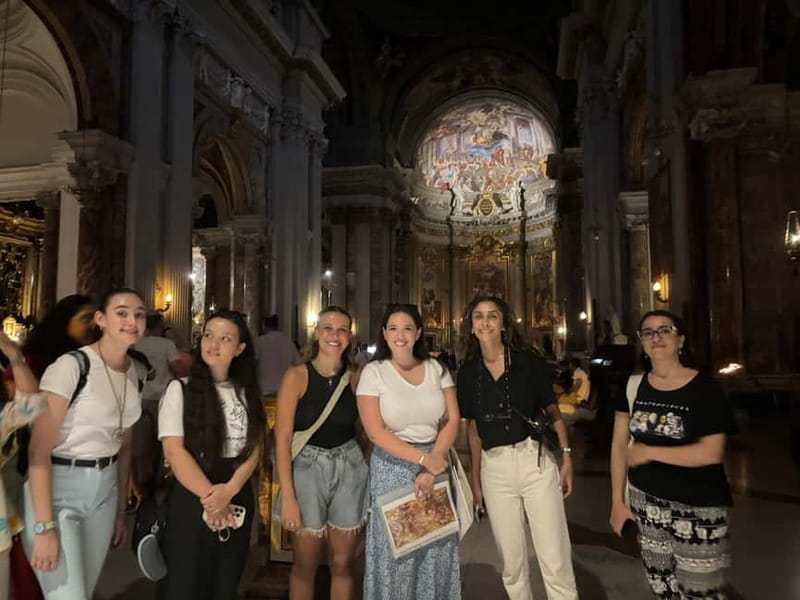
Two standout moments for me are the Pantheon (that massive dome and central oculus you can’t help but look up at) and the photo-worthy perspective in St. Ignazio di Loyola Church, famous for its trompe-l’œil ceiling. The route also balances major squares with short walks that keep things moving.
One drawback to plan for: it’s a walking tour and it is not suitable for people with mobility impairments or wheelchair users. Also, entrance fees aren’t included, so you may still pay at the sites that require it.
In This Review
- Key things I’d plan around
- Rome by Night, With a Plan (and a Guide You Can Follow)
- Starting in Piazza di Sant’Agostino: A Quiet Warm-Up
- Piazza Navona After Dark: Baroque Fountains and Night Lighting
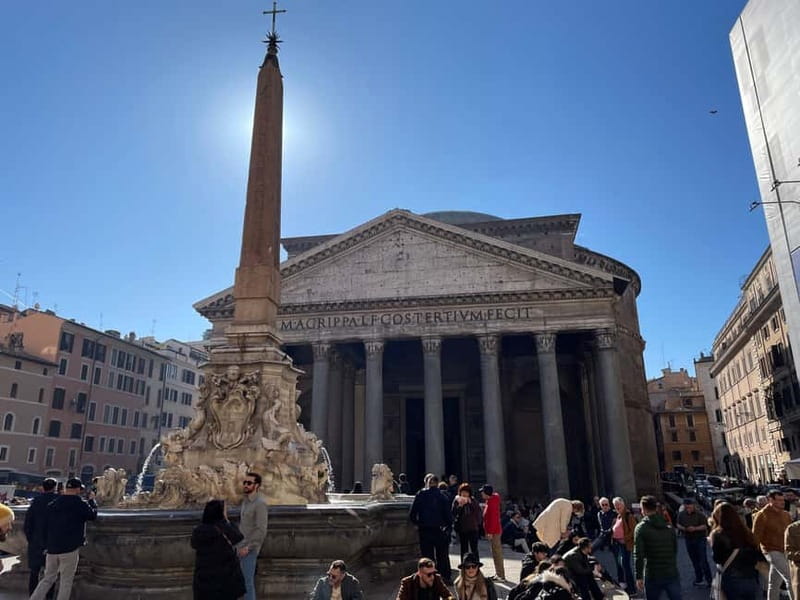
- Pantheon at Night: Dome Scale You Can Feel
- St. Ignazio di Loyola: The Ceiling Illusion You’ll Want to Re-See
- Galleria Sciarra and Vicus Caprarius: The Stops Between the Icons
- Trevi Fountain Coin Toss: Classic, But Timed Right
- Piazza Venezia to Vittoriano: Where the Skyline Opens Up
- Via dei Fori Imperiali and the Colosseum Finish
- Price and What You’re Really Paying For ($32 per Person)
- Practical Stuff That Will Make or Break Your Night
- Should You Book Via Roma: A Journey Through Time?
- FAQ
- How long is the tour?
- What does the tour cost?
- Where does the tour start and end?
- Do I need hotel pickup?
- What language is the guide?
- Are entrance fees included?
- Are food and drinks provided?
- Is flash photography allowed?
- Is this tour suitable for people with mobility impairments?
- What should I bring?
Key things I’d plan around
- A tight evening circuit: major sights like the Pantheon, Trevi Fountain, Piazza Navona, and the Colosseum are all on one walk
- Baroque sparkle at Piazza Navona: fountains look extra dramatic under night lighting
- Trompe-l’œil at St. Ignazio di Loyola: the ceiling illusion is the kind of detail you’d miss alone
- Less-famous Rome stops: Galleria Sciarra and the Vicus Caprarius ruins add texture between the icons
- Finish at the Colosseum at night: the timing changes how the monument feels
Rome by Night, With a Plan (and a Guide You Can Follow)
Rome at night has a different rhythm. Daytime crowds blur together; after dark, landmarks feel staged and slow down your pace. This tour is built for that. You get a guided walking route that links recognizable stops with a few surprises, so you’re not just taking photos—you’re learning why each place matters and what to notice.
The most practical benefit is structure. Without a plan, it’s easy to hop from one headline sight to the next and miss the connective tissue: the urban details, the church interiors, the way one piazza flows into another. With a guide, the evening becomes a guided story, not just a stroll.
Also, it’s a good match for solo travelers who enjoy walking. The group format keeps you social without forcing you into a rigid sightseeing marathon.
You can also read our reviews of more tours and experiences in Rome.
Starting in Piazza di Sant’Agostino: A Quiet Warm-Up
The tour begins at Piazza di S. Agostino, and that matters more than you’d think. You start among Renaissance splendor rather than jumping immediately into the busiest postcard spots. It’s a nice way to get your bearings before the main highlights start stacking up.
This start also helps with energy. In real Rome terms, evening walking adds up—so beginning in a calmer area is a smart pacing choice. If you’re arriving from a hotel and you’re still figuring out transit and streets, this opening section gives you a little runway.
Bring comfortable shoes and water. You’re on your feet for roughly 2 hours (some runs can run a bit longer, around 2.5 hours), and you’ll feel better if you’re not trying to “power through” sore ankles.
Piazza Navona After Dark: Baroque Fountains and Night Lighting
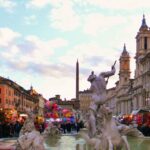
Next up is Piazza Navona, one of Rome’s great showpieces. At night, the Baroque fountains read like theater. The lighting pulls forward the sculptural details in a way that daylight doesn’t always deliver.
What I like about this stop is the balance: it’s iconic enough that you instantly recognize where you are, but it still feels alive at night. The fountains give you an easy focal point, so you can pause, look, and take in the square without needing to read a ton of signage.
A practical note: this is also a common photo zone. The tour rules say flash photography is not allowed in certain areas, so plan on using your camera’s normal settings.
Pantheon at Night: Dome Scale You Can Feel
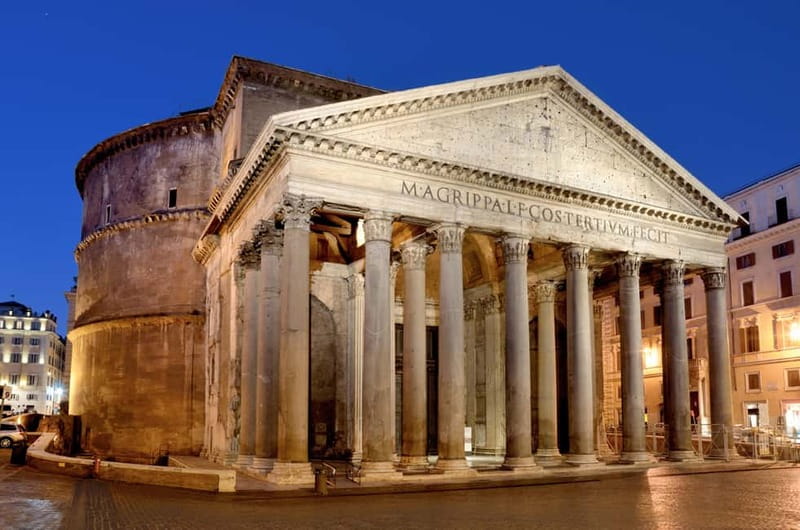
Then you get to the Pantheon, and it’s still worth it even if you’ve seen pictures a hundred times. The dome is massive, and the central oculus changes the mood depending on the light. In the evening, it can feel airy and quiet, and your attention naturally goes upward.
The guide adds value here by telling you what to look for beyond the obvious. Think proportions, the way light moves in, and the simple fact that the Pantheon is built to impress without flashy decoration.
Keep your expectations realistic: this isn’t a long museum-style stop. It’s a highlight stop within a walking route, so you’ll want to be ready to notice quickly. That’s exactly why a guided night sequence works—everything gets timed to keep you moving.
St. Ignazio di Loyola: The Ceiling Illusion You’ll Want to Re-See
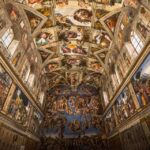
One of the most distinctive parts of the tour is St. Ignazio di Loyola Church, often nicknamed the Instagram Roman Church for its trompe-l’œil ceiling. The effect is optical: from where you stand, the ceiling design can trick your brain into thinking there’s depth and open space.
Even if you hate the word Instagram, the ceiling is still the main reason to add this stop. It’s the kind of artwork that’s hard to appreciate casually because it works through viewing angles. A guide helps by steering your attention so you see the illusion the right way.
This is also where you’ll appreciate the soft pacing. When you go inside a church with a group, you want the visit to feel intentional, not rushed. The tour’s structure keeps the moment focused.

Galleria Sciarra and Vicus Caprarius: The Stops Between the Icons
After the big headline sights, the route shifts into Rome’s texture. Two standout examples are Galleria Sciarra and the Vicus Caprarius ruins.
At Galleria Sciarra, you’re in an Art Nouveau setting with intricate frescoes that look especially good under evening light. It’s not the kind of place most people stumble into on their own, so it breaks up the “only the famous sites” feeling.
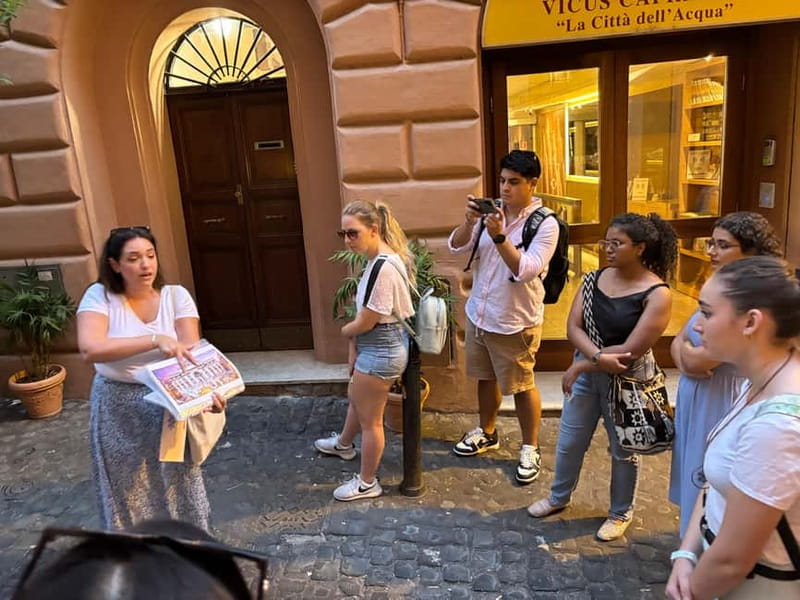
Then you reach the Vicus Caprarius, described as the City of Water. That phrase signals what makes it interesting: it points you toward the practical, everyday side of ancient Rome—how the city worked, how water shaped living spaces, and why certain ruins matter even when they don’t look like the Colosseum.
These stops are the reason I think this tour offers good value. If you only want the headline monuments, any checklist tour could do that. But adding these middle chapters helps you understand Rome as a living city across eras.
Trevi Fountain Coin Toss: Classic, But Timed Right
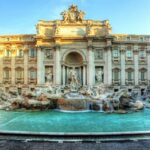
Next is Trevi Fountain—the world-famous one where you toss a coin and make a wish. This tour includes the classic moment, but the bigger value is timing and approach. Night lighting makes the area feel more cinematic and less chaotic than many daytime visits.
Also, because you’re walking from stop to stop with a guide, you’re not stuck trying to solve the logistics of how to get between monuments. The route naturally draws you into the Trevi area at a point when you can pause and take it in.
As always, remember the photo rule: no flash in certain areas. If you’re planning night shots, test your camera settings before you’re right in front of the fountain.
Piazza Venezia to Vittoriano: Where the Skyline Opens Up
From Trevi, the walk shifts toward Piazza Venezia and the Vittoriano Monument. This is where Rome’s nighttime skyline starts to feel dramatic. The views are part of the payoff, because you’re standing higher than some of the earlier streets and seeing how the city lights spread out.
The tour also passes major civic buildings like Palazzo Venezia and Palazzo delle Assicurazioni Generali, which helps connect the “ancient Rome only” mindset to the city’s political and cultural layers.
If you’re the type who enjoys architecture and city planning, this section is a good rhythm change. You go from fountains and domes to monuments and viewpoints.
Via dei Fori Imperiali and the Colosseum Finish
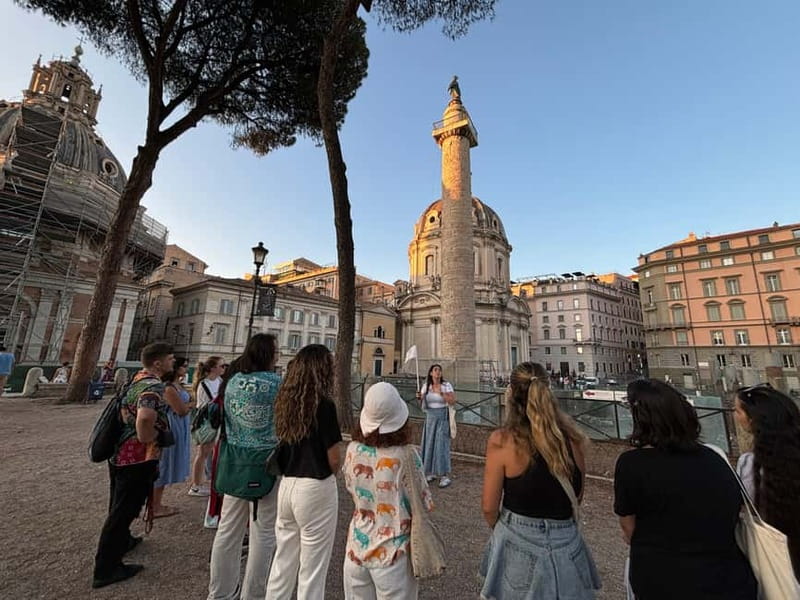
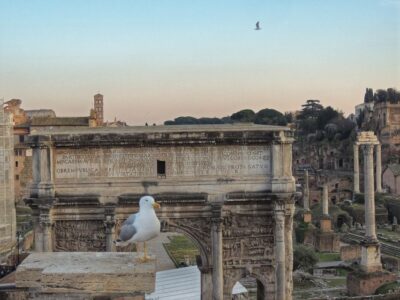
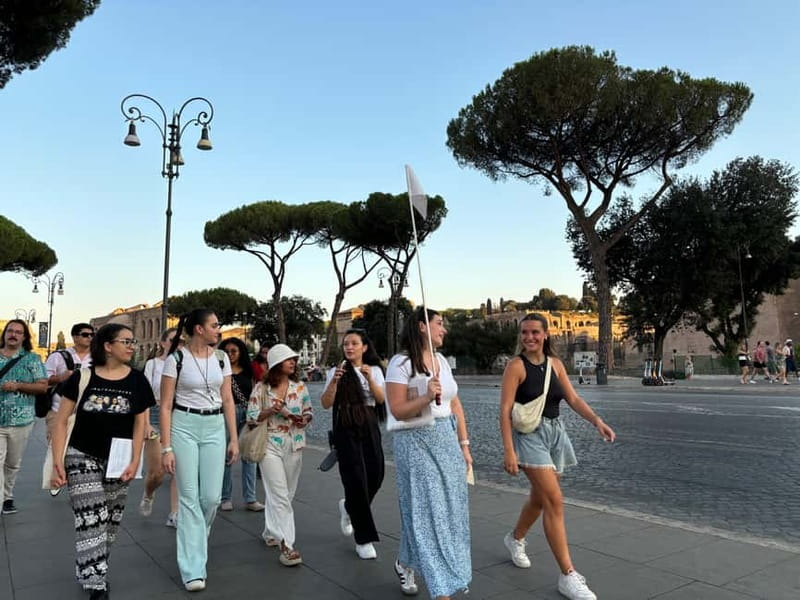
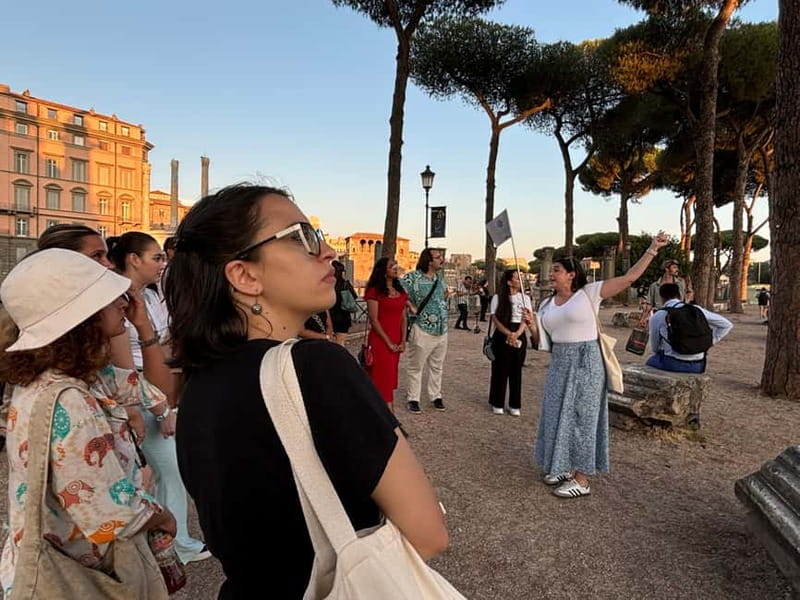
The end stretch is where the night walk really earns its title. You stroll along Via dei Fori Imperiali, where you can see remnants of ancient Rome under nighttime illumination. It’s a powerful corridor because it’s long enough for the atmosphere to build.
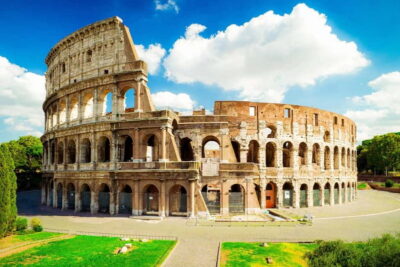
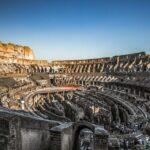
Finally, you reach the Colosseum. The Colosseum looks different after dark. The mass of the structure feels bigger, and the lighting tends to make details pop in a way that can feel less “flat” than daytime photos. It’s a classic finale because the whole route has been preparing you for this: you’ve moved from sacred spaces and civic squares to ancient ruins and panoramic viewpoints.
The tour ends back at the meeting point, so you’re not stuck guessing how to get back after the best part.
Price and What You’re Really Paying For ($32 per Person)
At $32 per person for about 2 hours, this is in the “reasonable” range for a guided night walk that includes multiple major stops. You’re not paying for transportation or pickup, and that’s fine if you can meet at the start.
The better way to judge value here is by how many high-impact moments you get in one go:
- major icons like Pantheon and Trevi
- a standout interior like St. Ignazio di Loyola
- extra texture with places like Galleria Sciarra and Vicus Caprarius
Entrance fees are not included, so you should expect that you may pay separately if a stop requires it. But the guide’s role—timing, directing your attention, and helping you make sense of what you’re seeing—often turns “I saw it” into “I understood what I saw.”
If you’re traveling in summer, this timing also helps you dodge some of the daytime heat. The evening pace makes the walk easier to enjoy.
Practical Stuff That Will Make or Break Your Night
Here’s what I’d keep in mind so the tour stays fun instead of stressful.
Wear comfortable shoes. You’ll be walking through uneven streets and staying ready for frequent stops.
Bring a camera and assume you’ll want photos at the Pantheon, Navona, Trevi, and the Colosseum. Just remember flash photography is not allowed in certain areas.
Bring water. You’re out for about 2 hours, and warm evenings can still drain you.
Meeting point: it may vary depending on the option booked. So check your specific confirmation before you head out, and aim to arrive a few minutes early to avoid the classic Rome scramble.
Language: the guide runs in English and Spanish. If you’re comfortable with either, it’s a good way to make sure the explanations land.
And yes—this is not suitable for wheelchair users or people with mobility impairments, since it’s a walking route.
Should You Book Via Roma: A Journey Through Time?
You should book it if you want a guided night route that mixes the big names with a few stops you’re unlikely to find on your own. The route is especially appealing if you like churches, architecture details, and those “turn your head and notice something” moments—like the trompe-l’œil ceiling at St. Ignazio di Loyola.
I’d skip it if you want a relaxed, slow pace with lots of free time to wander solo. This is built to move. It’s also not the right fit if mobility is a concern, since the tour depends on walking.
If you’re only in Rome for a short time and you want your evening to feel purposeful, this one makes sense. It’s a structured, iconic night that ends with the Colosseum—without wasting time figuring out where to go next.
FAQ
How long is the tour?
The duration is listed as 2 hours, though some runs can take a bit longer (around 2.5 hours).
What does the tour cost?
The price is listed as $32 per person.
Where does the tour start and end?
The tour starts at Piazza di S. Agostino. The activity ends back at the meeting point.
Do I need hotel pickup?
No. Hotel pickup and drop-off are not included.
What language is the guide?
The live tour guide speaks Spanish and English.
Are entrance fees included?
Entrance fees to attractions are not included.
Are food and drinks provided?
No. Food and drinks are not included.
Is flash photography allowed?
Flash photography is not allowed in certain areas.
Is this tour suitable for people with mobility impairments?
No. It is not suitable for people with mobility impairments or wheelchair users.
What should I bring?
Bring comfortable shoes, a camera, and water.