REVIEW · ROME
Rome: Borghese Gallery Skip-the-Line Ticket and Guided Tour
Book on GetYourGuide →Operated by Walks of Italy · Bookable on GetYourGuide
Borghese hits different in a small group. This tour gets you skip-the-line access to a tightly timed museum, then pairs it with an art historian who makes big works feel personal—think Bernini’s Apollo and Persephone and Caravaggio’s St John the Baptist—not just like labels on a wall. My favorite part is the intimate group size (15 people or less), which means you actually hear the stories and see details instead of rushing past them. One thing to plan for: cameras are not allowed, so you’ll have to rely on your eyes and notes.
I also love the calm, orderly pace inside Villa Borghese. You’ll move through about twenty rooms in the 17th-century palace, using provided headsets when the group is larger than 6, which keeps the talk clear without you craning your neck. And if you get a guide like Laura, Sev, Francesca, Christina, or Tiberio (all names that show up often in guide feedback), you’re likely to get a mix of sharp art context and real personality—fun, sometimes funny, and always focused on what you’re looking at.
In This Review
- Key things that make this Borghese tour worth it
- Villa Borghese feels quiet because it’s built for limits
- How the skip-the-line ticket actually improves your day
- Your guided loop: what happens from the first moment inside
- Bernini and Caravaggio: the stories that change your focus
- Raphael and Canova: why they sit in the same room as drama
- The palace itself matters: marble and ceiling frescoes
- Group size, headsets, and walking pace: what it feels like in real time
- What you should bring (and what you’ll be glad you left home)
- Price and value: paying for access plus context
- Who this Borghese Gallery tour suits best
- Should you book this Borghese Gallery skip-the-line tour?
- FAQ
- Where does the Borghese Gallery tour meet?
- When should I arrive?
- How long is the tour?
- Is the tour in English?
- Does it include skip-the-line entry?
- Are cameras allowed inside the gallery?
- Is there a headset?
- Is it wheelchair accessible?
- What’s included and what’s not?
- Can I bring food, drinks, or large luggage?
- Is free cancellation offered?
Key things that make this Borghese tour worth it
- Reserved time-slot entry so you don’t waste your morning in lines
- Small group limit of 15 or less for better viewing and better questions
- Art historian storytelling that connects the artists’ lives to the artworks
- Headsets included when groups run over 6 for easier listening throughout the rooms
- Big-name masterpieces in one tight loop: Caravaggio, Bernini, Raphael, Canova
- Rules that keep the experience tranquil (including no cameras and no large bags)
Villa Borghese feels quiet because it’s built for limits
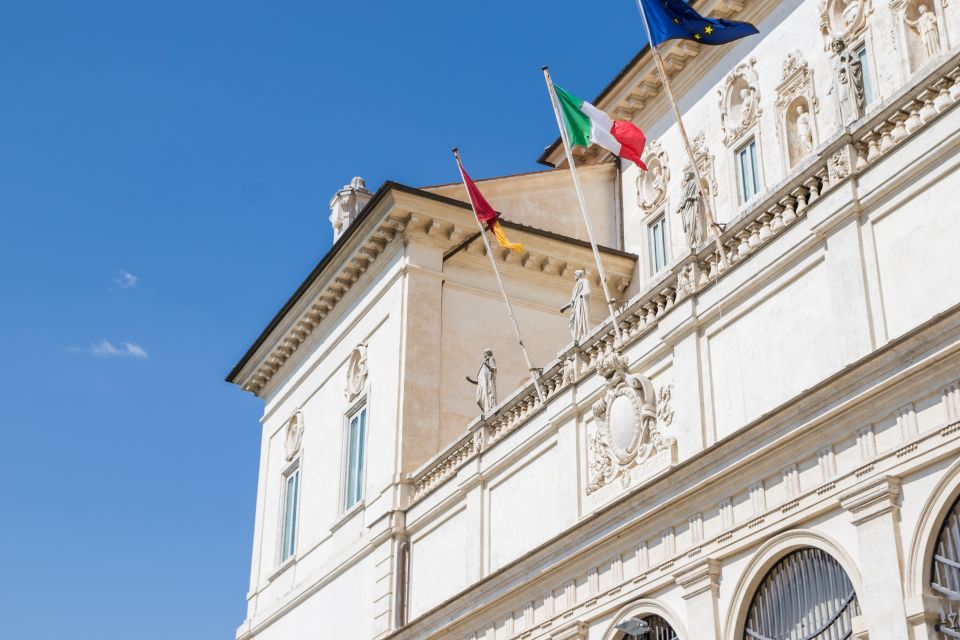
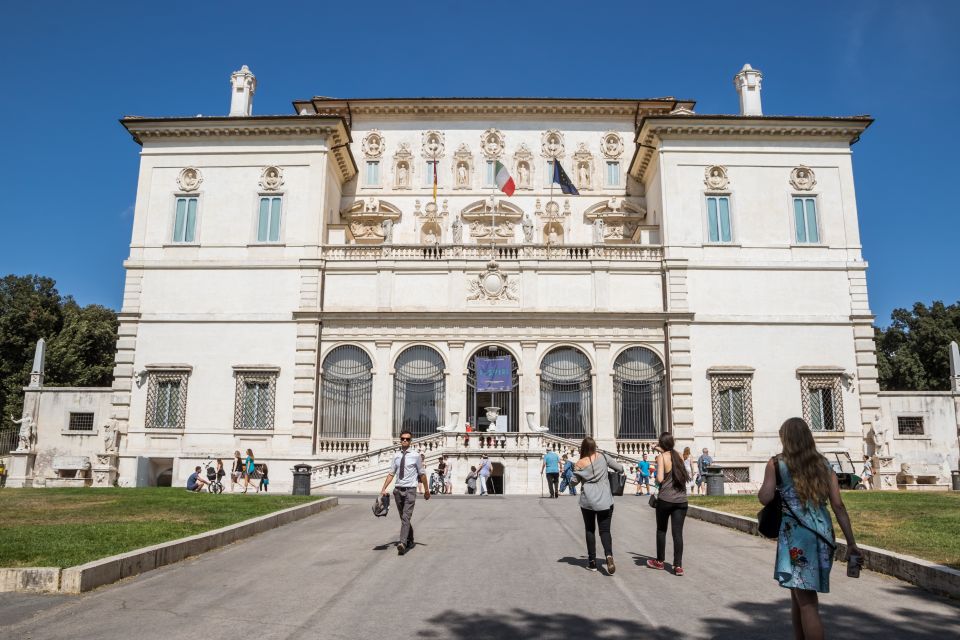
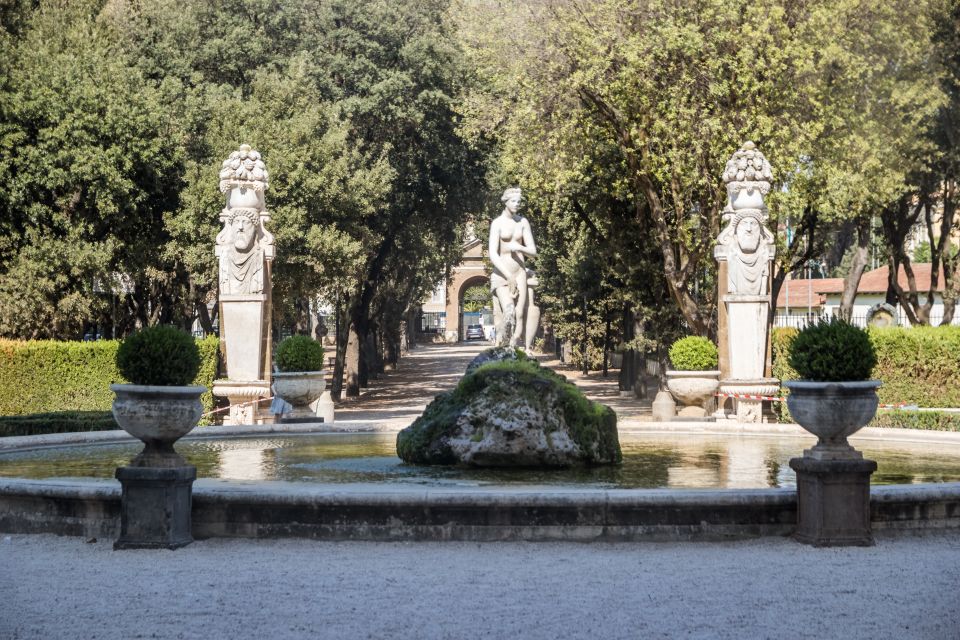
The Galleria Borghese isn’t set up like a free-for-all museum. It’s housed in a former 17th-century residence, and the collection works like an experience you enter in measured doses. That design choice is part of why your time feels focused: you’re not sprinting through crowds just to say you were there.
On this tour, you start at the museum itself and then spend your time inside the collection’s rooms with an English-speaking guide. Expect roughly twenty rooms, and expect the guide to steer your attention toward specific things you might otherwise miss—details in posture, lighting choices, how marble and paint are doing different jobs, and why those decisions mattered to the artist.
You can also read our reviews of more tours and experiences in Rome


How the skip-the-line ticket actually improves your day
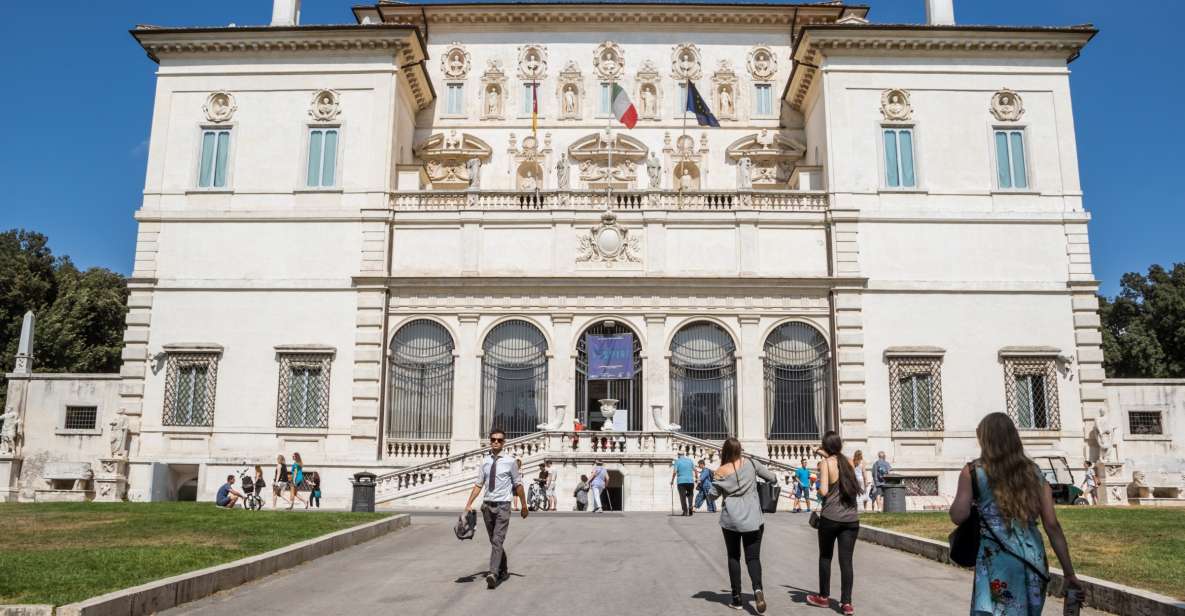
Skip-the-line in Rome can mean a lot of things, but here it’s pretty practical: you have pre-reserved admission tied to your entry slot. That matters because the Borghese Gallery only lets in a limited number of visitors per day. So when you arrive with your time reserved, you avoid that frustrating “wait and hope” feeling.
It’s also a value play. Your ticket isn’t sold as a vague “entry pass”; it’s packaged with a local English-speaking guide and the guided flow that keeps you from wandering. At $67.19 per person, the real question isn’t just the entrance fee—it’s whether you’ll get enough out of the collection to justify paying for access plus interpretation. With an art historian guiding you through the key pieces, you’re paying to see more of what matters, not just to get inside.
Your guided loop: what happens from the first moment inside
Your meeting point is outside the museum at the double staircase directly in front of the Galleria Borghese, on Piazzale Scipione Borghese 5. Arrive about 15 minutes early so you’re not late to your assigned time window. The guide will be holding a green Walks sign.
Once you begin, the experience is essentially a guided route through the collection’s strongest works—organized so the story builds as you go. The format is a walking tour through the museum rooms, and the pace is moderate (you should be comfortable walking through the interior at a steady rhythm).
Stop 1: Outside / start at Galleria Borghese
This is the “get oriented fast” part. You’ll confirm group timing and settle in before you enter.
Stop 2: The gallery visit (guided time inside Villa Borghese)
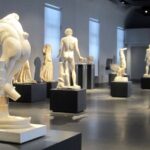
This is where the tour earns its keep. You’ll see major works by Caravaggio, Bernini, Raphael, and Canova, plus the marble and ceiling details that make the palace itself part of the show.
Stop 3: Back to the meeting point
The tour ends where it started—helpful if you’ve got another plan nearby, or if you want to move on without extra hopping around.
One note: the listed duration is about 1.5 hours, while the described on-site guided visit is stated as longer in the route outline. Your confirmation is what matters for exact timing, so treat the duration as “time in the experience” and plan a little buffer for the real-world flow.
Bernini and Caravaggio: the stories that change your focus
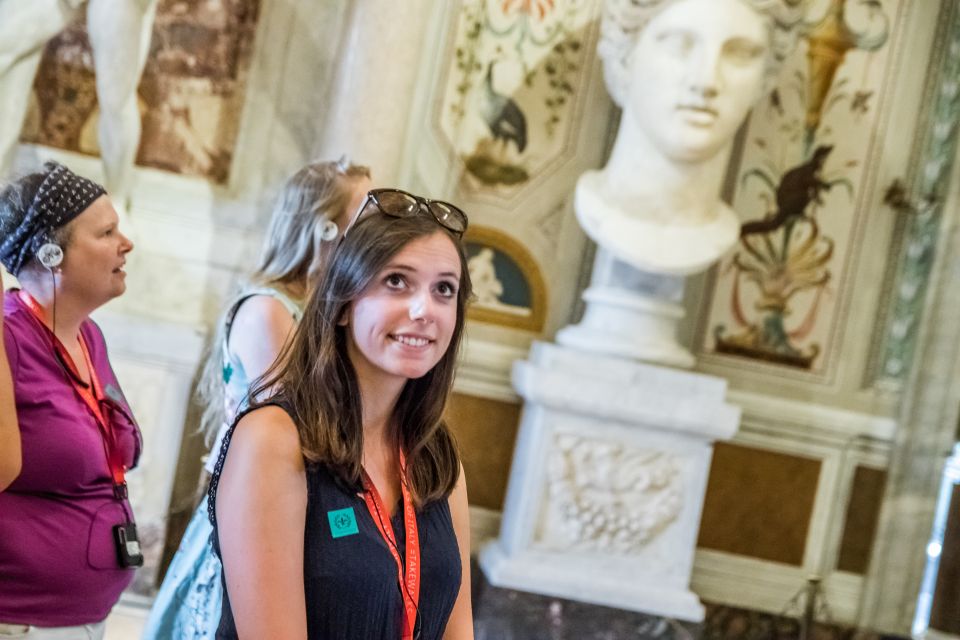
If you’re even mildly curious about Baroque art, this is the pairing that makes the Borghese collection feel alive. You’ll spend time on works strongly associated with two of the era’s biggest names: Gian Lorenzo Bernini and Caravaggio.
What I like about this guided approach is that it doesn’t stay on the surface. The guide connects technique to meaning, and meaning to the artist’s personality. For example, you might hear how Caravaggio’s life was violent enough that it shaped how people think about his intensity—and you’ll notice how that intensity shows up in the way figures are lit and posed. Likewise, you may learn a surprising take on Bernini’s self-belief and career arc, which makes his dramatic sculptures feel less like museum objects and more like someone’s bold push to greatness.
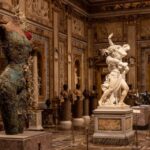
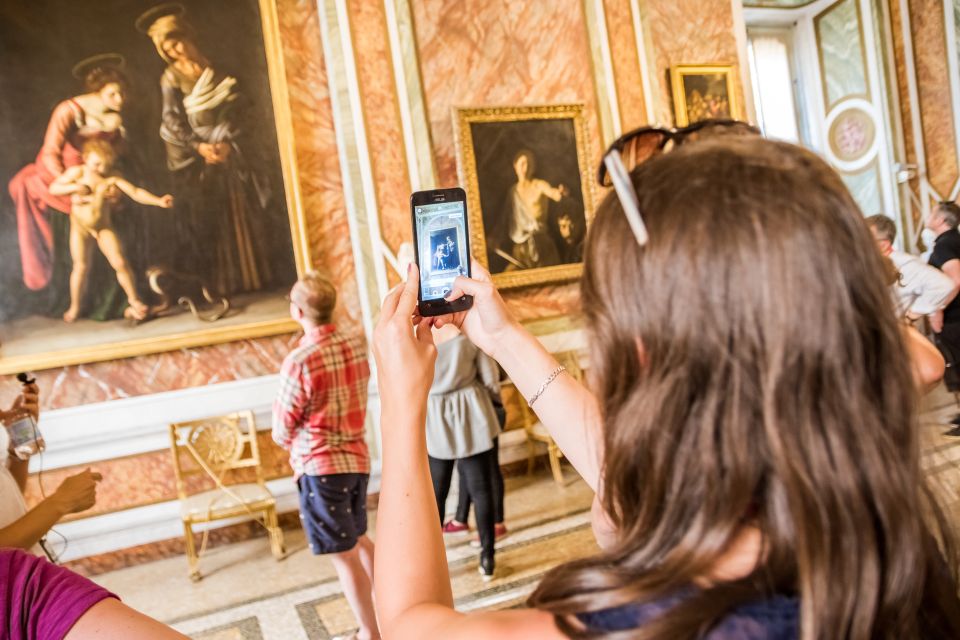
Specific works you’ll encounter include Bernini’s Apollo and Persephone and Apollo and Daphne as well as pieces like The Rape of Proserpina and Bernini’s David. On the Caravaggio side, you’ll see works such as St John the Baptist and David and Goliath. The key advantage of a guide here is attention: you learn what to look for before you look—then the work clicks as you move.
Raphael and Canova: why they sit in the same room as drama
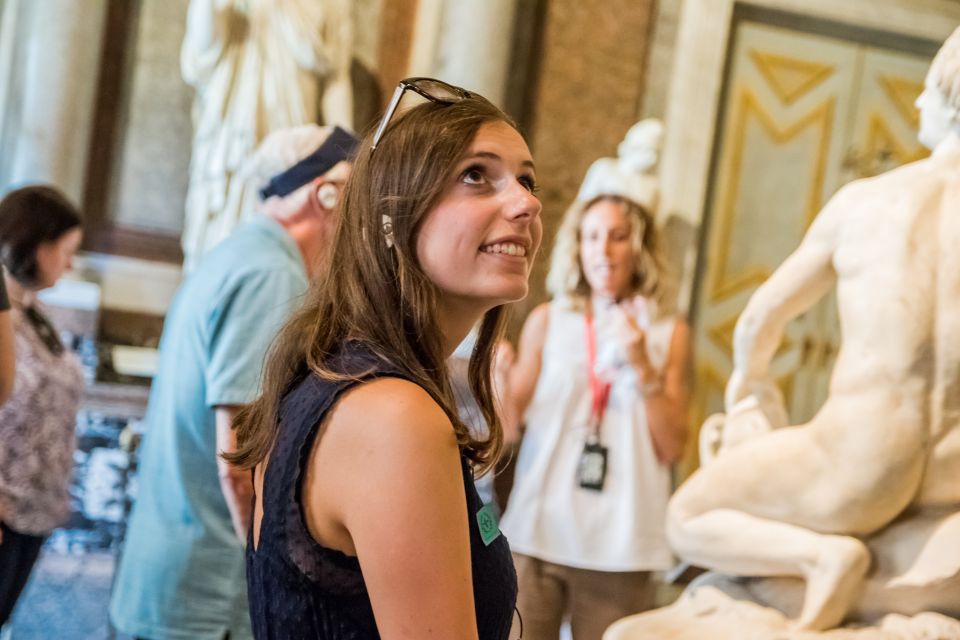
The Borghese collection isn’t only a duel between shadow and movement. You’ll also see Raphael and Antonio Canova, and that balance is part of the point. A good guide helps you notice the difference in “energy” between artists—how Raphael’s compositions can feel more controlled, and how Canova’s sculptural style leans into ideal form and polished finish.
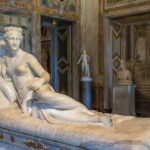
Works mentioned for this tour include Raphael’s The Deposition and Canova’s Pauline Bonaparte. When you see these alongside Bernini and Caravaggio, you get a cleaner sense of how art changed in Italy: not in a straight line, but in competing styles that met the tastes and politics of their day.
If you’re the type who thinks you don’t like art, this is the moment where you often start to re-think that. A well-led explanation can make it feel like you’re reading a story in pictures instead of standing in silence.
You can also read our reviews of more guided tours in Rome


The palace itself matters: marble and ceiling frescoes
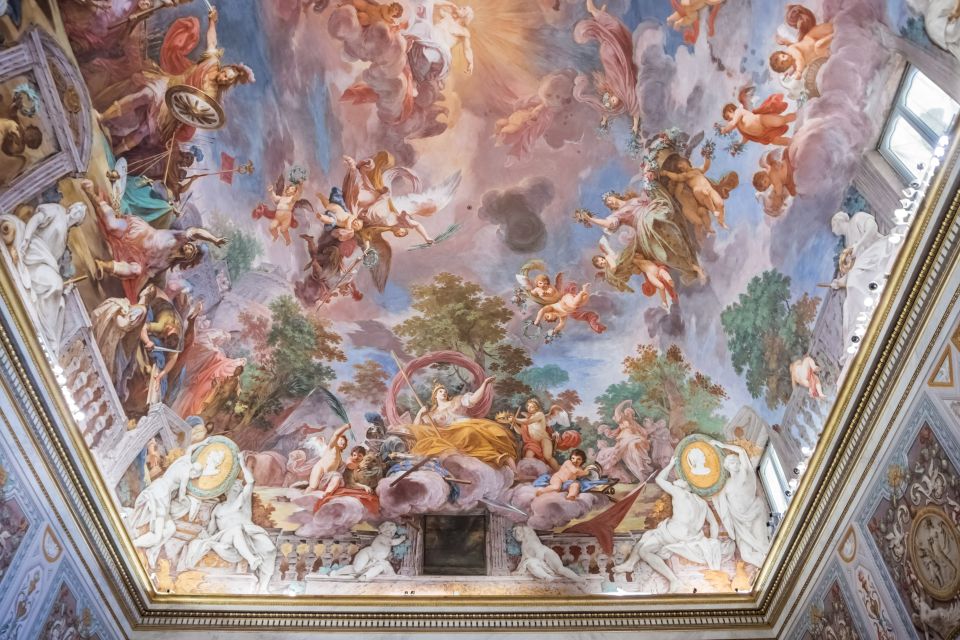
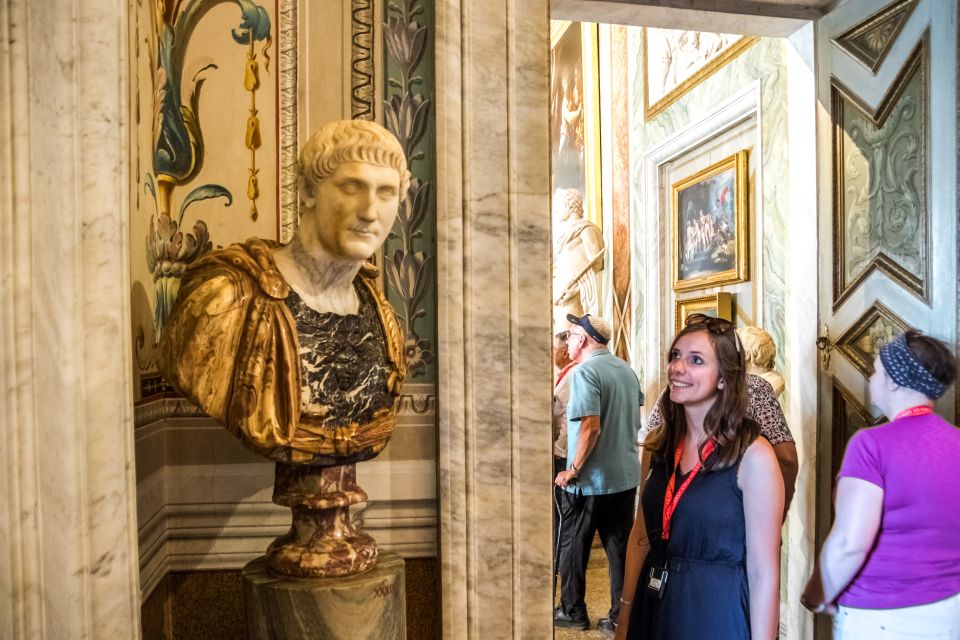
It’s easy to treat the Borghese Gallery like a list of famous names. But the building design is doing work, too. This tour doesn’t ignore the setting: you’ll notice marble architecture and ceiling frescoes as you listen.
That matters because it changes the way your brain understands what you’re seeing. Sculpture in a grand room lands differently than sculpture in a white box. Frescoes and decorative details shape your eye movement, and your guide can help you connect the artwork’s drama to the room’s theatrical feel.
Group size, headsets, and walking pace: what it feels like in real time
This is a small-group tour limited to 15 people or less, and that alone improves your experience. You’re close enough to the guide to hear the explanation without needing to force it. When the group runs larger than 6, headsets are included, which keeps you from losing the story every time you move to a new room.
Since it’s a walking tour, you should be ready for moderate walking through the museum spaces. If you have mobility concerns, the tour is stated as wheelchair accessible, and you can email the Guest Experience team during booking for proper arrangements.
Also, plan around the museum’s rules: no cameras, no food or drinks, and no luggage or large bags. Rome museums can be strict, and here the restrictions help maintain the quiet feel.
What you should bring (and what you’ll be glad you left home)
Because cameras aren’t allowed, you won’t need to worry about finding the perfect photo angle—but you’ll want to bring something for notes if you like remembering details later.
Practical picks:
- Comfortable shoes (indoor walking adds up)
- A small day bag that fits through security rules
- Water outside the museum area, since food and drinks aren’t permitted during the tour
Leave behind:
- Large luggage or anything bulky (it’s not allowed)
- Anything you’d normally want to pull out for photos
And one small timing tip: arrive early. The tour asks for 15 minutes early, and that buffer helps you settle in without stress.
Price and value: paying for access plus context
Let’s talk money. At $67.19 per person, you’re paying for:
- A guided experience in English
- Pre-reserved admission with guaranteed access to this limited-capacity site
- Headsets if the group is over 6
- The entrance ticket bundled into the tour
You’re not paying for hotel pickup, so you do need to get yourself to the meeting point. For Rome, that’s not unusual. The value question is: will you spend time inside the Borghese collection effectively?
If you go without a guide, you can still enjoy the art. But the Borghese collection is the kind where context changes everything—especially for Caravaggio and Bernini, where the artist’s life and dramatic style are part of the meaning. With an art historian leading you, your visit becomes less about trying to “figure it out” and more about recognizing patterns and choices as you move.
This tour is also good value for people who want a high-impact museum day without turning it into a full-day museum marathon. You get the core masterpieces in one guided loop, instead of spending your time deciding what’s worth it.
Who this Borghese Gallery tour suits best
This tour is a strong match if you:
- Want skip-the-line access to a museum that limits daily visitors
- Like art history that explains technique and motivation, not just dates
- Prefer a small group environment over a crowded museum shuffle
- Want to see Caravaggio, Bernini, Raphael, and Canova without guessing your own route
It may not be the best fit if you:
- Really want to take photos inside (cameras aren’t allowed here)
- Prefer total freedom to wander slowly room to room without a timed flow
- Need a fully seated experience (this is walking at a moderate pace)
Should you book this Borghese Gallery skip-the-line tour?
I’d book it if your goal is to get real value from a limited-capacity museum day. The combo is hard to beat: reserved entry you can count on, a small group, and an art historian who points out why these works hit so hard. If you’re the type who loves hearing the human side behind the artwork, this tour can turn a famous gallery into something you actually remember.
If you only want a quick “I was there” visit, you might skip the guide and do the museum on your own. But if you care about seeing why Apollo and Persephone feels the way it does, or why Caravaggio’s lighting makes his figures look like they’re stepping out of the moment, this is the smarter choice.
FAQ
Where does the Borghese Gallery tour meet?
It meets outside at the double staircase directly in front of Galleria Borghese, Piazzale Scipione Borghese 5, 00197 Roma. The guide will hold a green Walks sign.
When should I arrive?
Please arrive about 15 minutes prior to your tour start time.
How long is the tour?
The duration is listed as 1.5 hours. Starting times depend on availability, so check what your slot confirmation shows.
Is the tour in English?
Yes, the tour is English-language.
Does it include skip-the-line entry?
Yes. You’ll have a pre-reserved ticket and skip the ticket line for the Borghese Gallery.
Are cameras allowed inside the gallery?
No. Cameras are not allowed.
Is there a headset?
Headsets are included for groups over 6.
Is it wheelchair accessible?
Yes. The tour is stated as wheelchair accessible, and you should email the Guest Experience team at booking time for arrangements.
What’s included and what’s not?
Included: local English-speaking guide, guided walking tour, Borghese Gallery ticket, and headsets when groups exceed 6. Not included: hotel pickup.
Can I bring food, drinks, or large luggage?
No. Food and drinks aren’t allowed, and luggage or large bags aren’t allowed.
Is free cancellation offered?
Yes. You can cancel up to 24 hours in advance for a full refund.