REVIEW · ROME
Rome by Night: 3-Hour Guided Walking Tour
Book on GetYourGuide →Operated by Enjoy Rome · Bookable on GetYourGuide
Floodlit Rome changes how you see history. This 3-hour guided walk is built for that moment when the city looks grand instead of crowded, and I like that you get headsets so you can actually hear your guide without craning your neck. I also like the Forum overview, which gives you a clear framework for what you’re seeing around the Colosseum area. One thing to weigh: this tour is not wheelchair accessible and you’ll be walking on outdoor streets at night.
You start at sundown, so you get both the tail end of daylight and the full “Rome looks like it’s lit from within” effect. The route stitches together classic icons and the big-picture story—Roman politics, architecture, and daily life—without the frantic daytime pace.
In This Review
- Key Highlights Worth Your Time
- Meeting at Colosseo and How the Night Gets Started
- Piazza Navona After Dark: Geometry, Light, and People-Watching
- Pantheon Area: The Stop That Becomes a Story
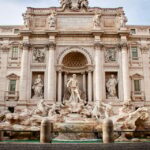
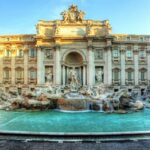
- Trevi Fountain at Night: Icon Without the Chaos
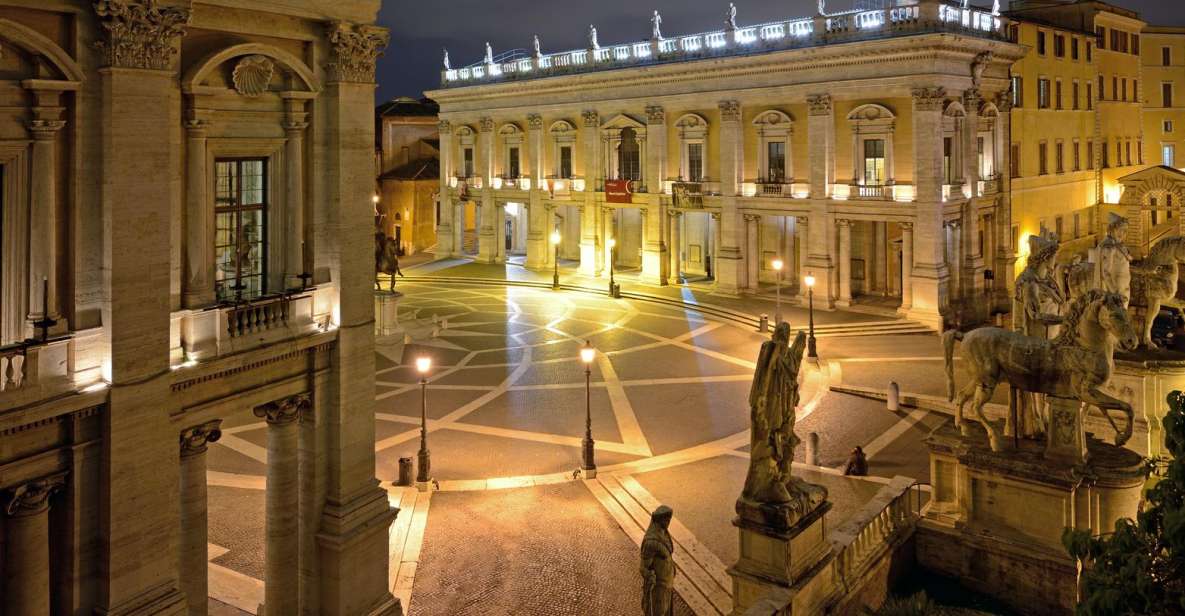
- Capitoline Hill: Where Rome’s Power Talk Starts to Make Sense
- The Walk Toward the Coliseum: How to See the Area Like a Local
- Roman Forum and Imperial Forums: The Best Part for First-Timers
- Colosseum at Night: Floodlit Meaning, Not Daytime Rush
- Guides and Storytelling: What Makes the Tour Feel Like It Flows
- Price, Value, and What You’re Actually Paying For
- Practical Tips to Make the Night More Comfortable
- Should You Book Rome by Night?
- FAQ
- Is the Rome by Night tour offered in English?
- How long is the guided walking tour?
- Where is the meeting point for the tour?
- When should I arrive for the meeting point?
- Are entrance fees included for monuments and sites?
- What’s included in the tour price?
- Is the tour wheelchair accessible?
- Are pets allowed on this tour?
Key Highlights Worth Your Time
- Sundown timing: you catch the transition from sunset glow to floodlit monuments.
- Headsets included: easier listening on a windy, noisy street.
- Major icons in one circuit: Piazza Navona, Pantheon, Trevi Fountain, Capitoline Hill, and the Colosseum area.
- A real Forum orientation: the open-air Imperial Forums context helps everything click.
- English live guide: narration is part of the product, not an optional add-on.
- Entrance fees not included: you’re paying for access to the story and the route, not building-ticket time.
Meeting at Colosseo and How the Night Gets Started
The tour meets outside metro station Colosseo on Line B, between a green newsstand (Kiosk) and a yellow bus stop. Plan to arrive about 25 minutes early—this is one of those practical Rome things where meeting points can be easy to miss if you show up right on time.
Once everyone checks in, the night rhythm kicks in fast: you’re moving while the city is still switching gears from evening traffic to sightseeing mode. That matters, because in central Rome the difference between a “quick look” and a “good look” often comes down to timing and crowd density.
Also note the small-but-important basics: the tour is English only, headsets are provided, and pets aren’t allowed. If you’re traveling with mobility needs, this one won’t work, since it’s not wheelchair accessible.
You can also read our reviews of more walking tours in Rome
Piazza Navona After Dark: Geometry, Light, and People-Watching
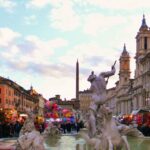
The walk begins with the kind of Rome intro that feels like a postcard, but night makes it smarter. Piazza Navona is where the city shows off its dramatic scale—stone surfaces, sculptural details, and those famous fountains—while street-level life stays lively.
At night, you get two big advantages here. First, the sightlines open up because daytime tour traffic thins out. Second, the light brings out the shapes in the architecture, so you notice proportions you might miss in the midday glare.
I like this opening stop because it sets the tone for the whole tour: this isn’t only about ticking landmarks. The guide narration helps you connect the geometry around you to how Rome built public space—places meant for gatherings, spectacle, and power.
Pantheon Area: The Stop That Becomes a Story
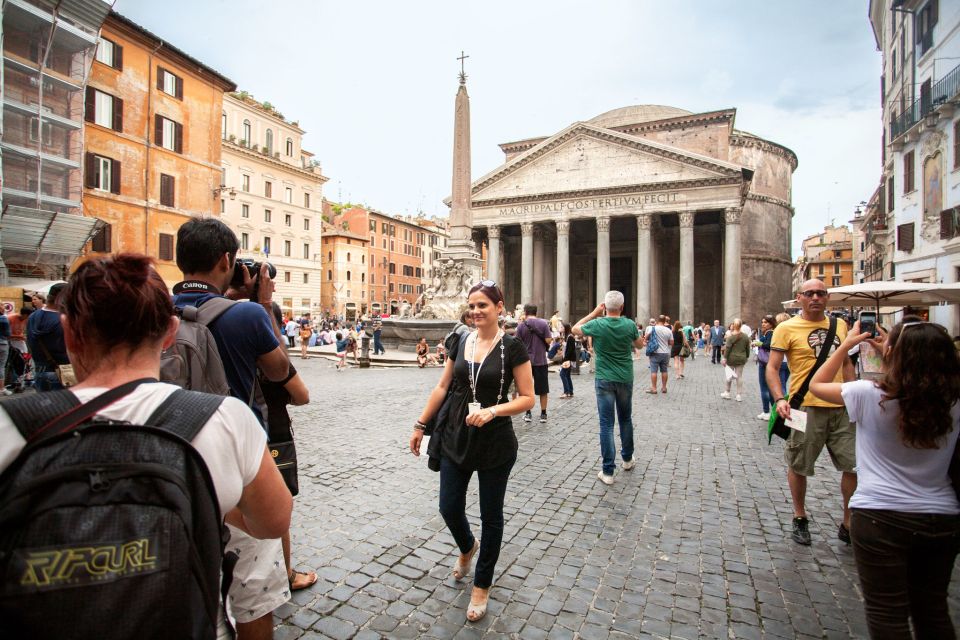
After Piazza Navona, you shift toward the Pantheon area. This is one of those Rome landmarks that’s instantly recognizable in photos—then slightly different in person, because the scale and the surrounding streets make it feel more lived-in than museum-like.
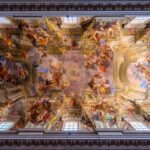
The tour’s big strength here is what you’re doing between the views. You’re not just standing and moving on. You’re hearing an expert-style explanation of how Roman building tradition evolved, and how the city’s architecture expresses both engineering and authority.
One practical note: entrance isn’t included, and many monuments don’t operate in the evening. That doesn’t make the Pantheon stop less valuable—it just means your “win” is the exterior experience plus narration, not a guaranteed interior visit.
Trevi Fountain at Night: Icon Without the Chaos
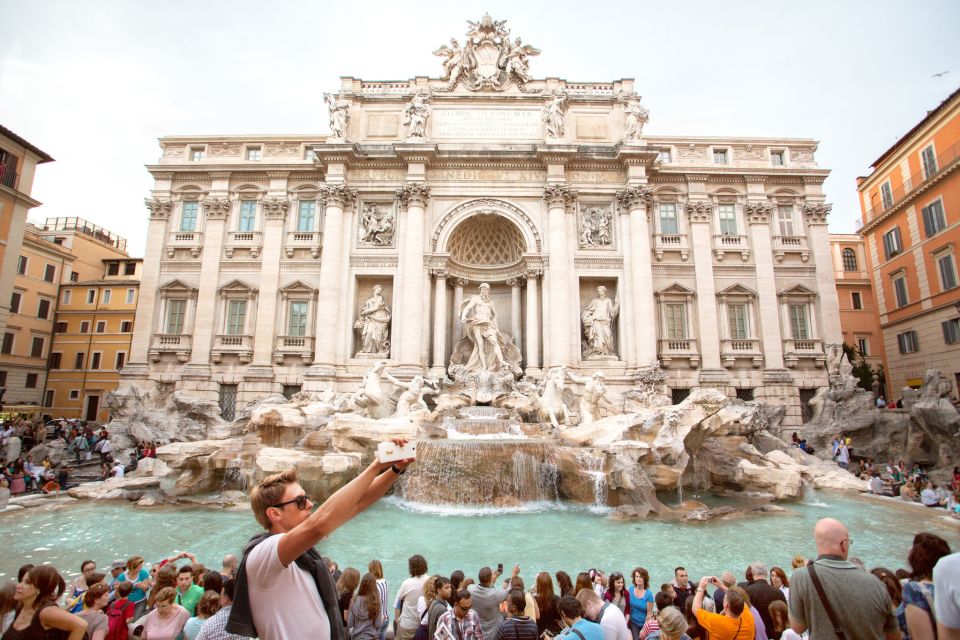
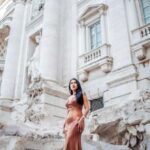
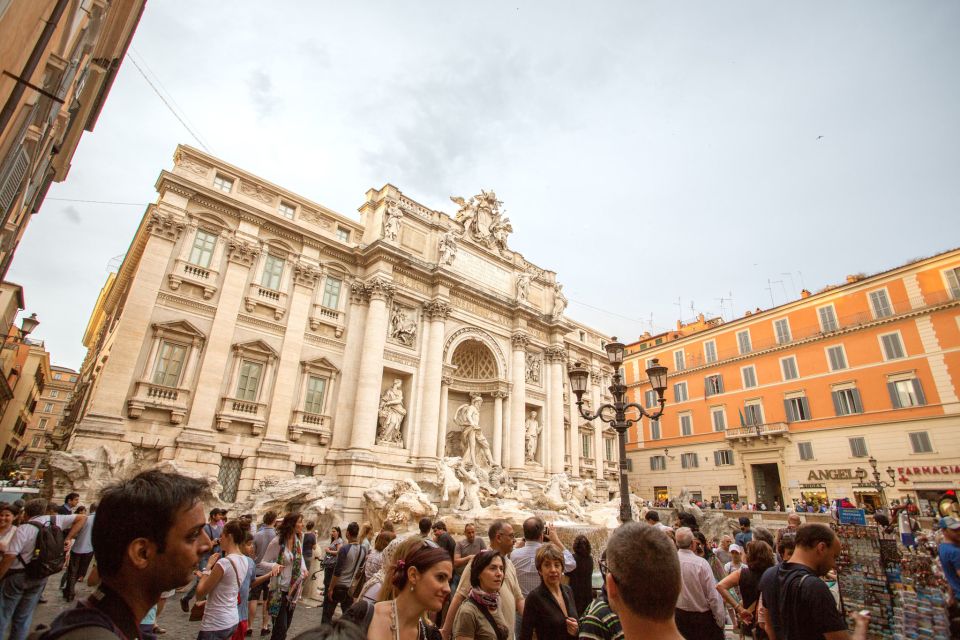
Trevi Fountain is the kind of place that can feel like a traffic jam in daylight. At night, it’s still Trevi—meaning it’s still intense—but it’s more tolerable because you’re not fighting crowds at peak hours.
Why it works on this tour: you get a guided sense of what you’re looking at, and you have time to see it as more than a photo background. The guide’s narration gives you a framework for why this fountain became such a symbol, so it lands better than a quick glance.
If you’re the type who likes to pause and take a slow look, this is one of the stops where you can appreciate the craftsmanship and the way the fountain sits inside its city setting. Just remember: even at night, Trevi is popular, so expect foot traffic. The goal is not solitude. The goal is clarity.
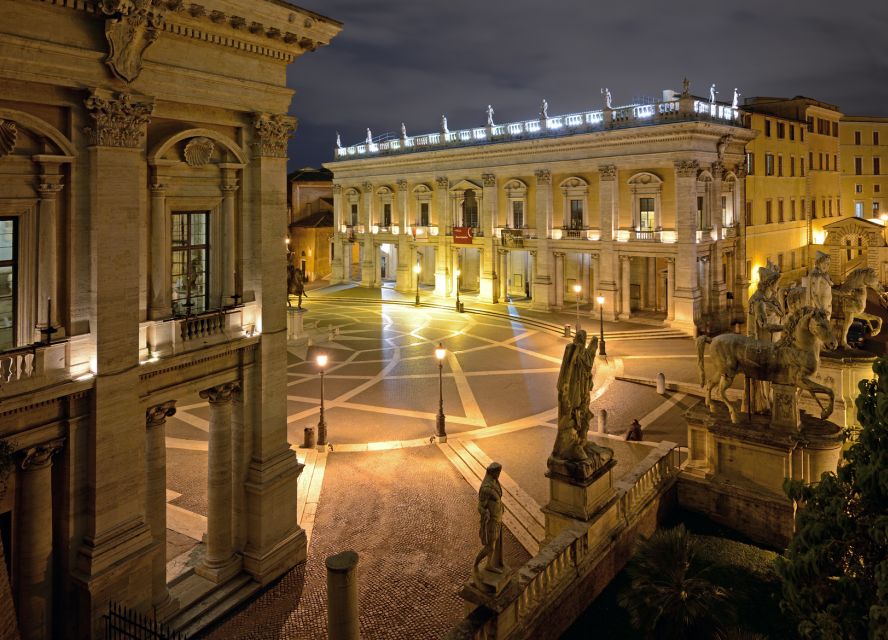
Capitoline Hill: Where Rome’s Power Talk Starts to Make Sense
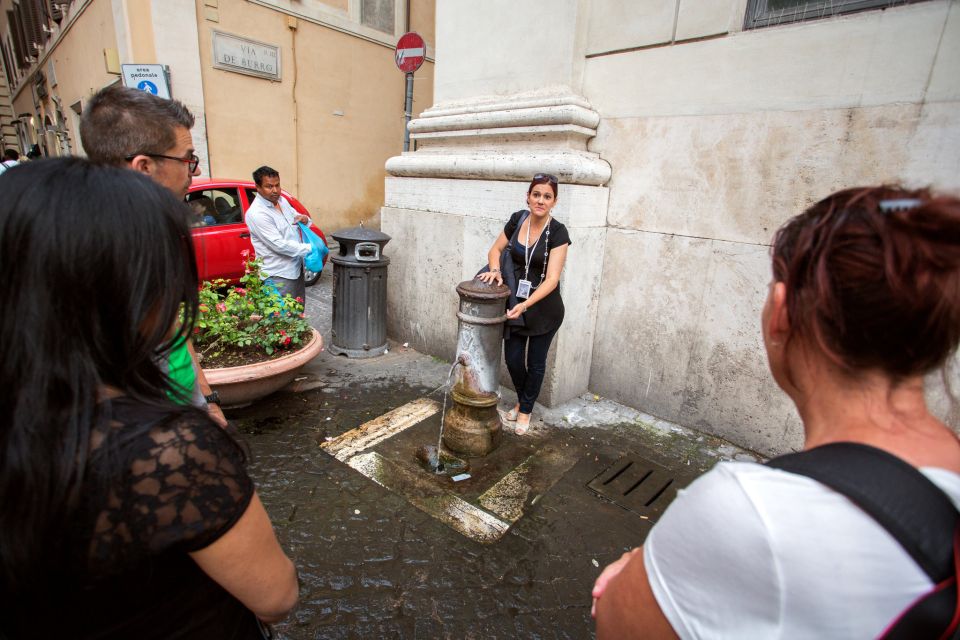
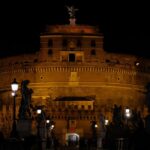
Next comes Capitoline Hill, and this is a stop that often feels abstract—until you get the story in your ears. The Capitoline area is closely tied to Rome’s political life and its self-image, and your guide uses that context to help the city feel connected instead of scattered.
I like the way this portion turns monuments into meaning. You’re seeing famous spaces, yes, but you’re also being taught how Romans used height, views, and ceremonial design to project control. It’s architecture as messaging.
Also, this is where you start to appreciate the value of having a guide at all. Rome is full of big objects and small details. Without a narrative thread, it’s easy to remember the photos and forget the why. With narration, you start remembering both.
You can also read our reviews of more guided tours in Rome


The Walk Toward the Coliseum: How to See the Area Like a Local
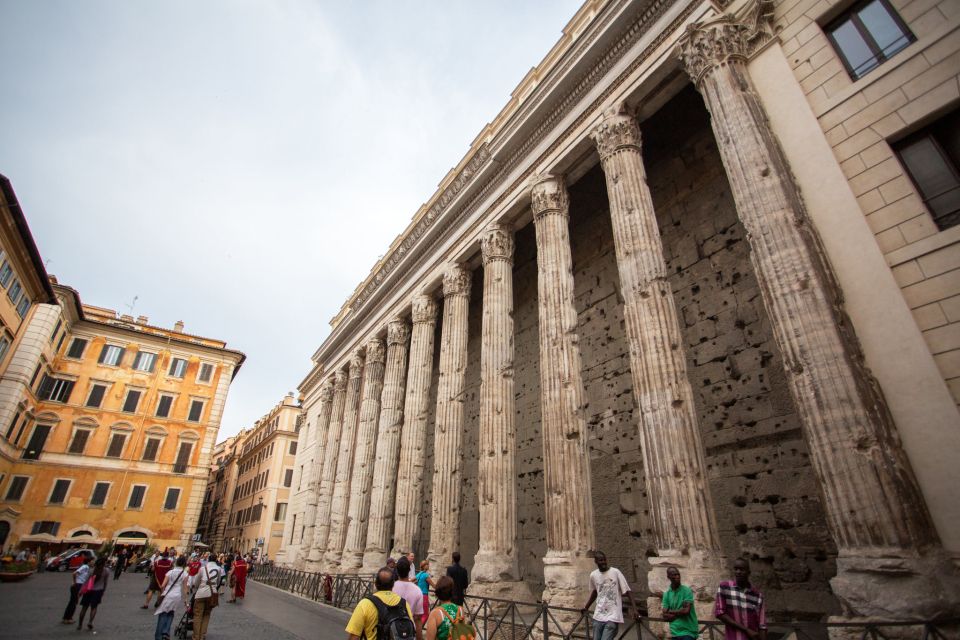
As you get closer to the Colosseum zone, the experience shifts from “icon sightseeing” to “understanding the neighborhood.” This isn’t only the Colosseum. It’s the whole mass of Rome around it—streets, levels, and the layout of monumental space.
The headset system helps a lot during this phase. Rome at night can get loud: cars, scooters, groups chatting, and the echo of stone. Headsets keep the guide’s explanations clear so you don’t miss key facts while you’re looking around.
And here’s a small but real travel tip: use the headset audio to pace yourself. Let the narration cue you when to look up, when to slow down, and when to focus on details at street level.
Roman Forum and Imperial Forums: The Best Part for First-Timers
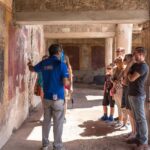
If you want a reason this tour is more than a highlight reel, it’s the Forum overview. You get an explanation of the Roman Forum area, including the Imperial Forums, and that matters because this is where “Rome history” stops being a list and starts becoming a map in your head.
At night, the Forum area can feel dramatic rather than exhausting. You’re seeing the open-air scale without the daytime crowds pressing you from behind. And because the tour is guided, you’re not just wandering through ruins—you’re learning what you’re looking at and why it mattered.
I especially appreciate this part if it’s your first visit to Rome. The Forum is where you begin to understand how Roman public life worked: politics, law, ceremony, commerce, and the architecture designed to make it all visible. The guide narration turns the stone into a timeline you can follow.
Also, because entrance tickets aren’t included, you’re not necessarily trying to squeeze into specific timed entry points. You’re taking in the overview and letting the explanation do the heavy lifting. That often feels like better value if your priority is comprehension over “stamps in the passport.”
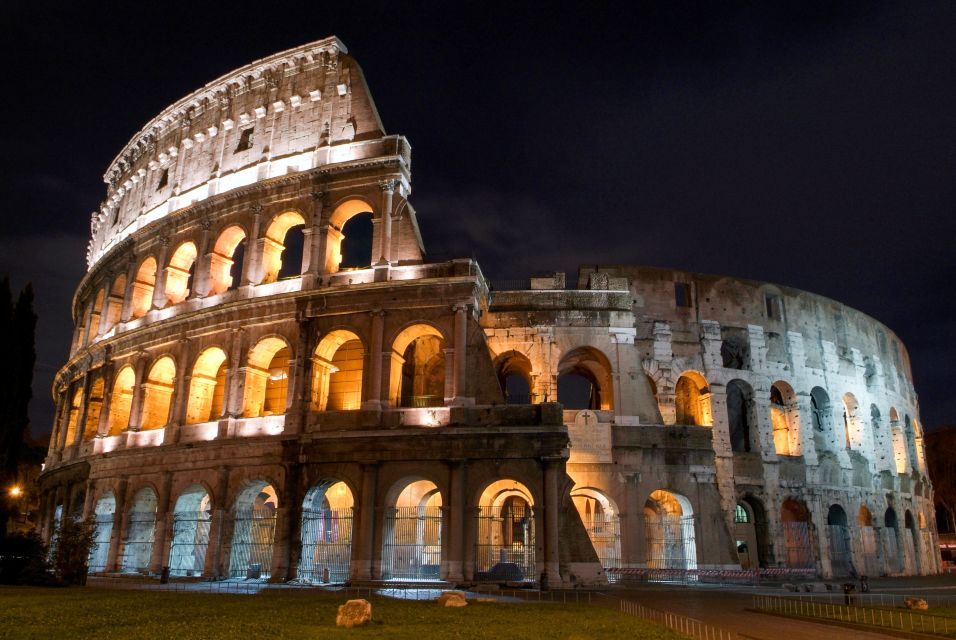
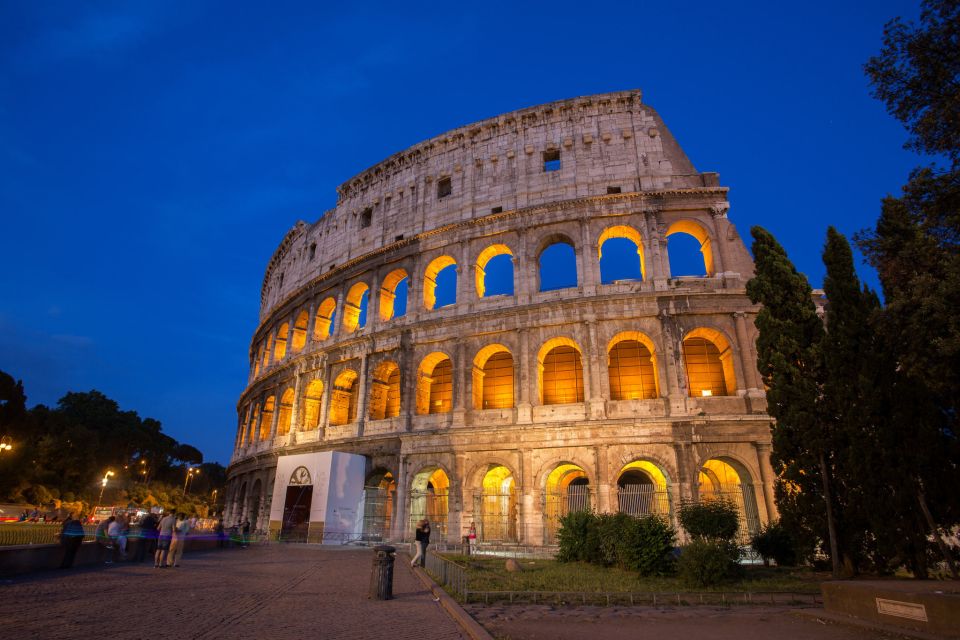
Colosseum at Night: Floodlit Meaning, Not Daytime Rush
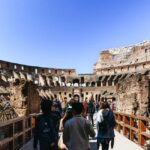
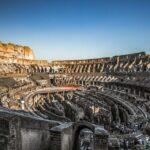
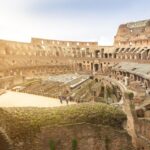
Then you reach the Colosseum area, still one of the most powerful sights in Europe. Floodlighting changes it. In daylight, the Colosseum can feel like a monument you’ve already seen in a hundred pictures. At night, it feels more like a stage set—big, immediate, and visually commanding.
This is where you see why the tour’s “night” angle is actually smart. The daytime crush can be intense. At night, you can still appreciate the size and details, but you’re not in the same peak-hour squeeze.
Keep expectations realistic: the tour includes exterior-focused sightseeing and narration, not a guaranteed inside visit, since entrance fees aren’t included and evening access can be limited. Still, the moment you look at the Colosseum with the city behind it is often enough to make the whole walk feel worth it.
Guides and Storytelling: What Makes the Tour Feel Like It Flows
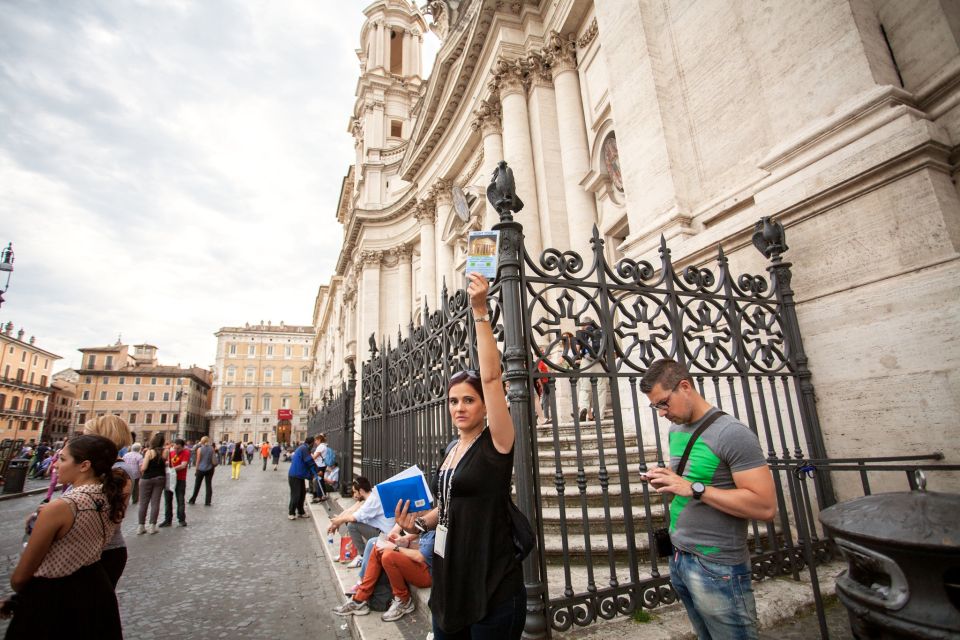
This tour rises or falls on the guide. The best evenings tend to have a guide who can keep the story moving while you’re walking between sites—not just recite facts, but connect them.
From past experiences with guides like Renate, Clare, Irene, Irina, Chiara/Ciara, and Elisabeta, the common theme is passion and pacing. You’ll hear lots of historical framing and city-life context, plus the kind of explanations that help you interpret what you’re seeing rather than memorize it.
Headsets also make a difference. On this format, clear audio is everything: it helps you follow the story even while you’re navigating streets and looking at multiple monuments in sequence.
Price, Value, and What You’re Actually Paying For
At $66 per person for about three hours, this isn’t “cheap,” and that’s okay. You’re paying for a few concrete things the night adds up to:
- An expert guide plus extended narration (the main product)
- A route that connects multiple top sights without you needing to plan each hop
- Headsets, which improve the quality of the experience on busy streets
Entrance fees aren’t included, and many monuments won’t be open in the evening. That’s important for value math. If you’re hoping to spend most of your time inside ticketed sites, you’ll likely need a separate plan for that. But if your goal is to learn the city and see a strong slice of Rome in one smooth evening, this cost can make sense.
A useful strategy: book this early in your trip. Getting your bearings through storytelling first makes later self-guided visits feel far more satisfying.
Practical Tips to Make the Night More Comfortable
A night walking tour is still a walking tour. Even when it’s “just three hours,” Rome streets can be uneven and your feet will notice. Wear shoes you’d trust for cobblestones and don’t plan to change footwear mid-tour.
Bring layers. Sundown means temperatures can drop, and you’ll be outside. Also, keep your phone battery for after the tour, not for constant map-checking—your guide route will do the navigation.
Finally, arrive on time. The meeting point is specific, and the departure happens at sundown. Showing up late can mean losing the start, and the start is when the story is set.
Should You Book Rome by Night?
Book it if you’re:
- Visiting Rome for the first time and want context, not just photos
- Hoping to see major landmarks with fewer daytime crowds
- The kind of traveler who likes learning while walking, especially with headset audio
Skip or think twice if you:
- Need wheelchair access (this tour isn’t wheelchair accessible)
- Want mostly indoor monument time with included tickets (entrance fees aren’t included, and evening hours can limit access)
- Get easily overwhelmed by nighttime walking on outdoor streets
If you want a relaxed, guided way to understand the heart of ancient Rome and see its icons lit up for the evening, this is a strong pick. It’s not only about the night glow—it’s about leaving with a clearer picture of how Rome fits together.
FAQ
Is the Rome by Night tour offered in English?
Yes. The tour is only offered in English, with a live tour guide.
How long is the guided walking tour?
The duration is 3 hours.
Where is the meeting point for the tour?
Meet outside metro station Colosseo on Line B, between the green news stand (Kiosk) and the yellow bus stop.
When should I arrive for the meeting point?
Please arrive 25 minutes before the tour departure time.
Are entrance fees included for monuments and sites?
No. Entrance fees are not included, and many monuments and sites will be closed in the evening.
What’s included in the tour price?
Included are the tour guide and headsets.
Is the tour wheelchair accessible?
No, the tour is not wheelchair accessible.
Are pets allowed on this tour?
No, pets are not allowed.