Rome hits different when it comes with receipts. This alternative walking tour of Rome’s city center is built around power, scandal, and who really pulled the strings—not just postcard photos. Guides like Iris and Jacopo bring the stories in a way that feels sharp, funny, and easy to follow.
What I like most is the focus on families and dynasties—the people behind emperors, popes, artists, invaders, and visionaries. You’ll connect Trajan-era Rome to Renaissance basilicas, Baroque fountains, and even the Egyptian-looking obelisks that pop up around the city. And yes, there’s dark humor in the mix, sometimes with politically incorrect jokes, so it’s not a stiff museum vibe.
The one thing to consider: this is a tip-based tour, so the experience doesn’t have a fixed price beyond the low booking amount. You’ll want to plan your tip in advance (usually 10€ to 50$), and you should only book if that storytelling tone fits your sense of humor.
In This Review
- Key things I’d watch for on this Rome walk
- Starting at Chiesa del Santissimo Nome di Maria al Foro Traiano
- Trajan’s Column and the forum setting: propaganda you can read
- The “secret stop” and the monastery break
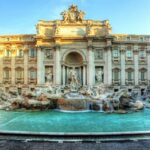
- Trevi Fountain with real context, not just a photo sprint
- Church of Sant’Ignazio di Loyola: the ceiling is the story
- Pantheon: why it keeps teaching new lessons
- Piazza Navona finale: ancient geometry meets Baroque theater
- The guides: the difference between facts and a point of view
- Price and what you really get for it
- Who should book this Rome alternative walk
- Should you book this alternative walking tour of Rome?
- FAQ
- Where does the tour start?
- Where does the tour end?
- How long is the walking tour?
- Is this a pay-what-you-want or fixed-price tour?
- What languages are available?
- What major sights will I see?
- What’s included besides the guide and walking?
- Is there free cancellation?
- Can I reserve now and pay later?
- Is this tour only for first-time visitors?
Key things I’d watch for on this Rome walk
- Off-limits-style stops: secret locations and moments you usually won’t stumble into on your own
- The “power families” angle: how dynasties shaped streets, churches, and monuments
- A Papal gardens add-on: included admission that adds a calmer pause in the middle of the sightseeing
- Major icons plus smaller streets: Trevi, Pantheon, and Piazza Navona, paired with less-touristy context
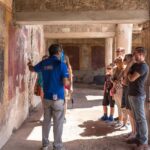
- Live guide, no headset feel: you’ll be in direct conversation, with room for questions
Starting at Chiesa del Santissimo Nome di Maria al Foro Traiano
The tour starts on the steps of Chiesa del Santissimo Nome di Maria al Foro Traiano, right by Trajan Column and Trajan Forum. That matters because you’re beginning at the edge of one of Rome’s clearest “power zones,” where stone was used to advertise authority.
I like this opening because it sets the tour’s logic fast. Instead of treating monuments as isolated masterpieces, you’re learning to see them as tools—used by rulers to legitimize themselves, and by later generations to keep rewriting the story.
You can also read our reviews of more walking tours in Rome

Trajan’s Column and the forum setting: propaganda you can read
You get a short photo stop and visit at Trajan’s Column. Even if you’ve seen it before, the guide’s framing changes the feel. It’s not just a giant spiral of carvings—it’s a political message made into artwork, with a timeline you can almost follow just by how the scenes are arranged.
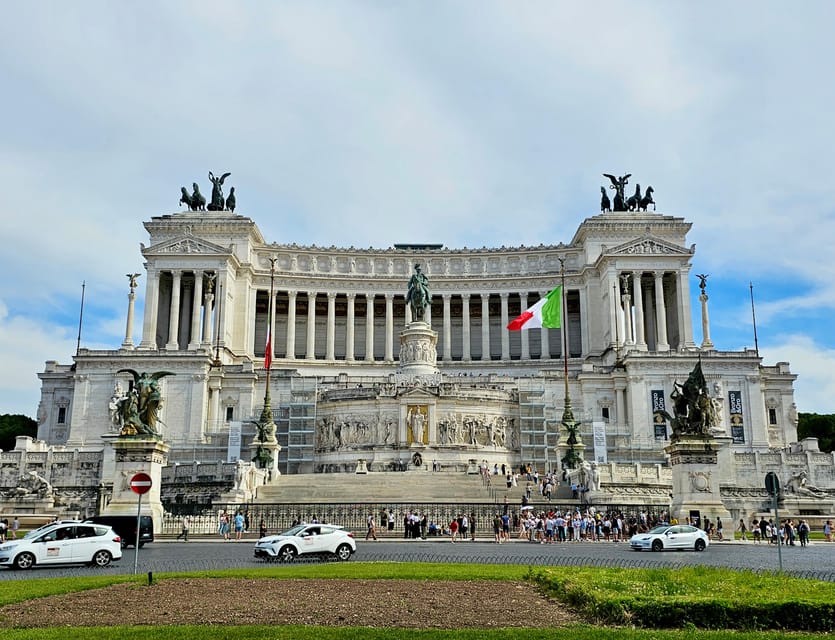
Right after, you bounce toward Piazza Venezia for a quick look. It’s brief, but it’s useful: you’re being taught to spot how Rome layers authority across eras, from ancient imperial statements to later “national” symbols that people walk past without thinking about.
The “secret stop” and the monastery break
The middle of the walk includes a short secret stop (a photo stop plus guided visit, only about 5 minutes). That’s one of the reasons this tour is appealing if you already know Rome’s big names. The goal isn’t to cram in more famous things—it’s to show you how to spot meaning where most people just see scenery.
Then you get a longer monastery segment (around 25 minutes). This is where the tour’s included Papal private gardens admission fits in. Even if you’re not a garden person, this pause is valuable because it breaks the “always moving, always loud” cycle of central Rome. You get a little quiet contrast to the crowds and the heavy stone monuments.
One more plus: guides on this walk seem to lean into detail-sharing, with guests praising that questions get answered and the pacing stays comfortable. If you’re the type who likes to ask why something is there, this kind of stop rewards you.
Trevi Fountain with real context, not just a photo sprint
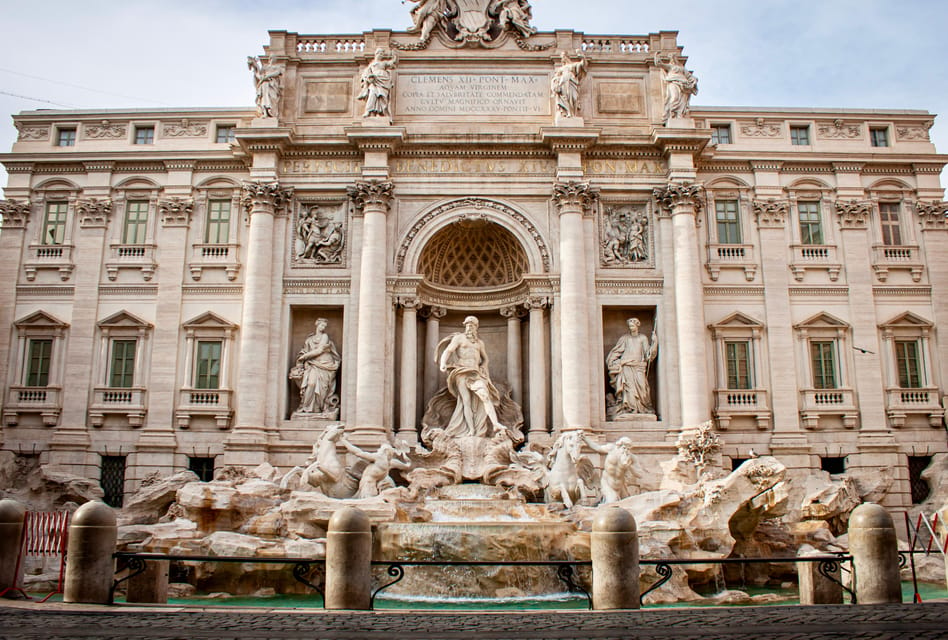
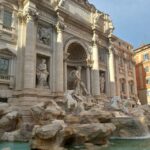
Next up is Trevi Fountain, with a break, guided tour, and some free time (about 15 minutes for that section). I’m glad this isn’t treated as a one-minute photo trap. Trevi is famous, yes—but the tour pushes you past that by explaining how fountains became symbols of power and propaganda.
Here’s the practical benefit: once you understand what Trevi is doing politically and artistically, you’ll notice things you’d normally miss. You start seeing allegory, messaging, and the way Baroque art turns public space into a stage.
Also, because you’re with a live guide, you can ask about anything that doesn’t add up when you’re staring at the details. One guest pointed out that the interaction stays face-to-face rather than headset-style, which makes the whole experience feel more like a conversation than a lecture.
Church of Sant’Ignazio di Loyola: the ceiling is the story
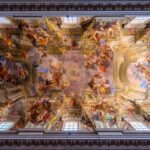
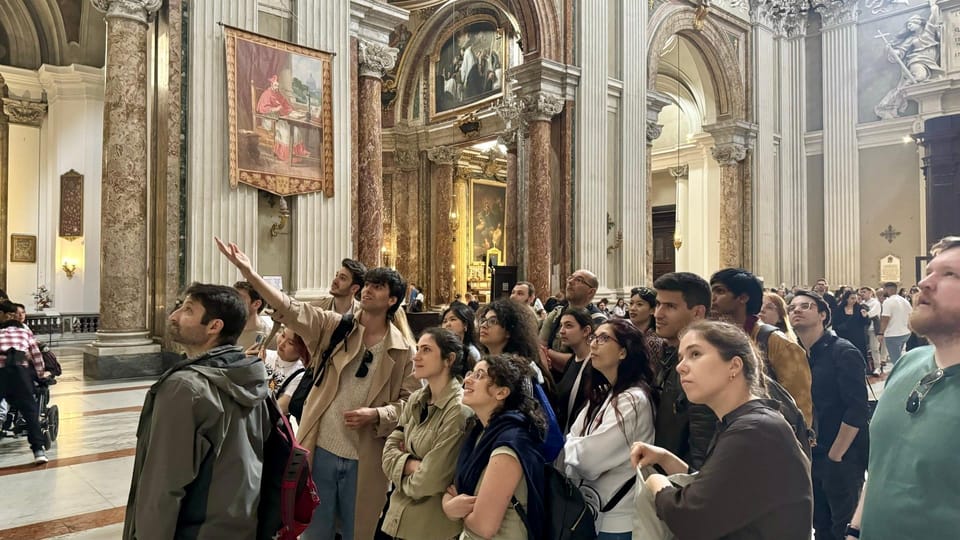
You’ll stop at the Church of Sant’Ignazio di Loyola for a photo stop plus a guided visit (around 10 minutes). This is one of those Rome places where architecture and illusion work together, and the guide helps you read it without needing art history homework.
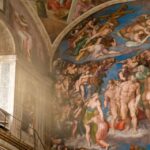
A highlight from guest comments: the church’s ceiling fresco is a huge draw, and the guide’s explanations make it make sense. It’s not just about seeing something impressive—it’s about learning the logic behind why the church art was designed to hit you emotionally.
This stop also fits the tour’s bigger theme: Rome’s “spiritual heart” is tied to power. Popes and artists weren’t just building churches. They were shaping belief, identity, and influence—one wall at a time.
You can also read our reviews of more city tours in Rome



Pantheon: why it keeps teaching new lessons
The tour then takes you to the Pantheon for a short guided segment (about 5 minutes). Yes, it’s famous. But the value here is in how the guide connects it to the city’s long-running obsession with authority, engineering, and symbolism.
Even with limited time, you’ll get a framework for what you’re looking at. Instead of only noticing the scale, you’ll likely start thinking in terms of intention: how Rome’s builders used form to signal permanence and control.
And if your guide is the kind who talks through details—some guests mentioned guides who could even read ancient inscriptions—this is where that skill really helps you feel closer to the real past.
Piazza Navona finale: ancient geometry meets Baroque theater
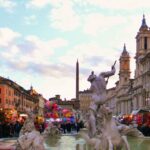
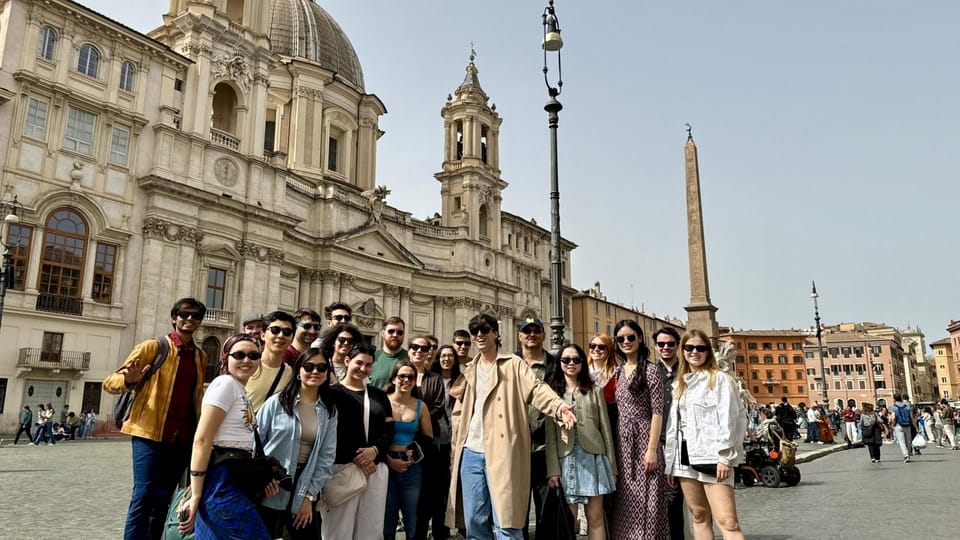
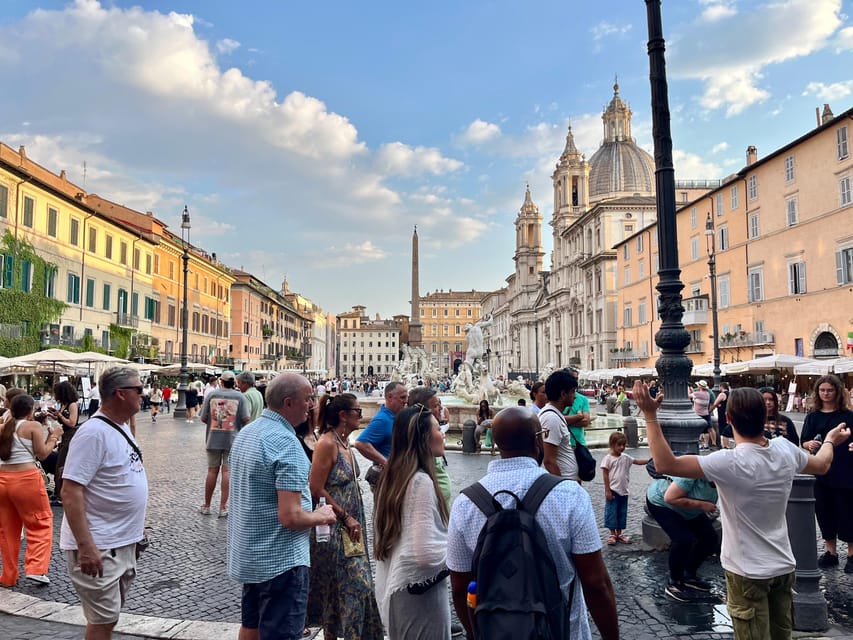
You’ll finish at Piazza Navona after a guided stop there (about 15 minutes). This square is a classic Rome mix: ancient traces, dramatic Baroque energy, and a layout that makes the past feel very present.
What makes the ending work is that it brings together the tour’s two big threads: iconic monuments plus the “why Rome looks like this” explanation. You leave with more than photos. You leave with a sense that the city is designed as a long-running argument—between eras, between rulers, and between art styles.
If you’re timing your day, Piazza Navona is a smart finish because you’re near plenty of places to keep walking, grab a drink, or head toward your next stop.
The guides: the difference between facts and a point of view
What stands out across the experience is the storytelling style. Guests repeatedly praised guides such as Jacopo, Simone, Iris, and Jacob, with comments about humour, energy, and a clear, conversational way of explaining. One guest even noted a guide translating older texts, which is a fun reminder that the city sometimes literally has its own handwriting still visible.
This matters for value. A walking tour that only hands you dates can be forgettable. This one aims to give you interpretation: why these sites matter, how power moved through them, and why that leftover influence is still visible when you walk the streets today.
Price and what you really get for it
The booking price is listed as $3.77 per person, but this is a tip-based tour under a pay-what-you-want model. Guides work for your tips alone, and the typical tip range you’ll see mentioned is 10€ to 50$.
So how do you judge value? I’d look at three things:
- You’re getting a 2.5-hour walk that hits major sights (Trevi, Pantheon, Piazza Navona) plus less-standard stops.
- You’re getting included Papal private gardens admission, which helps justify why this isn’t just a simple street narration.
- You’re buying an angle on Rome—families, dynasties, power, and scandals—that helps you understand what you’re seeing long after you leave.
If your budget can handle a normal tip on top of the low booking amount, the value tends to feel strong, especially for first-time visitors who don’t want to spend their whole trip in lineups.
Who should book this Rome alternative walk
This works well for you if:
- You want major sights, but you also want the story behind them
- You like history that connects politics, religion, and art
- You enjoy humour and a slightly dark edge, as long as it stays within your comfort zone
- You want something that doesn’t feel like a crowded group sprint between landmarks
It may be less ideal if:
- You prefer fully scripted, traditional museum-style tours with minimal jokes
- You don’t want to think about tipping on the spot
- You’re sensitive to politically incorrect humour (the tour description flags this style)
Should you book this alternative walking tour of Rome?
I’d book it if you want Rome with context, not just landmarks. The mix of famous stops, off-limits-style moments, family-and-power storytelling, and the Papal gardens admission makes it more than a rerun of the standard city-center loop.
If you show up ready to listen and you’re willing to budget a fair tip (often 10€ to 50$), you’ll leave with a better map in your head. You’ll walk through Trevi, Pantheon, and Piazza Navona already knowing what kind of message Rome was trying to send.
FAQ
Where does the tour start?
It starts on the steps of Chiesa del Santissimo Nome di Maria al Foro Traiano, near Trajan Column and Trajan Forum. The guide holds a tour sign with the name of the tour.
Where does the tour end?
The tour finishes at Piazza Navona.
How long is the walking tour?
The duration is 2.5 hours.
Is this a pay-what-you-want or fixed-price tour?
It’s a tip-based tour using a pay-what-you-want model. You pay what you think it was worth at the end, and the usual tip mentioned is between 10€ and 50$.
What languages are available?
The live tour guide offers Spanish and English.
What major sights will I see?
You’ll visit Trevi Fountain, Pantheon, and Piazza Navona, plus stops that include Trajan’s Column, Piazza Venezia, and the Church of Sant’Ignazio di Loyola.
What’s included besides the guide and walking?
Included are the local guide, the walking tour and city highlights, hidden gems, and Papal Private Gardens admission.
Is there free cancellation?
Yes. You can cancel up to 24 hours in advance for a full refund.
Can I reserve now and pay later?
Yes. The listing offers reserve now & pay later, so you can book without paying immediately.
Is this tour only for first-time visitors?
No. It’s designed for first-time visitors and returning travelers, since it explains Rome’s layers and connects the monuments across time.