REVIEW · ROME
Dark Heart of Rome – Facts, Legend & Mystery Walking Tour
Book on GetYourGuide →Operated by City Wonders Ltd. · Bookable on GetYourGuide
Rome at night gets dark fast. This is Rome’s only evening walking tour in English, where facts and legends tangle up as you stroll through the historic center. I love how the whole walk is built around story-first guiding, not checklists. It’s a 90-minute, lit-up Rome experience with ghostly myths that feel made for nighttime streets.
You’ll cover a real slice of central Rome, including Campo de Fiori and the climb toward Castel Sant’Angelo, while your guide turns lesser-known corners into something you can picture. Expect a relaxed, funny tone even when the stories take a heavy turn.
One consideration: it’s a walking tour with a fair amount of time on your feet, and it isn’t set up for wheelchair users, mobility impairments, or strollers/baby pushchairs.
In This Review
- Key things to know before you go
- Why a night walk changes Rome’s mood
- Finding Sant’Andrea della Valle and starting on the right foot
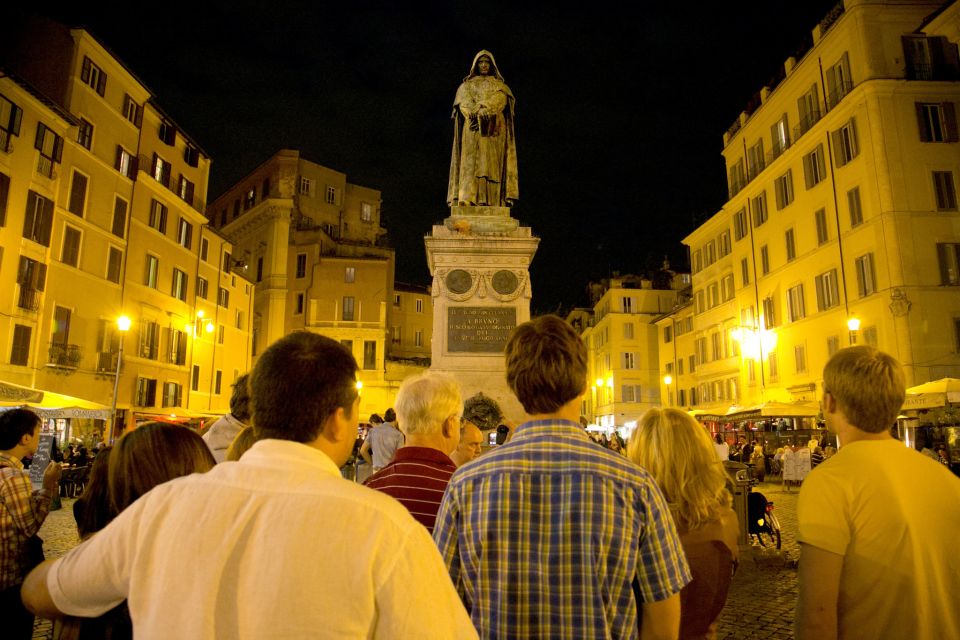
- Campo de Fiori: the story-square at night
- Via del Governo Vecchio: narrow lanes, big atmosphere
- Via Giulia and Piazza Farnese: history with a darker voice
- Corso Vittorio Emanuele II and the long walk toward Castel Sant’Angelo
- Guides who make the macabre feel human
- Price and value: $14 for 1.5 hours at night
- What to wear and how to plan your evening
- Who this tour suits best (and who should skip it)
- Final thoughts: should you book Dark Heart of Rome?
- FAQ
- How long is the Dark Heart of Rome tour?
- Where do I meet for the tour?
- Is the tour in English?
- Does the price include hotel pickup or drop-off?
- What is the tour route like, and where does it end?
- Is it suitable for wheelchair users or mobility impairments?
- Can I reserve now and pay later?
Key things to know before you go
- Meet on the church steps: Sant’Andrea della Valle on Corso Vittorio Emanuele II (about 150 meters from Largo di Torre Argentina).
- 90 minutes, night-time only: the tour runs in the evening for maximum atmosphere.
- A facts-meet-ghosts style: you’ll hear supernatural and morbid stories tied to places in the center.
- Multiple central landmarks: Campo de Fiori, Via del Governo Vecchio, Via Giulia, Piazza Farnese, and Castel Sant’Angelo.
- Ends with easy onward options: the tour finishes at Castel Sant’Angelo with public transport and taxis nearby.
- Bring walking shoes: and skip it if you need wheelchair access or stroller accommodation.
Why a night walk changes Rome’s mood
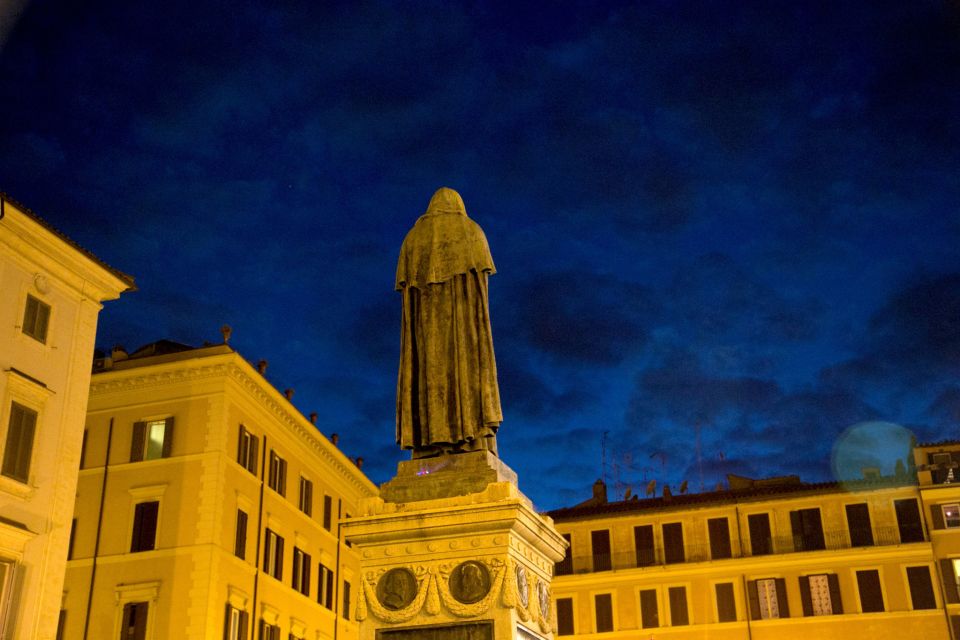
Rome by day can feel like a highlight reel. Rome at night is different. Street corners look sharper. Shadows stretch. Sound travels. That’s exactly the point of this tour: you’re not just seeing monuments, you’re seeing the city’s mood after sunset.
The format is also a big part of why this works. Instead of bouncing from one major site to the next, you follow a narrative route through the historic center. Your guide weaves historical threads with spooky myths, so the streets feel like a living story instead of a route on a map. Many people love that the stories land with both entertainment and context, so you’re not stuck listening to pure fiction.
And yes, it can be a bit spooked. You should expect the feeling of walking through legends. At the same time, the best part is that the guide keeps it fun and paced, so it doesn’t turn into a grim slog.
You can also read our reviews of more walking tours in Rome
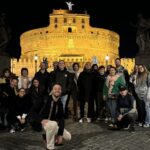
Finding Sant’Andrea della Valle and starting on the right foot
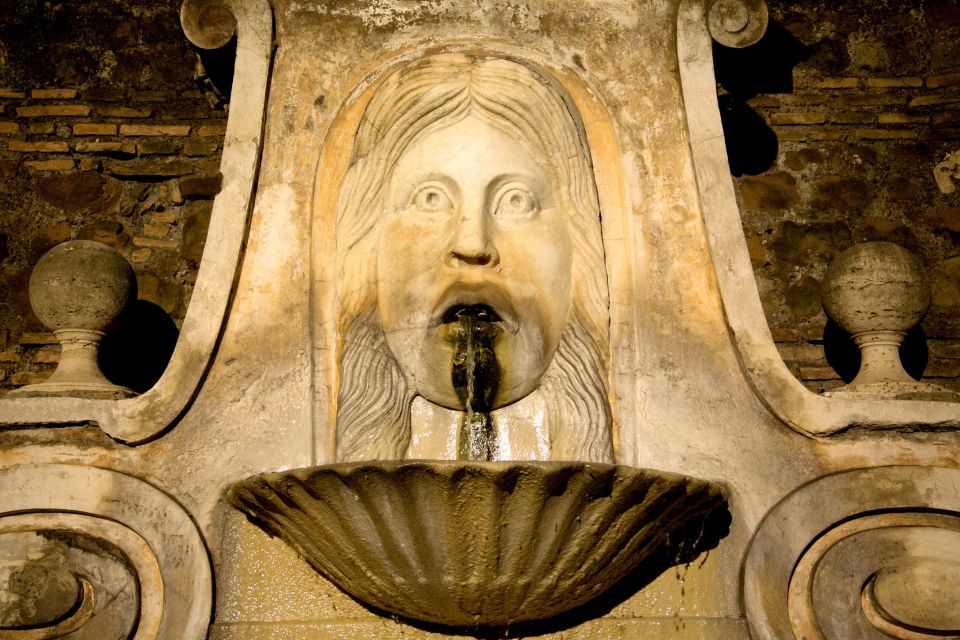
The tour meets on the steps of Sant’Andrea della Valle. It’s on Corso Vittorio Emanuele II, about 150 meters from Largo di Torre Argentina, on the left-hand side as you head toward the Tiber River. The church sits right next to Piazza Vidoni and Piazza Sant’Andrea della Valle.
This matters more than it sounds. Night tours can be tricky if you start late or can’t find the meeting point quickly. You’ll want to arrive a few minutes early, get your bearings, and have your voucher ready to show the tour coordinator/guide.
Once you’re gathered, the vibe shifts fast. The group gets moving along winding lanes, and the “dark heart” theme takes over. Several guides have been praised for getting the group involved early, not just lecturing from the front. The payoff is that you tend to pay attention, even when you’re walking through quieter streets where you’d normally just pass by.
Practical tip: bring shoes you’re comfortable in. The tour warns it involves a fair amount of walking, and nighttime streets don’t forgive poor footwear.
Campo de Fiori: the story-square at night
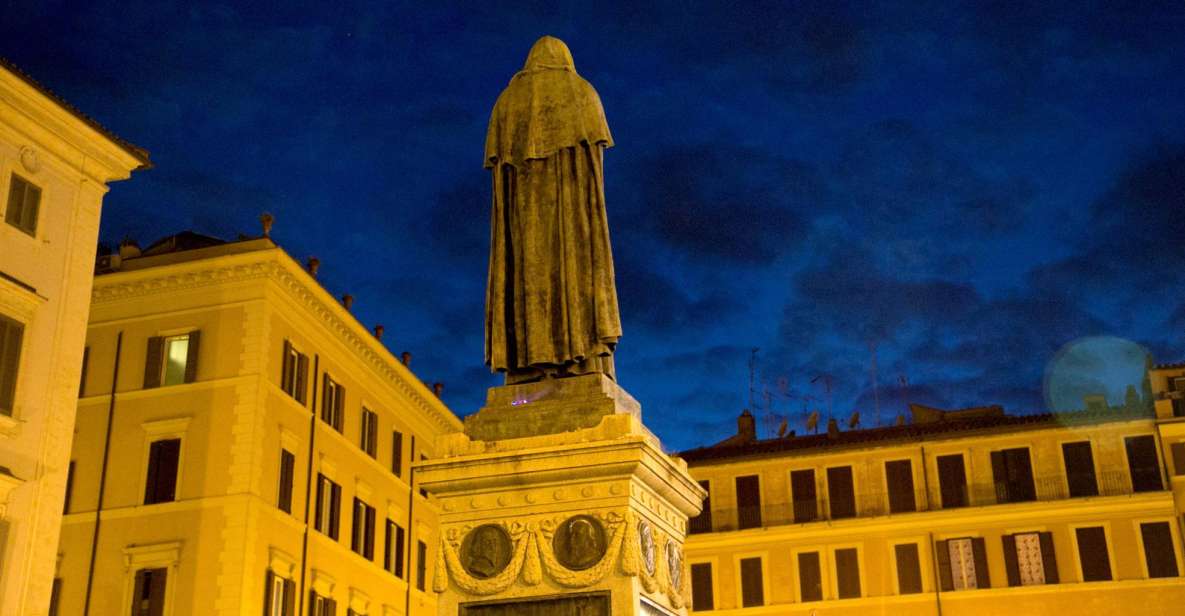
Campo de Fiori is one of the named stops, and it’s a smart one to include on a night tour. Even if you’ve seen the area in daylight, the nighttime version feels different. Lights change how buildings and street textures read. The square becomes a stage instead of a landmark.
What you’re really there for is the storytelling. This tour blends supernatural tales with historical framing, and Campo de Fiori is used as a kind of anchor point for the darker narrative. You’ll hear ghostly or morbid stories tied to the place and the surrounding streets, with a tone that ranges from eerie to sadly human. The goal isn’t just to scare you. It’s to make the city feel stranger, more layered, and more personal than standard sightseeing.
A key detail that shows up again and again in the experience: you’ll get interpretations and perspectives that most daytime walking tours skip. That means you’ll notice things you would’ve ignored if you were just hunting for photos.
Via del Governo Vecchio: narrow lanes, big atmosphere
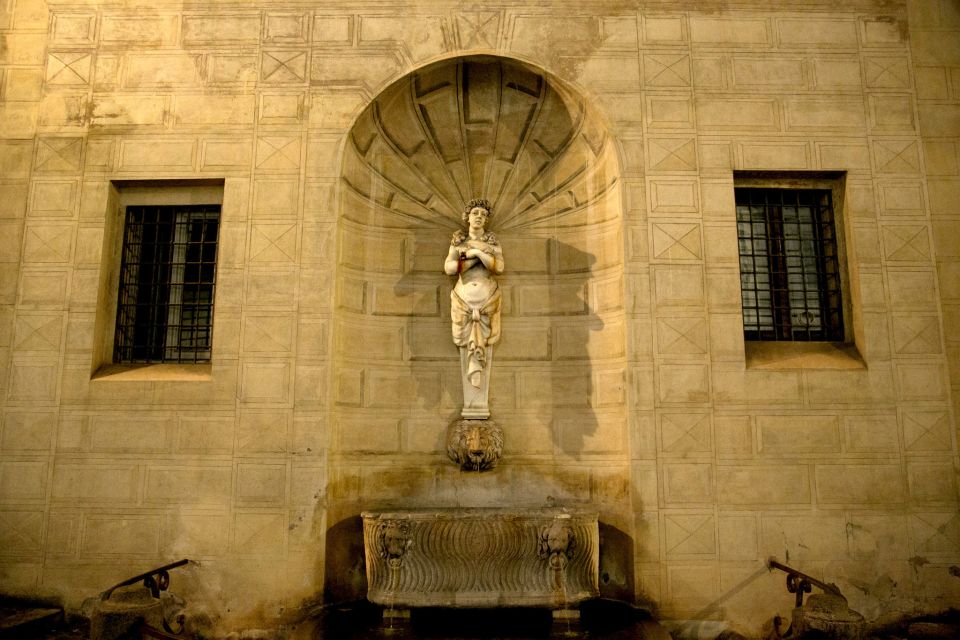
After Campo de Fiori, you shift into lanes that feel made for legends. Via del Governo Vecchio is on the route, and the tour’s whole style fits streets like this: winding, slightly tucked away, and perfect for “walk-and-listen” storytelling.
This is where the night effect gets strongest. When you’re on a narrow street, you naturally slow down. Your attention narrows. That’s ideal for a tour built on myths, ghost stories, and alternate historical angles. Instead of hearing information while you power-walk between monuments, you’re placed in a space where the story can feel like it belongs.
If you’re the type who likes atmosphere over architecture facts, this part will feel like the whole point. If you’re only interested in major sights, the quieter lanes might not sound exciting on paper. But the narrative approach makes them feel alive.
Via Giulia and Piazza Farnese: history with a darker voice
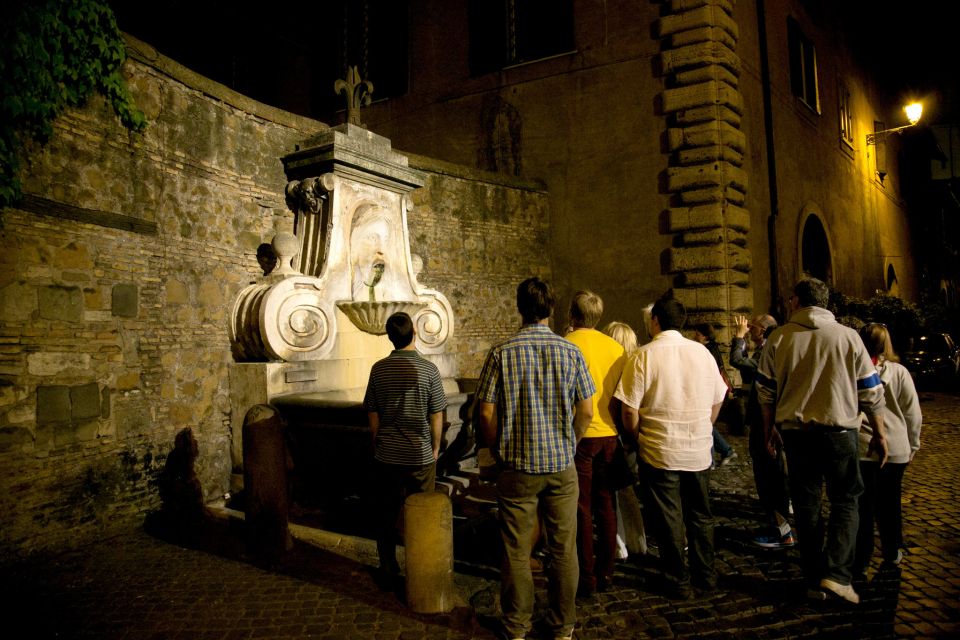
You’ll also pass through Via Giulia and Piazza Farnese. These are central enough that you’re still in the Rome most people come to see. But the tour’s twist is that the stories you hear steer your attention away from the usual tour targets.
That doesn’t mean you get less context. You get a different context. The guide brings supernatural mysteries into the conversation, so even familiar-looking areas can feel newly strange. One of the consistent strengths mentioned in people’s feedback is that guides manage to keep the humor alive while still landing the heavy or unsettling parts of the tales.
In other words, this is not a tour that only says, This happened, and then moves on. It’s closer to: This is what the story suggests about people and power, and this is why the rumors lasted.

Corso Vittorio Emanuele II and the long walk toward Castel Sant’Angelo
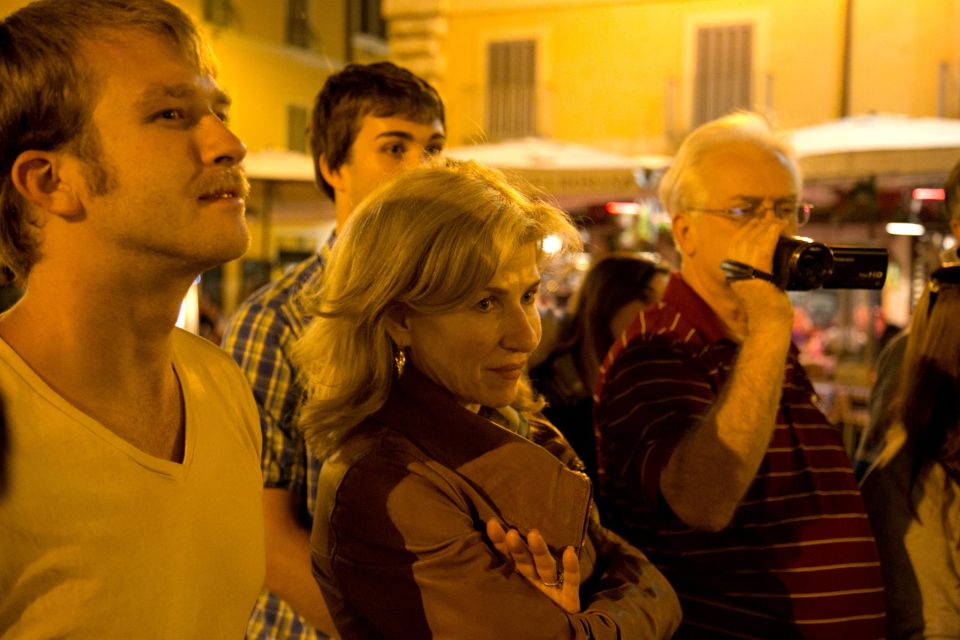
Corso Vittorio Emanuele II is part of the named route, and it also links back to where you started. That gives the tour a satisfying arc: you begin at Sant’Andrea della Valle, you weave through the center, and you work your way toward the evening’s final landmark.
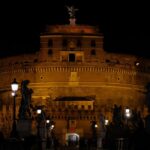
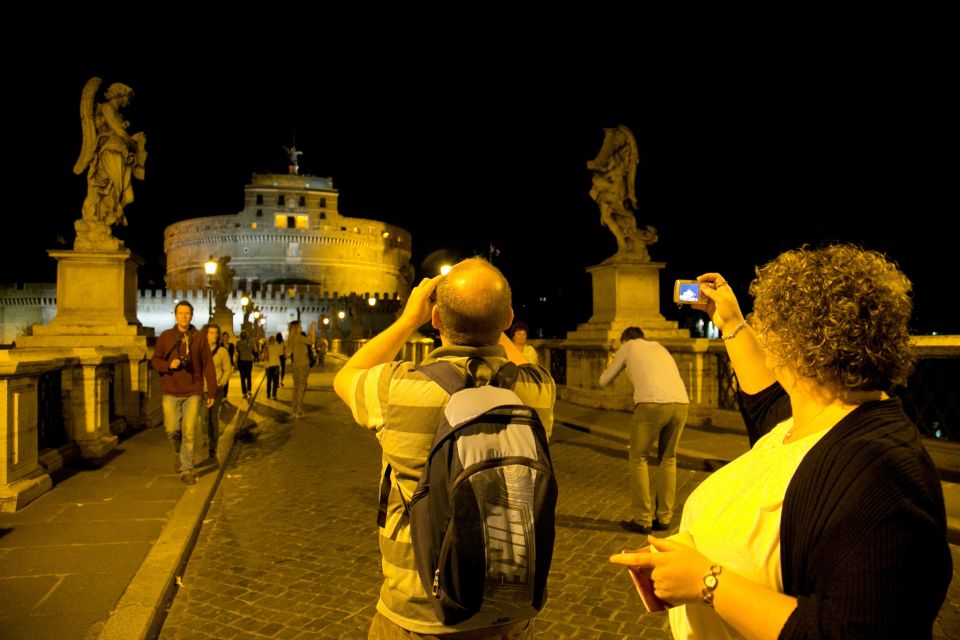
The finishing point is Castel Sant’Angelo. The tour notes that once you’re done, public transport and taxis are easily accessible, which is a big quality-of-life detail for a night activity. You’re not left stranded deep in the city without an easy exit plan.
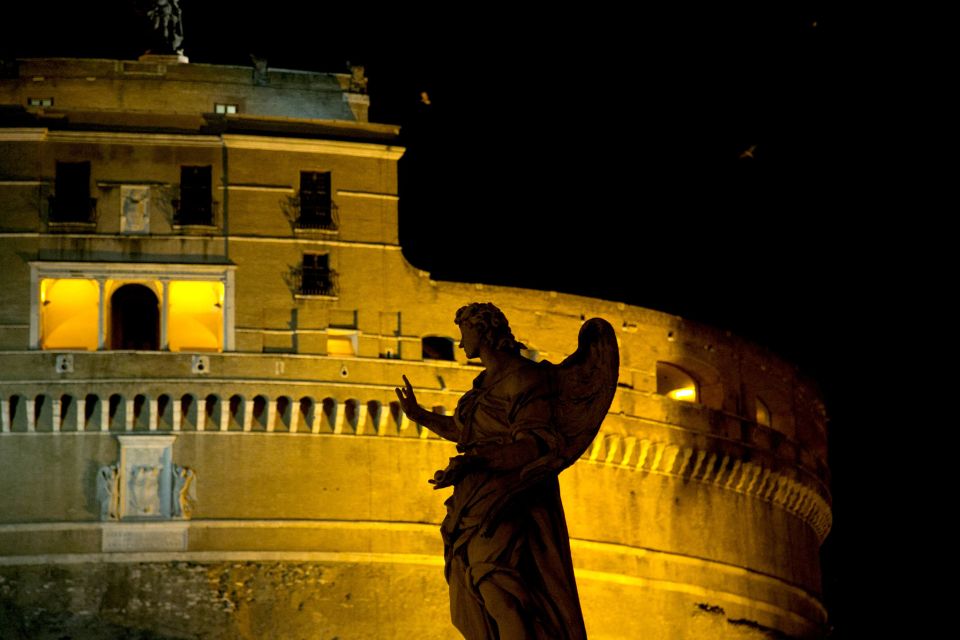
Also, Castel Sant’Angelo is a visual closer. Even if you’ve seen it before, arriving at night after hearing ghostly tales about Rome’s darker side makes the final stop feel like a chapter ending. The last stretch also tends to feel calmer: the tour has built momentum, and now it winds down.
Guides who make the macabre feel human
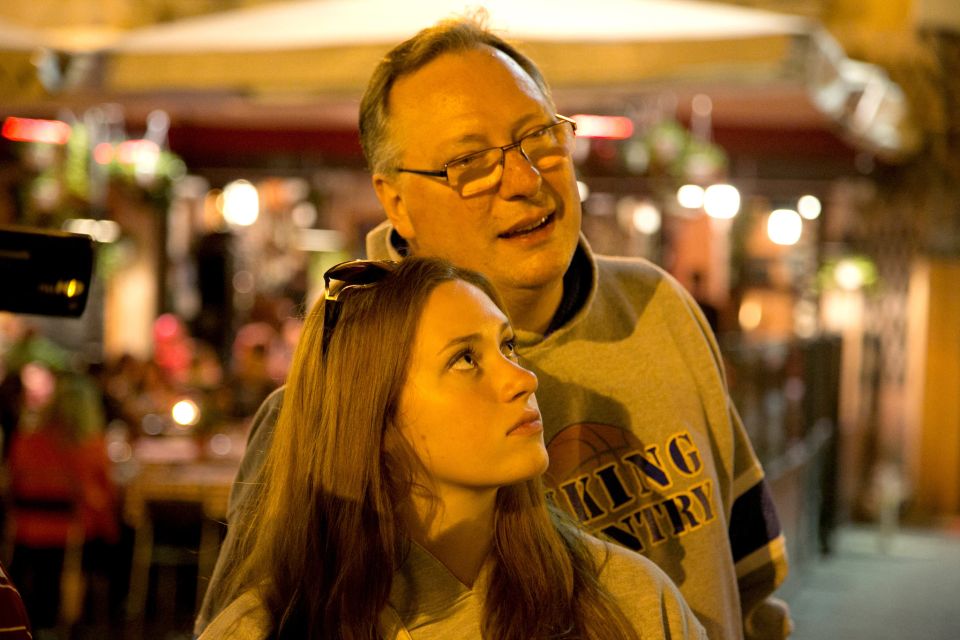
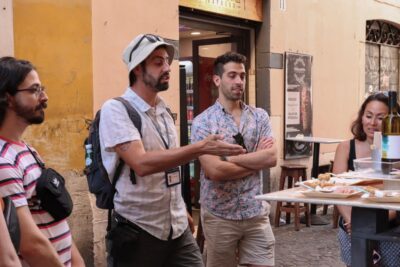
A walking tour lives or dies by the guide, and this one has a strong track record for storytelling. Many people highlight guides for being charismatic, funny, and interactive. Names that come up include Inti, Alberto, Rob (also spelled Alethia/Aletheia depending on the guide), and Roberto/Robert.
There’s also a repeated theme: the best guides don’t just recite dark anecdotes. They use timing, tone, and engagement with the group. That’s why you’ll hear details you wouldn’t normally notice as a tourist. It’s also why a few people mention the humor as a counterweight when stories get sad.
One extra detail that impressed some participants: the tour is described as not relying on audio systems. That keeps the experience more personal because you can actually track the guide’s voice while you’re walking.
If you want a tour where you can laugh, feel a little spooked, and still come away with context, this is built for that.
Price and value: $14 for 1.5 hours at night
At $14 per person for 1.5 hours, the value looks strong, especially because the tour is both night-time only and in English. You’re paying for an actual guide-led experience, not self-guided signage or a museum ticket where you’ll spend most of your time reading placards.
The value also comes from what you’re buying: a specific kind of Rome—one shaped by supernatural myths, morbid legends, and alternate historical angles. This isn’t just “Rome by night” in the generic sense. It’s a themed walk that uses the city as the stage.
A small practical trade-off: there’s no hotel pickup or drop-off included. That’s normal for walking tours, but it does mean you should plan on getting yourself to the meeting point.
Still, for the price, you’re likely to feel like you got more than your money’s worth on storytelling alone—especially if it’s one of your first nights in the city. Some people say doing it early helped them understand what to look for during the rest of their visit.
What to wear and how to plan your evening
This tour involves a fair amount of walking, so comfortable shoes are essential. Night temperatures in Rome can shift, and you’ll feel it more when you’re out on streets for a focused stretch.
Plan your evening so the ending at Castel Sant’Angelo works for you. Since public transport and taxis are easily accessible from there, you can tack on dinner or a final drink nearby without scrambling.
Two more “know before you go” points that affect your comfort level:
- No strollers/baby pushchairs are accommodated.
- Wheelchair users and guests with mobility impairments can’t be accommodated.
If those are relevant for your group, it may be worth choosing a different type of Rome night activity.
Who this tour suits best (and who should skip it)
This tour is ideal if you like:
- Dark history and true-crime style storytelling
- Ghosts, supernatural myths, and alternate historical perspectives
- A guide who uses humor and keeps you engaged while walking
It also fits well if you want a night plan that feels different from the same daytime circuit of the major sights. The route names suggest you’ll stay in the historic center, but the narrative focus changes how you experience it.
Skip it if you:
- Need wheelchair access or mobility support on tours
- Need stroller accommodation
- Prefer low-walking activities rather than a night stroll that covers multiple streets and ends at Castel Sant’Angelo
Final thoughts: should you book Dark Heart of Rome?
If you’re the type of traveler who gets excited by stories that sound too strange to be made up, this is the kind of tour that can genuinely change how you see Rome. The combination of a nighttime route, a strongly story-driven guide experience, and the specific set of locations like Campo de Fiori and Castel Sant’Angelo makes it feel tailor-made for an evening adventure.
For $14 and 90 minutes, it’s a good value bet. Just be honest with yourself about the walking and the accessibility limits, and you’ll be set for a fun, slightly spooky night that sticks in your memory longer than the usual facts-and-dates tour.
FAQ
How long is the Dark Heart of Rome tour?
The tour lasts about 1.5 hours.
Where do I meet for the tour?
Meet on the steps of the Church of Sant’Andrea della Valle on Corso Vittorio Emanuele II, about 150 meters from Largo di Torre Argentina (left side heading toward the Tiber River).
Is the tour in English?
Yes, it’s an English-speaking guided tour.
Does the price include hotel pickup or drop-off?
No. Evening city tour and an English-speaking tour guide are included, but hotel pickup and drop-off are not.
What is the tour route like, and where does it end?
The tour includes stops such as Campo de Fiori and ends at Castel Sant’Angelo, where public transport and taxis are easily accessible.
Is it suitable for wheelchair users or mobility impairments?
No. The tour provider states it can’t accommodate wheelchairs or mobility impairments, and it also can’t accommodate pushchairs/strollers.
Can I reserve now and pay later?
Yes. The activity offers reserve now & pay later, and free cancellation is available up to 24 hours in advance for a full refund.