REVIEW · ROME
From Bones to Gods: Capuchin Crypt to Pantheon walking tour
Book on GetYourGuide →Operated by Rome - Tour · Bookable on GetYourGuide
Bones first. Gods next. In a tight 2-hour walk, you go from Capuchin Crypt bones-and-art to the Pantheon’s ancient grandeur, with the Trevi Fountain in between. It’s one of those Rome routes that makes you look twice at the city’s mix of faith, myth, and everyday street life.
I like the built-in value: entry is included for both the Pantheon and the Capuchin Museum, plus a live local guide who ties the stops together. I also like the pacing, with a guided visit at each major site (45 minutes at the crypt, then 30 minutes at Trevi, then 30 minutes at the Pantheon) so you’re not just sprinting from one photo spot to the next.
One consideration: this tour is walking with dress limits and bag rules, so plan light and wear something that fits the sites’ requirements. If you show up with large luggage or the wrong outfit, you’ll lose time dealing with it instead of enjoying the story.
In This Review
- Key highlights to know before you go
- A Rome walk that goes from bones to old gods fast
- Where you start (and how the route ends)
- Capuchin Crypt: bones, rules, and a guided 45 minutes
- Trevi Fountain: a 30-minute legend break and the coin toss moment
- Pantheon: from pagan dedication to church and mausoleum
- Value check: what $76 gets you in real terms
- The guide makes or breaks it, and the feedback is strong
- Pacing and group size: how to decide if this fits your style
- Practical rules: dress, shoes, and carrying less
- Languages and who this tour is for
- Should you book this bones-to-gods walking tour?
- FAQ
- How long is the From Bones to Gods walk?
- What’s included in the ticket price?
- Where does the tour start and where does it end?
- Which languages are offered for the live guide?
- Is Trevi Fountain included in the tour?
- How much time is spent at each main site?
- What should I bring and wear?
- What items are not allowed?
- Can I cancel for a refund, and can I pay later?
Key highlights to know before you go
- Bones-and-art start, ancient temple finish: The route is intentionally opposite in tone, from the Capuchin Crypt to the Pantheon.
- Tickets included for both major entrances: You don’t have to worry about entry costs for the Pantheon or the Capuchin Museum.
- Trevi Fountain as a story stop, not a quick glance: You get a guided 30-minute visit plus the classic coin-toss moment.
- Timeboxed guided visits: 45 minutes at the crypt and 30 minutes each for Trevi and the Pantheon keeps things focused.
- Small groups or private options with many languages: You can match the guide’s language to your comfort level.
A Rome walk that goes from bones to old gods fast
This is a short tour with a big emotional range. You start at the Capuchin Crypt, where bones and artistry collide in a way that feels both strange and strangely organized. Then you shift gears with a classic Rome sight at Trevi, and you end at the Pantheon, a monument tied to Rome’s earliest gods and later religious life.
What makes the experience work is the sequence. Starting with the crypt sets a mood, and finishing at the Pantheon changes how you read the city’s stones. It also helps that the guide doesn’t treat these as disconnected landmarks. You’ll hear legends and stories that connect the divine to the mortal, and that framing makes the whole route feel like one ongoing chapter.
You can also read our reviews of more walking tours in Rome



Where you start (and how the route ends)
Your meeting point depends on the option you book. The listed choices center on the Barberini area and Piazza della Minerva 72, so you’re not commuting across town before anything interesting happens. Either way, the tour finishes back at Piazza Barberini.
This matters because it shapes your “rest of day” plans. If you’re staying near central sights, you can treat this as a smooth first or second stop rather than a major logistics project. Since hotel pickup and drop-off aren’t included, I’d plan to arrive on foot or by your normal public transport routine and keep things simple.
Capuchin Crypt: bones, rules, and a guided 45 minutes

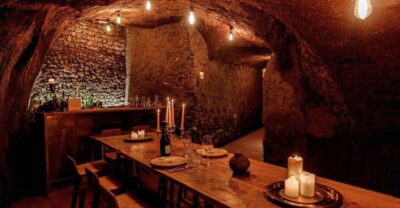
The tour begins at the Capuchin Crypt, and it’s exactly what the name implies: bones and artistry on display. The guided portion runs 45 minutes, which is long enough to slow down, listen, and actually take in what you’re seeing rather than racing through.
A couple practical notes that can save you frustration: the crypt is not underground, and photos aren’t allowed inside. That means you’ll want to focus on the guide’s explanations and on noticing details you can’t capture anyway.
If you’re squeamish, be honest with yourself. This stop has a macabre edge. But I also get why people leave moved rather than bothered. When the guide explains the meaning behind what you’re looking at, it stops being just shock value and becomes part of Rome’s long tradition of turning death into something symbolic.
Trevi Fountain: a 30-minute legend break and the coin toss moment
After the crypt, the mood lightens just enough to keep you from going numb. You head to Trevi Fountain for a guided 30-minute visit, and the guide will share legends and stories along the way.
You also get one of the most familiar Rome rituals: you’ll toss a coin, with the idea that it helps ensure your return to the Eternal City. I like that this stop is not dragged out. It’s enough time for the fountain’s scale to hit, and then you’re back on track toward the Pantheon.
Here’s the bonus: Trevi works best when you treat it like a set piece in a story, not just a background for selfies. With a guide narrating the surrounding legends, you notice little shifts in perspective—how the fountain sits in the flow of streets, and how people orbit around it instead of just around the water.
Pantheon: from pagan dedication to church and mausoleum
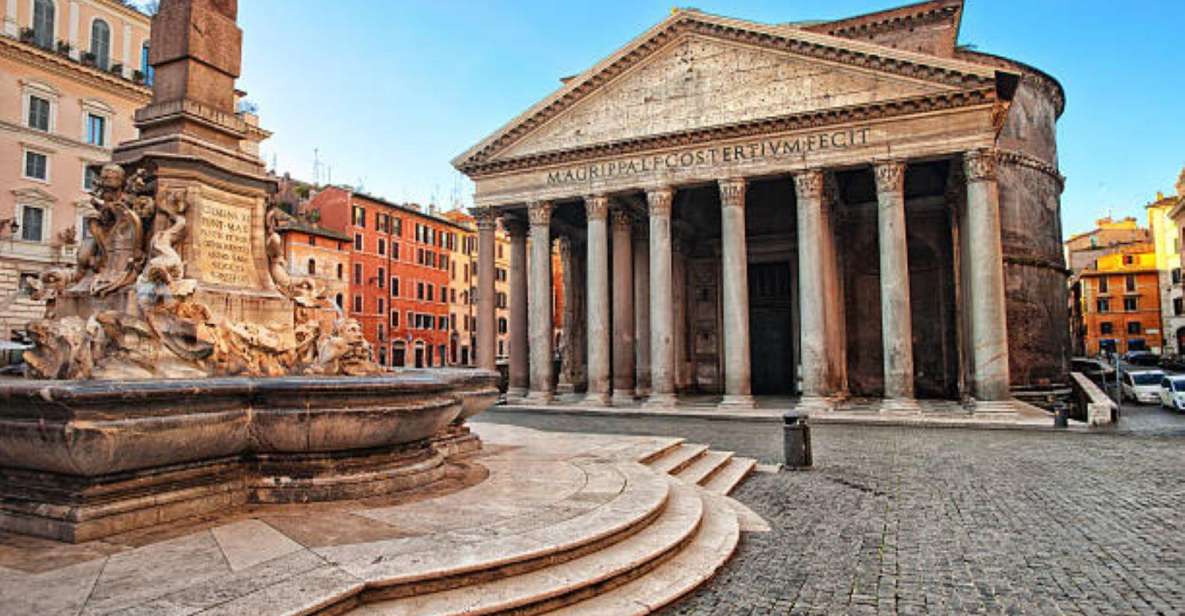
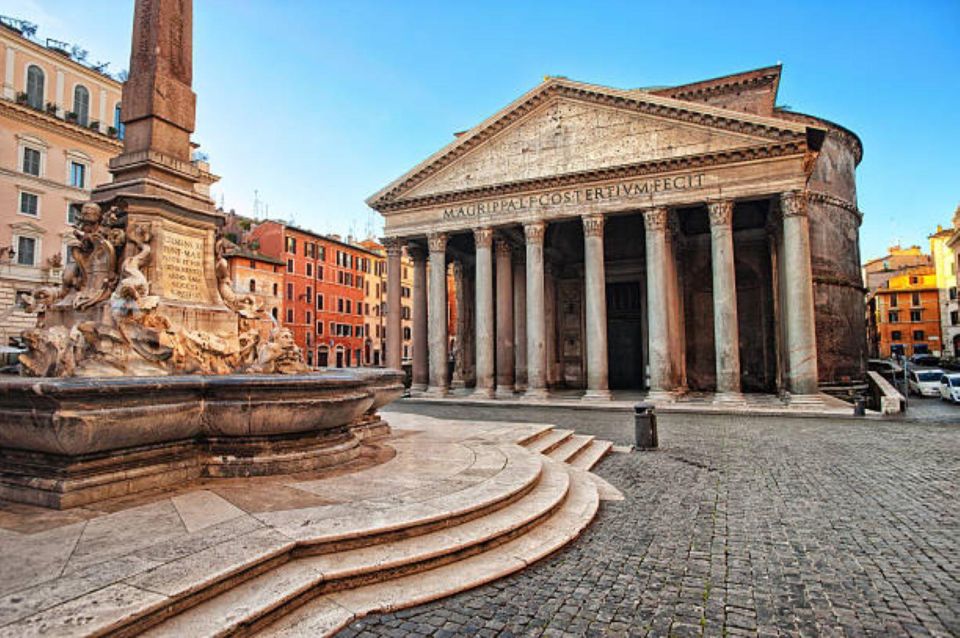
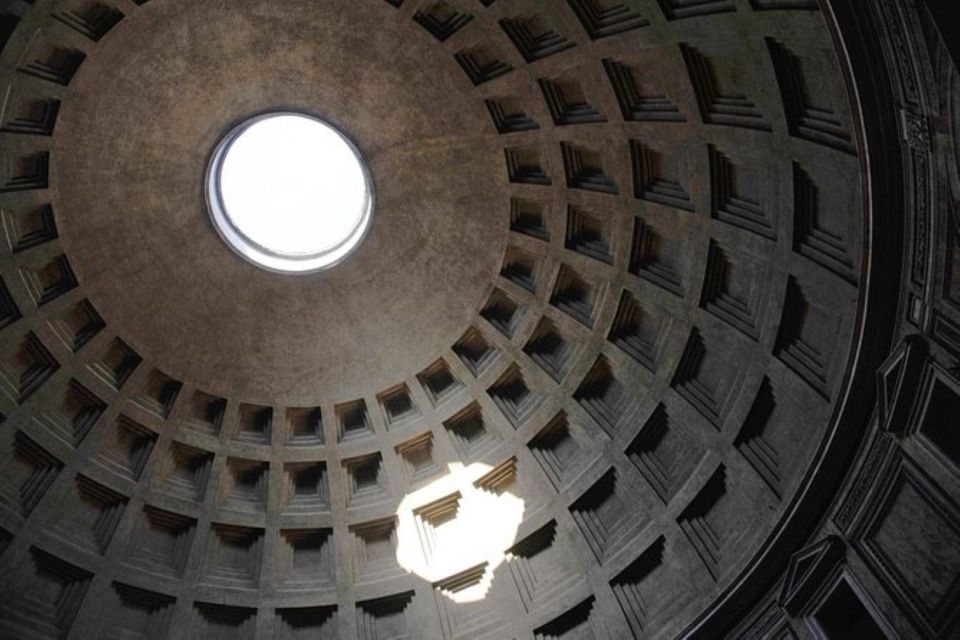
The grand finale is the Pantheon, with a guided 30-minute visit. The tour highlights that the building dates back to 25–27 B.C., and that it originally served a pagan purpose. Over time, it was transformed into a church and mausoleum, which is a big part of why the Pantheon feels layered instead of frozen in one era.
Even if you’ve seen photos, I’d still go for the storytelling angle. The guide’s job here is to give you a mental timeline: what it meant then, what it became later, and how Rome kept reusing powerful spaces as its beliefs changed. That “divine to mortal” thread is what makes the stop feel more than a pretty interior.
At the end, when you step out, you’re not just heading to another landmark. You’re carrying the feeling of how Rome repurposes and reinterprets. That’s the payoff of ending here after the crypt: the city’s symbols make more sense in relation to each other.




Value check: what $76 gets you in real terms
At $76 per person for 2 hours, you’re paying for three things that add up quickly if you’d handle them yourself: a live guide, plus included entry tickets for both the Capuchin Museum and the Pantheon.
Time also counts here. This is not a half-day detour. It’s designed to give you three anchor stops—crypt, Trevi, Pantheon—without swallowing your entire day. If your schedule is tight, that’s where the price starts to feel fair.
Where you can lose value is if you already plan to visit everything on your own and don’t care about the storytelling. The tickets help, but the core product is the interpretation. If you love hearing why Romans built and used certain places, you’ll feel the difference.
The guide makes or breaks it, and the feedback is strong
The standout theme in the guide experience is simple: the explanations actually land. In multiple accounts, guides like Gabriela (also written as Gabi or Gabriella), Clara, Alma, and Joseph are praised for keeping people engaged and making the crypt and Pantheon feel meaningful, not just factual.
What I take from that is this: you’re not buying a headset walk. You’re getting a human who can read the room. One account describes a solo setup where the guide kept things comfortable and encouraged questions. Another notes that guides can explain in a way that works for kids, which is huge if your group includes younger travelers.
Also, the guide team has shown flexibility when timing gets messy. One example mentions a guide waiting because of bus chaos so the group could still make the right time slots at the crypt and museum. That’s not something you should plan around, but it’s reassuring if you tend to hit city delays.
Pacing and group size: how to decide if this fits your style
This works best if you like structured walking. The schedule is tight enough to give you momentum, but it still includes guided time inside each major stop. Since it’s offered as private or small groups, you’re more likely to ask questions without shouting over a crowd.
If you prefer to roam freely and set your own pace, you might feel boxed in by the guided durations. But if you’d rather have your first pass through the Pantheon and Capuchin Crypt guided so you don’t miss the point, this tour is a strong match.
Practical rules: dress, shoes, and carrying less
Bring comfortable shoes. You’ll be walking between the sites, and Rome’s sidewalks do not care about your itinerary.
Plan your outfit with the rules in mind:
- No short skirts
- No sleeveless shirts
- No luggage or large bags
This is the kind of tour where showing up “almost right” can become a time sink. If you’re traveling with a backpack, keep it manageable and be ready to store larger items elsewhere before entering.
Languages and who this tour is for
You can choose from a wide set of languages: French, English, Spanish, Arabic, Italian, Persian, Portuguese, Russian, German. That’s great if you want the guide’s stories in your own language instead of relying on basic knowledge.
This is especially good for:
- First-timers who want three high-impact Rome stops connected by a story thread
- People who like myth-and-meaning more than just architecture facts
- Anyone who wants a short tour without hotel pickup logistics
If you’re traveling with kids, the tour can work well because guides have experience pitching the material at different ages.
Should you book this bones-to-gods walking tour?
Yes, if you want a focused 2-hour route that includes Pantheon and Capuchin Museum entry and uses a guide to connect the symbols behind the sights. The Capuchin Crypt is not a passive look; it’s a guided moment where the explanations change how you interpret what you’re seeing. Ending at the Pantheon gives you a satisfying, large-scale finish that feels tied to the crypt, not just tacked on.
I’d skip it only if your priority is total freedom of wandering, or if you know you’ll be frustrated by dress and bag rules. Otherwise, this is one of the more memorable ways to see central Rome without spending your day in a long circuit.
FAQ
How long is the From Bones to Gods walk?
The tour lasts 2 hours total.
What’s included in the ticket price?
You get entry tickets to the Pantheon and entry tickets to the Capuchin Museum, plus an expert local guide.
Where does the tour start and where does it end?
The meeting point varies based on the option you book. The tour finishes at Piazza Barberini.
Which languages are offered for the live guide?
The live guide is available in French, English, Spanish, Arabic, Italian, Persian, Portuguese, Russian, and German.
Is Trevi Fountain included in the tour?
Yes. You’ll have a guided Trevi Fountain stop with time planned for the visit.
How much time is spent at each main site?
The guided visit is 45 minutes at the Capuchin Crypt, 30 minutes at Trevi Fountain, and 30 minutes at the Pantheon.
What should I bring and wear?
Bring comfortable shoes. Dress appropriately for the sites.
What items are not allowed?
The tour states no luggage or large bags, and it also lists a clothing rule: no short skirts and no sleeveless shirts.
Can I cancel for a refund, and can I pay later?
You can cancel up to 24 hours in advance for a full refund. You can also reserve now & pay later, depending on the option available.