REVIEW · ROME
Rome: Fountains and Squares Small-Group Walking Tour
Book on GetYourGuide →Operated by romanholiday.travel & tours · Bookable on GetYourGuide
Rome’s best fountain run starts at the Spanish Steps. I love two stops here: going inside the Pantheon and spotting trompe l’oeil at Sant’Ignazio, with a guide who ties it all together as you walk.
The only catch is comfort planning: this is a lot of outdoor walking, and church rules mean you should dress for shoulders and knees covered (no shorts or sleeveless tops).
In This Review
- Key moments that make this tour worth your time
- A 2.5-hour route that gives you Roman context fast
- Meeting at the Spanish Steps and getting your bearings
- Piazza di Spagna vibes and Bernini’s half-sunken ship
- Trinità dei Monti to Piazza Navona: from stairs to spectacle
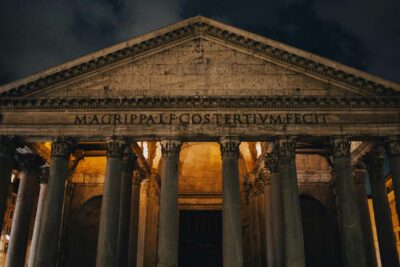
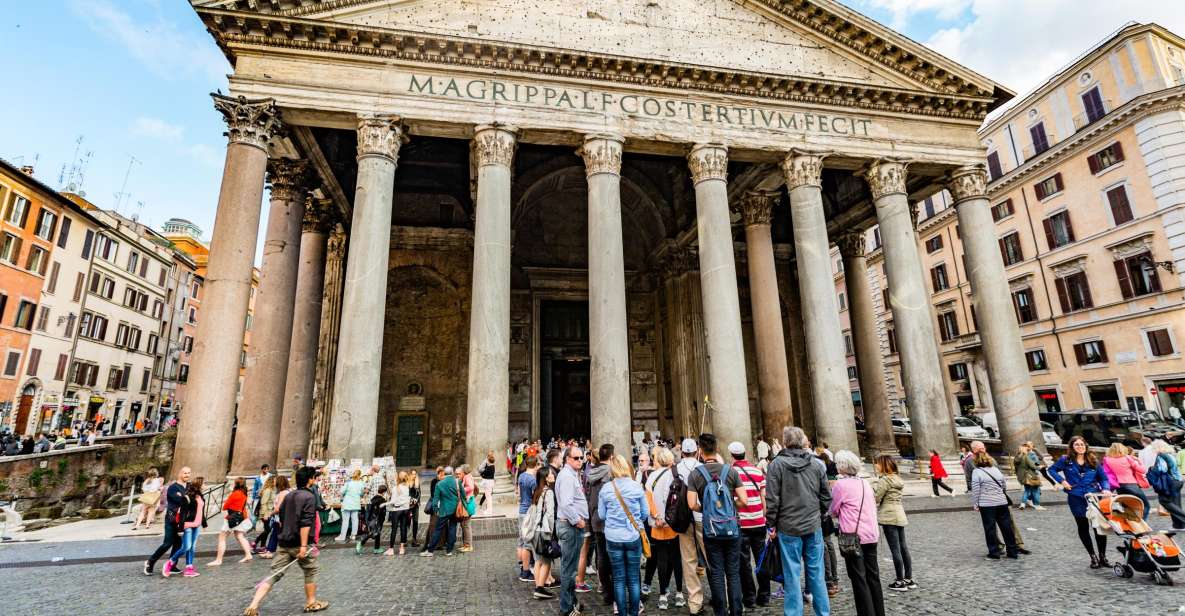
- Going to the Pantheon: the interior is the whole point
- The Column of Marcus Aurelius: pop-culture meets stone
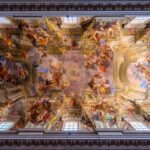
- Sant’Ignazio Church and the trompe l’oeil dome
- Piazza Navona’s Four Rivers and Bernini’s Baroque drama
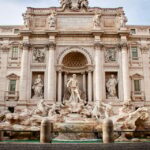
- Trevi Fountain finish: coin toss, then get your own timing right
- Guides make the difference: Stefano, Bruno, Matteo, Andrea
- Price and what $45.55 buys you in real value
- Practical tips so the walk feels easy
- Should you book this Rome fountain-and-squares tour?
- FAQ
- FAQ
- How long is the Rome Fountains and Squares small-group walking tour?
- Where do I meet my guide?
- What is included in the price?
- What major sights will I see?
- Where does the tour end?
- Is this tour suitable for children?
- What should I wear and bring for church stops?
- Can I get a refund if my plans change?
Key moments that make this tour worth your time
- Spanish Steps to Trinità dei Monti: a smooth start that sets the tone for the Baroque streetscape
- Pantheon interior access: you’re not just looking at a building from the outside
- Piazza Navona on ancient foundations: the stadium story (Domitian, 85 A.D.) adds context fast
- Bernini’s Fountain of the Four Rivers: dramatic Baroque sculpture in the middle of the action
- Sant’Ignazio trompe l’oeil: the dome artwork changes how you look up in churches
- Trevi Fountain coin moment: end at the most famous fountain with a wish to return
A 2.5-hour route that gives you Roman context fast
Rome can be a lot at first. Buildings are everywhere, and without a thread, you end up doing what most people do: photographing surfaces and hoping the rest makes sense later. This tour is designed for quick clarity, moving you from one iconic “anchor” to the next in about 2.5 hours.
I like that it’s built around the way Rome layers eras. You start near the Spanish Steps and end at Trevi, but in between you’re repeatedly reminded that the city didn’t stop at one artistic moment. The guide helps you connect Roman-era structure, Renaissance and Baroque flourishes, and what each place was meant to do—politics, ceremony, worship, even entertainment.
And because it’s a small group (up to 20), you’ll usually be close enough to hear the guide without sprinting across a crowd. That matters at places like Piazza Navona and Trevi, where foot traffic can make even basic orientation feel stressful.
You can also read our reviews of more walking tours in Rome
Meeting at the Spanish Steps and getting your bearings
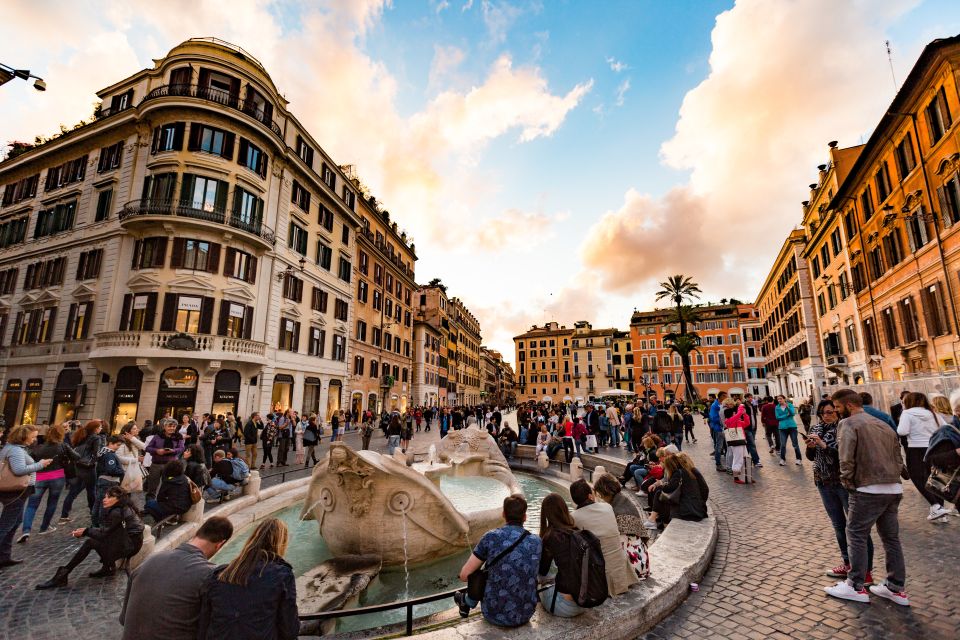
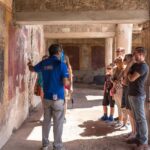
You meet by the entrance of the Keats and Shelley Museum at the bottom of the Spanish Steps, near the Acqua di Parma store. Your guide is easy to spot, wearing a GETYOURGUIDE badge or holding a matching sign, and it’s smart to arrive about 10 minutes early so you don’t miss the regrouping.
From there, the tour follows the famous sweep of the Spanish Steps up toward Trinità dei Monti, a late Renaissance church that acts like a visual hinge between street life and monument Rome. Even if you’ve seen the steps in photos, walking that section in person gives you a real sense of how the city stages viewpoints—Rome loves a built-in camera angle.
One more small detail I appreciate: the route is timed so you’re not constantly backtracking. You’re not just chasing “the famous stuff.” You’re walking a logic line—from elevated squares and churches to major fountains—so the day’s momentum stays with you.
Piazza di Spagna vibes and Bernini’s half-sunken ship
Near the Spanish Steps area, you get a look at Bernini’s famous fountain of a half-sunken ship in Piazza di Spagna. It’s a playful counterpoint to the seriousness of Rome’s marble monuments. The design almost looks theatrical, like it’s meant to be noticed from multiple angles as people cross the square.
This is the kind of stop where a guide helps a lot. Without context, you can still enjoy the sculpture, but you might miss why it became such a talking point. With a guide, it turns into a quick lesson on how Baroque Rome used drama, illusion, and movement—things you can literally see as you stand there.
Also, this early in the walk, the pace is usually your friend. You’re fresh, the group stays together, and you’re building a mental map for the rest of the route.
Trinità dei Monti to Piazza Navona: from stairs to spectacle
After the church, the tour moves toward Piazza Navona, a square that has the feel of a stage. It sits over the Stadium of Domitian, built in 85 A.D.—originally used for athletic games. That fact alone changes the way you read the space. You stop seeing it as just a pretty square and start seeing it as a carefully reused Roman footprint.
Piazza Navona is one of the big reasons this tour works well for first-timers. It’s not just “another square.” It’s Baroque Rome at full volume, with architectural drama and sculptural accents that keep pulling your eyes toward the center.
Going to the Pantheon: the interior is the whole point
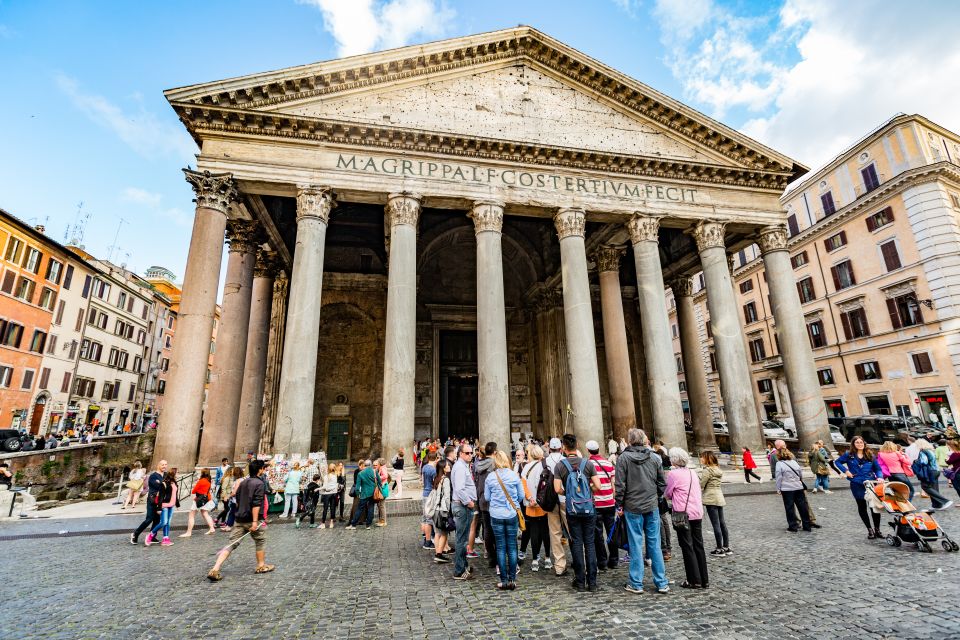
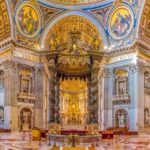
The tour includes time to go inside the Pantheon, not only to admire it from the outside. That is a huge quality-of-experience difference. The Pantheon’s interior is where you feel the engineering and the atmosphere—space, light, and the sense of a building that still functions like a monument should.
You’ll also have a chance to see the tomb of Raphael inside. That’s one of those details that makes the stop feel human instead of purely architectural. It’s a reminder that the Pantheon didn’t stop being meaningful once the Romans moved on. It stayed in the cultural spotlight.
If you’ve already visited the Pantheon on your own, you still might find value here because a guide helps you notice what matters most: how the setting frames worship and how the space connects centuries of people who came looking for meaning, not just views.

The Column of Marcus Aurelius: pop-culture meets stone
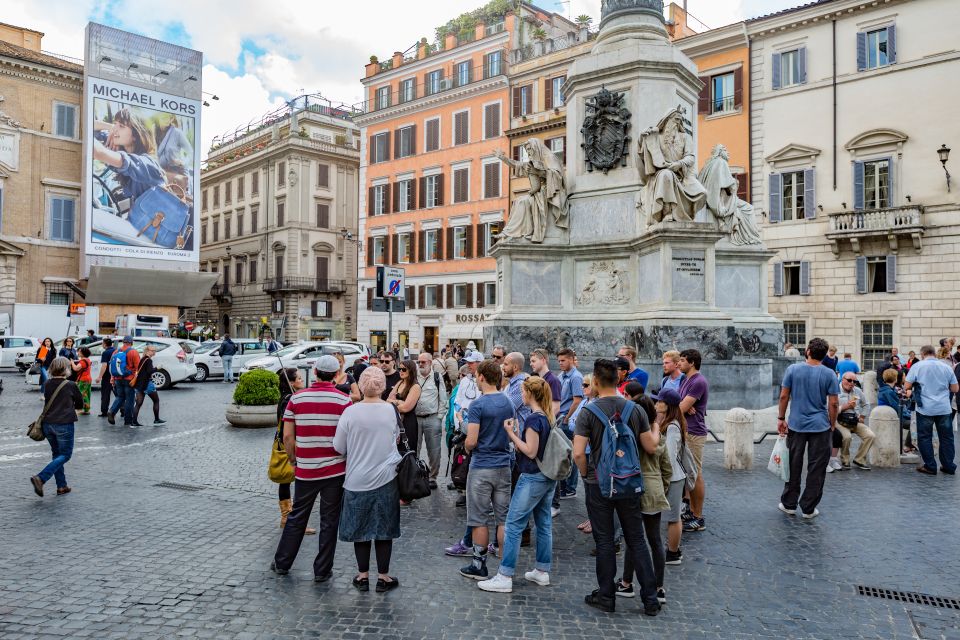
Next up is the carved Column of Marcus Aurelius, with relief scenes that movie fans may recognize from Gladiator. Even if you’re not a film person, the column still works as a story device. It’s basically a visual timeline wrapped into sculpture, turning “history” into something you can walk alongside.
This is also a good moment to slow down a bit. Columns like this reward careful looking, and the guide’s job is to help you know where to focus without turning it into homework.
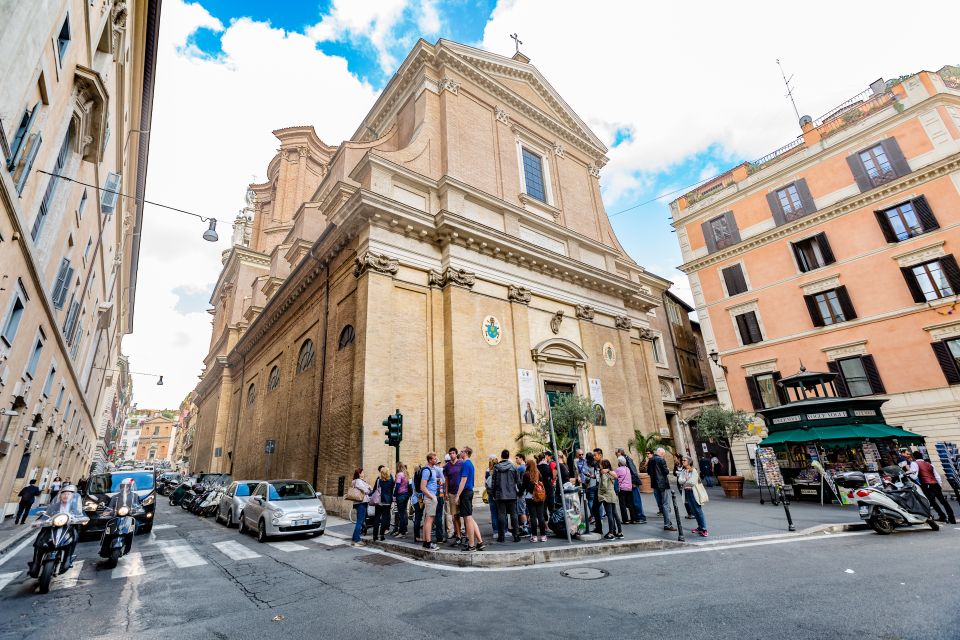
Sant’Ignazio Church and the trompe l’oeil dome
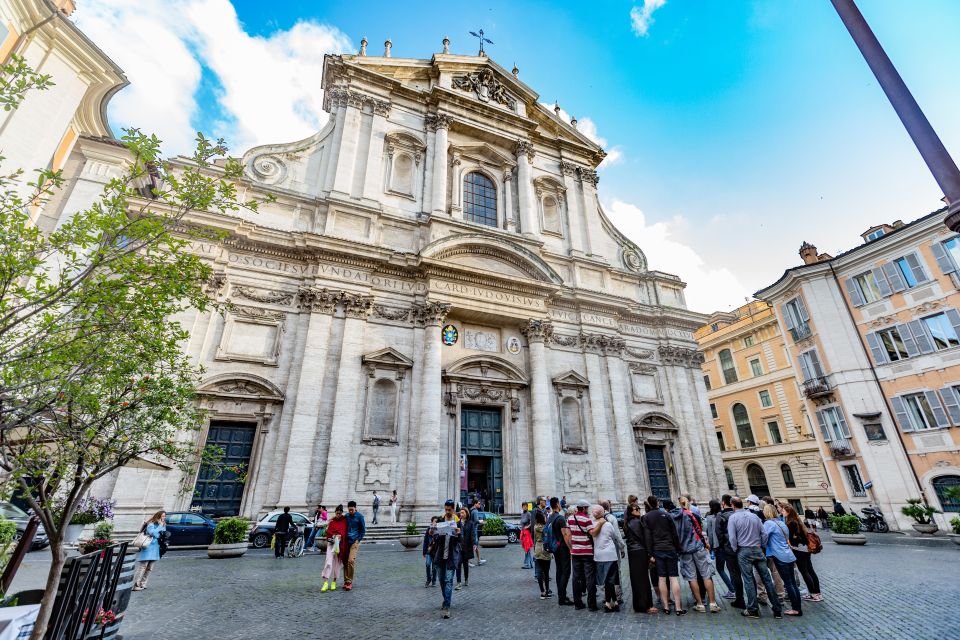
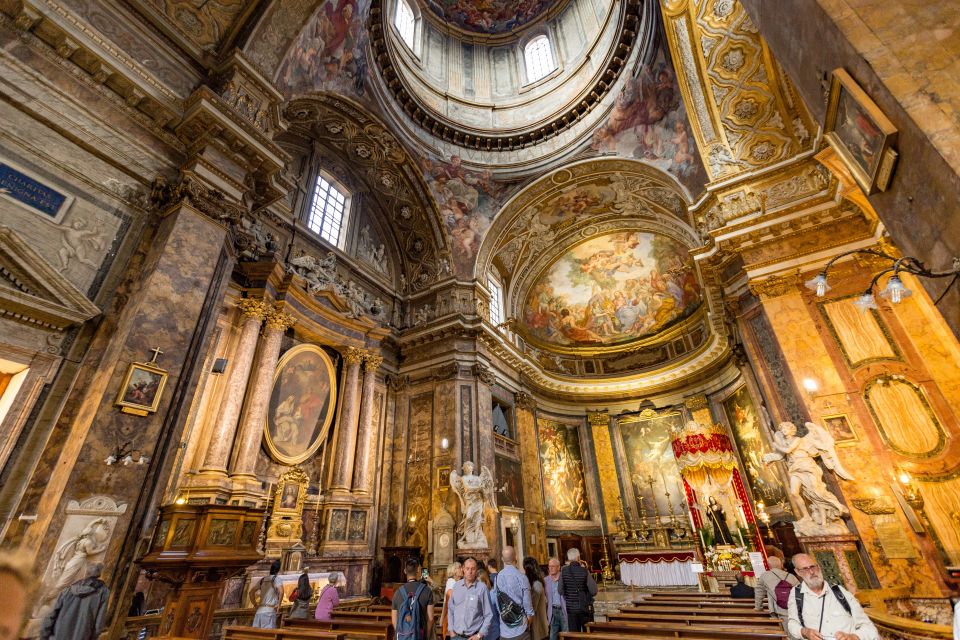
Then comes one of the tour’s standout teaching moments: Sant’Ignazio Church and its dome trompe l’oeil (optical illusion) style decoration. The guide points you to where the illusion works best—because the effect is very much about perspective and where you stand.
Trompe l’oeil is one of those art forms that can look impressive in a photo but feels more satisfying in person. When you see how the dome painting tricks your eye, you understand why Baroque artists loved this method. It’s not just decoration. It’s a way to make a ceiling feel deeper and more alive.
And just as important, this is a church stop that helps you catch your breath from the outdoor pace. You’re still learning, but you’re not walking every minute.
Piazza Navona’s Four Rivers and Bernini’s Baroque drama
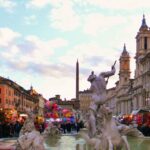
Piazza Navona is also where you’ll see Bernini’s Fountain of the Four Rivers, one of the square’s headline moments. The sculptures have that strong Baroque character: energy, posture, and a sense that everything is happening at once.
If you like architecture and art, this is where the tour starts to feel like more than a checklist. You see why Baroque Rome worked so hard to produce visual impact in public spaces. The fountain isn’t just there to be seen. It’s designed to anchor the square’s energy and keep people turning back to it.
Trevi Fountain finish: coin toss, then get your own timing right
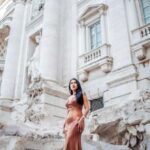
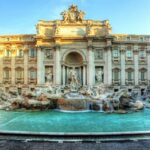
You end at the Trevi Fountain, with time for the signature ritual: throw a coin in and make a wish to one day return to Rome. This is the classic “last stop” for a reason. Trevi is one of the rare places where even people who don’t love history still feel the pull.
One practical note: Trevi is crowded. Your best strategy is to let the guide handle the approach and timing so you’re not stuck in the slow-moving mess. When the tour ends, you’ll be back at the starting meeting point area, so you can continue on your own without needing to re-navigate across town.
If you want extra value, I’d plan a short window right after the coin toss to wander nearby streets at a calmer pace. You’ll get the “famous fountain” moment, then you can switch into slower city-life mode.
Guides make the difference: Stefano, Bruno, Matteo, Andrea
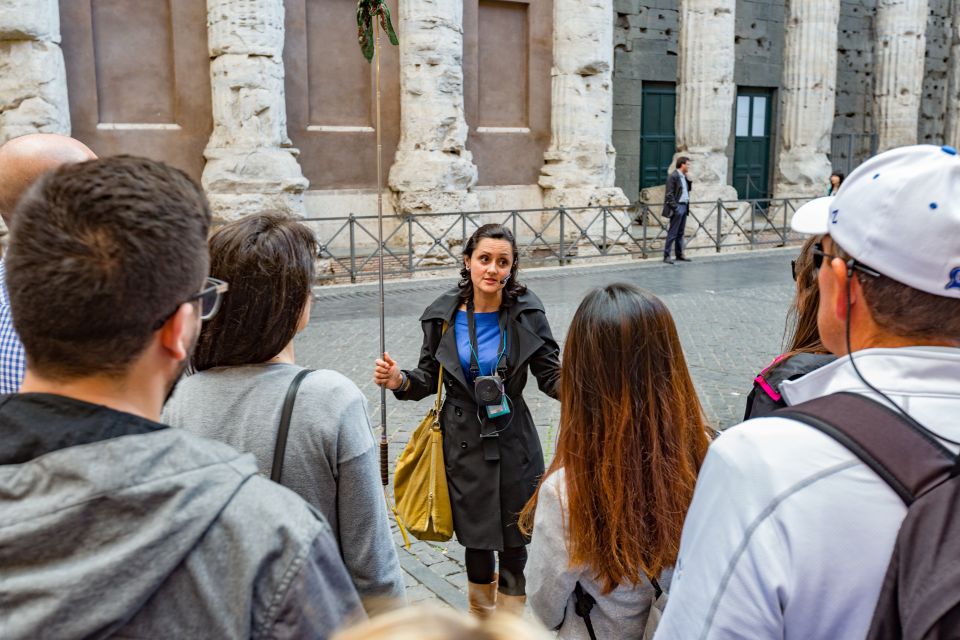
The tour is led by licensed English-speaking guides, and the personalities really shape the feel. The names that show up most often include Stefano, Bruno, Matteo, Andrea, and Paolo—and the common thread is energy. Guides tend to keep the pace moving while still letting people hear them at key stops.
I also love that the guide style is practical, not just poetic. You get explanations that help you see what matters, plus pointers like where to get gelato during your Rome time. And in at least one case, a guide like Bruno even shared an unexpected treat like tiramisu—outside the standard tour inclusions—showing that some guides go the extra mile for goodwill.
Your experience will still depend on how your specific guide works, but if you end up with someone like Stefano or Matteo, you can expect a lively walk where facts and humor stay connected.
Price and what $45.55 buys you in real value
At $45.55 per person, this is not the cheapest way to walk around Rome. It also isn’t trying to be. The value is the licensed guide, the focus on a tight route, and entry to the Pantheon—which is the kind of thing that can turn your time from random wandering into a structured Roman highlights loop.
For me, the best way to think about the price is this: a self-guided walk might cost you less, but it often costs you time and understanding. With a guide, you’re paying to have someone translate what you’re seeing while you’re walking, so the same monuments hit harder.
You also get a group size capped at 20, which makes hearing the guide much easier than on big bus-tour style outings. And because the tour ends back near where you started, you don’t spend your energy solving your way out after you finish.
Practical tips so the walk feels easy
This tour is a walking experience first, sightseeing second. To keep it comfortable:
- Wear comfortable shoes and dress for church rules (cover shoulders and knees).
- Skip shorts and sleeveless tops, since those are not allowed for church/private areas.
- Bring clothes that work in changing weather, since the tour is outdoors for much of the time.
Also note the rules that keep it smooth:
- There’s no smoking, eating, or drinking on the tour.
- Pets, baby strollers, oversize luggage, and large bags aren’t allowed.
- It’s not suitable for children under 10, and it isn’t possible to join with wheelchairs (and strollers).
If you’re traveling with a small group or solo, the small-group setup can be a win. Some departures can even be very small, which makes the pacing feel almost personal.
Should you book this Rome fountain-and-squares tour?
I think you should book this tour if you want a fast, guided way to connect Rome’s eras without turning your day into a stressful route puzzle. It’s especially strong for first-timers who want to get their bearings while seeing the Pantheon, major fountains, and a couple of art moments that are easy to miss without help.
Book it sooner in your trip if you can. When you finish at Trevi, you’ll have a mental map of where to go next and why those places mattered.
Avoid it if you hate walking, don’t want to follow church dress rules, or need wheelchair access. And if you’re trying to squeeze in a tight schedule, remember it’s about 2.5 hours of steady movement from the Spanish Steps area to Trevi.
FAQ
FAQ
How long is the Rome Fountains and Squares small-group walking tour?
The tour duration is 2.5 hours.
Where do I meet my guide?
Meet by the entrance of the Keats and Shelley Museum at the bottom of the Spanish Steps, in front of the Acqua di Parma store.
What is included in the price?
The price includes a licensed English-speaking guide.
What major sights will I see?
You’ll see the Spanish Steps area, Trinità dei Monti, Piazza Navona, the Pantheon (inside), the Column of Marcus Aurelius, Sant’Ignazio Church, and you’ll end at Trevi Fountain.
Where does the tour end?
The tour ends back at the meeting point.
Is this tour suitable for children?
No. It is not suitable for children under 10.
What should I wear and bring for church stops?
Bring comfortable shoes. Make sure you have clothing that covers your shoulders and knees for entering churches and other areas. Shorts and sleeveless shirts are not allowed.
Can I get a refund if my plans change?
Yes. There is free cancellation up to 24 hours in advance for a full refund.