REVIEW · ROME
Rome: Imperial City Tour by Golf Cart with Optional Transfer
Book on GetYourGuide →Operated by Freeway-car · Bookable on GetYourGuide
Rome by golf cart feels oddly efficient. I like how it strings together the Roman Forum and Colosseum without making you do a day-long hike, and I also love the built-in cappuccino or ice cream stop that keeps it human and relaxed. One thing to plan for: in just 3 hours, you’ll get great views and stories, but you won’t have time for slow, in-depth museum wandering.
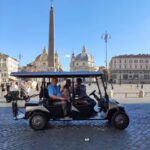
This tour works because it’s designed for movement. You ride between major sights in a private or small-group setup with a live guide speaking Spanish, English, Italian, French, and German, plus optional hotel pickup if you want less hassle from the start.
The route blends Rome’s big classical hits with the Baroque “wow” factor: Bernini-era fountains, the Spanish Steps area, and major picture stops across central Rome. Come with shoes that are comfortable for short walks, and you’ll get a lot more Rome than you’d expect from a half-day plan.
In This Review
- Key things to know before you go
- Why a Rome golf cart tour feels smart in 3 hours
- Getting started at Via Ludovisi 60 (and how optional pickup changes it)
- Roman Forum and Colosseum: big sights, less foot pain
- Circus Maximus and the Pantheon: classical Rome in two moods
- Aventine and Villa Borghese Pincio Balcony: the view break you’ll remember
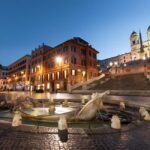
- Corso, Condotti, and the Spanish Steps: the stylish middle of the city
- Trevi, Bernini-era fountains, and Piazza Navona: where the Baroque steals the show
- The coffee or ice cream stop at Villa Borghese Gardens
- Guides make or break this kind of tour
- Price: does $124.61 feel fair for Rome coverage?
- Who this tour fits best (and who should skip it)
- Should you book this Rome Imperial City golf cart tour?
- FAQ
- How long is the Rome Imperial City Tour?
- How much does the tour cost?
- What are the main sights included on the tour?
- Is this a private tour?
- Are hotel pickup and drop-off included?
- Where does the tour start?
- What’s included in the price?
- What languages is the live guide available in?
- Is there free cancellation?
- Can I reserve now and pay later?
Key things to know before you go
- A tight 3-hour route that hits Roman Forum, Colosseum, Circus Maximus, and Pantheon
- Baroque highlights like Trevi Fountain and Piazza Navona on the same loop
- A comfort-first ride in a golf cart that helps you beat Rome’s on-foot bottlenecks
- A guide-led experience with named guides like David, Vittorio, Sa, and Alessandro mentioned in feedback
- Cappuccino or ice cream included, so your breaks are built in rather than improvised
- Optional hotel pickup, with the start/end anchored at Via Ludovisi 60
Why a Rome golf cart tour feels smart in 3 hours
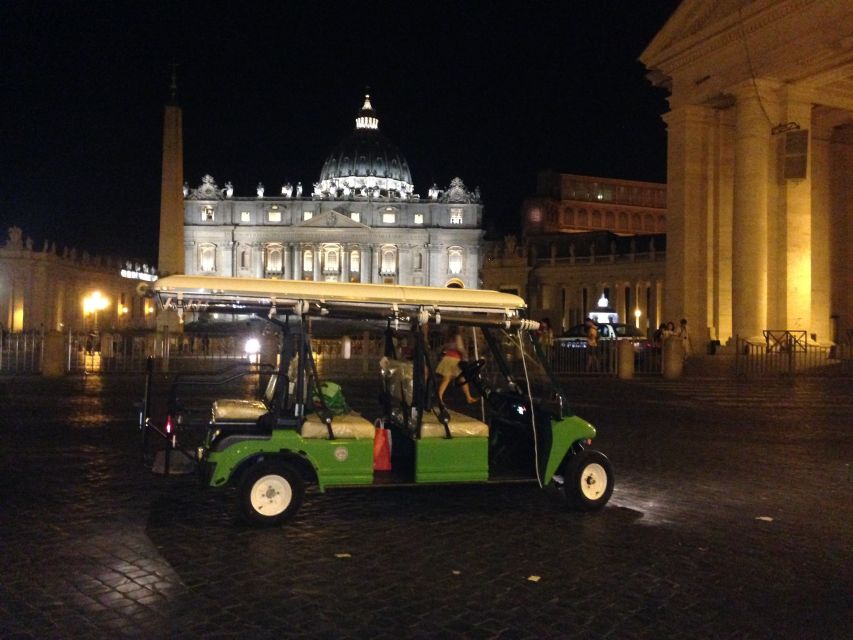
Rome is walkable, yes. It’s also crowded, uneven, and filled with bottlenecks that can chew up your time fast. The big appeal here is how the golf cart lets you keep pace with a short visit while still getting close-up moments at the key landmarks.
I also like the tone of this kind of tour: you’re not just getting dropped at famous stops. The guide role matters. Guides on this route often shape the trip around what you want to see, then translate that into clear stories and photo-friendly angles as you go.
The trade-off is simple. You’re moving. That’s great for coverage, but it means you’ll take in what you can from viewpoints and short stopovers rather than settle in for long stays at every site.
You can also read our reviews of more city tours in Rome
Getting started at Via Ludovisi 60 (and how optional pickup changes it)
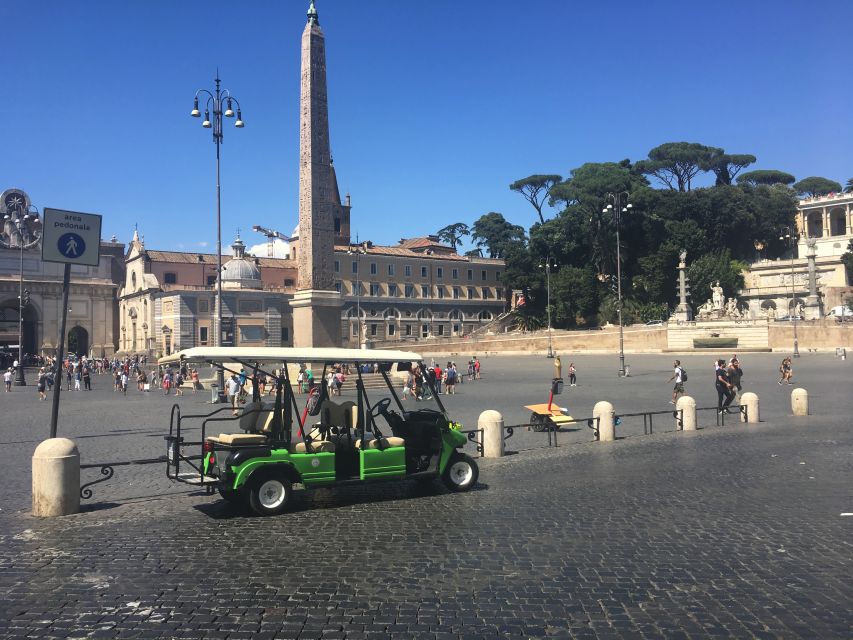
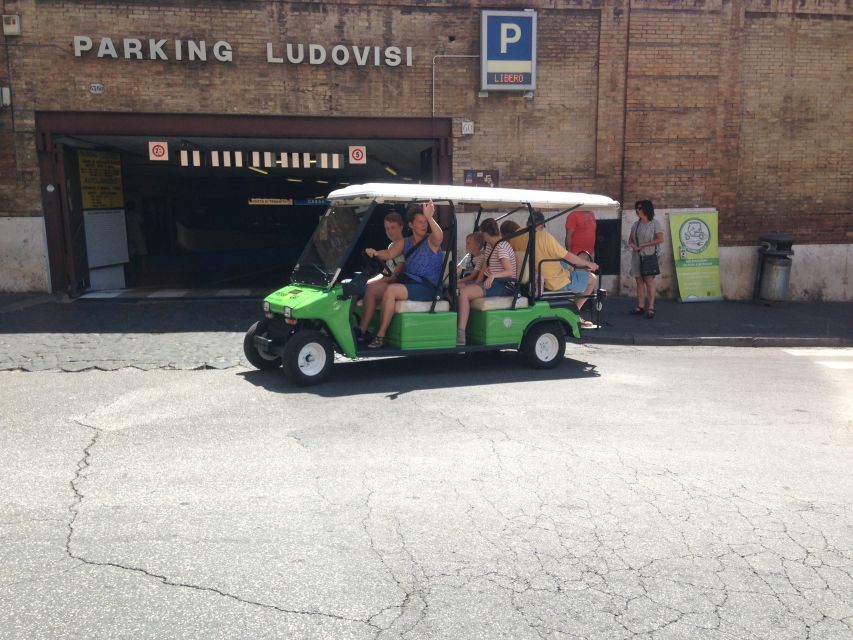
Your tour centers on Via Ludovisi 60. If you’re not using hotel pickup, you’ll meet at the Freeway-car office there, described as about a 3-minute walk from Via Veneto near Piazza Barberini. You should plan a little extra time the first time you’re in the area, because finding the office can be trickier than it looks on a phone map.
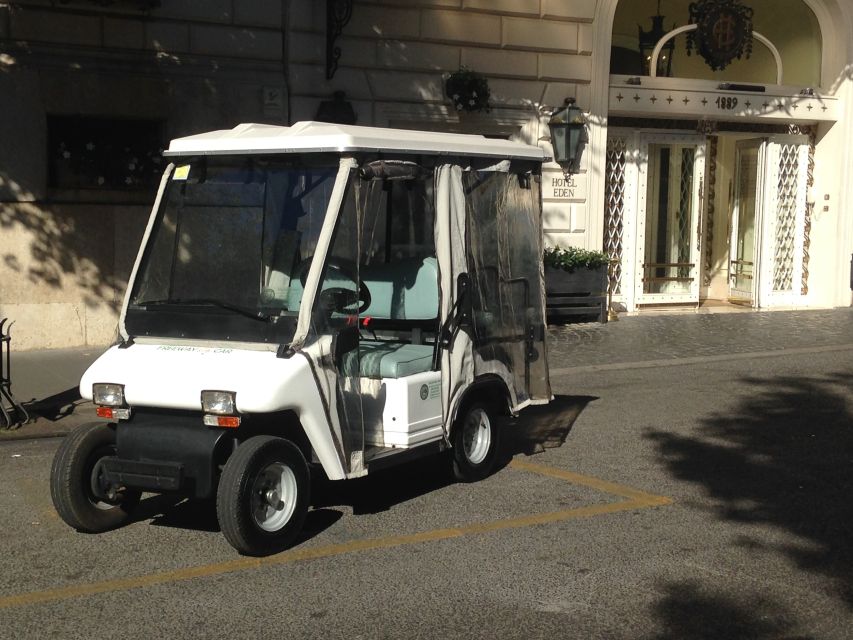
If you do choose pickup, you’ll wait in the hotel lobby or just outside the entrance. That part is important: you don’t want to be late sprinting back upstairs at the last second. Hotel pickup is a big value when you’re only in Rome a short time, especially if you’re already carrying luggage or you’re starting right after arrival.
Either way, the tour ends back at the meeting point, so you’re not left figuring out logistics in a different neighborhood.
Roman Forum and Colosseum: big sights, less foot pain
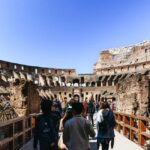
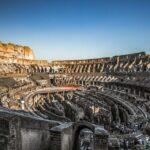
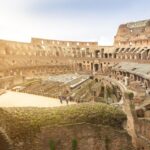
The Roman Forum and the Colosseum are the two “you have to see it” magnets in this whole plan. The golf cart is a real advantage here because these areas can be packed and slow. Instead of burning energy on long transfers between viewpoints, you can use the ride to reposition and then focus on what you came for.
What I’d watch for at these stops is the guide’s sequencing and storytelling. The Forum in particular makes more sense when someone connects the dots between the spaces you’re seeing and what those spaces were used for. Guides like David and Vittorio are specifically mentioned for being direct and history-focused, and Sa and Alessandro show up in feedback for their friendly, story-forward style.
Practical note: even with a cart, you’ll likely do short stretches on foot. Think comfortable shoes and a calm pace. This tour is built for movement, not museum marathons.
Circus Maximus and the Pantheon: classical Rome in two moods
After the Colosseum area, you’ll keep rolling through other key zones. Circus Maximus gives you a different kind of Rome: long, open scale and the feeling of a city designed for massive public gatherings. It’s a stop that’s easy to misunderstand if you just look at it as ruins. A good guide helps you see it as a stage that shaped daily life.
Then you hit the Pantheon, which always feels like a time jump. The exterior and the surroundings give you that instant wow factor, but the real benefit of this tour is timing and context. When you’re not trying to navigate alone, you can spend more brainpower on what you’re actually looking at.
One thing I like here is efficiency. These sites can be scattered through your day if you’re self-guided. With the cart route, you spend less time getting from one “must” to the next.
Aventine and Villa Borghese Pincio Balcony: the view break you’ll remember
Rome can wear you out. That’s why I really like the inclusion of the Aventine area and the Villa Borghese Pincio Balcony. This is where the tour slows just enough to change how you experience the city.
A balcony viewpoint matters because it gives you orientation. From up there, you can connect what you saw earlier to the shape of Rome around you. It also helps with photos, since you’re not fighting the crowd for the same angle as everyone else.
This stop is also a nice reset between the heavy-hitter monuments and the more street-level landmarks that come next.
You can also read our reviews of more tours and experiences in Rome
Corso, Condotti, and the Spanish Steps: the stylish middle of the city
Next comes the classic central Rome walk-and-look zones: Corso and Condotti and the Spanish Steps. Even if you’re not shopping, these streets are part of the city’s identity. They’re where Rome feels like Rome: people, palazzi facades, and that slow-motion strolling vibe.
What makes this part work on a golf cart tour is the transfer efficiency. You still get street-level atmosphere, but you’re not losing your afternoon stuck in pedestrian traffic patterns. Guides on this route also tend to point out good picture angles, which is handy at the Spanish Steps where everyone is trying for the same iconic shot.
Tip for you: decide your photo priorities before you arrive. If your focus is the steps themselves, aim for that first, then let the streets around them be your bonus.
Trevi, Bernini-era fountains, and Piazza Navona: where the Baroque steals the show
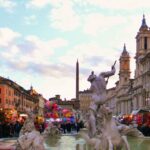
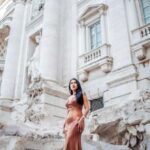
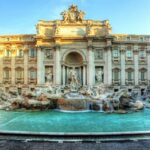
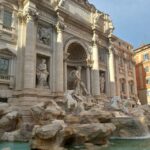
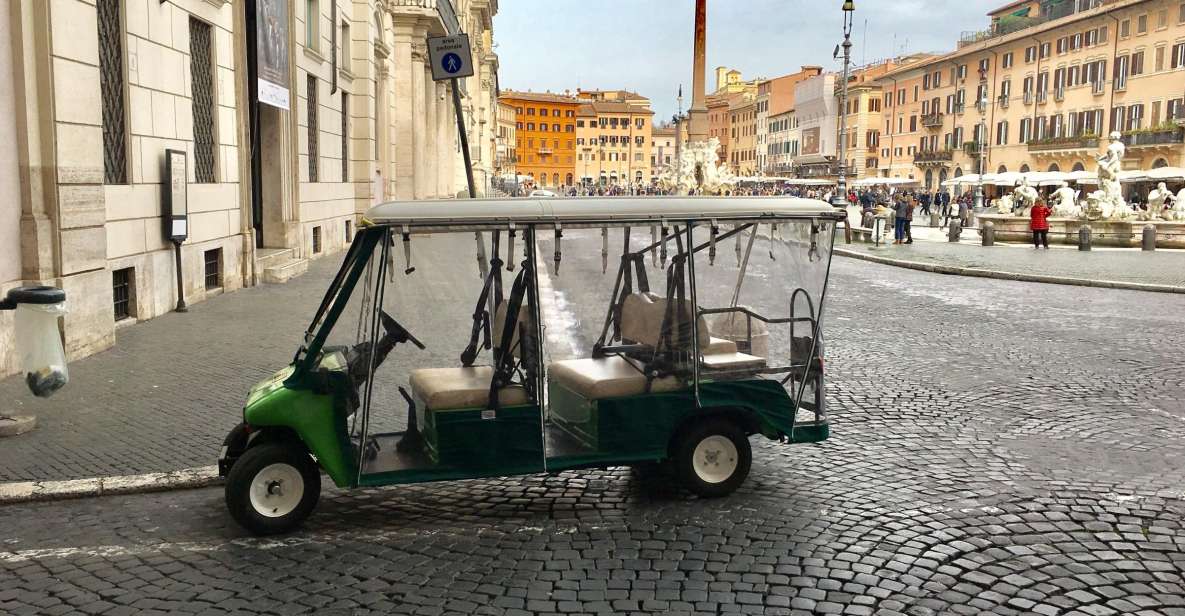
This is where the tour leans into drama. You’ll see Trevi Fountain and Piazza Navona, along with other Baroque-era fountains and sculptures attributed to Bernini. The reason this pairing works in one loop is pacing: you move from one high-recognition moment to another without the stress of building a route from scratch.
At Trevi Fountain, the key is thinking beyond the postcard. When you’re hearing stories while you’re looking, you notice details you’d normally miss because you’re simply trying to get the shot. The same goes for Piazza Navona, where the space feels alive even at the best and worst times of day.
One bonus from this style of tour: if you time it near evening light, the monuments can look more dramatic. A guide Sa, for example, is mentioned for working with evening sun for a more atmospheric backdrop, and that matches what you’ll often notice when Rome’s lighting softens.
The coffee or ice cream stop at Villa Borghese Gardens
Not every “sightseeing snack” is worth it. Here, the included stop is anchored at the Villa Borghese Gardens, with a cappuccino or ice cream included.
That matters because it’s not just a random break. It gives you a proper moment to sit, reset, and talk. If you’ve been moving through loud streets and dense monuments, a real pause makes the rest of the tour feel less like a checklist and more like a day that flows.
It’s also a smart spot to regroup with your guide. You can ask what you should prioritize next, and guides often recommend nearby food and streets to explore afterward. (You’ll see this kind of restaurant and dish advice pop up in guide feedback.)
Guides make or break this kind of tour
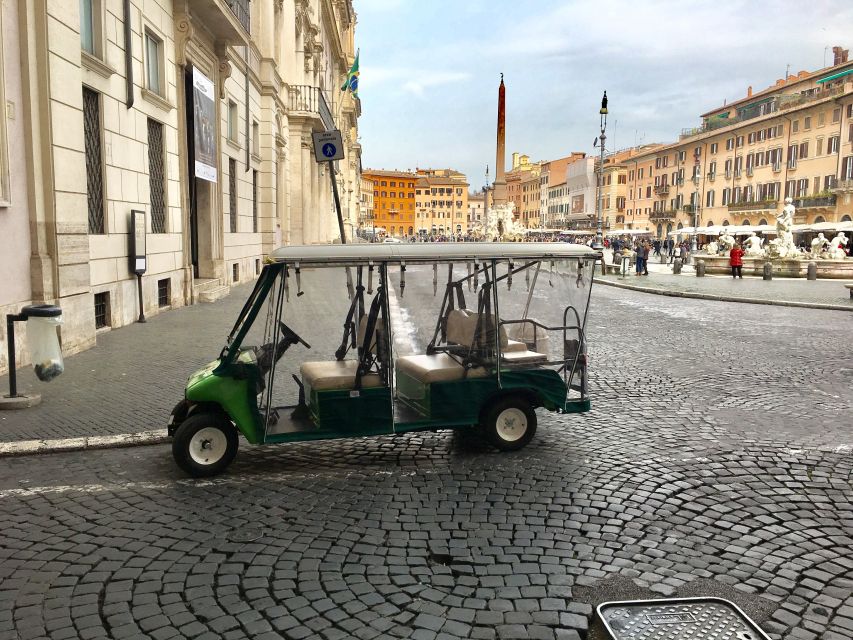
The biggest strength here isn’t the vehicle. It’s the people. Guides named in feedback include David, Vittorio, Sa, and Alessandro, and the common thread is the mix of clear explanations and an easygoing vibe.
If you like asking questions, this format supports it. Several comments highlight guides being willing to adjust the plan based on what you want to see. That’s a big deal in a city where crowds can throw off your self-guided plans.
Language support is also a practical win. You can choose a guide who speaks Spanish, English, Italian, French, or German, which helps you get the stories without translation friction.
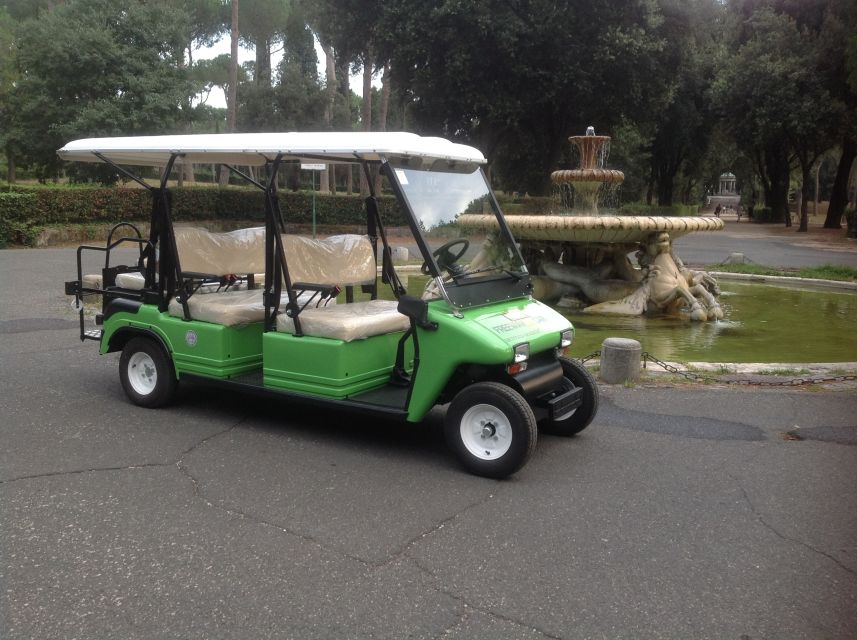
One more detail worth noting: at least one guest specifically described the cart as newer and capable of handling traffic well, around 35 mph. While you shouldn’t treat that as a promise for every ride, it matches the overall goal: keep the tour moving smoothly.
Price: does $124.61 feel fair for Rome coverage?
At $124.61 per person for about 3 hours, this isn’t the cheapest way to see Rome. But value in Rome often comes down to time and stress, not just money.
Here’s why it can still be a good buy for the right traveler:
- You’re paying for route planning and guiding, not just transport.
- You’re saving your legs for walking in the few areas where it’s most enjoyable (streets and photo stops).
- The tour hits a wide set of landmarks in one go: Roman Forum, Colosseum, Circus Maximus, Pantheon, Spanish Steps, Trevi Fountain, and Piazza Navona, plus viewpoint stops like the Pincio.
If you’re in Rome for a long weekend or you’re trying to pack in a first day, this format can help you get the lay of the land fast. If you plan to spend days later on museums and slow neighborhoods, then this tour works like a high-impact primer.
If you’re on a super tight budget or you hate group pacing, you may prefer a self-guided day and save the money. This tour is for people who want efficiency with a guide in the passenger seat.
Who this tour fits best (and who should skip it)
This tour suits you if:
- You want to see a lot of Rome without spending most of your day walking between far-apart sites.
- You appreciate historical context while you’re looking at the landmarks, not after you get back to your hotel.
- You’d like a small-group or private experience rather than large, rigid bus timing.
It might not be your best match if:
- You want lots of time inside major sites or museums. A 3-hour loop is built for top sights and quick story stops.
- You prefer total freedom to wander without a planned route. Here, you’ll be guided from stop to stop.
Should you book this Rome Imperial City golf cart tour?
I’d book it if you want a first-day win: big monuments, Baroque highlights, and a viewpoint moment, all strung together in a way that protects your time. The included cappuccino or ice cream is a small thing that makes a big difference when you’re out in Rome for hours.
Book with confidence if you’re traveling with limited time, you want to cut down on foot fatigue, and you care about good explanations as you ride. Double-check your start location near Via Ludovisi 60, especially if you’re skipping hotel pickup.
If your goal is slow travel and long museum hours, then you can skip this and build a lighter, self-paced day instead. But if you want Rome’s greatest hits with less stress, this golf cart tour is a strong, practical way to do it.
FAQ
How long is the Rome Imperial City Tour?
The tour duration is 3 hours.
How much does the tour cost?
The price is $124.61 per person.
What are the main sights included on the tour?
You’ll visit major Rome attractions such as the Roman Forum, the Colosseum, Circus Maximus, the Pantheon, plus areas like the Aventine and Villa Borghese Pincio Balcony, the Spanish Steps, Trevi Fountain, and Piazza Navona.
Is this a private tour?
It offers private or small groups.
Are hotel pickup and drop-off included?
Hotel pickup is optional. If you choose it, the customer must wait in a hotel lobby or outside the entrance. The activity ends back at the meeting point.
Where does the tour start?
The meeting point is the Freeway-car office at Via Ludovisi 60. It’s described as about a 3-minute walk from Via Veneto near Piazza Barberini.
What’s included in the price?
Included items are the golf cart tour, a guide, cappuccino or ice cream, and hotel pickup if you select that option.
What languages is the live guide available in?
The live tour guide is available in Spanish, English, Italian, French, and German.
Is there free cancellation?
Yes. Free cancellation is available up to 24 hours in advance for a full refund.
Can I reserve now and pay later?
Yes. The option is Reserve now & pay later, so you can book your spot and pay nothing today.