REVIEW · ROME
Rome: 2-Hour Gladiator School
Book on GetYourGuide →Operated by Gruppo Storico Romano · Bookable on GetYourGuide
Gladiator training starts on the Appian Way. This 2-hour Rome class takes you to a gladiator school on the Via Appia Antica, where you learn safe sword-fighting basics and hear how gladiators really lived. What I like most is how hands-on it stays, even for adults watching or participating, and how the guide turns Roman history into something you can feel in your stance and footwork.
One possible consideration: it’s outdoors and can be hot, and a few reviews flag mosquitoes and the need to plan for sun and comfort.
In This Review
- Key highlights
- Via Appia Antica Gladiator School: What You Actually Do
- Where you start (and why it matters)
- Museum Visit First: Roman Artifacts Before the Action
- The Intro: Gladiator Life Without the Boring Parts
- Gladiator Training: Safe Swordplay You Can Feel in Your Body
- What you learn (the way it’s taught)
- Foam swords in the end
- The Arena Moment: Your Final Battle in Rome Mode
- Drinks, Certificates, and the Little Touches That Make It Feel Real
- One practical comfort note
- Price and Value: Is $135.94 Worth 2 Hours?
- Who This Gladiator School Fits Best
- Best for:
- Less ideal for:
- Timing, Group Energy, and How to Plan Your Day
- What to wear (so you enjoy it)
- The Guides: Why Teaching Style Matters Here
- Final Thought: Should You Book This Gladiator School in Rome?
- FAQ
- How long is the Rome Gladiator School course?
- Where do we meet for the experience?
- What is included in the ticket price?
- What languages are the instructors?
- Is it suitable for children and adults?
- Can parents or companions watch without paying?
- Is the activity wheelchair accessible?
Key highlights
- On the Via Appia Antica: Train where the ancient road still sets the mood
- Museum visit included: You’ll see real artifacts before you pick up the training gear
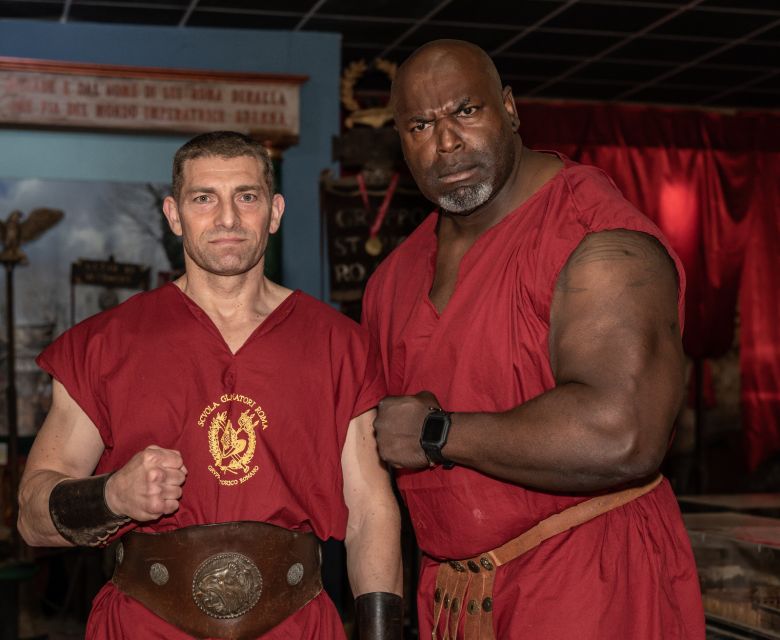
- Tunic + Roman weapons: Dressing the part helps the lesson click
- Interactive sword skills: Not a lecture; you practice techniques safely
- Final arena battle (foam swords): Your group rounds out the class with a controlled match
- Guides praised by name: Instructors such as Mirko, Cena, Olympus, Patriccio, Marko, and Sina show up in the most enthusiastic write-ups
Via Appia Antica Gladiator School: What You Actually Do
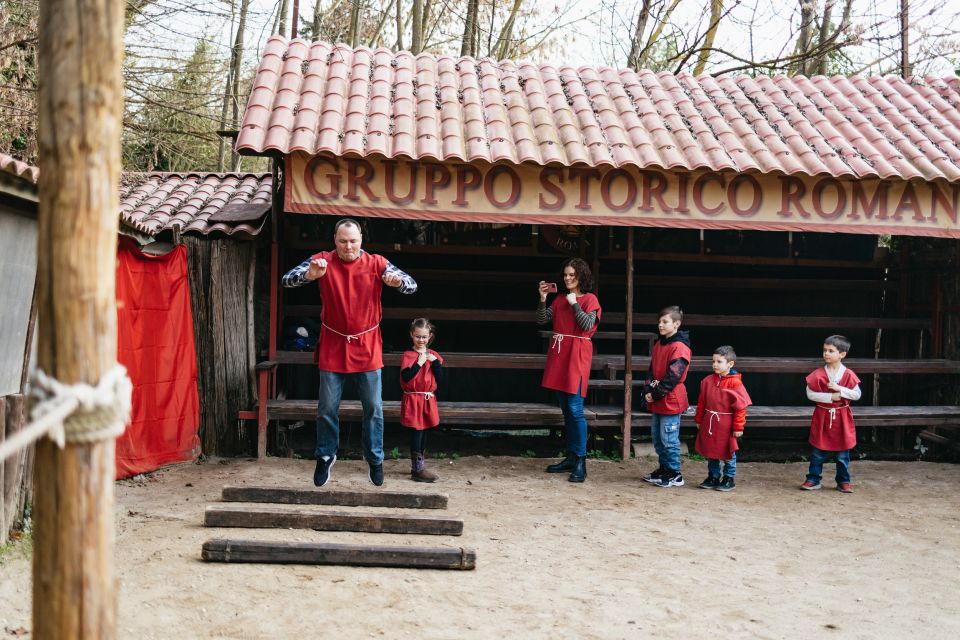
This is one of those Rome experiences that sounds themed at first, then earns its credibility once you’re there. You meet at the Gladiator School of Rome on the Appian Way (Via Appia Antica), and the whole session is built around a simple idea: learn Roman gladiator life through action, not just storytelling.
You’ll spend about two hours in total, with a mix of a museum visit, a short intro to Roman life and gladiators, and then structured training with sword-fighting techniques. The pace is designed to keep kids engaged and still satisfy adults who don’t want 90 minutes of “stay still and listen.”
For some people, the biggest selling point is that it doesn’t treat adults like spectators. Even when you’re watching, you can feel how the guide keeps the group moving and learning. And if you do train, you’ll get the chance to wear a gladiator tunic and practice in a safe, controlled way.
You can also read our reviews of more tours and experiences in Rome



Where you start (and why it matters)
Meeting on the Appian Way means you’re not doing gladiators in a random studio tucked between shops. The location helps you understand why the Romans were so serious about training, discipline, and spectacle. You’re walking into the story, not reading it from a brochure.
If you’re using public transit, the nearest bus station listed is Appia Antica–Travicella (lines 118 or 218). That’s a useful detail if you’re planning your day around Colosseum-area sights and don’t want a complicated routing headache.
Museum Visit First: Roman Artifacts Before the Action
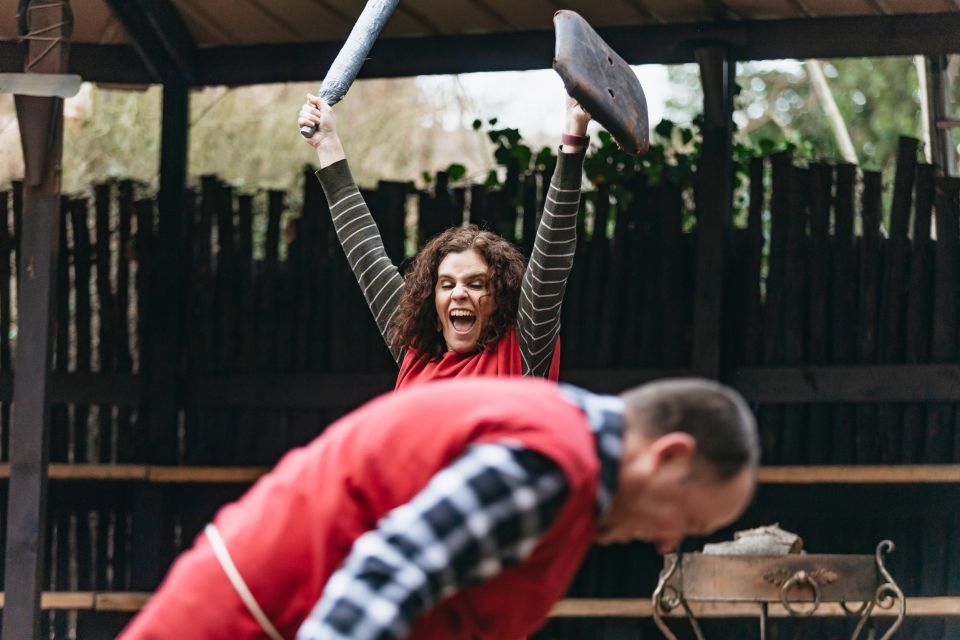
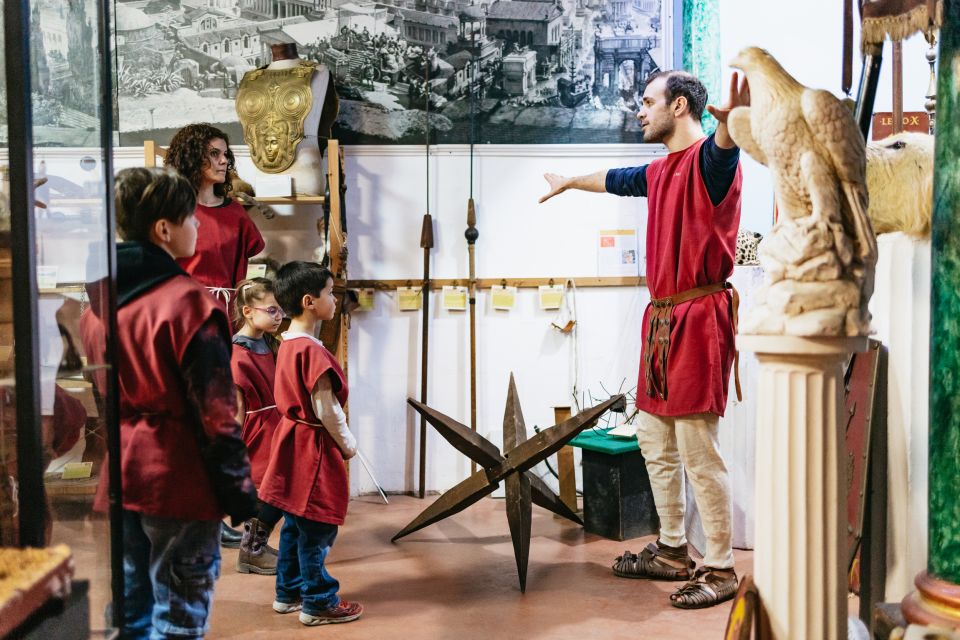
Most “activity” tours start with something fun and then tack on history. This flips it in a smart way. You begin with a museum visit at the school, where you’ll see items connected to gladiators and Roman military life.
What I like about putting the museum stop up front: it gives you a framework. When you later learn sword positions and basic techniques, you understand what those weapons and tools were for, not just how to swing safely in the air.
One review notes the museum may feel small, but it has interesting items you might not see in a typical stop. That matches the overall vibe here: this isn’t trying to be a massive museum. It’s trying to be focused, so you actually connect the artifacts to what you do in the training arena.
The Intro: Gladiator Life Without the Boring Parts
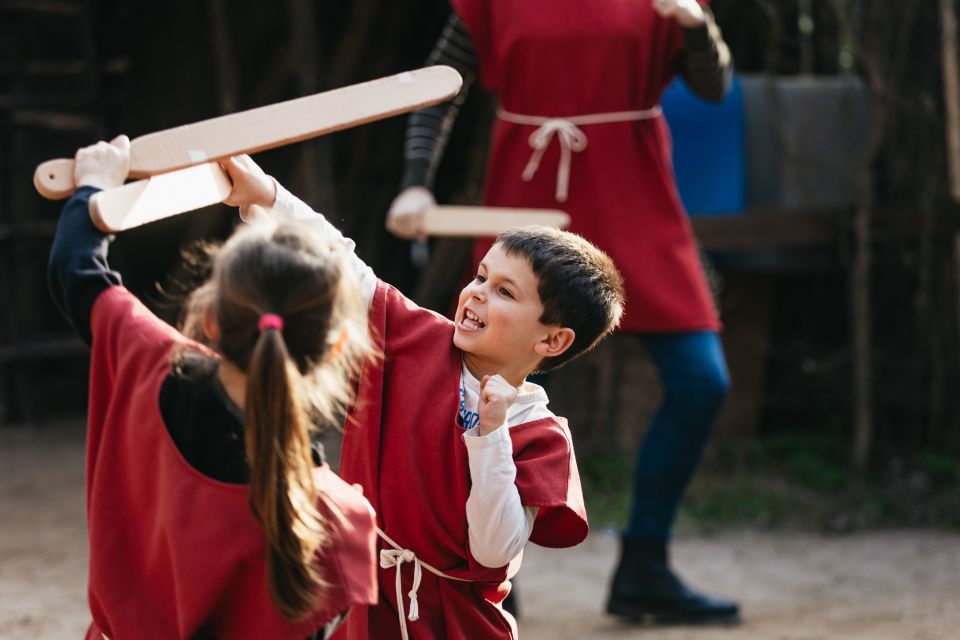
After the museum stop, you’ll get an introduction to Roman gladiator life and the imperial city—basically, why gladiators mattered in Ancient Rome and how their world worked. The lesson includes top tips on techniques and helps you connect weapon handling with the reality of gladiatorial culture.
Guides seem to be a major reason this part lands. In the best write-ups, instructors like Cena and Mirko are praised for being friendly, encouraging, and genuinely engaged, while also working to keep kids interested. Others—like Olympus, Patriccio, Marko, and Sina—are highlighted for humor and patient teaching.
You shouldn’t expect a dry history lecture. The format is more like: quick context, then immediate practice, then small corrections as you train. That rhythm is a big reason families say the lesson never drags.
Gladiator Training: Safe Swordplay You Can Feel in Your Body
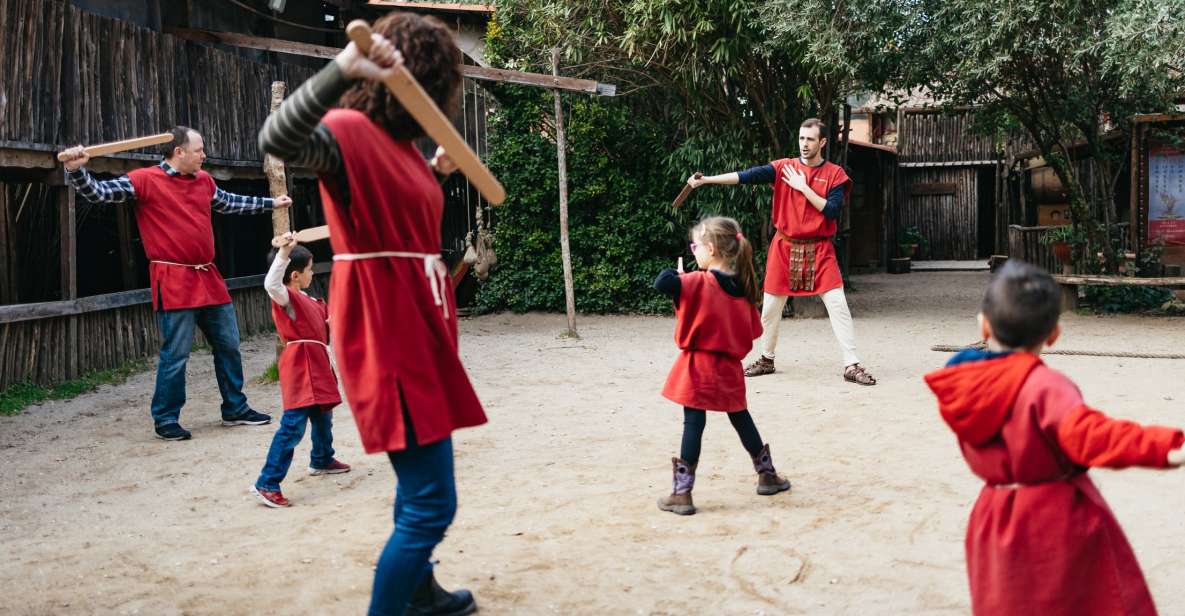
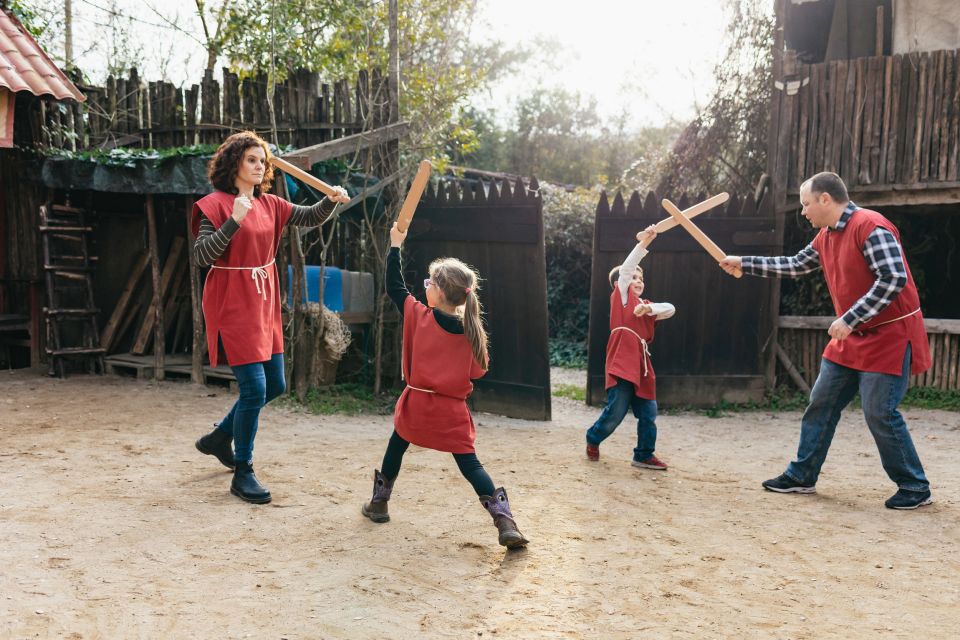
This is the heart of the experience: you practice sword-fighting skills in a structured, safe way. You’ll wear the gladiator tunic, learn the basics, and then move into technique drills that build toward the final match.
The safety angle matters here. One thing that stands out in the high-rating experiences is that visitors weren’t expecting much actual fighting time. Instead, it’s described as lots of fun, constant activity—not 75% lecture and safety talk. You still get instruction and boundaries, but the training time is real.




What you learn (the way it’s taught)
You’ll start with basics and gradually build. Even if you have zero fighting background, the guide can break down stance, spacing, and safe handling in plain steps. Then the group transitions into more interactive practice, where you can try the movements rather than just watch them.
And yes, it’s still “like a warrior,” in the sense that you’re moving, reacting, and learning discipline with your body. That’s different from many family classes where kids sit, color, and leave with a certificate that doesn’t feel earned. Here, the certificate makes sense because you did the work.
Foam swords in the end
Your final battle uses foam swords, which keeps things controlled while still giving that adrenaline moment. Several reviews call this out as a key highlight, especially for kids who want the full gladiator fantasy without actual risk.
The Arena Moment: Your Final Battle in Rome Mode
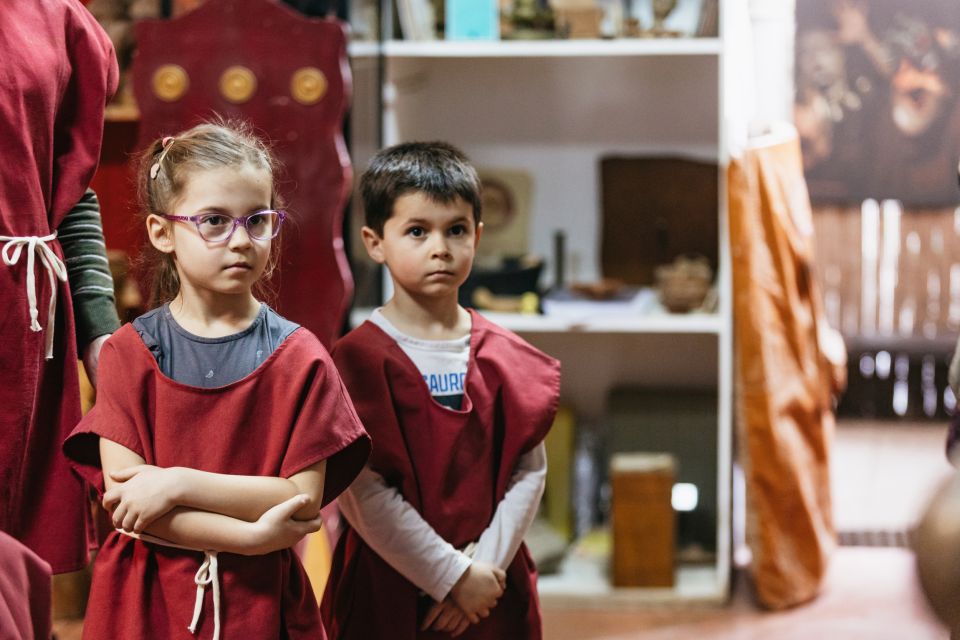
Near the end of the session, you’ll do a final battle in the arena setting. This is where the training payoff lands. You’ll face opponents from your group, following the guide’s instructions so everyone stays safe.
If you’re doing this with kids, this part is usually the memory they replay later. Multiple reviews describe kids shouting with excitement, staying focused, and talking about their “battle” for days. Adults also seem to enjoy it, including reports of families with multiple generations—all from age 5 up through adults—finding the final match fun and not too goofy.
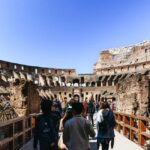
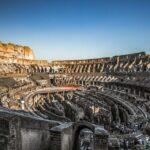
It also works well as a follow-up to big Roman landmarks. If you just visited the Colosseum, this can feel like the missing second act: the Colosseum gave you the scale and atmosphere; the gladiator school gives you the basic training logic and the human side of spectacle.
Drinks, Certificates, and the Little Touches That Make It Feel Real
At the end, you receive a certificate. That’s not just a souvenir. It helps make the class feel like a completed “course,” not a casual stop. For families, the certificate moment is often part of the final emotional payoff.
You’ll also get drinks during the session. On hot days, hydration isn’t optional. One write-up specifically praises the guide for making sure participants were well hydrated, and another notes cold water and shaded areas helped even during very warm temperatures.
That matters because the experience is active. If you show up prepared, you’ll enjoy it more.
One practical comfort note
Because the site is outdoors and some reviews mention mosquitoes, I’d plan accordingly. Bring insect repellent. Also, consider sun protection, especially if you’re booking on a warm day.
Price and Value: Is $135.94 Worth 2 Hours?
At $135.94 per person for a 2-hour experience, this is not a cheap Rome impulse buy. But it also isn’t just a costume and a photo.
Here’s where the value comes from:
- You get a museum visit (included), not just training
- You get gladiator training with sword-fighting techniques
- You receive a certificate
- You’re provided drinks
- The format is designed to be interactive for both kids and adults
So the price is really paying for coaching, equipment, and the controlled arena environment that lets you practice safely. If you were thinking of doing only a passive museum stop, this shifts you into an experience with actual movement and skill-building.
For families, the value often feels better because one ticket can mean a whole block of entertainment for multiple members. For adults who want something different from the typical “another church, another view” rhythm, this is also a strong change of pace—especially after the Colosseum.
Who This Gladiator School Fits Best

This class is a great match if you want action tied to real context. It’s also good if you have a mixed group—kids who need to move, and adults who want more than a silly theme.
Best for:
- Families with children (even teenagers who worry it will feel childish)
- Adults who prefer interactive tours
- Anyone visiting Rome and wanting one practical, memorable “skill” moment
- Groups doing the Colosseum area and wanting a follow-on experience
Less ideal for:
If you’re expecting a deep, academic lecture about Roman politics and culture for two hours straight, this may feel too hands-on. It’s built around training and participation, not a slow museum walk.
Timing, Group Energy, and How to Plan Your Day

The duration is 2 hours, but starting times vary, so you’ll want to check availability for the slot you want. Because it’s active and outdoors, I recommend picking a time that fits your heat tolerance and your child’s attention span.
Also, think about your order. If you’ve already toured the Colosseum, this becomes a fun “day highlight” rather than a random detour. If you haven’t, it can still be great—just know it’s less about Roman architecture and more about gladiator life and training.
What to wear (so you enjoy it)
You’ll be moving and training, so comfortable clothes help. If your plans for the day include another big walking block, you’ll probably want to wear something breathable and easy to move in.
The Guides: Why Teaching Style Matters Here
This experience gets so many high scores for a reason: the teaching style is active and people-focused. Reviews frequently mention guides being energetic, patient with kids, and good at keeping everyone engaged.
If your guide is someone like Marko, Olympus, Mirko, Cena, Patriccio, or Sina, you’ll likely get a mix of instruction and humor that makes the class feel like a real coaching session, not a performance.
And that difference matters. In a gladiator school, you’re doing physical skills safely. A guide who can explain clearly, correct gently, and keep the group focused makes the experience better for everyone—parents included.
Final Thought: Should You Book This Gladiator School in Rome?
If you want one Rome activity that’s fun, family-friendly, and genuinely interactive, I think this is a strong pick. For the price, you’re not just paying for a theme—you’re paying for a guided museum-and-training format that ends with a controlled arena battle.
Book it if:
- you’re traveling with kids (or teenagers who want real action)
- you want a break from pure sightseeing
- you like the idea of learning sword-fighting basics safely
Skip it if:
- you only want quiet, museum-style history
- you’re not comfortable with outdoor heat and active participation
If you fit the first group, this one tends to land as a top memory of the trip—right there on the ancient road where the story feels real.
FAQ
How long is the Rome Gladiator School course?
The course lasts 2 hours.
Where do we meet for the experience?
Meet your instructor at the Gladiator School of Rome on the Appian Way.
What is included in the ticket price?
It includes a museum visit, gladiator training, a certificate, and drinks.
What languages are the instructors?
The instruction is available in English and Italian.
Is it suitable for children and adults?
Yes. The experience is described as suitable for both children and adults.
Can parents or companions watch without paying?
Parents and/or companions do not have to pay for a ticket if they do not attend the course.
Is the activity wheelchair accessible?
Yes, it is wheelchair accessible.