REVIEW · ROME
Rome: 2-Hour Private Walking Tour from Piazza Navona
Book on GetYourGuide →Operated by City Unscripted · Bookable on GetYourGuide
That Piazza Navona energy helps you get oriented fast. This 2-hour private walk pairs you with a local Roman who shapes the route around what you actually like, not what a script demands. You’ll also hit the big-name span from the Colosseum to the Vatican, while still getting room for lesser-visited streets and stops that most people miss.
What I like most is the feel of a conversation guiding the day—your guide adjusts as you go—and the practical advice you get beyond photos and monuments. One consideration: with only two hours, you won’t see everything, so you’ll want to pick your priorities early and be ready for a brisk, walking-first approach.
In This Review
- Key moments worth your attention
- How the matching works (and why it matters in Rome)
- Piazza Navona: your starting point and your first “Rome lesson”
- Colosseum to Vatican in two hours: managing distance without losing the vibe
- Iconic sights you want, plus the quieter Rome your photos will skip
- Where booking support helps (and where you still pay tickets)
- Pickup, transport, and the walking-first reality
- Languages: English and Italian, and what you gain from that
- The best kind of “flexible” to expect in Rome
- Price and value: what you’re paying for at $81.04 per person
- Who should book this tour (and who might skip it)
- Should you book this 2-hour private walk from Piazza Navona?
- FAQ
- How long is the Rome 2-hour private walking tour?
- Where does the tour start?
- Is the tour private?
- Do I get pickup from my accommodation?
- Are attraction tickets included?
- What languages are the guides?
- Can the itinerary change during the tour?
- Is transportation during the tour included?
- What’s the cancellation policy?
Key moments worth your attention
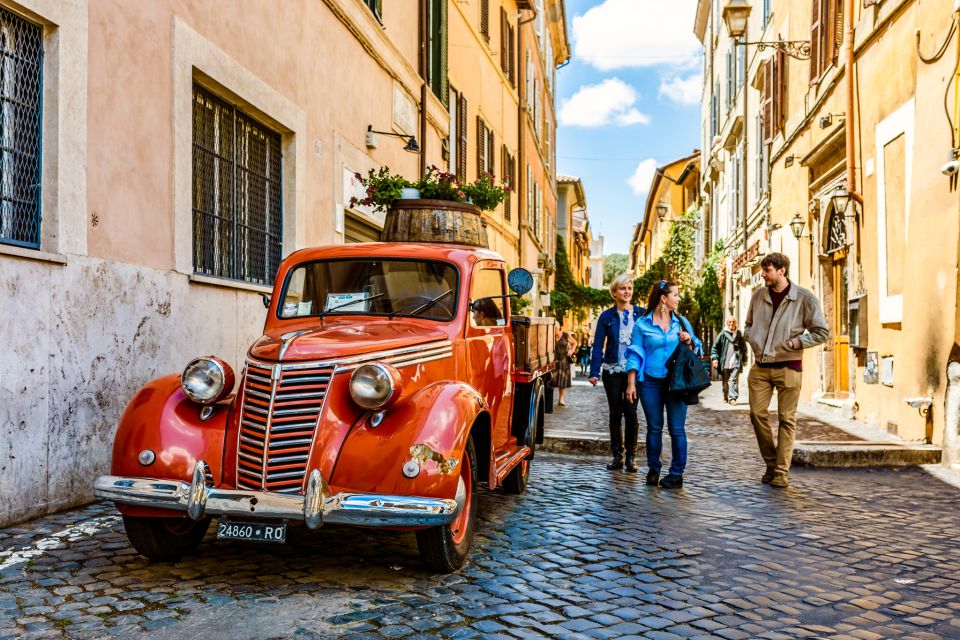
- Matched to your interests so the route fits your vibe, not a fixed checklist
- Iconic-to-Vatican coverage across the city’s most famous sights
- Less-touristy stops that locals actually enjoy, not just what’s on every map
- On-the-fly changes if you want to shift direction during the walk
- Real tips on what to do next so your day doesn’t end when the tour ends
How the matching works (and why it matters in Rome)
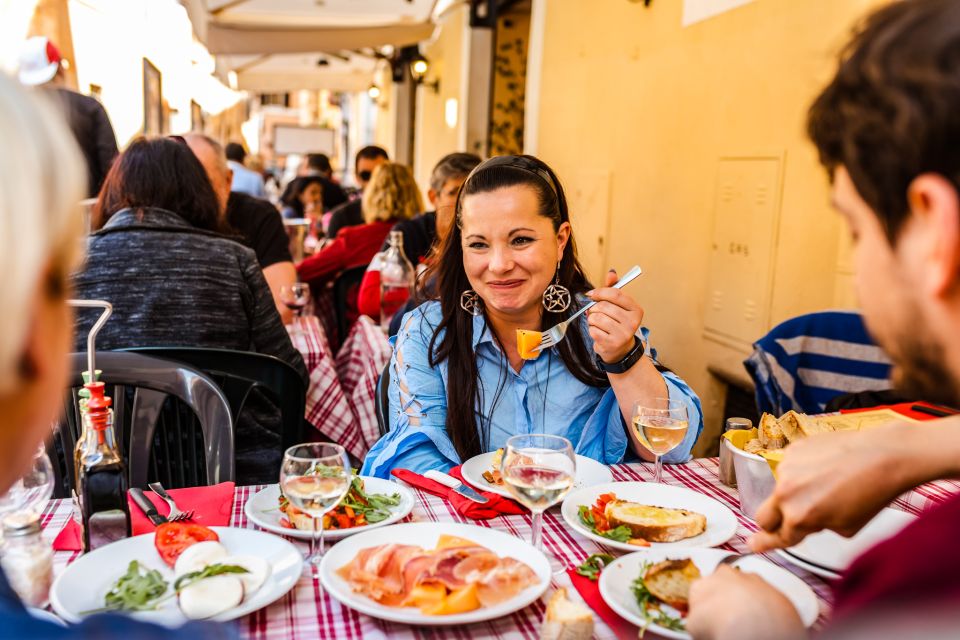
Rome can feel like a choose-your-own-adventure, except the choices are all monuments. The smart move here is the match process: you answer questions about your interests and personality, and City Unscripted then pairs you with a local Roman who fits your pace and preferences. This isn’t a “one guide for everyone” situation. It’s designed so your walk has a point of view.
I like this format because it changes what you notice. If you care about street life and corners, your guide will steer you toward lived-in Rome. If you’re more into major landmarks, you’ll spend more time on the iconic stops you request. Either way, the tour isn’t just a recitation of dates—it’s a guided set of choices.
The other benefit is flexibility. Your bespoke itinerary is outlined but flexible, and your guide can suggest changes if something else fits what you’re into. That’s especially useful in Rome, where crowd levels and sight access can vary hour to hour.
You can also read our reviews of more walking tours in Rome

Piazza Navona: your starting point and your first “Rome lesson”
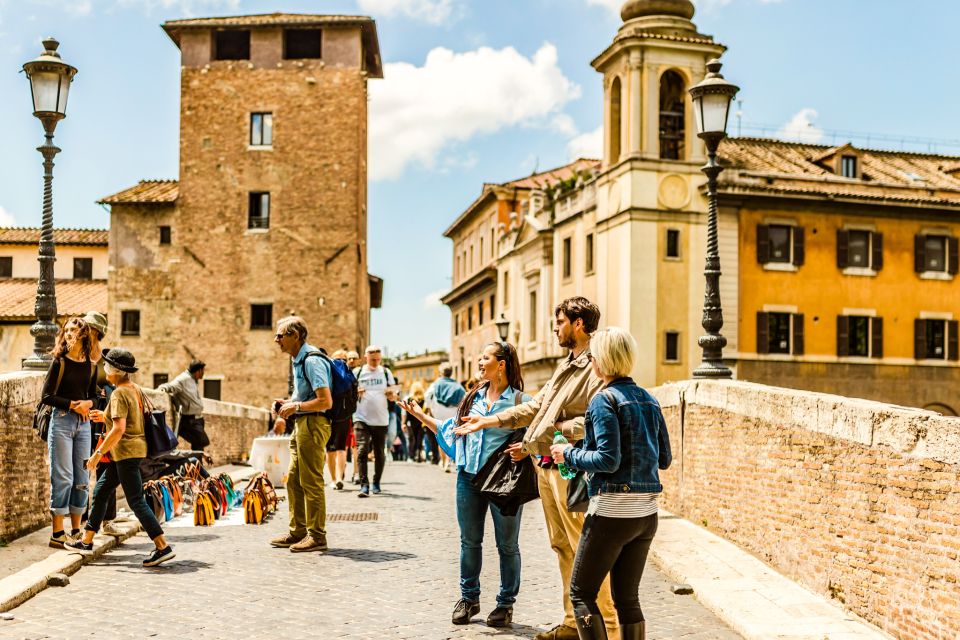
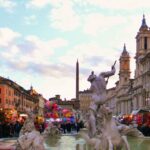
The tour is titled for Piazza Navona, and that’s a great anchor point. Even if your final stops stretch across the city, starting here helps you calibrate. You get an immediate sense of how Roman streets connect: piazzas to alleys, alleys to churches, and all of it threading toward the big anchors.
In the first stretch, your guide typically helps you settle into the day. Expect orientation: where you are in the city grid, how locals think about walking routes, and what to watch for as you move. This matters because it’s easy to burn your first day in Rome just figuring out directions. A good guide compresses that learning curve.
One practical detail: your meeting point is arranged by your guide in the most convenient place for you, and pickup is included if you’re within reasonable distance of your accommodation. If you’re staying central, this can remove friction right away. If you’re not, you may need to plan a quick walk to the meeting spot on your end.
Colosseum to Vatican in two hours: managing distance without losing the vibe
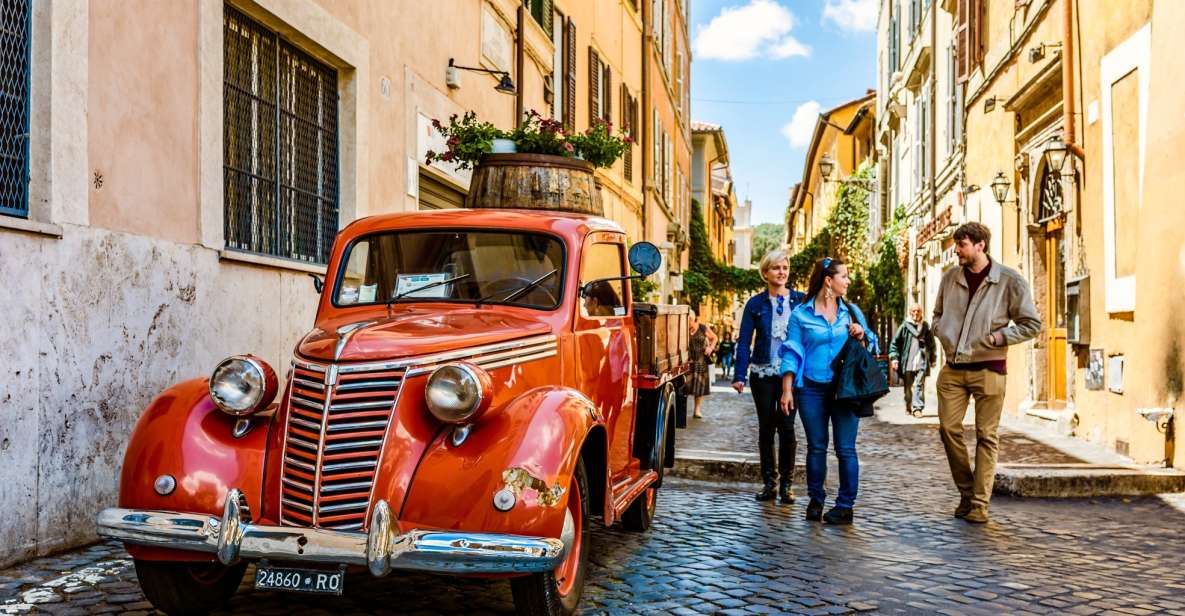
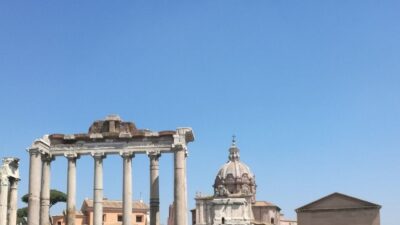
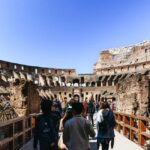
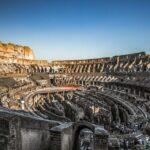
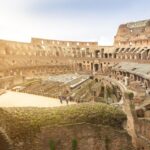
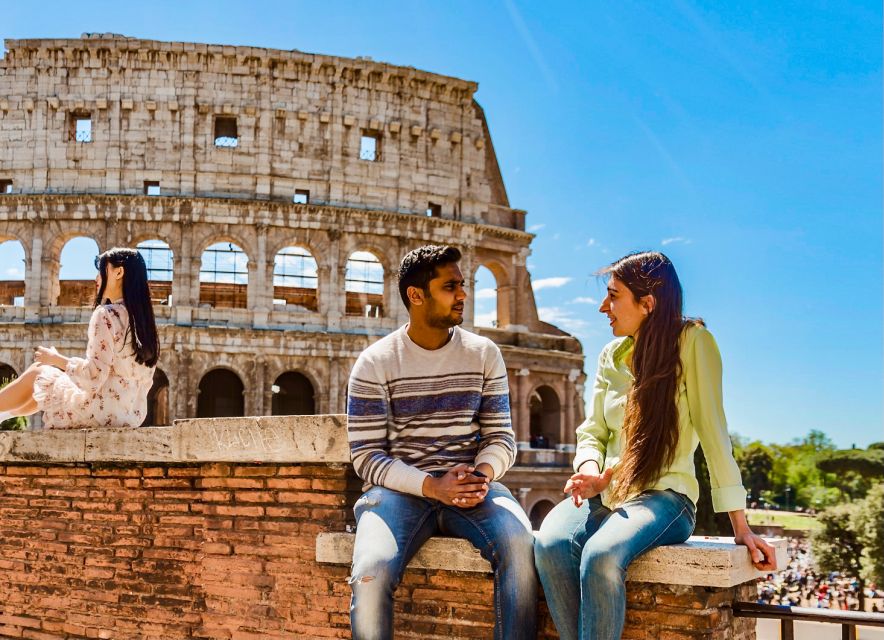
The headline promise is clear: you’ll explore from the Colosseum to the Vatican and all the bits in-between. In two hours, that doesn’t mean you’ll linger at every stop like you would on a full-day itinerary. It means your guide will curate the route and time so you get the big impressions plus some side moments that feel human.
Here’s how to think about it: this tour is built for “structure plus flavor.” Structure means you cover the recognizable spine of central Rome. Flavor means you’re not only standing in the most crowded spots. Your guide will decide the order and pacing based on your preferences, the flow of foot traffic, and what you want to see.
What to watch for: the experience is a walking tour, so you’ll want comfortable shoes and an appetite for steady movement. If you’re hoping for long sits and slow museum-style time, this isn’t that format. It’s better for people who want context, orientation, and an efficient highlight reel with personality.
The good news is that the guide can also suggest changing direction if you’d enjoy a different sight or experience. That “live steering” helps you avoid the trap of rigid routes that don’t match your energy.
Iconic sights you want, plus the quieter Rome your photos will skip
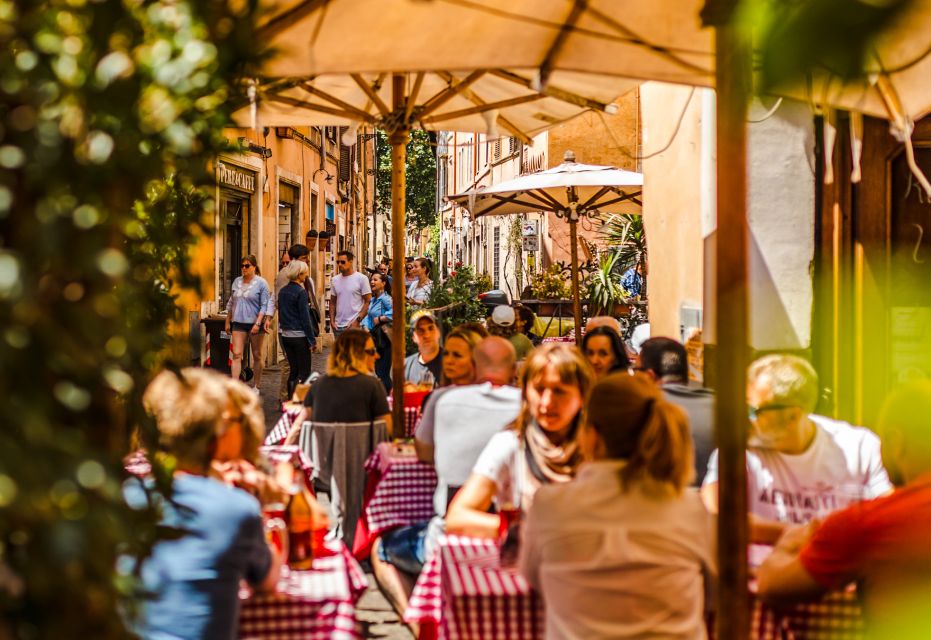
The tour’s promise includes both mainstream highlights and places most tourists miss. The most praised part of this experience is exactly that mix: you get the iconic stops people come for, and you also get a couple lesser-touristy spots that feel like you’re slipping between the usual lines.
What does that look like in practice? Your guide uses your answers to shape the balance. If you want iconic over side streets, they’ll lean into the major landmarks. If you want atmosphere—small streets, local venues, and the feeling of neighborhoods—they’ll build in those moments.
This matters because Rome has two faces. One is monuments-as-icons. The other is Rome-as-everyday-life. A purely monument-focused day can feel repetitive: stand, look up, take a photo, move on. Adding quieter stops creates variety and gives you stories to carry into the rest of your trip.
Also, you’re not just collecting sites. You’re learning how the city is arranged and how people actually move through it. That’s the difference between a sightseeing checklist and a trip that feels like you understand where you are.
Where booking support helps (and where you still pay tickets)

Included on this tour is booking of tickets, attractions and venues as required. That’s a big deal in theory because timed entry and access can make or break your day. But it doesn’t mean tickets are automatically covered.
The tour data is clear: tickets into attractions are not included. So you should expect to pay admission fees separately if you add sights that require them. The value here is that your guide handles the booking process when needed, which saves time and reduces stress.
For you, that can mean fewer “now what?” moments. Instead of trying to figure out ticket windows on the fly while you’re walking, you can focus on the route and the sights. Your guide’s job is to keep the day flowing, and booking support is part of that.
If you have specific attractions in mind, tell your guide in advance through the matching questions. The itinerary is bespoke, and your requests help shape which ticketed items make sense for the time window.
You can also read our reviews of more private tours in Rome


Pickup, transport, and the walking-first reality
Pickup from your accommodation is included if you’re within reasonable distance. That can be a comfort factor, especially when you’re arriving in Rome and want to avoid figuring out meeting points right away.
But keep one key point in mind: it’s primarily a walking experience. Public or private transportation during the tour isn’t included, though other transport can be arranged for an additional cost. So if you’re managing mobility limits or you know you can’t cover much distance on foot, bring that up early.
Wheelchair accessibility is listed, which is helpful. Still, since the tour is walking-based, it’s worth making sure your guide understands your needs so they can shape the pacing and route accordingly.
My practical advice: plan for a couple hours where you’ll be on your feet and moving between areas. Think of this as a route with stops, not a sequence of long stays.
Languages: English and Italian, and what you gain from that
This tour runs with a live guide in English or Italian. In practice, that means you’ll get explanations and context you can actually use as you walk, not just names tossed at you.
Because the itinerary is personalized, language matters more than usual. A guide chatting in your language can adjust how they explain things based on your questions, and they can also help you decide what to prioritize when you’re deciding in the moment.
If you speak Italian, it can also add extra texture to the experience. If you’re English-first, you’ll still get the same structure: route planning, site context, and practical suggestions for what to do next.
The best kind of “flexible” to expect in Rome
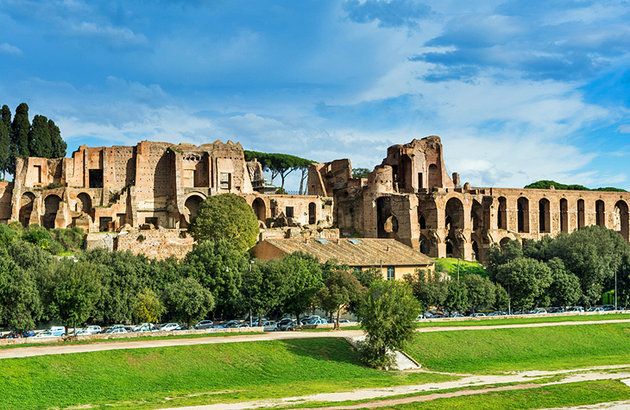
Rome rewards flexibility, but only when someone else handles the complexity. This tour is built around that idea. Your guide can suggest changes during the walk if they think you’ll enjoy a different sight or experience. That’s a real advantage in a city where plans can be interrupted by crowds, access, and your own interests shifting mid-day.
Here’s how you can make that flexibility work for you:
- Be honest early about your top priorities.
- Say what you want more of: grand monuments, quiet streets, or local rhythm.
- Don’t treat the itinerary like a contract; treat it like a plan with options.
This is also why the matching process helps. If your guide understands your preferences, changes feel like smart upgrades, not random detours.
Price and value: what you’re paying for at $81.04 per person

The cost is $81.04 per person for a 2-hour private tour. On paper, private tours can feel pricey—until you look at what’s included.
You’re paying for:
- A private, personalized route with a local guide
- Guidance in selecting what to see and how to spend your time
- Booking support for tickets/venues when required
- Pickup from your accommodation if you’re within reasonable distance
- The ability to adjust on the fly based on your interests
What’s not included: tickets into attractions, food and drinks, and transportation to/from the meeting point. That means you still have some flexibility costs depending on what you choose to add.
So is it good value? For a short window in Rome—especially your first visit—yes. A two-hour private tour can help you build momentum. You leave with orientation, context, and a guide’s local suggestions for the rest of your trip. If you’re comparing this to a self-guided walk with an app and a map, the difference is someone is actively steering the experience.
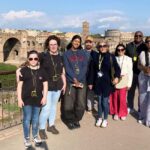
Also, private groups are normally no larger than 6 persons. That matters because small groups keep the pace personal. If your group is larger, you need to make that known so arrangements can be made.
Who should book this tour (and who might skip it)
This is a strong fit if you want:
- A first-day orientation that still feels personal
- A fast but meaningful walk across major Roman landmarks
- The balance of iconic sights and quieter stops
- A guide who can recommend what to do next in the city
It may not be the right match if:
- You want a slow, sit-down museum-style day
- You’re looking for a fixed checklist with no adjustments
- You plan to spend most of your time inside specific ticketed attractions
If you’re traveling with someone whose pace and interests vary from yours, this private format helps solve that. The day can bend around both of you instead of forcing a single tempo.
Should you book this 2-hour private walk from Piazza Navona?
I’d book it if you want to turn a short visit into a Rome experience that feels directed and human. The best reason is the pairing: you’re matched to a guide based on your interests and personality, and you’re not locked into a rigid itinerary. You’ll still cover the big sights between the Colosseum and the Vatican, but with room for quieter, local-loved stops.
If you’re the type who hates wandering with no plan, this gives you structure. If you get restless on scripted tours, the flexibility keeps it lively. Just pick your priorities before you go, wear good shoes, and treat the walk as a curated introduction rather than a “see everything” mission.
FAQ
How long is the Rome 2-hour private walking tour?
It lasts 2 hours.
Where does the tour start?
It’s centered on Piazza Navona, and your guide will arrange a meeting point in the most convenient place for you.
Is the tour private?
Yes. It’s a private group experience, typically up to 6 people.
Do I get pickup from my accommodation?
Pickup is included if you’re within reasonable distance of your accommodation in Rome.
Are attraction tickets included?
No. Tickets into attractions are not included, though the guide can handle booking as required.
What languages are the guides?
Guides are available in English and Italian.
Can the itinerary change during the tour?
Yes. The itinerary is flexible, and your guide can suggest changes if you’d enjoy a different sight or experience.
Is transportation during the tour included?
Public or private transportation during the tour isn’t included, but other transport can be arranged for an additional cost.
What’s the cancellation policy?
Free cancellation is available up to 24 hours in advance for a full refund.