REVIEW · ROME
Colosseum Entry with digital audioguide and arena option
Book on GetYourGuide →Operated by Inside Out Italy · Bookable on GetYourGuide
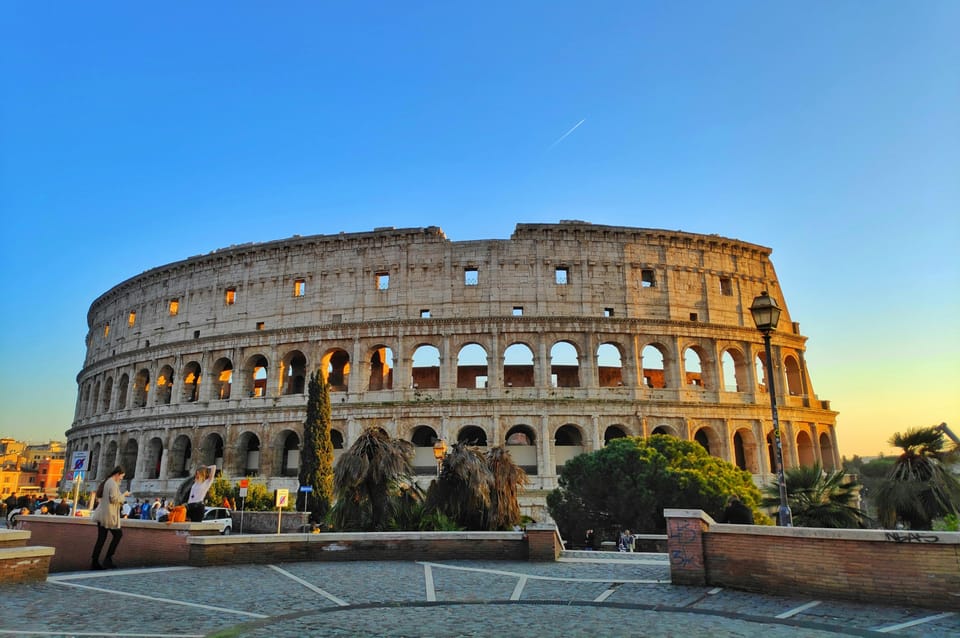
Your phone turns the Colosseum into a guided walk. I like this ticket because it mixes skip-the-stress entry with an app-based audioguide you control, not a group you have to chase. You start near the Arch of Constantine, then explore the Colosseum complex and keep going into the Roman Forum and Palatine Hill at your own speed.
I especially like the smooth, scheduled entry feel. In practice, you meet the Inside Out Italy host near the Arch of Constantine, and once you’re inside, the flow is organized enough that you can avoid the worst crush. I also like that the audio app is built for real monument-to-monument wandering, so you’re learning as you look, not waiting for a lecture.
One thing to consider: the experience relies on your phone. If your battery runs low (or the app GPS does not trigger like you expect), you may need to manually select sections, and you still have to bring your own headphones since earphones are not included.
In This Review
- Key things I think you’ll care about
- Meeting at the Arch of Constantine and getting inside without a hassle
- A name you might see at the pickup desk
- Entering the Colosseum on your schedule
- “No guide chasing me” is the real luxury
- Roman Forum and Palatine Hill: the beating heart part (done with freedom)
- The value of pairing these three
- The SUPER Sites: what you get and when closures matter
- Arena option: is it worth paying extra?
- The digital audioguide app: how to make it work smoothly
- Download first, then sign in later
- Battery life is the hidden cost
- What the audio does well
- Timing, crowds, and how long 2.5 hours really feels
- What to bring (and what can ruin your day)
- Price and value: what you’re really paying for
- Is this tour right for you?
- Should you book this Colosseum and Forum self-guided ticket?
- FAQ
- How long is the Colosseum with audioguide experience?
- Where do I meet the host?
- What do I need for entry?
- Are headphones provided?
- Does the ticket include the Roman Forum and Palatine Hill?
- What are the special included stops on Palatine and in the Forum?
- Are any of the sites closed on certain days?
- What happens to the arena option in bad weather?
Key things I think you’ll care about
- Fast, scheduled start: you meet 30 minutes before your entry time, then get routed efficiently.
- Self-guided pacing: the host handles the handoff; you do the exploring.
- Colosseum + Forum + Palatine access: you’re not stuck in just one monument.
- The SUPER Sites are a major draw: the pass can include special locations tied to the arena option.
- Audio runs on your phone: download and plan for battery life.
- ID and exact names matter: security can refuse entry if details do not match.
Meeting at the Arch of Constantine and getting inside without a hassle
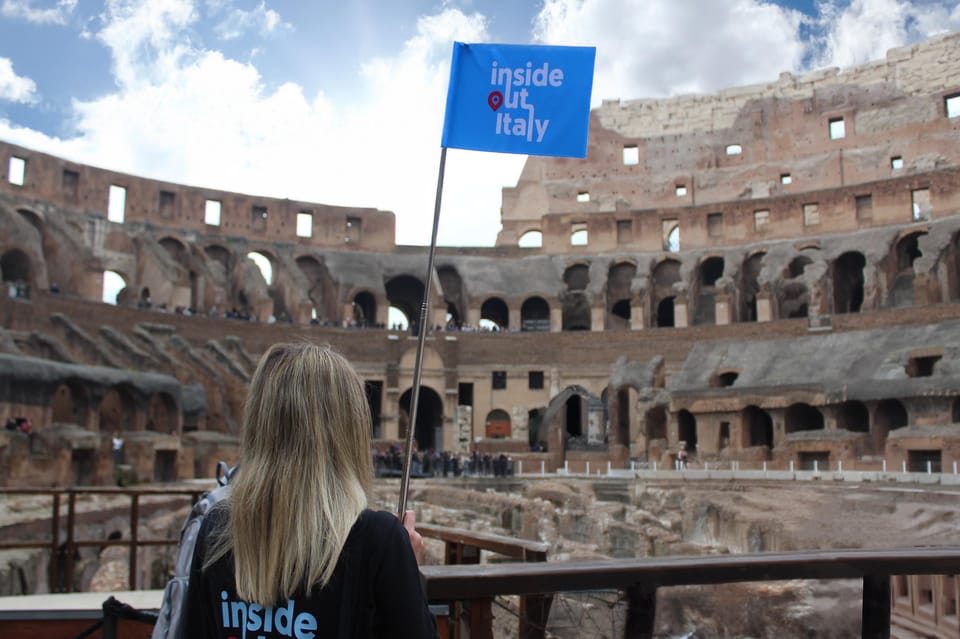
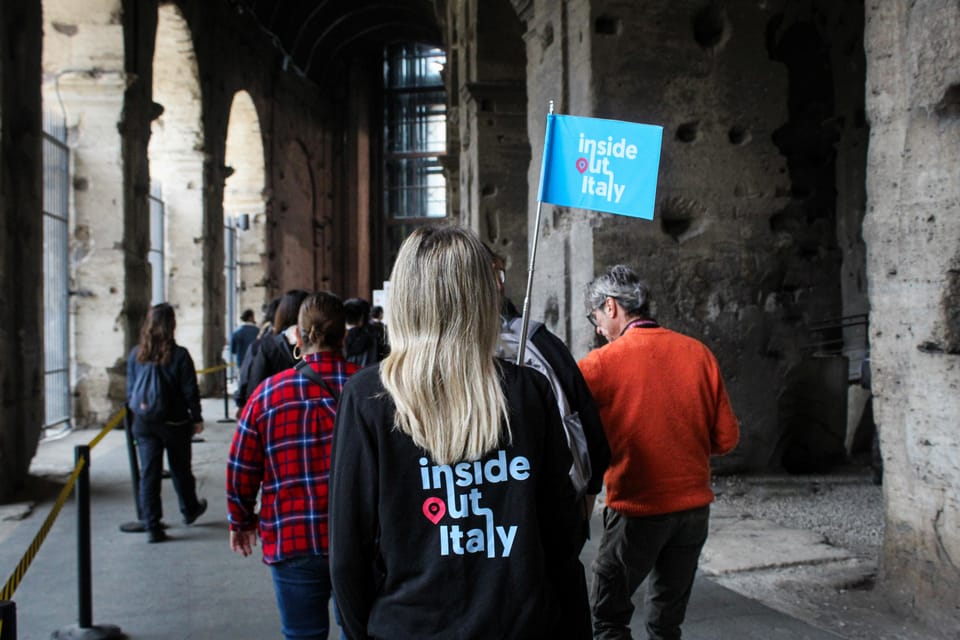
The meeting point is practical: you meet between the Arch of Constantine and the Colosseum, on the side facing the Colosseum. The Inside Out Italy host holds a blue flag that reads Inside Out Italy, which makes it easier to identify the right person quickly.
Plan to arrive early. Your meeting time is 30 minutes before your scheduled start, and late arrival can mean refused entry and loss of tour cost. That sounds harsh, but it’s a good heads-up for Rome. Side streets, road works, and shifting pedestrian routes can eat time, so treat this as a must-not-miss appointment.
Once you’re checked in, the rhythm is about moving you into the right entry path. Many people love this part because it cuts the time-wasting that happens when you show up “close enough” and then get stuck in ticket chaos. If you’re aiming to see the Colosseum first, this is also a good way to reduce the feeling of racing later.
You can also read our reviews of more tours and experiences in Rome.

A name you might see at the pickup desk
Hosts and representatives tied to this setup can include people like Martina, Tawhid, and Joseph. I’m mentioning these because they show up as real names in the field and usually mean the experience is staffed by actual humans who can point you in the right direction.
Entering the Colosseum on your schedule
The ticket duration is listed as 2.5 hours, but the bigger story is how you use that window. This is not a fixed, step-by-step guided walk. Instead, you enter at your time, then navigate the Colosseum complex while using the app audio as your companion.
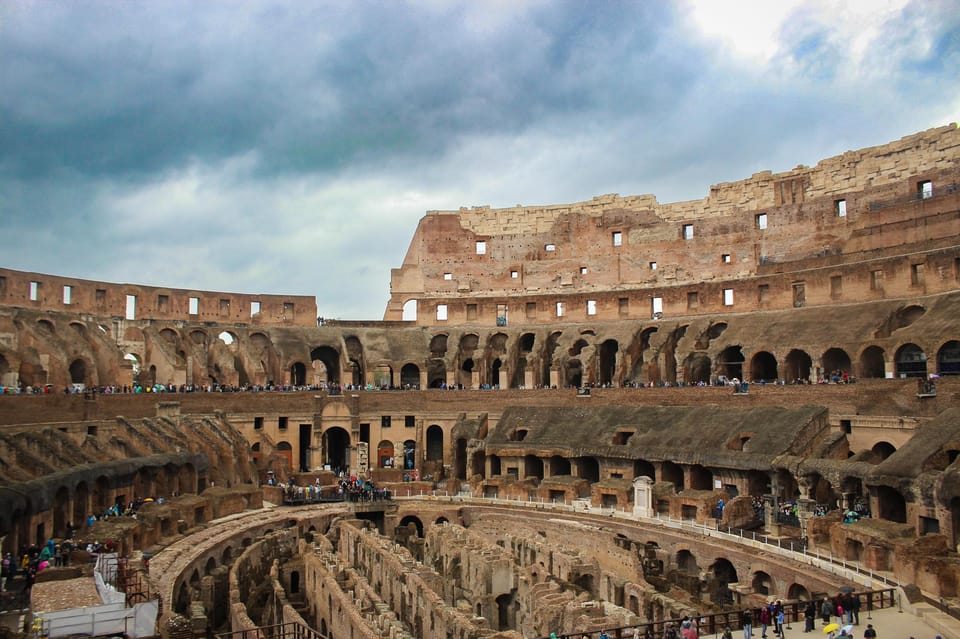
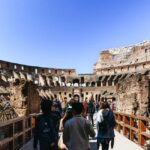
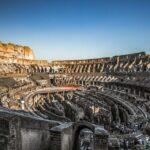
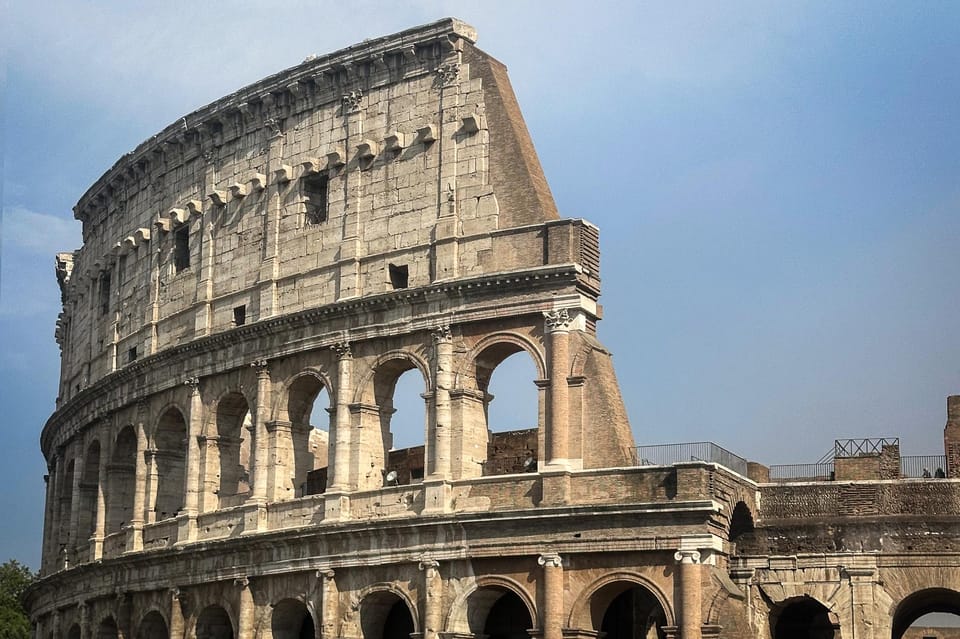
When you first get inside, stand where you can get your bearings. The Colosseum feels different when you step into the center of the complex before you start moving deeper. You immediately see the scale: tiers of seating, corridors, and the way the arena space dominates everything around it.
One of the best parts of the concept here is that it lets you choose what grabs you. If you’re drawn to gladiators and the violence of the games, the audio covers battles and wild animal fights. If you’re more into Roman power and spectacle, the storytelling also touches executions and mock sea battles, so you get the whole idea of what this place was built to do.
“No guide chasing me” is the real luxury
The inclusion is a host at the start, not a full walking guide. That’s great if you hate being stuck in a human conveyor belt. You can pause longer at viewpoints, take your time around quieter corners, or speed up if your attention is elsewhere.
One small caution: this setup is not suitable for people with mobility impairments or wheelchair users. The Colosseum and surrounding areas involve uneven ground and lots of stairs.
Roman Forum and Palatine Hill: the beating heart part (done with freedom)

After the Colosseum, the ticket continues into the Roman Forum and Palatine Hill. This matters because so many Colosseum visits end with a quick loop and then a rushed exit. Here, you get to keep the story going: the same Roman worldview that built the amphitheater also ran through the civic and political spaces around it.
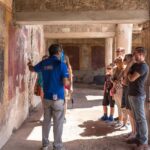
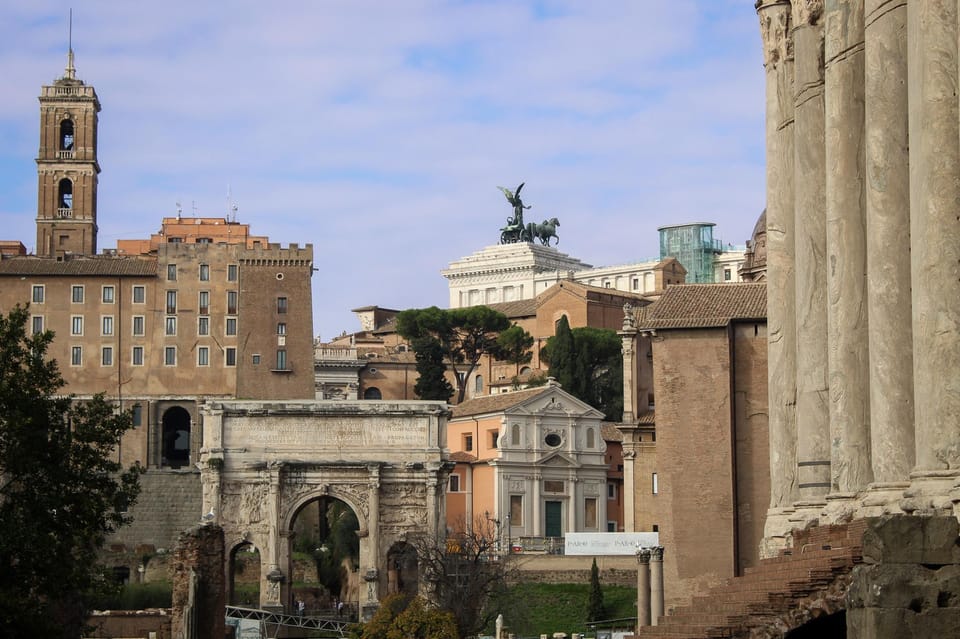
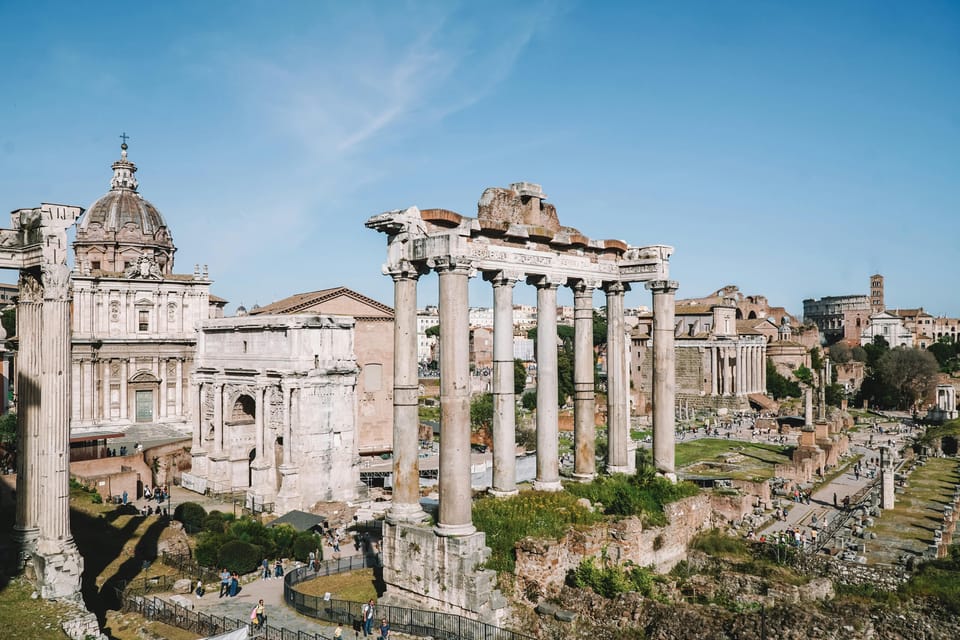
The Roman Forum is where your sense of “what happened here” becomes more than guesswork. With the app audio guiding you, you can connect temples, marketplaces, and civic buildings into one lived-in place rather than a pile of ruins.
Palatine Hill is the other big win. It’s one of Rome’s famed hills, and it carries a “top of the world” feeling because the elevation gives you a sense of command over the city. Even when you are not looking for views, Palatine still helps you understand why Romans would build status where they could literally see everything.





The value of pairing these three
What makes this bundle work is momentum. You start with the spectacle (Colosseum), then you move to the everyday authority (Forum), then you reach the elite symbolism (Palatine). The audio app keeps the links readable as you go, instead of forcing you to reconstruct context in your head.
The SUPER Sites: what you get and when closures matter

Your itinerary includes a slate of specific locations across the Roman Forum and Palatine Hill. The list includes:
- Santa Maria Antiqua
- Domus Tiberiana (exhibition rooms)
- Palatine Museum
- Aula Isiaca and Loggia Mattei
- House of Augustus (closed on Monday)
- House of Livia (closed on Tuesday)
Two practical notes here.
First, closures are real. House of Augustus is closed on Monday, and House of Livia is closed on Tuesday. If your timing hits those days, you’ll still enjoy the broader Palatine and Forum content, but you may not see every house-specific stop.
Second, the package is positioned to give strong access when you choose the right ticket option. The highlights explicitly point out that you can see all The SUPER Sites with an arena ticket only option. So if seeing every named special location is your priority, the arena choice becomes more than a bonus—it becomes part of the value equation.
Arena option: is it worth paying extra?
Let’s talk money plainly. Your price is listed at $41 per person, and the breakdown notes that the archaeological site entrance fee is €18 for adults, or €24 for the Arena option, plus a €2 booking fee. The remainder covers essential services like the meeting point support and the digital audioguide.
So the question is simple: do you want arena access?
If yes, the arena floor is usually the kind of difference you remember. Many people feel the Colosseum changes once you’re closer to the action-level space. That’s why the highlights call out arena access as an included option if selected. If you’re the type who likes to experience places from the “correct” level—rather than just looking from the main walkways—paying for the arena option often makes sense.
If you’re on a tighter budget, you can still have an excellent visit without arena access, because the Colosseum + Forum + Palatine are where the time pays off. But if your goal is to check every listed SUPER Site and also get arena floor access, then the arena ticket choice becomes the more efficient path.
One more reality check: in bad weather, the arena floor may be closed off without notice, and refunds are not provided in those instances. Rome weather can be fickle, so if you’re booking during a rainy shoulder season, keep your expectations flexible.
The digital audioguide app: how to make it work smoothly
The audioguide is app-based and included, with audio available in English, Italian, Spanish, French, German, Chinese, Portuguese, and Polish. You get the content on your phone, and you plug in your own headphones. Earphones are not included, so plan to travel with wired or Bluetooth headphones.
Download first, then sign in later
A couple of practical points matter a lot:
- Don’t wait until you’re standing in front of the Colosseum to deal with the app.
- Make sure you download the guide content before entry, so you are not juggling data and battery in the crowds.
Some people found that audio is best once they complete the sign-in and download steps, and that the GPS triggering can be hit or miss. When GPS does not trigger the right section, you can still keep going by selecting content manually.
Battery life is the hidden cost
One review-style lesson that you should treat as your own rule: bring a charged phone and consider a power bank. If your battery gets weak mid-visit, your “self-guided freedom” turns into a self-guided scavenger hunt.
There’s also an added feature some visitors mentioned: you can set the app so it plays automatically when you get near important monuments. Even if that feature behaves differently day to day, it’s still a good idea to set up your phone so it’s ready to guide you while you walk.
What the audio does well
The audio covers the spectacle elements: gladiator battles, wild animal fights, mock sea battles, and executions. But it also keeps you connected to the places that matter right now, like the Forum’s civic heart and Palatine Hill’s status landscape. It’s not just facts; it’s timing—helping you interpret what you’re looking at in the moment.
Timing, crowds, and how long 2.5 hours really feels
Your time on site is set by the ticket duration and the closing times, which change by season.
From March 30 to September 30, sites close at 7:15 PM (last entry 6:15 PM). From October 1 to October 25, closing is 6:30 PM (last entry 5:30 PM). From October 26 to February 28, closing is 4:30 PM (last entry 3:30 PM).
2.5 hours is enough if you move with purpose and accept that you won’t linger at every wall. It’s also not enough if you want to read every interpretive sign and stop for long photos every 30 seconds. I’d treat this as a “main stops + a few extra pauses” plan.
Crowds are real, but this ticket style helps. Because you enter at a scheduled time and then spread out using the app, you often get a smoother start than people who just show up and wander into lines.
If heat matters for you, aim earlier in the day. One practical Rome tip that keeps repeating is: get in early to reduce discomfort and keep your phone and your patience both happier.
What to bring (and what can ruin your day)

Bring:
- Passport or ID card (required for entry)
- Your own headphones
- A phone that can last on battery
Don’t bring luggage or large bags. Security can be strict, and you don’t want to waste your entry window dealing with it.
Also, triple-check your booking details. The exact full name of all participants must be provided at booking, and security staff may deny access if names do not match. Name changes are not permitted, so fix mistakes right away.
Price and value: what you’re really paying for
At about $41 per person, this is priced like a hybrid product: you’re paying for the archaeological entry plus the convenience layer that reduces friction.
Here’s how to think about it:
- The archaeological entrance fee alone is €18 for the standard adult ticket or €24 with the arena option.
- There’s a €2 booking fee.
- The rest of the payment is for the host meeting point, support, and the digital audioguide service.
So the value is strongest if you want the app storytelling and you care about avoiding wasted time. If you were already planning to buy separate tickets and use a free audio app you download yourself, you might feel this is “just paying for convenience.” But in Rome, convenience has real monetary value when it means smoother entry and less lining up.
Is this tour right for you?
This experience fits best if you:
- Like historical places but want to control your own pace.
- Prefer a structured start with freedom after you enter.
- Want the Colosseum plus Forum and Palatine Hill in one go.
- Are comfortable navigating by app while walking.
It’s not the best match if you:
- Need step-free accessibility and have mobility limitations.
- Know you will have trouble with phone battery or app tech.
- Expect a full live tour guide during the entire visit, because this is self-guided after the host handoff.
Should you book this Colosseum and Forum self-guided ticket?
If your goal is to see major sites without getting dragged by a group schedule, I’d book it. The combination of scheduled entry, the app audioguide, and the extended access into the Roman Forum and Palatine Hill is what makes it feel efficient.
But choose your ticket option based on your priorities. If you want the arena floor and you care about seeing all listed SUPER Sites, the arena option is the logical choice. If you’re mainly focused on the Colosseum’s main spaces and you’re fine with a standard entry experience, the base option can still make sense.
Just do two things before you go: bring headphones and charge your phone. Rome rewards preparation, and your future self will thank you while standing under the Colosseum’s shadow with a story playing right in your ear.
FAQ
How long is the Colosseum with audioguide experience?
The duration is listed as 2.5 hours, based on available starting times.
Where do I meet the host?
Meet between the Arch of Constantine and the Colosseum, on the side facing the Colosseum. The host holds a blue flag that says Inside Out Italy.
What do I need for entry?
You need a passport or ID card. Also, you must provide the exact full name of all participants during booking, since security staff may deny access if names do not match.
Are headphones provided?
No. Earphones are not included, so you must bring your own headphones.
Does the ticket include the Roman Forum and Palatine Hill?
Yes. Entry to Palatine Hill and the Roman Forum is included, along with listed sites across those areas.
What are the special included stops on Palatine and in the Forum?
Included locations listed for the Roman Forum and Palatine Hill include Santa Maria Antiqua, Domus Tiberiana exhibition rooms, Palatine Museum, Aula Isiaca and Loggia Mattei, plus House of Augustus and House of Livia when open.
Are any of the sites closed on certain days?
Yes. House of Augustus is closed on Monday, and House of Livia is closed on Tuesday.
What happens to the arena option in bad weather?
In inclement weather, the arena floor may be closed off without notice, and refunds cannot be provided for those cases.