REVIEW · ROME
Highlights of Rome: E-bike Tour of the City with Gelato
Book on GetYourGuide →Operated by Rome in a Day Tours · Bookable on GetYourGuide
Four hours, and Rome feels close. This e-bike tour strings together the big sights fast, with a calm end stop for gelato, led by guides like Monika who bring the stories in plain, usable details.
I also love the way the route balances famous icons with quieter corners so you’re not stuck only watching lines. One thing to consider: this isn’t for everyone—you need to be able to ride a bike, and there’s a weight limit of 280 lbs for safety.
In This Review
- Key points worth your attention
- Meeting at Circus Maximus and Getting Set Up on an E‑Bike
- Capitoline Hill to the Imperial Fora: Rome’s Power Center From Two Wheels
- Trevi Fountain and the Spanish Steps: Photo Stops That Respect Your Time
- Villa Borghese Break and Popolo Square: A Breather on the Route
- Pantheon and Piazza Navona: Classic Rome in Real-World Sightlines
- Jewish Ghetto Streets and Cicero Synagogue: A Slower, Human Pace
- From Porticus Octavia to Campo de’ Fiori and Into Trastevere
- Theatre of Marcellus and Gelato by the Tiber: The Payoff Stop
- Price and Pace: Is $88 Worth 4 Hours in Rome?
- Who This Rome E‑Bike Tour Fits Best (and Who Should Skip)
- Should You Book This Rome Highlights Tour?
- FAQ
- How long is the Rome highlights e-bike tour?
- How much does the tour cost?
- Where do I meet, and what’s the closest Metro station?
- What’s included in the price?
- Are food and drinks included, including gelato?
- What should I bring or wear?
- How many people are in the group, and what language is the guide?
- Is it suitable for beginners on a bike?
- Are there limits on who can join?
- Can I cancel, and is there a pay-later option?
Key points worth your attention
- E-bike makes the loop feel doable even with Rome’s hills and cobblestones
- Short, timed photo stops at Rome’s top landmarks across central neighborhoods
- Small group pacing capped at 10 for less waiting and easier guide guidance
- Guide energy matters (Monika, Filippo, and Paolo show up in recent experiences)
- Gelato at the end while you take in a classic Tiber River view
Meeting at Circus Maximus and Getting Set Up on an E‑Bike
If you want Rome without getting tangled in logistics, this tour starts with a simple plan. You meet at Via dei Cerchi, 59, with the practical note that it’s in front of the Circus Maximus, and the closest Metro stop is Circo Massimo. It’s easy to orient yourself because you’ll be near one of the most recognizable ancient sites in the area.
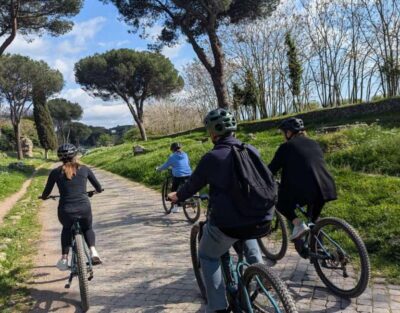
Once you arrive, the tour focuses on getting you ready to ride. You’ll get a high-quality e-bike, a helmet, and a bottle of water. That matters more than it sounds. In Rome, the street surface can be a mix—cobblestones, uneven stretches, and turns that feel sharper than you expect. A powered bike plus a basic safety setup helps you keep your attention on enjoying the views instead of wrestling the ride.
Group size is capped at 10. That tends to make a noticeable difference in a city like Rome: you can hear the guide, you can ask quick questions, and you’re not waiting forever for someone to catch up on a photo stop.
The guide is English-speaking, live on the ride, so you’re not just getting a map—you’re getting direction. And yes, guides can vary. In at least one recent situation, when the planned guide couldn’t continue due to injury, Paolo stepped in quickly with an alternative plan on the same day. That kind of backup matters when you’re paying for time.
You can also read our reviews of more cycling tours in Rome
Capitoline Hill to the Imperial Fora: Rome’s Power Center From Two Wheels
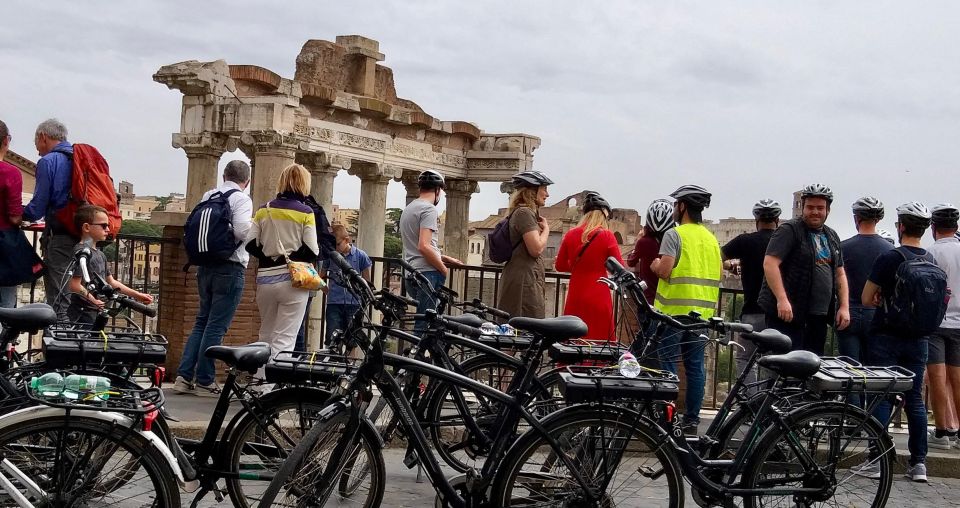
Your first meaningful stop is on/around Capitoline Hill, with a photo stop of about 20 minutes. This is a smart start because it sets your bearings early. From this elevated pocket, Rome doesn’t just look old—it looks organized, like someone planned the views on purpose.
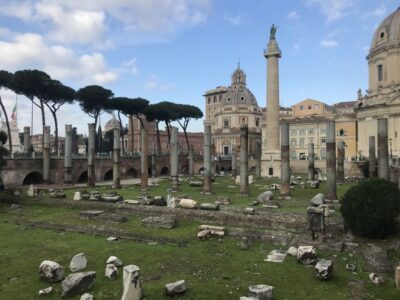
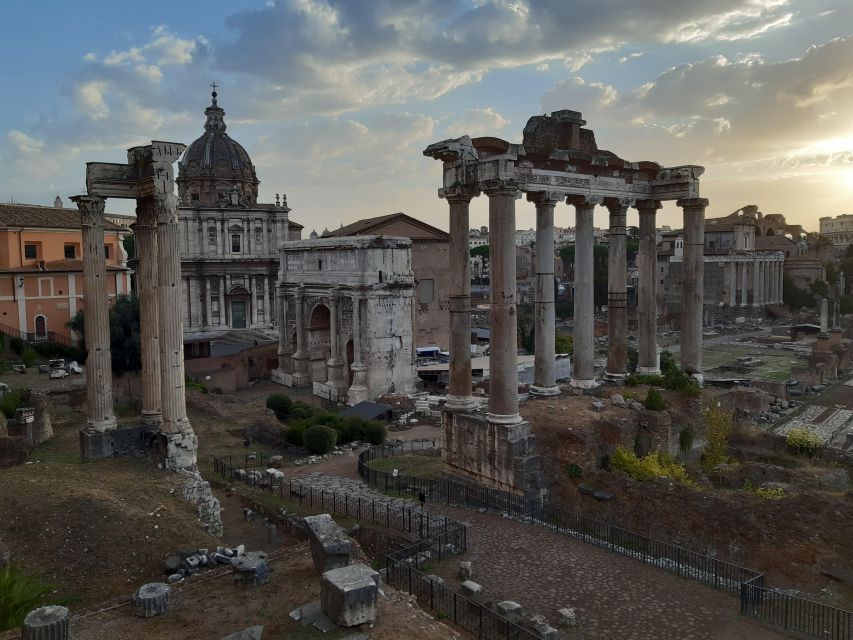
From there you roll toward the Imperial Fora. You’ll get scenic views along the way (about 20 minutes), then continue with more landmark time in the broader area. This is where the tour’s “highlights” branding makes sense: you’re not trying to see everything, you’re seeing what explains Rome’s identity. The tour also points out Trajan’s Column, tying the ruins to a specific emperor and the idea of Rome as an empire built on spectacle and control.
E-bikes turn this part from a workout into a sightseeing tool. You still feel the city’s energy—traffic flow, street texture, the tight turns—but you’re not burning your legs before the day even gets going. The payoff is that you can look around, take pictures, and actually absorb what you’re seeing.
A practical tip here: treat the first viewpoint as your anchor. If you take one or two photos, then stop letting the camera run wild, the rest of the route will feel less like a checklist and more like a coherent story.
Trevi Fountain and the Spanish Steps: Photo Stops That Respect Your Time
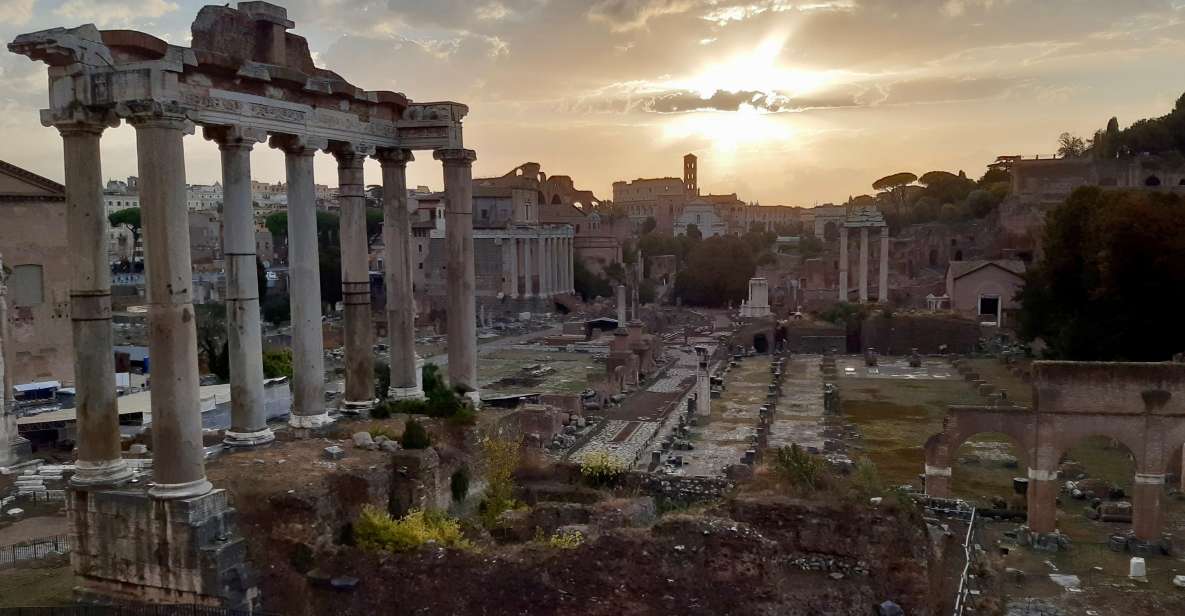
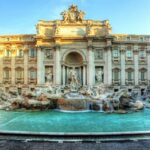
Rome’s most famous photo magnets show up right in the middle: Trevi Fountain first (around 20 minutes) and the Spanish Steps next (about 10 minutes). These are popular for a reason, but the real value of a guided e-bike loop is timing and movement.
At Trevi, expect a classic scene: crowded edges, lots of angles, and people doing the coin-throw ritual. You’ll have time for the moment and for a few different angles rather than a rushed stop. The trick is to pick your best viewpoint early, then move slowly. If you keep rotating every 15 seconds, you’ll lose time and feel stressed. If you settle for 2–3 photos, you’ll enjoy it more.
The Spanish Steps are similar: iconic, photogenic, and easy to overshoot on a self-guided day. Here, you get a focused window, so you can enjoy the staircase with time to breathe and ride onward instead of turning your day into a slow-motion crowd jam.
One subtle benefit of being on an e-bike: you don’t only stand still. You can reposition for photos, then keep moving. That helps you avoid the feeling that you’re trapped in the loudest part of every landmark.
Villa Borghese Break and Popolo Square: A Breather on the Route
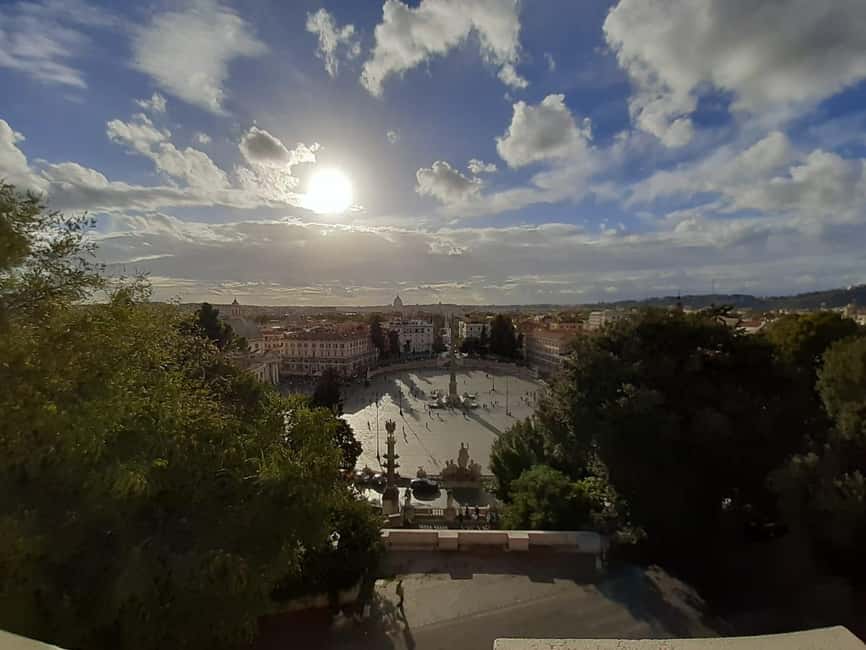
After the heavier hitters, the tour takes you into a more relaxed rhythm with Villa Borghese and its scenic approach (about 30 minutes). This is a welcome course correction. Rome can wear you out fast when you’re only walking, because every turn feels like another hill or another patch of uneven paving.
Villa Borghese gives you a breather—space to look out, regroup, and feel like the city has lungs. Even if you don’t plan to enter any buildings, the point is the feeling: green around you, wider sightlines, and fewer people pressing in tight clusters.
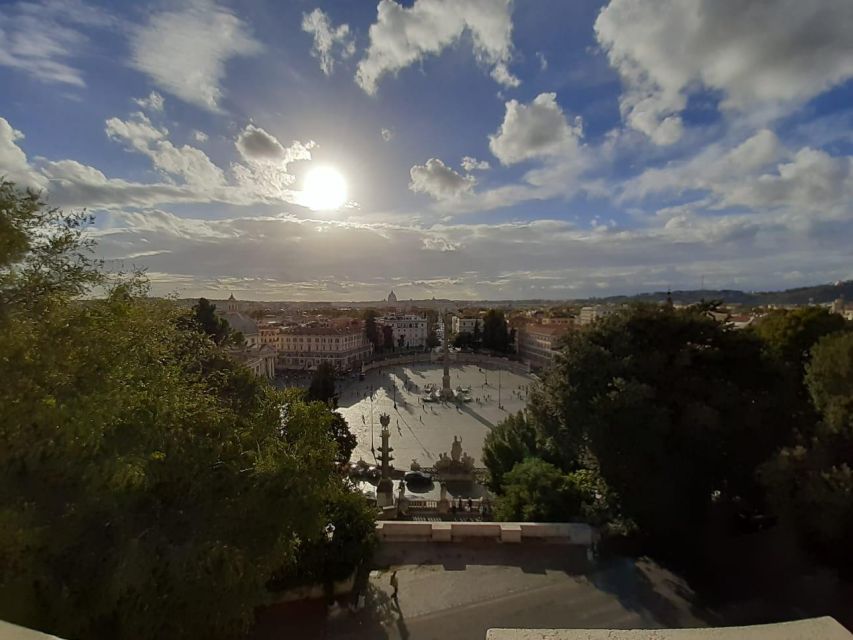
The route also includes Popolo Square as you move through. This area gives you a different kind of spectacle—more open space and a chance to reorient your mental map of central Rome. Think of these stops as calibration points. They make later parts of the ride easier to follow.
Pantheon and Piazza Navona: Classic Rome in Real-World Sightlines
Next up is Pantheon, Rome with about a 20-minute photo stop. The Pantheon is one of those buildings that always looks like it’s bigger in your imagination—until you’re standing there and you realize how well proportion and scale work. The tour keeps it outside-focused and time-managed, so you get the main visual impact without spending the entire afternoon inside.
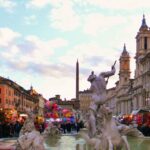
Then you head to Piazza Navona for around 20 minutes. This is where the character of Rome shifts again. You’ll see the Baroque fountains and the surrounding café life from the outside. If you’ve only seen photos, this is where you understand why the square works: it has that “designed for people watching” layout.
If you’re tempted to sprint for the perfect shot, don’t. With only about 20 minutes here, the best strategy is to choose one main fountain viewpoint, then take a few pictures from nearby steps or corners. You’ll get a better set of photos and still have time to ride on without feeling rushed.
You can also read our reviews of more city tours in Rome


Jewish Ghetto Streets and Cicero Synagogue: A Slower, Human Pace
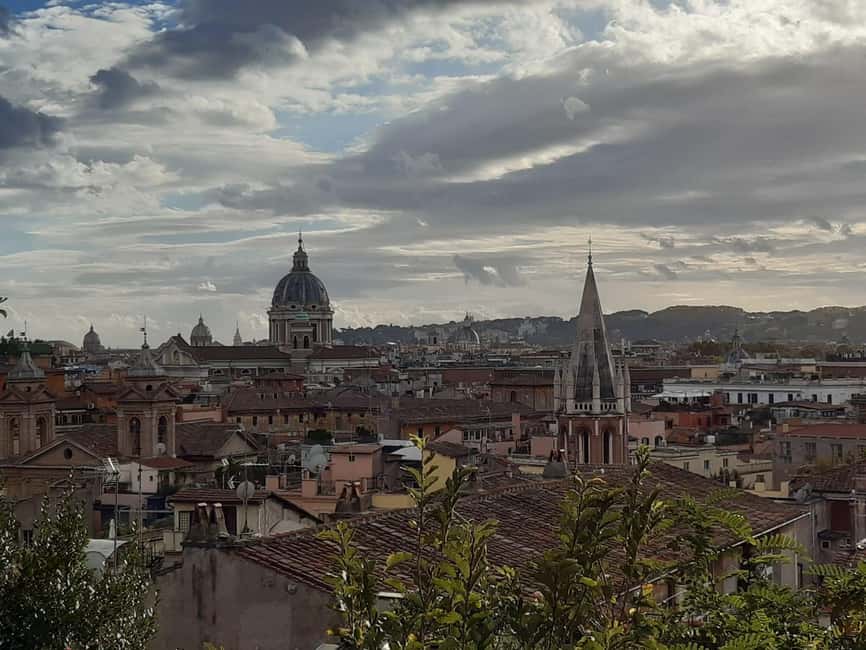
A major highlight of this route is the time in the Jewish Ghetto area. You’ll have about 40 minutes there, which is generous compared to the typical grab-and-go timing that many Rome tours use.
This portion isn’t just about scenery. The tour guides focus on the neighborhood’s layout—narrow streets, the sense of history that sits close to street level, and the presence of places like the Cicero Synagogue. You also get to see the way everyday life fits into the historic shell.
Forty minutes gives you space to do two things:
1) walk at a slower pace and really notice details, and
2) take a few photos without feeling like you’re sprinting through a museum corridor.
A quick practical thought: bring your brain’s “city browsing mode.” You’ll get more out of this section if you look for street-level cues rather than only trying to match landmarks to Instagram angles.
From Porticus Octavia to Campo de’ Fiori and Into Trastevere
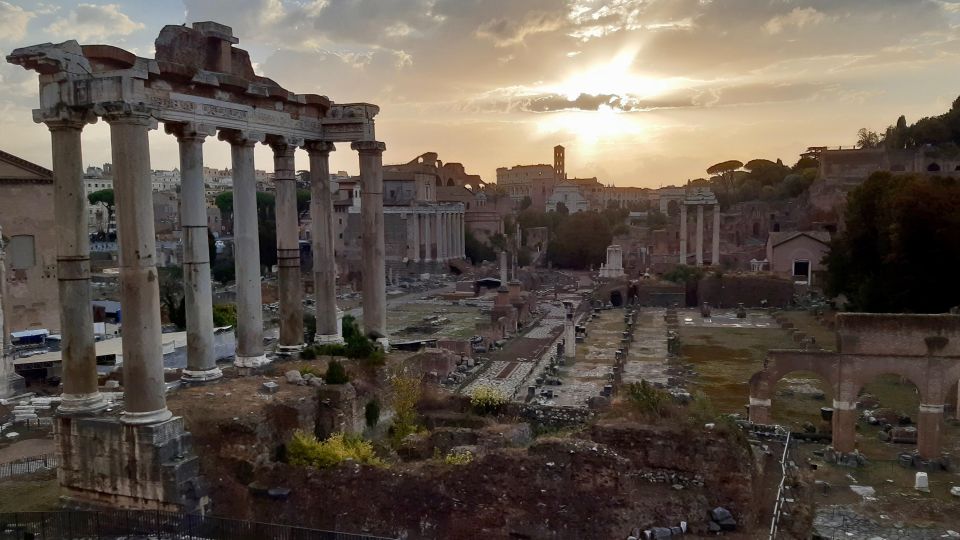
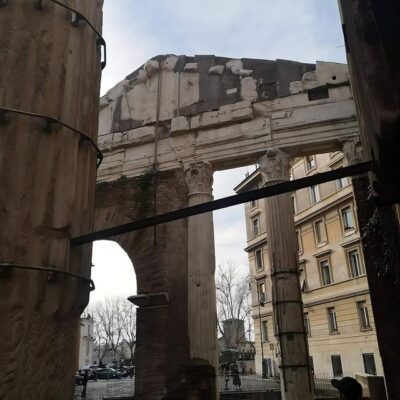
As you move through central Rome, you pass Porticus Octavia remains—once a grand colonnaded structure. That’s a useful moment because it helps you connect what you’re seeing to the deeper idea of Rome as a city built around public spaces.
You’ll also pass Campo de’ Fiori, a busy market-square with local traders. Even if you’re not shopping, it’s a great vibe-check point. Market squares in Rome aren’t just tourist sets; they’re where locals think in terms of today’s needs.
Then the route continues toward Trastevere with another 40-minute photo stop and dessert time. This is where the tour’s “highlights” approach balances out: you’re no longer only seeing monuments—you’re getting a feel for neighborhood Rome.
Because food and drink aren’t listed as included, treat the dessert window as an opportunity, not a guarantee. You can grab something local if you want, but budget for it like you would anywhere in the city. The benefit is that you won’t have to hunt for where to eat right at the busiest time. The guide places you in the right neighborhood, at the right moment.
Theatre of Marcellus and Gelato by the Tiber: The Payoff Stop
The final highlight is Theatre of Marcellus (about 20 minutes). This is an excellent last stop because it gives you atmosphere: ancient stones, open-air space, and a view over the Tiber River area.
And then comes the gelato moment. The tour description frames it as a chance to unwind and enjoy gelato right at the end. Since the tour doesn’t list food as included, assume you’ll be buying it while you’re there—but that’s still a smart use of your time. After hours of riding and photo stops, a gelato break is the simplest reward that still feels tied to place.
Once you finish, you ride back to Via dei Cerchi, 59. Ending near the start keeps the day clean. No long taxi rides. No complicated final transfers.
Price and Pace: Is $88 Worth 4 Hours in Rome?
At $88 per person for 4 hours, this tour can feel like a bargain or like a splurge, depending on how you compare. Here’s the fairest way to judge value: you’re paying for transportation + guide + equipment.
What’s included:
- e-bike (high quality)
- helmet
- tour leader
- bottle of water
- and, of course, the photo-stop rhythm built around major highlights
When you try to DIY Rome highlights, you quickly pay the hidden costs: time stuck in traffic, transit that doesn’t drop you at the best viewpoints, and energy spent walking hills you didn’t plan for. The e-bike turns those problems into a workable plan. You don’t need to be a cyclist to benefit, but you do need to be comfortable riding a bike.
Also, this route hits a lot of top-tier landmarks in one day: Capitoline Hill, Imperial area views, Trevi Fountain, Spanish Steps, Villa Borghese, Pantheon, Piazza Navona, the Jewish Ghetto, and then Trastevere plus Theatre of Marcellus. That’s not just sightseeing; it’s a way to see Rome’s “chapters” without spending your whole vacation in transit.
The small-group cap at 10 participants is part of why the price holds up. You’re paying for an experience that doesn’t feel like herding.
Who This Rome E‑Bike Tour Fits Best (and Who Should Skip)
This is a good fit if you:
- want to see major Rome highlights without spending the whole day walking
- like guided storytelling and want an English-speaking guide
- can ride a bike comfortably at a moderate pace
Recent guide experiences also suggest the group benefits from enthusiastic instruction. In different bookings, guides included Monika/Monica, Filippo, and Paolo, and the common theme is clear communication and a friendly, upbeat approach.
It’s not a good fit if:
- you can’t ride a bike (this is explicitly not suitable for those riders)
- you exceed 280 lbs (127 kg) (weight limit)
- you’re traveling with an unaccompanied minor (minors must be accompanied)
- babies under 1 year aren’t allowed
One more practical note: wear closed-toe shoes and bring sunscreen and sunglasses. Rome weather can change your whole mood in a hurry, and you’ll be outside for long stretches.
Should You Book This Rome Highlights Tour?
If you’re aiming to see Rome’s greatest hits in one efficient day—and you’re comfortable riding a bike—this is a strong choice. The combination of e-bike mobility, a small group, and a route that moves logically from viewpoints to neighborhoods is exactly what makes it work.
I’d especially recommend it for your first or second day in Rome when you want orientation fast, and for anyone who wants gelato time without turning it into a separate search mission.
FAQ
How long is the Rome highlights e-bike tour?
It lasts about 4 hours.
How much does the tour cost?
The price is listed as $88 per person.
Where do I meet, and what’s the closest Metro station?
The meeting point is in front of the Circus Maximus, at Via dei Cerchi, 59. The closest Metro station is Circo Massimo.
What’s included in the price?
Included are a high quality e-bike, helmets, a tour leader, bottle of water, and guided route with views.
Are food and drinks included, including gelato?
Food and drink aren’t listed as included. The end of the tour includes time for gelato, but you should expect to pay for it.
What should I bring or wear?
Bring sunglasses and sunscreen, and wear closed-toe shoes. The tour also lists water as something to bring.
How many people are in the group, and what language is the guide?
It’s a small group limited to 10 participants. The guide is live and speaks English.
Is it suitable for beginners on a bike?
The tour notes that it makes riding safe and easy for riders of all levels, but it is not suitable for people who can’t ride a bike.
Are there limits on who can join?
Unaccompanied minors aren’t allowed. There’s also a weight limit of 280 lbs (127 kg) and babies under 1 year aren’t allowed.
Can I cancel, and is there a pay-later option?
You can cancel up to 24 hours in advance for a full refund. You can also reserve now and pay later.