Rome goes underground in the best way. This German walking tour mixes the big-city classics like Piazza Navona and the Trevi Fountain with the quieter wow moments: the underground Vicus Caprarius remains and the church 3D ceiling frescos at Saint Ignazio, explained by a live guide with headsets so you don’t miss a word. You get a route that actually makes sense of the sights, not just a stamp-collecting walk.
I especially love how the tour turns the underground aqueduct story into something you can picture, even when you’re standing in a museum space underground. I also love the St. Ignazio stop, where those ceiling paintings look almost impossible until your brain catches up.
One thing to plan for: it runs rain or shine, and there’s a dress code (no short skirts or sleeveless shirts). So bring rain-friendly shoes and dress like you’re prepared for church.
In This Review
- Key highlights at a glance
- Meeting at the Bernini Fountain: start in the right place
- Piazza Navona, the Pantheon, and the Trevi Fountain: Rome’s famous scenes, explained
- What I like about this sequence
- Domitian’s Stadium: an ancient arena you can almost hear
- Saint Ignazio’s 3D ceiling frescos: the church stop that feels like a trick
- Vicus Caprarius museum: the underground aqueduct you can actually see
- Why this stop is worth it
- A quick note on the walking pace, rain, and dress code
- What you get from the German guide (and why it matters)
- Finishing at La Rinascente: you’re not stranded
- Should you book this German city-center walking tour?
- FAQ
- Where does the tour start?
- How long is the Rome city-center hidden highlights tour?
- Is the tour canceled if it rains?
- What language is the guide?
- Are headsets included?
- Does the tour include skipping lines?
- What should I bring, and what should I wear?
- Where does the tour end?
Key highlights at a glance
- German guide + headsets so you can hear clearly as you walk and stop
- Bernini fountain meeting point near Piazza Navona, marked with a Deutsche Römerin sign
- Stadium of Domitian where about 15,000–20,000 spectators once sat
- Saint Ignazio 3D ceiling frescos that play tricks on your perspective
- Vicus Caprarius museum with remains of an underground aqueduct and water system
- Finish at La Rinascente so you’re already near shopping and easy onward transit
Meeting at the Bernini Fountain: start in the right place
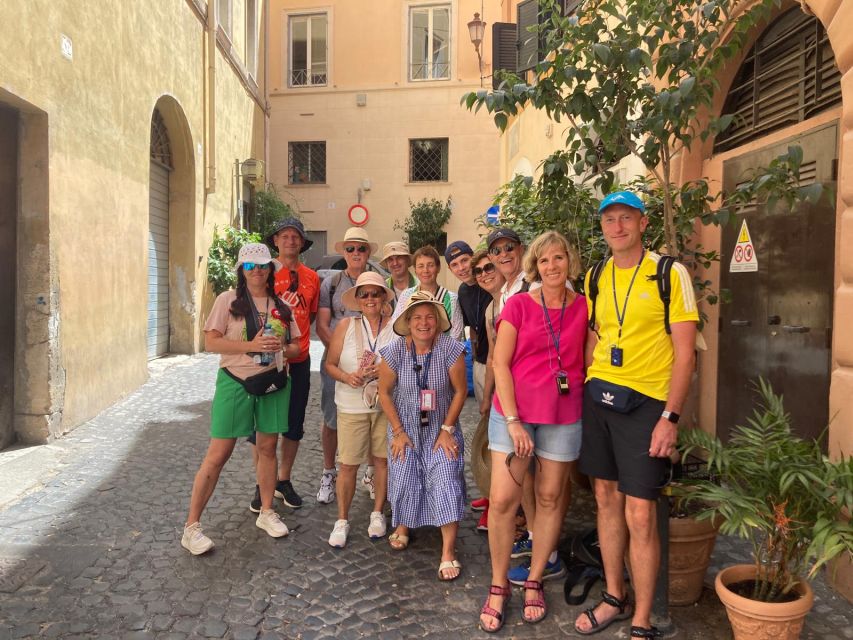
You meet at the fountain of Bernini in Piazza Navona, and you’ll look for a sign that says Deutsche Römerin. If you like being exact, the coordinates are 41.89900588989258, 12.473088264465332, which is handy when you’re navigating through Rome’s center streets.
From that first moment, the tour gives you structure. Piazza Navona can feel like a maze of crowds, statues, and side streets. Having a guide set the tone right away helps you understand what you’re looking at before you get swept along by the postcard energy.
And yes, headsets are part of the plan. That matters in Rome, where conversations get swallowed by traffic, street performers, and groups gathering in clumps. With the headsets, you can keep your eyes on the sights instead of constantly hunting for your guide.
You can also read our reviews of more walking tours in Rome



Piazza Navona, the Pantheon, and the Trevi Fountain: Rome’s famous scenes, explained
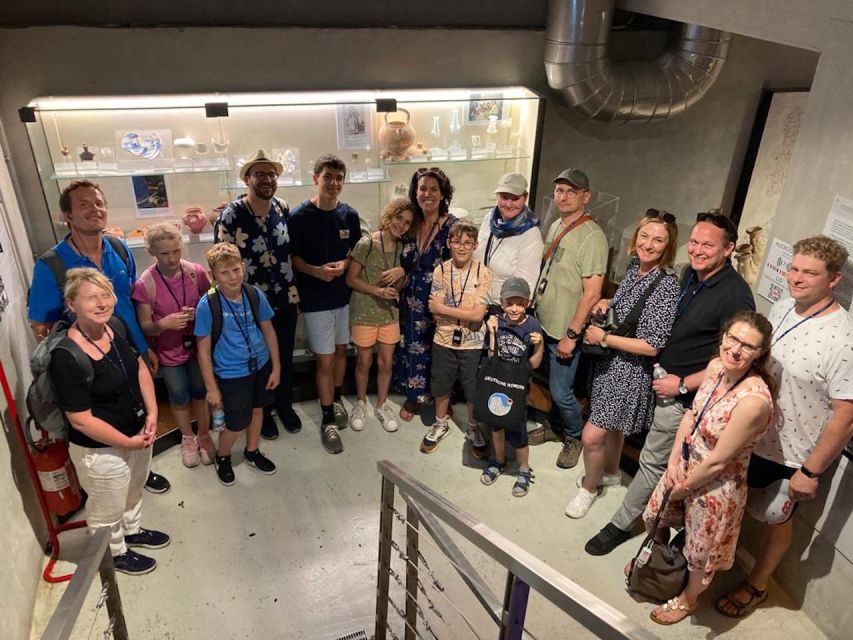
This tour walks the center with purpose, hitting the big names you came for: Piazza Navona, the Pantheon, and the Trevi Fountain. But the point isn’t just to stand in front of them. Your guide uses the stops to explain how the city layers eras on top of eras.
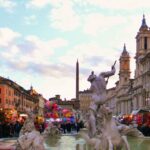
In Piazza Navona, you’ll get an intro as you look around the square. Your guide points out key details so the place feels less like a generic highlight list and more like a real Roman space that’s been rebuilt, reused, and reinterpreted over time.
Then comes the Pantheon. You’ll make your way to it while your guide keeps the story moving. The tour frames the Pantheon as what it started as—a Roman temple—then notes its conversion into a Catholic church. That contrast helps you see why the building is so visually persuasive: it’s not only old. It’s also continuously “alive” in Rome’s religious and cultural life.
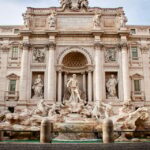
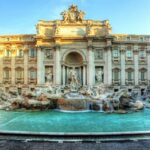
Next, you’ll reach the Trevi Fountain for a Baroque moment in the middle of all that history. Expect the typical Trevi atmosphere—busy, bright, and everyone trying for the perfect photo spot—but your guide’s pacing keeps it from feeling like you’re just being pushed through.
What I like about this sequence
The order works for your brain. You move from a lively public square (Piazza Navona) into a monumental religious-turned-historic site (Pantheon) and then into the most famous fountain in town (Trevi). Each stop changes the mood, so the tour doesn’t blur into one long crowd scene.
Domitian’s Stadium: an ancient arena you can almost hear
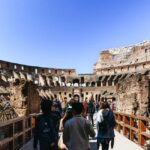
One of the most memorable parts of this tour is the stadium of the emperor Domitian. This wasn’t a small venue. It housed an estimated 15,000 to 20,000 spectators.
That number is what makes the stop click. When you’re standing where ancient crowds once sat, it’s easy to underestimate scale. Learning the capacity gives you a better sense of how serious Roman entertainment and public life were—this wasn’t a casual pastime. It was a planned, built, and attended spectacle.
Your guide takes you through what you can see now and connects it back to the athletics and events that would have brought those thousands of people together. It’s a great antidote to Rome’s “everything is ancient” fatigue. Here, the site is more specific than a wall or a column—it’s a dedicated space made for crowds.
And because this is a guided walking tour, you’re not stuck figuring out what the ruins represent. Your guide gives you the mental map while you’re still close enough to look around and notice details.
Saint Ignazio’s 3D ceiling frescos: the church stop that feels like a trick
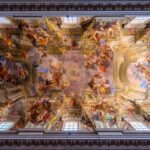
If you only remember one scene for your photos, let it be the church of Saint Ignazio. The highlight here is the memorizing 3D ceiling frescos.
This is the kind of stop where a guide makes a real difference. Without context, you can stare at paint and feel like you’re missing something. With the guide, you know what to look for and how to read the perspective effect—why your eyes see depth even though you’re looking at a flat ceiling.
This part of the tour is also a nice break from the outdoor crowd energy. You slow down. You look upward. You spend time where people often rush straight through other churches.
The result: a feeling of wow that’s different from the typical Rome “big monument” moment. It’s more personal. More optical. More surprising.
You can also read our reviews of more guided tours in Rome




Vicus Caprarius museum: the underground aqueduct you can actually see
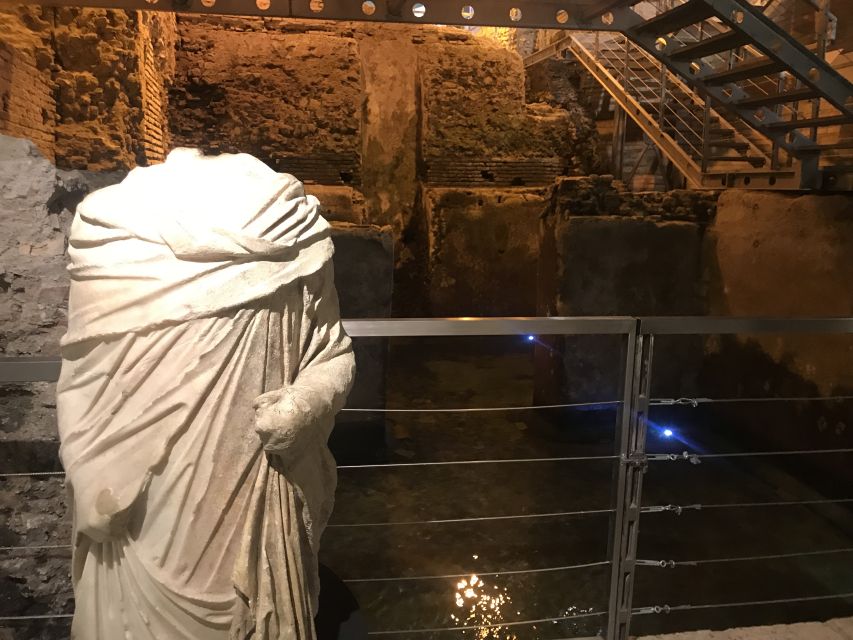
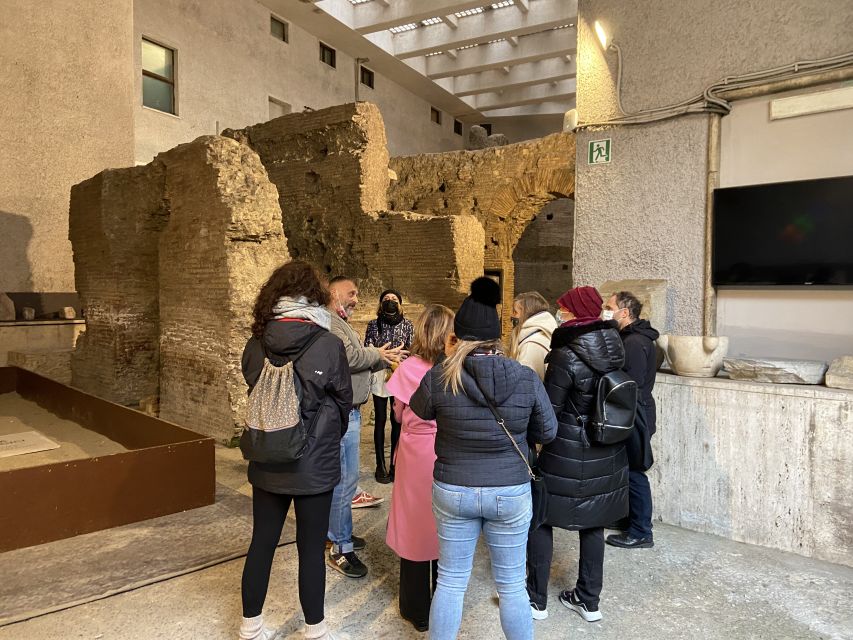
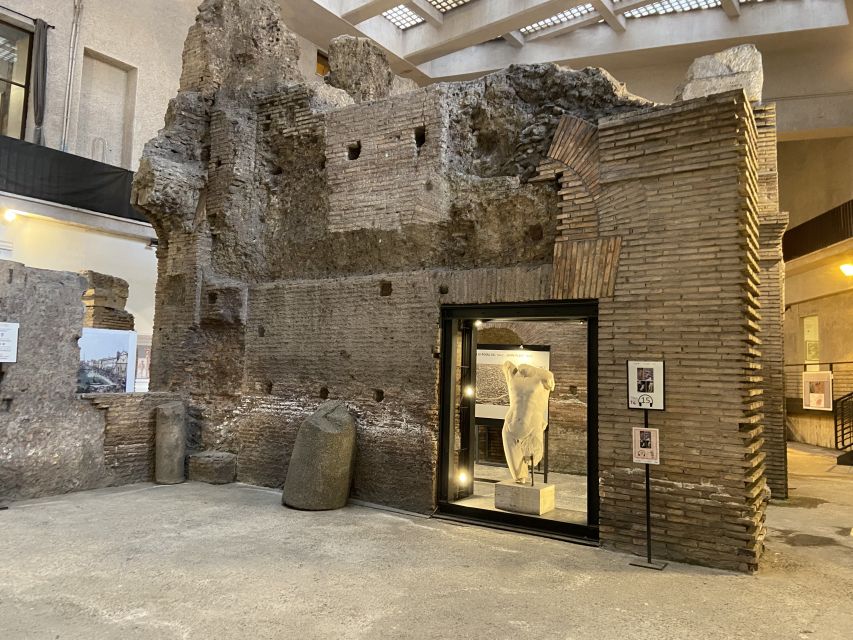
Then the tour heads underground—to the Vicus Caprarius museum. This is one of those Roman stories that’s hard to appreciate from street level. Rome’s water systems aren’t just trivia. They shaped where people lived, what they built, and how the city worked.
Here, you’ll see remains of an underground aqueduct. Even though you’re underground, it doesn’t feel like a detour. The stop ties directly back to the idea that Rome wasn’t only about monuments. It was also about plumbing, logistics, and daily life made possible by engineering.
Your guide helps you connect the dots between the water city of Rome and what’s preserved in the museum. That’s the value: you’re not just looking at stones. You’re learning what the stones did.
Why this stop is worth it
Most Rome itineraries overload you with above-ground landmarks. This one balances that with the infrastructure side of ancient life. If you like knowing how a city actually functioned, you’ll appreciate the shift.
Also, it’s a good fit for rainy days. Since the tour runs rain or shine, having a museum component is a practical win.
A quick note on the walking pace, rain, and dress code
This is a 3-hour guided walk through the center. You’ll be moving between major sights, including church time and an underground museum stop. Wear comfortable shoes. Even if you’re not a slow walker, you’ll still want something that handles uneven stone and sudden crowd slowdowns.
The tour also runs rain or shine. So plan for wet pavement and umbrellas that are hard to use in tight streets. A light rain layer can be better than a big bulky thing you keep bumping into people with.
And yes, there’s a dress code: no short skirts and no sleeveless shirts. Since you’ll visit churches, dress with that in mind even if the rest of your day plans were casual.
What you get from the German guide (and why it matters)
The tour is led in German, which is great if you want your experience to feel seamless in your own language. You’ll also hear your guide clearly through the provided headsets.
The quality of guiding really comes through in the reviews, especially around personality and presentation. Names that show up in recent feedback include Gianluca and Janina—both praised for humor and for bringing a lot of heart to the stories. I like that. Rome is full of facts, but the best guides make you care about them.
One reason this tour scores high is the mix of scope and pacing. It covers major sights and then adds the lesser-seen pieces—Domitian’s stadium and the underground aqueduct remains—without making you feel lost or rushed.
Finishing at La Rinascente: you’re not stranded
The tour ends at La Rinascente. That’s a practical finish because it puts you back in a central, well-connected area. Even if you don’t plan to shop, the location is useful for heading to dinner, catching transit, or wandering on your own with a clearer sense of where you are.
If you’re the type who likes to keep momentum after a tour, this ending helps. You’re already near a hub of activity.
Should you book this German city-center walking tour?
Book it if you want:
- A 3-hour guided route that hits the big center sights plus real “how did Rome work?” stops
- A guide in German and clear audio through headsets
- A mix of above-ground monuments with the underground Vicus Caprarius museum
- A church visit that’s actually about how you see—Saint Ignazio’s 3D ceiling frescos
Skip it or consider alternatives if:
- You’re sensitive to rain and don’t like walking in weather
- You don’t want museum time (the aqueduct stop is a key part of the value)
- You’re uncomfortable with the church dress rules
If you’re trying to do Rome efficiently while still getting surprises, this one makes a lot of sense. It’s not only about checking off famous places. It’s about understanding what you’re looking at—then rewarding you with the kind of moments that stick in your head.
FAQ
Where does the tour start?
You meet at the fountain of Bernini in Piazza Navona. Look for the Deutsche Römerin sign. The coordinates provided are 41.89900588989258, 12.473088264465332.
How long is the Rome city-center hidden highlights tour?
The duration is 3 hours.
Is the tour canceled if it rains?
No. The tour takes place rain or shine.
What language is the guide?
The live tour guide speaks German.
Are headsets included?
Yes. Headsets are provided so you can hear the guide clearly.
Does the tour include skipping lines?
Yes. The activity includes skip the ticket line.
What should I bring, and what should I wear?
Bring cash. For the dress code, short skirts and sleeveless shirts are not allowed.
Where does the tour end?
The tour finishes at La Rinascente.