REVIEW · ROME
Rome: Angels, Demons, & Dark Legacy of True Crimes Tour
Book on GetYourGuide →Operated by REAL BARCELONA TOURS, S.L · Bookable on GetYourGuide
Rome turns into a ghost story at night. I like the way this true-crime route strings together major “dark legacy” stops like Castel Sant’Angelo and Campo de’Fiori, and I especially like guides such as Fabiana or Furio—both praised for keeping the group hooked and answering questions. One drawback to keep in mind: a small number of bookings reported serious meeting trouble (even though refunds happened), so double-check the meeting point and be on time.
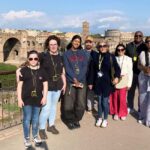
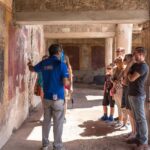
You’ll start by the end of the bridge in front of Castel Sant’Angelo, with your guide holding a company-branded flag. The tour runs about 2 hours on city streets after dark, and it works best if you enjoy walking, listening, and letting the mood do half the work.
This isn’t a sit-and-stare experience. It’s not recommended for people with back problems, pregnancy, heart problems, or other serious medical conditions, and wheelchair users should skip it.
In This Review
- Key Things I’d Plan Around
- Starting Point: Castel Sant’Angelo at Night, With a Flag in Hand
- Rome’s True-Crime Opening Act: Castel Sant’Angelo and Ponte Sant’Angelo
- Giulia Street: When the Walking Gets Nervy
- A Chilling Church Stop: Public Executions and a Guide Who Knows How to Pace
- Campo de’Fiori: Where the Stories Go Public
- Dowsing Rods: The Spooky Activity (and How to Make It Fun)
- The Bone-Chapel and the Disguised Female Pope Legend
- Guides Make the Difference: Fabiana, Furio, and the Art of Storytelling
- Price and Value: Why $36 Can Work Here
- Pace, Comfort, and Who This Tour Fits Best
- Should You Book This Rome Angels, Demons, & Dark Legacy Tour?
- FAQ
- Where is the meeting point?
- How long is the tour?
- Is food included?
- Are entrance tickets included for attractions?
- What languages are available?
- Is this tour wheelchair accessible?
Key Things I’d Plan Around
- Meet at the flag by Castel Sant’Angelo: find the guide at the end of the bridge in front of the fortress area.
- Major landmarks from outside: you won’t be relying on entrance tickets for the big sights.
- Stories, not lectures: guides like Fabiana and Furio were specifically praised for strong storytelling and a lively group feel.
- Dowsing rods for spooky interaction: there’s a hands-on “sense lingering spirits” moment.
- Bone-chapel and legend stops: you’ll hear about a chapel with human bones and the disguised female Pope bridge legend.
Starting Point: Castel Sant’Angelo at Night, With a Flag in Hand
The best part about a night tour is clarity: you don’t need to “figure it out,” you just need to show up and follow. Here, you meet at the end of the bridge right in front of Castel Sant’Angelo, where the guide holds a company-branded flag. That flag matters, because Rome has lots of similar-looking corners and you don’t want to waste time hunting.
Plan to arrive a few minutes early. Meeting time can shift, and if that happens, you’ll get a call or message—so keep your phone handy and your number correct with your country code. Also note a blunt reality: late arrivals aren’t refunded, so if you’re the type who hates rushing, build in buffer time.
What you wear matters. This is a walking tour with comfortable-shoes guidance for a reason. The streets in this area can feel uneven under night lighting, and the tour is long enough that comfort affects your enjoyment.
You can also read our reviews of more tours and experiences in Rome.
Rome’s True-Crime Opening Act: Castel Sant’Angelo and Ponte Sant’Angelo
The tour kicks off at Castel Sant’Angelo, set up as an ominous fortress in the storytelling. Even if you’re not there for sightseeing tickets, starting here gives you instant atmosphere: big stone, night air, and a guide who can point you toward the “why people feared this place” angle.
From there, you cross the Ponte Sant’Angelo Bridge. This is where the tour starts doing its key job: linking locations to stories. You’ll hear about the poisoner’s home near the bridge area, along with the darker side of Rome’s past—there’s mention of a grim prison for women tied into the route’s narrative flow.
Practical tip: look up and ahead as you cross. Night walking has a way of making you stare at the pavement. If you keep your head up at least occasionally, you’ll get a better sense of the route the tour is building—bridge to street, fortress to alley, one clue leading to the next.
Giulia Street: When the Walking Gets Nervy
After the bridge, the tone tightens as you head down Giulia Street. This is one of those Rome streets that can feel like it’s always been the same, even though it hasn’t. The guide uses it as a corridor for grim chapters rather than a scenic stroll.
One standout stop is the Brotherhood of Mercy’s macabre church. The tour frames it as a place connected to public executions, which is exactly the kind of subject that can land differently when you’re standing near the setting instead of reading about it later.
You’ll also move through a story thread connected to the John Paul Getty III kidnapping. That detail is useful because it keeps the night from becoming pure ancient mythology. It bridges old Rome fear with a modern-day sensation of danger—so if you like true crime as much as history, this is one of the points where you’ll likely feel the tour click.
A Chilling Church Stop: Public Executions and a Guide Who Knows How to Pace
This part of the tour is where pacing becomes everything. A good guide won’t just list facts. They’ll time their delivery so you get silence between scary moments. That’s what the praised guides seemed to do—Fabiana was mentioned as a great storyteller who kept people feeling immersed the whole way through, and Furio was described as funny while still professional.
If you tend to tune out on walking tours, this is also where you can benefit from asking questions. The tour style seems built for interaction: at least two guides were called out as open to questions and able to keep attention high. That matters if your brain needs a hook in order to follow a darker story.
Also, keep your expectations grounded: the tour description emphasizes that you’ll be visiting major landmarks from outside. So even for a church or a chapel stop, you should expect the experience to be about the surrounding area and the storytelling context, not a full museum-style interior visit with long ticket lines.
Campo de’Fiori: Where the Stories Go Public
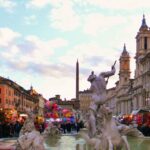
Next comes Campo de’Fiori, presented through the lens of bloody history. This square is a good choice for a night tour because it gives the guide open space to set the scene—then turn it toward darker events. You’re not confined to side streets, which helps the tour stay readable even with a group walking together.
This is also where you’ll likely feel the tour’s “true crime and history” focus most clearly. It’s not only about famous buildings. It’s about the pattern of punishment, fear, and public spectacle—and how those themes can turn a normal-looking place into something you remember longer than a daytime photo.
Don’t expect a jump scare. Expect discomfort as a mood. If you go in thinking you’ll be entertained by horror movie tricks, you might be disappointed. If you go in curious about how a city keeps turning pain into lore, you’ll probably enjoy yourself more.

Dowsing Rods: The Spooky Activity (and How to Make It Fun)
One of the more unusual elements in this tour is the use of dowsing rods to sense lingering spirits in haunted hotspots. It’s the kind of activity that can feel corny if you take it too seriously. The sweet spot is simple: treat it as an interactive theater moment tied to the route’s stories.
Here’s how to get value from it. Don’t focus on whether it proves anything. Focus on how the guide frames it, what locations they connect it to, and how the group reacts. The rods are just a tool to make you pay attention in a way that still feels light enough to keep moving.
Also, since alcohol and drugs aren’t allowed, you’ll be in the right environment for a spooky but controlled experience. That matters more than it sounds. Night tours do better when people aren’t distracted.
The Bone-Chapel and the Disguised Female Pope Legend
Later in the route, you’ll visit a chapel adorned with human bones. That kind of stop can be genuinely hard to view, even if the tour presentation stays respectful. If you’re sensitive to grim imagery, go slowly. This is one of those moments where your body will react before your brain does.
Then the tour brings you to a bridge tied to the legend of a disguised female Pope. Since this is described as a spectral legend, you’re in folklore territory. That’s not a downside—it’s actually a big reason this tour feels different from a standard history walk. You’re not only learning what happened; you’re learning what people kept telling.
If you like stories that blend fear, myth, and city geography, you’ll likely end the tour with a stronger mental map. The route becomes less about memorizing and more about connecting scenes.
Guides Make the Difference: Fabiana, Furio, and the Art of Storytelling
At $36 for about two hours, you’re not paying for entrance tickets. You’re paying for the human element: a guide who can turn street corners into narrative.
The strongest recurring praise centers on storytelling skill and group attention. Fabiana was highlighted as a great storyteller who kept people feeling swept up for the whole walk. Furio was praised as excellent, funny, and able to keep the walk super interesting and thrilling. Another positive note emphasized a professional, knowledgeable approach plus openness to questions.
What that means for you: if you learn best by listening—rather than by reading plaques—you’re in the right format. And if you’re traveling with a skeptical streak, a guide who can answer questions and keep things moving helps you stay engaged without getting preachy.
Price and Value: Why $36 Can Work Here
$36 for a 2-hour night walking tour may sound small, but the value comes from how the tour is structured.
- You get a professional guide and a route built around recognizable Rome anchors like Castel Sant’Angelo and Campo de’Fiori.
- Major landmarks are visited from outside, which reduces reliance on entrance fees (entrance tickets aren’t included).
- The experience includes a night-only vibe and interactive elements like dowsing rods.
- There’s also mention of a restaurant stop tied to a place serving exquisite meals for over 150 years—though food and drinks are not included, so think of it as a chance to learn the local angle and possibly grab a meal on your own.
So who wins with this price point? People who want a story-led walk that helps them understand what makes certain streets feel charged, without paying for a stack of tickets or committing to a long tour.
Who should pause? Anyone who needs a guaranteed quiet, predictable route or who can’t handle nighttime walking.
Pace, Comfort, and Who This Tour Fits Best
This tour is built for walking. The duration is listed as 2 hours, and one booking described it as closer to 1.5 hours, which suggests the group pace can vary. Either way, you should expect a real walking workout—especially at night when you slow down a bit to watch and listen.
Bring:
- Comfortable shoes
- Comfortable clothes
Not allowed:
- Alcohol and drugs
Not suitable for:
- Wheelchair users
- People with back problems
- Pregnant travelers
- People with heart problems or other serious medical conditions
That’s not fussiness. Those constraints tell you the tour includes enough walking and enough “mental intensity” to count as more than a casual stroll.
Should You Book This Rome Angels, Demons, & Dark Legacy Tour?
Book it if you want a night walk that treats Rome like a crime scene and a storybook at the same time. You’ll probably love the route if you enjoy true crime themes, legends, and the way a guide can make you look at familiar places with new eyes.
Skip it if you can’t do night walking comfortably, have medical limitations that make this type of pace risky, or you’re hoping for a quiet, low-stimulation stroll. Also, arrive early and confirm the meeting point—the tour experience depends on finding the flagged guide and getting started on time.
If you’re game for chills, this is a strong value choice for seeing Rome’s darker side without needing to buy a pile of tickets.
FAQ
Where is the meeting point?
Meet at the end of the bridge in front of Castel Sant’Angelo. The guide will be holding a company-branded flag.
How long is the tour?
The tour lasts 2 hours.
Is food included?
No. Food and drinks are not included.
Are entrance tickets included for attractions?
No. Entrance fees are not included, and attractions that need tickets are visited from outside.
What languages are available?
The live guide is available in Italian, Spanish, English, and French.
Is this tour wheelchair accessible?
No. It is not suitable for wheelchair users.